
Universal Kids Bikes
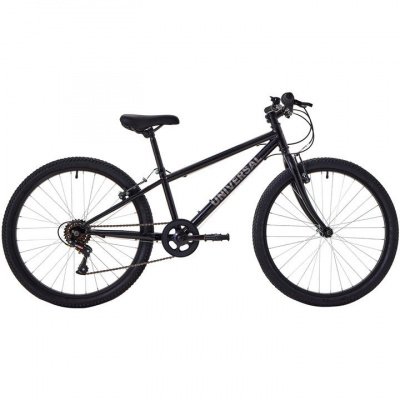
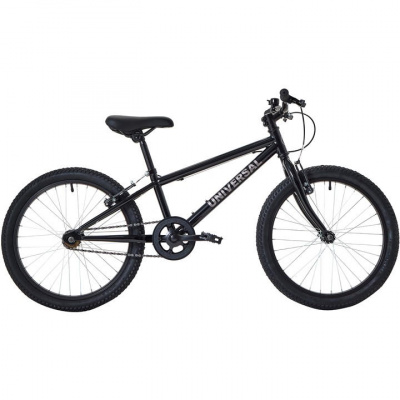
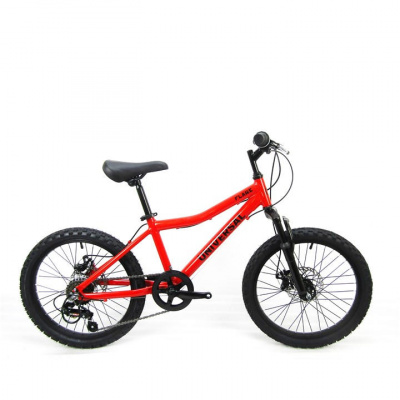
Picking the right Universal Kids Bike for a fast-growing child means juggling durability, safety, and the reality that they'll have outgrown it by next summer. Universal children's bikes UK parents actually buy tend to sit in a practical middle ground: robust enough to survive kerb drops and school-run skids, yet light enough that a seven-year-old isn't heaving it up the garden path. These bikes are built around kid-specific geometry - low standover heights, short-reach brake levers sized for small hands, and a narrow pedal stance that stops knees splaying awkwardly. That attention to proportion makes a real difference when a child is learning to stop confidently or clip a foot down in a hurry. The range covers everything from 10 and 12-inch balance bikes for toddlers finding their feet, through 14 and 16-inch first pedal bikes with removable stabilisers, up to 20 and 24-inch junior models with basic gearing for longer rides. Whether your child is still working out balance or already hammering laps of the local park, there's a size that fits where they are right now - not where you hope they'll be in a year's time.
Prices and availability can change quickly. Delivery charges are not always included in listed prices.
Final price, stock status and delivery terms are set by retailer. We may receive a commission on purchases made.
Decoding the Universal Kids Lineup
Universal organises its range in a logical step-by-step progression, which makes matching a bike to your child's current ability straightforward. At the youngest end, 10 and 12-inch balance bikes strip everything back - no pedals, no chain, just a low frame and wide tyres that let toddlers scoot and steer without anything getting in the way. It sounds simple because it is, and that simplicity is exactly the point.
Move up to 14 and 16-inch models and you're into first pedal bikes. These are typically single-speed gearing with coaster or basic caliper brakes, and most come with removable stabilisers to ease the transition from balance bike to independent riding. The stabilisers aren't glamorous, but they do a job - and once your child's confidence clicks, they come off in minutes. At 20 and 24-inch wheel sizes, the bikes grow up a bit: V-brakes replace coasters, and you'll find basic Shimano gearing on the higher-spec models, giving kids enough range to manage a gentle incline without grinding to a halt. If you're comparing options in this bracket, Frog Bikes sit at the premium end with lighter frames, while Apollo kids bikes offer a similar value-focused approach to Universal. The step-up in braking from coaster to V-brake also matters - it's worth explaining to your child that the lever actually needs squeezing, not just brushed.
The Design Details That Actually Help Kids Ride Better
Universal's approach to child-specific ergonomics goes further than simply scaling down an adult frame. The narrow Q-factor - the distance between the pedals - is one of the less-talked-about details that genuinely matters. Children have narrower hips than adults, and a wide pedal stance forces their knees outward on every stroke. Over a long ride, that's uncomfortable. With a properly narrow Q-factor, pedalling feels natural rather than awkward, and kids tire less quickly. You won't hear them complain about it, but you'll notice they ride further.
The short-reach adjustable brake levers are equally important. Standard adult levers sit too far from the bar for a child's fingers to reach properly, which means they either can't brake at full power or they're stretching uncomfortably to try. Universal's levers are sized and positioned so small hands can pull them with real force - critical when a dog runs out across the path on a wet Saturday morning. Pair that with the low standover geometry that lets a child put both feet flat on the ground without sliding off the saddle, and you've got a bike that reduces the number of frightening moments rather than multiplying them. These aren't marketing details; they're the things that separate a bike that builds confidence from one that quietly puts kids off riding. For parents who want to understand how geometry translates across age groups, our Universal hybrid bikes page gives a useful sense of how the brand's proportions evolve into adult sizing.
Keeping It Running Through a British Winter
British riding conditions are not kind to kids' bikes. Puddle-heavy park paths, damp shed storage all winter, and the inevitable hosing-down-but-not-quite-drying-properly routine means rust is a genuine enemy. The chain is the first thing to suffer. After a wet school run or a soggy Sunday ride, give the drivetrain a quick wipe with an old rag and apply a wet lube - it takes two minutes and it'll add months to the chain's life. A rusty chain on a single-speed kids bike is a pain to replace and often ends up being the reason a perfectly good bike gets binned.
On sizing: the temptation to buy a size up so it lasts another season is understandable, but it's one of the most common things that quietly knocks children's confidence. A bike with too much standover height means they can't get a foot down cleanly, and that hesitation creates anxiety. Measure their inside leg, check it against the specific model's standover height, and buy for right now. You'll get more use out of a well-fitted smaller bike than a bigger one they're stretching to reach. If you want to compare how Universal stacks up against alternatives at a similar price point, Carrera kids bikes are worth a look for the 20-inch and above bracket, and Frog Bikes are the benchmark if weight is your main concern. For families already in the Universal ecosystem, the Universal mountain bikes range is a natural next step when your child outgrows the junior lineup and wants something with a bit more capability.
One more practical note: check the tyre pressure monthly. Kids' bikes get stored, forgotten, and then grabbed on a dry weekend - under-inflated tyres on slippery autumn leaves are not a recipe for enjoyable riding. A track pump with a gauge is a small investment that makes every ride more predictable.
Universal Kids Bikes FAQs
Are Universal kids bikes good quality?
For the price, yes. Universal kids bikes offer solid, durable construction that holds up to the kind of treatment children reliably dish out - dropped in the garden, left in the rain, scraped along walls. They're not the lightest option on the market, but the frames are well put together and the components are appropriate for the age groups they're aimed at.
What size Universal bike does my child need?
Go by inside leg measurement rather than age - children vary too much for age to be a reliable guide. Match their inside leg to the bike's standover height so they can put both feet flat on the ground. Wheel sizes run from 12-inch for toddlers up to 24-inch for older juniors, and the right fit now will do far more for their confidence than a size they'll grow into.
Do Universal kids bikes come with stabilisers?
Most 12 to 16-inch Universal pedal bikes include removable stabilisers as standard. They bolt on and off without much fuss, so you can pull them when your child is ready. From 20-inch upwards, stabilisers are dropped - at that stage, children are expected to balance independently, and the bikes are geared accordingly.