
Tubus Pannier Racks
Few names carry as much weight in loaded touring as Tubus pannier racks - and for good reason. Built from 25CrMo4 chromoly steel or aerospace-grade titanium, these are racks designed around a simple premise: they should outlast the bike they're bolted to. Where a standard aluminium rack fatigues and eventually cracks under the repetitive stress of potholed B-roads and loaded kilometres, Tubus steel flexes and absorbs. That's not marketing language - it's physics, and it's why the company backs every rack with a 30-year warranty, plus a three-year mobile guarantee that covers free replacement anywhere in the world.
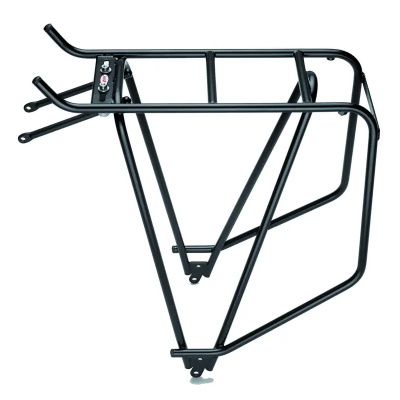
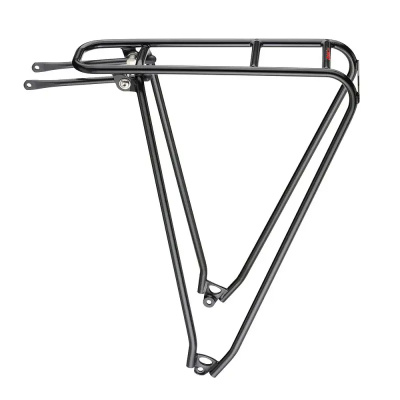
The range runs from the lean, lightweight Fly for road tourers keeping grams in check, through to the burly Cargo for riders piling on four panniers and a drybag for a month in the saddle. There's a front lowrider family, a disc-brake-specific line, and a titanium tier for anyone whose wallet matches their obsession with weight. Whether you're commuting through a Manchester winter or packing for a coast-to-coast, there's a Tubus built around your load. Compare the full range and find the best UK prices below.
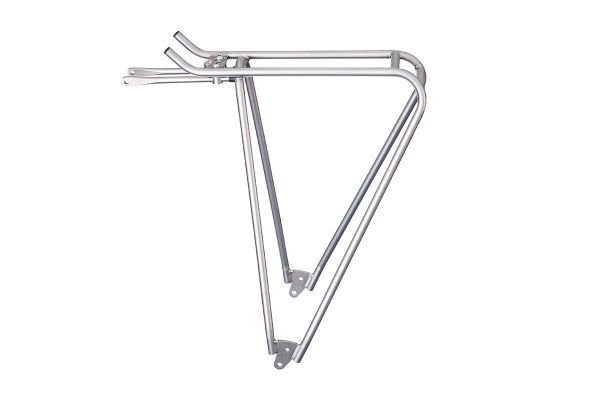
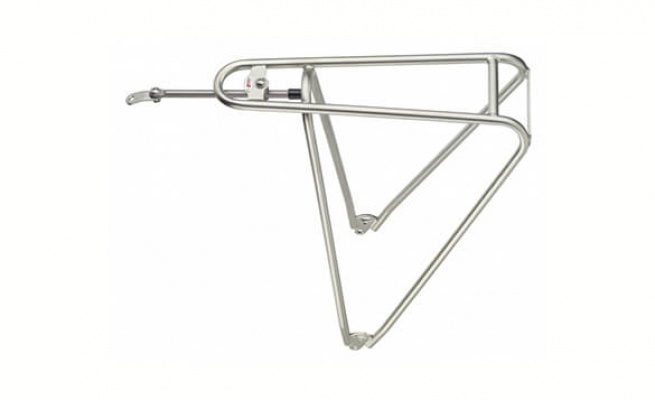
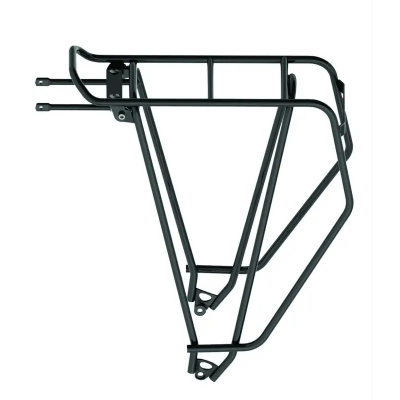
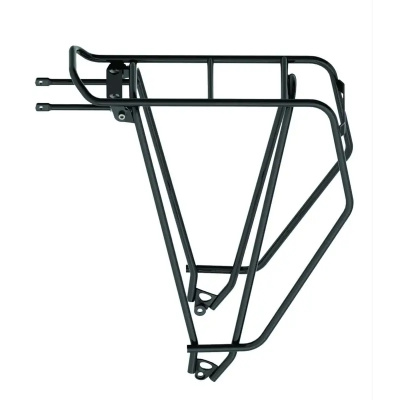
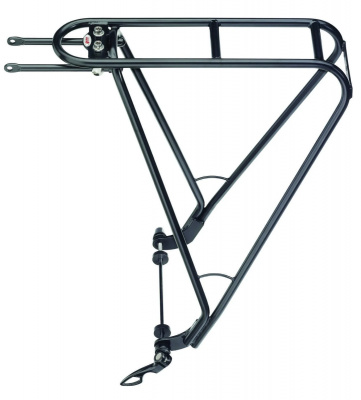
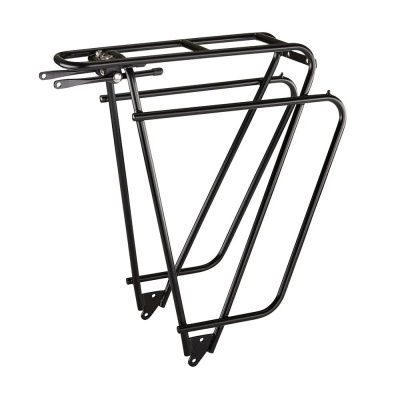
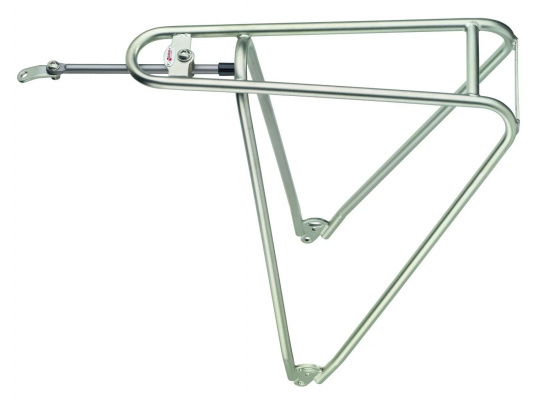
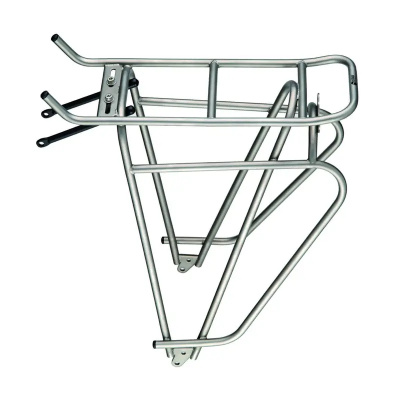
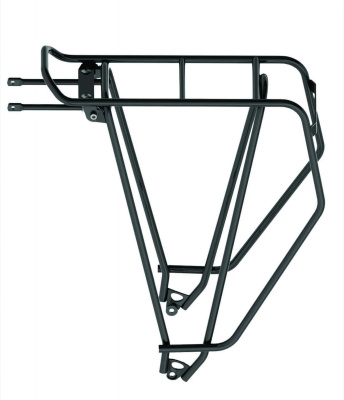
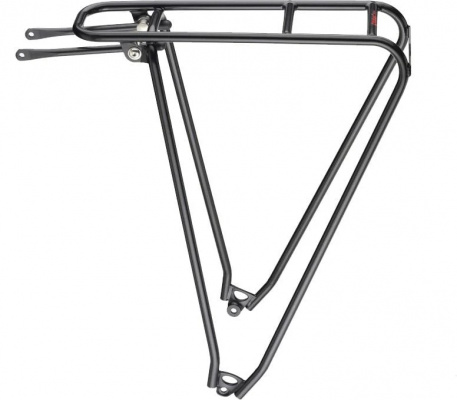
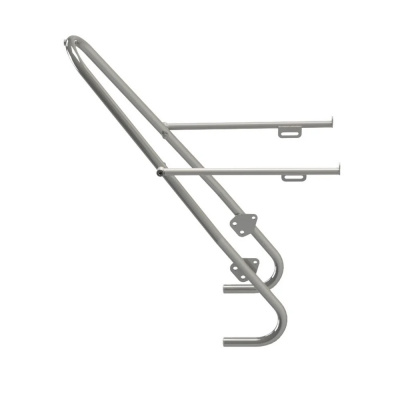
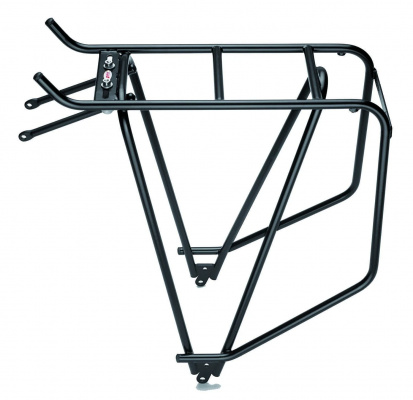
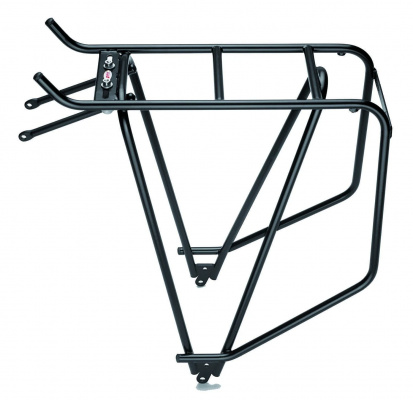
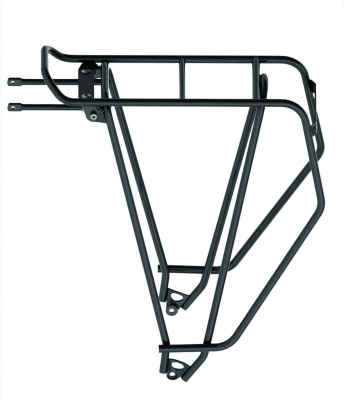
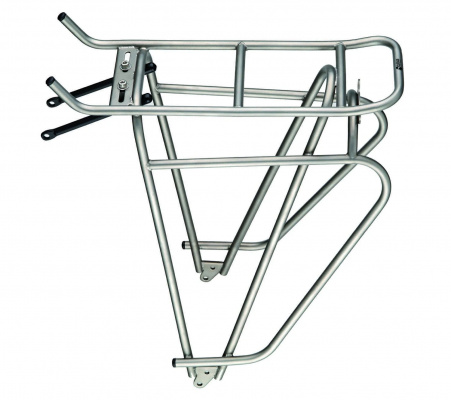
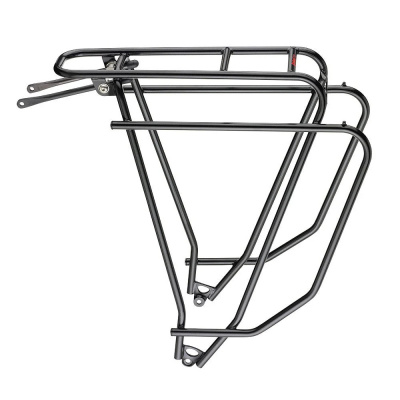
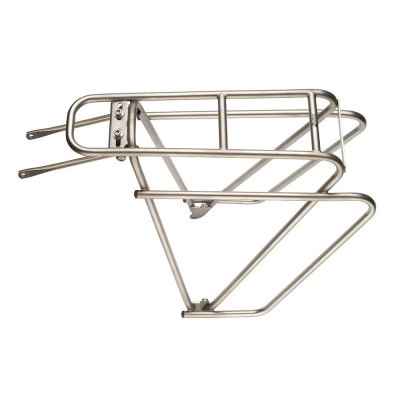
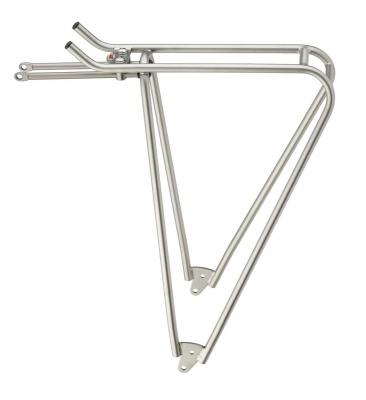
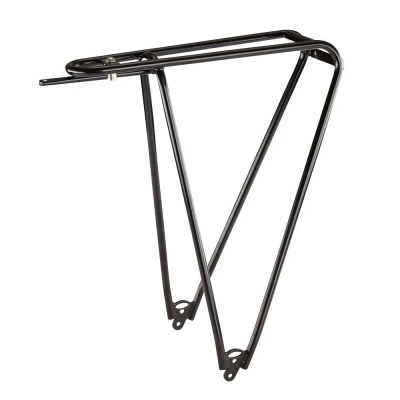
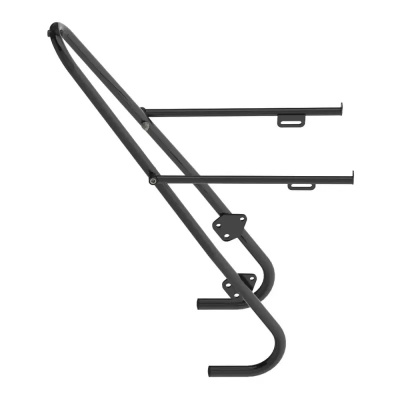
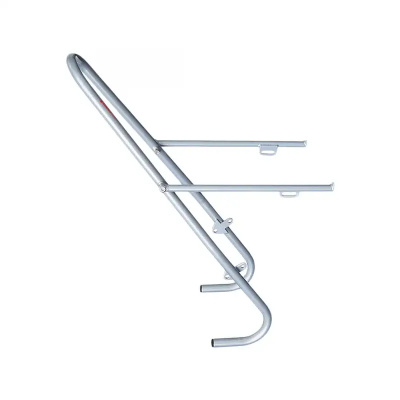
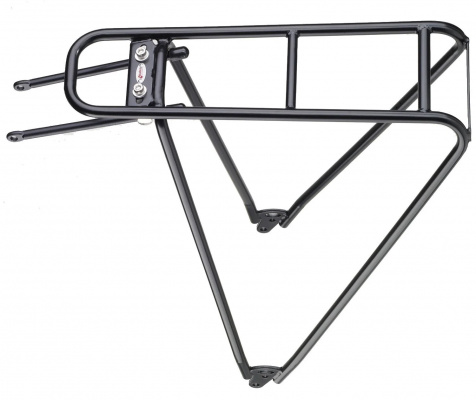
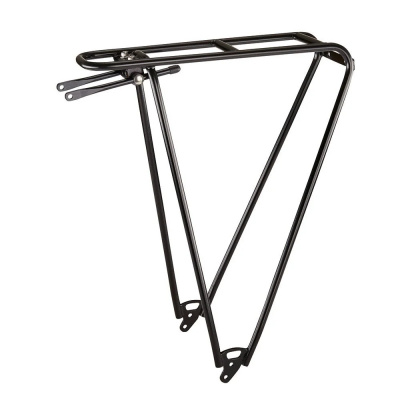
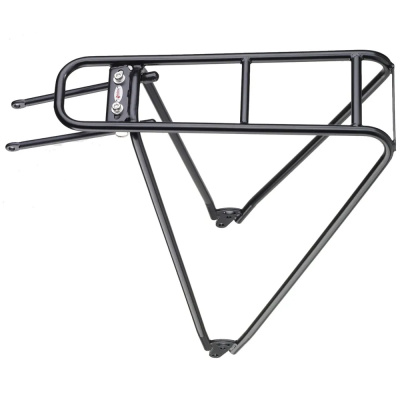
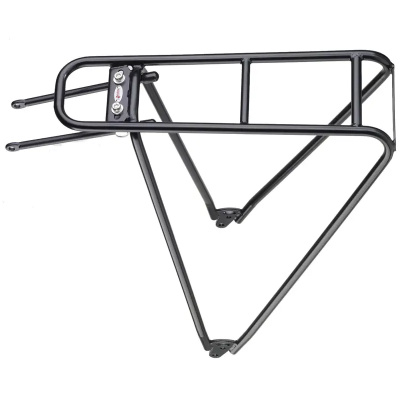
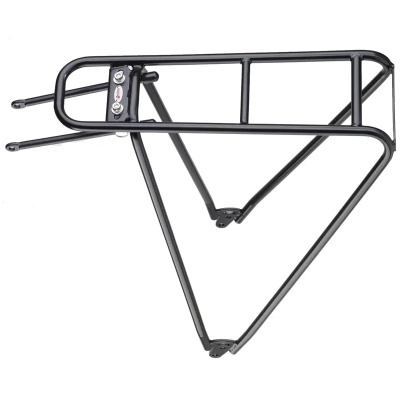
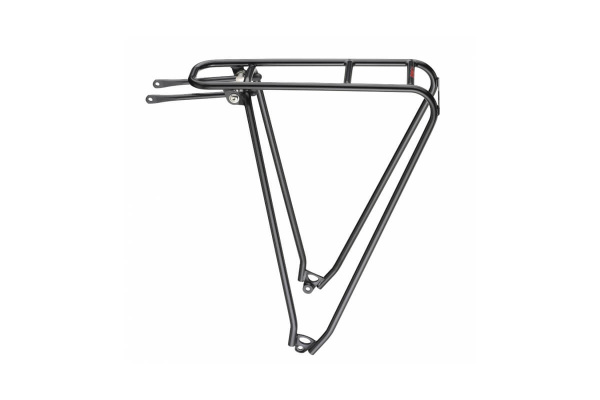
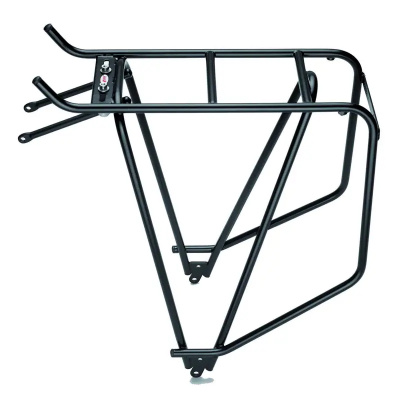
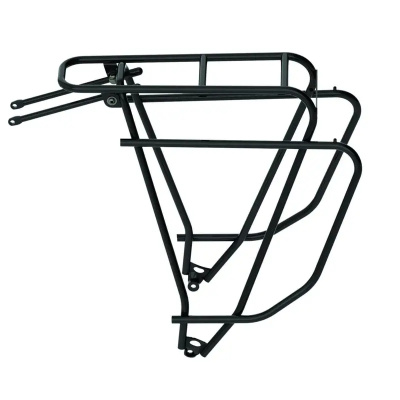
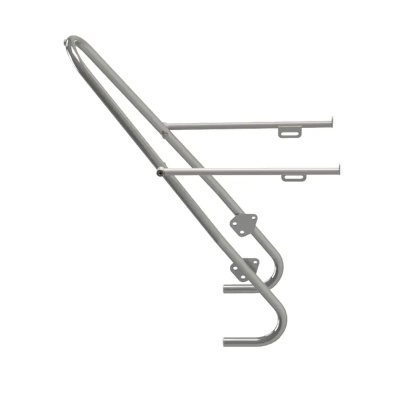
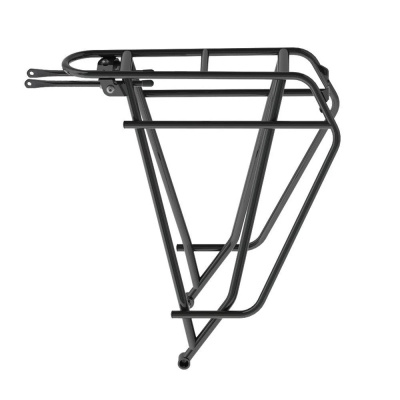
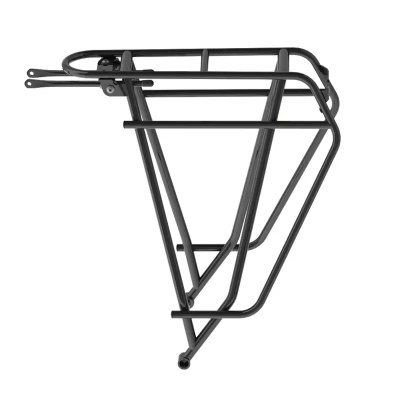
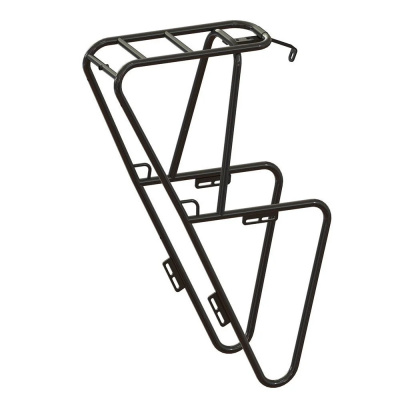
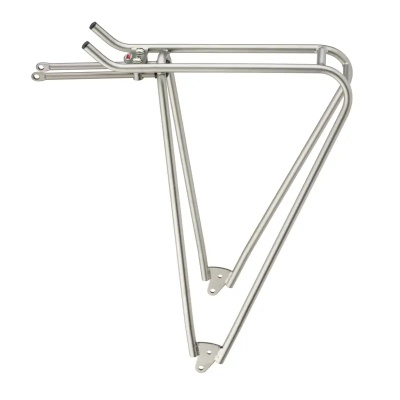
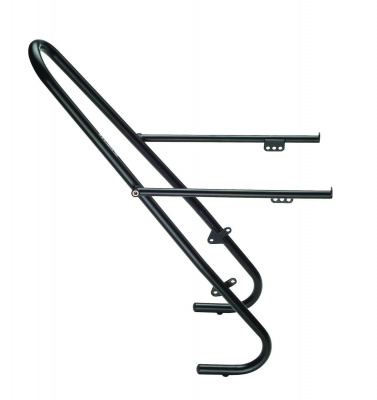
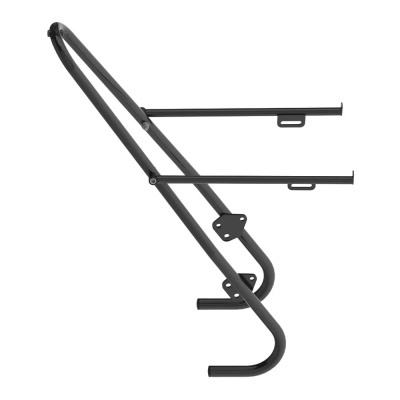
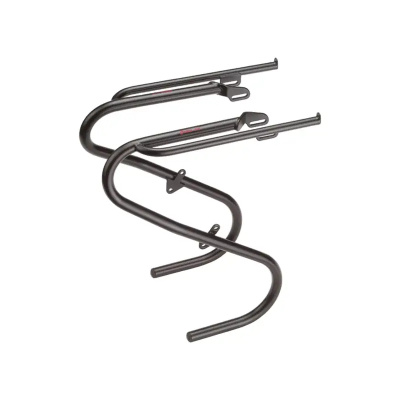
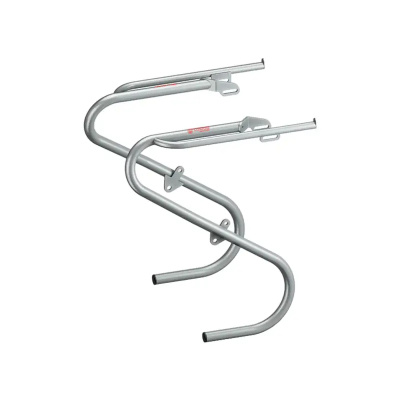
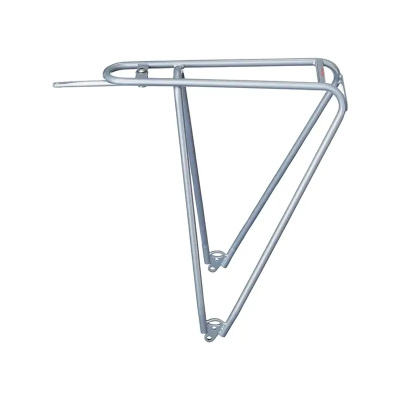
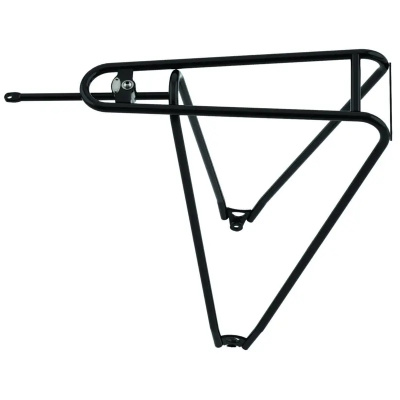
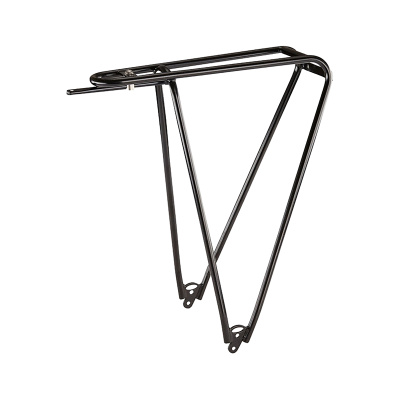
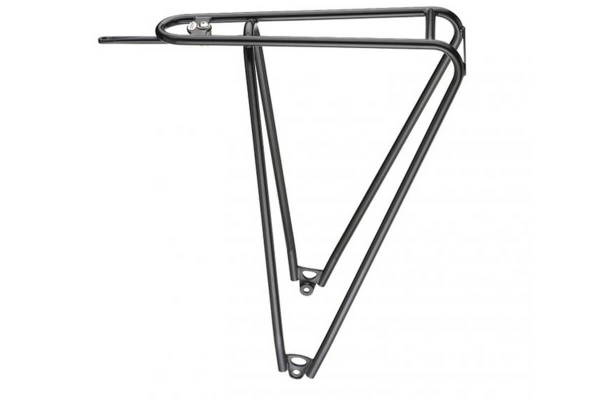
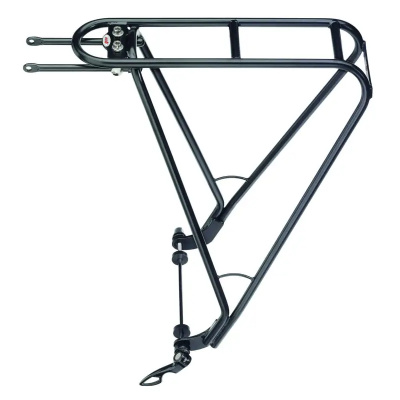
Prices and availability can change quickly. Delivery charges are not always included in listed prices.
Final price, stock status and delivery terms are set by retailer. We may receive a commission on purchases made.
Fitting Your Tubus Rack: Compatibility and Clearances
Tubus racks cover wheel sizes from 26-inch through 28-inch and 29er, with most rear models accommodating tyres up to 55 - 60mm wide depending on the specific rack. That's broad enough to cover everything from skinny touring rubber to a chunky gravel tyre, so start by checking the tyre clearance figure in the spec sheet rather than assuming.
The choice between Classic and Evo mounting feet matters more than it first appears. Classic feet suit standard horizontal or near-horizontal dropout eyelets - the kind found on most steel touring and adventure bikes. Evo feet are angled differently to work with the steeper dropout geometry common on modern alloy and carbon frames. Fitting the wrong foot geometry puts uneven stress on the mounting point, so it's worth getting this right before you buy. If you're unsure, the dropout angle on your frame is the tell.
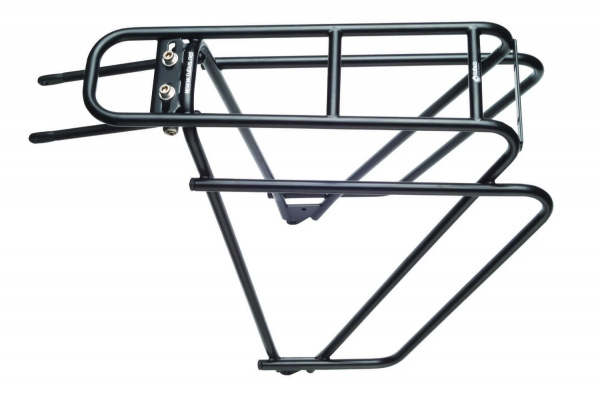
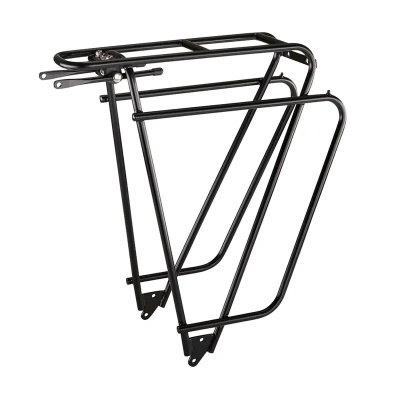
Heel clearance is the other variable that catches riders out, particularly on smaller frame sizes. The Logo rear rack addresses this with a lower secondary side rail, dropping the pannier's centre of gravity and pulling bags back from your heel arc. On a 54cm frame with size-10 shoes, that difference is noticeable on a long day. Check Tubus's heel clearance data against your shoe size and frame geometry before committing to a model.
Disc brake clearance is covered by specific models in the range - more on that below. If your frame lacks traditional mounting eyelets or requires thru-axle mounting, you'll need specific hardware. Head over to our Ortlieb pannier racks page if you're also sourcing bags, but for the adapter hardware itself, find the exact axle and seatstay mounting kits on our Tubus Adapters page.
The Tubus Range: Cargo, Logo, Tara and the Titanium Models
The Tubus Cargo is the workhorse. Rated to a payload capacity of 40kg and built with 3D-forged mounting feet that spread stress across the dropout rather than concentrating it at a single bolt point, this is the rack you reach for when the load is serious and the miles are long. Trans-continental touring, loaded off-road routes, extended commuting with heavy kit - the Cargo doesn't flinch. It's heavier than the alternatives, but that's the trade-off you make for a rack that simply won't fail.
The Tubus Logo refines that formula. The addition of a lower lateral rail drops your pannier load closer to the axle, which measurably improves handling stability when you're fully laden - less pendulum effect through corners. It also moves bags rearward, which helps with heel clearance. If you're running four panniers on a long tour and you've ever had a heavy rear end push the front wheel light through a descent, the Logo's geometry makes that conversation much shorter.
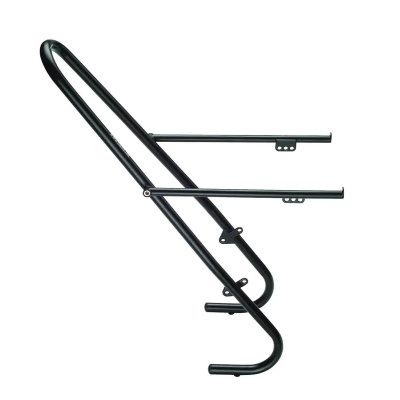
Up front, the Tubus Tara sets the standard for lowrider racks. Mounting the load below the axle keeps front-end weight low and central, which transforms the steering behaviour of a loaded bike. Without a front lowrider, a heavily loaded front rack sits high and wide and turns the steering into a slow argument. The Tara eliminates that. It's the rack that unlocks proper four-pannier touring for riders who haven't tried it before - the handling difference is significant.
For weight-conscious tourers, the titanium Airy and Liviano models trim meaningful grams without compromising structural integrity. Titanium's fatigue resistance is exceptional and it sidesteps the corrosion concerns that come with steel in wet UK conditions. The price premium is real, but if you're spending weeks in the saddle and every gram compounds, these make a coherent case. Brands like Surly and Blackburn offer solid alternatives at lower price points, and Old Man Mountain is worth a look for thru-axle-specific designs - but none match the breadth of Tubus's own model lineup for expedition-level use.
UK Roads, Winter Grit, and Keeping Steel in Good Shape
British winters are hard on metal. Salty road spray works into any surface scratch and starts the rust clock, and the freeze-thaw cycle that characterises a typical January commute from Leeds or Edinburgh accelerates that process at every unprotected mounting point. Tubus's powder-coated finish handles this well out of the box - it's a proper industrial coating rather than a thin paint layer - but it's not indestructible.
A small tube of touch-up paint kept in your toolkit is sensible. Any chip that exposes bare steel on the rack body wants addressing before it spreads, particularly around the mounting feet where road debris chips hardest. It takes two minutes and saves a much longer job later.
Grease your mounting bolts before fitting the rack, and re-check torque after the first few rides. Steel threads into aluminium frame eyelets can seize over a winter if they go in dry, and extracting a seized M5 bolt from a frame dropout is a miserable task. Anti-seize compound or a decent copper grease is the practical answer. The 25CrMo4 steel tubular construction gives you fatigue resistance that aluminium simply can't match - steel flexes under the micro-vibrations of rough tarmac rather than accumulating stress cracks - but the mounting hardware is only as good as the installation.
Check the stays and mounting points periodically on any heavily loaded rack. Not because Tubus racks fail easily - they don't - but because catching a loose bolt before it works free on a remote Scottish road is far preferable to the alternative. Over years of hard touring, you may need to replace worn mounting stays, bolts, or protective abrasion guards. You can find all official replacement hardware on our Tubus Pannier Rack Spares page.
Tubus Pannier Racks FAQs
Do Tubus racks fit bikes with disc brakes?
Yes, but model selection matters. The Tubus Disco is designed specifically to clear outboard disc brake calipers. On other standard Tubus models, extension adapters can widen the stance sufficiently to clear the caliper. Check which option suits your frame before buying - the Disco is the cleaner solution if your bike is disc-only.
What is the weight limit on a Tubus rear rack?
Heavy-duty models like the Cargo and Logo are tested to 40kg payload capacity, though ISO compliance limits this to 26kg in some regions. In practice, most tourers run well within that ceiling. Distribute weight evenly between panniers - a lopsided load affects handling far more than the total figure.
How do I mount a Tubus rack without frame eyelets?
Tubus produces adapter kits for eyelet-free frames. A quick-release axle adapter handles the lower mounts, while a seatstay clamp kit takes care of the upper struts. It's a workable solution, though a frame with proper mounting eyelets will always give a cleaner, more secure installation for heavy loads.