
TSG Helmets
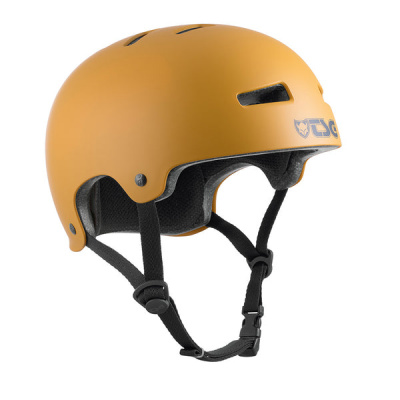
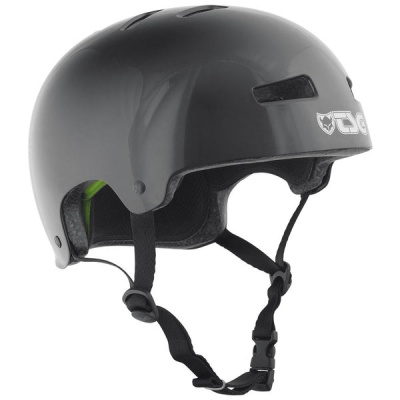
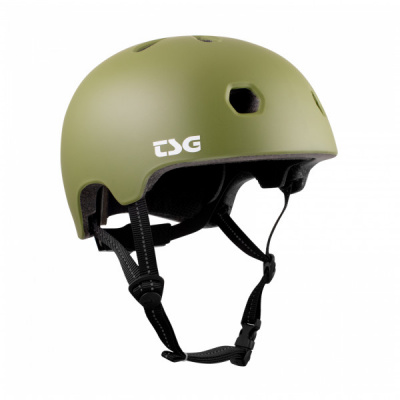
TSG helmets have built a serious reputation for getting the balance right between genuine protection and a profile that doesn't make you look like a bobblehead. The brand's signature Low Fit design sits further down the back and sides of your skull than most half-shells, and the Snug Fit shaping keeps things locked in place rather than shifting around mid-run. Whether you're spinning laps at your local skatepark, sending it on the dirt jump line, or just making your way through town without a helmet that screams 'cycling novice', there's something in the TSG range that'll work for you.
Every helmet here meets CE EN 1078 certification, so you're covered on the safety standards front. The hardshell construction means these are genuinely robust pieces of kit - not the kind of thing that marks up if you drop it in the car park. That matters when you're riding through a UK winter and the helmet's getting chucked in a bag between sessions.
If you're looking for full-face coverage for downhill or enduro, head over to our TSG Full Face Helmets page. Parents shopping for younger riders can find everything they need on our TSG Kids Helmets page. Otherwise, browse the adult half-shell range below.
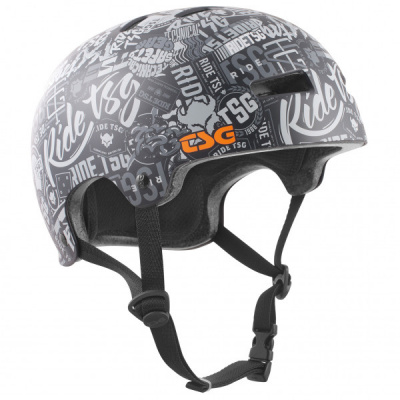
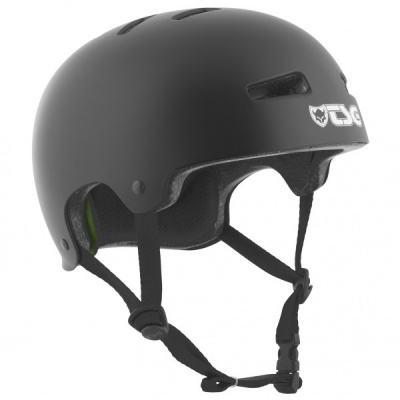
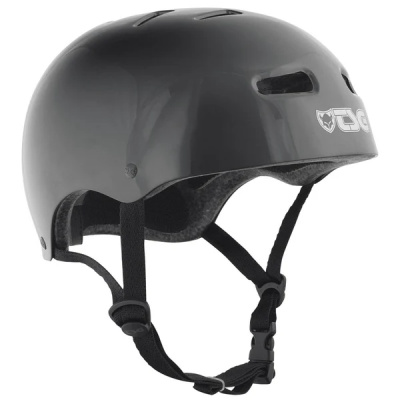
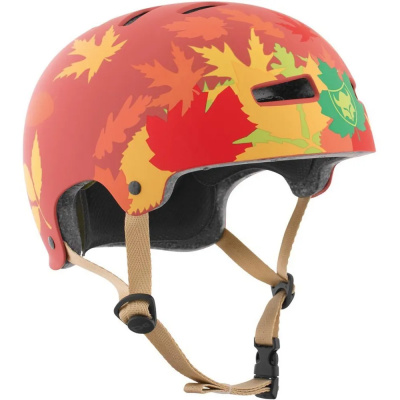
Prices and availability can change quickly. Delivery charges are not always included in listed prices.
Final price, stock status and delivery terms are set by retailer. We may receive a commission on purchases made.
Shell Construction and Impact Performance
TSG builds its half-shell helmets around a hardshell construction: an ABS outer shell bonded to a layer of EPS foam underneath. The ABS takes the initial scrape or strike, spreading load across the surface, while the EPS compresses to absorb the energy before it reaches your head. It's a proven combination, and the rigid outer shell holds its shape under the kind of repeated low-level knocks that a softer in-mold construction can start to dent over time.
Some of TSG's higher-spec models use in-mold processing instead, fusing the shell and foam during manufacture for a slightly lighter result without sacrificing structural integrity. Both approaches have their place: hardshell if durability and scuff resistance matter most, in-mold if you want a lighter lid for longer sessions.
The ventilation channels cut through the EPS layer are shaped to keep air moving even when you're not travelling at speed - relevant if you're pumping laps on a foam pit or grinding flat-ground tricks on a humid August afternoon. You're not going to get the same airflow as an open-mesh trail helmet, but for the style of riding these are designed for, overheating isn't the problem it might be on a long XC climb. The channels do enough. Wiping mud off a hardshell after a damp session at somewhere like Halo Highland is also genuinely easy - a damp cloth and a minute of your time, rather than the more involved clean that a fabric-heavy helmet demands.
How TSG Helmets Fit - and Which One Suits You
Fit is where TSG has done its most interesting thinking. The Low Fit design drops the rear and side margins of the helmet lower than the industry standard, covering more of the lower skull without adding bulk on top. If you've ever had a half-shell that felt like it was perched rather than worn, this is the correction. It's particularly relevant for dirt jumping and skatepark riding where you're more likely to take an impact at an awkward angle than on a straightforward forward fall.
Snug Fit technology refers to the anatomical shaping built into the shell itself - the idea being that the helmet follows the natural contour of your head rather than relying entirely on padding to fill the gaps. In practice, it means less movement and less of that faint wobble you sometimes get with helmets that are technically the right size but don't quite hold firm.
The Tuned Fit System takes this further by letting you swap between different pad thicknesses to dial in the fit precisely. Comes with your head slightly rounder or narrower than the shell's base shape? Change the pads rather than changing the size. It's a practical solution, and it means a helmet that fits well on day one can be adjusted if your perception of 'comfortable' shifts after a few sessions. Keep the spare pads - they're worth having.
Need to measure up before buying? Wrap a soft tape measure around your head roughly a finger's width above your eyebrows and ears, keeping it level at the back. Note that circumference in centimetres and cross-reference it with TSG's sizing chart. If you land between sizes, go larger and use thicker pads to close the gap rather than forcing a smaller shell onto your head.
On suitability: TSG's half-shell range is a strong fit for dirt jumping, skateparks, and casual trail riding. For riders who want something to wear on flowy singletrack or Giro's trail-focused range might offer more ventilation for longer days out. If you're comparing across brands, Bell helmets and Fox helmets both occupy similar ground with slightly different fit profiles worth checking if TSG's sizing doesn't work for your head shape. For aggressive downhill or enduro runs where you need chin-bar protection, step across to our TSG Full Face Helmets page. Parents can find age-appropriate options on the TSG Kids Helmets page.
Keeping Your Helmet in Good Shape Between Rides
A hardshell helmet is low maintenance, but it's not no maintenance. After a muddy session - and there will be muddy sessions if you're riding in the UK between October and April - wipe the shell down with a damp cloth and mild soap. Avoid anything solvent-based or abrasive, particularly on matte finishes, which scratch more visibly than gloss and don't respond well to aggressive cleaning. The shell can handle grit and moisture; the finish is more vulnerable than it looks.
The Tuned Fit pads are removable and should be washed regularly. Pull them out, hand wash in warm water with a small amount of gentle detergent, and let them air dry fully before putting them back. After a summer of regular riding, bacteria and salt build-up in foam padding is real, and it affects both hygiene and the foam's ability to maintain its shape. A rinse after sweaty sessions rather than waiting until they're visibly grim is the better habit.
On replacement: EPS foam is a single-use material. It deforms permanently to absorb an impact, and that deformation isn't always visible from the outside. If you take a significant knock - a genuine crash rather than a gentle tap - the helmet needs replacing, full stop. Don't squeeze another season out of it because the shell looks clean. Pair your lid with a decent set of TSG sunglasses and you're protecting your eyes from debris as well as your head from impacts.
TSG Helmets FAQs
How do TSG helmets fit?
TSG helmets use a Low Fit design that sits further down the rear and sides of your skull than most half-shells, combined with Snug Fit anatomical shaping to prevent movement. The Tuned Fit System lets you swap pad thicknesses to fine-tune the fit for your specific head shape.
Are TSG helmets good for mountain biking?
TSG's half-shell helmets are well suited to dirt jumping, skatepark riding, and relaxed trail sessions, all certified to CE EN 1078. For downhill or enduro riding where chin protection matters, their full-face models are the better call.
How do I measure my head for a TSG helmet?
Use a soft tape measure wrapped around your head about a finger's width above your eyebrows and ears, keeping it level at the back. Match that circumference in centimetres to TSG's sizing chart - if you're between sizes, size up and use thicker Tuned Fit pads to close the gap.