
Trek Road Shoes
Trek road cycling shoes sit at a point where race-day stiffness and long-ride comfort genuinely stop arguing with each other. Built under the Bontrager label - Trek's component and apparel arm with serious footwear pedigree - the range runs from carbon-soled race weapons to more forgiving endurance options, all using the same core engineering logic. What ties them together is OCLV carbon sole technology, micro-adjustable BOA dials, and an inForm last that's shaped around how feet actually behave under load, not just how they look on a shelf.
For UK riders, that matters more than it might sound. You're probably asking a single pair of shoes to handle everything from a dry August sportive in the Cotswolds to a damp April club run on broken B-roads. Trek's perforated synthetic uppers breathe when you need them to and wipe clean when the road sends grit your way. The fit system gives you enough micro-adjustment to account for foot swell on a long day in the saddle. Whether you're contesting points on a local crit or grinding out base miles, there's a Trek road shoe built around the way you actually ride.
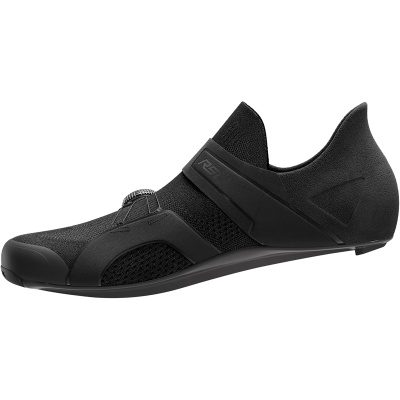
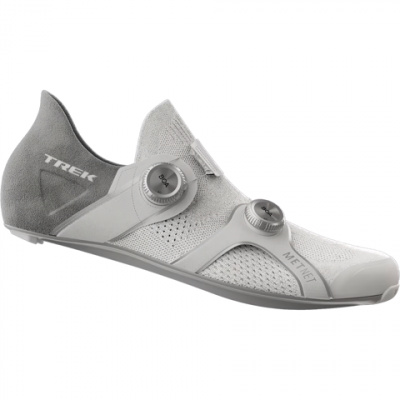
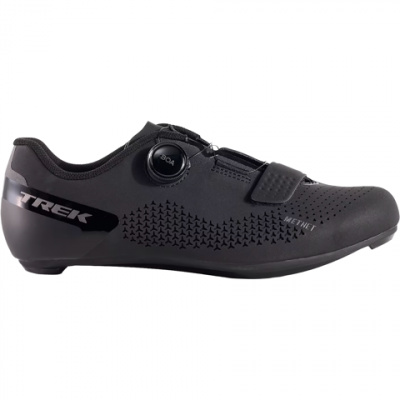
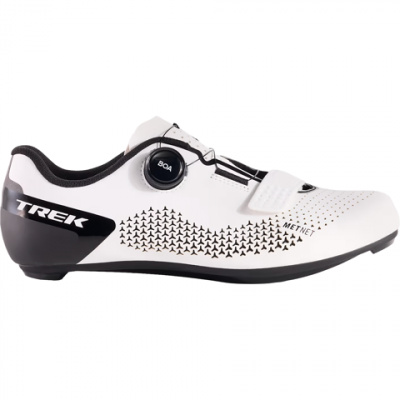
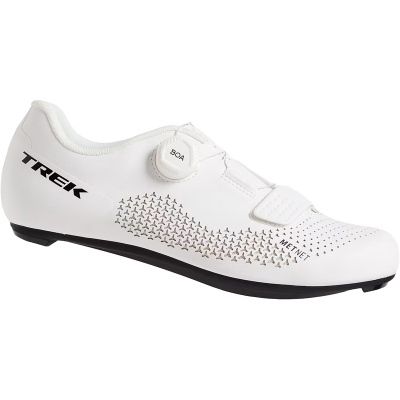
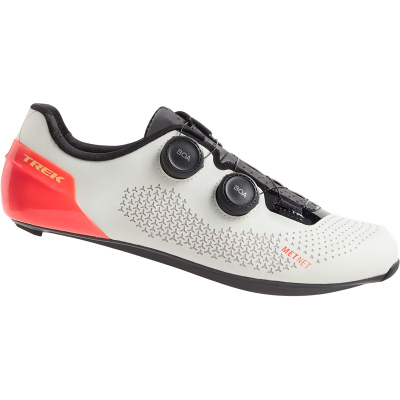
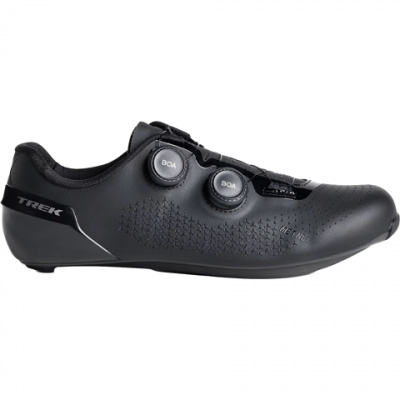
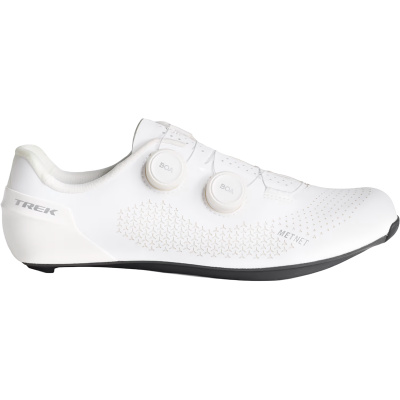
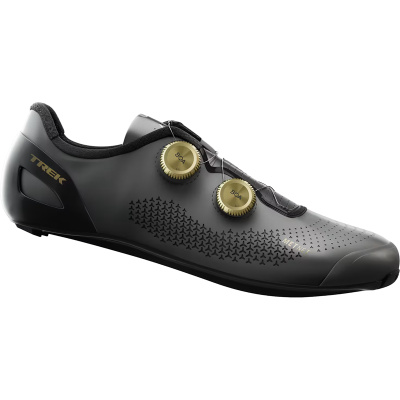
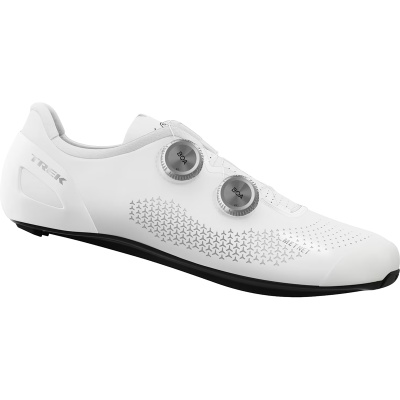
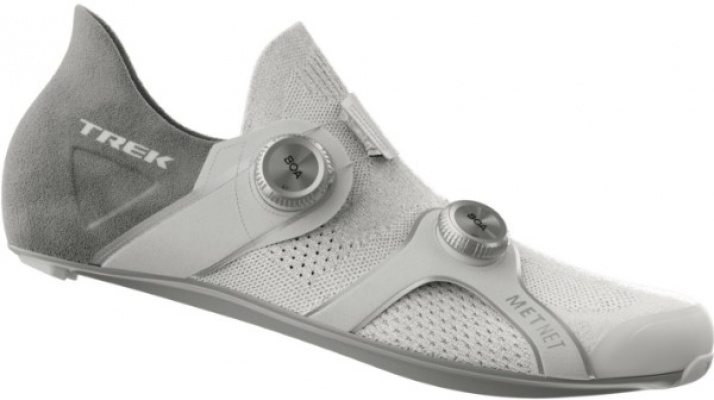
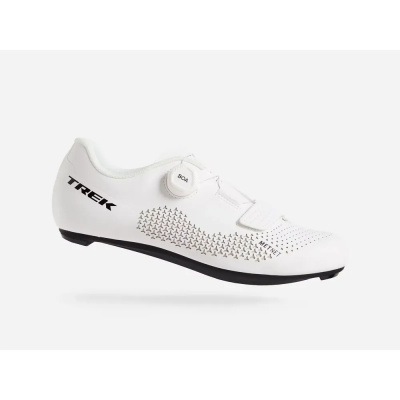
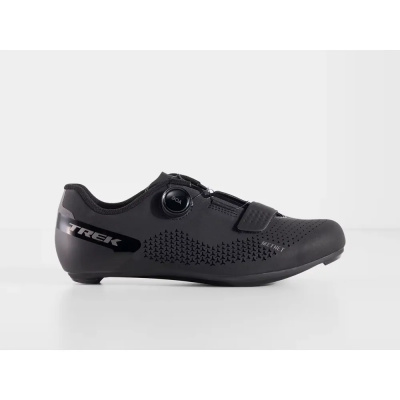
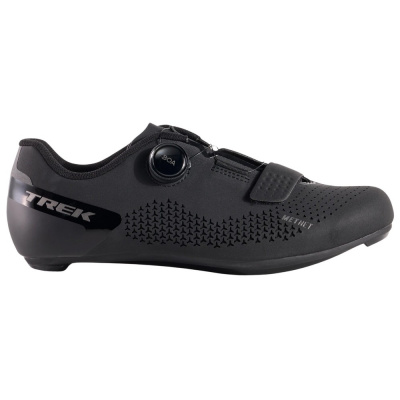
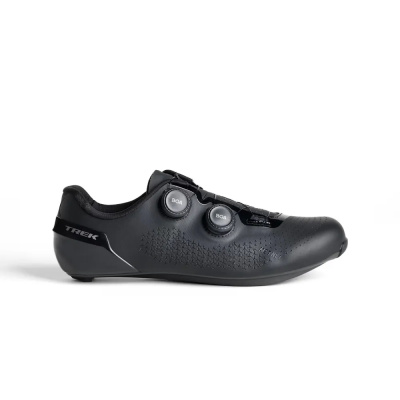
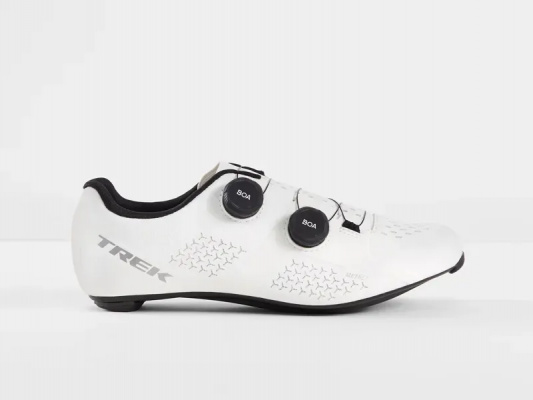
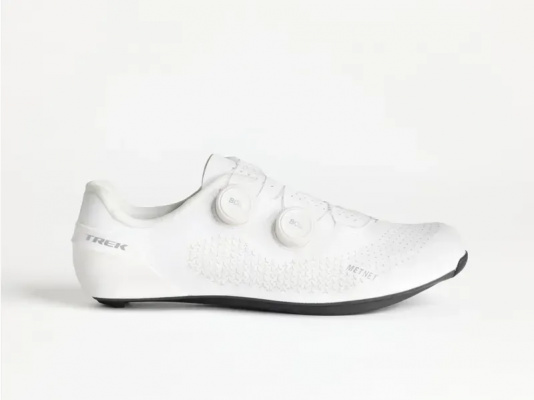
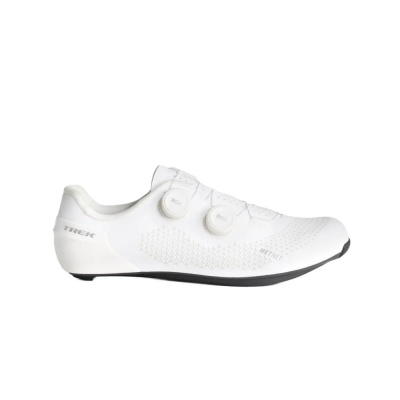
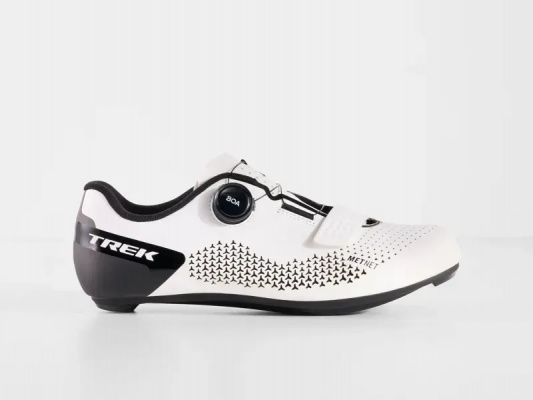
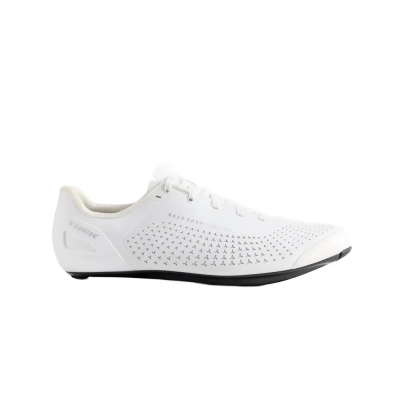
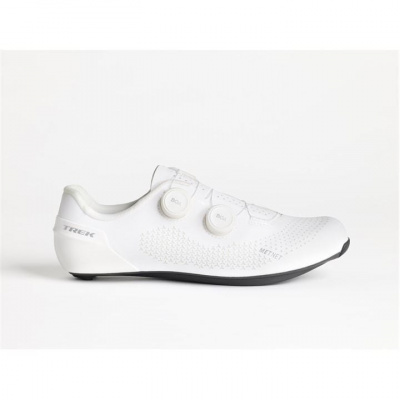
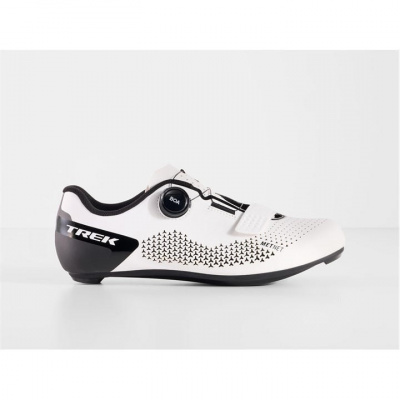
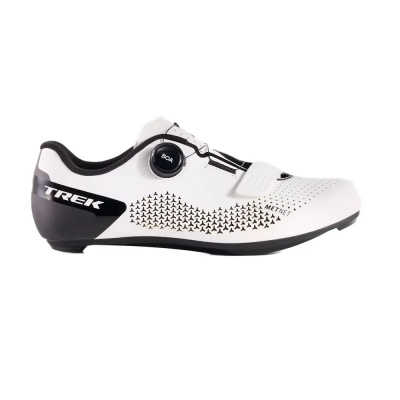
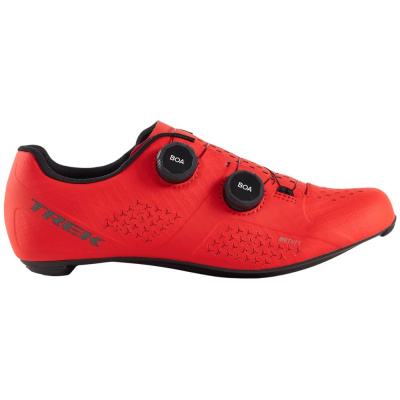
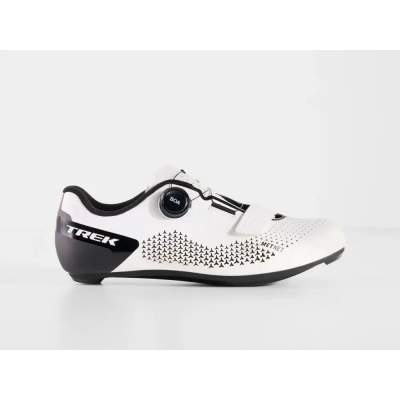
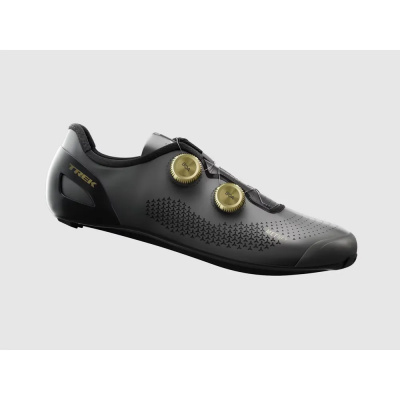
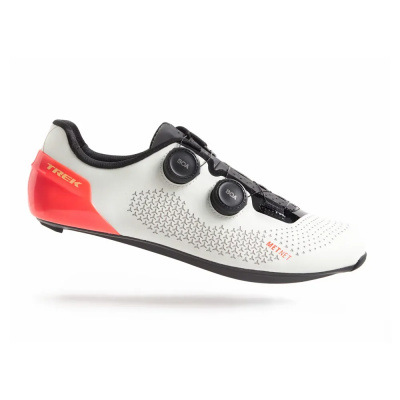
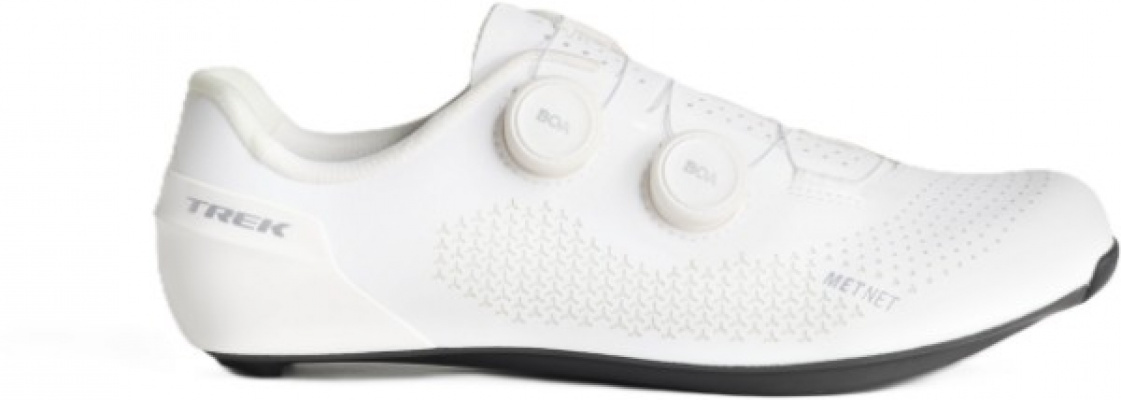
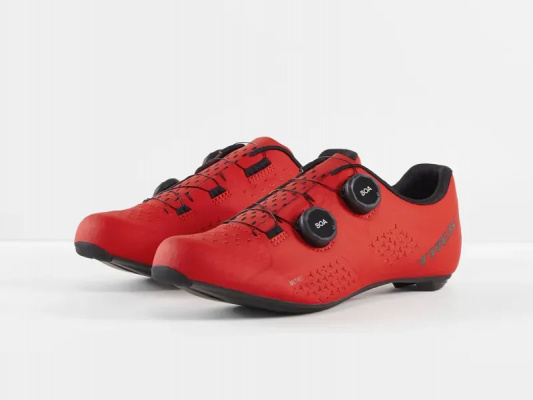
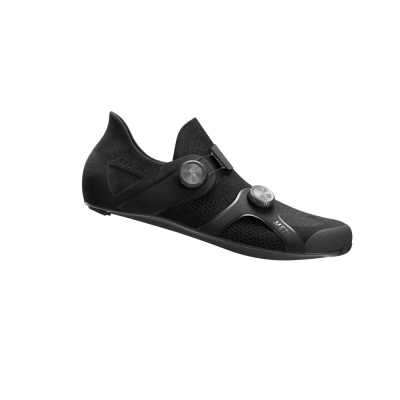
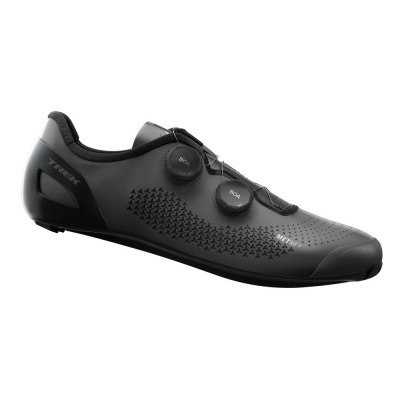
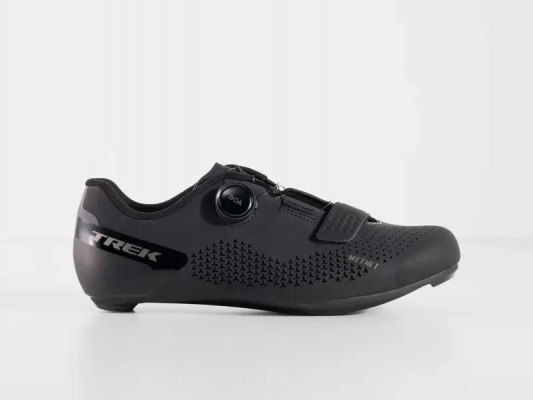
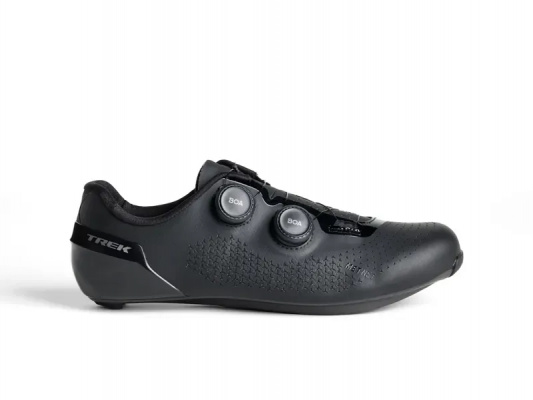
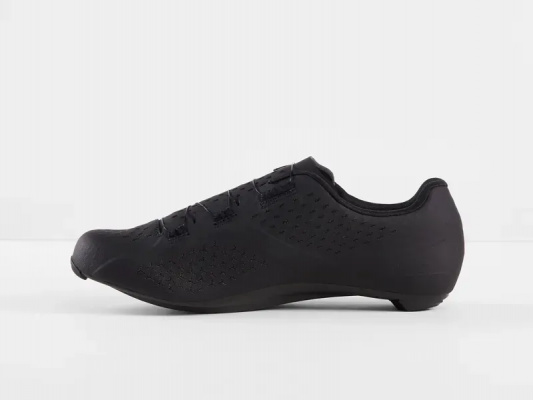
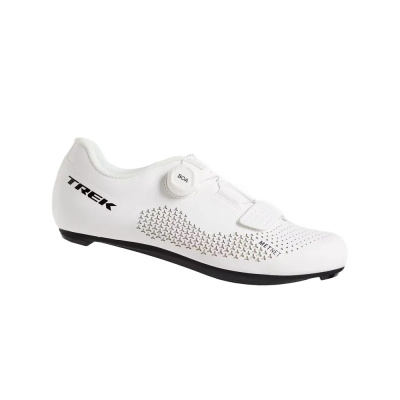
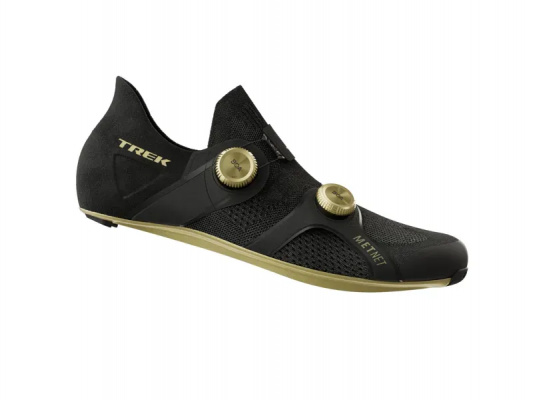
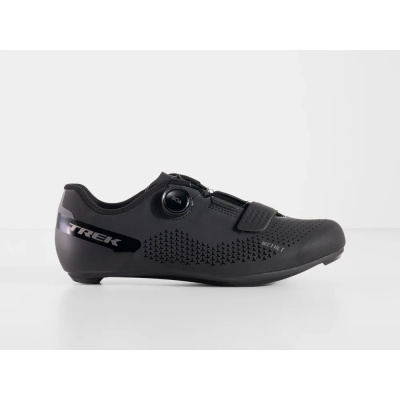
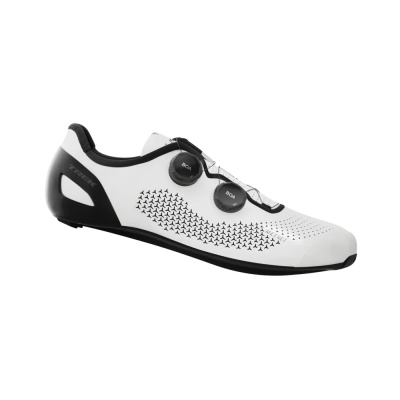
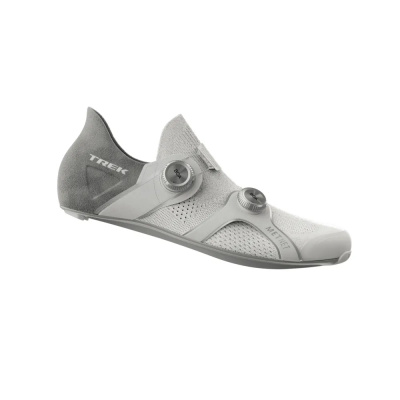
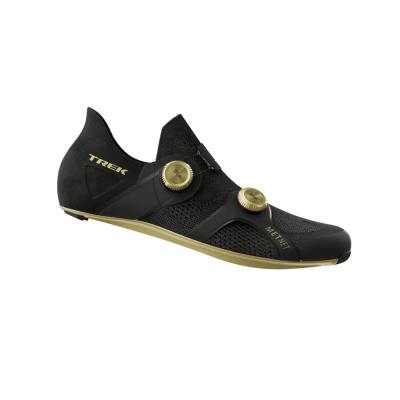
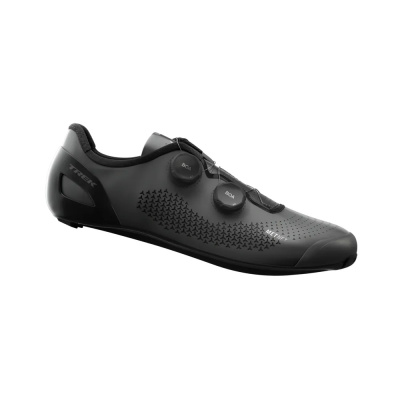
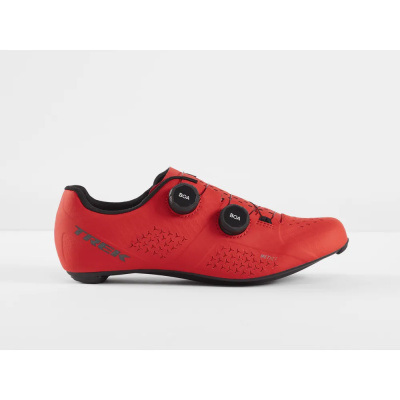
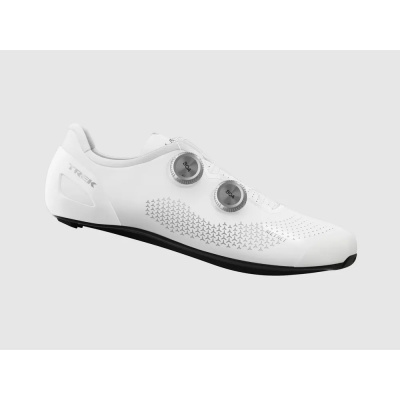
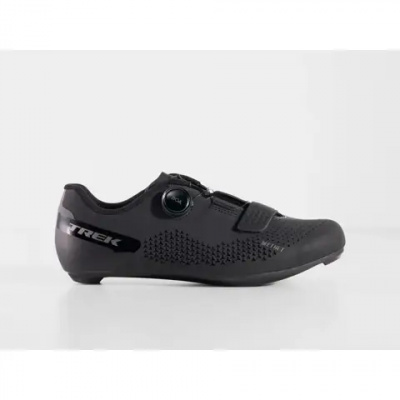
Prices and availability can change quickly. Delivery charges are not always included in listed prices.
Final price, stock status and delivery terms are set by retailer. We may receive a commission on purchases made.
Sole Technology and the Stiffness Index Explained
Trek rates its soles on a stiffness index that runs up to 14. It's a genuinely useful number once you know how to read it. A score of 14 means full OCLV carbon sole construction - Trek's own grade of carbon used across its top-end frames - delivering the kind of power transfer where every watt you put into the pedal actually reaches the drivetrain. At that end of the scale, you're looking at shoes designed for racing, where weight is minimal and flex is essentially absent.
Drop to the 7 - 10 range and you're into nylon composite soles, which are a different proposition. They flex a fraction more, which actually helps on long endurance rides by reducing the foot fatigue that comes from hours of rigid contact with the pedal. Think of it like the difference between a full carbon race bike and an endurance geometry road bike - both fast, but tuned for different demands. The composite sole also damps a little road buzz on rough tarmac, which is not nothing when you're deep into a hilly sportive.
The key trade-off is fit precision. Stiffer soles are less forgiving of a slightly imprecise fit because there's no give to compensate. If you're going for a stiffness index of 12 or above, getting the fit right at the point of purchase matters significantly more than it does with a composite option. A 3-bolt cleat alignment also becomes more critical at the top end - small misalignments that a softer sole might absorb will be felt more acutely through a full carbon platform.
The inForm Last System and BOA Dial Precision
Trek splits its road shoe fit profiles into two distinct lasts. The inForm Pro last is the tighter, more aggressive option - designed for riders who want a locked-in, performance-focused fit with minimal internal volume. It suits narrower feet and riders who prioritise feel and precision over all-day padding. The inForm Race last is marginally roomier, particularly through the midfoot, making it a better choice for endurance riding where feet tend to swell over time or for anyone who finds standard road shoes pinch after a couple of hours.
Neither is inherently better. It comes down to your foot shape and the type of riding you do most. Worth knowing: if you're after a wider option, Trek does offer select models in a Trek wide fit road shoes configuration, which provides more volume across the forefoot without changing the heel cup geometry significantly.
The BOA Li2 dial system used across Trek's performance-tier shoes gives you independent tensioning across the forefoot and instep. That's more useful than it sounds on paper - you can tighten the instep for heel lock without cranking pressure across the metatarsals, or back off the forefoot on a long descent without losing overall retention. The heel cup retention geometry also works quietly in the background: Trek's directional heel lining is designed to prevent the upstroke-related slip that cheaper shoes let happen, keeping your foot seated properly through the full pedal stroke.
If you need additional arch support or custom insole options, that goes beyond what we'd cover here - have a look at the footbeds and insoles category for options that work alongside Trek's existing footbed. And if a 2-bolt SPD setup for gravel or mixed-surface riding is on your radar, that's a different shoe category altogether; the Shimano road shoes range includes some crossover options, but Trek's dedicated MTB and gravel shoes are the proper answer for 2-bolt compatibility.
Riding UK Roads: Weather, Fit Layering, and Keeping Things Clean
British riding conditions make demands that a Mediterranean race shoe isn't designed to handle. Trek's perforated synthetic uppers are genuinely breathable on warm summer climbs - the kind of humid, sustained effort you get grinding up something like the Cairn o' Mount in August - but that same perforation means cold and damp get in quickly once temperatures drop. Overshoes are not optional from October through March if you want to stay comfortable. They're standard kit, not an afterthought.
On Trek road shoe sizing: the inForm last generally runs true to European sizing, but there's a practical caveat worth flagging. If you're planning to ride through the shoulder seasons with a thicker merino sock or a neoprene overshoe liner, consider going half a size up from your usual fit. Foot volume with a heavier sock is a real consideration, and a shoe that fits perfectly in July can feel uncomfortably tight in November.
Synthetic uppers also make post-ride maintenance straightforward. A damp cloth gets road grit off without damaging the material, which matters on the kind of B-roads that leave a film of everything on everything. For longer-term maintenance - replacement BOA dials, heel pads, or sole hardware - we'd point you towards the shoe spares category rather than trying to improvise, as BOA components in particular are model-specific.
It's worth comparing Trek's approach here against Giro road shoes and Bontrager road shoes - Bontrager being Trek's own label - since each brand takes a slightly different approach to upper construction and closure systems at similar price points. Trek's Metatomic fit geometry and stiffness index system give you a more granular way to match shoe to purpose than most of the competition offers out of the box.
If you're building out a full contact-point setup, it's worth thinking about how your shoes work alongside your saddle and bar tape. A well-fitted shoe reduces lower-body fatigue, but the whole cockpit needs to work together - Trek saddles and Trek bar tape are worth considering if you're already committed to the ecosystem and want consistent fit philosophy across your contact points.
Trek Road Shoes FAQs
Do Trek road shoes run true to size?
Generally, yes - Trek's inForm last follows standard European sizing closely enough that most riders hit their usual size. That said, if you've got wider feet or you're planning to ride with thicker winter socks, going half a size up is a sensible call. Foot volume changes more than people expect between a summer ride and a damp November club run.
What is the Trek shoe stiffness index?
Trek rates sole stiffness on a scale up to 14. Full OCLV carbon soles sit at the top - maximum power transfer, minimum weight, no flex - and suit racing or hard training. Nylon composite soles score in the 7 - 10 range, offering a small amount of give that reduces foot fatigue on longer endurance rides. Pick based on your typical ride duration and intensity, not just ambition.
Are Trek road shoes compatible with SPD cleats?
Trek road shoes use a standard 3-bolt cleat pattern, which works with Shimano SPD-SL, Look Kéo, and Time road cleats. They're not natively compatible with 2-bolt SPD mountain bike cleats. If you need a 2-bolt setup for gravel or commuting, you'll want a dedicated MTB or gravel shoe rather than an adapter workaround.