
Trek Road Bikes
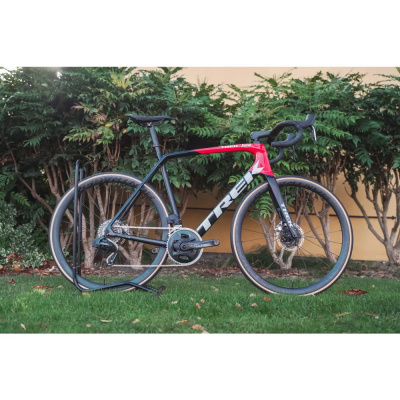
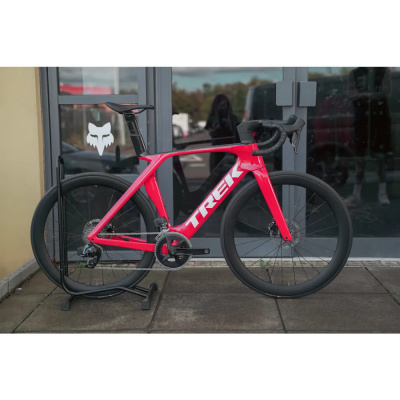
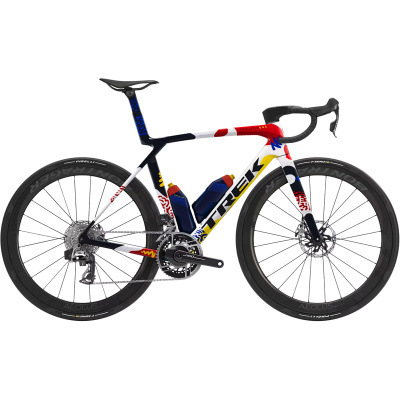
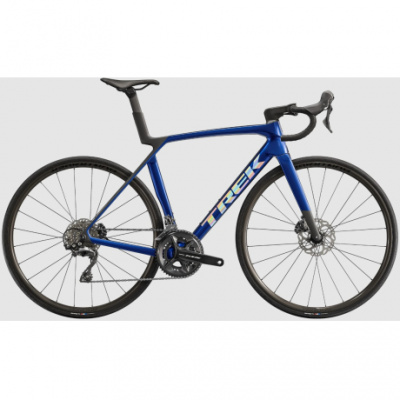
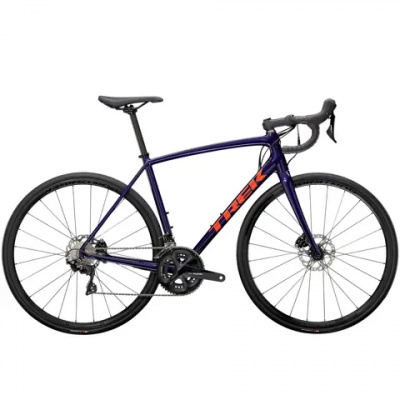
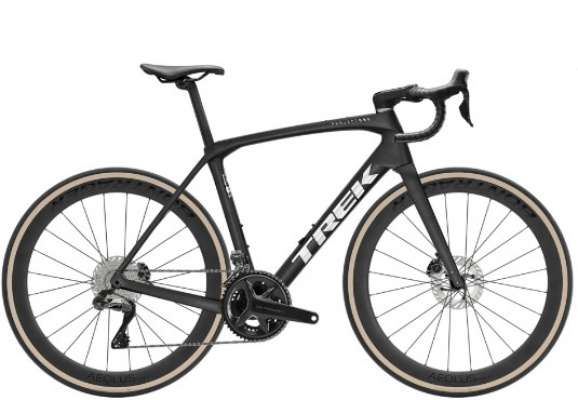
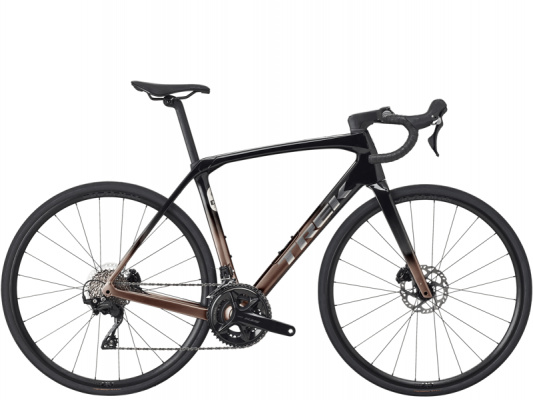
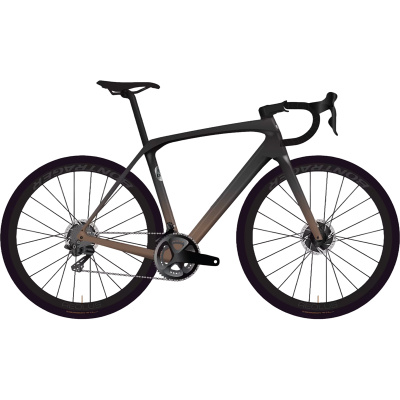
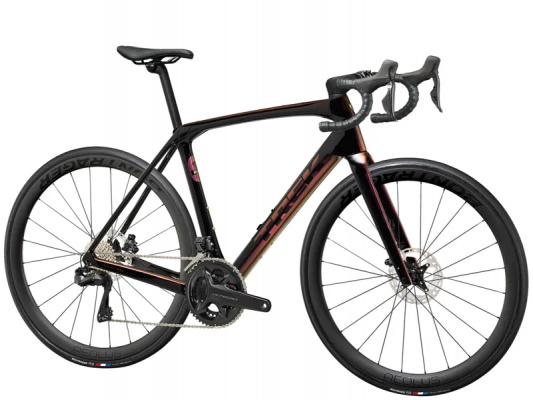
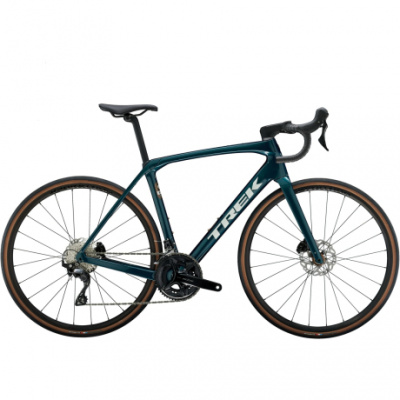
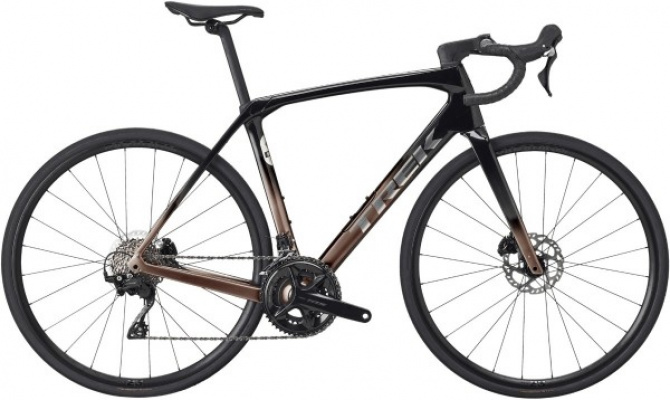
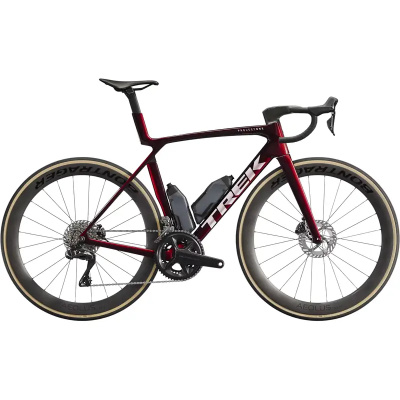
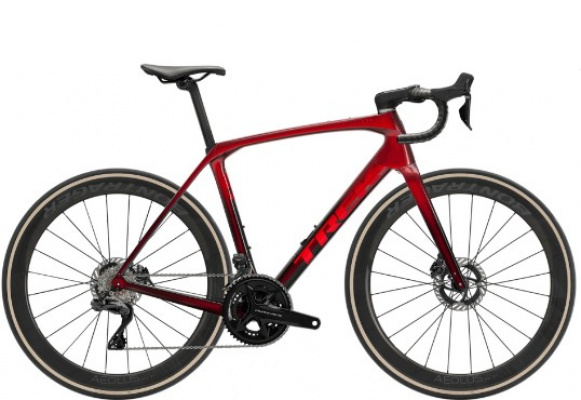
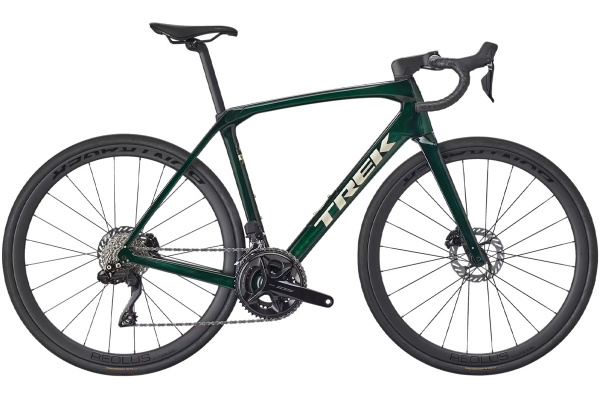
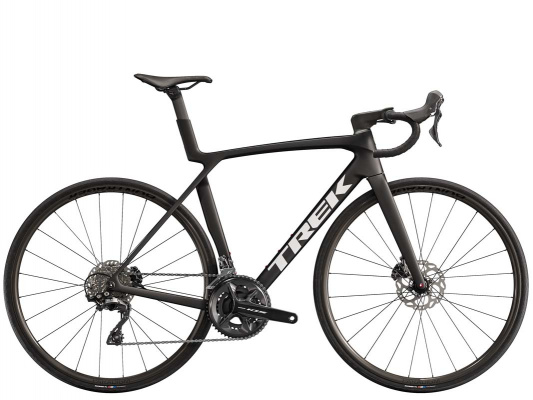
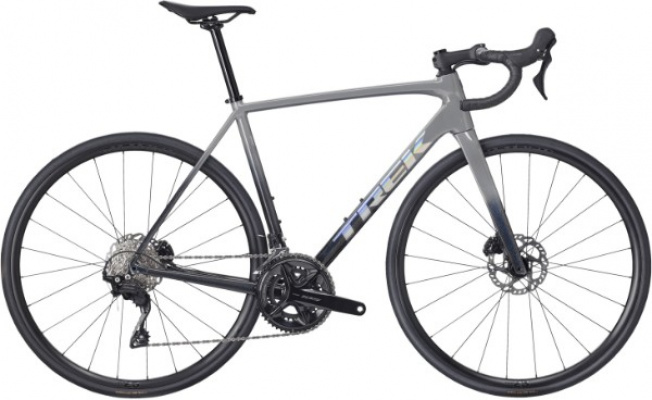
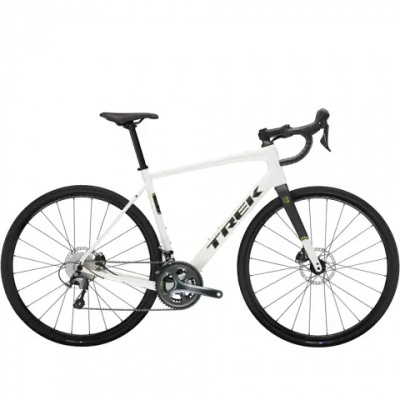
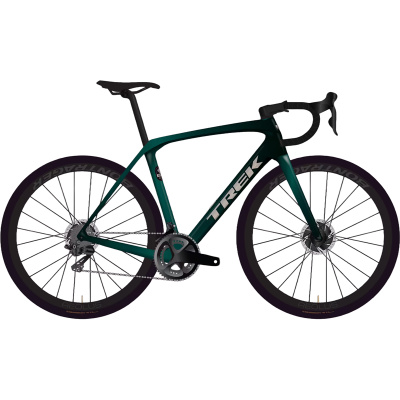
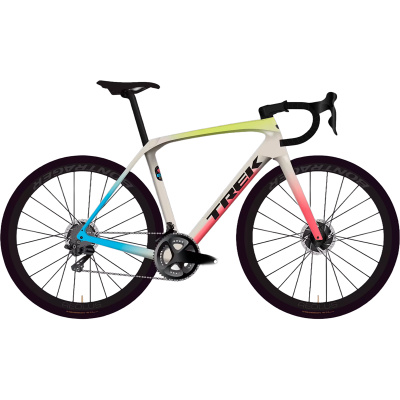
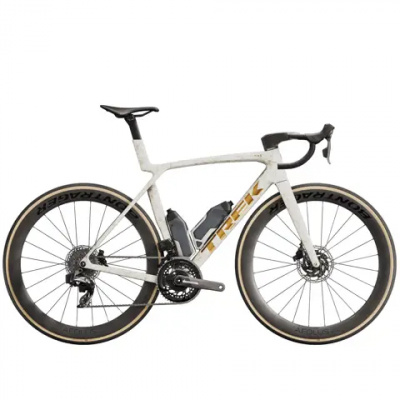
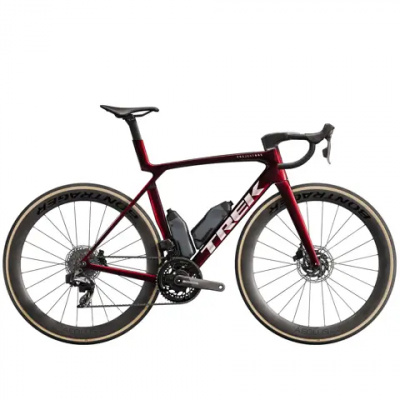
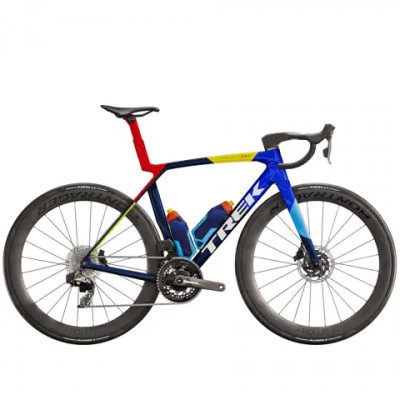
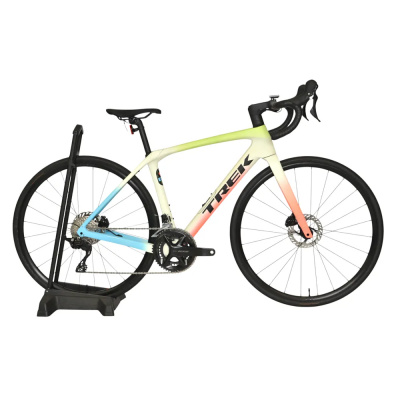
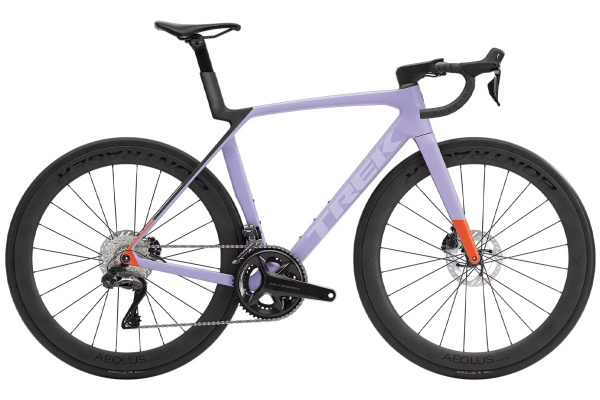
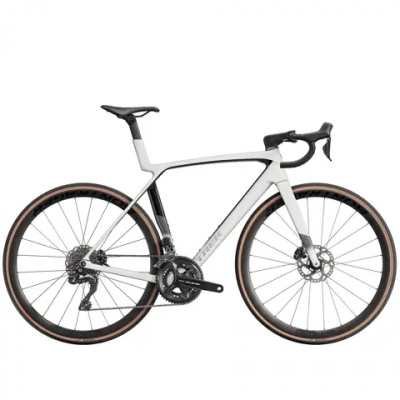
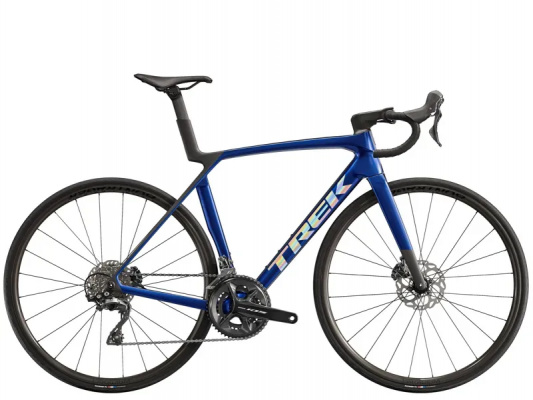
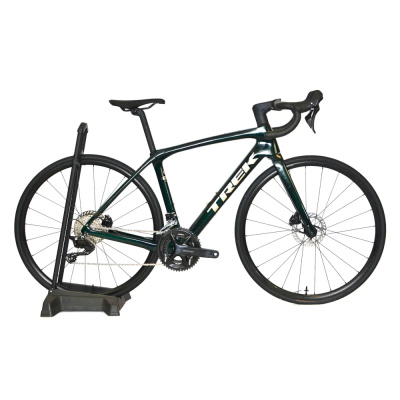
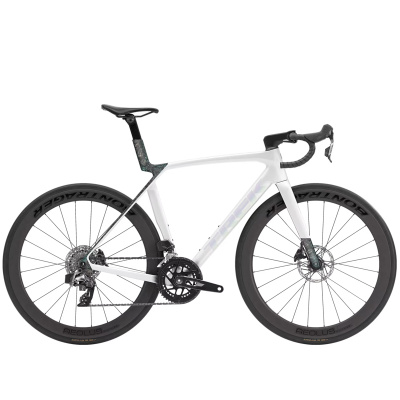
Trek road bikes are built around a clear, three-way split that makes choosing your next machine more straightforward than most brands allow. The aero Madone, the lightweight Emonda, and the endurance-focused Domane each do a specific job well - and thanks to Trek's direct involvement with the Lidl-Trek pro peloton, the tech filtering down to production bikes is the real deal, not badge-engineering. We're talking OCLV carbon frames, IsoSpeed compliance systems, and geometry that's been thought through properly for riders who actually want to go fast, or far, or both.
Trek carbon road bikes span a wide range of trim levels, so whether you're eyeing an entry-level aluminium build or a full SLR race machine, there's a logical step on the ladder. The lineup suits everything from criterium racing and local KOM chasing to 100-mile club runs on the kind of lumpy, patchy B-roads that make up most British riding. Use our comparison tools to find the right Trek road bike at the best UK price, and read on to work out which family suits your riding.

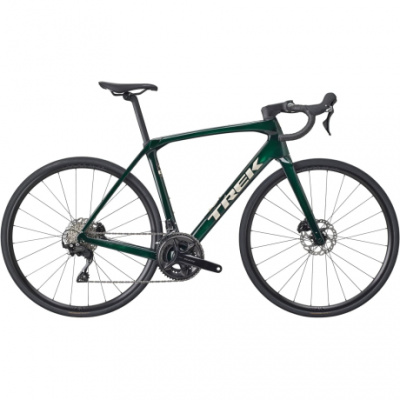
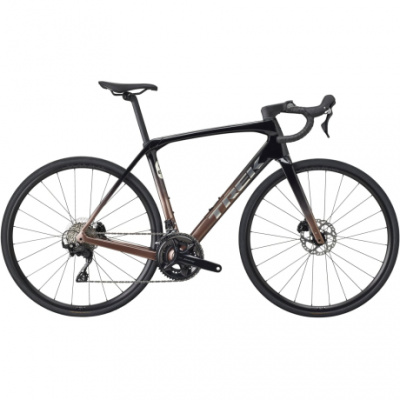
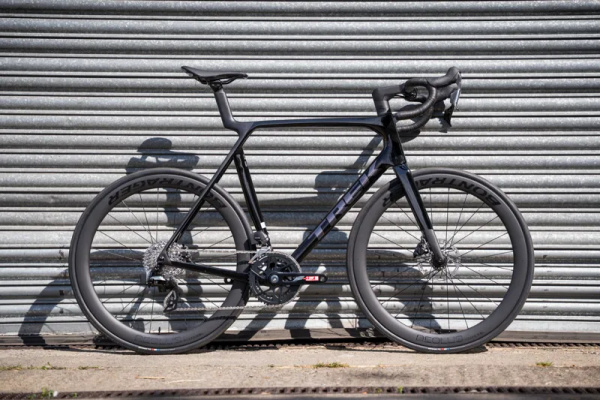
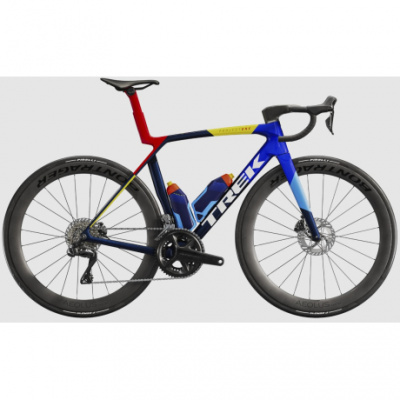

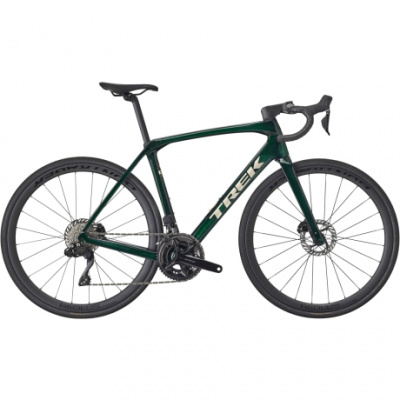
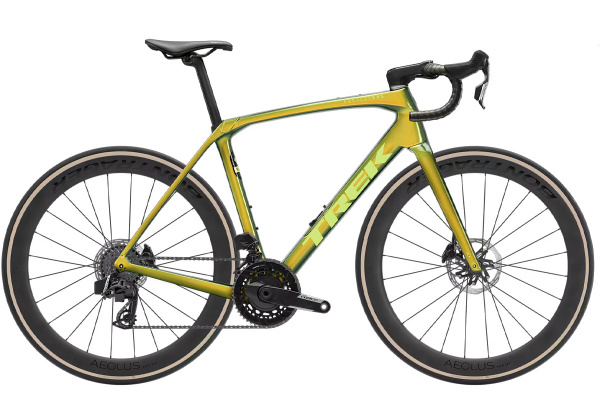
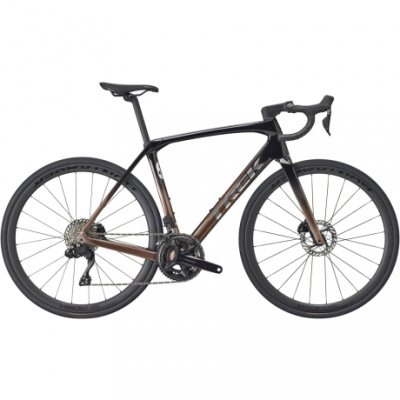
Prices and availability can change quickly. Delivery charges are not always included in listed prices.
Final price, stock status and delivery terms are set by retailer. We may receive a commission on purchases made.
Decoding the Trek Road Bike Lineup
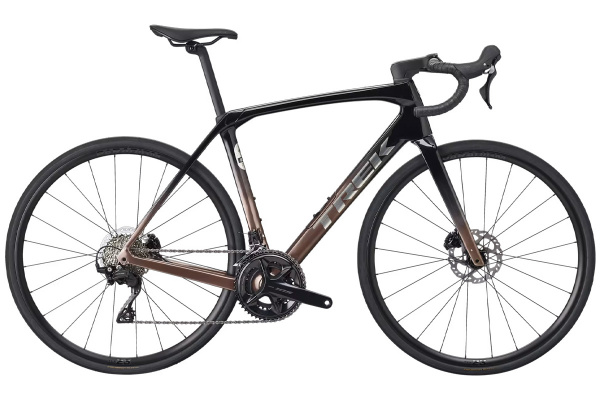
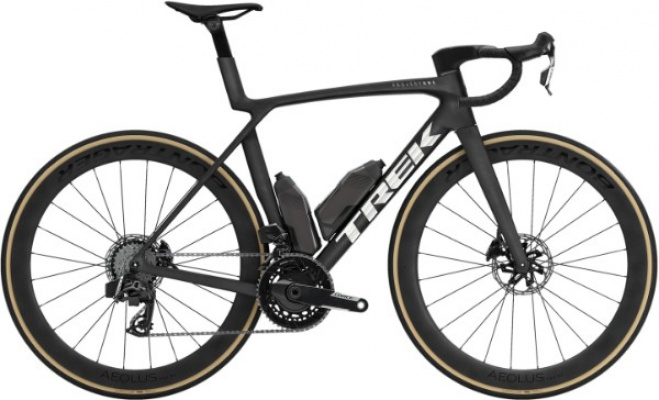
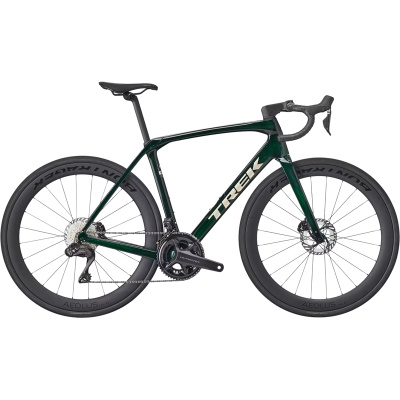
Three families, clear briefs. The Madone is Trek's aero road bike - wind-tunnel shaped, race-ready, and built for riders who want to go fast on open roads or in bunch racing. The Emonda is the climber: light, stiff, and set up for riders who live for steep, punchy gradients - think Dales switchbacks or anything in the Peak District where every gram counts. The Domane is the endurance road bike, designed to cover long miles on rough surfaces without grinding you down.
Trim levels follow a consistent pattern across the range. AL denotes Alpha Aluminium frames - good value, durable, and a sensible starting point. SL builds use 500 Series OCLV Carbon, which brings meaningful weight savings and a more refined ride. At the top sits SLR, built from 800 Series OCLV Carbon - pro-level stiffness-to-weight ratios that put it in direct conversation with Cervélo road bikes and other serious race machines. The jump from SL to SLR is significant in feel, not just spec sheets. If you're considering the Trek Madone vs Emonda decision, the short version is this: if you race or prioritise speed on flat-to-rolling roads, go Madone; if the climbs define your riding, go Emonda.
Looking to take your drop-bar riding off-road or beat the clock? Explore our dedicated Trek Gravel Bikes page for adventure-ready options.
The Tech That Makes These Bikes Work
OCLV Carbon - Optimum Compaction Low Void - is Trek's in-house carbon manufacturing process. The short version: it minimises microscopic air pockets between carbon layers during construction, which means the finished frame is lighter, stiffer, and more consistent than standard carbon layup. It's why Trek carbon road bikes at the SLR level weigh what they do without feeling fragile. The 800 Series used in SLR models is measurably more refined than the 500 Series in SL builds - you can feel the difference in stiffness response under hard efforts.
IsoSpeed is a compliance decoupler built into the junction of the seat tube and top tube. It allows the seat tube to flex independently, absorbing road buzz and impact without softening the pedalling platform. On a Trek Domane review, this is the feature that gets talked about most - and rightly so. It genuinely takes the edge off rough surfaces without making the bike feel vague. The decoupler can be adjusted for rider weight and preference on higher-spec models. Keep the pivot clean after wet rides - a quick wipe and occasional light lube stops it getting sticky.
IsoFlow, introduced on the current Madone, is the diamond-shaped cutout through the seat tube. It looks striking, but it serves two purposes: it reduces aerodynamic drag at the rear of the frame, and it saves weight by removing material that wasn't contributing structurally. The result is a bike that's both more aerodynamic and lighter than its predecessor - genuinely unusual in frame design, where aero and weight usually pull in opposite directions. Trek uses Kammtail Virtual Foil (KVF) tube profiles throughout the Madone to manage airflow across the frame without resorting to blade-thin tubes that compromise stiffness.
On fit, Trek's H1.5 geometry is the aggressive, race-oriented position - lower front end, longer reach, suited to experienced riders who spend time in the drops. H2 is the relaxed alternative: a taller stack and shorter reach that works well for riders prioritising comfort on longer rides without giving up road bike handling. The Domane uses H2 as standard; the Madone and Emonda lean H1.5, though size choices can shift this meaningfully. If you're comparing Trek AL vs SL road bikes, the geometry is consistent across trim levels - the difference is purely in material and component specification.
Living with a Trek Road Bike on UK Roads
The Domane deserves particular attention if you ride British roads regularly. Newer models accept tyres up to 38c, which transforms the bike's behaviour on the kind of chip-and-spray B-roads that make up most UK riding outside major cities. It also ships with hidden mudguard mounts - a small detail that makes a large practical difference between October and April. This is the closest thing Trek makes to an all-conditions road bike, and it handles endurance road riding on rough surfaces better than most of the competition, including comparable models from Giant's road range.
Most mid-to-high-spec Trek road bikes now use a T47 threaded bottom bracket shell rather than press-fit. For UK riding conditions - wet, gritty, often salty in winter - this is a genuinely significant reliability upgrade. Press-fit BBs creak when contamination works into the interface; T47 threads don't have that problem, and home mechanics can service them with standard tools without needing a workshop press. It's one of those changes that doesn't photograph well but makes a real difference over a British winter.
Most SL and SLR models ship with tubeless-ready rims and tyres as standard - you add sealant and the included valves to complete the setup. It's worth doing before your first ride rather than after your first puncture on a wet Wednesday. Pair the bike with Trek lights if you're riding through autumn and winter, and consider a Trek computer mount to keep your GPS setup clean and integrated with the stem design. A quality saddle swap is worth considering on longer endurance builds if the stock option doesn't suit your sit bones - the Domane's compliance system works best when the saddle position is dialled in properly.
IsoSpeed pivot maintenance is straightforward: after muddy or wet rides, wipe the pivot area clean and apply a drop of light oil to the pivot bolt. It takes thirty seconds and keeps the decoupler moving freely through winter. Skip it for a few months and the pivot can stiffen, which defeats the point of having it.
Related searches:
Trek Road Bikes FAQs
Which is better, the Trek Domane or Emonda?
They do different jobs. The Domane is an endurance road bike with IsoSpeed compliance and wide tyre clearance - it's built for long, rough miles and UK winter riding. The Emonda is a lightweight climbing bike with a more aggressive position, designed for maximum efficiency when the road goes upward. Choose the Domane for comfort and distance; choose the Emonda if steep gradients define your riding.
What is Trek OCLV carbon?
OCLV stands for Optimum Compaction Low Void - Trek's proprietary carbon manufacturing process that minimises air gaps between carbon layers during construction. The result is a frame that's lighter, stiffer, and more structurally consistent than standard carbon layup. 800 Series OCLV (used in SLR models) takes this further than the 500 Series found in SL builds.
Do Trek road bikes come with tubeless tyres?
Most mid-to-high-end SL and SLR Trek road bikes ship with tubeless-ready rims and tyres as standard. You'll need to add tubeless sealant and fit the included valves to complete the setup - it's a simple process you can do at home before the first ride.