
Trek Kids Helmets
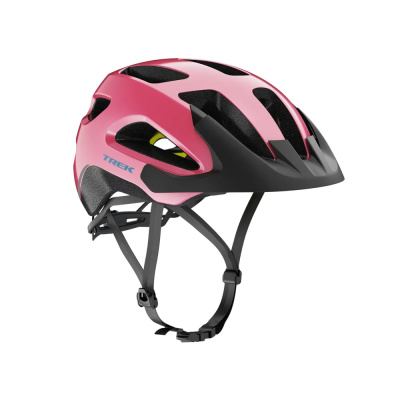
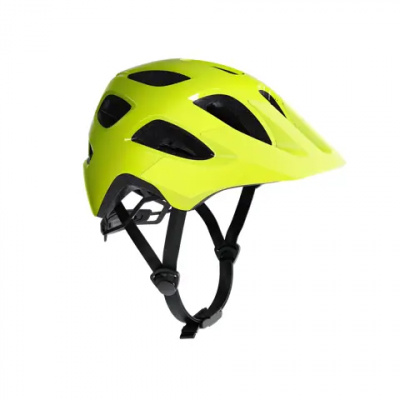
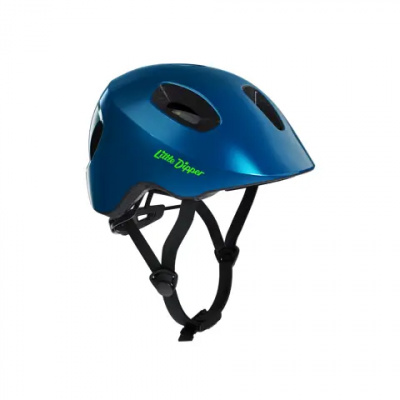
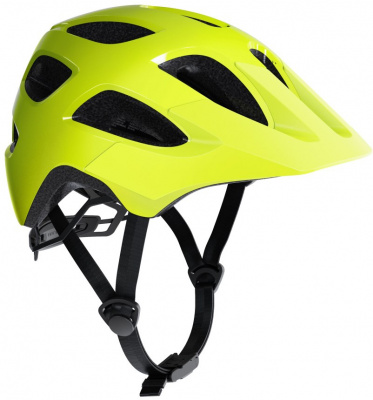
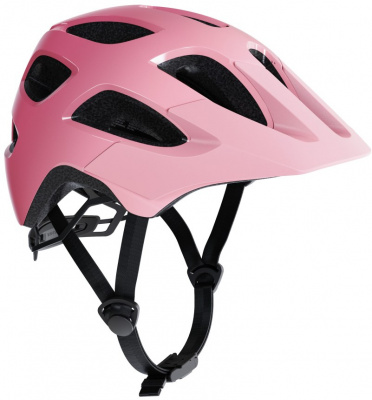
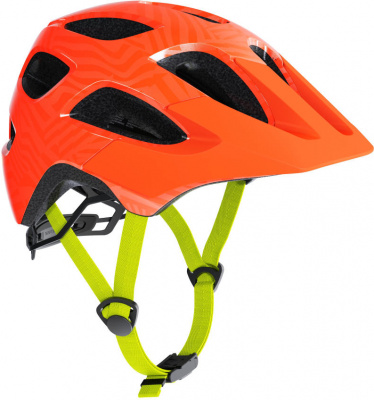
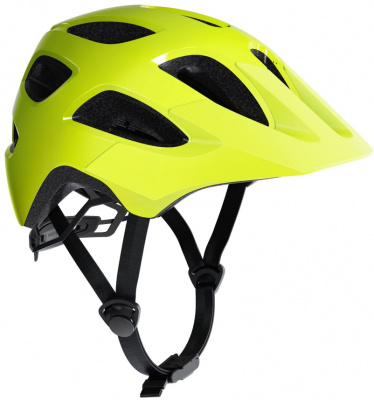
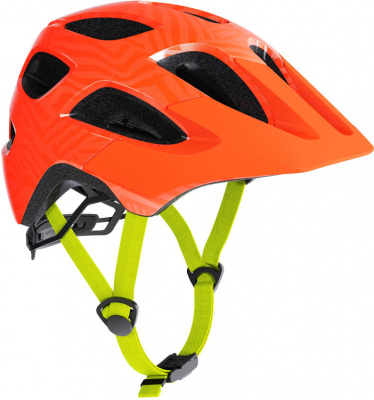
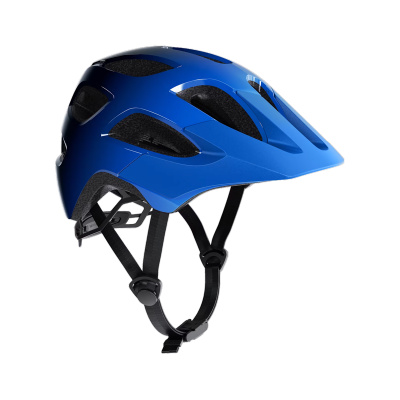
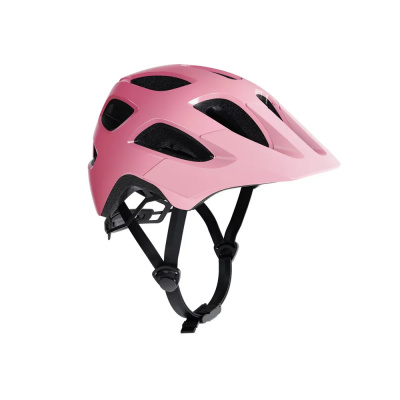
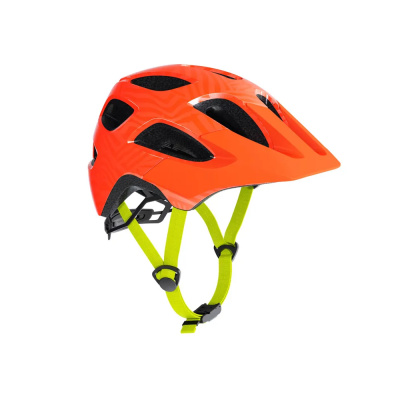
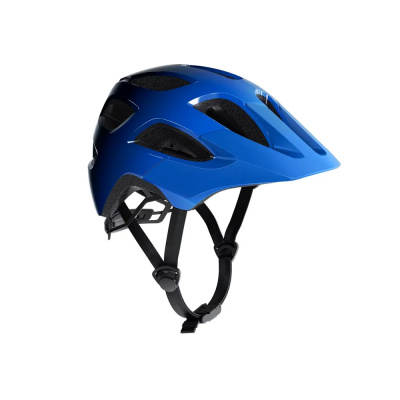
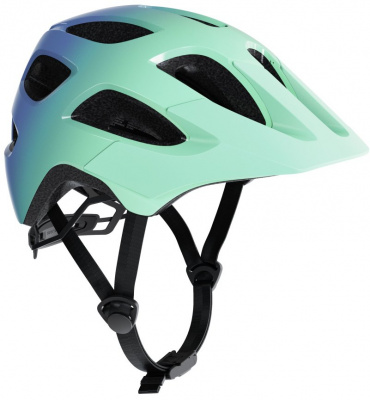
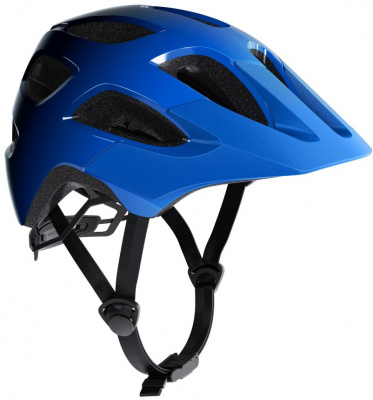
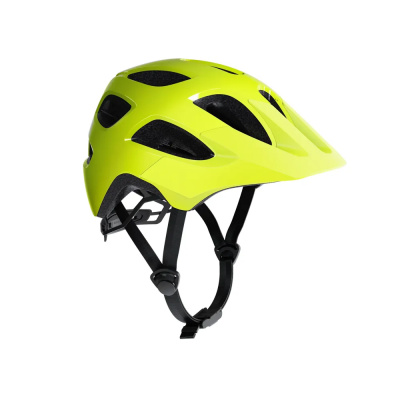
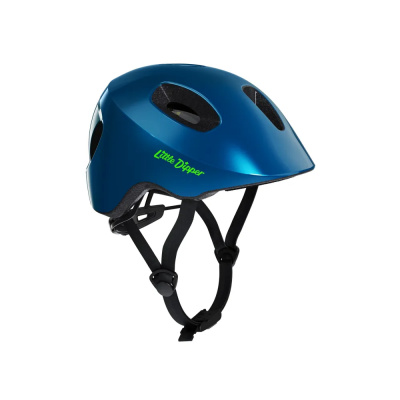
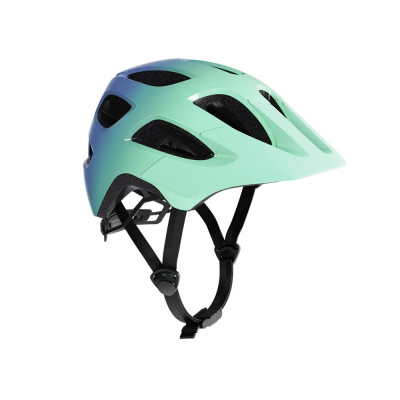
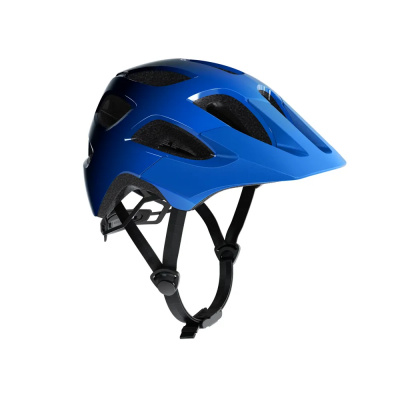
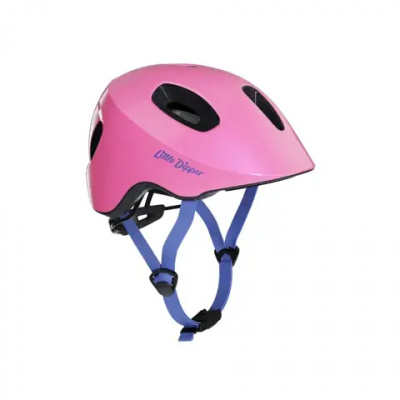
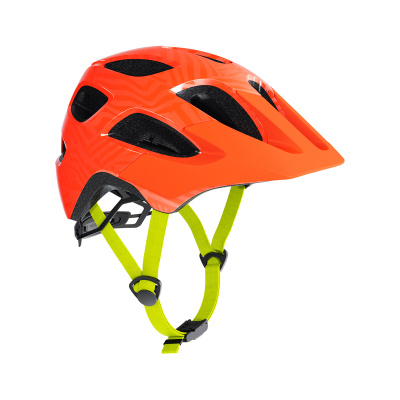
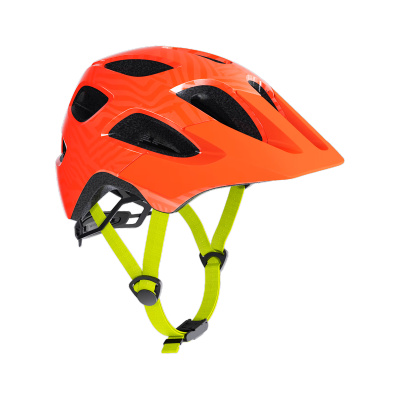
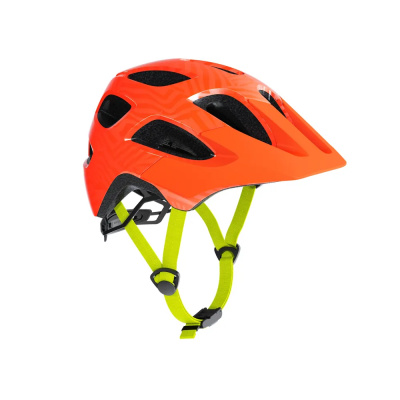
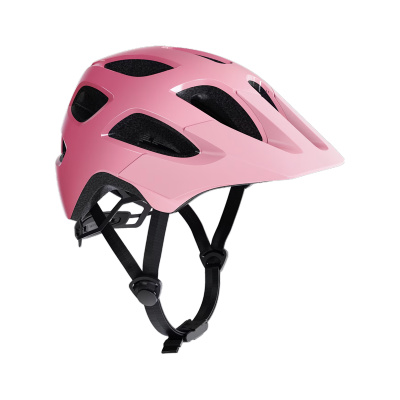
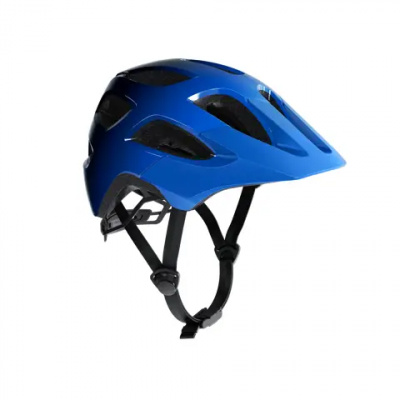
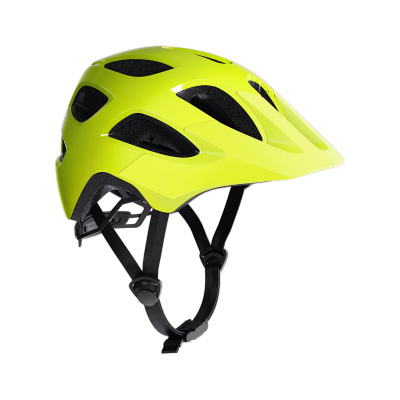
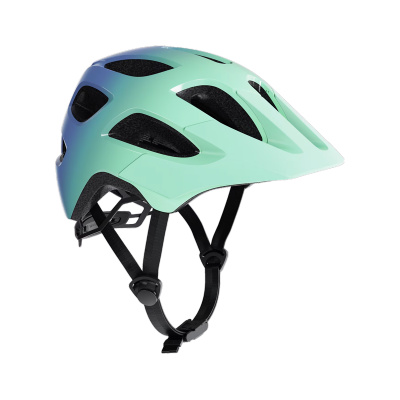
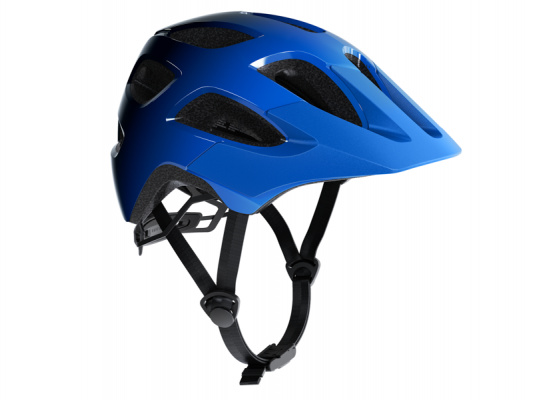
Getting a child to wear a helmet without a ten-minute argument is half the battle - Trek kids bike helmets are designed to make that fight disappear. The buckles fasten with one hand, the fit dials adjust in seconds, and the helmets don't look like something from a car boot sale, which matters more than most parents expect. Trek builds these lids with the same structural rigour as their adult range: a hard-bonded in-mold shell over an EPS foam core, with MIPS technology across many models to manage the rotational forces that a straight drop test simply doesn't replicate. The Fidlock magnetic buckle clips shut cleanly under the chin - no pinching, no fumbling in the school car park. A Dialed fit system lets you micro-adjust the retention cradle as your child's head grows, so the helmet earns its keep across more than one season. High-visibility colourways and reflective rear decals are standard across the range, which counts for a lot on grey UK mornings. And if the worst happens, Trek's Crash Replacement Guarantee covers a free replacement within the first year of ownership. That's meaningful reassurance when you're buying for a learner who's still working out how brakes work.
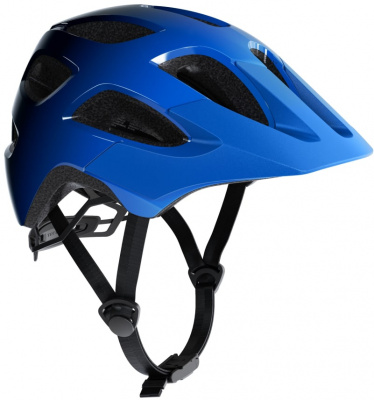
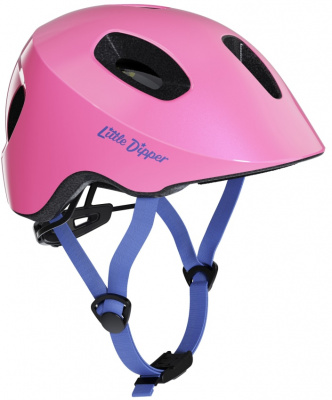
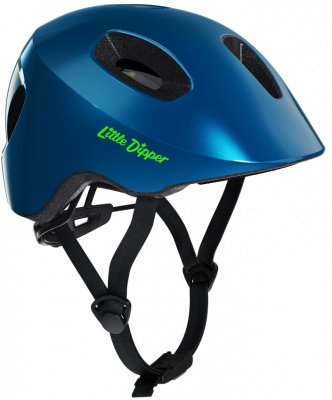
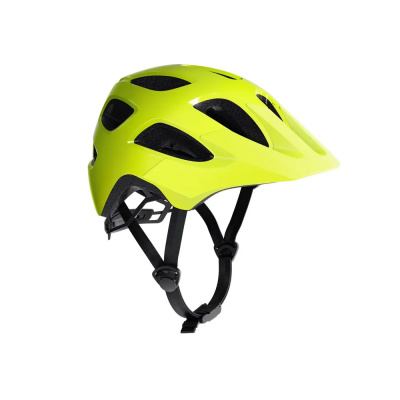
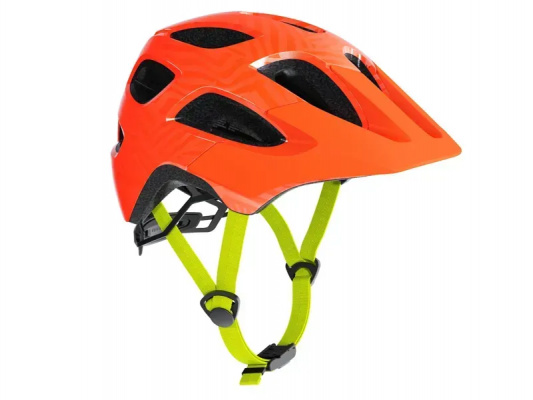
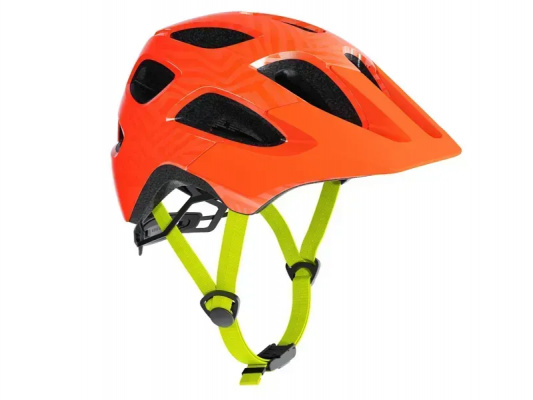
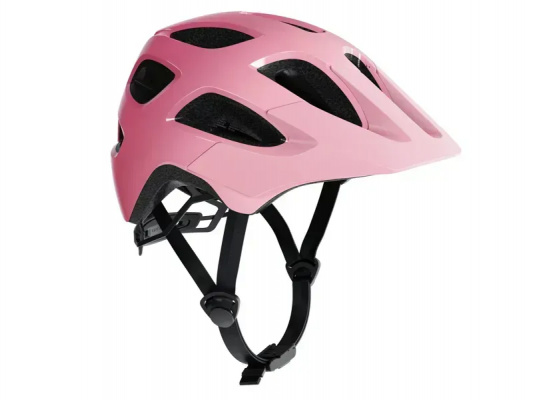
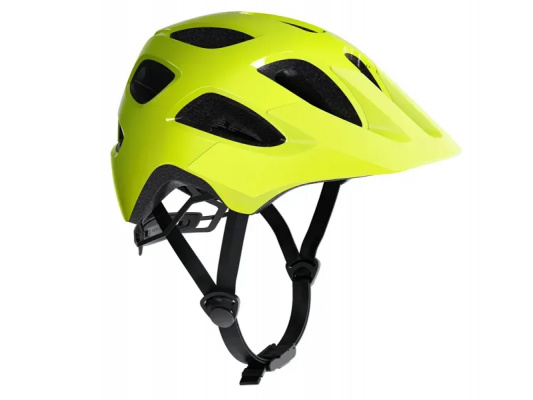
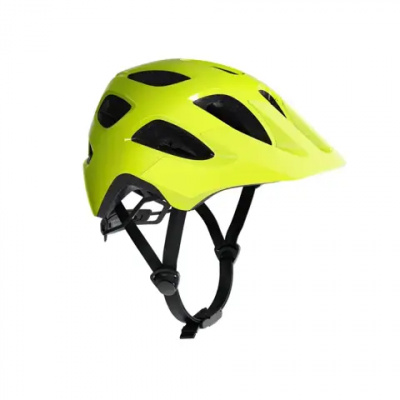
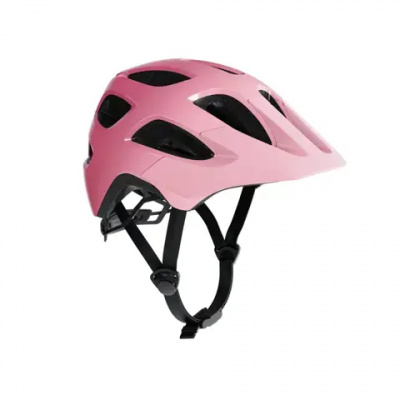
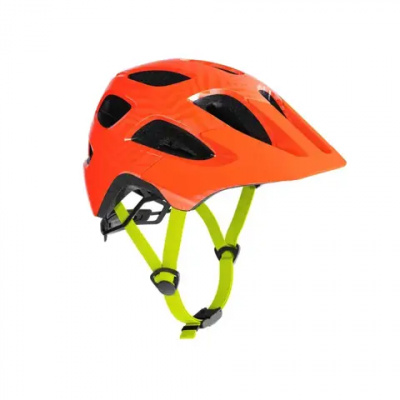
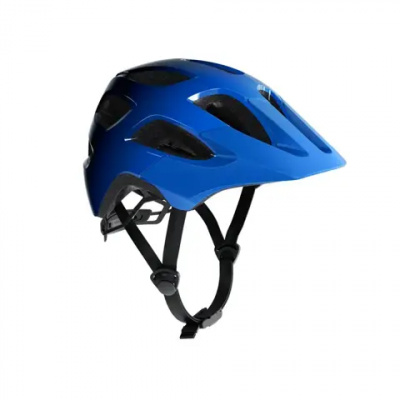
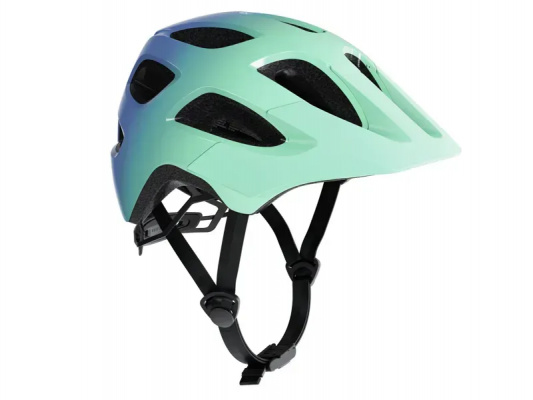
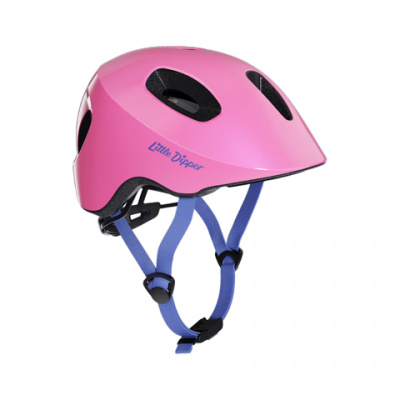
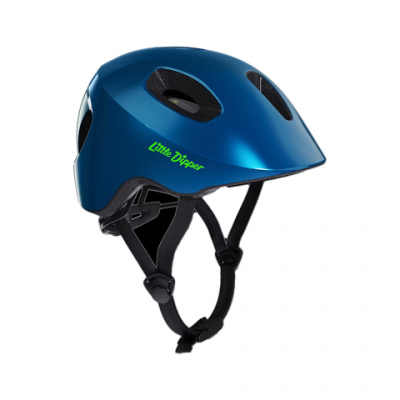
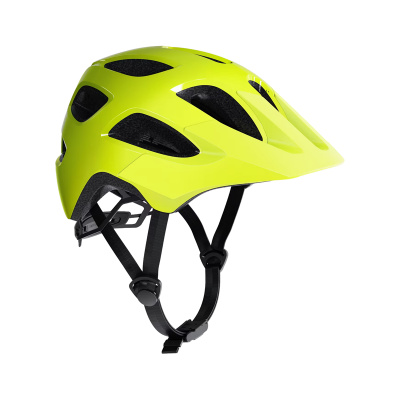
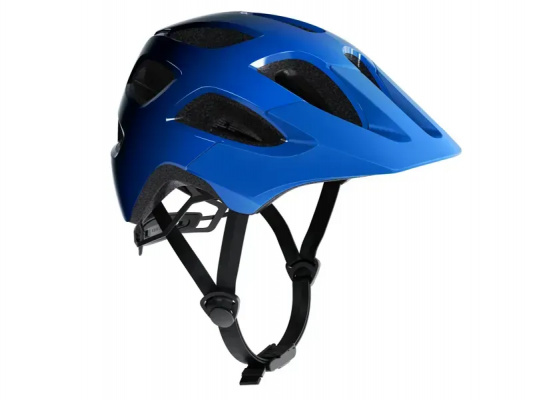
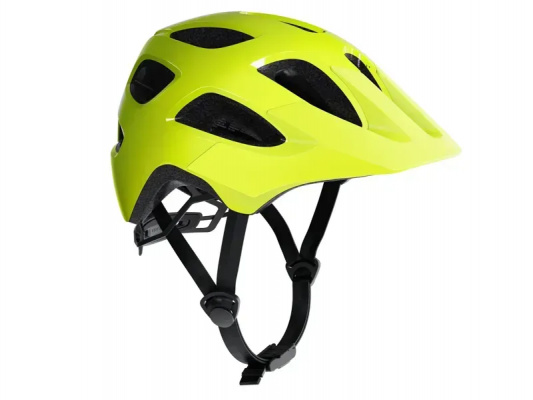
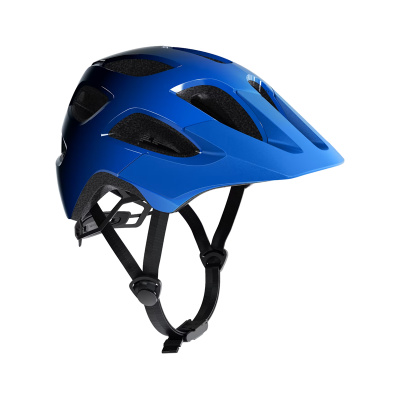
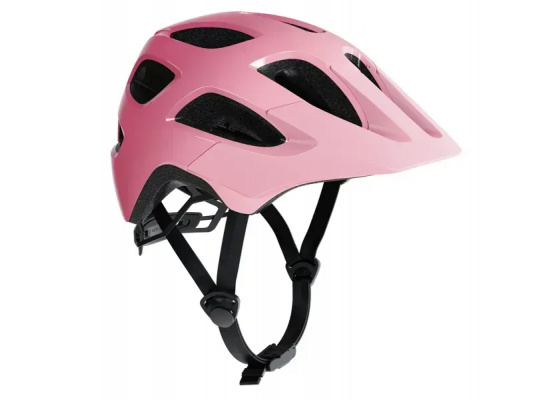
Prices and availability can change quickly. Delivery charges are not always included in listed prices.
Final price, stock status and delivery terms are set by retailer. We may receive a commission on purchases made.
What the Shell and the Slip-Plane Actually Do
The foundation of any Trek kids helmet is an in-mold construction - the outer polycarbonate shell is bonded directly to the EPS foam core during manufacture rather than glued on afterwards. That matters practically: toddlers pick at things, and a helmet where the foam is exposed or loosely attached is a helmet that degrades fast. The fused shell holds everything together and resists the kind of casual abuse that small children specialise in.
Inside, MIPS technology adds a low-friction slip-plane liner between the foam and your child's head. In a real-world fall, heads rarely hit the ground at a perfect perpendicular angle - they glance and rotate. A standard EPS core absorbs linear compression well but transfers rotational energy straight to the brain. The MIPS layer allows the helmet to rotate independently by a few degrees on impact, reducing that rotational load on the skull and brain tissue. You can spot a MIPS-equipped model by the yellow liner inside or the small yellow sticker on the rear. Not every Trek kids helmet carries it, so it's worth checking the specification if MIPS is a priority for you.
For UK riding specifically, the ventilation balance Trek strikes is worth noting. There's enough airflow to stop heads overheating on a summer cycle to school or a warm trail session, but the vents aren't so large that they hollow out the protective foam coverage or let in a biting headwind on a damp November commute.
Sizing, Fit Systems, and Choosing the Right Lid
Trek splits its kids helmet range broadly into toddler and youth sizes. Toddler helmets typically cover head circumferences of around 48 - 52cm, while youth sizes run from roughly 50 - 55cm. There's a small overlap in those numbers, which is intentional - a child on the larger end of toddler sizing may move into a youth fit earlier, and the Dialed fit system means either helmet can be adjusted precisely rather than approximated.
That dial at the rear is genuinely useful over time. Rather than relying on multiple sizes of internal padding to compensate for growth, the retention cradle expands incrementally so you can tighten or loosen the fit as your child's head develops. It's not a substitute for buying the correct size - start with a proper head measurement - but it does extend the working life of the helmet meaningfully.
To measure correctly, wrap a flexible tape measure around your child's head approximately 2.5cm above the eyebrows, keeping it level all the way round. Take the circumference in centimetres and cross-reference it against Trek's sizing chart. If you're between sizes, size up and use the dial to take in the slack rather than forcing a too-small helmet onto a growing head.
The Fidlock magnetic buckle deserves its own mention. Standard clip buckles on kids helmets catch skin under the chin with depressing regularity, which makes every future helmet session a negotiation. The Fidlock system uses a magnetic guide to position the two halves correctly before they click shut - one-handed, quiet, and skin-safe. It's the kind of detail that sounds minor until the first time your child refuses to wear a helmet because last time it hurt.
For teens who've outgrown the youth sizing range and need an adult fit, it's worth browsing our wider Trek kids bikes and helmet categories for compatible options, or checking the main Bikesy helmets section for adult sizing.
If you're after alternatives at a similar specification level, Giro kids helmets and Bell kids helmets both offer MIPS-equipped options across comparable size ranges and are worth comparing on fit and vent layout.
Keeping It Clean and What to Do After a Crash
After a muddy family ride - whether that's a gravel path in the Forest of Dean or a wet Saturday on a local cycle trail - cleaning the helmet is straightforward. Wipe the outer shell with a damp cloth and a small amount of mild soap, avoiding anything solvent-based that could compromise the EPS foam or shell bonding. Most Trek kids helmets have removable interior pads that can be unclipped, hand-washed in cool water, and left to air dry before refitting. Don't put them in a washing machine or near a direct heat source.
Store the helmet away from prolonged UV exposure and sharp temperature swings - a mesh bag in the shed is fine; the parcel shelf of a car in August is not. EPS foam degrades with UV over time, and excessive heat can affect the adhesive bonds in the construction.
On the subject of damage: the EPS foam core is a one-use protective system. A significant impact compresses the foam permanently, even if there's no visible crack in the outer shell. If your child crashes while wearing it, the helmet needs replacing - full stop. This is where Trek's Crash Replacement Guarantee is genuinely useful. If the helmet is involved in a crash within the first year of purchase, Trek will provide a free replacement. You'll need the damaged helmet, your original purchase receipt, and details of the incident - contact your retailer to process the claim. For families with young learners who are still working out how to stop before a kerb, that first-year window covers a lot of ground.
It's also worth pairing the helmet with the right bike from the start. A well-fitted helmet on a poorly sized bike is a recipe for more crashes, not fewer. Our Trek balance bikes section is a good starting point for younger riders who aren't yet on pedals, and the Trek kids bikes range covers the step up to geared riding. Bontrager kids helmets - Trek's own component brand - are also worth a look if you want a closely integrated fit with Trek bikes specifically.
Trek Kids Helmets FAQs
How do I measure my child's head for a Trek helmet?
Wrap a flexible tape measure around your child's head roughly 2.5cm above the eyebrows, keeping it level all the way round. Note the circumference in centimetres and match it to Trek's size chart - toddler sizes typically run 48 - 52cm and youth sizes 50 - 55cm. If you're between sizes, go larger and use the Dialed fit system to take in the slack.
Do Trek kids helmets feature MIPS technology?
Many do, though not every model in the range. MIPS technology adds a low-friction slip-plane inside the helmet that allows a small rotational movement on angled impacts, reducing the rotational forces transferred to the brain. MIPS-equipped models are identifiable by a yellow liner inside the helmet or a yellow sticker on the exterior - check the spec before you buy if MIPS is a must-have.
What is the Trek Crash Replacement Guarantee?
If your child's Trek helmet is involved in a crash within the first year of ownership, Trek will replace it free of charge. To make a claim, take the damaged helmet to your retailer along with the original purchase receipt and details of the crash. Given that EPS foam must be replaced after any significant impact regardless of visible damage, this guarantee takes a real-world cost off the table.