
Trek Kids Bikes
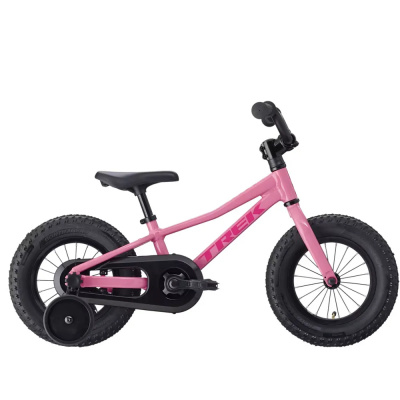
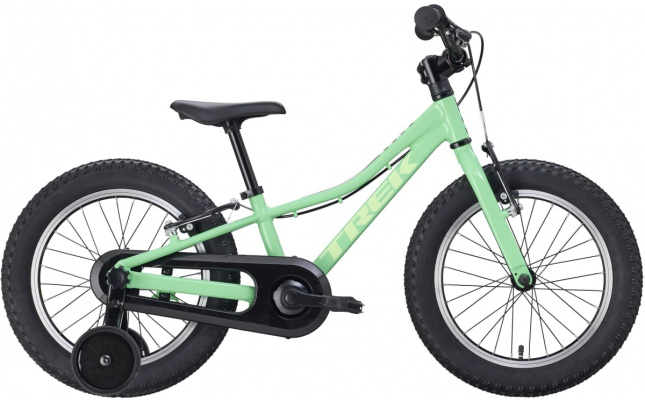
Trek kids bikes are built with the same engineering rigour that goes into their adult race machines - just scaled down properly, not shrunk as an afterthought. At the core of the range sits the Alpha Aluminum frame construction, which keeps weight genuinely manageable relative to a small rider's body weight. That matters more than most parents realise. A heavy bike makes learning harder, knocks confidence, and gets abandoned against the shed wall by half-term.
What separates Trek from a lot of the field is the Dialed Fit system - a collection of kid-specific details that includes narrower grip diameters, proportional saddles, and brake levers sized for small hands that can actually generate stopping power. Add in kid-specific geometry with appropriate standover height and shorter reach figures, and you've got a bike a child can actually control rather than fight. Select models also feature adjustable crank lengths, so the bike can adapt as your child grows rather than suddenly feeling wrong. Whether the goal is laps of the local park, the school run, or a first blue-grade trail at a Forestry England centre, Trek has a platform that fits the job without compromise.
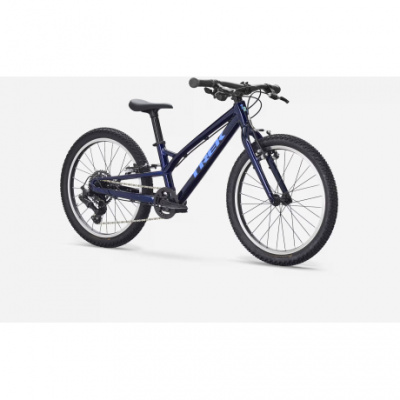
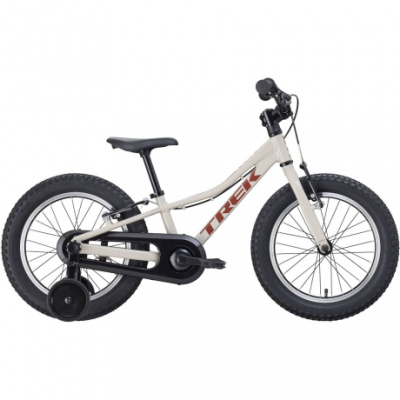
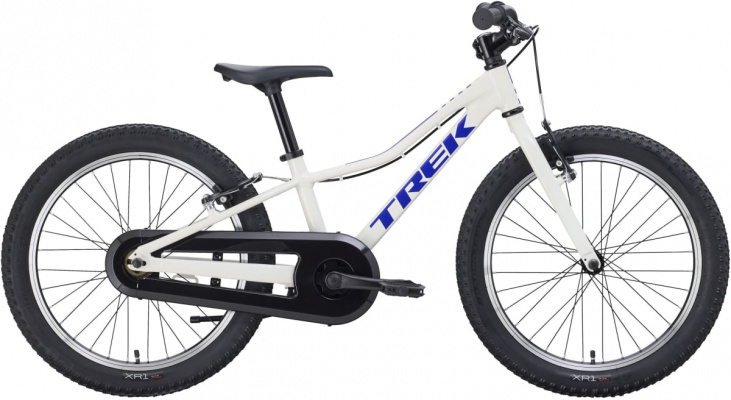
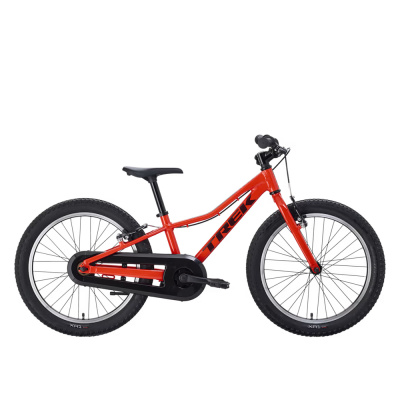
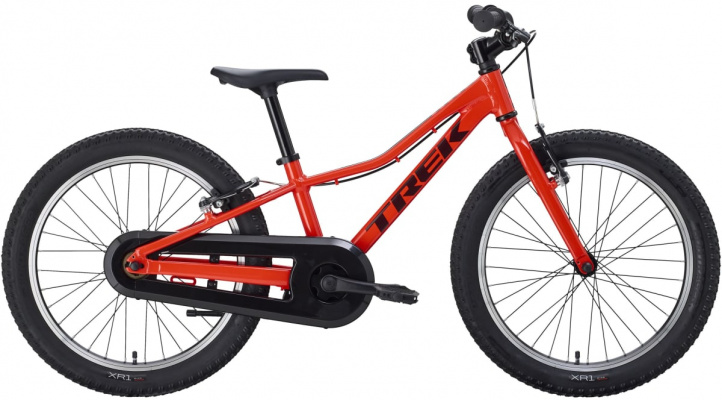
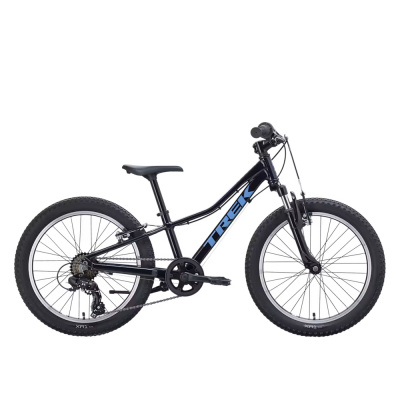
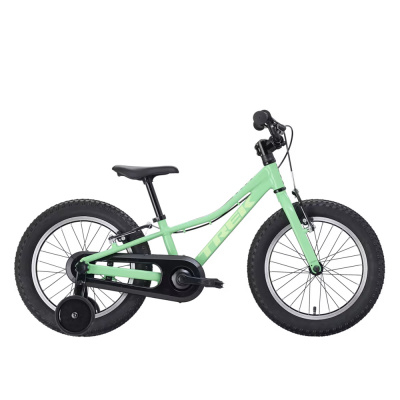
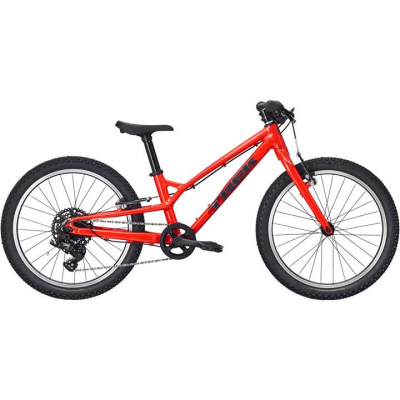
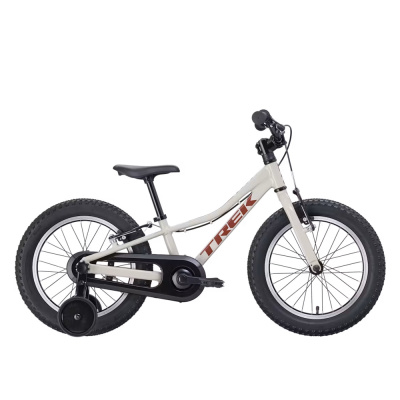
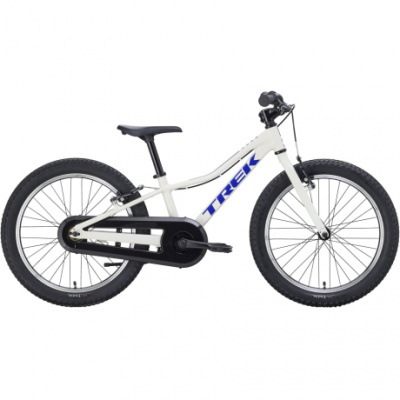
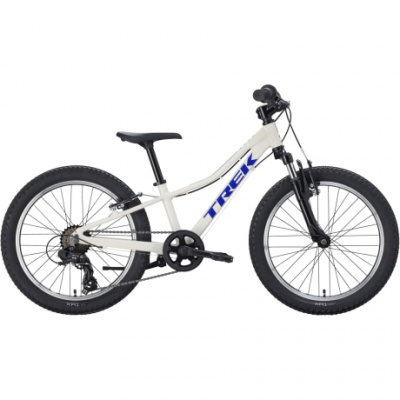
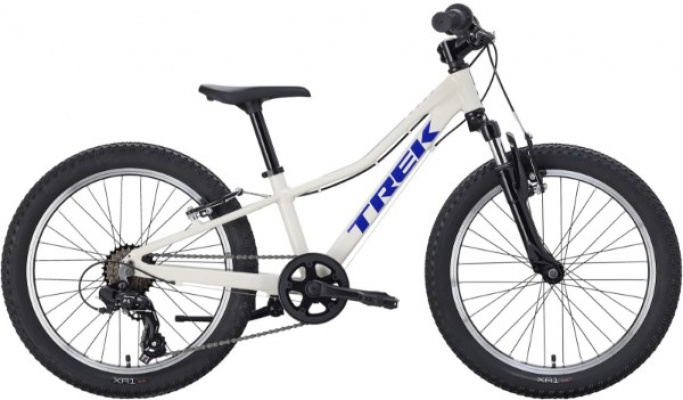
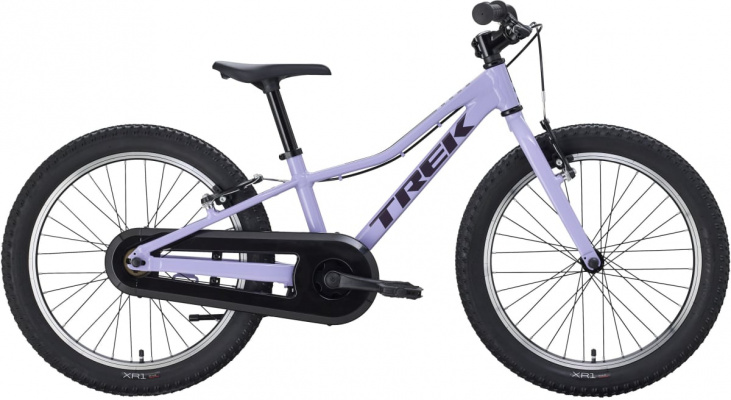
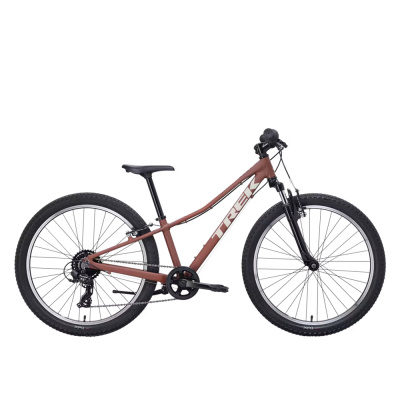
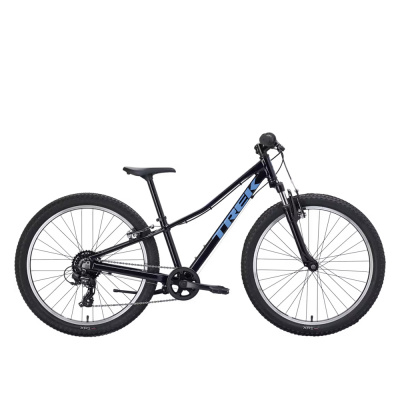
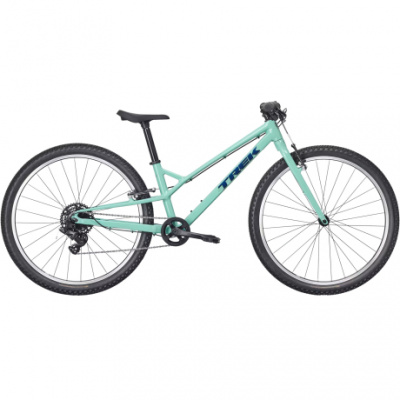
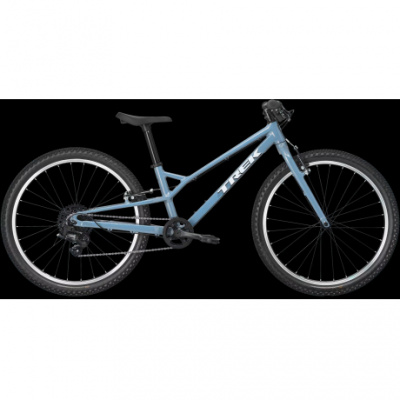
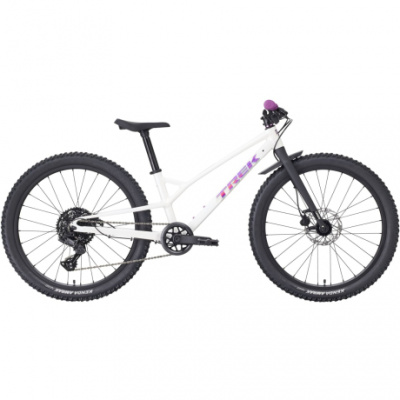
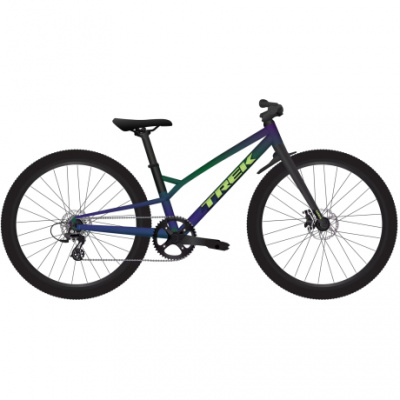
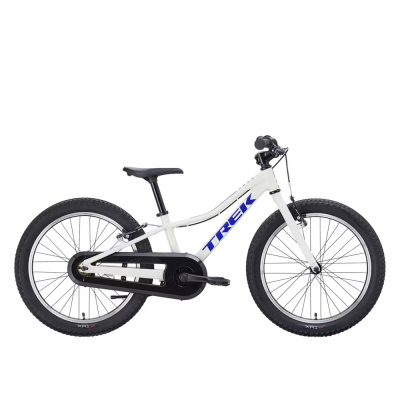
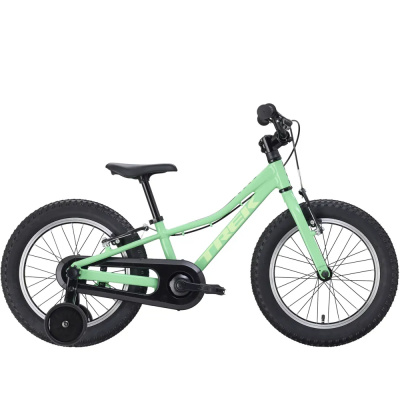
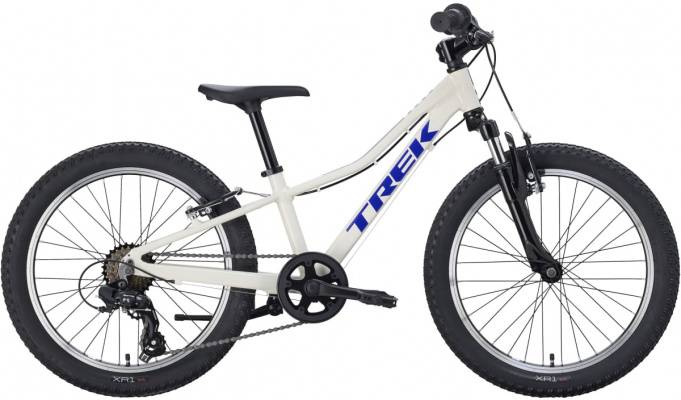
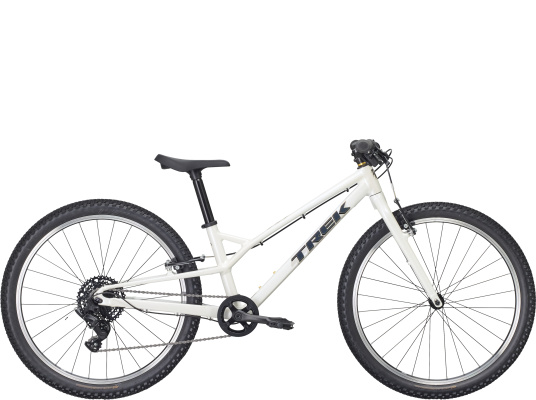
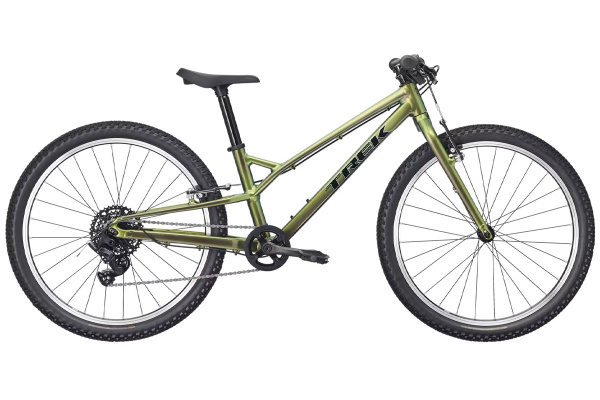
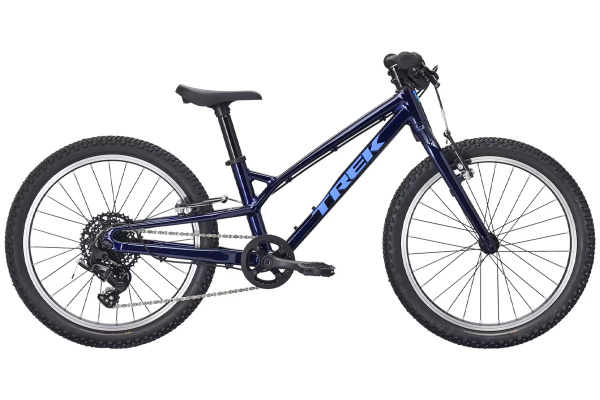
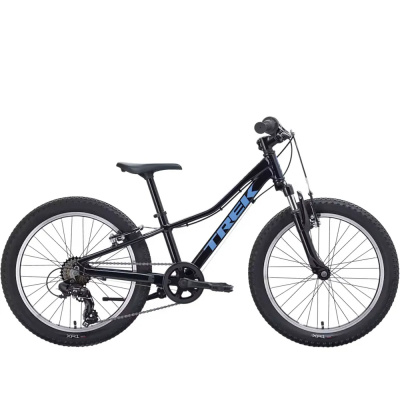
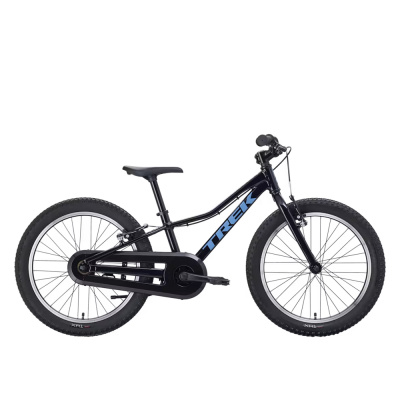
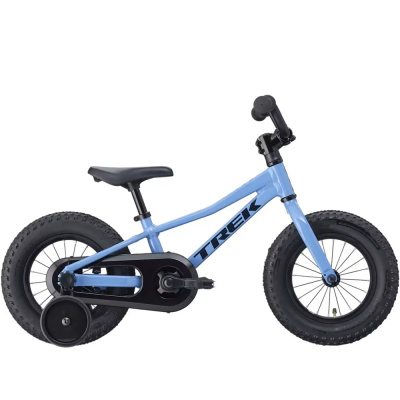
Prices and availability can change quickly. Delivery charges are not always included in listed prices.
Final price, stock status and delivery terms are set by retailer. We may receive a commission on purchases made.
Decoding the Trek Kids Lineup
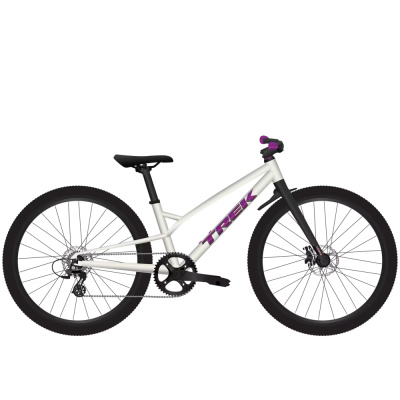
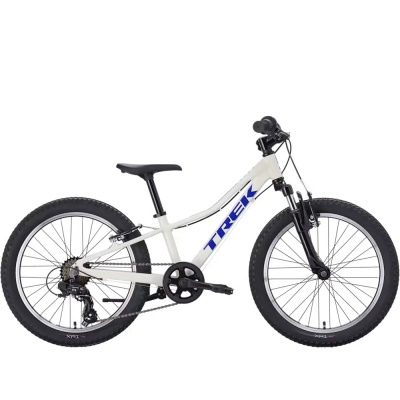
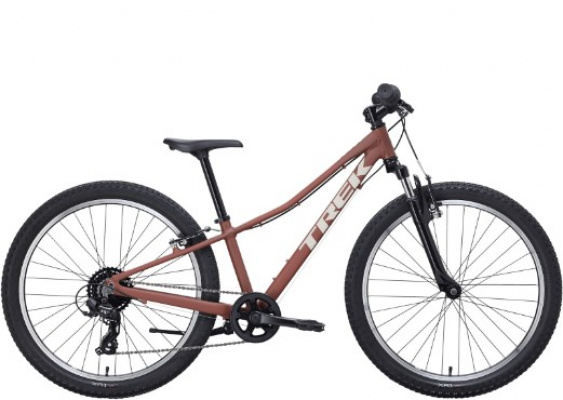
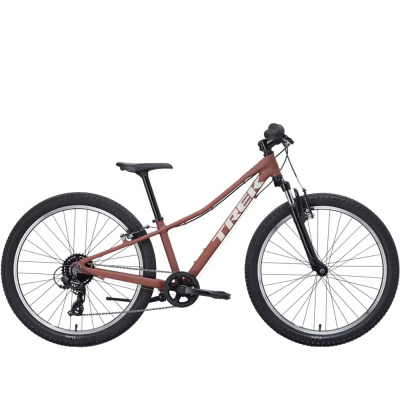
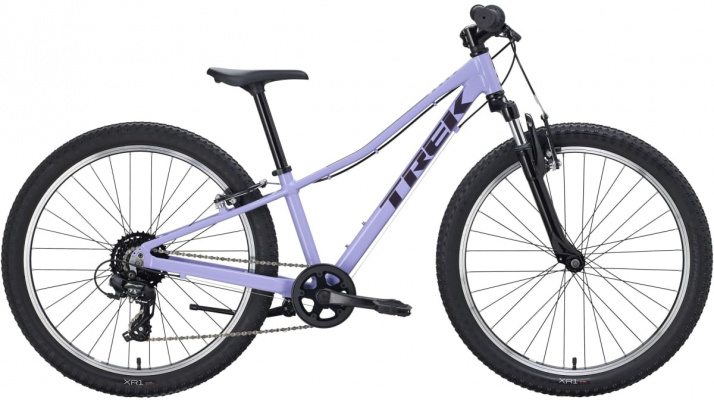
Trek organises its junior range into a few distinct families, and it's worth knowing which one suits your child's riding before you start comparing specs. The Precaliber is the most versatile of the lot - sturdy, confidence-building, and available with a front suspension fork on the larger wheel sizes. It's the natural choice for kids moving between neighbourhood pavements and their first taste of light singletrack. The geometry is forgiving, the components are sensibly spec'd, and it won't rattle a young rider's fillings out on a gravel path.
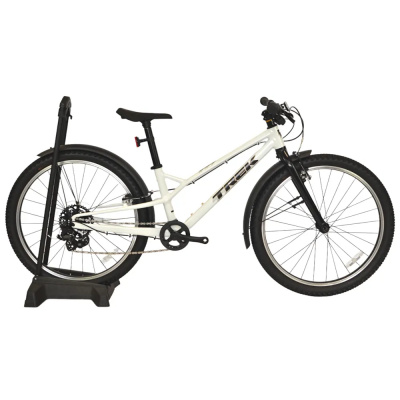
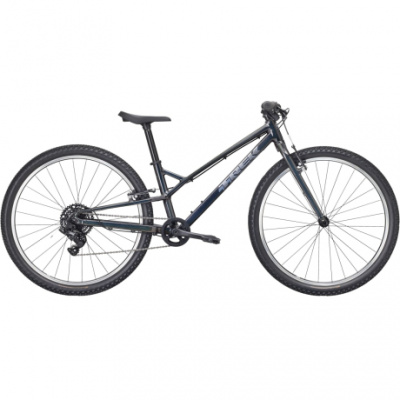
The Wahoo takes a different approach. Rigid fork, lighter overall weight, and a more upright hybrid-style position make it quick and easy to manoeuvre. If your child is more interested in covering ground on mixed surfaces at speed than picking through roots, the Wahoo's efficiency is noticeable. It's a popular choice for kids who've outgrown the absolute beginner stage and want something that responds when they push it.
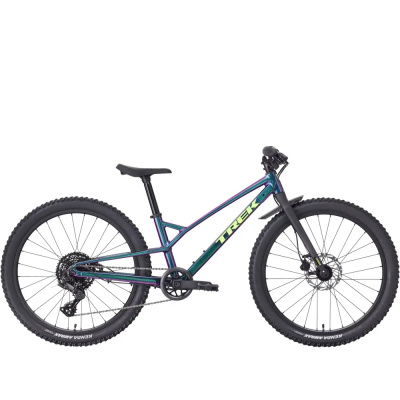
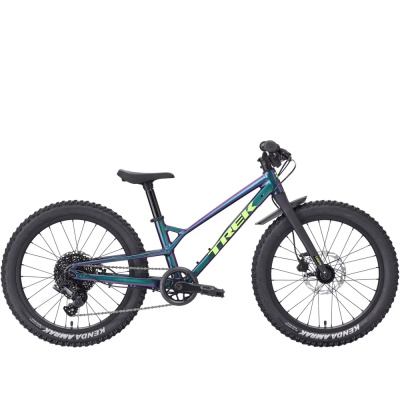
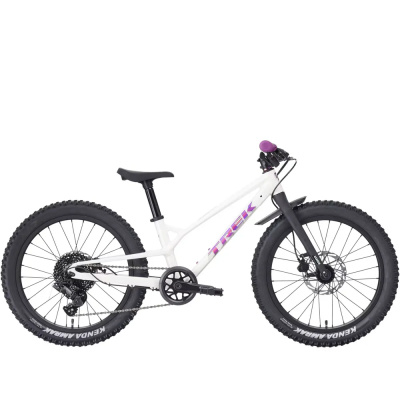
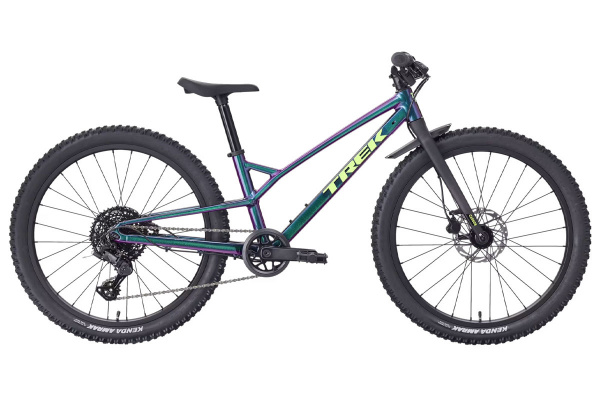
Then there's the Roscoe - Trek's mid-fat-tyred option for kids who are already spending time on proper off-road trails. The wider rubber adds grip on wet roots and loose surfaces in a way that narrower tyres simply can't match. If your child is regularly riding at somewhere like Cannock Chase or a local trail centre, the Roscoe's traction gives them the confidence to actually learn trail technique rather than managing slippage.
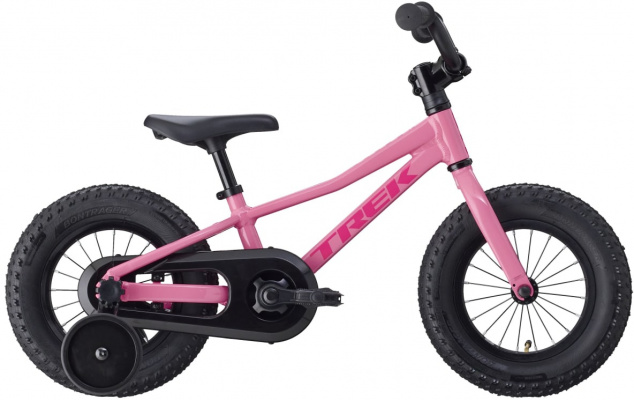
Looking for your toddler's very first two-wheeler? Head over to our dedicated Trek Balance Bikes page to explore the Kickster lineup.
The Trek Tech Philosophy: Dialed Fit in Practice
It's easy to dismiss kids' bike tech as secondary, but Trek's Dialed Fit system addresses problems that directly affect whether a child enjoys riding or gives up on it. Start with Q-factor - the lateral distance between the pedals. Adult-sized cranks and bottom bracket shells force small riders into a bow-legged pedalling stance that wastes energy and puts strain on developing knees. Trek's kid-specific Q-factor narrows that stance so the pedal stroke is efficient and natural, the same way a properly fitted adult bike feels compared to a borrowed one that's slightly wrong.
The Alpha Aluminum tubing is another tangible benefit rather than a marketing footnote. Keeping the frame light means a child's effort actually translates into forward motion rather than simply moving the bike's mass around. As a rough benchmark, most experts suggest a child's bike should weigh no more than 30 - 40% of their body weight - and Trek's aluminium construction helps stay within that range where cheaper steel alternatives often don't.
Brake levers are where a lot of budget kids' bikes quietly fail. If a child can't generate meaningful stopping power with their small hands, they lose confidence on any descent that has even a gentle gradient. Trek's Dialed Fit levers are sized and positioned so that small fingers can actually pull them properly. Pair that with Trek grips in a diameter that fits small palms, and the whole cockpit feels like it belongs to the child rather than a scaled-down adult.
On select models, adjustable crank lengths extend the bike's useful life. Rather than a sudden fit deterioration as a child grows, you can dial in the crank to suit their leg length - a small detail that makes a meaningful difference to comfort and pedalling efficiency over a season or two.
Living with a Trek Kids Bike in the UK
Sizing is probably the single most important conversation to have before buying. The instinct to buy a size up so the bike lasts longer is understandable, but it's genuinely counterproductive. A bike that's too large is harder to control, hurts a child's confidence, and can be dangerous in situations where they need to react quickly. Focus on standover height first - your child needs to stand flat-footed over the top tube with a couple of centimetres to spare. Reach is the second check: they shouldn't be stretching forward or cramped up behind the bars.
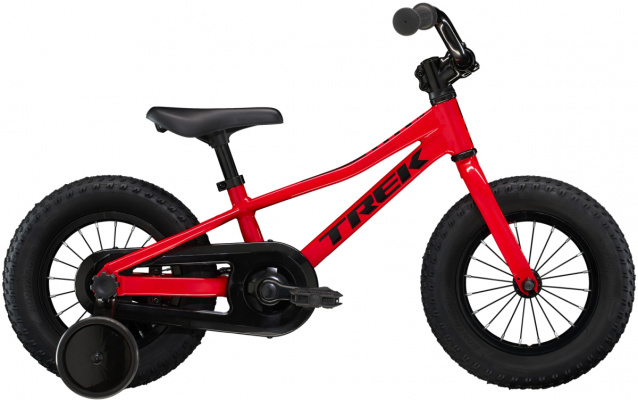
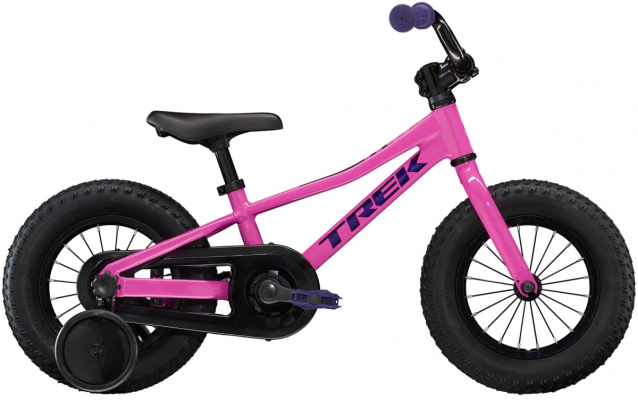
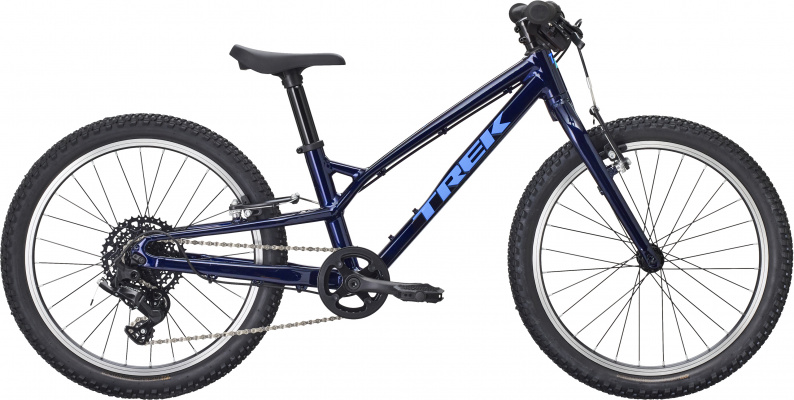
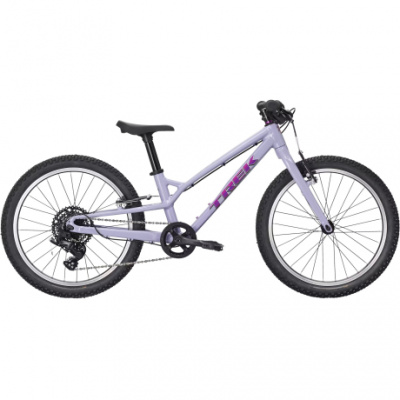
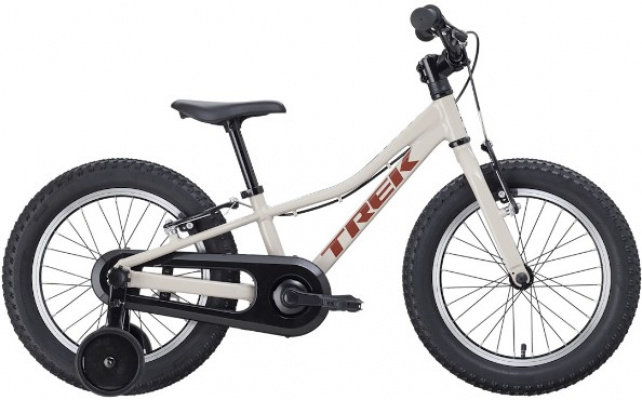
The Trek 16 inch bike and Trek 20 inch bike sizes are where most parents start shopping, and getting the fit right at those stages builds the habits that carry through to a Trek 24 inch bike and beyond. Don't skip the measuring step.
UK riding conditions add their own maintenance considerations. After wet school runs or a session on damp woodland trails, drivetrains pick up grit faster than in dry climates. A quick wipe-down and a light application of wet-condition chain lube goes a long way - it's the sort of thing that takes two minutes and saves a drivetrain. Trek's sealed bearings handle damp storage better than cup-and-cone alternatives, but a shed with some airflow is still preferable to a permanently wet garage floor.
For trail riding, the wider tyre clearance on models like the Roscoe is genuinely useful on Welsh and northern English winter trails where mud builds up fast. If your child is on a Precaliber or Wahoo and starting to ride rougher ground regularly, it's worth checking tyre width compatibility - a slightly wider tyre swap can transform grip without requiring a new bike. Trek mudguards are also worth adding early; they keep muck off the rider and reduce the cleaning burden after rides considerably.
Trek's resale values are strong, which is worth factoring into the initial cost calculation. A well-maintained Trek frame will sell on the second-hand market noticeably better than a budget alternative - and when you're buying the next size up, that difference matters. Frog Bikes and Cube kids bikes are the most direct comparisons at a similar price point; both are strong options, but Trek's Dialed Fit system gives it an edge in component proportioning for smaller riders. Adding a kickstand early also prevents the casual drops that put the first scratches on a frame your child is supposed to be selling in two years.
Trek Kids Bikes FAQs
What age is a Trek 20-inch bike for?
Generally, a Trek 20-inch bike suits children aged around 6 to 8, but age is a rough guide at best. Height is far more reliable - these bikes typically fit kids between 114cm and 132cm tall. Measure your child's inseam against the bike's standover height rather than relying on age brackets.
Are Trek kids bikes worth the money?
For most families, yes. The lightweight Alpha Aluminum frames and Dialed Fit components genuinely make learning easier and more enjoyable compared to heavier budget alternatives. They also hold strong resale value, so when your child outgrows the bike, you'll recoup a decent chunk of the outlay on the second-hand market.
How do I know what size Trek bike to get my child?
Start with standover height - your child must be able to stand flat-footed over the top tube with a small gap. Then check reach so they're not stretching or cramped. Avoid buying a size up to extend the bike's life; a poorly fitting bike is harder to control and genuinely affects safety and confidence.