
Trek Helmets
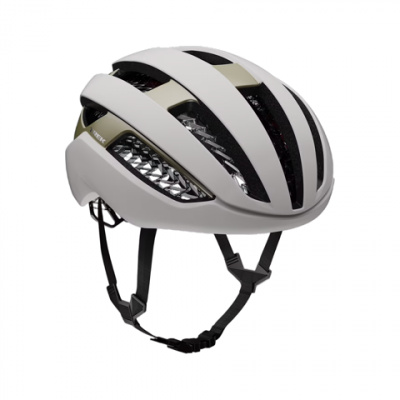
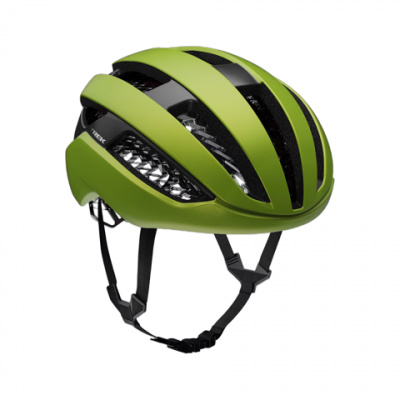
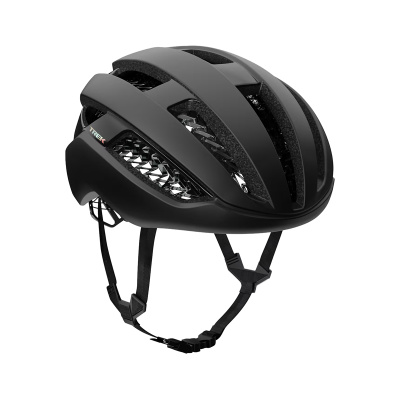
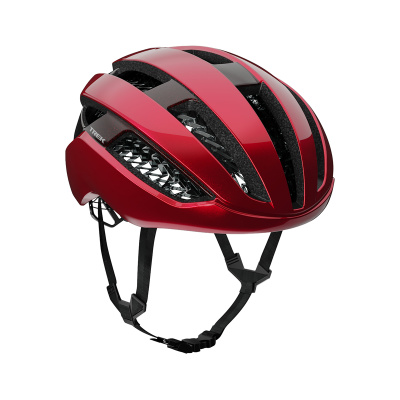
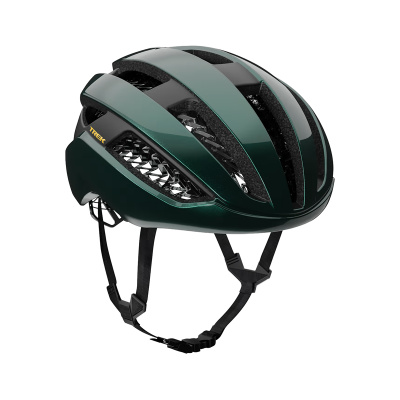
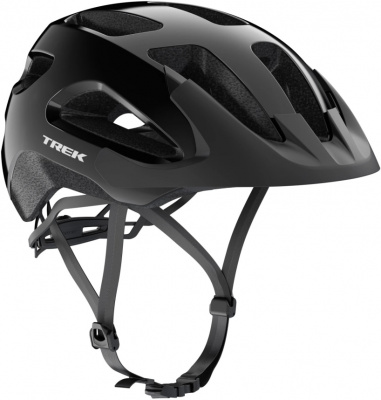
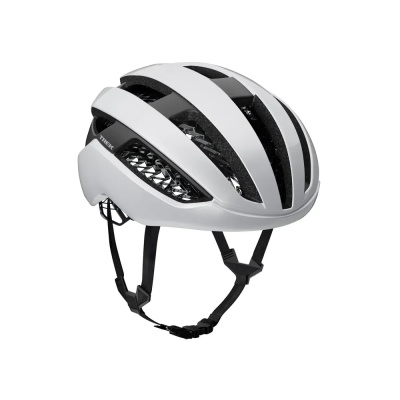
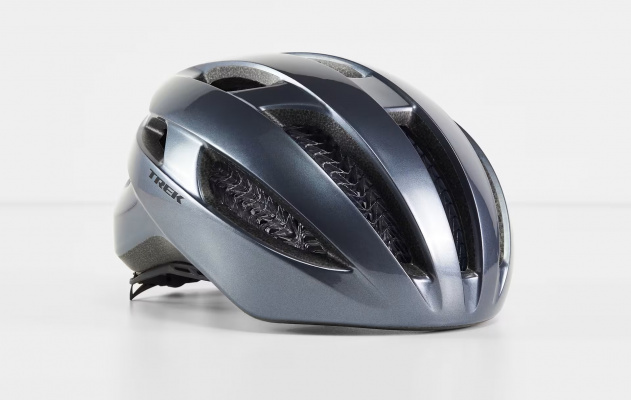
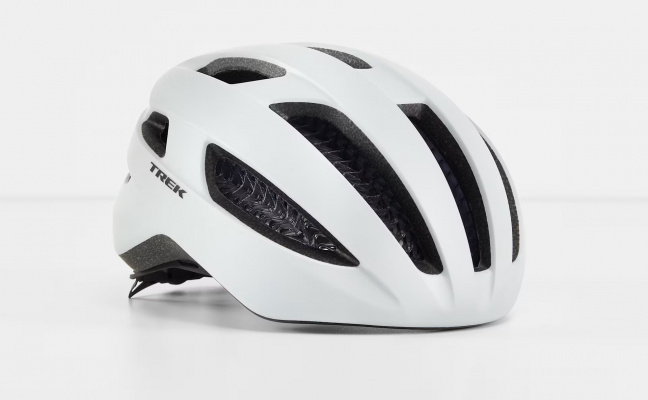
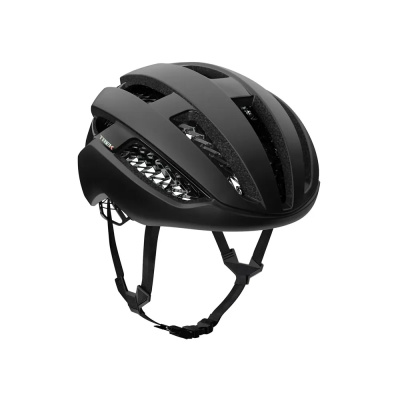
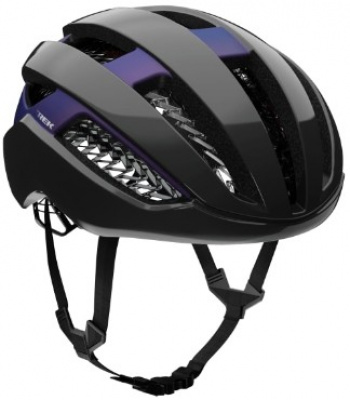
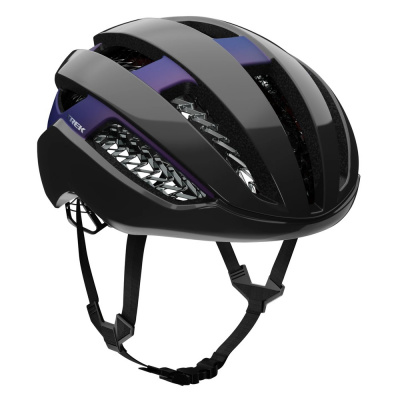
Trek helmets sit at the sharper end of what cycling head protection can do right now. Whether you're threading singletrack, pushing watts on a club run, or grinding through a dark January commute, Trek has built a helmet range that takes safety seriously without making you feel like you're wearing a science experiment. The headline act is WaveCel technology - a collapsible cellular structure that flexes and crumples on impact to absorb energy in a way standard EPS foam core construction simply can't match alone. Alongside that, Mips protection (Multi-directional Impact Protection System) features across much of the range, using a low-friction slip-plane to redirect rotational forces away from your head during an angled impact.
Beyond the safety credentials, Trek has thought hard about the details that matter on actual rides. The BOA fit system lets you dial in retention with one thumb, mid-ride, without taking your gloves off. Blendr mount integration makes light and camera attachment clean and secure - no cable ties, no rattling afterthoughts. And if your helmet takes a knock in a crash, Trek's crash replacement guarantee covers a free replacement within the first year. That's a proper safety net, not a marketing footnote.
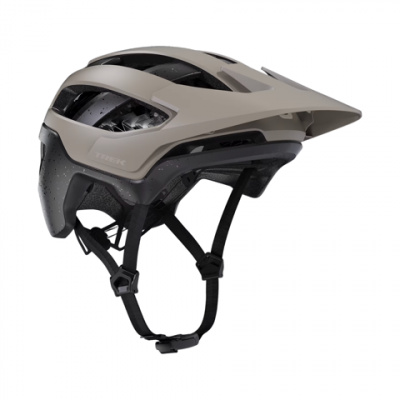
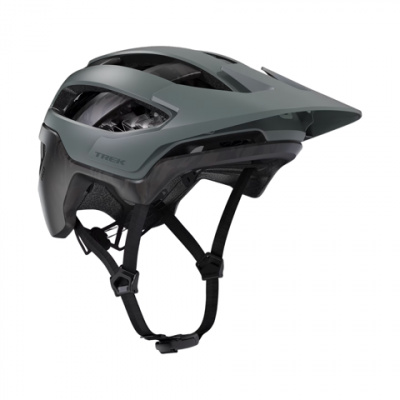
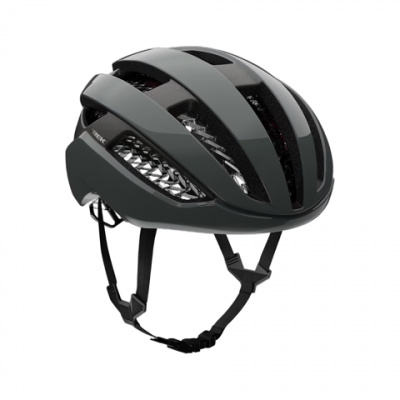
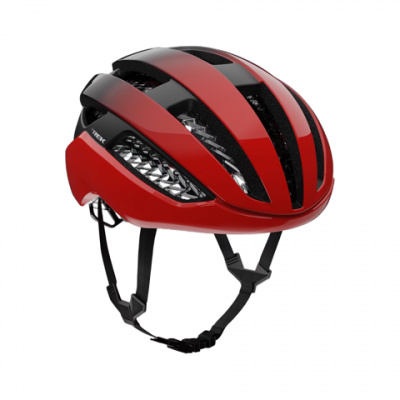
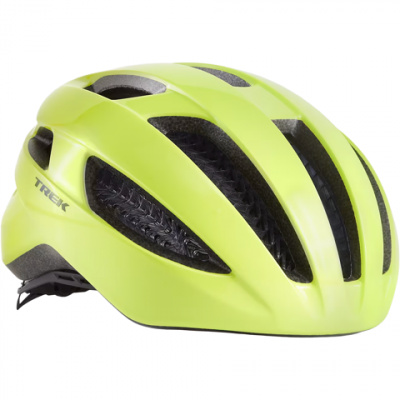
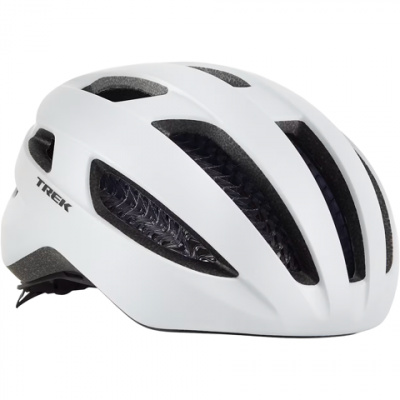
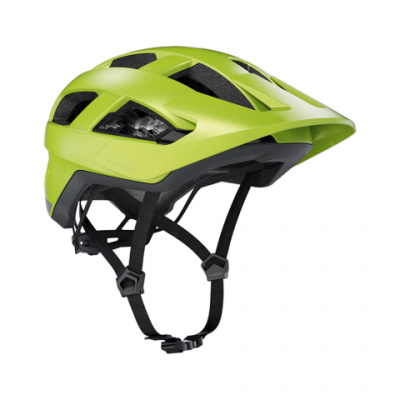
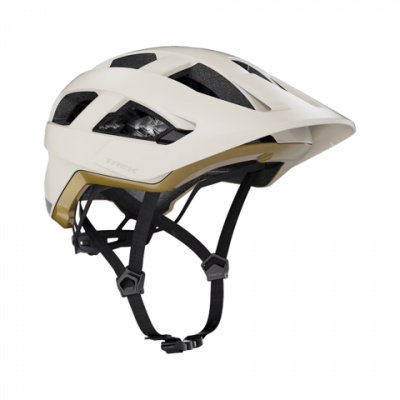
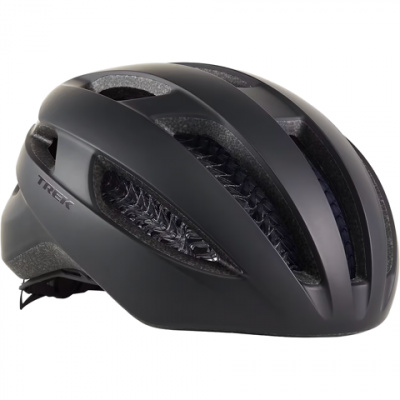
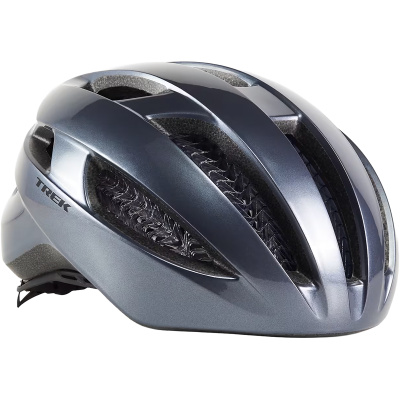
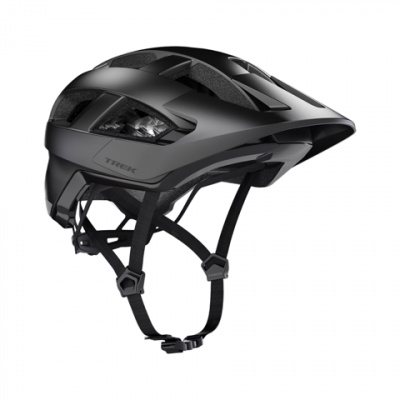
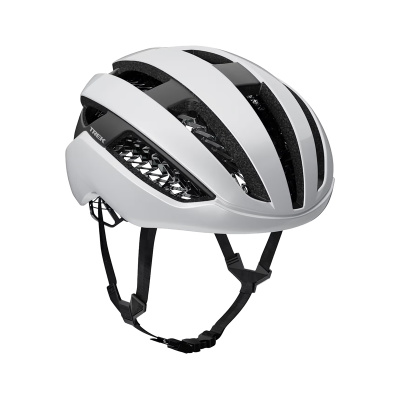
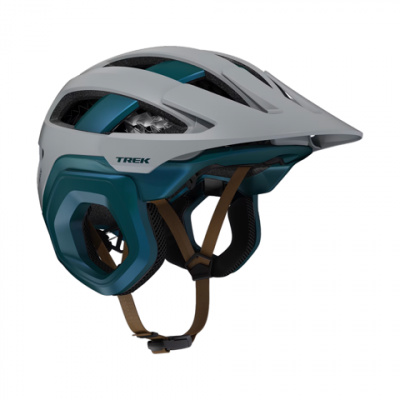
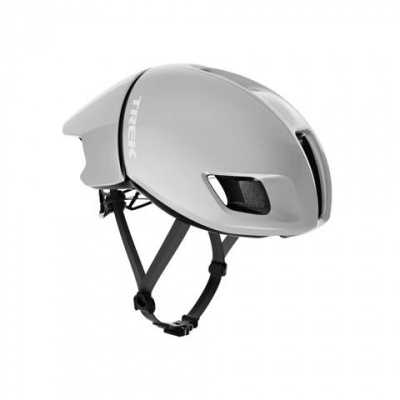
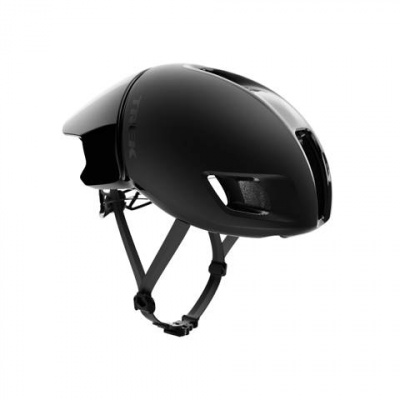
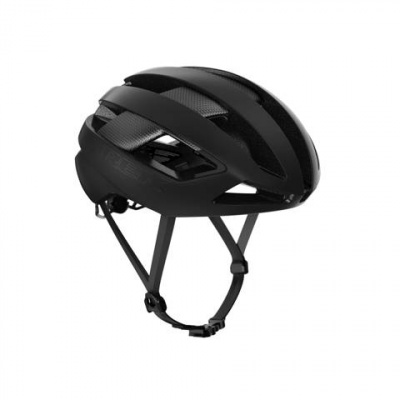
Prices and availability can change quickly. Delivery charges are not always included in listed prices.
Final price, stock status and delivery terms are set by retailer. We may receive a commission on purchases made.
WaveCel vs Mips: What the Safety Tech Actually Does
Both systems address the same problem - rotational forces during an oblique impact - but they go about it differently, and the distinction matters when you're choosing. Mips protection works through a thin slip-plane liner sitting between the EPS foam and the helmet's interior padding. On impact, that liner moves independently of the shell, allowing a few millimetres of rotation that would otherwise transfer directly to your brain. It's a proven, widely tested system, and you'll find it across Trek's mid-range and entry-level lids.
WaveCel technology is Trek's own, and it goes further. The WaveCel collapsible cellular structure replaces the traditional smooth EPS foam lining with a lattice of connected cells. Hit the deck and those cells flex, crumple, and glide in sequence - handling linear and rotational forces in a single material layer rather than relying on a separate slip-plane. Independent testing has rated WaveCel helmets significantly ahead of many Mips equivalents on rotational force reduction, and Trek deploys it in their premium road and MTB options. If you're riding exposed ridgelines in the Brecon Beacons or commuting fast through city traffic, the extra margin is worth the step up in cost.
Ventilation and aerodynamic profile vary across the range too. Trek's road-focused helmets run deep internal channels to pull air across your head on long climbs - useful when a British summer decides to deliver actual heat. Aero-orientated lids close those channels off for speed gains on flat or rolling routes, which means a trade-off in airflow. Worth thinking about before you commit, especially if most of your riding involves sustained efforts rather than short punchy efforts.
Finding the Right Fit Across the Range
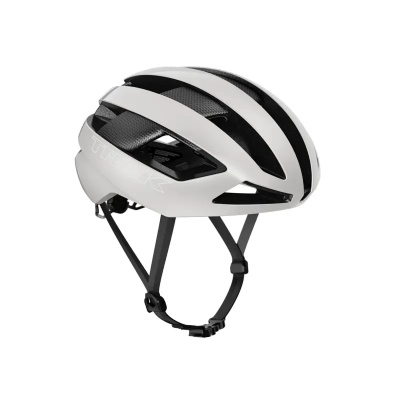
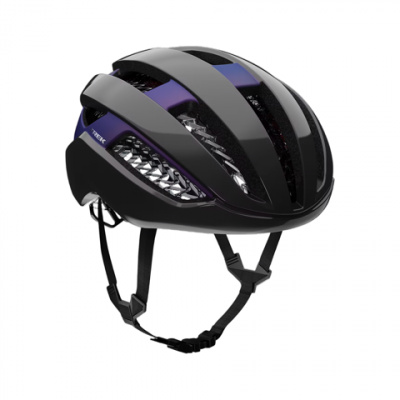
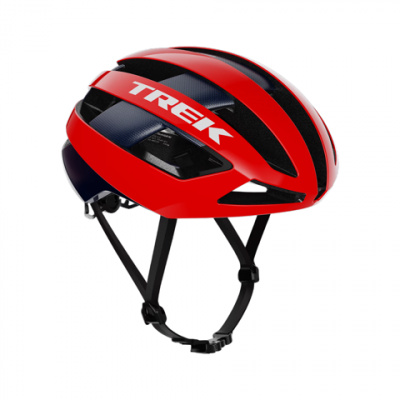
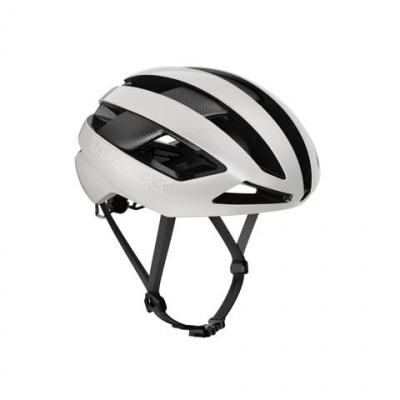
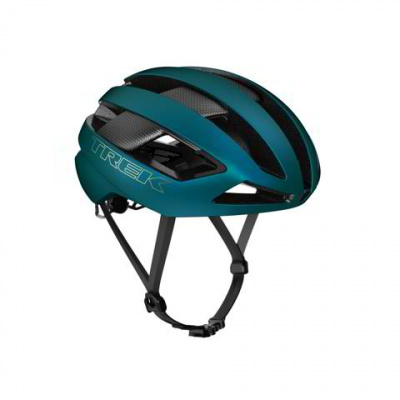
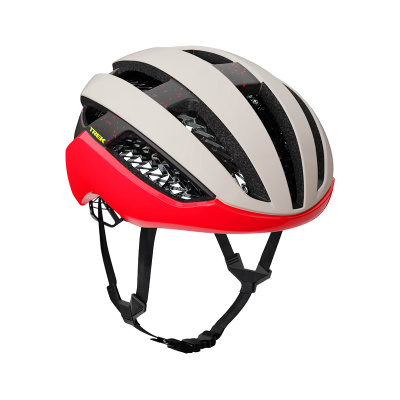
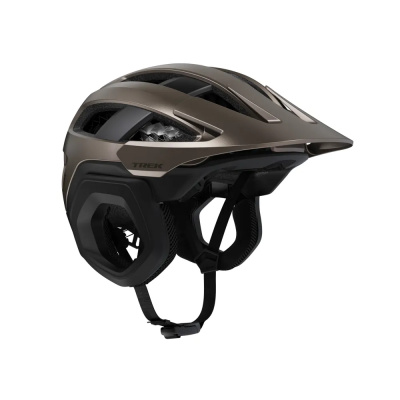
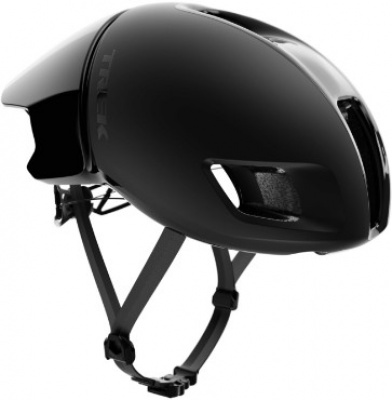
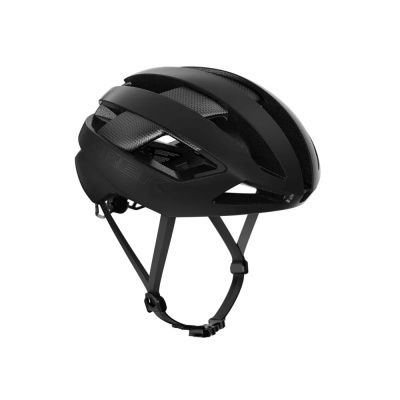
Trek's helmet line splits cleanly along discipline lines. On the road side, the Velocis is the aero-focused option - a helmet that prioritises drag reduction and suits riders who spend time in a low, aggressive position. The Ballista leans more towards ventilation while keeping a streamlined shape, making it a better call for sportive riders or anyone who runs hot. Both use the BOA fit system with a micro-adjustable dial at the rear, so you can snug the retention ring precisely without fumbling with a ratchet strap.
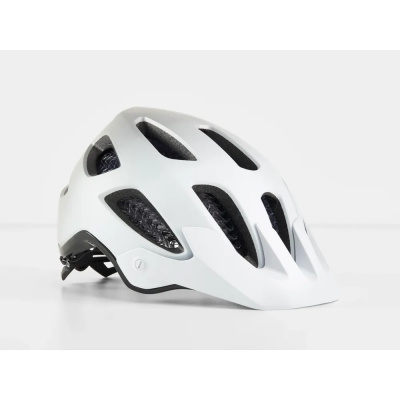
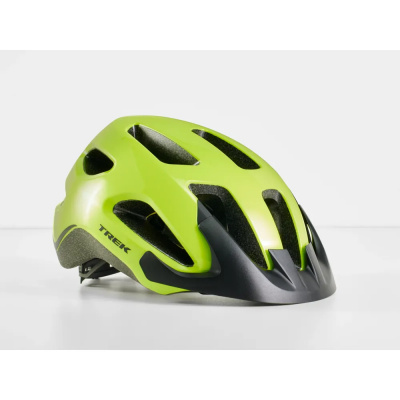
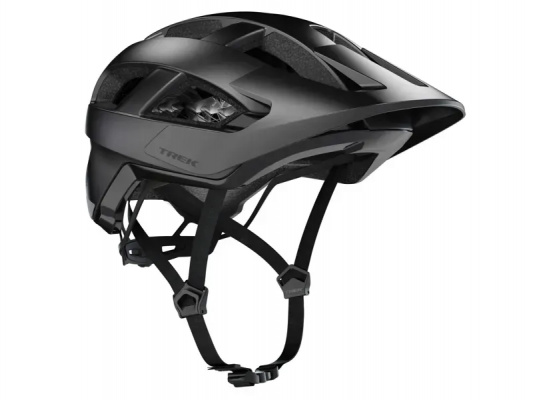
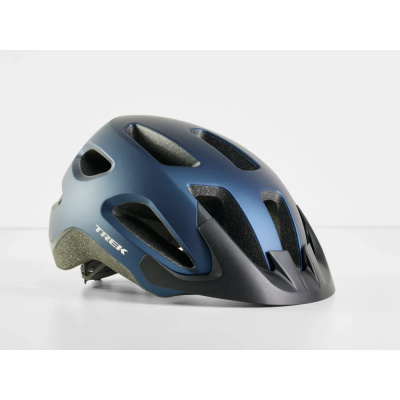
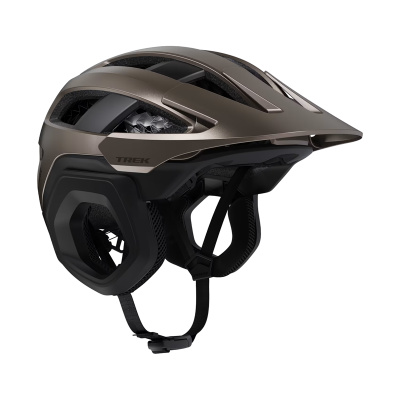
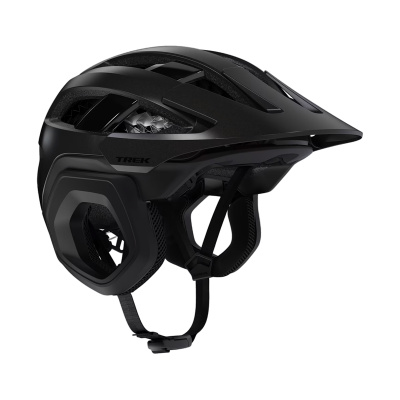
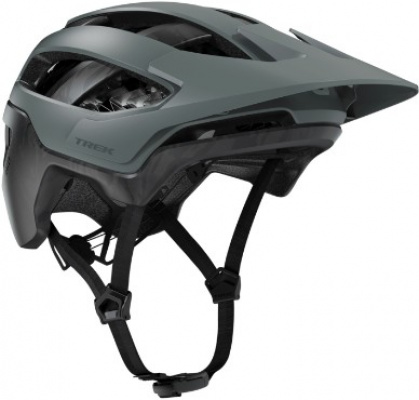
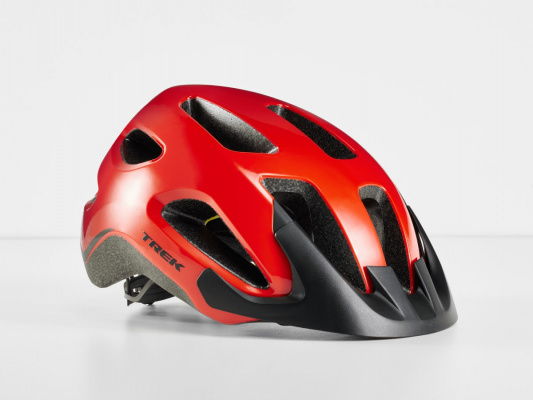
On the MTB side, the Blaze and Rally cover trail and cross-country use respectively. The Blaze runs deeper coverage around the sides and rear - practical when you're looping the Afan trail centre and the odd off-camber moment sends you sideways. The Rally keeps things lighter for XC riders who want speed without sacrificing full coverage. Both accept the Blendr mount integration system, so you can clip a light or action camera to the front without a separate bracket cluttering the helmet.
Getting the shell size right before you start dialling the BOA is the step most people skip. Measure the circumference of your head just above the ears and eyebrows - a cloth tape measure works, a piece of string and a ruler works if that's what you've got. Match that number to Trek's sizing chart, pick the correct shell, then use the BOA dial to lock down the fit. A helmet that's the wrong shell size won't be fixed by tightening the dial; it'll sit too high or rock side to side no matter what you do.
If you're shopping for younger riders or need to replace internal padding and straps, we'd point you towards our dedicated Trek lights page for commuting kit, and for anything children's helmet or helmet spares specific, our kids helmets and helmet spares pages cover those needs in full detail rather than us trying to squeeze them in here.
Want to see how Trek's fit approach compares to other brands? Giro helmets use a similar BOA-style system across their range, while Bell helmets offer an alternative retention geometry that suits some head shapes better - both are worth a look if you're undecided.
Blendr Integration and Looking After Your Lid
The Blendr magnetic accessory mount system is one of Trek's smartest practical features, and in the UK it's not a luxury - it's close to essential. Light-up or be invisible is pretty much the rule on British winter rides, and a front light that clicks directly into the helmet's mount point sits flush, points where your head points, and doesn't add a wobbling bracket to your aerodynamic profile. Trek's own lights are designed around Blendr, but the system is open enough to work with compatible units from other manufacturers too. If you're riding a Trek e-bike and want a matched lighting setup, the integration is particularly tidy.
Caring for the helmet itself is straightforward but easy to neglect. The moisture-wicking pads that line the interior are removable on most Trek models - pull them out, hand wash with mild soap, and let them air dry rather than forcing them through a machine wash cycle. Do it every few weeks if you're riding regularly, more often in summer. Pads that are left to accumulate sweat not only smell unpleasant but break down faster, which affects both comfort and the fit precision the BOA system is calibrated around. The shell itself just needs a wipe with a damp cloth; avoid solvents or anything abrasive that could compromise the EPS foam core beneath the outer layer.
One practical note on helmet lifespan: even without a visible crack, most manufacturers - Trek included - recommend replacing a helmet every three to five years. UV exposure and normal wear degrade the EPS foam's ability to absorb impact energy over time, even if the helmet looks fine. If yours has taken a direct hit, replace it regardless of how it looks; the crash replacement guarantee Trek offers makes that easier to stomach financially in the first year. If you're weighing up alternatives, Bontrager helmets - Trek's own component brand - share the same WaveCel and Blendr platform and are worth comparing directly. Pairing a new helmet with a Trek gravel bike setup? It's worth checking Blendr compatibility at the same time so your light and mount work together from day one.
Trek Helmets FAQs
Are Trek helmets safe?
Trek helmets are among the better-protected options on the market, using either WaveCel - a collapsible cellular structure that handles both linear and rotational forces - or Mips slip-plane technology depending on the model. Every helmet also comes with a crash replacement guarantee, giving you a free replacement if it takes a direct impact within the first year of ownership.
How do I know what size Trek helmet to buy?
Measure the circumference of your head just above your ears and eyebrows, then match that figure to Trek's sizing chart to find the correct shell size. Once you've got the right shell, use the BOA dial at the rear to micro-adjust the retention ring until the helmet sits level, feels secure, and doesn't rock when you shake your head.
What is the difference between Trek WaveCel and Mips?
Mips uses a separate low-friction slip-plane liner inside the helmet to redirect rotational forces during an angled impact. WaveCel replaces the standard smooth EPS foam lining with Trek's own collapsible cellular structure that flexes and crumples to absorb both rotational and linear energy in one layer - it's Trek's premium system and independent testing places it ahead of standard Mips on rotational force reduction.