
Trek Gloves
Trek cycling gloves are built around a straightforward idea: your hands take a hammering, and protecting them shouldn't cost you feel or control. Whether you're threading through rooty singletrack, grinding out winter base miles on rain-soaked B-roads, or commuting through whatever November decides to throw at you, there's a Trek glove shaped for the job.
The range spans lightweight full-finger options for technical riding all the way to heavily insulated thermal gloves for the kind of mornings where the car windscreen needs scraping. What ties them together is Trek's inForm BioDynamic padding - an ergonomic system that positions gel or foam precisely where anatomical mapping says your palm takes the most pressure, targeting ulnar nerve relief to stop that creeping hand numbness on longer rides.
Cold-weather models lean on Profila Softshell fabric to block wind and handle light rain, backed by DWR coating for sudden downpours. Thinsulate insulation adds warmth without the sausage-finger bulk that turns gear changes into guesswork. Conductive thread in the fingertips means you can check your Garmin or tap a café order without pulling a glove off. Practical, well-sorted kit for UK riding conditions.
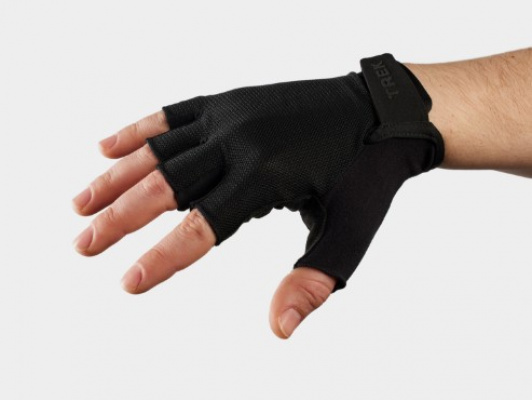
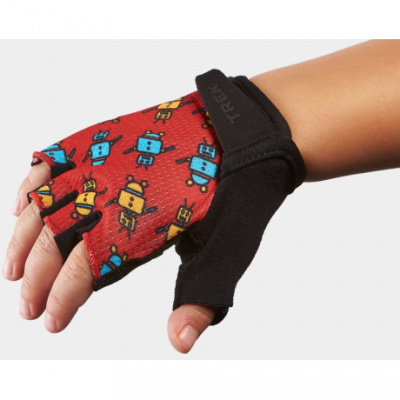
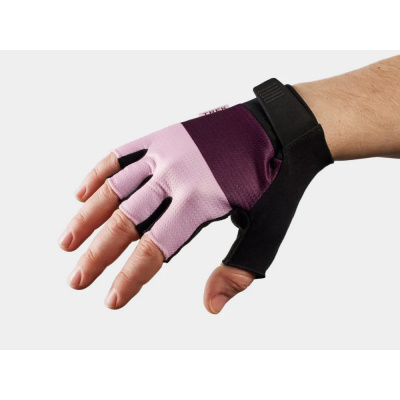
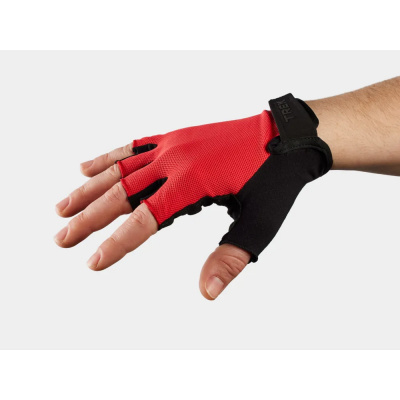
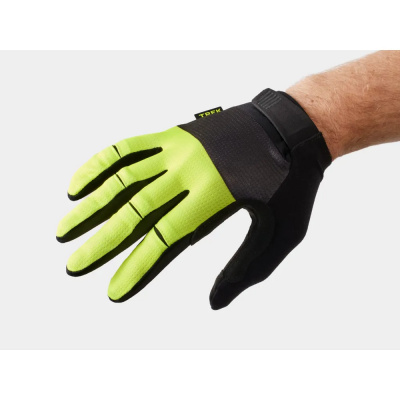
Prices and availability can change quickly. Delivery charges are not always included in listed prices.
Final price, stock status and delivery terms are set by retailer. We may receive a commission on purchases made.
Fabric Tech and Weather Performance
British riding weather doesn't follow a script. One minute it's crisp and clear over the moors; twenty minutes later you're into a headwind and horizontal drizzle. Trek's winter gloves address that with Profila Softshell construction - a stretchy, close-woven fabric that cuts wind effectively while retaining enough flexibility for brake and gear inputs to feel natural, not muffled. It's not a hard-shell barrier; it moves with your hands.
The DWR coating handles the light-to-moderate rain that makes up most of what UK riders actually deal with. Proper downpours will eventually push through any DWR treatment, so these gloves sit in the 'rides dry in typical British conditions' bracket rather than 'submersible'. Worth knowing before you head out into a Scottish deluge expecting full waterproofing.
Thinsulate insulation is the smart choice in the lining because it traps heat efficiently at low bulk. Thicker insulation might feel warmer in the car park, but it deadens feedback at the bars and makes fine motor tasks - cable-actuated shifters, brake modulation on a loose descent - feel imprecise. Trek's thermal gloves keep the insulation layer controlled so shifting still feels like shifting. Touchscreen-compatible fingertips via conductive thread technology round things off: useful at café stops, or when you need to dismiss a notification without fumbling bare-handed in the cold. If you're comparing options, Gore Bike Wear gloves and Endura gloves sit in a similar space for wind and weather resistance, though Trek's inForm padding differentiation is harder to replicate.
How the Trek Range Breaks Down
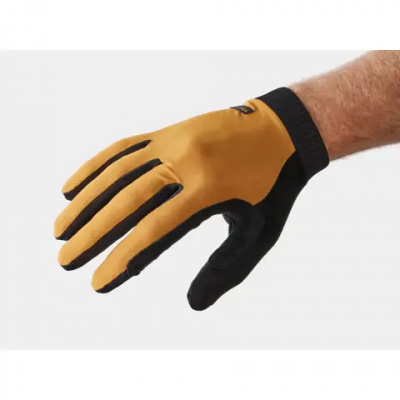
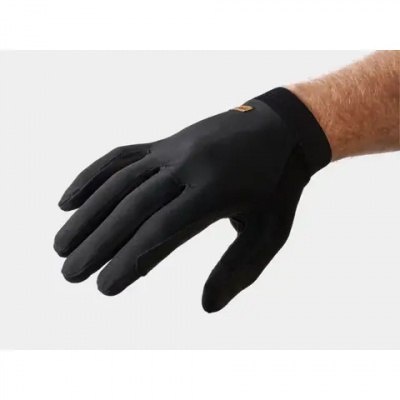
Not every Trek glove is built the same way, and that's the point. At one end you've got the MTB-oriented options - minimal padding, close-fitting synthetic leather palm using Trek's AX Suede material, and a priority on bar feel over cushioning. If you're riding technical singletrack and need to sense what the front wheel is doing under you, a heavily padded glove is the wrong tool. These gloves grip well in wet conditions and hold up to the abrasion that comes with trail riding without adding unnecessary material between hand and handlebar.
At the other end, the endurance road gloves use inForm BioDynamic padding more aggressively. Gel is placed specifically to absorb vibration damping from road chatter - particularly relevant on British roads, where B-road surfaces can be genuinely rough. Hours of that transmitted buzz adds up to hand fatigue and nerve compression. The ergonomic shaping also accounts for the natural curl of your hand on the bars, so the padding sits where it's actually needed rather than uniformly across the palm.
Fit across the range is snug and articulated. There's no excess material bunching at the knuckles or across the palm, which matters for both grip and comfort on longer rides. If you're pairing them with Trek grips or Trek bar tape, the tactile consistency across the contact points is noticeable.
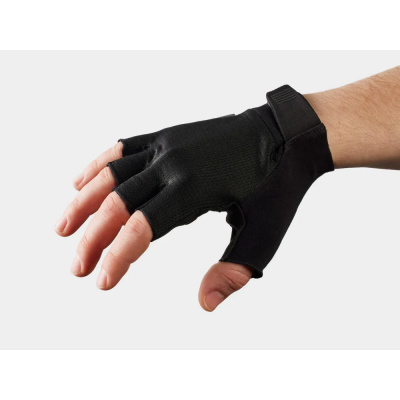
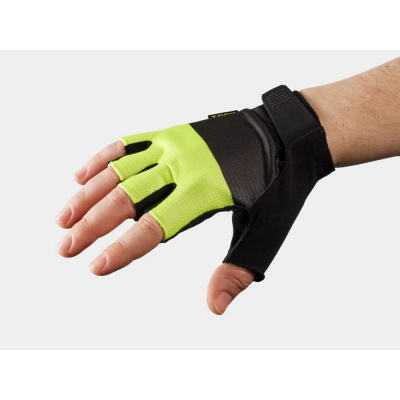
Looking for summer-weight, fingerless options for hot weather riding? Head over to our dedicated Trek Mitts collection for our full range of warm-weather hand protection.
Layering Strategies and Keeping Your Gloves in Shape
For genuinely cold riding - the kind of January morning where you're on the fence about whether to bother - a thin merino liner under your Trek winter gloves makes a real difference. Merino manages moisture better than synthetic base layers, so if your hands sweat on climbs and then cool rapidly on descents, it buffers that swing more effectively. Size up one size if you're planning to run a liner; the gloves are cut snug, and squeezing a liner into a tight fit compresses the insulation and reduces its effectiveness anyway.
Trek mountain bike gloves pair well with a longer-cuff approach on cold trail days. Bar ends and forest gaps funnel wind onto wrists, and a glove that sits flush with a mid-layer sleeve solves that without adding weight or restriction.
Care matters more with technical gloves than people usually allow for. Machine wash on a cool, gentle cycle with a mild non-bio detergent - standard bio detergent can degrade DWR treatments faster than normal use would. Fasten any Velcro closures before the wash to stop them snagging the fabric. The critical step is drying: air dry only, away from radiators and direct heat. The AX Suede synthetic leather palm will stiffen and eventually crack if heat-dried repeatedly, and the DWR treatment degrades faster with heat exposure. Hanging them in a warm room overnight is fine; draping them on a radiator is not. It's the sort of thing that seems minor until you're six months in and the palm has gone hard and uncomfortable. Bontrager gloves follow similar care requirements, for what it's worth - most technical cycling gloves with synthetic leather components do.
Trek Gloves FAQs
Are Trek cycling gloves true to size?
Generally, yes. Trek gloves are cut snug with an articulated fit designed to prevent palm bunching, so they run true to size for most riders. If you're between sizes or planning to wear a thin merino liner underneath for deep winter riding, size up - the close fit doesn't leave much room to absorb extra layers.
What is Trek inForm padding?
inForm BioDynamic padding is Trek's approach to ergonomic palm design. Rather than covering the whole palm uniformly, it places gel or memory foam at specific pressure points based on anatomical mapping - particularly targeting ulnar nerve relief. The result is less hand numbness and fatigue on longer or rougher rides, without the deadened feel of over-padded alternatives.
How should I wash my Trek winter gloves?
Machine wash on a cool, gentle cycle using a mild non-bio detergent, and fasten any Velcro closures before putting them in. Air dry naturally away from direct heat - radiators will stiffen the AX Suede synthetic leather palm over time and degrade the DWR coating faster than normal use would. A warm room is fine; a hot radiator isn't.