
Trek Bib Tights
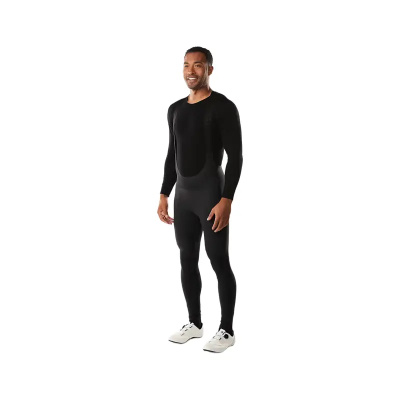
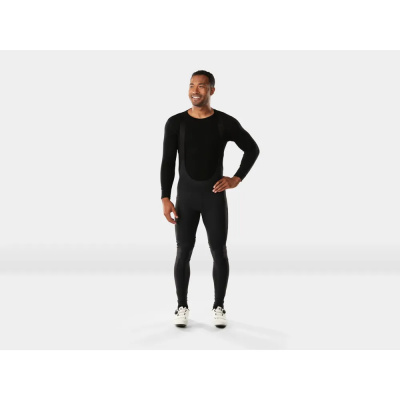
Dropping temperatures don't have to mean dropping miles - Trek bib tights are built specifically for the kind of riding that separates the committed from the fair-weather crowd. We're talking frosty B-road base miles, drizzly club runs that were never going to be cancelled, and morning commutes where the windchill is doing its worst before you've even hit the first climb.
At the core of the range sits Trek's inForm BioDynamic chamois, a pad system engineered around how the body actually moves on the bike rather than just sitting under it. Pair that with Profila Thermal fleece fabric - which traps warmth without cooking you on the steeper stuff - and you've got a tight that manages the full range of a hard winter ride, not just the flat bits.
PFC-free DWR coatings deal with road spray and light rain before they soak through, while windproof panels across the front block the kind of headwind that makes descents genuinely miserable. Reflective biomotion detailing on the ankles and calves keeps you visible as the light fades - useful when November rides have a habit of running longer than planned. Across commuter, club, and race-focused fits, there's a Trek tight for the kind of riding you actually do.
Prices and availability can change quickly. Delivery charges are not always included in listed prices.
Final price, stock status and delivery terms are set by retailer. We may receive a commission on purchases made.
Fabric Tech and How It Handles UK Weather
The Profila Thermal fleece is the material doing the heavy lifting here. It's a fleece-lined fabric that traps a layer of warm air against your legs without the dead weight you'd feel in a thicker knit - so when the road tilts upward and your effort climbs, you're not suddenly baking inside a pair of knee warmers. That breathability matters on a ride with any real climbing in it; heat build-up through the legs is the kind of discomfort that quietly ruins a long day out.
Road spray is the more constant British problem, though, and Trek's PFC-free DWR coating handles it well in normal winter conditions. Light drizzle and puddle splash bead off the outer surface rather than soaking in and chilling the fabric against your skin. It's not waterproofing - nothing breathable truly is - but for the average mixed-weather club run it keeps you comfortable well into the ride. One practical note: that coating needs looking after. More on that in the care section below.
The windshell front panels are worth singling out. On exposed stretches - think the kind of open ridgeline road where the wind comes straight at you with nothing to break it - unprotected thighs lose heat fast. Trek's wind-blocking front panels cut that windchill without making the tights feel rigid or restricting your pedalling arc. The back panels stay more breathable, which is the right call given that's where excess heat wants to escape. Brands like Gore Bike Wear take a similar approach with their Windstopper fabrics, but Trek's execution keeps the overall feel more compressive and less structured.
Biomotion visibility - reflective detailing placed at the ankles and calves specifically because those are your highest-movement points - adds a genuine safety margin in low-light conditions. It's a more considered placement than a simple reflective strip across the back of the knee.
Fit, Range, and Which Tight Suits You
Trek's bib tight range spans a few distinct fit profiles, and getting that right matters as much as the fabric choice. The Pro-level fit is cut for a race position: longer in the torso, closer through the leg, and designed to work when you're stretched out over the bars rather than sitting upright. If your riding is mostly sportives or longer road sessions where you're fairly committed to the drop position, that's the fit that rewards you. The Circuit and Velocis lines sit slightly less aggressively - still a compressive fit, still second-skin through the leg, but with a little more comfort margin through the lower back for riders who aren't spending three hours in a full tuck.
The inForm chamois hierarchy follows the same logic. Pro and Elite-level tights carry the full inForm BioDynamic pad, which is profiled to follow hip rotation rather than remaining static. Entry-level models use a simpler pad construction - functional, but you'll feel the difference on rides over two hours. If long winter rides are what you're training for, it's worth spending up to the BioDynamic version. The laser-cut bib straps on the higher-spec models remove raw edges entirely, which eliminates the shoulder irritation that can creep in over a long ride when you're moving around on the bike.
If you'd rather ride without the straps entirely, explore our Trek Regular Tights. For milder conditions where full thermal coverage is overkill, switch to our Trek Bib Shorts instead.
Compared to similarly positioned options from Castelli or Endura, Trek's sizing tends to be consistent and fairly predictable for riders already familiar with their jersey sizing. The compressive cut does run athletic, so if you're between sizes or carry more volume through the thigh from time in the saddle, sizing up is the sensible call rather than fighting a tight that restricts your pedal stroke.
Layering and Looking After Your Tights
A good pair of winter tights works best as part of a system, not in isolation. On genuinely cold days - sub-five degrees with wind - you'll want a thermal base layer underneath, a proper winter jacket on top, and overshoes to seal the ankle gap where cold air funnels in. Pairing the tights with a wind-resistant outer means you can push the temperature range lower than the tights alone would manage. If you're commuting and need to cover a wider swing in conditions, a packable gilet in the back pocket gives you options without bulk.
Care is where a lot of riders quietly destroy good kit. Wash Trek bib tights at 30 degrees - always. Fabric softener is the thing to absolutely avoid; it strips the DWR coating and clogs the breathable structure of the fabric, which means your next wet ride feels significantly colder than it should. Tumble drying does the same damage. Hang them to dry, away from direct heat. If the DWR starts to bead less effectively after repeated washing - which it will eventually - a low-heat iron or a dedicated DWR re-treatment spray can restore most of the performance. It takes five minutes and extends the useful life of the tights considerably.
For complete winter visibility, pairing the tights with a set of Trek lights makes sense - the biomotion reflectives help, but active lighting is non-negotiable once the evenings close in. A set of Trek mudguards will also reduce the amount of road spray the DWR coating has to manage in the first place, which keeps the fabric performing better for longer.
Trek Bib Tights FAQs
Are Trek bib tights true to size?
Generally, yes - Trek bib tights run true to size, but the cut is athletic and compressive by design. If you're between sizes or prefer a bit more room through the torso, go up a size. The leg fit should feel snug without restricting your pedal stroke; if it's pulling at the knee, that's your cue to size up.
What temperature are Trek thermal bib tights good for?
Trek's thermal bib tights are built for the 0°C to 10°C range that covers most of the British winter. Models with windshell front panels handle sub-zero windchill particularly well. Push below freezing regularly and you'll want a thermal base layer underneath to close the gap.
Do Trek bib tights have a built-in chamois?
Most do - the majority of Trek bib tights include their inForm BioDynamic chamois pad, with Pro and Elite models carrying the more performance-focused version. A small number of tightonly styles are cut to wear over existing bib shorts, so check the product description before buying if that distinction matters to you.