
Trek Bib Shorts
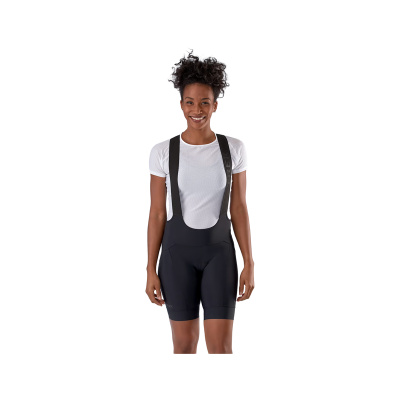
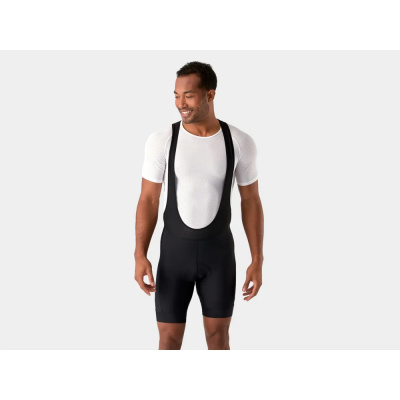
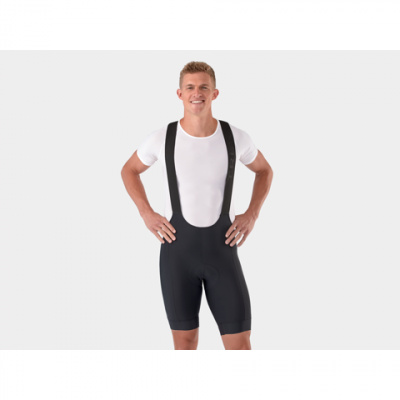
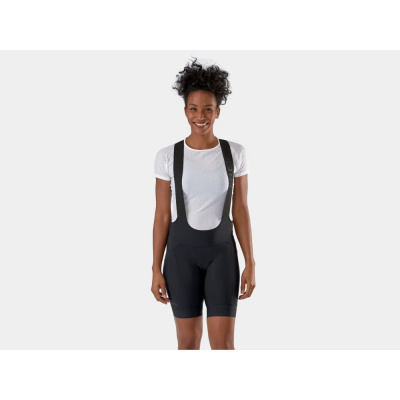
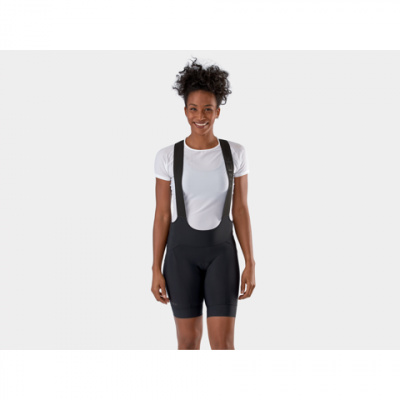
Trek bib shorts are built around one straightforward idea: keep you comfortable and supported for as long as you're in the saddle. The centrepiece is Trek's proprietary inForm BioDynamic chamois, available across three density levels depending on which bib you're looking at. Each version is shaped to align with your sit bones rather than just sitting under them, so pressure is managed where it actually matters on longer efforts.
The compressive Profila Power fabrics do more than just look the part - they actively support your working muscles through a full ride, which you'll appreciate somewhere around hour three on a big day out. Raw-cut leg openings with low-profile silicone grippers mean no digging, no riding up, and no fumbling to reposition mid-climb. The mesh bib straps keep airflow moving under your jersey rather than trapping heat against your chest.
For UK riders dealing with layering over knee warmers on a cool Yorkshire morning or sweating through a muggy August sportive in the Chilterns, that combination of stretch, breathability, and a pad that stays put is genuinely useful. Trek cycling bibs sit in a well-populated market, but the inForm system gives them a clear, specific point of difference worth understanding before you buy.
Prices and availability can change quickly. Delivery charges are not always included in listed prices.
Final price, stock status and delivery terms are set by retailer. We may receive a commission on purchases made.
Fabric Tech and How It Handles British Conditions
The Profila Power compressive fabric is the foundation of most Trek bib shorts. It applies graduated compression to your quads and hamstrings, reducing the micro-vibration fatigue that builds up over long road miles - think of it as keeping your muscles slightly more organised so they don't have to work as hard to stabilise on every pedal stroke. On a back-to-back weekend ride, that difference is real by Sunday afternoon.
The mesh bib straps are worth calling out specifically for UK summer use. When you're grinding up a muggy climb in the Peak District with a jersey and base layer on top, solid straps turn into little heat traps. The open-mesh construction lets air move freely and wicks moisture away before it pools. It's a small detail that makes a noticeable difference on anything over two hours.
At the leg openings, Trek uses raw-cut edges rather than a traditional hem band, paired with thin silicone grippers. The result is a flat, low-profile finish that sits flush against your thigh with no ridge to press into the skin. Critically, it doesn't conflict with knee warmers - you can layer up for a crisp early start without the shorts creeping upward throughout the ride. Durable seat panels also hold up well against the grit and road spray common on damp British B-roads, where abrasion from the saddle area builds up faster than most riders expect.
The Trek Range Explained: Which Bib Is for You
Trek structures its road bib shorts into three clear tiers, and the differences between them are meaningful rather than cosmetic.
The Circuit sits at the everyday endurance end of the range. It uses the dual-density Comp chamois - a capable, versatile pad that works well across a broad range of ride lengths and riders who aren't spending every weekend doing 100-mile sportives. The fit is compressive but not aggressive; it's the one to pick if you're doing regular club runs and want something that performs without demanding a specific position on the bike.
Step up to the Velocis and the pace changes. Trek fits it with the higher-density Elite pad, which is firmer and more sculpted for riders putting in serious hours in a more committed position. The fabrics are lighter and cut closer, with more attention to aero silhouette. If you're racing crits or targeting a fast sportive time, this is the tier to look at.
At the top sits the RSL - Trek's pro-level option, using the Pro inForm BioDynamic chamois, the most anatomically specific pad in the range. It's designed for riders spending long stretches in an aggressive position, and the fabrics reflect that: lightweight, close-fitting, and built to work in concert with a dialled bike fit rather than compensate for a relaxed one.
On sizing, Trek bibs run true to size with a compressive feel. Compared to something like Castelli bib shorts, which skew toward a tighter European race fit, Trek's cut is slightly more accommodating - better suited to endurance riders or those who want performance without the sensation of being vacuum-packed. Assos bib shorts occupy a similar endurance-focused space, though with their own distinct chamois philosophy. Endura bib shorts are another strong UK-market option worth comparing, particularly for riders who prioritise a slightly softer pad feel.
If you're after winter coverage rather than a three-season bib, it's worth browsing bib tights instead - the shorts format won't keep you warm enough below about eight degrees, and layering only gets you so far. If you're after something more relaxed for off-road use or casual riding, MTB baggy shorts will serve you better than a compressive road bib. Trek road bib shorts are optimised for road and endurance riding, and that's where they genuinely earn their keep.
It's also worth pairing your bibs with a well-fitted saddle - a mismatch between chamois geometry and saddle width is one of the more common causes of discomfort even in a quality bib. Trek saddles are designed with the same inForm fit philosophy, so they're a natural starting point if you're building out a comfort-focused setup. Bontrager bib shorts - Trek's own sub-brand - also use the inForm chamois system and are worth considering if you want the same pad technology at a different price point.
Washing, Care, and Getting the Most from the Chamois
The inForm BioDynamic chamois is a precision-engineered foam structure, and it responds badly to the same laundry habits that degrade cheaper pads much faster. Get this right and the pad keeps its density and moisture-wicking properties for hundreds of rides. Get it wrong and it breaks down within a season.
Wash your Trek bib shorts inside out at 30°C, using a mild non-biological detergent. Fabric softener is the main thing to avoid - it coats the chamois foam's open-cell structure, clogs the moisture-wicking channels, and progressively kills the pad's ability to move sweat away from your skin. It also softens the Profila elastane fibres, reducing the compression performance over time. Don't use it, even once.
Never tumble dry. The heat degrades both the elastane in the fabric and the foam density of the chamois - it's the fastest way to turn a quality bib into something that fits like a used carrier bag. Hang them to dry away from direct sunlight or radiators, and let them air naturally. If you're riding multiple days back to back - a bike touring week in Scotland, say, or a sportive trip - a gentle hand wash in a sink with cool water gets you through without the risk of heat damage.
For UK riders dealing with variable temperatures: these bibs pair cleanly with knee warmers for crisp spring and autumn mornings, and the raw-cut legs mean there's no bulk or bunching at the transition point. When it warms up mid-ride, rolling the warmers down doesn't drag the shorts with them.
Trek Bib Shorts FAQs
How do Trek bib shorts fit compared to other brands?
Trek bibs run true to size and feel supportively compressive without being restrictive. They're a touch more relaxed in cut than race-focused European brands like Castelli, which makes them a better fit for endurance riders or those who spend more time in an upright position. If you're between sizes, go up rather than down.
What is the difference between Trek Circuit and Trek Velocis bib shorts?
The Circuit is Trek's everyday endurance bib - dual-density Comp pad, forgiving fit, solid across a wide range of ride lengths. The Velocis is aimed at performance and race use, with the higher-density Elite pad, lighter fabrics, and a closer cut designed for a more committed riding position. Both use the inForm chamois system, just tuned differently.
How do I care for my Trek bib shorts to make the chamois last?
Wash inside out at 30°C with a mild non-bio detergent. No fabric softener - it clogs the chamois foam and kills moisture-wicking performance. Never tumble dry; hang them away from direct heat. Follow that routine consistently and the pad density and elastane compression hold up significantly longer than with casual laundering.