
Transition E-Bikes
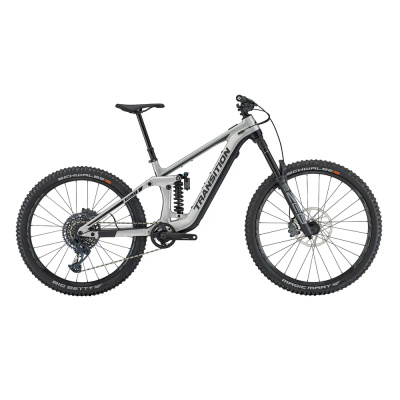
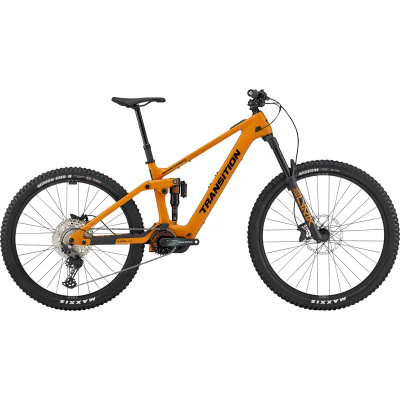
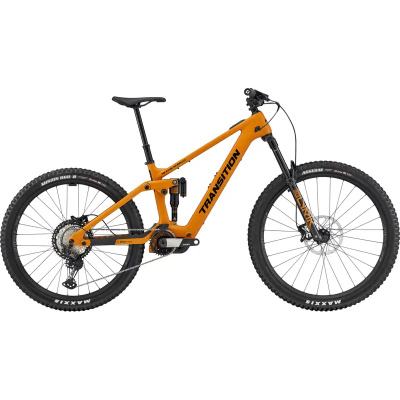
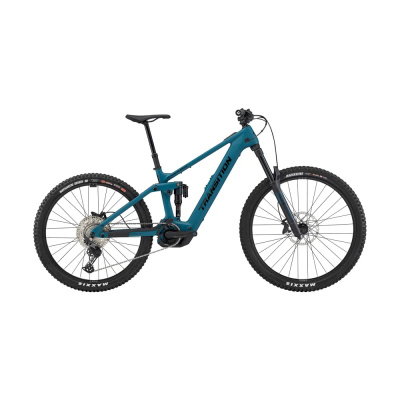
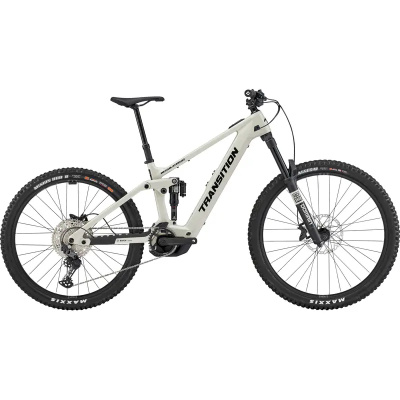
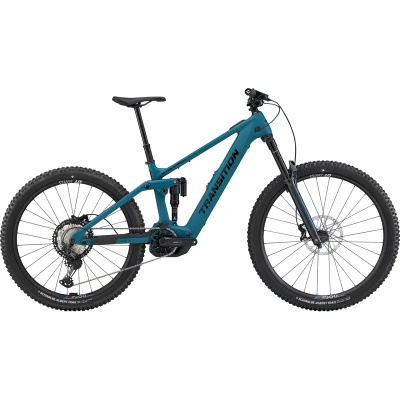
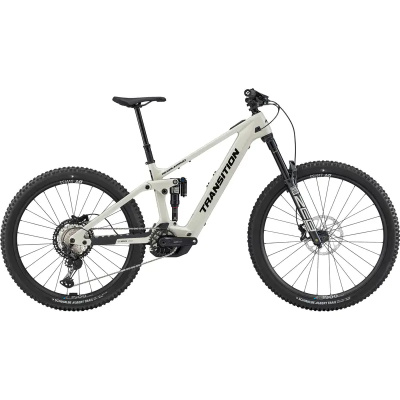
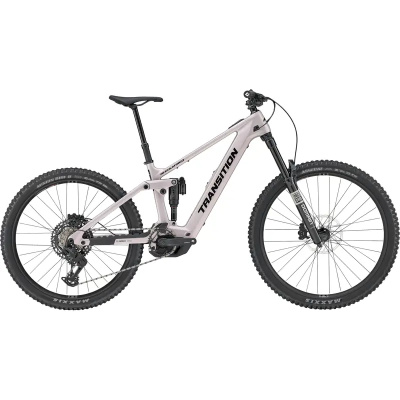
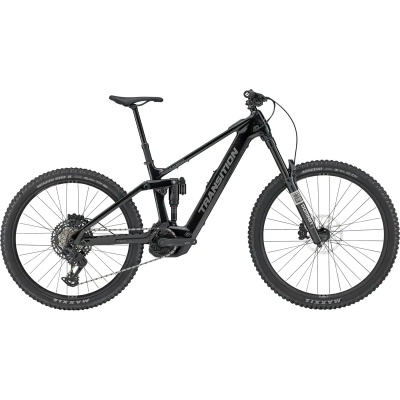
Transition E-Bikes take everything the brand does well on a standard trail bike - steep geometry, progressive suspension, genuinely playful handling - and back it up with a motor. The result isn't a heavier compromise; it's a machine that self-shuttles the kind of descents most riders only dream about lapping. Two models define the range. The Transition Relay is the lightweight option, running a Fazua Ride 60 motor for a ride feel that sits much closer to an acoustic bike than most e-MTBs dare to go. The Transition Repeater is the full-power bruiser - more battery, more torque, more laps on the nastiest climbs you can find. Both bikes share Transition's SBG (Speed Balanced Geometry) and GiddyUp suspension, which means steep head angles, reduced fork offset, and kinematics tuned for the kind of progressivity a heavy e-bike actually needs. If you're weighing up the Transition Relay vs Repeater, the choice comes down to how natural you want the pedalling to feel versus how many extra laps you need. For UK riders who spend weekends on Tweed Valley tech or Welsh enduro trails, both options make a very strong case.
Prices and availability can change quickly. Delivery charges are not always included in listed prices.
Final price, stock status and delivery terms are set by retailer. We may receive a commission on purchases made.
Decoding the Transition E-Bike Lineup
The Transition Relay is Transition's lightweight e-MTB, and it's built around the Fazua Ride 60 motor - a compact, modular unit producing 60Nm of torque paired with a 430Wh battery. Travel sits at 160mm front and rear, and the whole package is designed to feel as close to a trail bike as an e-MTB reasonably can. It's not a full-power bike, and it's not trying to be. Think of it as a bike that adds a helpful nudge rather than a forceful shove. If you're the sort of rider who wants to feel like they're earning the descent, the Relay keeps that connection intact.
The Transition Repeater is a different animal entirely. This is Transition's full-power e-MTB - 170mm of travel, and your choice of either the Shimano EP801 or SRAM Eagle Powertrain motor systems, both delivering up to 90Nm of torque. Battery capacity is substantially larger, which translates directly into more climbing before you're coasting home on empty. The Repeater is the bike for riders who want to winch up brutal gradients repeatedly, not just occasionally. It's a proper enduro tool.
Build kits on both models follow a familiar tiered structure. Entry builds typically use Shimano NX or GX-equivalent groupsets - solid, reliable, but heavier. Step up to GX or X0-level builds and you shed meaningful weight while gaining crisper shifting under load. The top-tier builds are where the Repeater genuinely starts to feel surgical. If you're comparing Transition's approach to what brands like Cube or Cannondale offer at similar price points, the distinction is clear: Transition prioritises descending geometry and suspension sophistication over value-per-component.
The Tech That Actually Changes How the Bike Rides
SBG - Speed Balanced Geometry - is the detail that separates Transition's approach from a lot of the e-MTB market. A slack head angle alone isn't the full story; the reduced fork offset is doing real work here. By shortening the offset, Transition tightens the trail figure, which keeps the steering responsive at low speed without the vagueness you'd expect from a bike set up purely for straight-line stability. On loose, steep climbs in the Peak District or on the technical switchbacks above the Tweed Valley, that front wheel grip is tangible. You're not fighting the steering to keep the wheel tracking true - it just holds the line.
GiddyUp suspension adds another layer. The kinematics are highly progressive, meaning the suspension ramps up resistance as it compresses deeper into the stroke. On a heavy e-bike, that matters enormously. A linear suspension setup on a bike with motor and battery weight can feel like it's either too soft early in the stroke or too harsh at the bottom - GiddyUp threads that needle. It also stays active under braking, which keeps the rear wheel in contact with the ground when you're hauling the bike down something steep rather than letting it skip and chatter. That's not a small thing when the trail drops away quickly.
The Fazua Ride 60 integration on the Relay deserves a specific mention because it's genuinely modular. The motor and battery system is removable, which affects both the riding experience and the ownership experience. A carbon e-MTB frame built around a removable motor system carries the unit differently to one where the motor is a permanent structural element - and for riders who want to keep their options open, that flexibility has real value. More on that in the FAQ below.
Transition's frame range and wider mountain bike lineup share the same geometric philosophy, so if you've ridden a Transition acoustic bike before, the e-bike versions won't feel like a departure - just a heavier, more capable version of the same handling character.
Owning a Transition E-Bike in the UK
British winters are where ownership realities bite. Deep mud around the motor housing and lower linkages is the main thing to stay on top of - both the Relay and Repeater have decent clearance, but Welsh winter slop and the kind of saturated conditions you find on Peak District moorland tracks will find their way into pivot bearings if you let maintenance slip. Rinse the linkage area after every muddy ride, and get your pivots inspected regularly. Worn bearings on a heavy e-MTB transmit more noise and slop than on a lighter acoustic bike, so you'll notice it faster - which is actually useful early warning.
Sizing is worth talking about plainly. Transition bikes run long in the reach compared to a lot of competitors. That's intentional - it feeds into the stability-first geometry philosophy - but it does mean that if you're right on the border between sizes, you should think carefully about what you're optimising for. Riders who prioritise outright stability on long descents should size up. Riders who want quicker handling and more agility on tight, technical trails should size down or stay on the smaller size. Neither choice is wrong; they suit different riding styles.
The mullet setup option on the Repeater - a 29-inch front wheel paired with a 27.5-inch rear - is worth considering if you're running it on highly technical, rooty UK singletrack. It keeps the bottom bracket height sensible while adding rollover confidence at the front. Not every rider will need it, but it's a configuration that suits the kind of riding where you're constantly managing the bike over awkward obstacles rather than flowing through open berms.
Keep your pivot bearings fresh. It's easy to overlook on a bike this capable, but fresh bearings are cheap compared to worn linkage hardware. Check out other e-MTB options if you want a broader comparison before committing, but if steep, descending-focused riding in the UK is your priority, Transition's e-bike range is a focused, coherent answer to a specific question.
Related searches:
Transition E-Bikes FAQs
Is the Transition Relay a full power e-bike?
No. The Transition Relay is a lightweight e-MTB built around the Fazua Ride 60 motor, which produces 60Nm of torque. It's designed to sit between a traditional acoustic bike and a full-power e-MTB - the assistance is real, but it's subtle enough that the riding experience stays close to an unpowered trail bike.
What motor does the Transition Repeater use?
Current Transition Repeater models run either the Shimano EP801 or the SRAM Eagle Powertrain motor, depending on the build spec. Both systems deliver up to 90Nm of torque, which puts the Repeater firmly in full-power e-MTB territory - enough grunt to handle the steepest UK enduro climbs repeatedly.
Can you ride the Transition Relay without the battery?
Yes. The Fazua Ride 60 system on the Relay uses a fully removable battery and motor unit. Pull the 430Wh battery out and the bike functions as a conventional mountain bike - slightly heavier than a pure acoustic frame, but perfectly rideable and a genuinely useful option when you want to keep things simple.