
Topeak Trailers
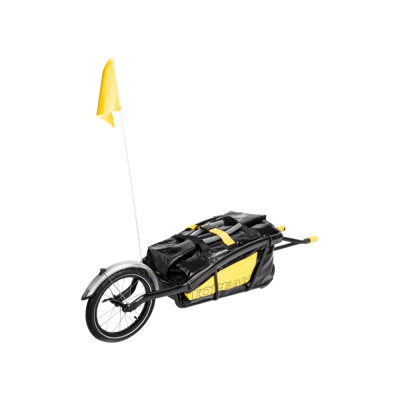
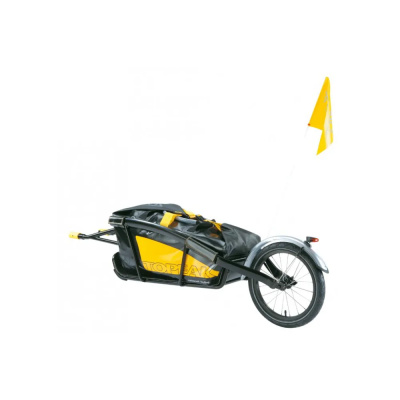
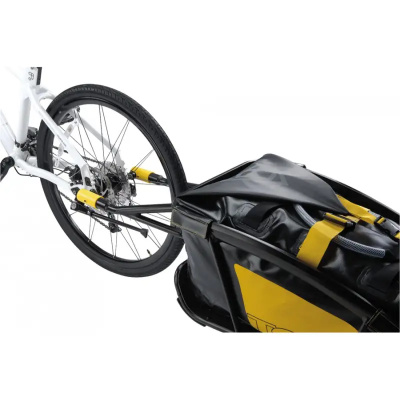
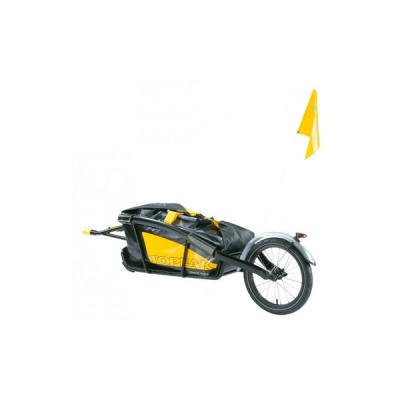
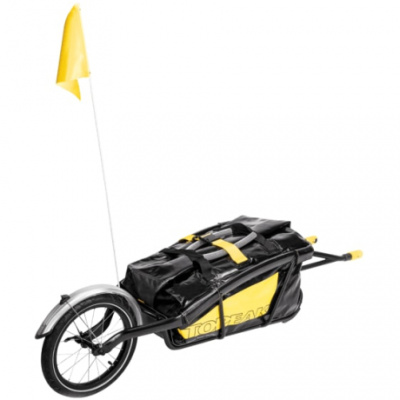
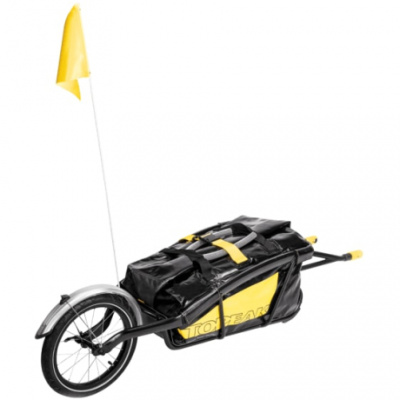
Topeak bike trailers take a different approach to hauling gear on two wheels - and if you've ever wrestled a wide twin-wheel trailer down a narrow canal towpath or a tight Lakeland lane, you'll immediately understand why. The single-wheel design tracks directly behind the rear wheel, so your bike still steers like your bike. No pendulum swing, no clipping gateposts. The TwinSpar frame keeps the trailer rigid and predictable even when you're loaded up, and the sonic-welded roll-top DryBag means your kit stays dry whether you're grinding through a Scottish downpour or splashing through flooded Somerset lanes - because British weather doesn't negotiate. Attachment is handled by the SlideLock quick-release system, which clips securely to a dedicated rear axle fitting and lets you hook up or drop the trailer one-handed. Compatibility covers both classic 130mm/135mm QR setups and modern 12mm thru-axle dropouts, depending on which model you go for - more on that below. The payload capacity sits at a serious 32kg, which is enough for a fully loaded multi-day tour without the trailer complaining. Browse the range below and find your fit.

Prices and availability can change quickly. Delivery charges are not always included in listed prices.
Final price, stock status and delivery terms are set by retailer. We may receive a commission on purchases made.
Axle Standards and Wheel Sizes: Getting the Fit Right
Before anything else, check your rear axle. It sounds obvious, but it's the one step that catches people out. Topeak trailers connect via a dedicated axle nut or skewer supplied with the trailer, and the yoke length is sized to sit clear of your tyre regardless of wheel diameter - so whether you're running 26-inch, 27.5-inch, 29-inch, or 700c, the geometry works. What changes is the attachment hardware, and that's dictated entirely by your dropout standard.
Standard bikes with 130mm or 135mm QR skewers - the classic horizontal nut-and-skewer arrangement you'll find on most steel tourers, older aluminium road bikes, and entry-level hybrids - take the standard Journey Trailer without any fuss. The supplied skewer replaces your existing one, and the SlideLock yoke clips straight on. If your bike has a 12mm thru-axle, you need the Journey Trailer TX. The TX ships with a thru-axle specific fitting that's engineered for axles up to 180mm in length, which covers the vast majority of modern gravel and adventure bikes running that standard. Don't assume your thru-axle will work with the standard model - it won't, and a poorly fitted trailer is a safety issue, not just an inconvenience.
Wider spacing standards like 142mm or 148mm thru-axle (Boost) aren't directly supported, so if you're planning to tow from a trail bike with Boost spacing, check compatibility carefully before you buy. Need replacement yokes, SlideLock fittings, or a new DryBag? Head over to our dedicated Topeak Trailer Spares page. If you're also running Topeak mudguards at the rear, factor in clearance when fitting the axle hardware - a quick check before you ride saves a rattling surprise mid-tour.
Journey vs Journey TX: Which Model Do You Actually Need?
Topeak keeps the lineup clean. There are two variants - the Journey Trailer and the Journey Trailer TX - and the choice between them comes down entirely to your axle standard. The trailer itself is identical across both: same TwinSpar frame, same 65.3-litre DryBag, same payload capacity of 32kg, same single-wheel tracking behaviour. You're not getting a better or worse trailer by picking one over the other. You're just getting the right one for your bike.
The standard Journey Trailer suits traditional quick-release bikes - think a loaded steel tourer, a hybrid commuter pressed into touring duty, or an older drop-bar bike with horizontal dropouts. The Journey Trailer TX is the answer for anything with a 12mm thru-axle, which now covers most gravel bikes, modern aluminium tourers, and a good chunk of the bikepacking-oriented drop-bar market. The TX yoke and axle hardware are purpose-built for that standard; it's not an adapter bodge, it's a clean-fit design.
The DryBag is worth a specific mention here because it does real work. Sonic-welded seams mean there are no stitched entry points for water, and the roll-top closure keeps the bag sealed even when the trailer is running through standing water on a flooded bridleway. On a wet tour through Wales or the Borders, that's not a marginal gain - it's the difference between dry kit and a miserable evening. If you're comparing options, Thule trailers and Burley trailers offer their own waterproofing approaches, but most rely on separate rain covers rather than an integrated welded bag. Worth knowing before you decide. And once you've got the trailer sorted, Topeak frame bags pair well for lighter, accessible items you want within reach on the move.
Keeping It Running: Maintenance for UK Riding Conditions
The SlideLock quick-release mechanism is the most maintenance-sensitive part of the system - and in UK conditions, it earns that attention. Grit from wet roads, particularly the abrasive surface dressing common on rural B-roads and lanes in late summer, works into the locking pin channels and causes the mechanism to stiffen or stick. It's not a flaw, it's just physics. Clean the SlideLock regularly with a light degreaser, dry it thoroughly, and apply a thin coat of dry lube or light grease to the locking pins. Don't use heavy wet lubes that attract more grit. Do this every few rides during winter and after any particularly muddy or wet outing, and the mechanism will stay crisp.
The 16-inch rear wheel bearing is the other component worth monitoring. After heavy touring - a loaded week in Scotland or a multi-day gravel route - spin the wheel and feel for play in the hub. A little preload adjustment is usually all it needs, but leaving loose bearings unchecked accelerates wear quickly. Bearings on trailer wheels are cheap and accessible, so there's no reason to nurse a degraded hub. Check them at the start and end of any major trip.
The DryBag itself is tough, but the roll-top closure mechanism can stiffen with prolonged UV exposure over several seasons. A wipe of silicone lubricant on the closure keeps it rolling smoothly. If the welded seams ever show any delamination - unlikely, but possible on a heavily used bag - replace the bag rather than attempt a repair. The integrity of those sonic-welded seams is what makes the waterproofing work. Pair the trailer with Topeak lights mounted to the trailer's rear loop to stay legal and visible on evening rides - the trailer extends your rear profile significantly, so a dedicated light there makes sense. For day-ride storage alongside the trailer, Topeak pannier bags cover the overflow without adding trailer weight. If you're also considering two-wheel alternatives, Cube trailers are worth a look, though the single-wheel tracking of the Topeak design is a meaningful difference on narrower UK routes.
Topeak Trailers FAQs
Does the Topeak Journey trailer fit a thru-axle bike?
Yes, but you need the Journey Trailer TX specifically. It's engineered for 12mm thru-axles up to 180mm in length. The standard Journey Trailer only works with 130mm or 135mm quick-release skewers - fitting it to a thru-axle dropout isn't possible with the standard hardware.
What is the weight limit for a Topeak bike trailer?
The maximum payload capacity is 32kg (70.5 lbs). That figure covers everything inside the trailer - your gear plus the DryBag itself. It's a generous limit for most touring loads, but worth tracking if you're packing for an extended trip with camping kit.
How does the Topeak Journey trailer attach to the bike?
Via the SlideLock quick-release system. A dedicated axle fitting mounts to your rear dropout - replacing your existing skewer or thru-axle - and the trailer's yoke slides onto it and locks with a single action. You can attach or remove the trailer one-handed in a few seconds.