
Time Pedals
Time pedals have built a reputation that mechanics and riders both trust - and for good reason. The range splits into two clean ecosystems: the ICLIC road series, engineered for minimal stack height and effortless clip-in, and the ATAC off-road system, which has become something of a benchmark for mud clearance in wet, grim conditions. If you've ever fought to clip in mid-climb on a Welsh bridleway or had a road pedal add unwanted height between your sole and the axle, you'll understand why these details matter.
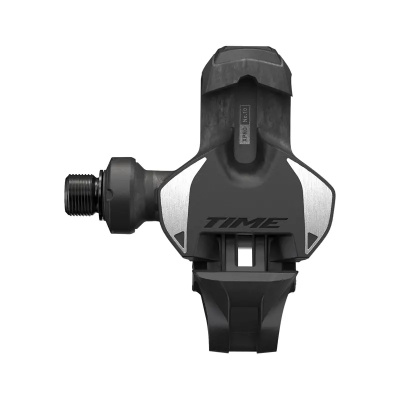
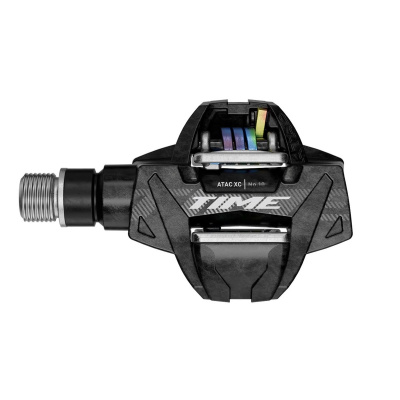
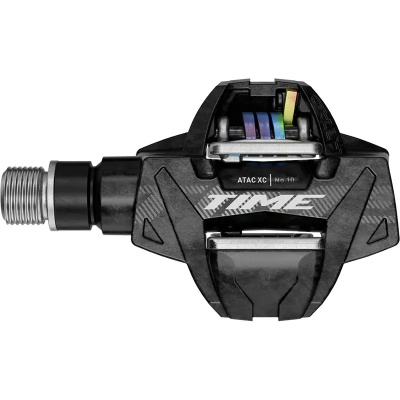
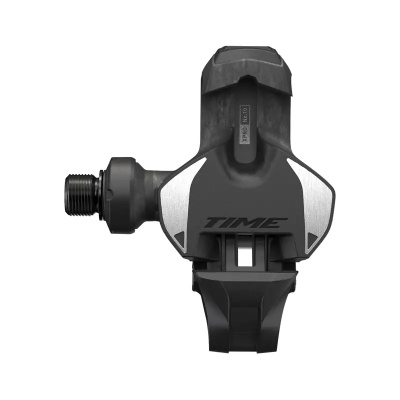
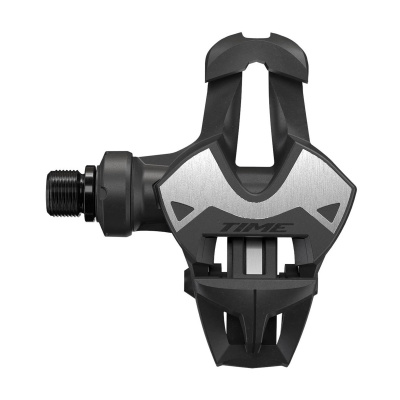
What sets Time apart is the biomechanical thinking baked into every model. The generous angular float and lateral float built into both systems let your foot move naturally through the pedal stroke rather than locking it into a fixed position - a genuine advantage if your knees have ever complained after a long winter block. The ATAC system handles UK grit and mud with a self-clearing dual-arch design, while the ICLIC system uses a carbon leaf spring and a pre-opened mechanism that makes road engagement almost automatic. Whether you're comparing the premium XPRO against the XPRESSO, or weighing up an ATAC XC against the Speciale for trail riding, the range covers serious ground. Use the grid below to match the right model to how you actually ride.
Prices and availability can change quickly. Delivery charges are not always included in listed prices.
Final price, stock status and delivery terms are set by retailer. We may receive a commission on purchases made.
Cleat Standards and What Fits What
Time pedals run on two proprietary systems, and knowing which one you need before you buy saves a frustrating trip back to the post office. Road models use the ICLIC technology standard - a three-bolt interface designed around a pre-opened cleat jaw that swings open ready for your foot before you even apply pressure. Off-road and gravel models use the ATAC system, a two-bolt MTB-pattern platform. The two are not interchangeable, and neither works with Shimano SPD or Look Keo hardware.
Stack height is worth thinking about on the road side. Time's Bioposition Concept minimises the distance between your sole and the pedal axle, which directly affects how efficiently power travels from leg to crank. A lower stack means a more direct feel, and for riders who spend hours on the bike, that subtlety compounds. Q-factor - the lateral distance between your pedal faces - is kept tight across the road range, which suits riders who prefer a narrower stance. Note that Time pedals require specific Time replacement cleats, as they are not Shimano SPD or Look compatible. For replacement brass ATAC or plastic ICLIC cleats, visit our dedicated Time Cleats page.
How the Range Breaks Down: XPRO, XPRESSO and ATAC
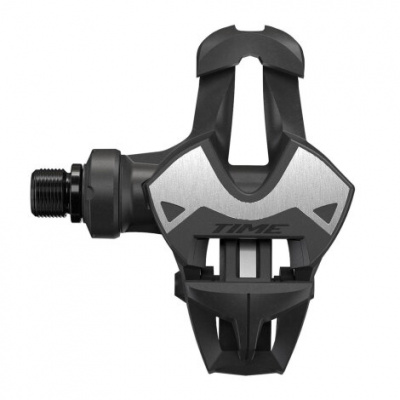
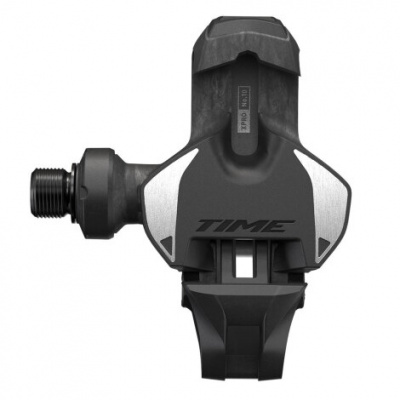
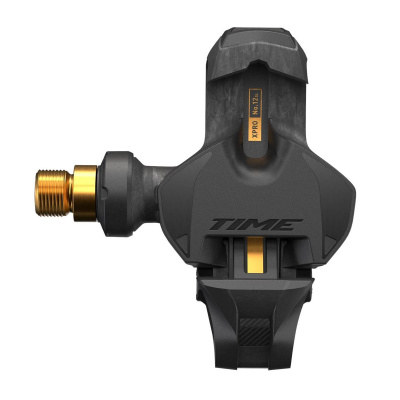
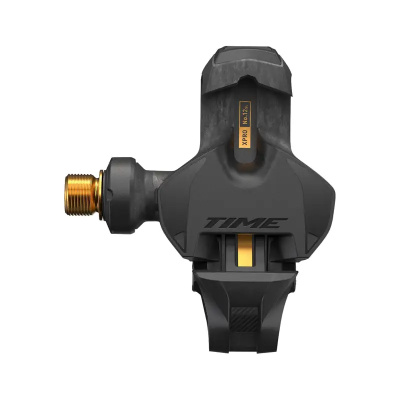
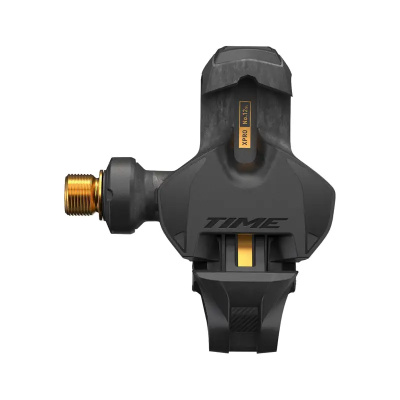
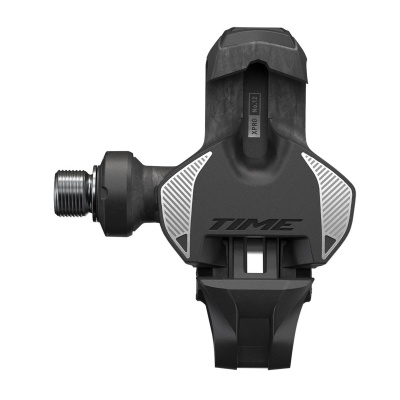
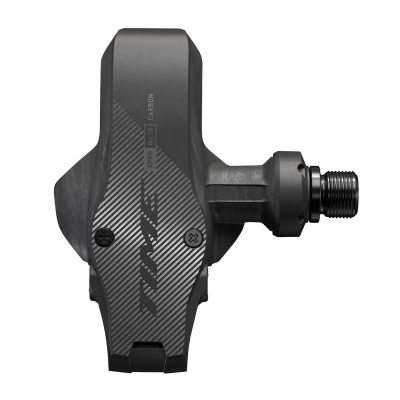
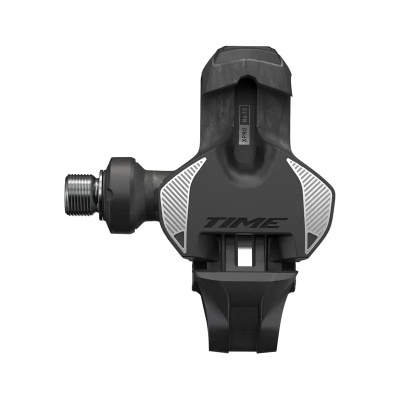
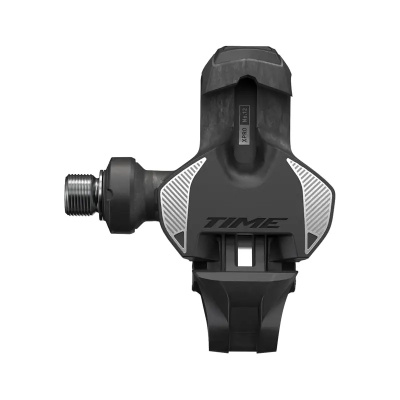
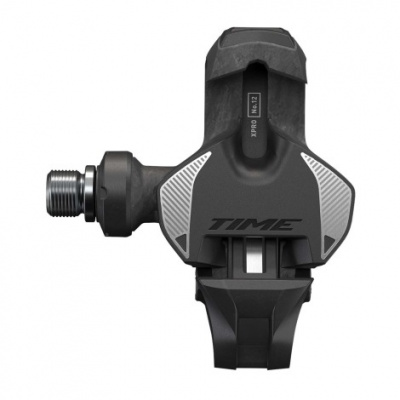
The road range divides neatly by budget and ambition. The XPRO sits at the top - carbon body, an aerodynamic lower fairing that tidies up airflow around the pedal, and adjustable tension via a carbon leaf spring rather than the traditional steel coil you'd find in competing designs. That spring adjustment lets you dial in release angle to suit your riding style or knee preference, and the carbon construction shaves weight without sacrificing stiffness. It's the choice for riders who care about marginal gains and want a pedal that matches a high-end build.
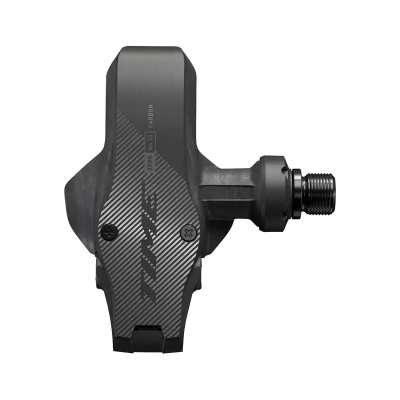
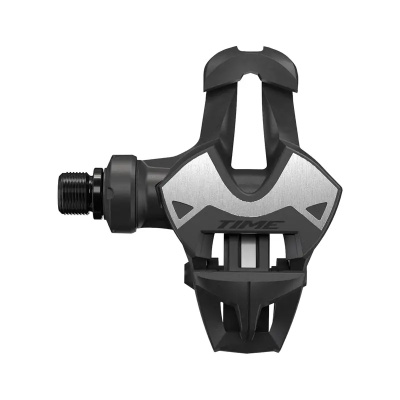
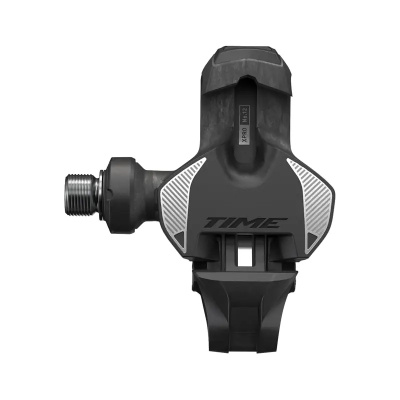
Drop a tier and you land on the XPRESSO. Same ICLIC system engagement - that pre-opened jaw mechanism works identically - but the body is composite rather than carbon, tension is fixed rather than adjustable, and the aero fairing is absent. For most road riders, that trade-off is perfectly sensible. You lose a few grams and some adjustability, but the fundamental clip-in feel and float characteristics stay the same. If you're comparing Time against Look pedals at a similar price point, the XPRESSO often wins on ease of engagement and knee comfort, though Look's broader cleat compatibility is worth factoring in.
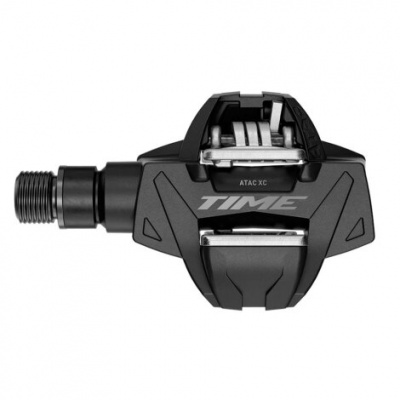
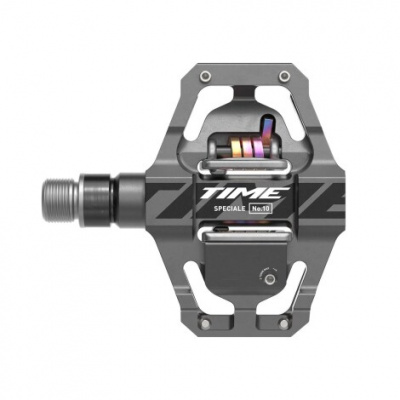
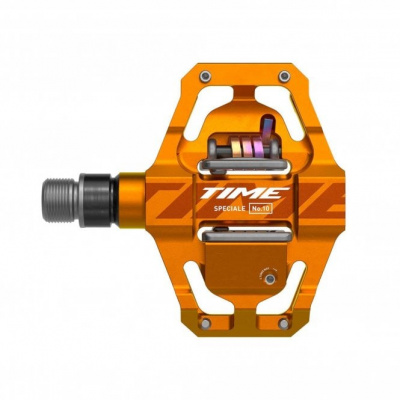
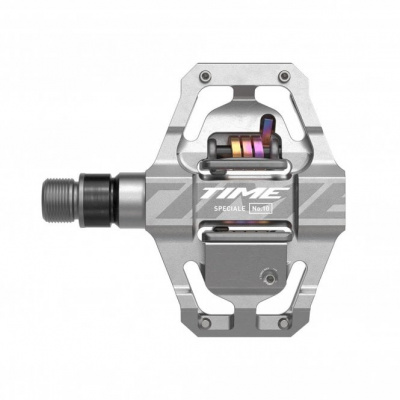
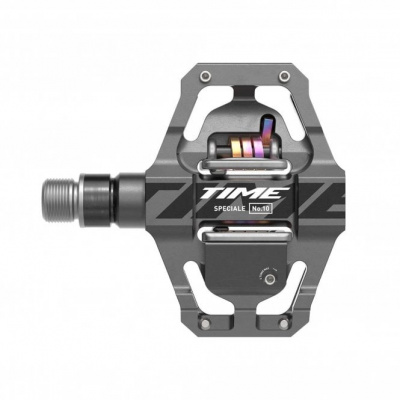
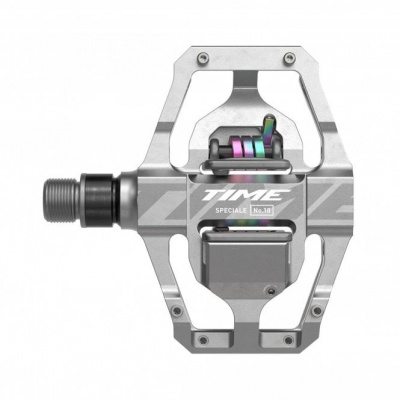
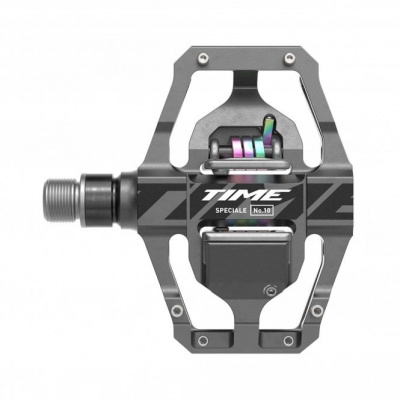
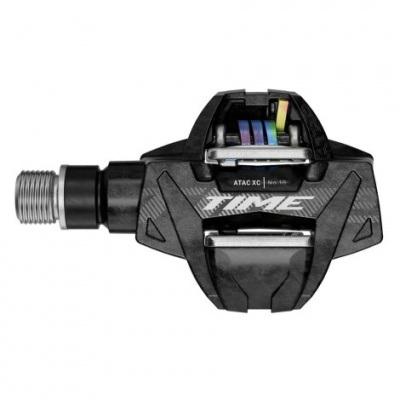
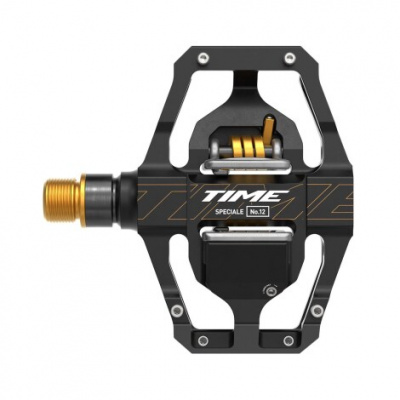
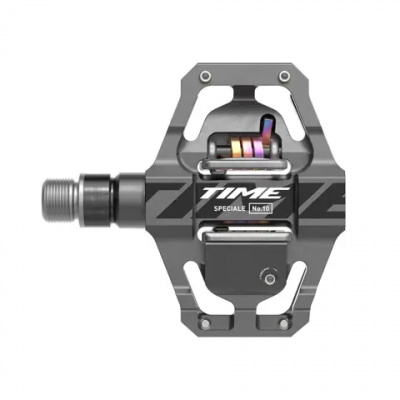
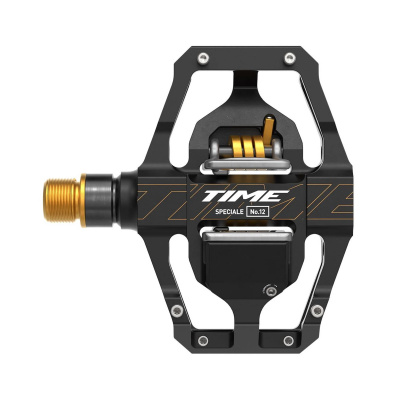
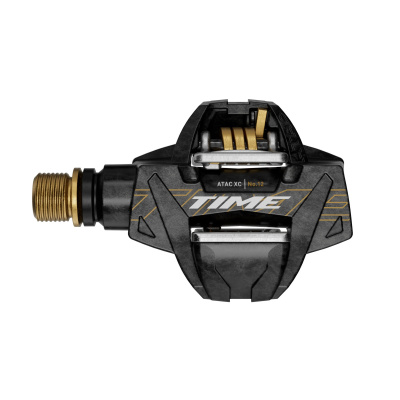
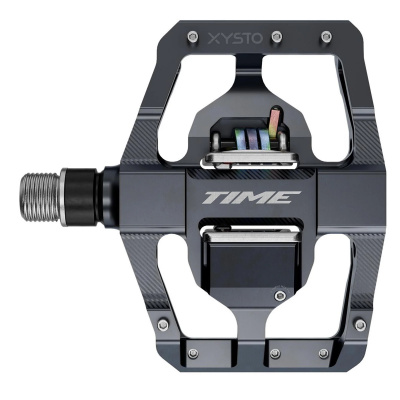
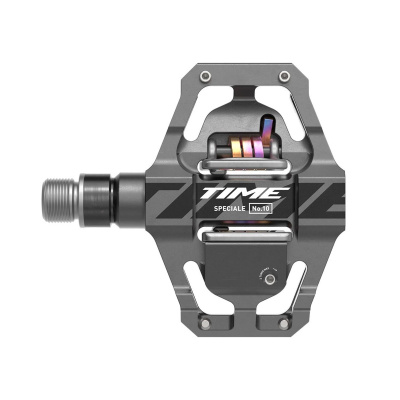
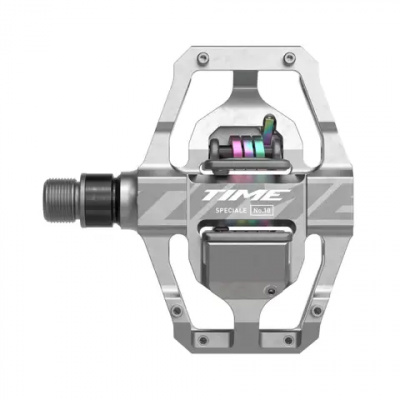
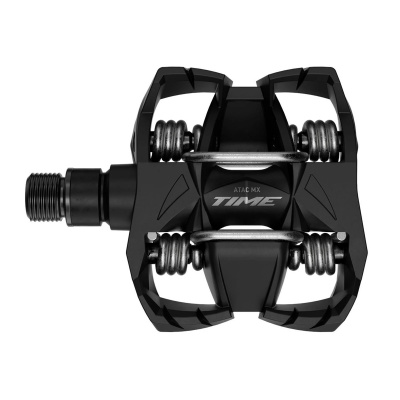
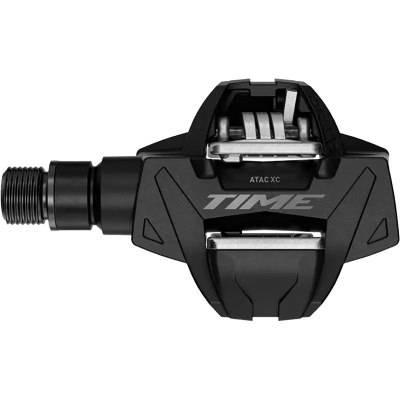
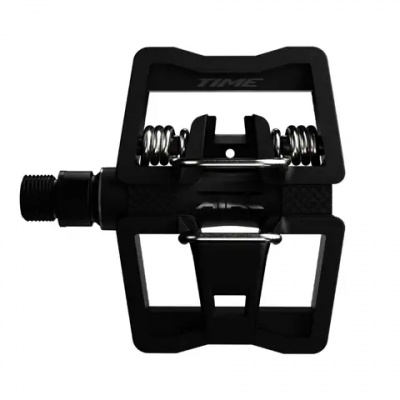
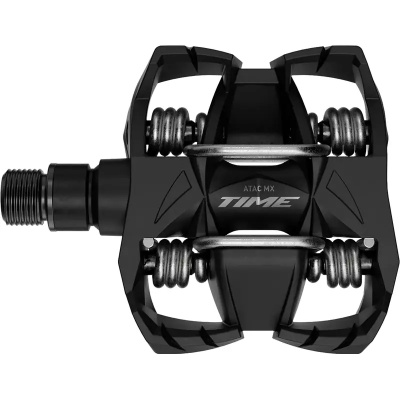
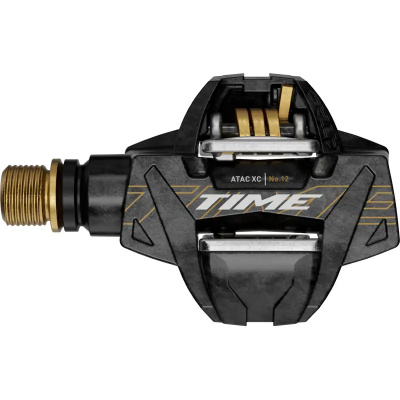
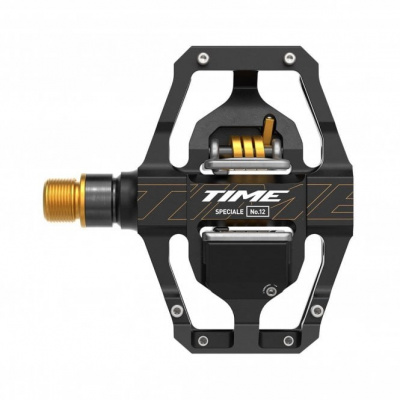
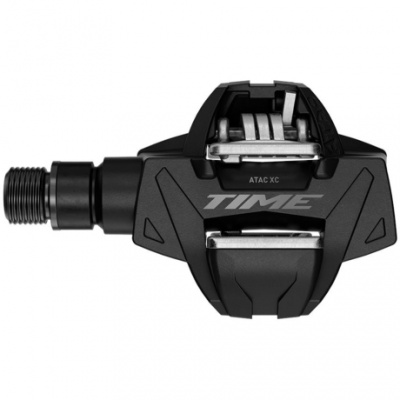
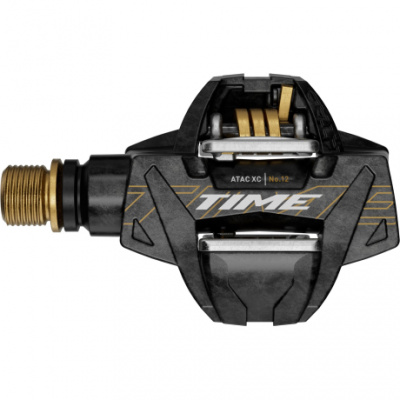
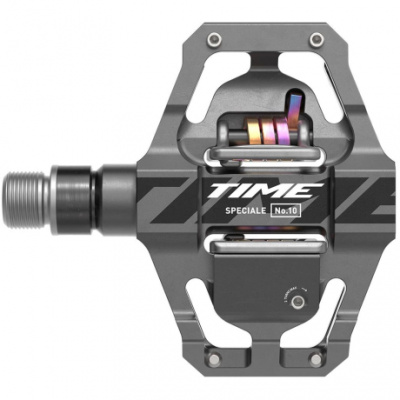
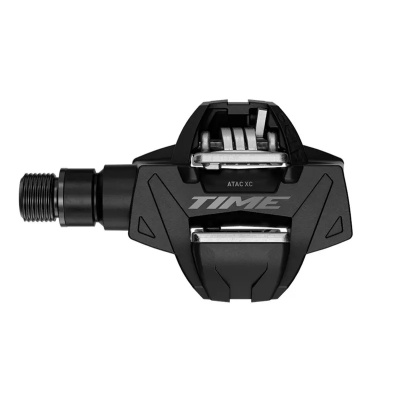
On the off-road side, the Time ATAC pedals split into distinct roles. The ATAC XC is the lightweight option - open alloy body, minimal platform, designed for cross-country racing where every gram is noticed. The Speciale steps up for trail and enduro use: machined aluminium construction, adjustable grip pins around the platform edge for better boot traction when you're dabbing a foot on a technical section, and a beefier build that takes harder knocks without complaint. If you're riding the Peak District gritstone or the Glentress red routes on flat pedals today and want to move to clipless, the Speciale is the sensible starting point. The Link sits slightly apart - a hybrid design that works as a commuter or multi-use pedal, worth a look if you're swapping between cycling shoes and normal footwear. For a different take on open platform clipless design, Crank Brothers pedals offer a four-sided entry that some riders find even easier to clip into, though Time's mud clearance in genuinely filthy conditions remains harder to match.
Keeping Time Pedals Running Through a UK Winter
British riding eats pedals. Road salt corrodes axle threads, winter mud packs into mechanisms, and wet roots demand instant, reliable unclipping. Time's engineering addresses most of this directly, but there are things worth knowing before your first muddy outing.
The ATAC system's dual-arch design is the key detail for off-road riders. When you clip in, the cleat pushes through an open alloy cage structure - and mud gets displaced outward rather than compressing into the mechanism. That's why Time ATAC pedals have become a fixture in UK cyclocross pits, where riders need confident engagement after running through ankle-deep ruts. The self-clearing action isn't magic; it's geometry. The open frame gives mud nowhere to pack, so clip-in stays consistent even when conditions turn awful on a Surrey Hills winter loop or a Scottish gravel slog in November.
The brass ATAC cleats are a deliberate design choice worth understanding. They wear faster than steel alternatives, but that's intentional - the cleat sacrifices itself before the pedal's engagement mechanism degrades. Keep a spare set in your kit bag. When you start feeling the release angle getting sloppy or clip-in becoming inconsistent, that's your cue to swap cleats rather than question the pedal. Most riders get a season or more from a set under normal use, less if you're doing regular CX racing.
For road pedals, the enemy is corrosion. Grease the axle threads properly on installation - use a copper-based anti-seize compound if you're fitting into carbon cranks, standard grease for alloy. Time's road pedal bearings benefit from a strip and regrease once a year if you ride through winter. It's a straightforward job with basic tools, and it's far cheaper than a new axle. On higher-end XPRO models, the carbon body is tougher than it looks, but avoid overtightening - check the manufacturer's torque spec and use a torque wrench.
Frequently Asked Questions
Are Time pedals compatible with Shimano SPD cleats?
No. Time pedals use their own proprietary standards - ICLIC for road models and ATAC for MTB and gravel. Neither system accepts Shimano SPD or Look Keo cleats. If you're switching to Time from another system, factor in the cost of new cleats and potentially new shoes if your current pair only has a single cleat pattern drilled.
What is the difference between Time XPRO and XPRESSO pedals?
The XPRO is Time's flagship road pedal: carbon body, an aero lower fairing, and adjustable tension through a carbon leaf spring that lets you tune the release angle. The XPRESSO uses the same ICLIC engagement mechanism - so clip-in feel is essentially identical - but runs a composite body, lacks the aero cover, and offers fixed rather than adjustable tension. Most riders won't notice the difference on the road; the XPRO is for those who want the full package.
Why are Time ATAC pedals recommended for bad knees?
The ATAC system offers generous angular float and lateral float, meaning your foot isn't locked into a single fixed plane during the pedal stroke. It can move naturally to find its own biomechanical path, which reduces the rotational stress that builds up in the knee over long rides or high mileage training blocks. Compared to pedals with tight, rigid engagement, the ATAC's float can make a noticeable difference - though if knee pain is a persistent issue, a proper bike fit is still the first port of call.
Time Pedals FAQs
Are Time pedals compatible with Shimano SPD cleats?
No. Time pedals run on their own standards - ICLIC for road, ATAC for MTB and gravel. Neither accepts Shimano SPD or Look Keo cleats. If you're switching from another system, budget for Time-specific cleats from the outset and check your shoes have the right bolt pattern drilled.
What is the difference between Time XPRO and XPRESSO pedals?
XPRO is the premium road option: carbon body, adjustable carbon leaf spring tension, and an aero lower fairing. XPRESSO uses the same ICLIC engagement mechanism - so the clip-in action is identical - but has a composite body, fixed tension, and no aero cover. The engagement feel is the same; the XPRO adds tunability and a weight saving.
Why are Time ATAC pedals recommended for bad knees?
ATAC pedals offer both angular float and lateral float, letting your foot move naturally through the pedal stroke rather than being held in one rigid position. That freedom reduces rotational stress on the knee joint over long miles. It's a genuine biomechanical advantage - though if knee pain is serious, a proper bike fit should still be your first step.