
Thule Rucksacks
Thule cycling rucksacks are built around a simple idea: your commute shouldn't cost you your kit. Swedish-engineered and designed with the daily grind firmly in mind, they blend weather-resistant construction with the kind of thoughtful organisation that makes the difference between a smooth ride in and a frantic dig through a soaking bag at the office door. Whether you're threading through city traffic on a wet Tuesday or doing a longer mixed-surface haul, there's a Thule bag sized and specced for the job.
What sets Thule apart is the detail. SafeZone crushproof compartments protect fragile items - sunglasses, a spare light, your lunch - from getting mullered by a laptop or a u-lock. The harness systems are genuinely shaped for cycling posture, not just adapted from hiking designs, and the back panels use structured ventilation channels to keep airflow moving rather than turning your spine into a sauna. Capacities run from trim 15-litre day packs up to 30-litre load-luggers, so there's a fit whether you're a light-and-fast commuter or someone who carries half the flat on every ride. Compare UK prices on Thule commuter rucksacks using the grid below.
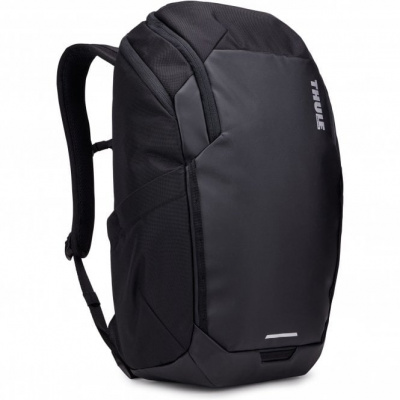
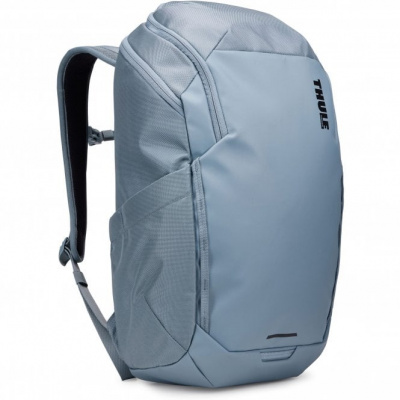
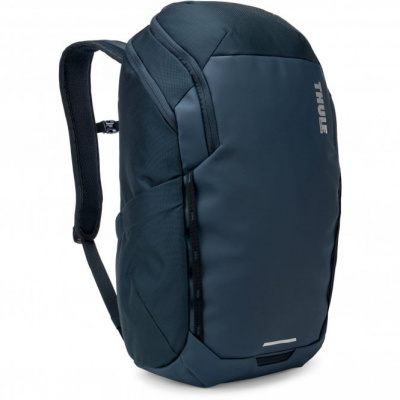
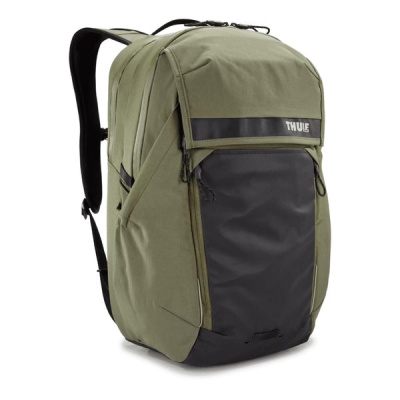
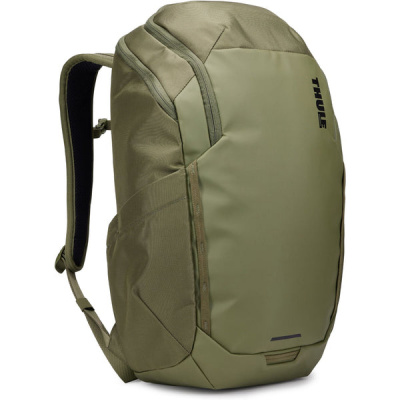
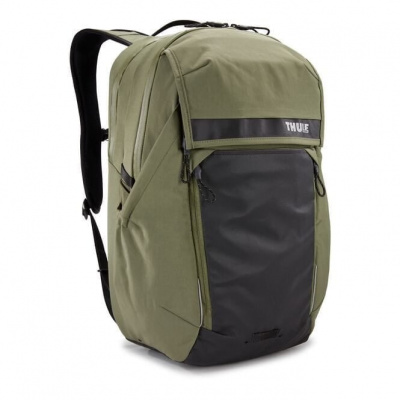
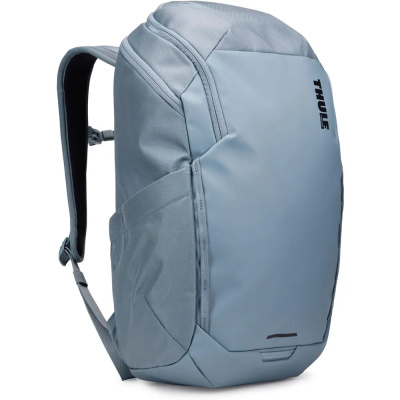
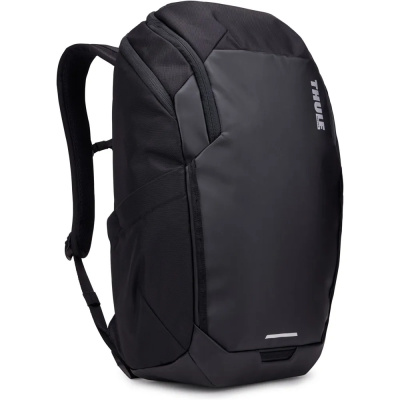
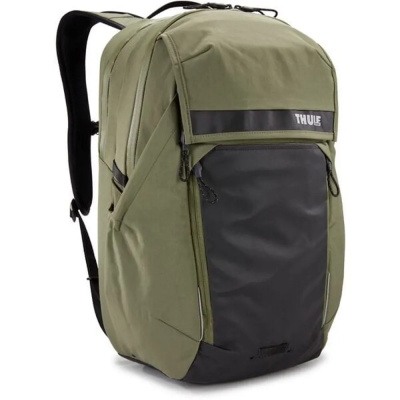
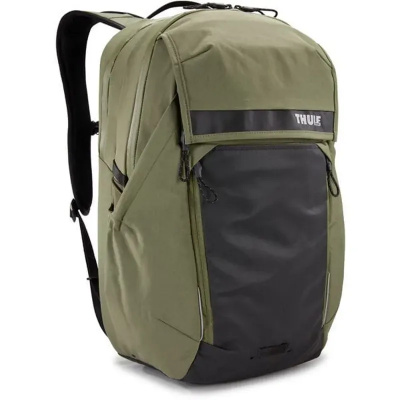
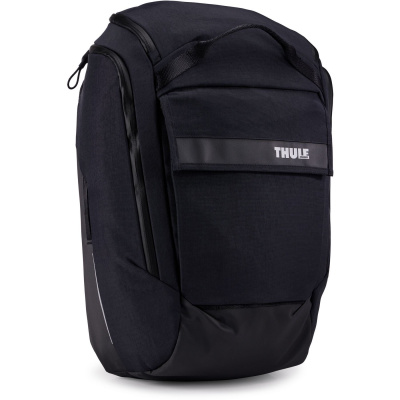
Prices and availability can change quickly. Delivery charges are not always included in listed prices.
Final price, stock status and delivery terms are set by retailer. We may receive a commission on purchases made.
Fit, Capacity and What to Expect on the Bike
Getting the harness right matters more than most people realise. Thule's cycling-specific back panels use a raised, channelled foam structure that creates a gap between the pack and your spine - not a massive one, but enough to let air circulate rather than build up into a damp patch by mile three. The sternum strap is adjustable and positioned to sit across your chest without fouling your breathing when you're leaning over the bars. On longer commutes, that kind of considered ergonomics pays off.
Laptop sleeve sizing is worth checking before you buy. Most Thule commuter rucksacks - particularly the Paramount range - carry a dedicated, thickly padded laptop sleeve that fits 15-inch and 16-inch machines securely. Some of the slimmer 15-litre models cap out at 13 inches, so if you're hauling a larger work machine, go for a 22-litre or above. Volume choices across the range cover most commuter needs: 15 - 20 litres works if you're travelling light with just a laptop, lunch and a lock; 25 - 30 litres is where you want to be if you're carrying a change of clothes, tools and anything else that accumulates over a working week.
Organisation across the range is genuinely practical. Multiple internal pockets, key clips and cable management loops mean you're not rummaging around in one big void. The SafeZone compartment - a semi-rigid, crushproof section - is particularly useful for commuters carrying fragile items like glasses or a compact camera alongside denser gear. If you're comparing options from other brands, Chrome rucksacks and Deuter rucksacks sit in a similar space, though each takes a different approach to frame and organisation.
Looking for off-road water carriage, minimalist waist storage, or bulk travel bags? Check out our dedicated Thule Hydration Packs, Thule Hip Packs, and Thule Holdalls pages.
Paramount vs Chasm: Picking the Right Series
Thule runs two main cycling rucksack lines and they're aimed at noticeably different riders. The Paramount series is the urban commuter's bag - clean lines, premium laptop protection, and a profile slim enough to not clip wing mirrors when you're filtering through traffic. The external aesthetic is deliberately low-key, which matters if your bag goes from bike rack to boardroom without a change in between. The internal organisation reflects that urban focus, with dedicated tech pockets, cable ports and the SafeZone compartment front and centre.
The Chasm series is a different beast. Duffel-inspired in its construction, it's built for riders who deal with genuinely hostile conditions - think January rides through Manchester or a wet Scottish commute where the rain comes sideways. The Chasm's weather-resistant construction leans harder on structural durability than polished aesthetics, and its load capacity tends to run larger. It's the bag you reach for when you need to carry more and care less about how it looks hanging off your back at a meeting.
As you move up the price points within each series, the upgrades are tangible rather than marginal. You're gaining better quality YKK zippers, denser padding on the laptop sleeve, improved harness adjustment range, and in some cases an integrated rain cover stored in a base pocket. The entry-level Paramount bags do the job well, but if you're riding five days a week through winter, the upper-tier models earn their keep through durability alone. Thule also uses Bluesign® approved recycled materials across much of the range - not a performance story, but worth knowing if sustainability factors into your buying decision.
If you're weighing Thule against alternatives, EVOC rucksacks and CamelBak rucksacks are worth a look - EVOC in particular if you want a more structured back protector system. Thule's edge tends to be in urban organisation and the quality of its laptop protection rather than trail-specific features. You might also want to consider Thule pannier bags or a Thule pannier rack if you'd rather shift load off your back entirely on longer commutes.
Handling UK Weather and Keeping the Bag in Shape
This is where it gets practical. Thule's standard DWR coating - Durable Water Repellent - handles the kind of persistent drizzle that defines most UK commuting seasons perfectly well. Water beads and rolls off the face fabric rather than soaking in. What DWR doesn't do is make the bag fully waterproof; prolonged downpours or submersion will eventually find a way through, particularly at zip seams. For riders who face genuinely heavy rain regularly - commuting into Edinburgh or Leeds through autumn and winter - models with integrated high-visibility rain covers are worth prioritising. These stow in a base pocket and deploy in seconds, giving you that additional sealed layer when the sky properly opens.
Zippers are the weak point on any commuter bag, and road spray accelerates the wear. UK roads throw up a fine grit that works into zip teeth and causes premature failure if you ignore it. The YKK zippers Thule uses across the range are robust, but they still need maintenance. Brush grit out of the zip teeth with a soft brush after muddy or wet rides, and run a small amount of appropriate zip lubricant along the teeth every few months. It takes two minutes and adds years. The same logic applies to the reflective accents on the bag - wipe them clean regularly so they actually do their job in low light, because a grimy reflective panel is barely better than none.
DWR coatings degrade with use and washing. If you notice water no longer beading on the fabric - it starts to soak in instead - the coating needs refreshing. Use a spray-on DWR re-proofer designed for technical fabrics, apply after cleaning, and heat-activate it with a warm tumble dryer or a low iron over a cloth. Never machine wash a Thule bag with standard detergent; it strips the DWR and can damage the internal structure. A damp cloth and mild soap on the exterior is all the regular cleaning it needs.
Thule Rucksacks FAQs
Are Thule cycling rucksacks fully waterproof?
Most Thule cycling rucksacks use a DWR coating that handles showers and drizzle confidently - water beads off the face fabric rather than soaking in. They're not fully waterproof, though. For sustained heavy rain, look for models with an integrated rain cover; that combination gives you the closest thing to proper all-weather protection without moving to a roll-top dry bag.
Can a Thule cycling rucksack fit a 15-inch laptop?
Yes, most Thule commuter rucksacks - particularly across the Paramount series - include a dedicated padded laptop sleeve sized for 15-inch and 16-inch machines. Smaller 15-litre models sometimes max out at 13 inches, so check the spec before buying if you're carrying a larger laptop. The sleeve padding is substantial enough to handle the knocks of a daily commute.
How do I clean road grit off my Thule backpack?
Use a damp cloth and mild soap on the exterior - that handles most of it. Pay particular attention to the zippers: brush grit out of the teeth with a soft brush to prevent premature wear. Don't machine wash the bag; detergent degrades the DWR coating and can compromise the internal structure. A quick wipe-down after a muddy or wet ride is genuinely all it needs most of the time.