
Thule Child Seats
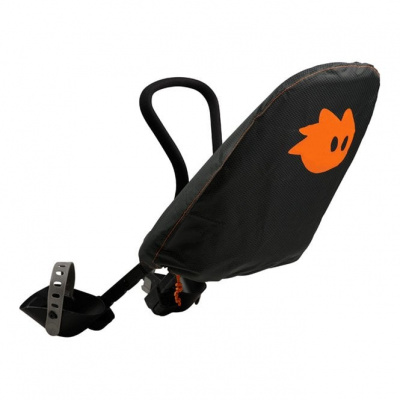
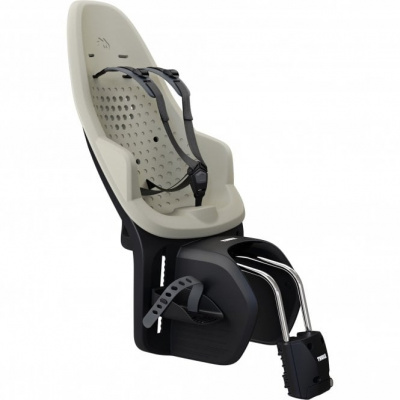
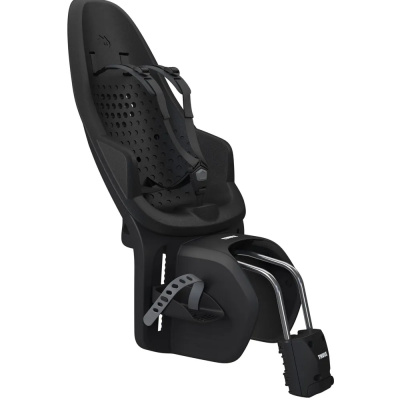
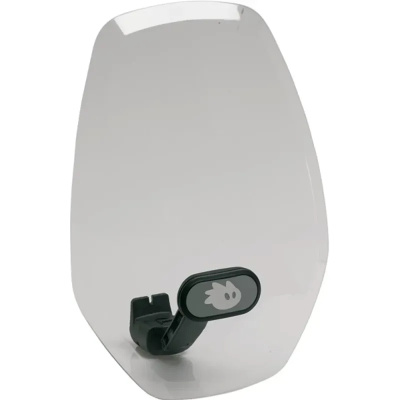
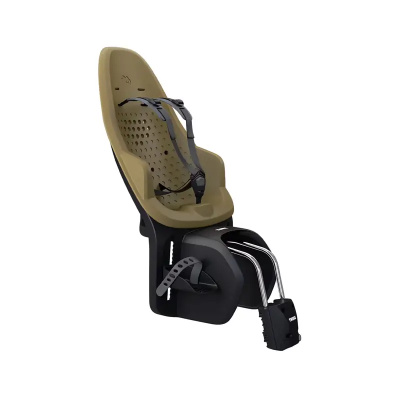
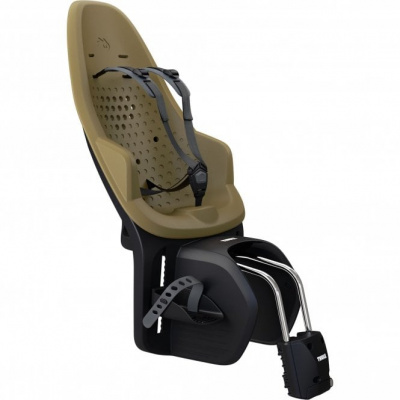
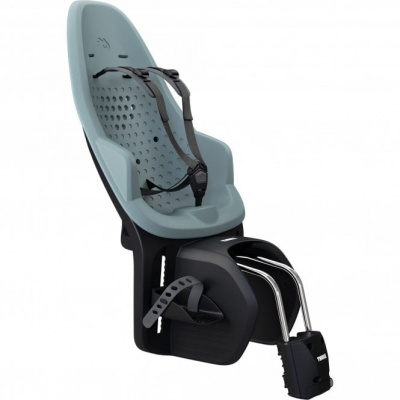
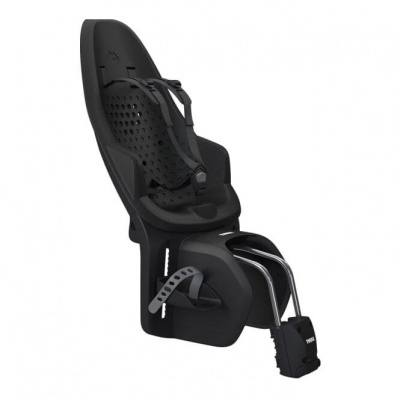
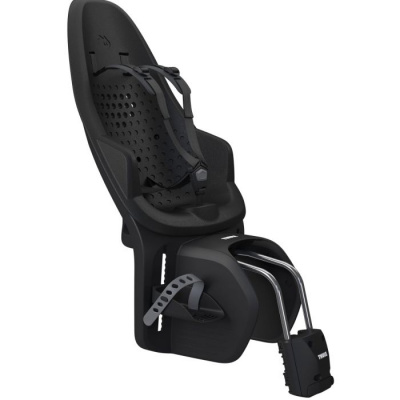
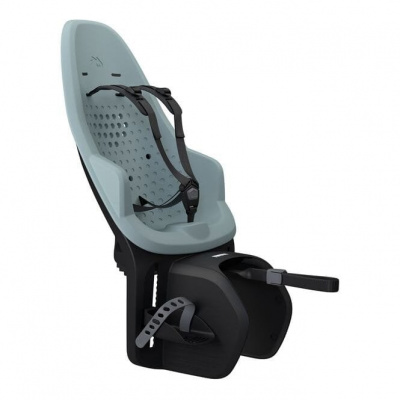
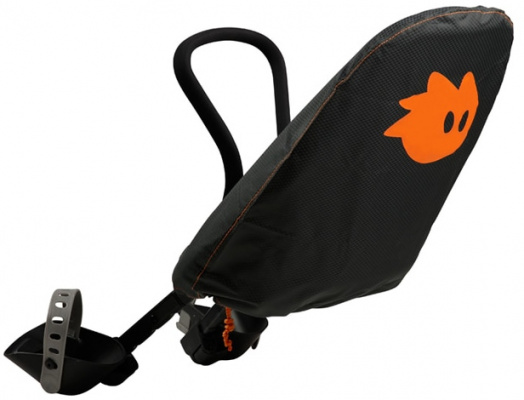
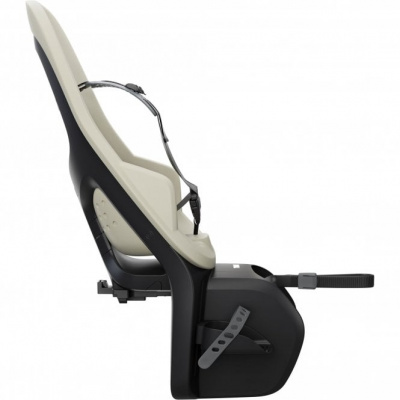
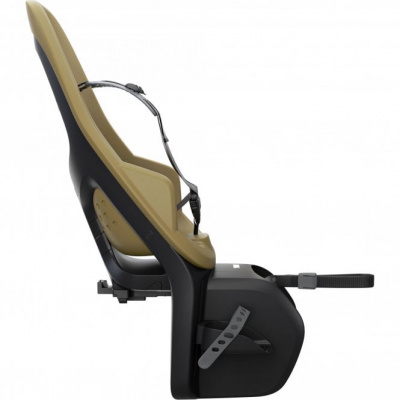
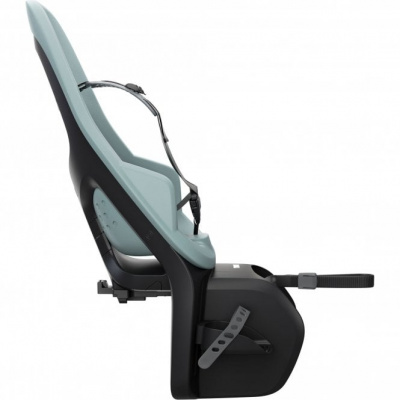
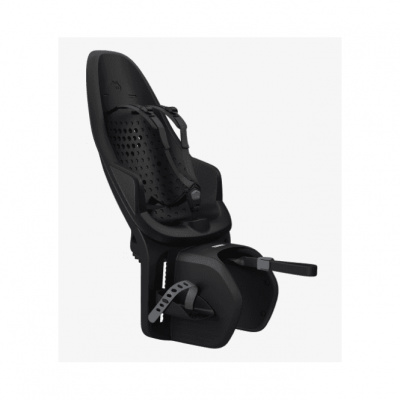
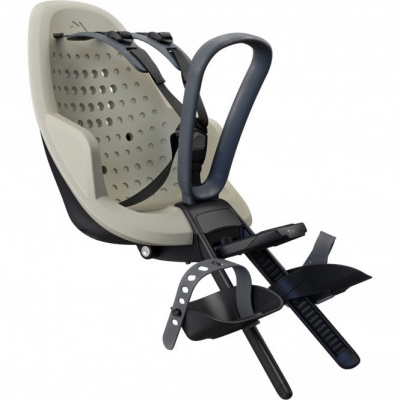
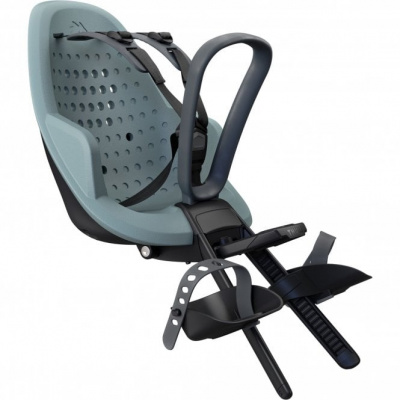
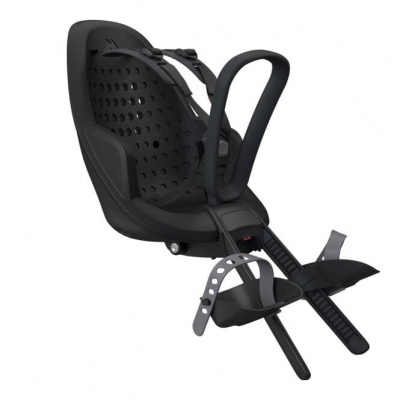
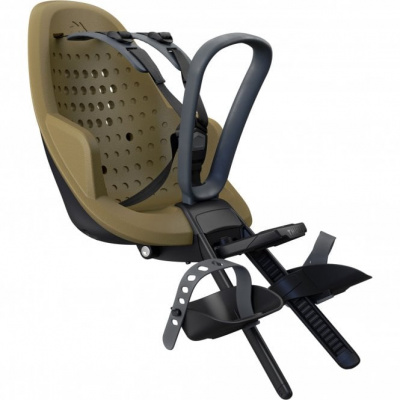
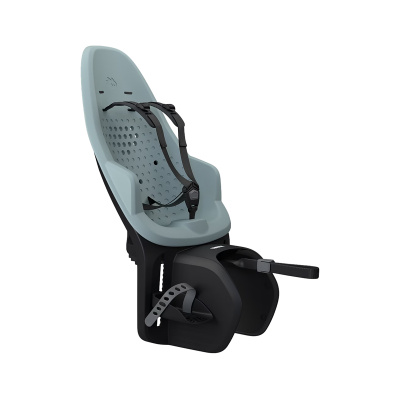
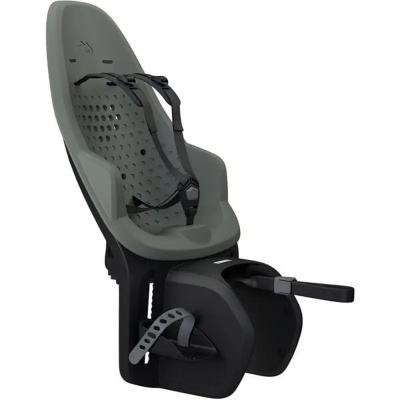
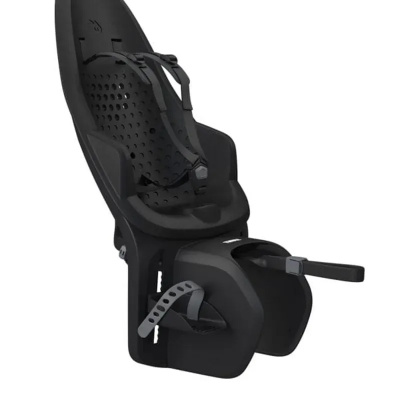
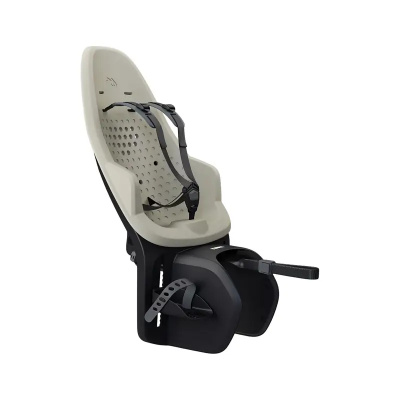
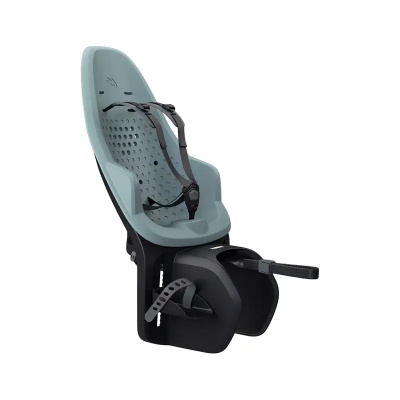
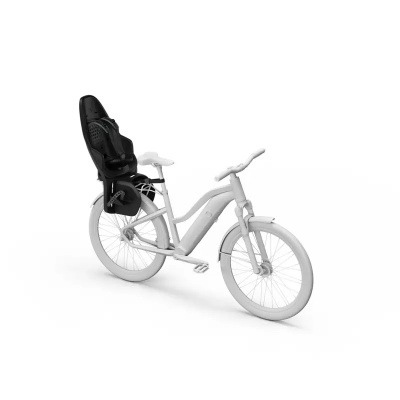
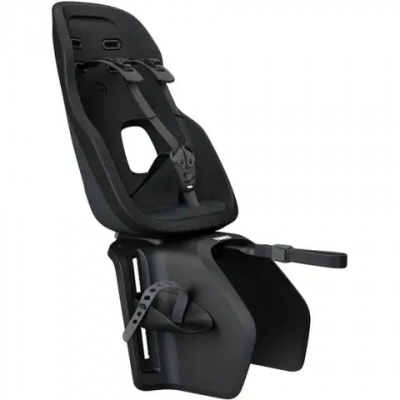
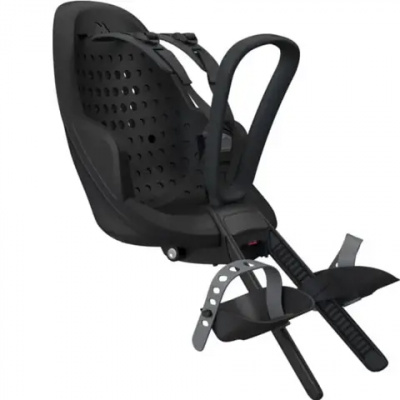
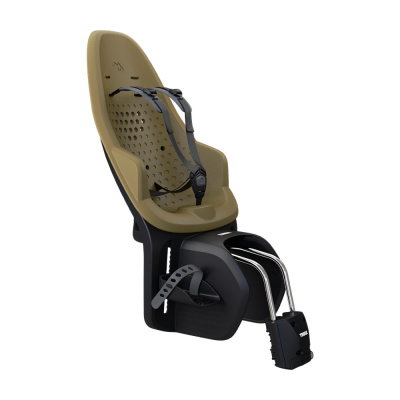
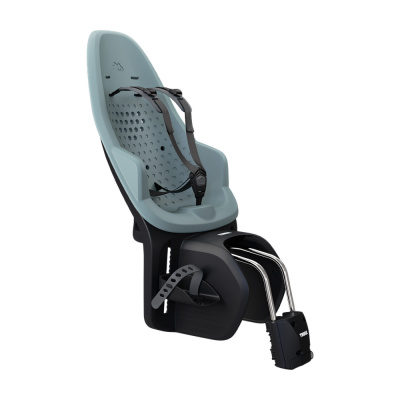
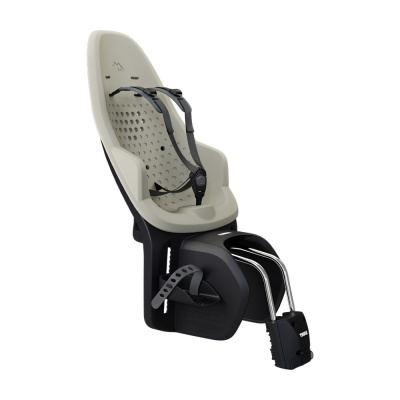
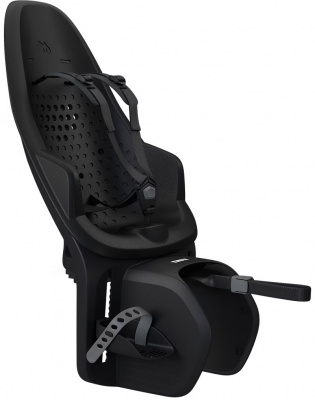
Thule child bike seats have become the benchmark for parents who want safety and simplicity without compromise. The range covers everything from compact front-mounted seats for toddlers to full rear-mounted options for children up to 22kg, all built to meet EN 14344 safety standards - the European benchmark that genuinely matters when you're putting a child on a moving bike.
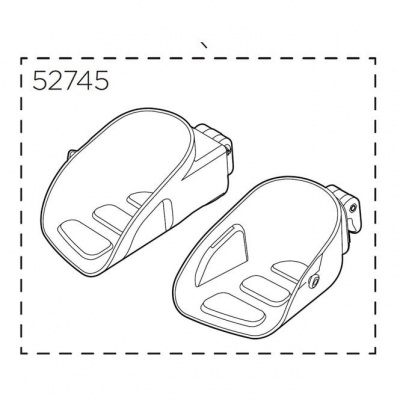
Every seat in the lineup ships with a 5-point harness, and the mounting systems are designed so you're not wrestling with tools on a Tuesday morning. You get either a quick-release bracket for frame mounting or a direct rack mount setup, covering the majority of hybrids, cargo bikes, and e-bikes you'll find on UK roads. Adjustable footrests and harness height mean the seat grows with your child rather than becoming redundant after one winter.
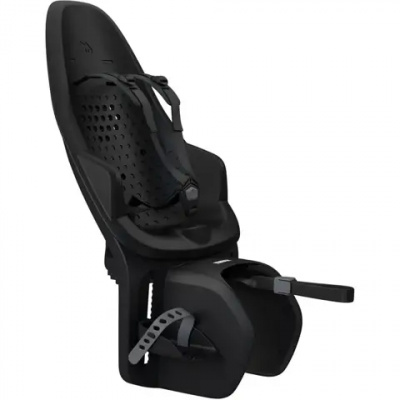
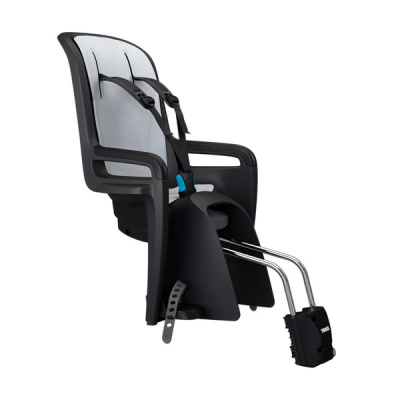
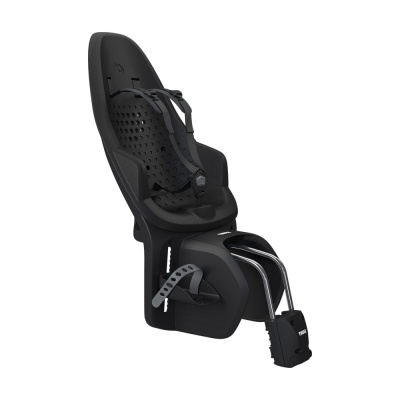
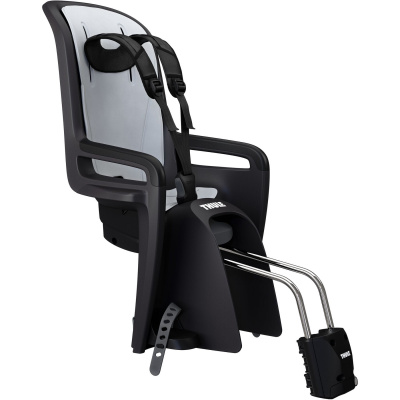
The material choices are deliberate, too. Thule's foam-based Yepp seats and the padded RideAlong shell both approach comfort differently, and understanding that split is the key to picking the right one. Whether you're doing the school run in Sheffield or pottering along a Suffolk bridleway at weekends, there's a Thule seat that fits the brief. Use our price-comparison tool below to find the best current deal.
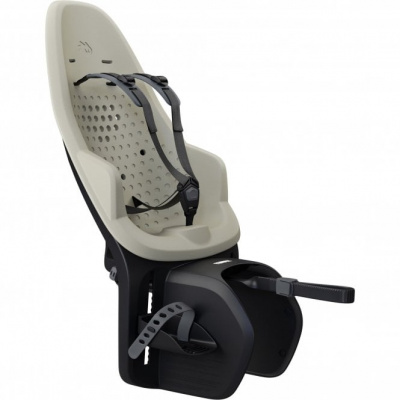
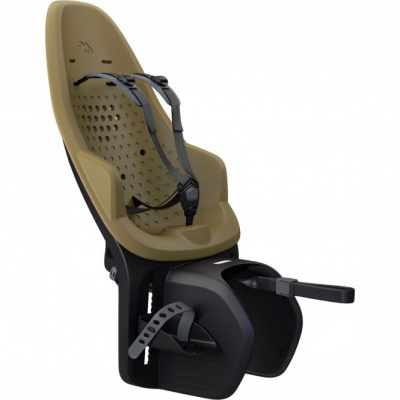
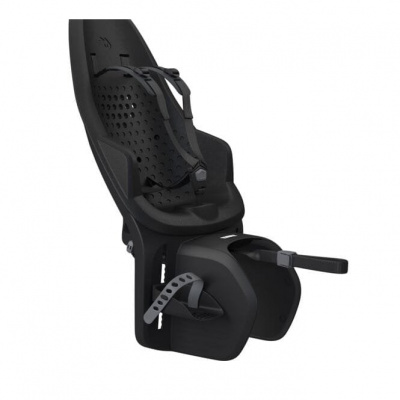
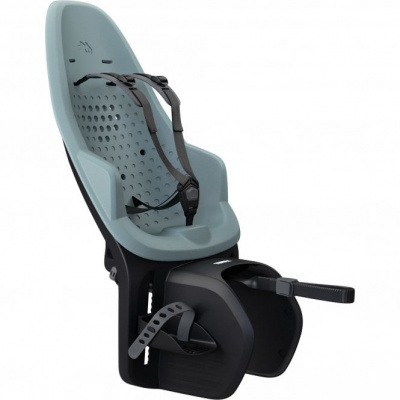
Prices and availability can change quickly. Delivery charges are not always included in listed prices.
Final price, stock status and delivery terms are set by retailer. We may receive a commission on purchases made.
Frame Mount vs Rack Mount: Getting the Fit Right First
Before you look at any specific model, you need to know how it'll attach to your bike. Most Thule rear seats come in two mounting flavours: frame mount and rack mount. Frame mount brackets clamp directly onto the seat tube and need roughly 15cm of clear, unobstructed tube to grip. That sounds straightforward, but cable routing can eat into that space fast - particularly on bikes with external gear cables running down the seat tube. Measure before you buy.
Rack mount seats need an ISO 11243-compliant rear rack with a child weight limit rating of at least 25kg. Most quality commuter racks meet this, but cheap aftermarket options often don't, so check the small print on your rack before assuming it qualifies. E-bikes add another wrinkle: rear-battery e-bike designs frequently position the battery where a standard clamp would sit, which means a standard bracket simply won't clear it. If your bike has a non-standard stem or an extra-wide e-bike rack, you may need a specific mounting bracket - check the Thule adapters page for the exact fitment rather than guessing.
If your bike won't accommodate a seat at all - a full-suspension mountain bike, say, or a road bike with no rack mounts - it's worth considering whether a Thule trailer suits your setup better. Trailers attach via a hitch rather than the frame and sidestep compatibility headaches entirely.
Yepp or RideAlong? How the Two Families Actually Differ
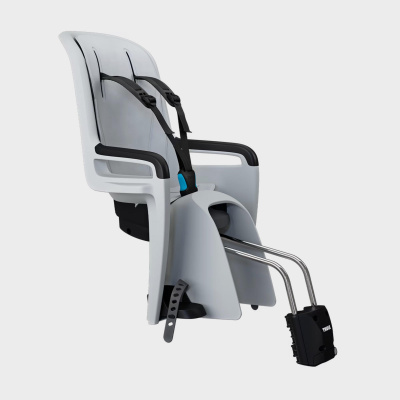
Thule child bike seats split into two main product families, and the difference isn't just cosmetic. The Yepp series - both the standard and Yepp Nexxt variants - uses a firm, closed-cell EVA foam construction. It's completely waterproof, which sounds like a modest detail until you've pulled a fabric-padded seat off a bike that's been outside in November drizzle. The Yepp foam wipes dry in seconds. It also absorbs road buzz reasonably well given its density, acting as a passive shock-absorbing seat without any moving parts to maintain.
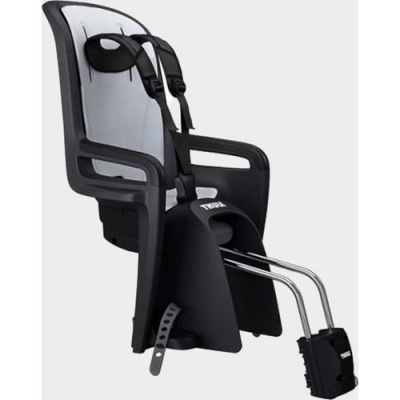
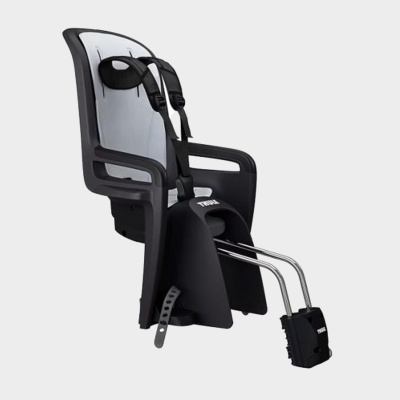
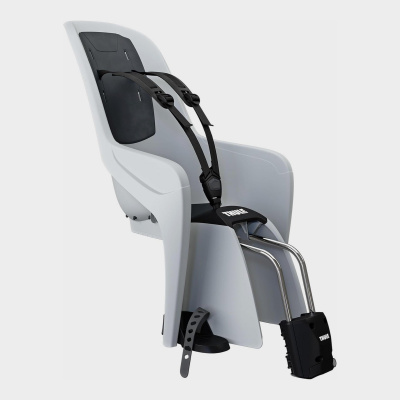
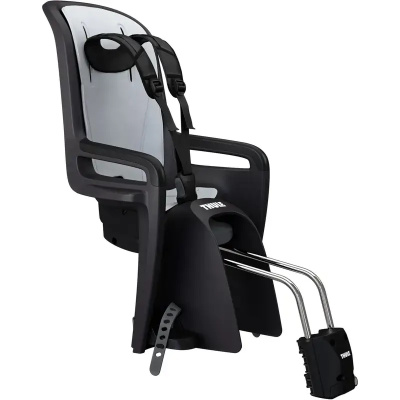
The RideAlong series takes a different approach. You get a hard plastic shell - structural and protective - with a removable, machine-washable padded insert sitting inside it. The big functional difference is the recline function: the RideAlong tilts the seat back so a sleeping child doesn't slump forward into the harness. If your rides regularly stretch past an hour, that's not a trivial feature. The insert does absorb moisture, though, so if your bike lives outside, factor in drying time.
Upgrading to the Nexxt versions of the Yepp is worth understanding clearly. You get a lighter overall construction, a magnetic safety buckle that a child genuinely can't undo with small fingers (the magnetic childproof safety buckle requires adult-level dexterity to release), and a hybrid construction that blends a more structured outer shell with the soft foam core. The weight saving over the base Yepp is modest but noticeable if you're lifting the bike regularly. The Nexxt also integrates with Thule One-Key System compatibility, so a single key locks the seat to the bracket and the bracket to the bike - useful if the bike spends time in a public space.
Frame-mount models in the Yepp Nexxt range also include the DualBeam suspension system, which adds active flex to the seat's mounting point. It's not the same as a full suspension fork, but it takes the edge off sharp road seams and cattle grids in a way that the rigid rack-mount versions don't. Worth noting if you're regularly on rougher surfaces.
Looking at alternatives? Hamax offers comparable rear seats at a similar price tier, and Bobike has a strong front-seat lineup that competes directly with the Yepp Mini. Urban Iki is worth a look if aesthetics matter - their colour range is broader. But if you're prioritising bracket reliability and waterproofing, Thule holds its ground firmly.
Keeping It Running in British Conditions
UK roads are genuinely hard on child seat brackets. Grit thrown up from the front wheel works its way into the quick-release bracket locking mechanism over a winter, and if you ignore it, you'll end up with a stiff, gritty release lever that feels like it's about to snap. Every couple of months, drop the seat off the bike, flush the bracket mechanism with clean water, dry it, and give it a light spray of silicone lubricant. Don't use WD-40 long-term - it attracts more grit than it displaces.
The Yepp foam's advantage in British weather is real. Fabric inserts in hard-shell seats soak up rain during a downpour and stay damp for hours; EVA foam sheds water almost immediately. If you're commuting daily, that matters more than it sounds. Cold weather brings its own issue: thick winter coats take up harness slack fast, so check the adjustable footrests and harness at the start of the colder months to make sure there's enough room without compromising the fit.
One practical point that's easy to overlook: remove the seat before loading the bike onto a car-mounted cycle carrier. At motorway speeds, an empty child seat acts as a sail - it stresses the bracket, risks damage to the plastic, and adds unnecessary drag. The quick-release bracket makes this a 20-second job, so there's no real excuse not to. A Thule pannier rack paired correctly with the seat mounting system also helps distribute load evenly if you're carrying bags alongside the seat.
Thule Child Seats FAQs
How do I know if a Thule bike seat will fit my bike?
For frame mount models, you need roughly 15cm of clear seat tube with no cable routing in the way. For rack mount versions, your rear rack must be ISO 11243-compliant and rated to at least 25kg. E-bike owners with rear-mounted batteries should check whether a Thule e-bike adapter is needed - standard clamps often won't clear the battery housing.
What is the difference between Thule Yepp and RideAlong?
The Yepp uses a solid EVA foam construction - completely waterproof and wipes dry instantly, which suits bikes left outside in UK weather. The RideAlong has a hard plastic shell with a removable, machine-washable padded insert, plus a recline function for sleeping children. If your rides are longer or your child naps, the RideAlong's tilt is the more practical choice.
At what age can a child go in a Thule bike seat?
Front seats are generally suitable from 9 months (when a child can sit unaided) up to around 3 years or 15kg. Rear seats cover 9 months through to roughly 6 years, with a 22kg weight limit. For children under 12 months, always get clearance from a paediatrician before putting them in any bike seat.