
Hamax Child Seats
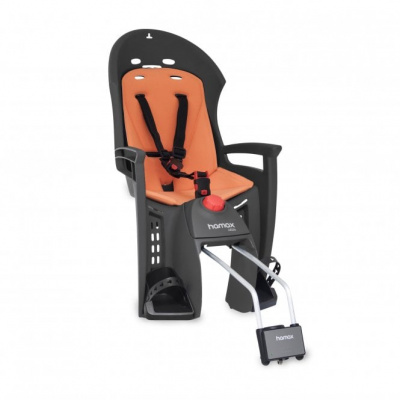
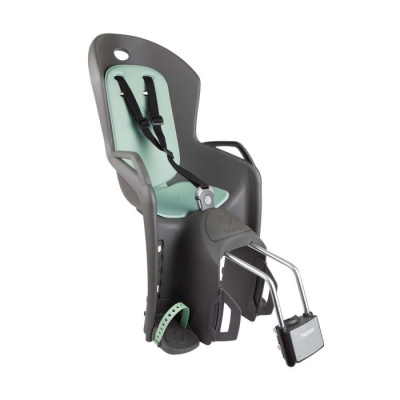
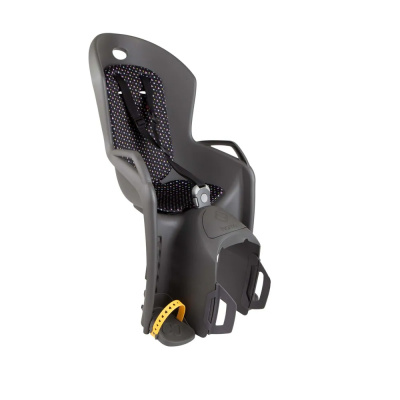
Hamax child seats have built a serious reputation for keeping young passengers safe and comfortable - and when you look at the engineering behind them, it's not hard to see why. The Norwegian brand's approach starts with the free-hanging fastening bracket, a suspension system that absorbs road shock before it reaches your child's spine. On the kind of potholed cycle paths and rough towpaths you'll find across the UK, that's not a luxury, it's essential.
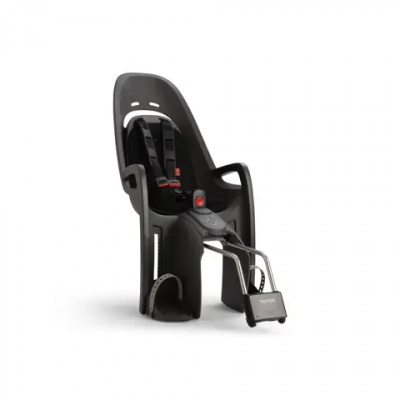
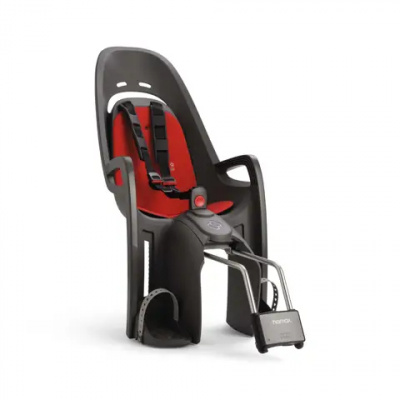
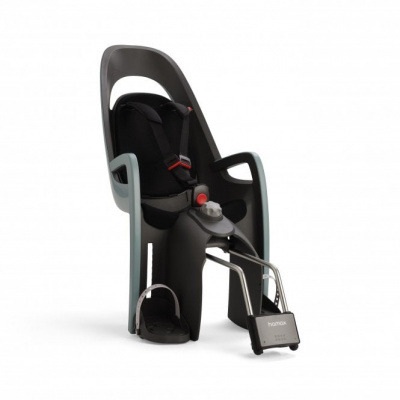
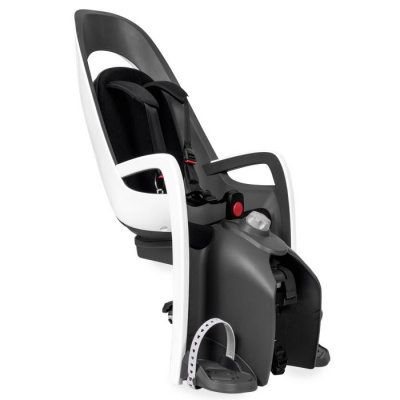
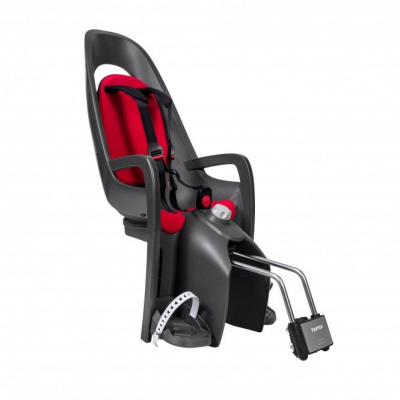
You've got two mounting routes to consider: frame mount or rack mount. Frame-mounted seats clamp directly to the seat tube, keeping weight low and handling familiar. Rack-mounted models sit over the rear wheel on a pannier carrier, freeing up your frame and suiting a wider range of bikes. Both options use Hamax's one-hand adjustable harness system, so you're not fumbling with buckles while your toddler's already trying to escape.
The range runs from straightforward, no-fuss seats for shorter rides up to fully reclining models with adjustable backrests for longer days out. Built-in rear reflectors keep you visible on dark winter afternoons, and the waterproof padding wipes clean after a muddy school run. Solid, practical, well thought-through - that's the short version.
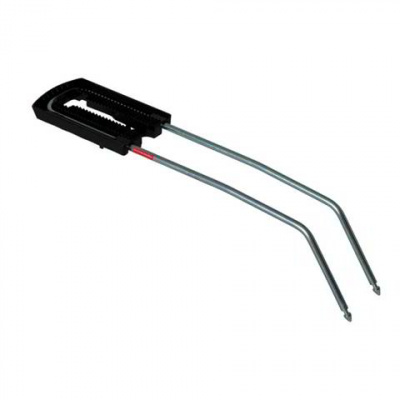
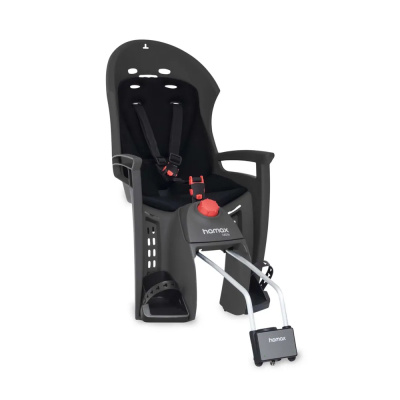
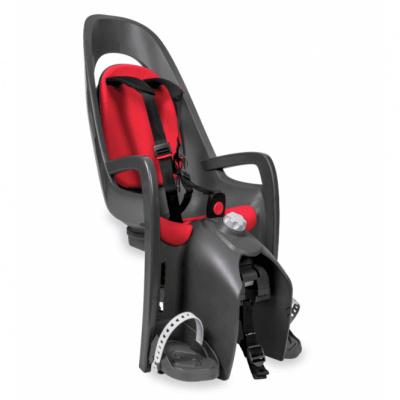
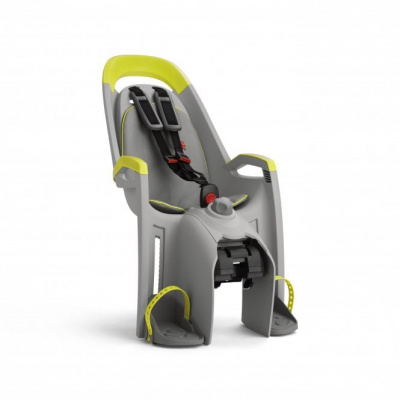
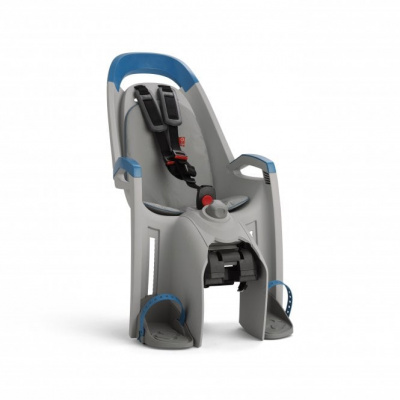
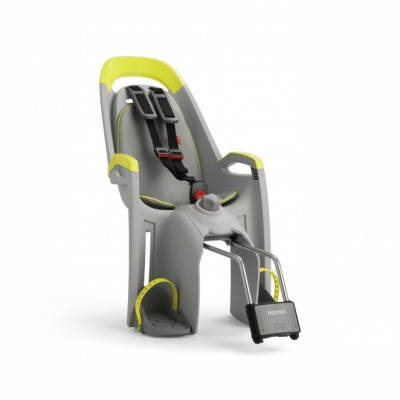
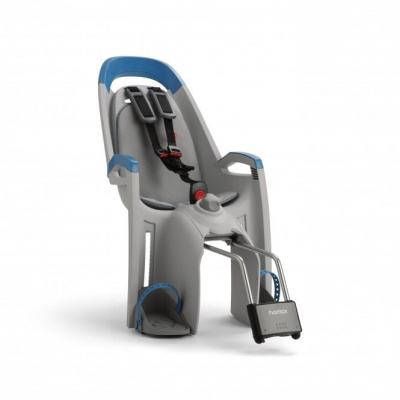
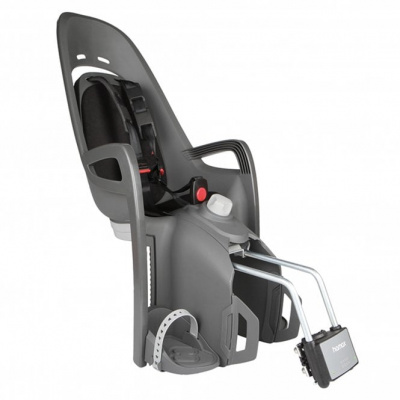
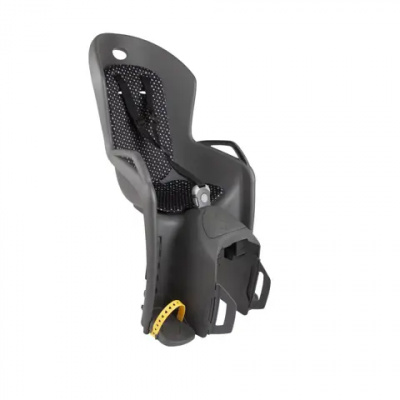
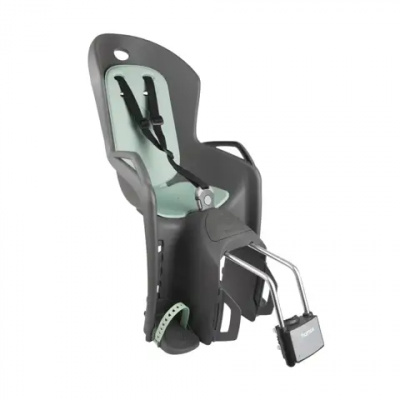
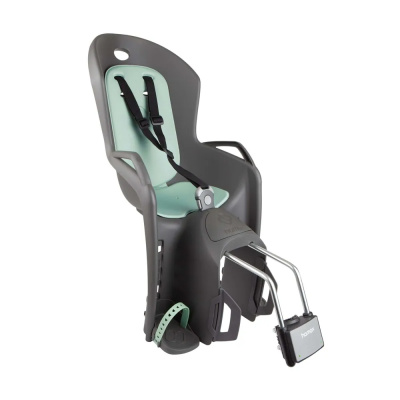
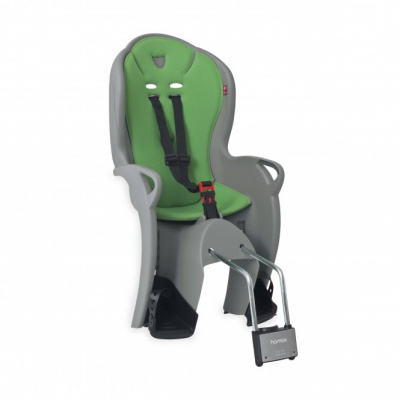
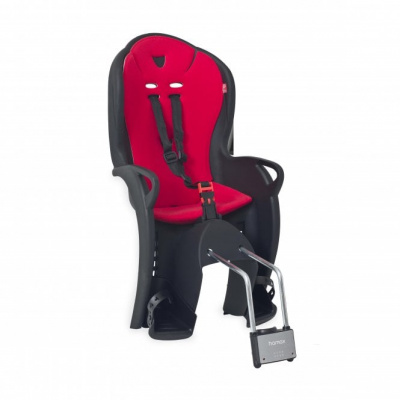
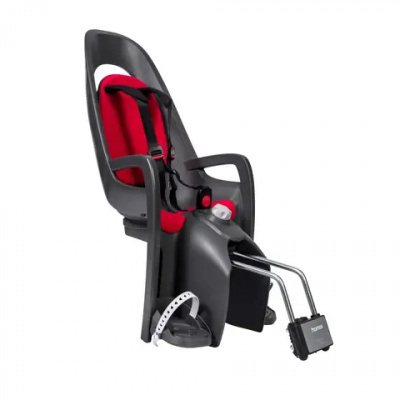
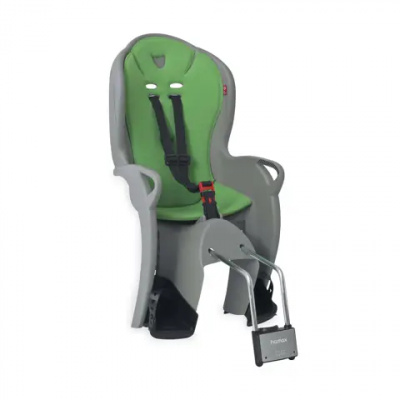
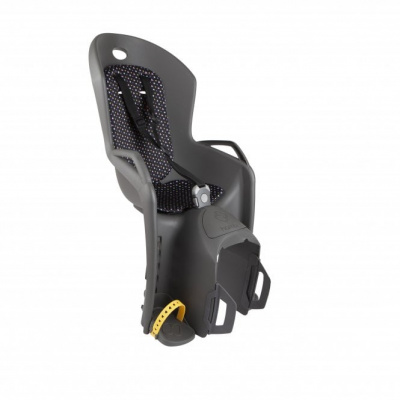
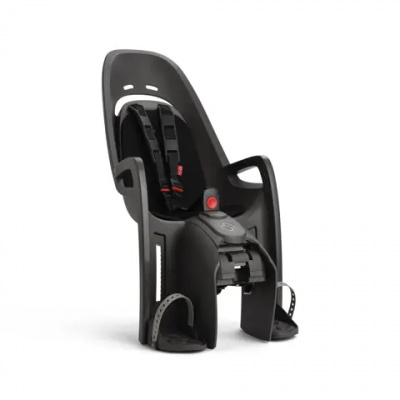
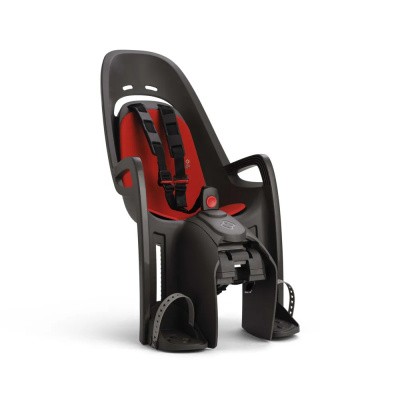
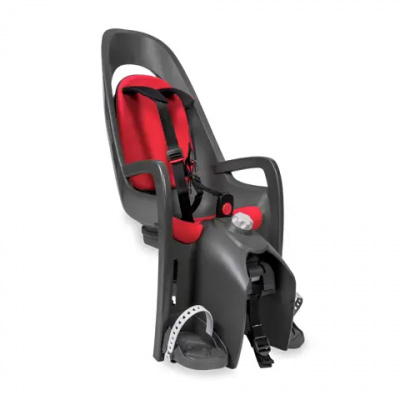
Prices and availability can change quickly. Delivery charges are not always included in listed prices.
Final price, stock status and delivery terms are set by retailer. We may receive a commission on purchases made.
Frame Mount or Rack Mount: Getting the Fit Right
Before you choose a seat, you need to know how it's going on the bike. Hamax frame mounts clamp around the seat tube and work with round tubes measuring between 28mm and 40mm in diameter. That covers most steel, aluminium, and titanium frames without issue. What catches people out is cable routing - if your front derailleur cable runs close to the seat tube, you may not have the clearance to position the bracket correctly. Check that before you order.
Rack mounts are a different proposition. They attach to your rear pannier carrier rather than the frame, which means your carrier needs to meet the ISO 11243 standard - that's a platform width of 120 to 180mm and a rated load capacity of 25kg minimum. Most quality racks will meet this, but it's worth confirming, particularly on older or budget carriers. The rack-mount route also opens up options if your frame geometry makes tube mounting awkward.
One firm rule: never clamp a frame-mounted seat to a carbon fibre frame. The clamping force required can crush carbon tubes from the inside out - it's not a recoverable situation. If you're riding carbon, a rack-mounted seat on a structurally rated carrier is the only safe approach. If you need to run a seat across two different bikes, or you're sourcing mounting hardware separately, our Hamax Adapters and Hamax Spare Parts pages cover the options without duplicating what's here.
Compared to alternatives like Thule child seats or Bobike child seats, Hamax's quick-release mount mechanism is notably straightforward - the seat clicks on and off the bracket in seconds once you've got the base fitted, which matters if you share a bike or swap between frames regularly.
Caress, Zenith, Kiss: Which Seat Matches Your Rides
Hamax structures its rear seat range across three clear tiers, and the differences between them are meaningful rather than marginal. Picking the wrong one for your riding pattern is an easy mistake to avoid.
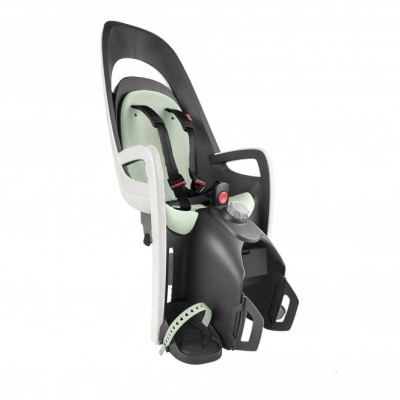
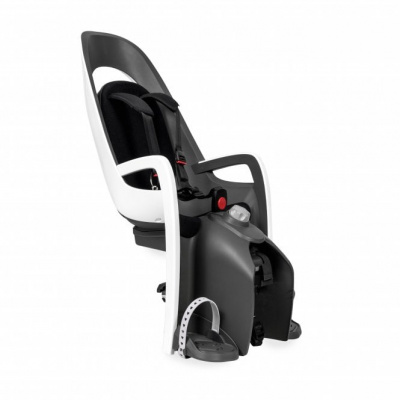
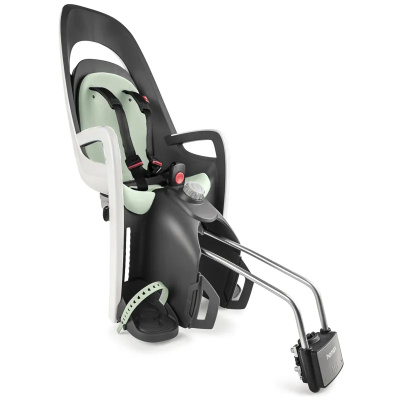
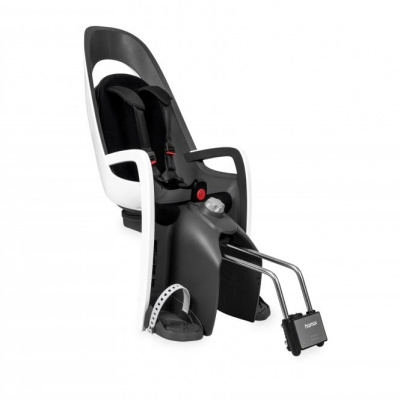
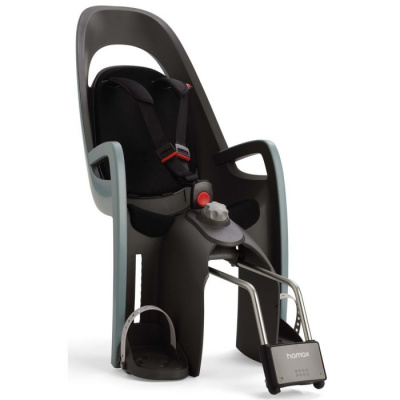
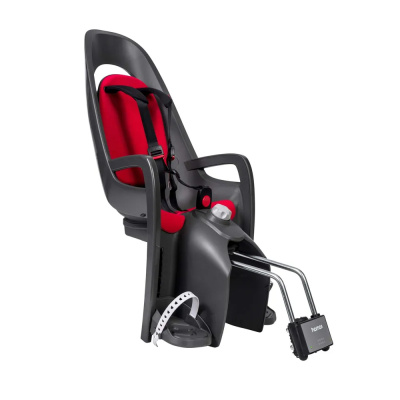
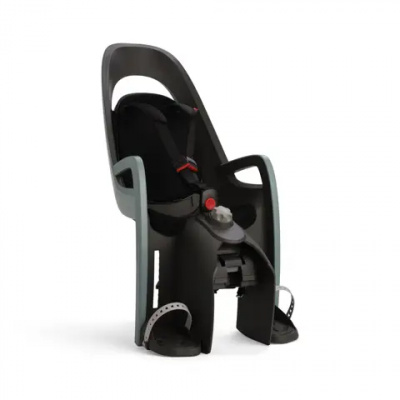
The Hamax Caress sits at the top. The headline feature is the sleep position dial - a recline mechanism that lets the seat tip back up to 20 degrees without shifting the child's weight or altering your bike's centre of gravity. If your child regularly dozes off mid-ride (they will), this makes a noticeable difference to how they sleep and how the bike handles. The Caress also offers an adjustable backrest height, which extends the usable lifespan of the seat as your child grows, and the padding is the most substantial in the range. For longer rides - a full day on the Sustrans network, or a weekend loaded-touring trip - it's the right call.
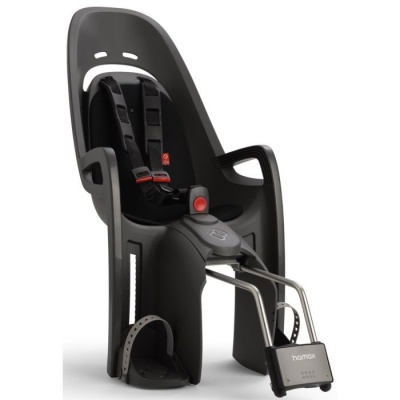
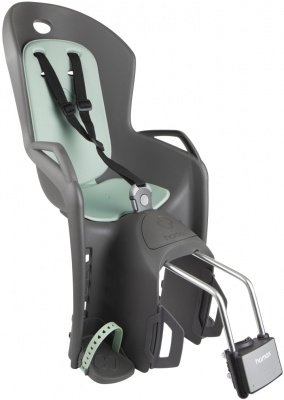
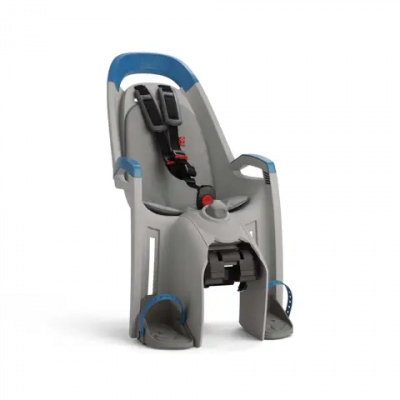
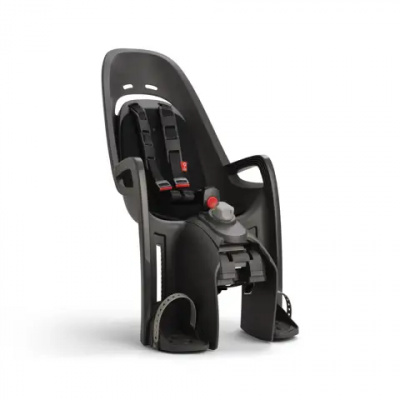
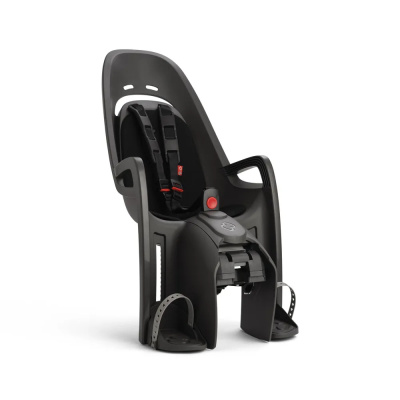
The Hamax Zenith is the middle option, and it's a clean, well-resolved design. You get the one-hand adjustable footrests from Hamax's Safety System, a neat mechanism that lets you reposition the footrests with one hand while your child's seated. The Zenith doesn't recline, so it suits children who aren't yet prone to falling asleep in the seat, or rides where you're moving briskly enough that naps aren't the priority. The padding is functional rather than premium, and the overall profile is slightly slimmer - useful if you're tight on clearance near panniers.
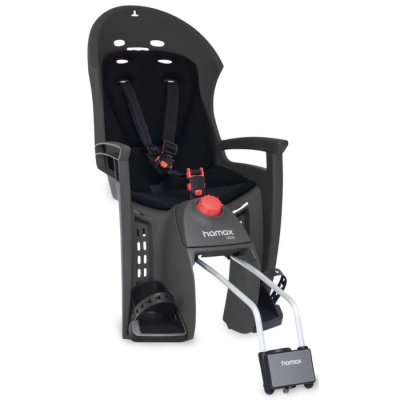
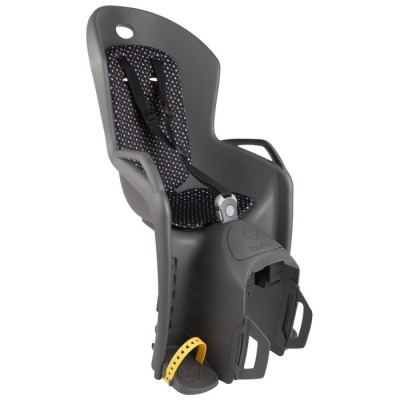
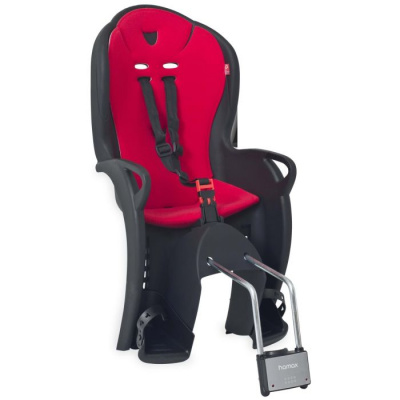
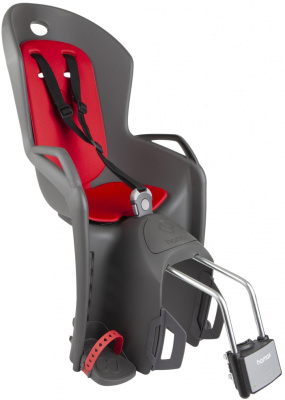
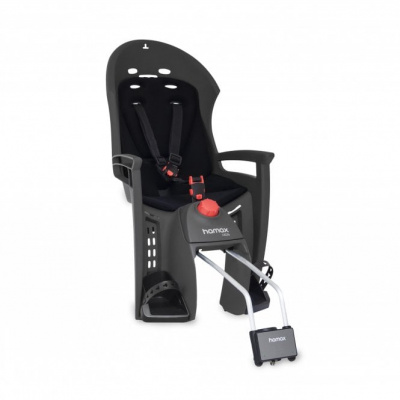
The Hamax Kiss and Smiley handle the entry level. Fixed backrest, traditional suspension bracket, no recline or adjustable footrests. What they do offer is the same core safety standard - 3-point harness, weight limit, tested construction - at a lower outlay. For shorter local rides with younger children who are still getting used to being on the bike, they do the job properly. Don't dismiss them on spec alone; the safety fundamentals are intact.
As a rough guide: under two, lighter child, short rides - Kiss or Smiley. Active toddler, mixed-length rides - Zenith. Regular longer days out, older child, sleep likely - Caress. If you're also considering a Hamax trailer for when children get older or you're carrying more cargo, it's worth looking at that range alongside the seats to see which suits your longer-term setup.
For comparison, Polisport child seats offer a similarly structured range at competitive prices, though Hamax's suspension bracket and recline mechanism give it a clear advantage on ride quality for longer distances.
Keeping It Running Through a UK Winter
A child seat takes more abuse than most bike accessories - grit, salt, mud, rain, the occasional dropped kerb. A bit of regular attention keeps everything working safely.
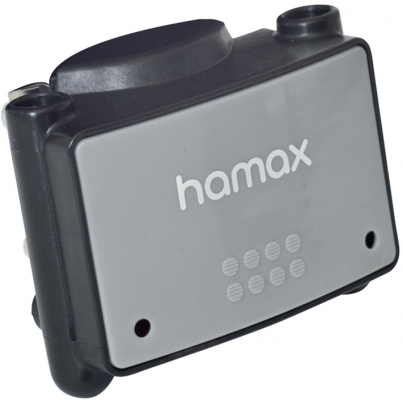
The quick-release bracket mechanism deserves the most focus. The locking pins that secure the seat to the base bracket can accumulate winter grit and road salt, which eventually makes the release stiff or unreliable. Every few weeks during winter months, press the release mechanism a few times to clear debris, and apply a small amount of dry lubricant to the pivot points. Don't use wet chain lube - it attracts more dirt than it repels.
The frame bracket bolts are worth checking monthly if you're riding regularly. Road vibration - and British roads provide plenty of it - works bolts loose over time. A torque check against Hamax's specified settings keeps the bracket secure without risking overtightening on the frame. If you don't have a torque wrench, most local bike shops will check it in minutes.
The seat pads themselves are waterproof and non-absorbent, which is exactly what you need after a wet towpath ride or a school run in November. A wipe with a damp cloth deals with mud; avoid harsh detergents that can degrade the padding material over time. The built-in rear reflectors are fixed and maintenance-free, but worth a quick check that they're not obscured by a rain cover or cargo. For additional visibility options, the Hamax reflectors range offers supplementary pieces that clip onto the seat or frame.
One practical note: if you store the bike outside or in a cold garage through winter, bring the seat inside occasionally. Prolonged cold doesn't damage the structure, but the harness webbing and buckle mechanisms stay more supple with occasional warmth.
Hamax Child Seats FAQs
How do I know if a Hamax seat will fit my bike?
Frame-mount seats need a round seat tube between 28mm and 40mm in diameter - most steel, aluminium, and titanium frames fall within that range. You also need to check that your front derailleur cable routing doesn't block the bracket position. Rack-mount seats need an ISO 11243-approved carrier with a platform width of 120 to 180mm and a 25kg load rating. If in doubt, measure your tube and check your rack's spec sheet before ordering.
What is the weight limit for a Hamax child seat?
Rear-mounted Hamax seats typically have a maximum weight limit of 22kg, which covers most children from around 9 months through to age 5. Front-mounted seats carry a lower limit of 15kg. Always use the child's actual weight rather than age as your guide - children vary significantly, and the weight limit is a safety threshold, not a loose suggestion.
Can you put a Hamax seat on a carbon frame?
No. Never clamp a frame-mounted child seat to a carbon fibre frame. The clamping forces involved can crush carbon tubes internally - damage that isn't always visible on the outside and can lead to sudden failure. If your bike has a carbon frame, you need a rack-mounted seat fitted to a structurally rated rear carrier. There's no workaround for this one.