
Thule Bar Bags
Thule bar bags sit at a useful crossroads: serious enough for a wet February commute through the city, refined enough to not look like an afterthought when you're on the gravel path at the weekend. The range is built around a push-button quick-release handlebar mount that snaps on and off without faff - handy when you're locking up outside the office and don't want to leave your kit on the bike. That mount is the backbone of the whole system, and it's what separates Thule from bags that rely on fiddly Velcro straps you're retightening every third ride.
Waterproofing is taken seriously here. The Shield series uses IP54-rated welded seams paired with roll-top closures, so your phone, spare base layer, or packed lunch stays dry even when the rain comes in sideways. Reflective elements are stitched into the design rather than bolted on as an afterthought, which matters when you're doing the school-run commute in January darkness. Whether you're after the best Thule handlebar bag for commuting or something that can handle a loaded weekend tour, there's a model in the range worth a close look. Capacities are sensible rather than excessive - enough for the essentials, not so much that the handling goes woolly.
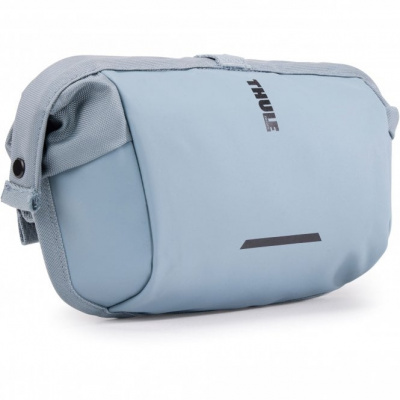
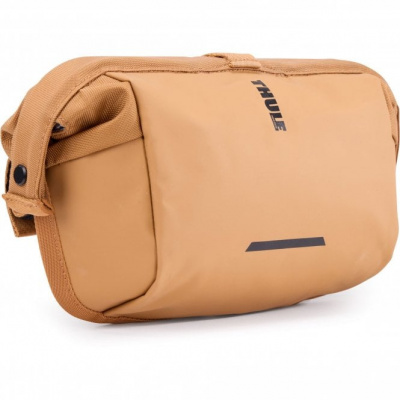
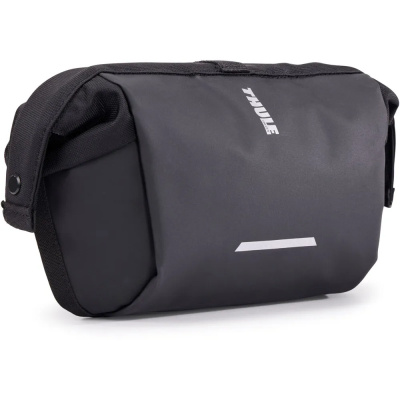
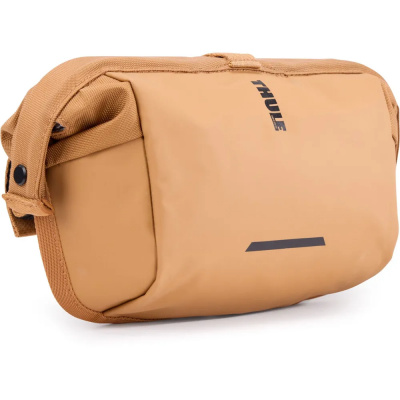
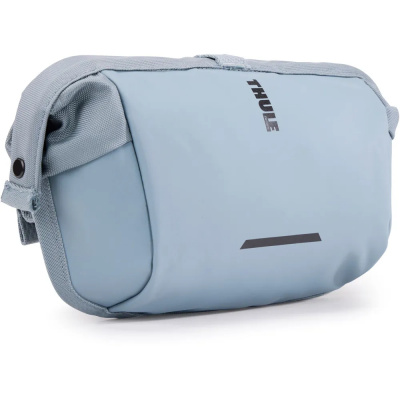
Prices and availability can change quickly. Delivery charges are not always included in listed prices.
Final price, stock status and delivery terms are set by retailer. We may receive a commission on purchases made.
Fitting Thule Bar Bags: What You Need to Check First
Thule's quick-release mount is designed around the two handlebar diameters you'll find on the vast majority of road, gravel, and hybrid bikes: 25.4mm and 31.8mm. That covers a lot of ground - flat-bar commuters, drop-bar tourers, gravel rigs, most city hybrids. Where it gets trickier is on 35mm MTB bars, which are increasingly common on trail bikes. Those wider-diameter bars are generally incompatible with the standard Thule clamp without an aftermarket adapter, so it's worth measuring before you order.
Beyond the handlebar diameter, the bigger practical concern is cable routing clearance. The mount clamps to the bars and positions the bag close to the stem, which means hydraulic brake hoses and mechanical gear outers can get pinched between the mount body and the headtube if you're not careful. Check that there's enough gap before you fully torque the clamp down - this is especially relevant on bikes with internal cable routing where the exit points are low on the stem. E-bike riders have an additional consideration: if your display unit sits centrally on the bars, stem faceplate clearance becomes tight and the mount may not sit cleanly without repositioning the display first.
The Thule SingleKey system is worth knowing about if you're running other Thule luggage - the compatibility across the ecosystem means you can unlock multiple bags with one key, which is a small but genuinely useful convenience for riders who use panniers alongside a bar bag. Pair with Thule pannier bags or a Thule pannier rack and the whole setup becomes more cohesive.
Shield vs. Paramount: Choosing the Right Thule Bar Bag
Thule's bar bag range essentially splits into two characters. The Shield series is the workhorse - focused entirely on keeping water out and your gear intact. Welded seams throughout, roll-top closure, and that IP54 construction mean it genuinely handles heavy, persistent rain rather than just drizzle. This is the one for loaded touring rides, winter commutes on exposed routes, or anywhere the waterproof bike bar bags question isn't rhetorical. There's a transparent map or phone sleeve on most Shield models too, which is more useful than it sounds when you're navigating an unfamiliar route in the Peak District and don't want to stop.
The Paramount series takes a different angle. It's more urban in its thinking - magnetic closures, internal organisation pockets, and a crossbody carry strap that lets the bag double as a shoulder bag when you lock up and head into a meeting. The trade-off is that it's less aggressively waterproof than the Shield. The closures are more convenient but don't seal as decisively in a heavy downpour. If most of your riding is dry-weather commuting with the occasional damp morning, the Paramount's versatility makes sense. If you're regularly out in conditions where the puddles have puddles, stick with the Shield.
Both series sit within a payload capacity of around 3kg - more on that below. Integrated light attachment loops appear across the range, which is a practical detail for low-light winter commuting where a front light on the bag gives you a secondary visibility point. Reflective elements are placed on the sides and front face, doing useful work rather than just ticking a box. If you're weighing up alternatives, Ortlieb bar bags offer similarly serious waterproofing with a roll-top-only approach, while Apidura bar bags lean harder into bikepacking-specific shapes and frame integration. For a more accessible entry point, Altura bar bags are worth a look on a tighter budget.
Keeping the Mount Running Through a UK Winter
UK winters are unkind to moving metal parts. Road salt and grit work their way into the push-button quick-release mechanism and, left unchecked, the button starts to stick or the release feels gritty and stiff. It's not a structural failure - it's just contamination - and it's easy to manage. Every few weeks through winter, pop the bag off, rinse the mount with clean water, and apply a light coating of dry silicone spray to the button and the contact surfaces. Avoid wet lubricants here; they attract more grit and make the problem worse faster.
The bag fabric itself is straightforward to clean. Mild soapy water and a soft cloth is all you need - harsh solvents or abrasive cleaners will degrade the waterproof coating on the welded seams over time, which is the last thing you want to find out on a wet commute in November. Let the bag air dry naturally rather than leaving it near a radiator; sustained heat affects the laminate layers in the fabric. Store it loosely rather than compressed, which keeps the roll-top closure material supple and maintains the seal geometry. Small habits, but they keep the bag performing the way it should for several seasons rather than one.
For riders building out a full Thule setup, a Thule basket at the front or rear can carry bulkier items that don't need to be within arm's reach, letting the bar bag stay lean and focused on ride essentials.
Thule Bar Bags FAQs
Do Thule handlebar bags fit all bikes?
Thule's quick-release mount fits standard 25.4mm and 31.8mm handlebars, covering most road, gravel, hybrid, and city bikes. It won't fit 35mm MTB bars without an adapter. You also need to check cable routing clearance around the headtube and account for e-bike display positioning before fitting.
Are Thule bar bags completely waterproof?
The Shield series achieves an IP54 rating through welded seam construction and a roll-top closure - that's highly water-resistant and more than capable in sustained UK rain. It's not submersion-proof, but short of riding through a ford it'll keep your gear dry. The Paramount series is less aggressively sealed, better suited to lighter conditions.
How much weight can a Thule handlebar bag hold?
Thule's handlebar mounts are rated to a 3kg payload maximum. Going beyond that affects bike handling - the front end gets vague and the steering feels dampened - and puts stress on the quick-release mechanism that can cause the mount to shift on the bars over time.