
Tern Child Seats
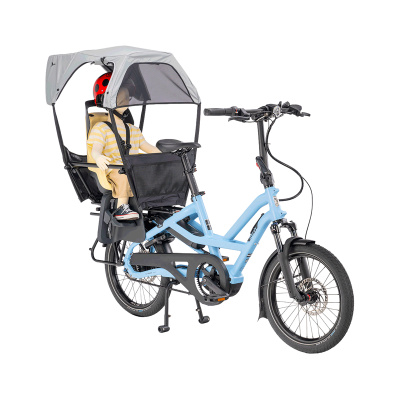
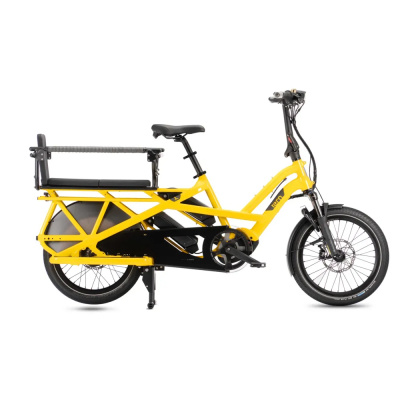
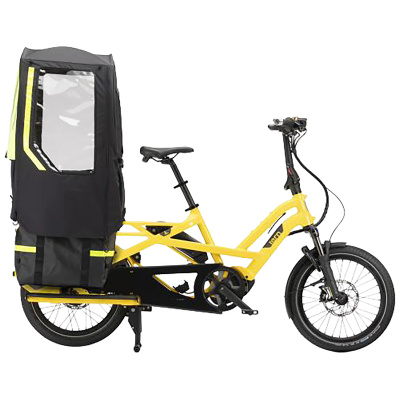
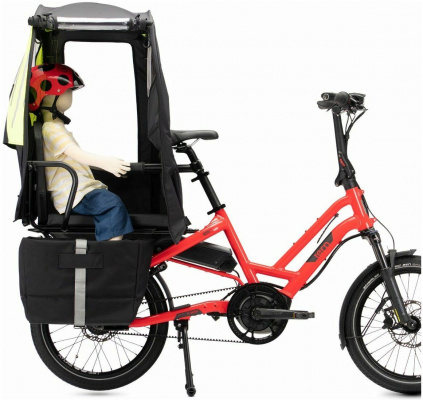
Setting up Tern child seats correctly is one of those decisions that genuinely shapes how your cargo bike handles on the school run - get it right and the whole rig feels planted; get it wrong and you're wrestling a top-heavy machine through the school gate. Tern's passenger ecosystem is built around that reality. The GSD, HSD, and Quick Haul all use heavy-duty rear racks built to ISO 11243 standards, and the GSD and HSD go further still with integrated EasyFit windows machined directly into the rack - no adapter plates, no clunky bolted-on brackets, just a clean, rattle-free connection that you'll appreciate every time you hit a pothole on the commute. The Tern Passenger System is properly modular too. You can run a five-point harness bucket seat for a toddler, step up to Sidekick seat pads for a primary-school-aged child, or deck out the extended GSD rack with a Clubhouse setup for two kids side by side. Age, weight, and your specific Tern model all shape which combination works. Browse our price-compared selection below to find the passenger setup that's engineered for your bike - and your family.

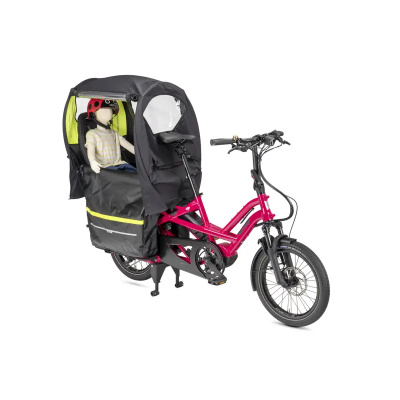
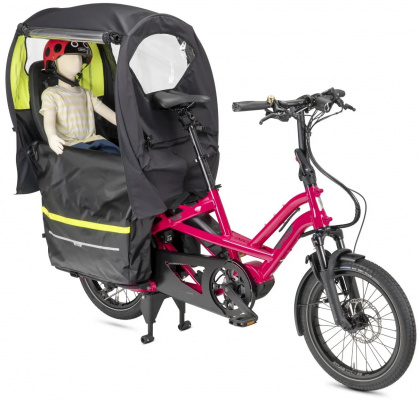
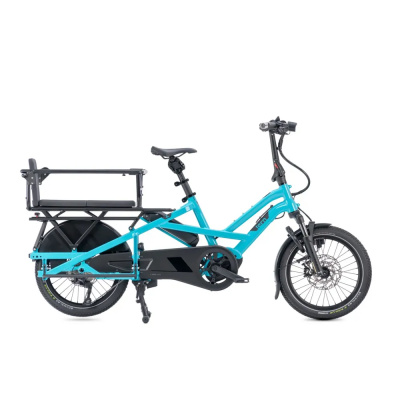
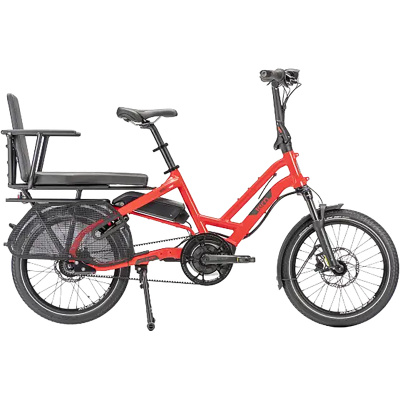
Prices and availability can change quickly. Delivery charges are not always included in listed prices.
Final price, stock status and delivery terms are set by retailer. We may receive a commission on purchases made.
Mounting Standards and Model Compatibility
Not every child seat slots straight onto every cargo bike, so it's worth knowing exactly where your Tern sits in the ecosystem before you buy. The GSD and HSD feature EasyFit windows integrated into their rear racks - a recessed slot that accepts EasyFit-compatible seats like the Thule Yepp Maxi EasyFit with no additional hardware. That direct mounting matters. It keeps the seat low and centred over the axle, which does measurable things for handling stability, especially on a loaded bike in stop-start traffic.
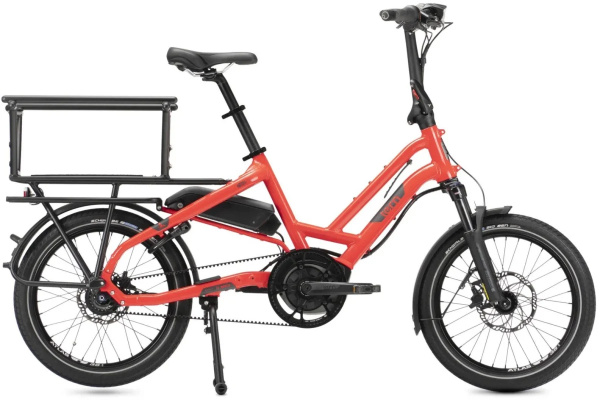
The Quick Haul's rack follows the same ISO 11243 standard but doesn't carry the EasyFit window, so you'll typically need a standard rack-mount seat or a compatible adapter. Worth checking the current spec sheet for your model year before ordering. Rack weight ratings also vary: the GSD's rear rack is rated to a substantial 100kg total passenger load, which is why it can realistically carry two child seats simultaneously. The HSD and Quick Haul are single-seat platforms - they're not built for the same dual-passenger configuration.
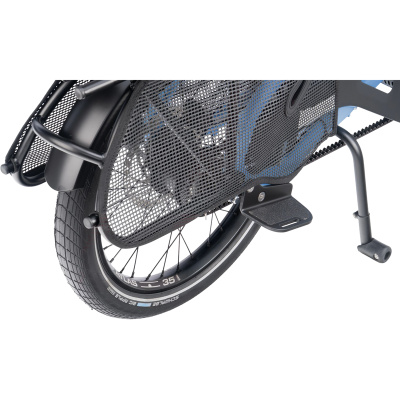
When you're positioning a seat on any of these racks, check heel clearance carefully. Cargo bikes run longer wheelbases than standard bikes, but a poorly positioned seat can still put a child's foot uncomfortably close to the wheel. Foot guards are non-negotiable. If you're planning to haul three or more kids, or need overflow luggage capacity alongside a passenger setup, it's worth looking at Tern trailers as a towing complement rather than overloading the rack.
From Bucket Seats to Clubhouse: Choosing by Age and Ride Style
Tern's passenger hierarchy runs in a logical progression, though it can look complicated at first glance. For children from roughly 9 months to 6 years - those who need a five-point harness and full back support - a conventional bucket-style rear seat is the starting point. Thule Yepp and Bobike are the most commonly paired brands here, and both produce EasyFit-compatible versions that work seamlessly with the GSD rack. Urban Iki is another option worth comparing if you want a softer aesthetic without compromising the mounting rigidity.
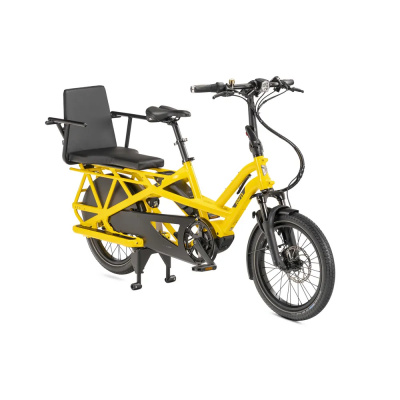
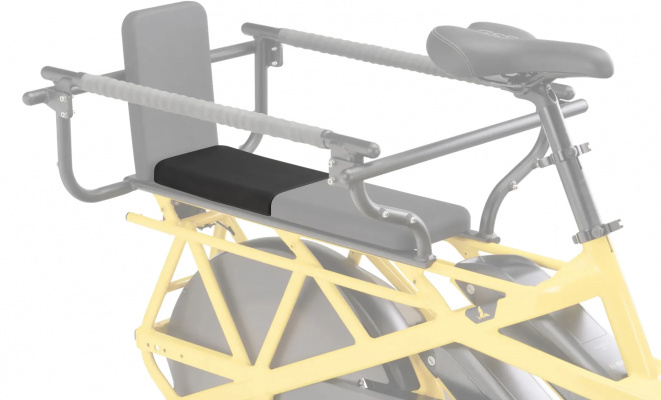
Once a child outgrows the harness seat - typically around 22kg or six years old - Tern's own accessories take over. The Sidekick seat pad transforms the rear rack platform into a padded pillion, giving older kids a comfortable perch on shorter journeys where a full bucket seat would be overkill. It's the kind of thing you'd use for a quick run to the park rather than a full cross-town commute.
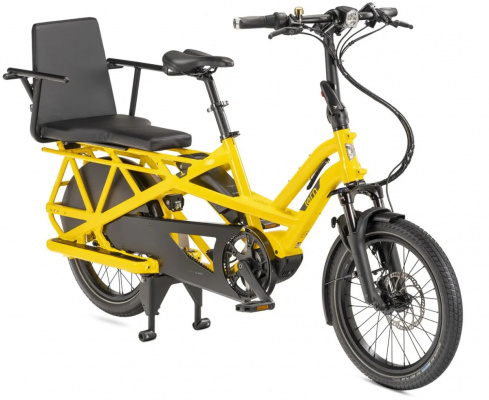
The Captain's Chair sits above that in the system. It's designed for older children or lighter adults, offering a proper supported seat position rather than a bare pad. Pair it with Joyride bars - Tern's integrated handlebar loop for rear passengers - and you've got a setup that's both comfortable and genuinely safe for longer rides. The Clubhouse takes it further again: an aluminium side-rail system that creates a protected zone on the GSD's extended rack, letting two children ride together with a degree of containment. Think of it less as a seat and more as a roll cage for the back of your bike - practical, sturdy, and a lot less anxiety-inducing when you're threading through a busy market town.
The Atlas Lockstand is worth mentioning here because it's often overlooked when people spec out their passenger setup. Loading a child into a rear seat on a heavy cargo bike without a bomber kickstand is genuinely awkward and occasionally dangerous. The Atlas Lockstand keeps the bike vertical and planted while you strap in - it's not glamorous, but neither is chasing a falling GSD across a car park. Check your Tern kickstand spec as part of any passenger setup.
Keeping It Running Through a British Winter
UK roads don't do cargo bikes any favours. Between the potholes, the road grit, and the nine months of drizzle that pass for seasons here, your passenger setup needs regular attention to stay safe and rattle-free.
Foam seat choice matters more than most people realise in this climate. Closed-cell EVA foam - the type used in Thule Yepp seats - doesn't absorb water, so it wipes dry after a wet ride rather than sitting damp under a child's legs all day. Open-cell foam alternatives can hold moisture and deteriorate faster when they're regularly soaked. Worth checking the foam spec before you buy, particularly if you're commuting year-round.
Torque is the other thing that catches people out. Vibration from rough tarmac - and British B-roads can be brutal - gradually works bolts loose over time. A good habit is checking the torque on your rack mounting bolts every 500 miles or so, and doing a quick visual on foot guards and wheel skirts for any signs of rubbing or displacement. The mounting clamp dials on adapter-style seats can also seize up with road grit ingress over winter; a light clean and lubrication of any moving parts every few months keeps them operating smoothly. It takes five minutes and avoids the frustration of a seized adjustment dial when you're in a hurry.
If you're running Tern mudguards alongside a child seat - and you probably should be - double-check clearances after any rack adjustment. It's easy to accidentally shift the mudguard position when repositioning a seat, and a rubbing guard on a fast-spinning wheel is one of those annoyances you don't want to discover mid-ride. Your wider Tern e-bike setup benefits from treating the passenger system and bike accessories as one integrated package rather than separate bolt-ons - because on these bikes, that's exactly what they are.
Tern Child Seats FAQs
Which child seats fit a Tern GSD without an adapter?
The GSD's rear rack has integrated EasyFit windows built into the rack body itself, so EasyFit-compatible seats - most notably the Thule Yepp Maxi EasyFit - mount directly without any additional adapter plate. It's a cleaner, lower-profile connection than a standard rack-and-adapter setup, and keeps the weight centred where you want it.
How many child seats can you put on a Tern cargo bike?
The GSD's extended rear rack can carry two child seats simultaneously, provided the combined passenger weight stays within the 100kg rack rating. The HSD and Quick Haul have shorter racks designed for a single passenger seat - dual setups aren't appropriate on those models. Always factor in luggage weight when calculating total load.
At what age can a child use the Tern Captain's Chair?
The Captain's Chair is intended for children aged roughly 8 and over, or passengers from around 26kg upward. It needs to be used alongside footrests and Tern's Joyride bars to give the passenger a proper handhold - it's not a standalone seat for younger kids who still need harness support.