
Syncros Saddles
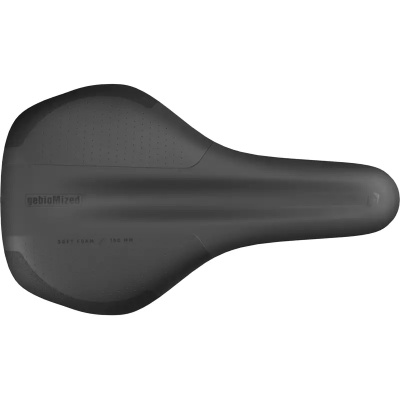
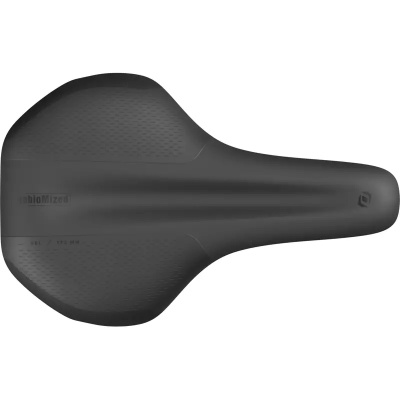
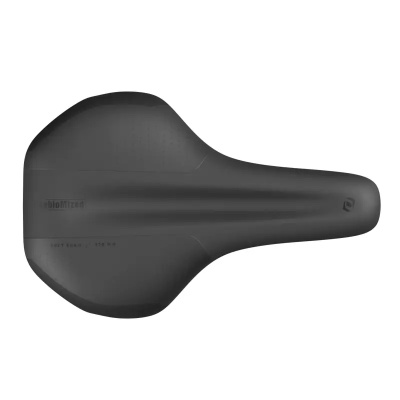
Syncros saddles are developed in partnership with ergonomics specialists Gebiomized, which means the fit system is grounded in pressure-mapping data rather than guesswork. The core idea is straightforward: your pelvic rotation when riding determines which saddle shape actually works for you. Syncros splits this into two camps - V-Concept, designed for riders with high flexibility who hold an aggressive, aero pelvic rotation, and Regular Concept, aimed at riders with a more upright posture and less forward tilt. Get the concept wrong and no amount of padding will fix it.
Beyond the fit philosophy, Syncros builds across a clear tier system - from steel-railed entry points up to full carbon shells with 7x9mm oval carbon rails - so you're only paying for what your riding actually demands. The Direct Mount System adds threaded inserts under the shell for rattle-free saddle bags and camera mounts, which is quietly one of the most practical features on any saddle at this level. Covers use durable PU foam construction that holds up against the kind of abrasive mud you'll find on a wet Welsh trail or a gritty Surrey bridleway. Browse the range below, check your sit bone width, and confirm your seatpost clamp before you buy - rail compatibility matters more than most riders realise.
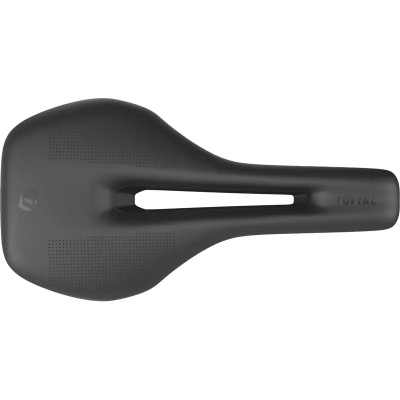
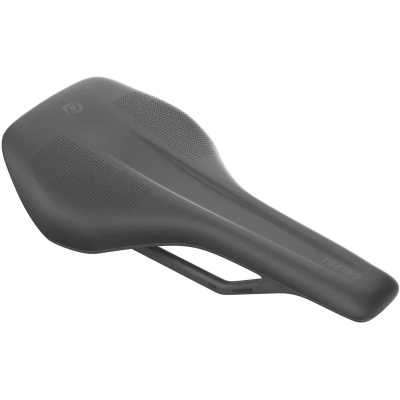
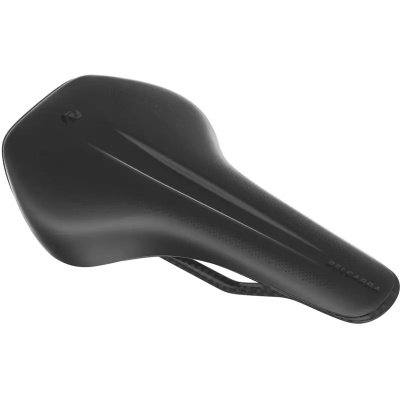
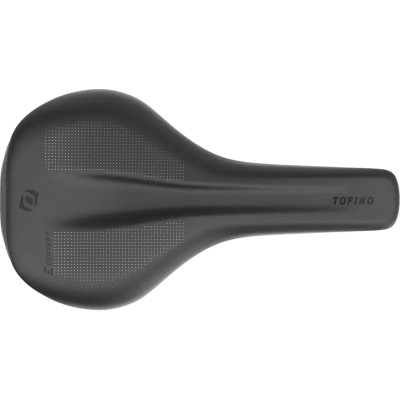
Prices and availability can change quickly. Delivery charges are not always included in listed prices.
Final price, stock status and delivery terms are set by retailer. We may receive a commission on purchases made.
Rails, Clamps and What Actually Fits Your Post
This is the bit that catches people out. Syncros saddles run two distinct rail profiles, and mixing them up with the wrong seatpost clamp is an expensive mistake. Entry-level 2.0 and 2.5 tier models use standard 7x7mm round rails in CrMo or steel - these fit virtually every seatpost clamp on the market without a second thought. Step up to the 1.0 tier and you're into 7x9mm oval carbon rails, which are a different proposition entirely.
The problem with 7x9mm carbon rails is that traditional side-load clamps - the kind that squeeze in from the sides - are designed around a round 7x7mm profile. Force a side-load clamp onto an oval carbon rail and you risk cracking the rail at the contact point. You need either a top-down clamping mechanism or seatpost-specific replacement clamp ears rated for the 7x9mm oval. Always check the seatpost manufacturer's spec sheet. Torque matters too: carbon rails typically require no more than 5 - 8Nm at the clamp - over-tighten and you'll find out the hard way. If you're unsure whether your current post is compatible, our Syncros seatposts and Syncros dropper posts pages list clamp specs alongside each model, which saves a lot of back-and-forth with a torque wrench.
The 1.5 tier sits in the middle - titanium rails at 7x7mm. Titanium offers a natural flex that takes the edge off road buzz, and it works with standard clamps. Worth knowing if you're after the comfort benefit of a non-carbon rail without the compatibility headache.
Model Names and What the Numbers Actually Mean
Syncros keeps the naming logical once you know the key. The model name tells you the shape; the number tells you the build spec. Here's how it breaks down.
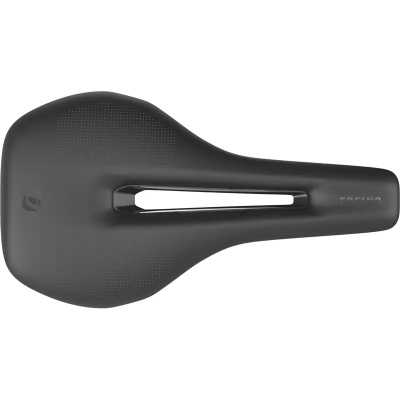
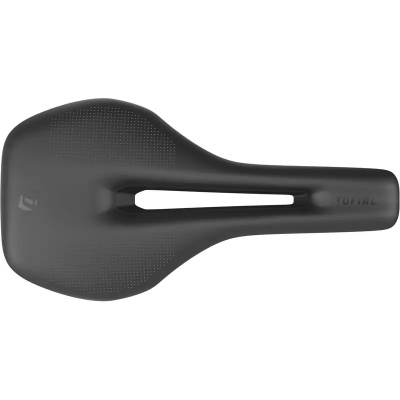
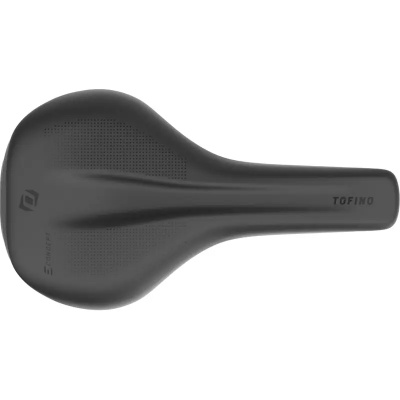
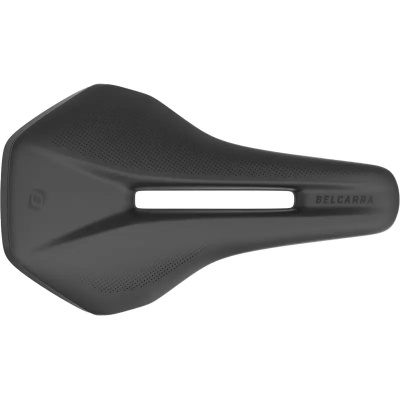
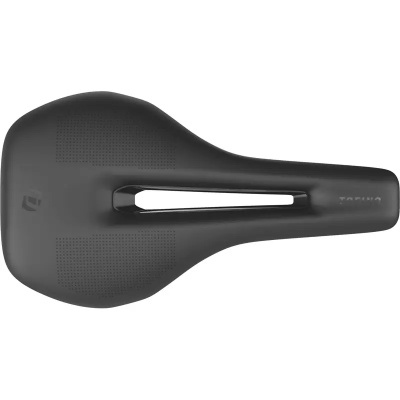
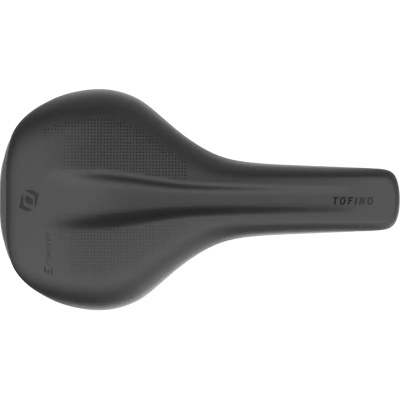
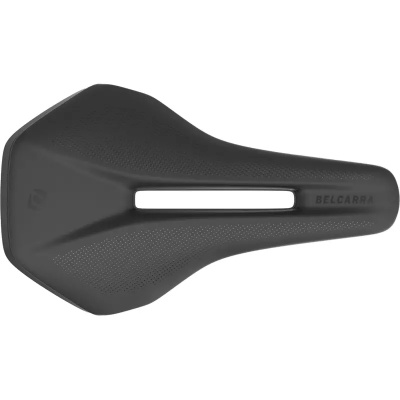
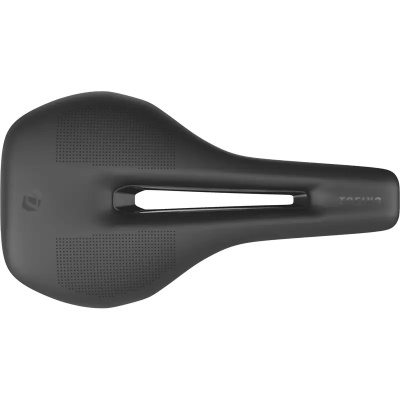
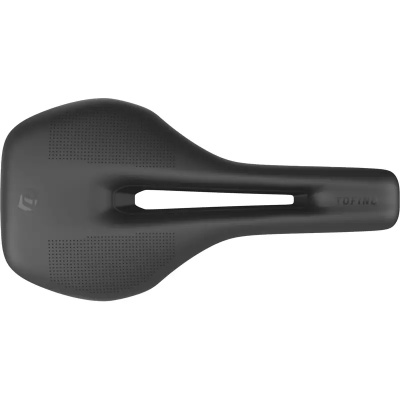
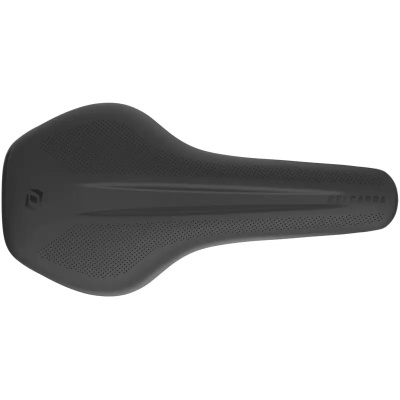
The Belcarra is the V-Concept saddle - flatter profile, longer nose, designed for riders who rotate their pelvis forward into an aggressive position. Think road racing, time trialling, or a performance XC setup. If you're on the drops most of the ride, this is your direction. For the Syncros Belcarra vs Tofino question that comes up constantly: the Tofino is the Regular Concept model, with more curve through the shell to support a more upright pelvic posture. It suits endurance road riding, gravel, or trail riding where you're sitting rather than perching. Neither is better - they serve genuinely different body mechanics.
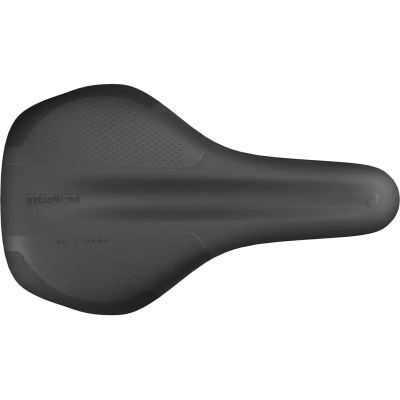
The Savona is the women's-specific option within the Regular Concept family, shaped around typically wider sit bone measurements and a shorter nose. The Capilano is the trekking-oriented model - wider, more cushioned, built for long days in the saddle on a more relaxed geometry. Not a performance saddle, but exactly right for its job.
Then the tiers. 1.0 gets you carbon rails and often a carbon-reinforced shell - the lightest option and the one serious Syncros V-Concept saddles riders tend to target for race builds. 1.5 drops to titanium rails, which is where most riders find the best balance of weight, compliance, and cost. 2.0 uses CrMo rails - durable, heavier, genuinely hard to break, and the most forgiving if you're rough on bikes. 2.5 is steel, entry-level, and does the job without pretension. The jump from 2.0 to 1.5 is where you feel the difference most noticeably; the jump from 1.5 to 1.0 is largely about grams. If you're comparing Fizik or Ergon at a similar tier, the Syncros numbering system maps reasonably well to how those brands structure their own ranges - so use it as your reference point rather than getting lost in model names.
Sit bone width determines the saddle width you select. Syncros typically offers 130mm, 140mm, and 150mm options across the range. Narrower isn't faster - it's just wrong if your sit bones need more support. A quick sit-bone measurement at a decent LBS takes five minutes and saves months of discomfort.
Keeping Syncros Saddles Honest Through a UK Winter
UK riding conditions have a specific way of finding weaknesses in saddle construction. The most common complaint with any saddle used through winter - and Syncros is no exception - is creaking at the rail-to-shell insertion points. Grit and road spray work into the interface and cause that maddening click on every pedal stroke. Fix is simple: a small drop of dry lube or silicone spray where the rail meets the shell, reapplied every few months. Don't use wet lube - it attracts more grit and makes the problem worse.
The PU foam covers on Syncros saddles hold up well against the abrasive mud you'd pick up on trails around the Peak District or the Welsh Valleys, but the edges of the cover - particularly at the nose and rear - can show wear over time on saddles used hard off-road. There's no magic fix beyond keeping the saddle clean and avoiding unnecessary pressure on the nose when loading the bike. If the cover does wear through, that's where the Syncros saddle spares page is worth bookmarking. Cold also stiffens the foam noticeably in winter - the shell flex built into the higher-tier models compensates for this better than a rigidly stiff base would.
The Direct Mount System deserves a specific mention here. The threaded inserts under the shell let you run saddle bags and mounts without the rattle that comes from conventional strap-and-clip systems - useful when you're on rough ground and don't want your storage shifting around. If you want to take advantage of it, our Syncros saddle bags page covers compatible options. It's a genuinely practical feature that Brooks and most traditional saddle makers don't offer at all.
Syncros Saddles FAQs
How do I choose the right Syncros saddle?
Start with your riding position: if you're aggressive and aero with high pelvic flexibility, look at V-Concept models like the Belcarra. If you ride more upright, the Regular Concept Tofino is the better fit. Then measure your sit bone width - Syncros typically offers 130mm, 140mm, and 150mm widths - and match it to the saddle width rather than guessing by feel.
What is the difference between Syncros Belcarra and Tofino?
The Belcarra uses Syncros' V-Concept shape: flatter profile, longer nose, designed for riders who rotate their pelvis well forward into an aggressive position. The Tofino is a Regular Concept saddle with more curve through the shell, suited to riders with less pelvic rotation who sit in a more upright endurance position. Same tier system, genuinely different geometry.
Are Syncros carbon saddle rails compatible with all seatposts?
No. The 1.0 tier uses 7x9mm oval carbon rails, which won't work safely with side-load clamps designed for standard 7x7mm round rails. You need a top-down clamping seatpost or replacement 7x9mm clamp ears. Always torque to the manufacturer's spec - typically 5 - 8Nm max - and check your post's compatibility before fitting.