
Stans No Tubes MTB Wheels
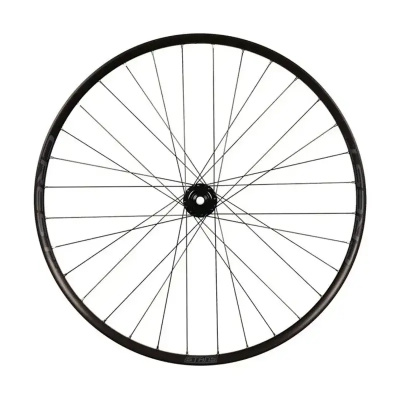
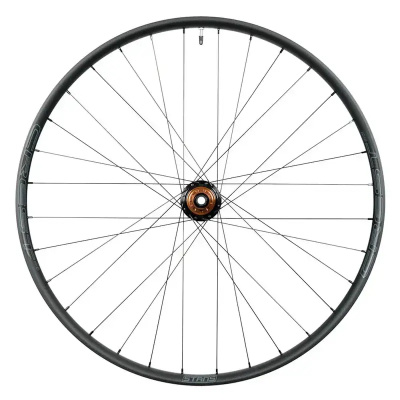
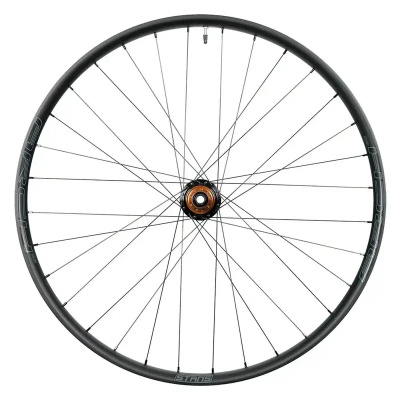
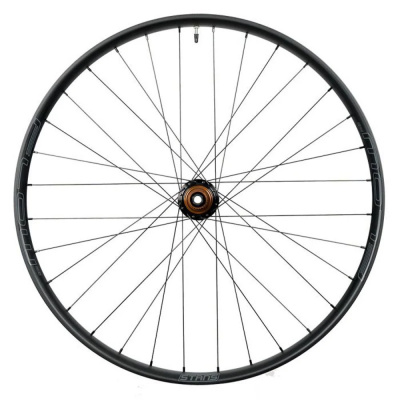
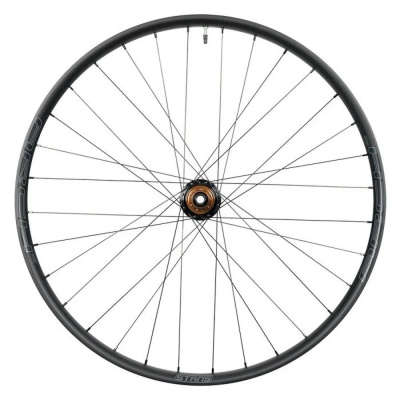
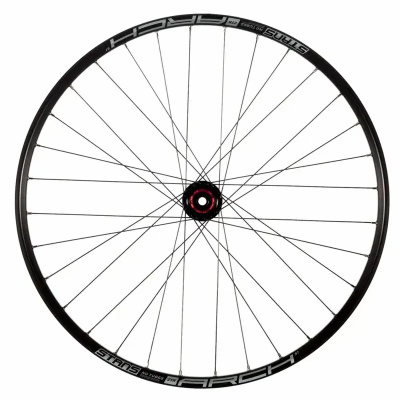
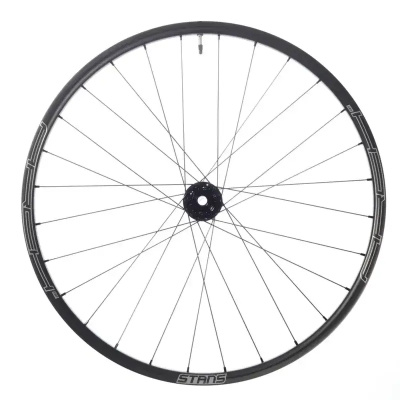
Stan's NoTubes MTB wheels sit at the foundation of modern tubeless riding - the brand that genuinely changed how mountain bikers think about tyre pressure, grip, and puncture protection. Their Bead Socket Technology (BST) is the centrepiece: a low-profile rim sidewall that lets your tyre bead lock securely at pressures that would have a traditional rim spitting the bead clean off. That matters a lot on wet Welsh roots or greasy off-camber mud, where you need to drop pressures low enough to feel the tyre conform to the ground beneath you.
The range runs from featherlight Crest XC hoops through the versatile Arch trail wheelsets up to the wide, tank-like Flow rims for enduro and e-bikes. Hub options span M-pulse magnetic pawl designs for minimum drag to reinforced E-sync hubs for heavier loads and rougher treatment. Boost 148mm and Super Boost 157mm axle spacing are covered throughout, so fitment across modern frames is largely straightforward.
All factory wheelsets arrive tubeless ready - taped and valved - so you're a bottle of sealant away from being sorted. For UK riders who spend half their rides in the grim and the other half fixing mechanicals in a car park, that simplicity is worth a lot.
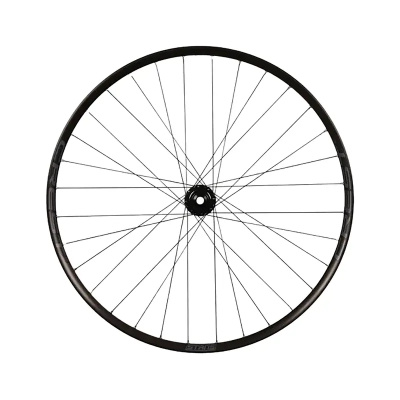
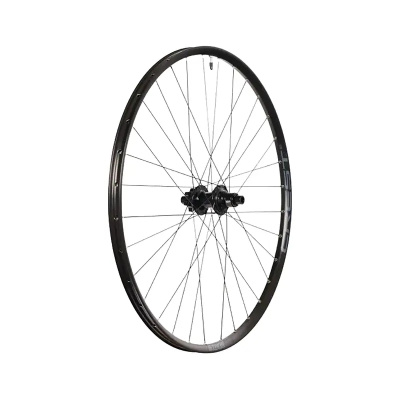
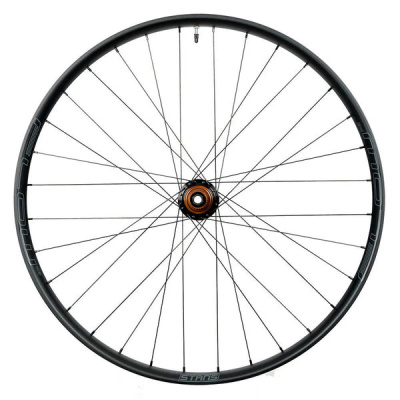
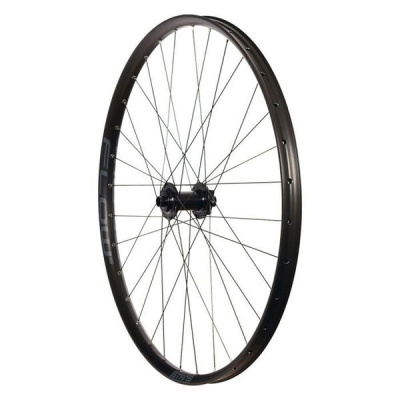
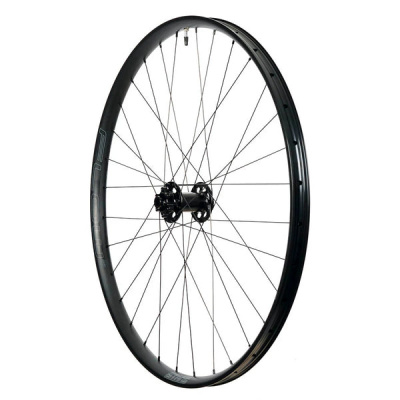
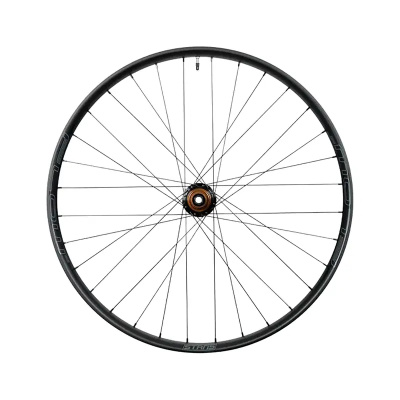
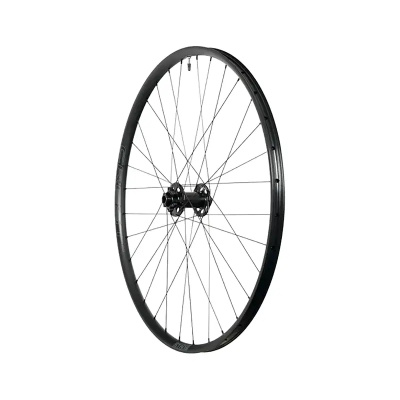
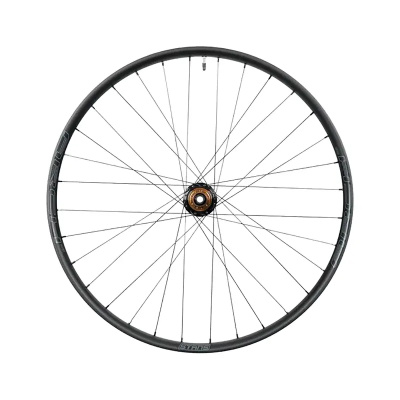
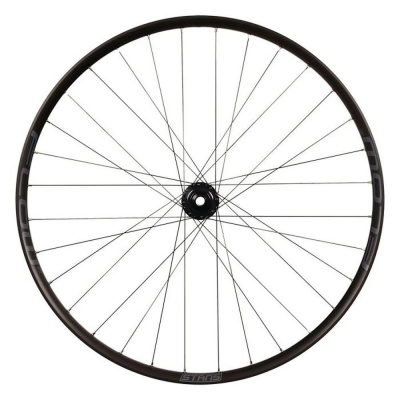
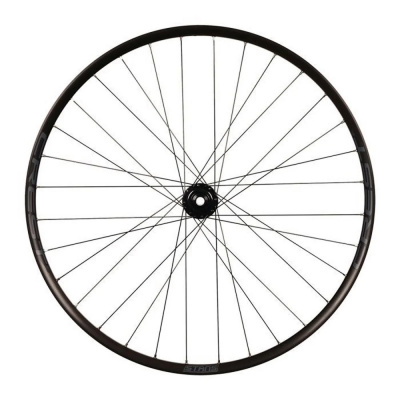
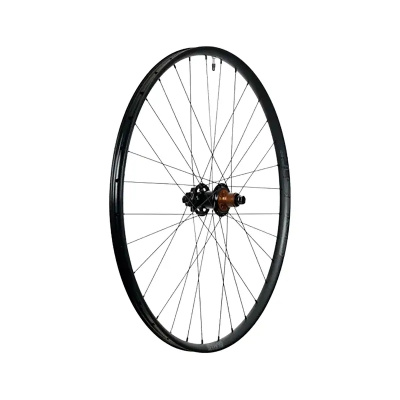
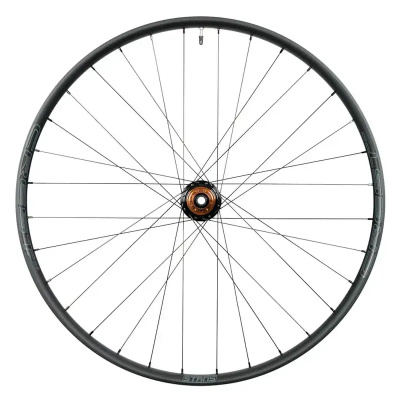
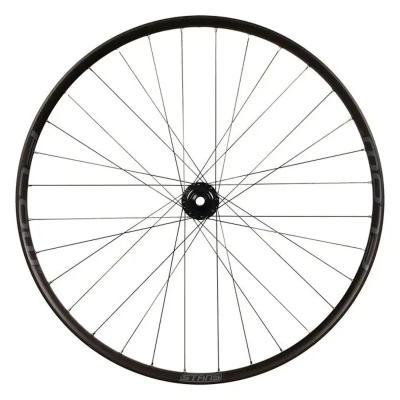
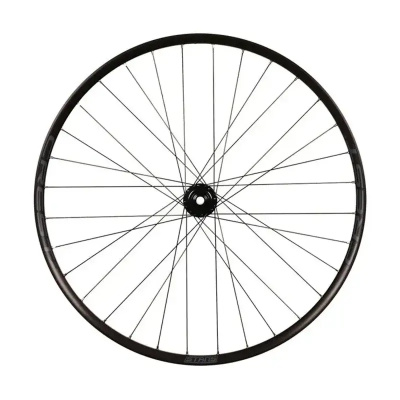
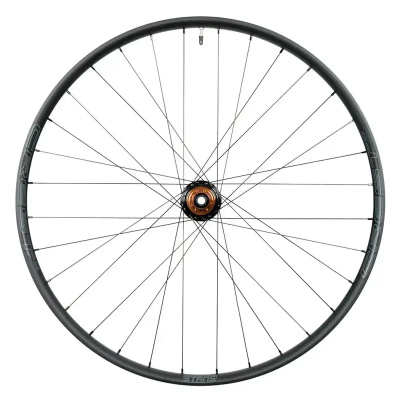
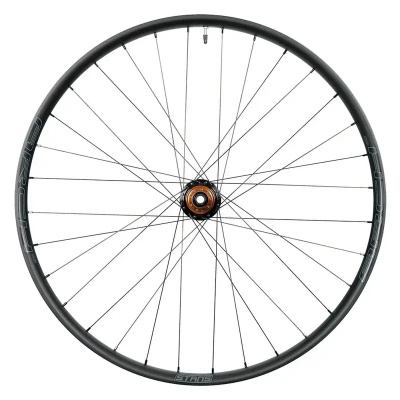
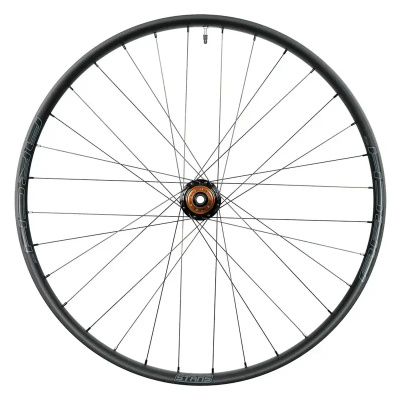
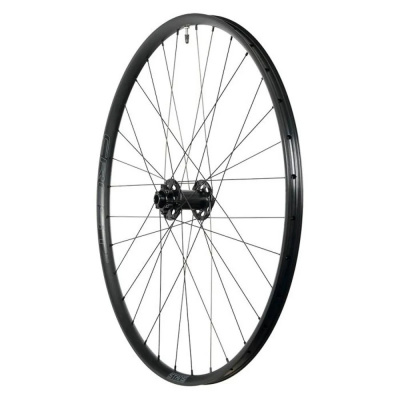
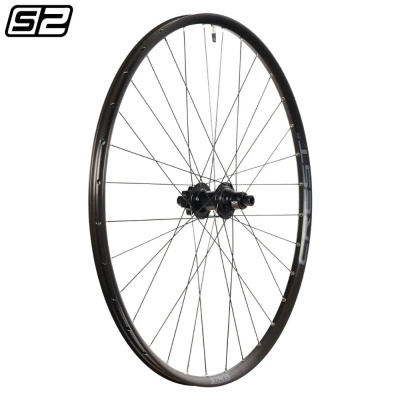
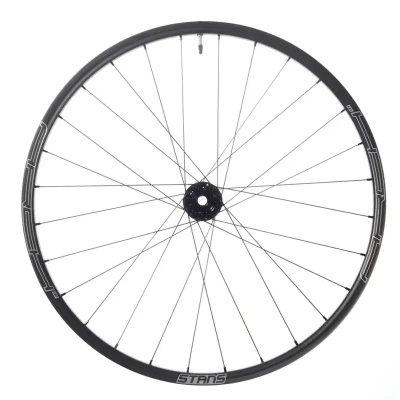
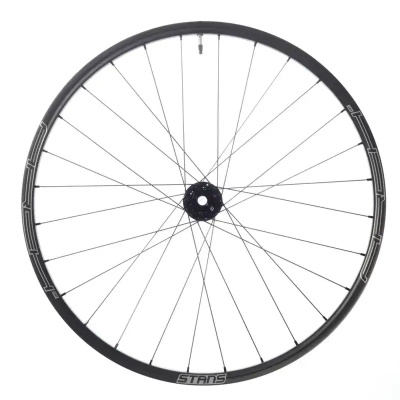
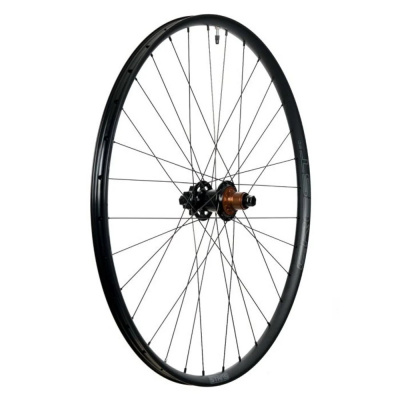
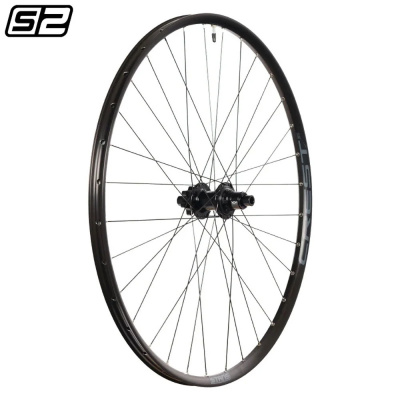
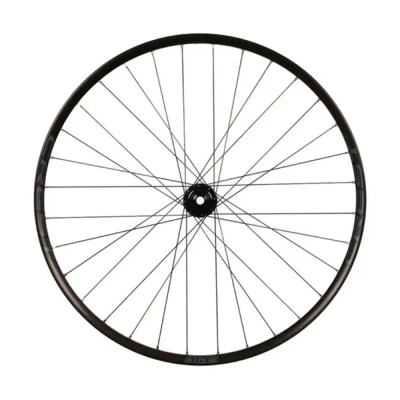
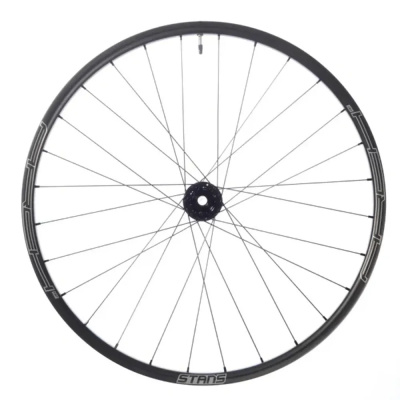
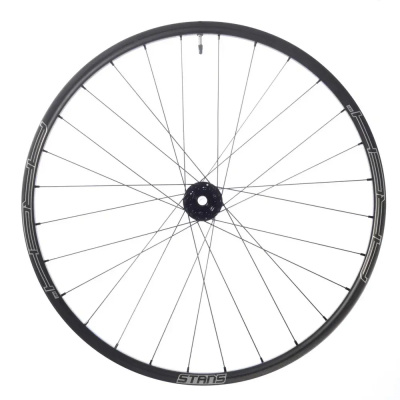
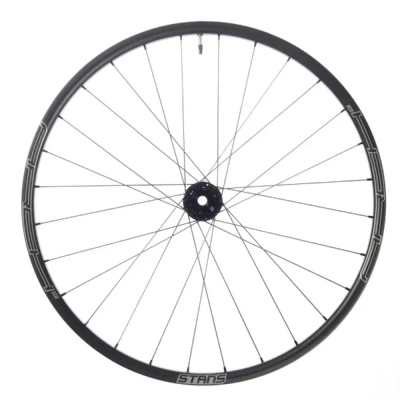
Prices and availability can change quickly. Delivery charges are not always included in listed prices.
Final price, stock status and delivery terms are set by retailer. We may receive a commission on purchases made.
Axle Standards, Rotor Mounts, and Freehub Bodies
Getting the right Stan's NoTubes MTB wheels for your frame starts with three compatibility checks: axle spacing, brake rotor standard, and freehub driver. Stan's covers the full spread of modern axle widths - 142mm non-Boost for older or budget trail frames, Boost 148mm as the current mainstream standard, and Super Boost 157mm for frames designed around plus or mullet setups that demand extra tyre clearance and chain-line optimisation. Check your dropout spec before you click buy; mixing these up means the wheel won't sit squarely in the frame.
On the brake side, Stan's offers both 6-bolt rotor mounts and Centerlock across the range. Centerlock is cleaner to set up and more common on higher-end builds, but 6-bolt is still widely used and works fine - just make sure your rotors match your hubs. Freehub body options cover Shimano HG, Micro Spline (for Shimano 12-speed), and SRAM XD driver for Eagle drivetrains. Most wheelsets let you swap the driver body separately, so if you upgrade your groupset later you're not stuck buying new wheels.
If you're building a custom wheelset from the ground up or hunting for spare drivers and bearings, we stock dedicated Stan's NoTubes hubs and Stan's NoTubes rims separately - head to those pages for the full spec rundown rather than trying to piece it together here.
Crest, Arch, and Flow: Choosing Your Rim Profile
Stan's NoTubes 29er wheels and 27.5 options both follow the same three-tier logic, so once you understand what each rim is doing structurally, picking the right one gets straightforward. Crest is the lightest of the three, with a narrower internal width sitting around 25mm. It's built for XC racers and fast trail riders who prioritise rotating weight and efficiency over impact resistance. Pair it with a 2.2 - 2.35 tyre and it works well; push wider than that and you're not getting the casing support the rim was designed for.
Arch is the one most UK trail riders will land on. Internal widths typically run around 29 - 30mm, which is the practical sweet zone for 2.3 - 2.5 tyres - wide enough to support the casing properly without forcing the tyre into an over-stretched profile. It's meaningfully stiffer laterally than the Crest without adding significant weight, and it handles the kind of riding you'd find on a typical Lakes or Peak District loop: rooted climbs, loose descents, the odd rock garden. The MK4 revision of the Arch tightened up the spoke bed geometry and improved the BST bead channel, making tubeless inflation noticeably more reliable than older versions.
The Flow range is wider still - internal widths around 35mm or more - and built for punishment. It's the go-to for enduro, bike park laps, and e-MTB builds where rim denting is a genuine concern. The E-sync hub variant pairs naturally with Flow rims for e-bike use; those hubs use reinforced pawls and double-row Enduro bearings that cope significantly better with the torque loads a mid-drive motor puts through the drivetrain. If you're considering Stan's Flow vs Arch wheelset purely for weight savings, the Arch wins - but if you're regularly case-landing drops or riding a motor-assisted bike, the Flow's extra material is doing real work.
Carbon options - the CB7 and Podium lines - use Stan's RiACT (Radial Impact Absorbing Carbon Technology), a layup design that allows the rim to absorb road and trail vibration radially without sacrificing lateral stiffness. In practical terms it takes the buzz out of chatter without making the rim feel vague. It's a genuine engineering trade-off addressed at the material level, rather than just marketing copy about compliance.
Stepping up from the S-series to MK4 or carbon gets you tighter tolerances on the spoke bed, improved joint quality, and in the hub, better engagement speed from the M-pulse magnetic pawl system. The magnetic pawls stay in contact with the ratchet ring more consistently than spring-loaded designs, which translates to less free-spin before the drive engages - noticeable when you're clipping back in on a steep, technical roll-in. If Hope MTB wheels are on your shortlist for the same reasons, it's worth comparing hub engagement specs directly; both brands take serviceability seriously, but the mechanisms differ.
Keeping Stan's Wheels Running Through a UK Winter
The best Stan's Crest XC wheelset or burly Flow build will underperform quickly if the maintenance side gets ignored, and UK conditions are particularly unforgiving. Scottish grit and Peak District mud paste work into bearing seats fast; the E-sync hubs mitigate this with their double-row Enduro bearings, but even those need checking. A reasonable interval for bearing inspection is every 40 - 50 hours of wet winter riding - pull the axle, check for play, and regrease or replace before they get noisy. Caught early, it's a ten-minute job; left too long, it starts eating into the hub shell.
On the tubeless side, Stan's factory wheelsets arrive pre-taped with their yellow rim tape and valves already installed. You're adding tyres and Stan's sealant to complete the setup - that's it. In winter, check sealant levels every four to six weeks; it dries out faster than you'd expect in cold air, and a dried-out rim is the reason most people get mid-ride sidewall failures they blame on the tyre. Top up through the valve using the injector, no need to unseat the bead. If the tape ever needs replacing after a bad pinch or rim impact, Stan's rim tape is cut to specific widths to match their own rim profiles, which makes re-taping cleaner than using generic tape. New tubeless valves are cheap enough that replacing them annually is worth doing - the cores corrode in muddy conditions and a blocked valve is a frustrating problem to diagnose mid-ride.
The M-pulse hubs are designed for low-drag trail and XC use, and while they're sealed adequately for normal conditions, they aren't the hub to run without any maintenance attention if you're riding exposed moorland all winter. Clean and inspect the pawl area when you service your bearings. For consistently grim conditions, DT Swiss MTB wheels with star-ratchet internals offer a different maintenance profile worth comparing if hub longevity is a primary concern for you.
Worth noting: if you're running a 29er frame and debating tyre width, BST makes a genuine difference to how the rim handles low pressures. The bead locks into the socket geometry rather than relying solely on air pressure to stay seated, which is why Stan's NoTubes 29er wheels handle the kind of sub-20psi pressures that would burp a standard rim. For mixed-condition UK riding where grip trumps everything on a damp descent, that's not a trivial advantage. Mavic MTB wheels and Halo MTB wheels both have tubeless-compatible options, but BST's bead lock geometry remains specific to Stan's.
Stans No Tubes MTB Wheels FAQs
What is the difference between Stan's Flow, Arch, and Crest wheels?
Crest is the lightweight XC option with a narrower internal width, suited to fast trail and race use. Arch sits in the middle - around 29 - 30mm internal - making it the most practical choice for general trail riding with 2.3 - 2.5 tyres. Flow is the widest and most impact-resistant of the three, built for enduro, bike park riding, and e-MTB use where rim strength matters most.
Are Stan's NoTubes wheels good for mountain biking?
Yes, and genuinely so - not just by reputation. Bead Socket Technology makes tubeless setup reliable and keeps the bead seated at the low pressures UK trail conditions often demand. The modular hub design means you can swap freehub bodies or replace bearings at home without specialist tools, which keeps long-term running costs sensible.
Do Stan's wheels come pre-taped for tubeless?
All complete Stan's NoTubes factory wheelsets come pre-taped with their yellow rim tape and tubeless valves already fitted. Add your tyres and sealant and you're set. If you're buying a rim separately to build up a custom wheel, you'll need to tape it yourself - Stan's rim tape cut to the correct width is the cleanest way to do that.