
SRAM Power Meters
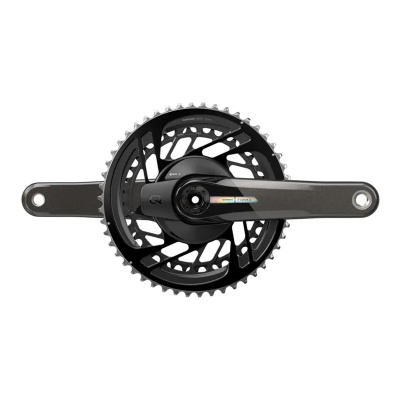
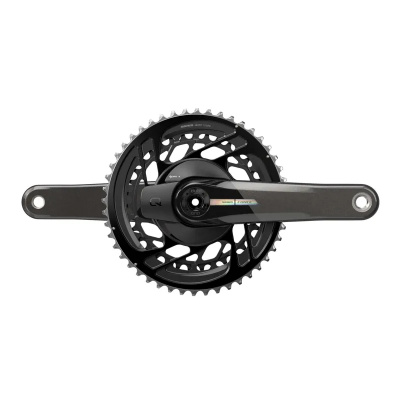
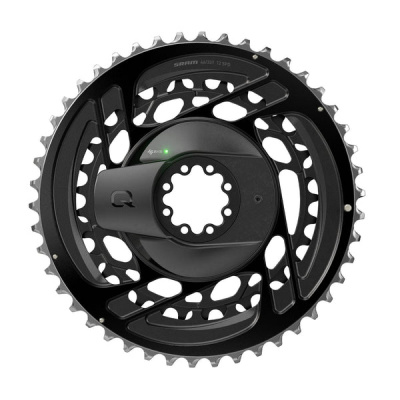
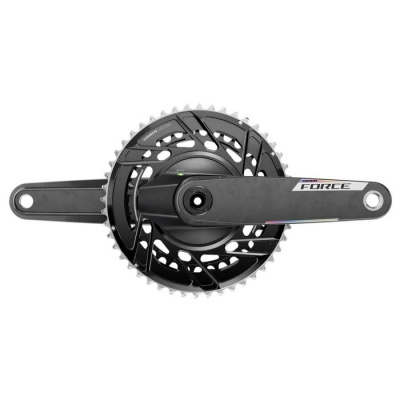
SRAM power meters put Quarq DZero technology at the heart of your training - and if you're serious about hitting numbers rather than guessing at effort, that matters. Whether you're holding a pace line together on a club run or threading out a time trial on a damp Tuesday evening, you need data you can trust. SRAM delivers that with +/- 1.5% accuracy, which sits comfortably among the best in the category.
Connectivity is handled via dual ANT+ and Bluetooth Low Energy, so pairing with a Garmin, Wahoo, or Coros head unit takes seconds. The whole system slots neatly into the SRAM AXS ecosystem, letting you manage firmware, check battery status, and run calibration straight from your phone. No faff, no separate dongles.
Then there's the weather. UK riding means road spray, grit-laden lanes, and mornings that start at two degrees and climb to twelve by noon. IPX7 waterproofing keeps the internals protected, while MagicZero automatic calibration means the unit sorts itself out as you roll - no spinning the cranks backwards in a freezing car park before every ride. Reliable, practical, and genuinely compatible with the rest of your drivetrain.

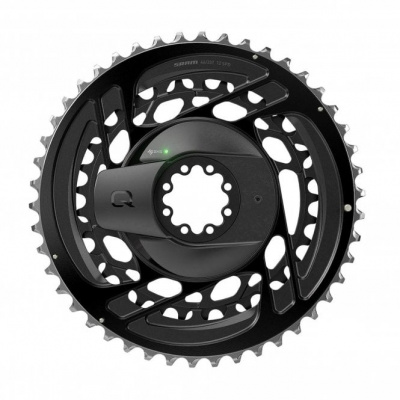
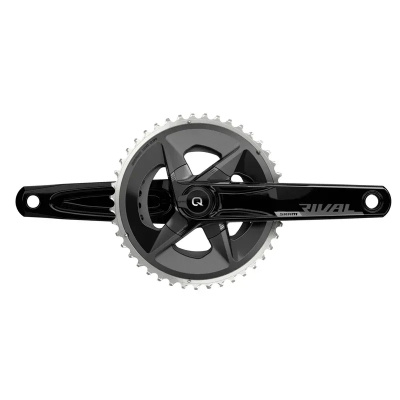

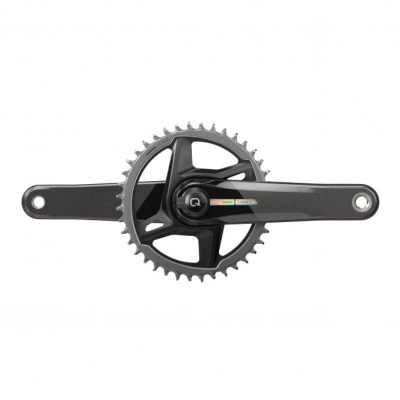
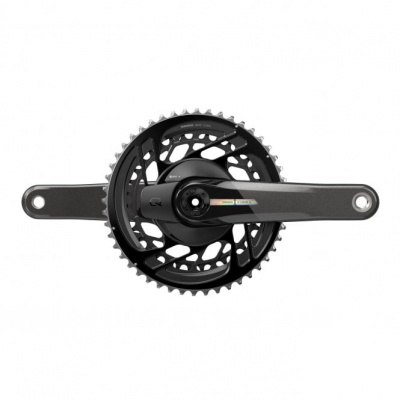

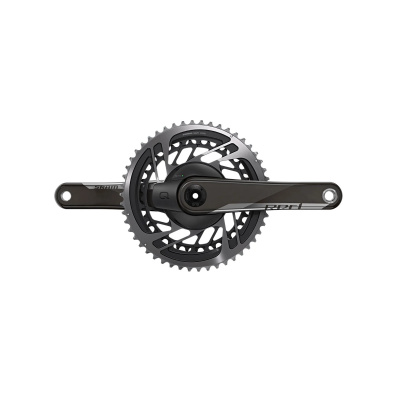
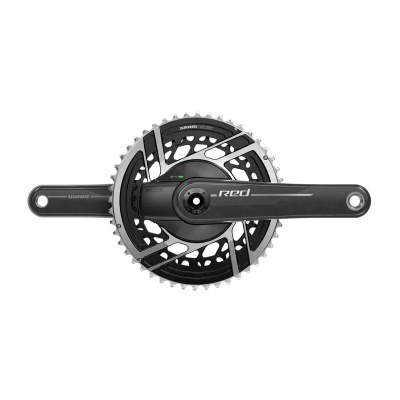
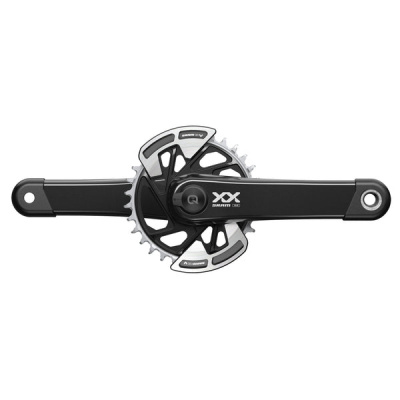
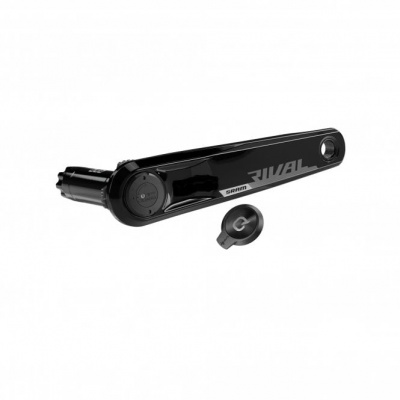
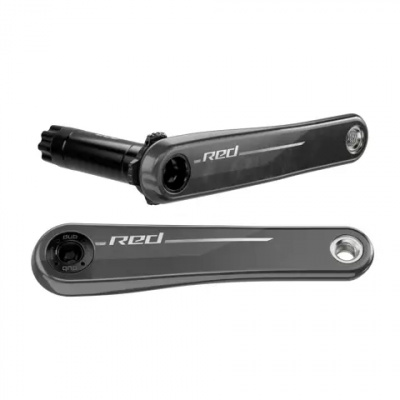
Prices and availability can change quickly. Delivery charges are not always included in listed prices.
Final price, stock status and delivery terms are set by retailer. We may receive a commission on purchases made.
Connectivity and App Integration
Dual ANT+ and Bluetooth Low Energy might sound like standard kit now, but SRAM's implementation is cleaner than most. Both protocols broadcast simultaneously, so your Garmin picks up wattage while your phone logs the session through the SRAM AXS app at the same time. No choosing one or the other. Pairing is fast - genuinely faster than wrestling with some rivals' Bluetooth handshakes - and the signal holds steady even when you're pushing hard through a descent where your head unit bounces around.
The AXS app itself does more than just pair devices. You get live battery percentage, access to firmware updates, and a manual zero-offset tool if you ever want to run calibration yourself. It's also where you'll find ride data overlays if you're running a full AXS groupset. Think of it as a quiet background manager rather than anything you need to prod constantly. For riders already in the AXS ecosystem with SRAM computer mounts or wireless shifting, adding a power meter here is genuinely seamless.
MagicZero deserves a specific mention. Traditional power meters need a manual zero-offset before each ride to account for temperature changes and positional drift. MagicZero handles this automatically during normal pedalling, which removes one more thing to remember when you're trying to get out the door on a dark winter morning. It's not magic - it's clever sensor logic - but the practical effect is that your numbers are accurate from the first pedal stroke without you doing anything.
Accuracy, Battery, and Coping with British Conditions
The +/- 1.5% accuracy figure from Quarq DZero technology is consistent across the range and holds up whether you're sprinting or grinding. What actually separates SRAM here is the 10K Active Temperature Compensation. Temperature swings are a fact of UK riding - a freezing start in the Peaks that turns mild by the time you're climbing back to the car will throw off a power meter that doesn't account for it. SRAM's system recalibrates its internal reference every ten seconds, so wattage drift from thermal changes is minimised throughout a long ride rather than accumulating quietly in the background.
Battery life is refreshingly straightforward. Most units run on a standard CR2032 coin cell or AAA lithium battery, giving around 400 hours of ride time. You won't be hunting for a proprietary charger or rationing rides because you forgot to plug something in. A CR2032 costs next to nothing, fits in a jersey pocket as a spare, and takes thirty seconds to swap. Check remaining life anytime via the AXS app or directly through your paired head unit. Compared to rechargeable alternatives from Favero or Garmin, the consumable battery approach splits opinion - but for winter riders who go weeks between long rides, not worrying about charge state is genuinely useful.
The IPX7 waterproof rating means submersion up to one metre for thirty minutes. That's well beyond what a soaking on the Quantocks or a flooded B-road crossing will throw at it. The unit won't corrode internally from repeated exposure to road salt and grit, which is a real concern on year-round riding.
Installation, Compatibility, and Drivetrain Fit
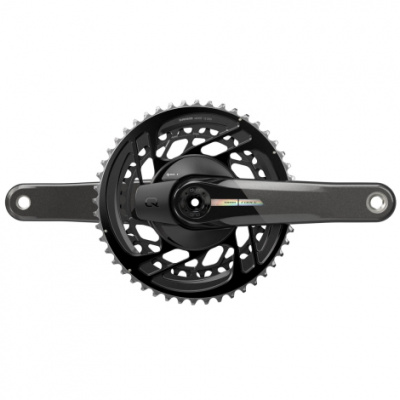
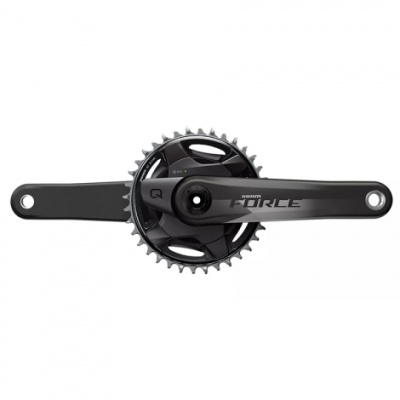
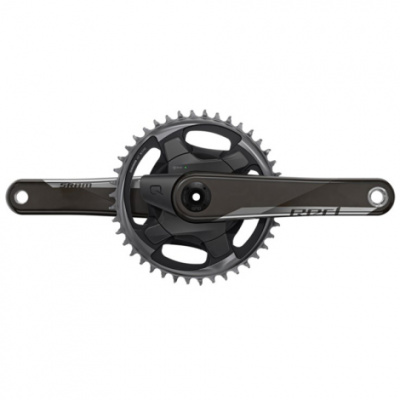
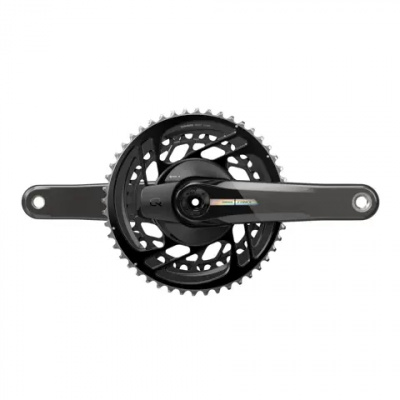
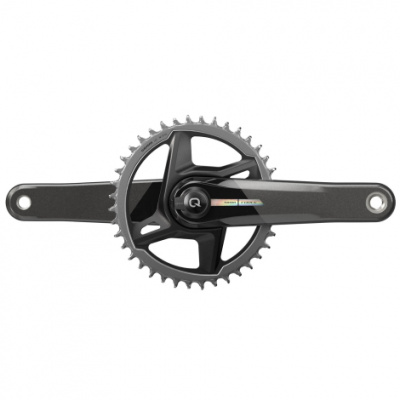
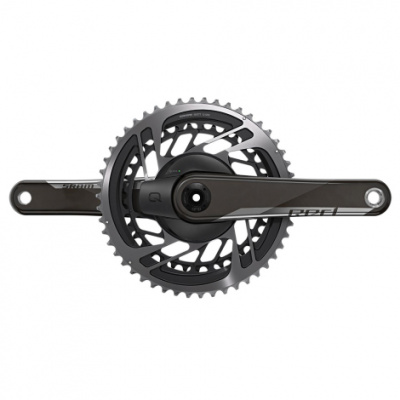
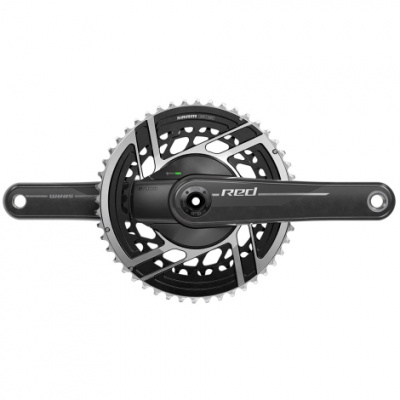
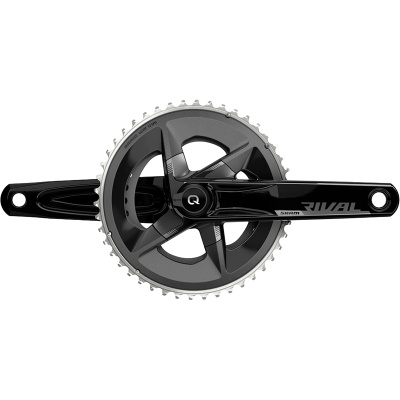
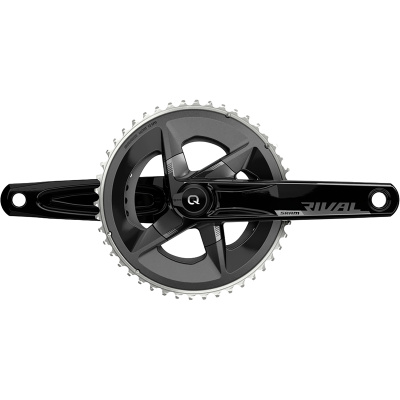
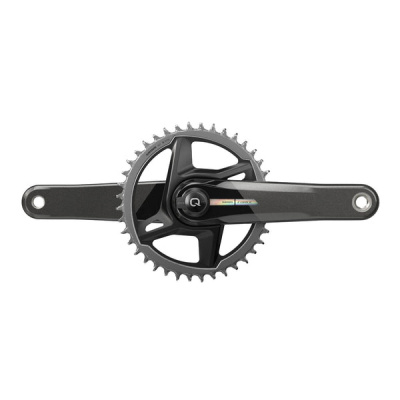
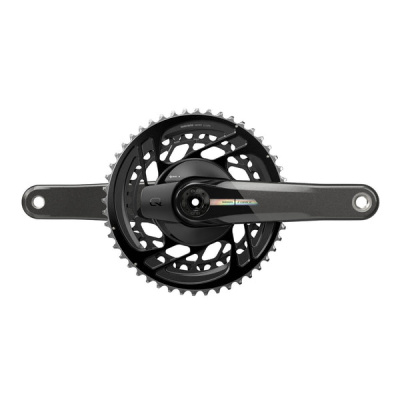
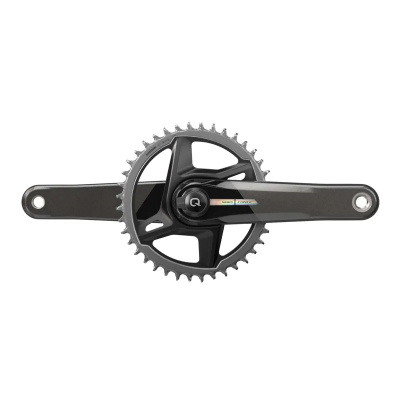
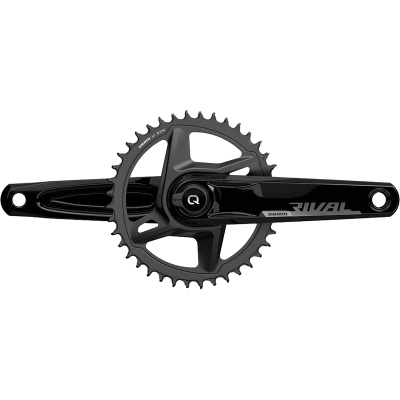
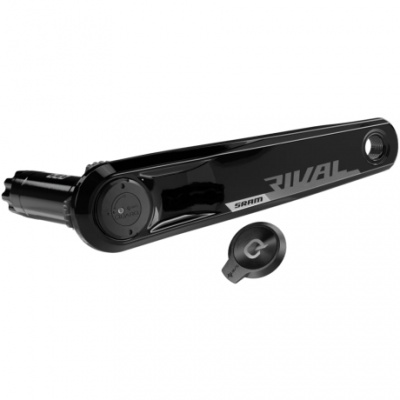
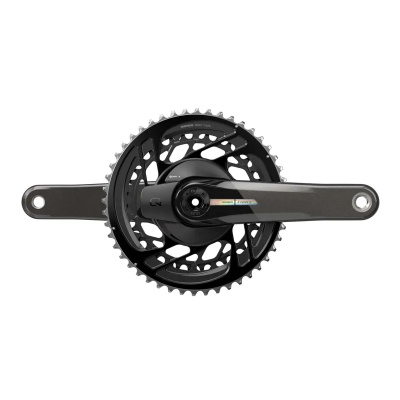
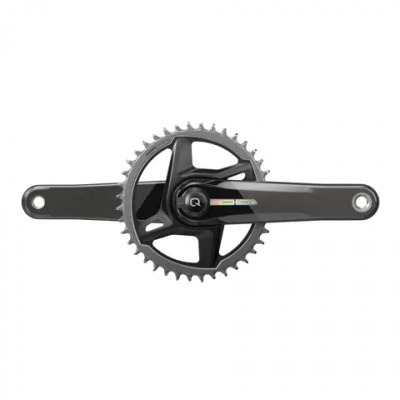
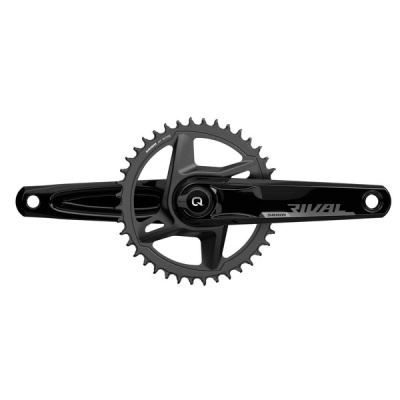
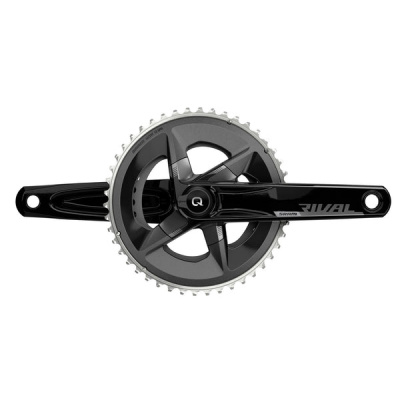
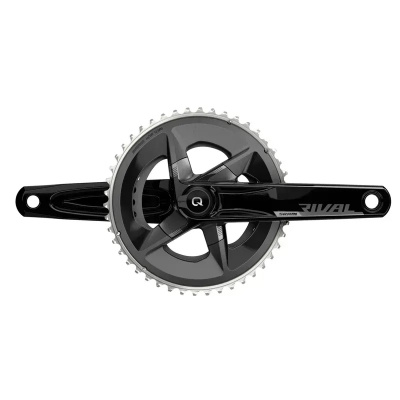
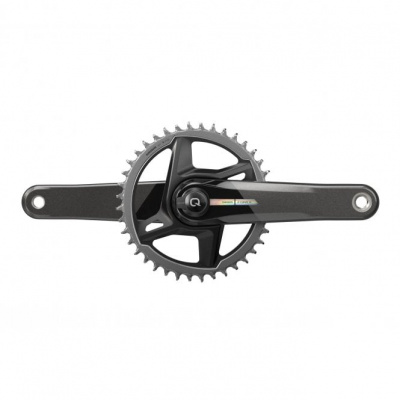
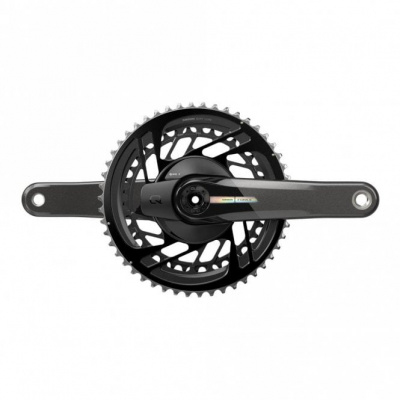
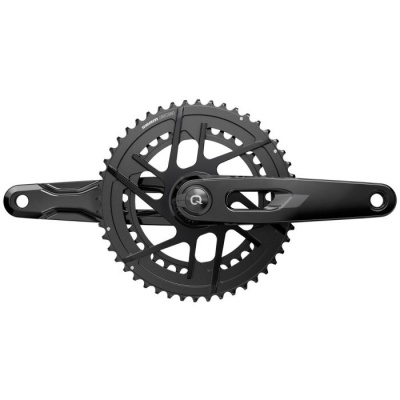
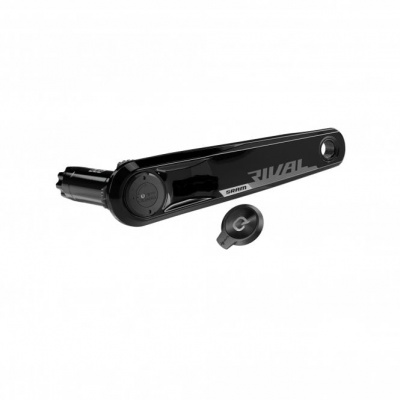
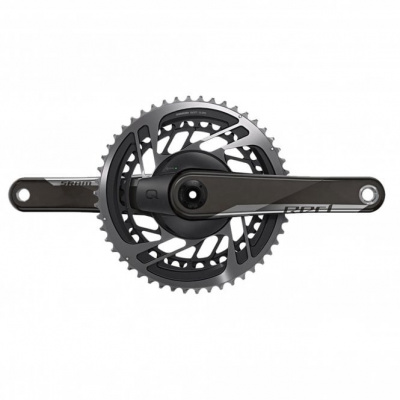
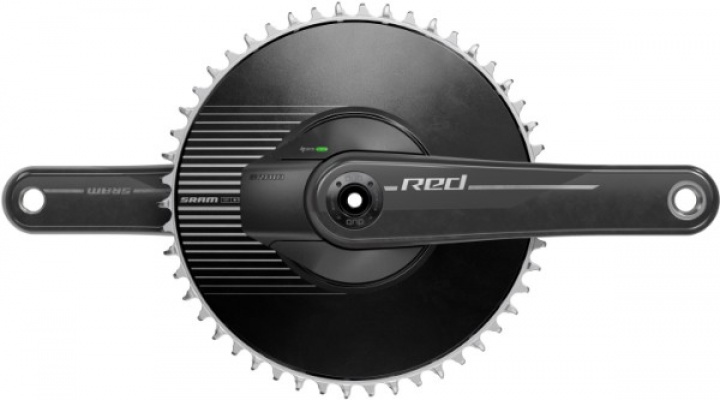
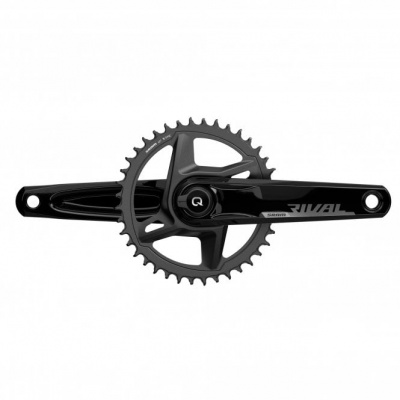
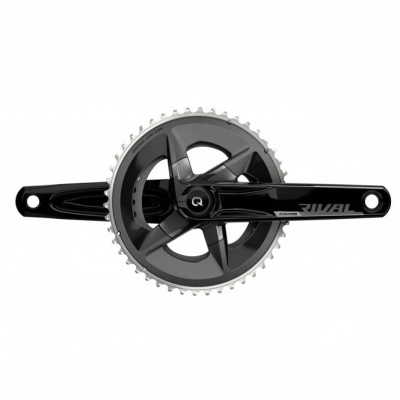
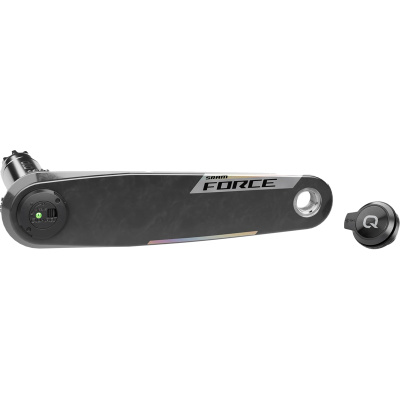
Getting a SRAM power meter onto your bike is straightforward if you know where each version sits in the range. The key split is between spindle-based units - used on Rival and Force DUB cranksets - and the spider or integrated chainring setups on Red. Rival and Force spindle upgrades replace the non-drive-side crank arm and spindle, keeping your existing chainrings. Red integrates the measurement into the spider or chainring carrier, which is a cleaner setup but less separable if you're upgrading incrementally.
All current SRAM power meters use the DUB bottom bracket standard, so compatibility comes down to your frame's shell type - threaded, press-fit, or T47. If you're building fresh, pairing with SRAM bottom brackets keeps the spec tight and avoids any interface tolerance issues. Worth checking your existing BB shell before buying; a quick look at the SOP for your frame saves a return. If you're unsure which crankset spec you're running, SRAM chainsets and cranks listed on Bikesy include full compatibility details.
Torque specs matter at installation - crank bolts typically want 40 - 50Nm depending on the specific unit, and a calibrated torque wrench rather than a rough estimate is the right call. Don't skip the thread prep either; a small amount of anti-seize or the specified compound keeps removal clean after a full winter of riding.
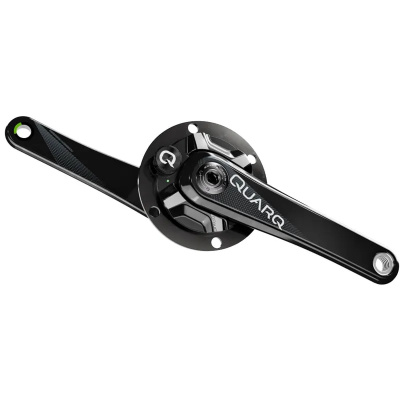
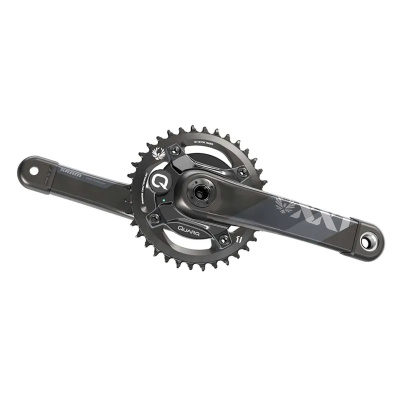
If you need replacement battery covers, lockrings, or specific small parts to keep your unit running, visit our dedicated Quarq power meters page for compatible spares and ancillary components. For riders looking at the wider field, comparing against Garmin power meters or Favero is worth doing if you're not locked into the AXS ecosystem - both offer strong accuracy at competitive price points with different installation approaches.
SRAM Power Meters FAQs
How do I calibrate my SRAM power meter?
Most current SRAM power meters use MagicZero, which calibrates automatically while you ride - no manual steps needed. If you want to run a manual zero-offset, unclip, hold the drive-side crank at the six o'clock position, and trigger calibration through your head unit or the SRAM AXS app. Takes about ten seconds.
How long does the battery last on a SRAM power meter?
Expect around 400 hours from a standard CR2032 coin cell or AAA lithium battery, depending on the unit. You can check remaining life via the SRAM AXS app or directly on your paired cycling computer. Batteries are cheap and widely available - no proprietary charging cables involved.
Can I add a power meter to my SRAM Rival crankset?
Yes. SRAM offers spindle-based power meter upgrades for Rival and Force DUB cranksets - you swap out the non-drive-side crank arm and spindle, keeping your existing chainrings. It's a cost-effective way to add wattage tracking without replacing the whole crankset, and installation is manageable with basic workshop tools.