
Specialized Track Pumps
A reliable floor pump is the backbone of any home workshop, and Specialized track pumps are engineered to get you up to pressure with minimum fuss. The headline feature across the range is the proprietary SwitchHitter II head, which automatically reads whether you're on a Presta or Schrader valve and grips accordingly - no fiddling with internal reversible adaptors, no dropped caps on a cold garage floor. Just push, lock, and pump.
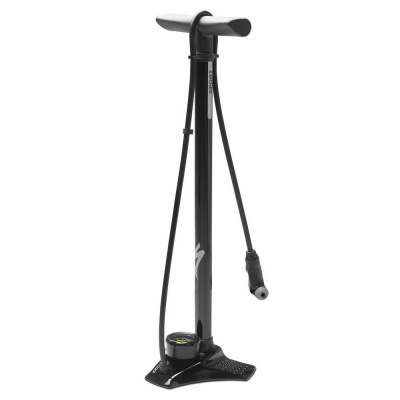
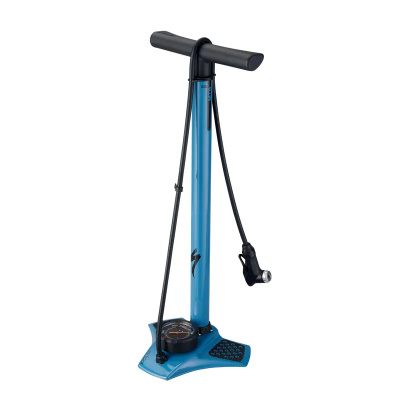
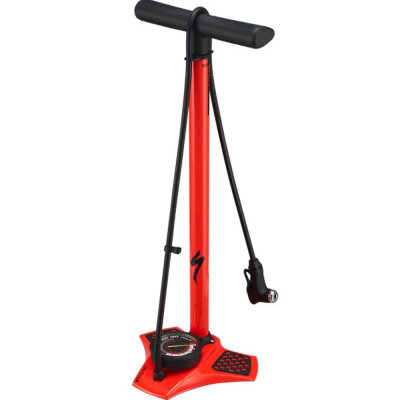
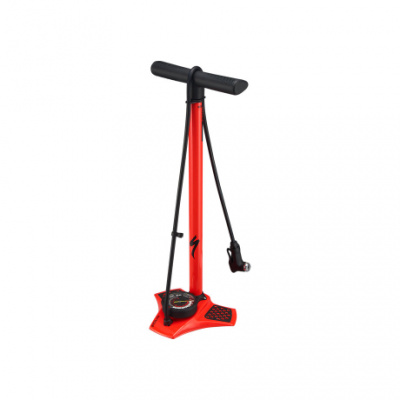
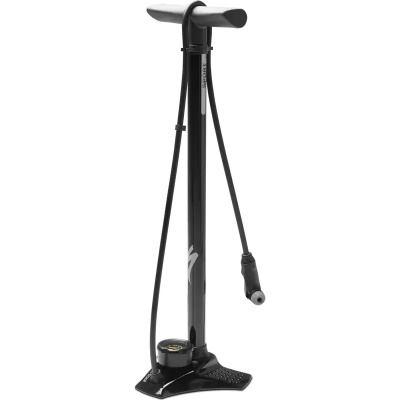
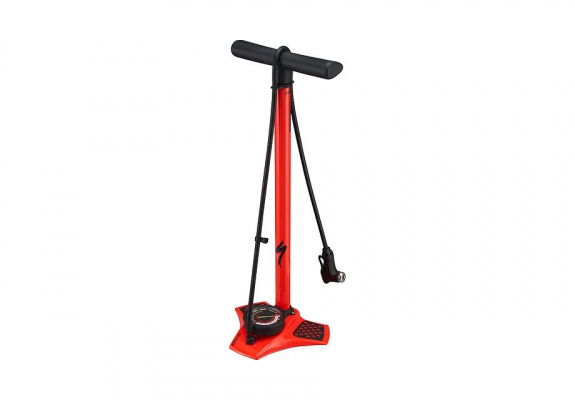
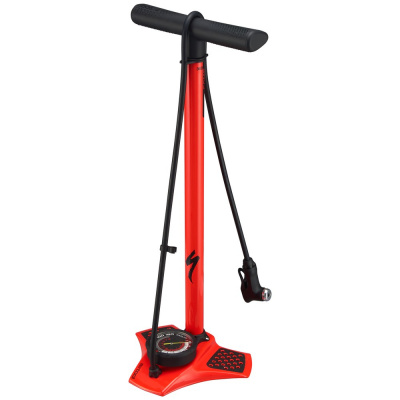
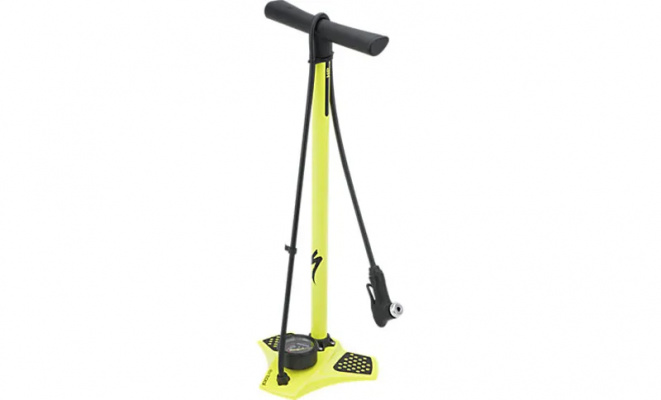
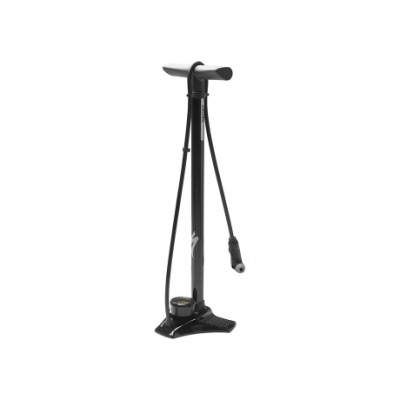
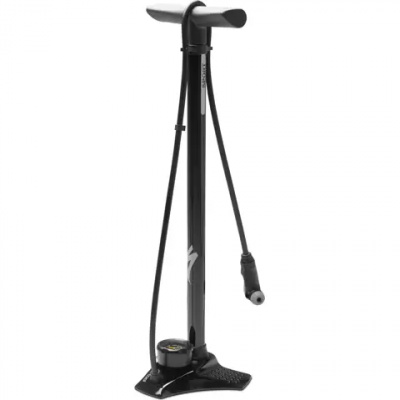
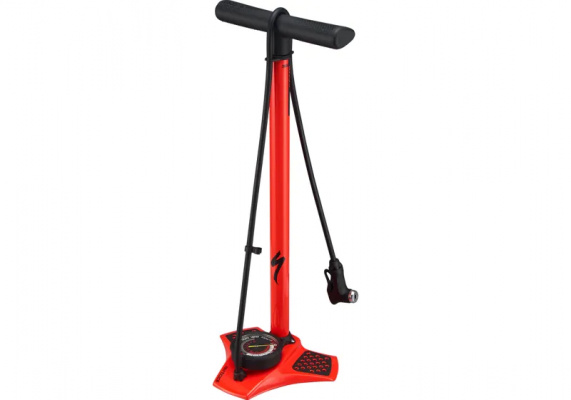
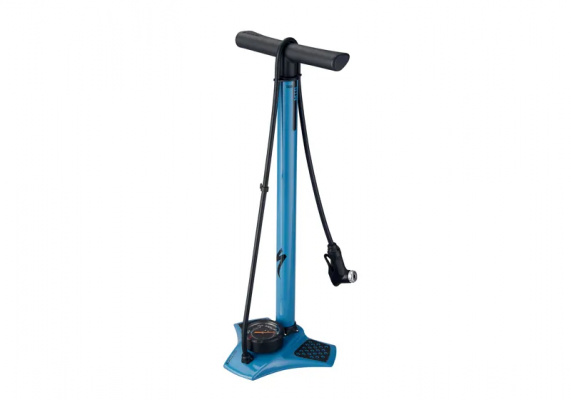
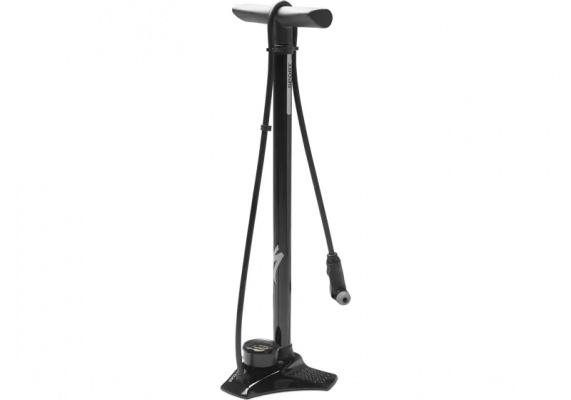
The range splits broadly into high-pressure road-focused models and high-volume options aimed at mountain bike and tubeless setups, so there's a logical choice depending on what you're running. Oversized aluminium barrels mean fewer strokes to hit your target PSI, and the cast bases are stable enough that the pump doesn't walk across the floor mid-session. At the top of the tree, the Air Tool Pro brings workshop-grade build quality with a micro-adjust bleed valve for dialling in pressure to the last decimal. Whether you're prepping a road bike for a Saturday chain-gang or seating a stubborn tubeless bead before a Peak District ride, Specialized has a pump pitched at the job. Compare UK prices below to find the right model for your garage.
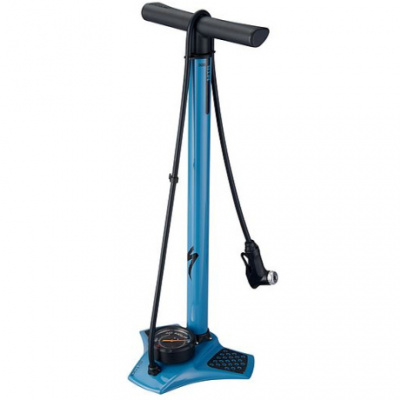
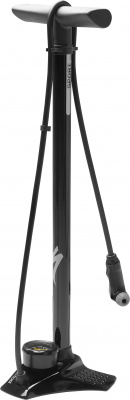
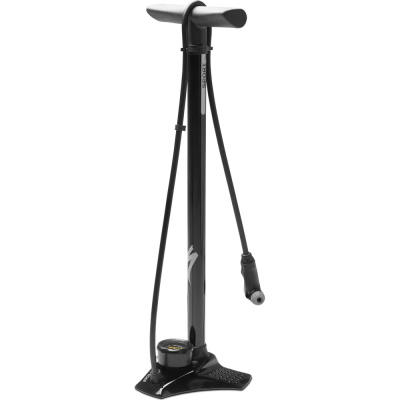
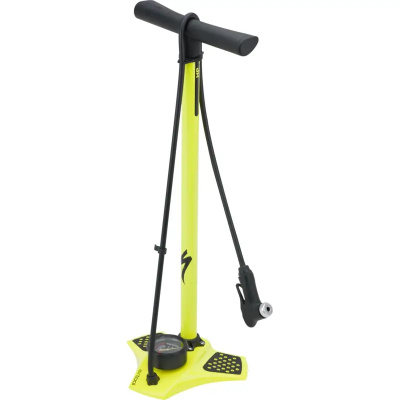
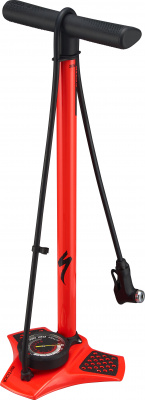
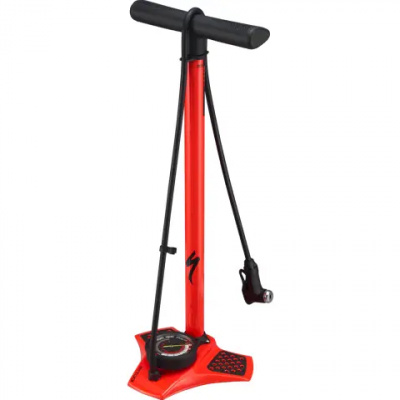
Prices and availability can change quickly. Delivery charges are not always included in listed prices.
Final price, stock status and delivery terms are set by retailer. We may receive a commission on purchases made.
Valve Compatibility and Choosing the Right Barrel
The SwitchHitter II head is the part of the Specialized pump story that saves the most time. Inside the chuck there's a self-selecting mechanism that registers the narrower diameter of a Presta valve or the wider thread of a Schrader valve and adjusts its grip automatically. You push it on, pull the lever to lock, and get pumping. No tools, no fumbling with a reversible inner sleeve - which matters when your hands are cold and your valves are caked in grit after a winter ride in the Brecon Beacons.
Where things diverge in the Specialized range is the barrel type. High-pressure (HP) models are tuned for road and gravel bikes - think narrow inner tubes and Presta valve-equipped carbon rims where you're working in the 80 - 120 PSI band. High-volume (HV) models move more air per stroke at lower pressures, which is exactly what you need for 2.4-inch MTB rubber or for convincing a tubeless bead to seat. Picking the wrong type won't break anything, but an HP pump will have you doing double the strokes on a chunky tyre, and that gets old fast.
One thing to be clear on: track pumps are strictly for the workshop or the car boot. If you need something for mid-ride emergencies, take a look at Specialized mini pumps or carry a Specialized CO2 inflator for rapid roadside fixes. Suspension setup is a different discipline entirely and needs its own dedicated shock pump - a track pump's gauge resolution isn't built for 150 PSI fork chambers.
Brands like Lezyne and Topeak take similar approaches to dual-valve compatibility, so if you want to compare mechanisms before committing, it's worth browsing both ranges.
Air Tool Pro, Comp and Sport - What the Price Gap Actually Buys
Specialized runs three main tiers in the Air Tool floor pump family, and the differences are more meaningful than a spec sheet suggests.
The Air Tool Sport is the entry point. It does the job - steel barrel, a functional pressure gauge with a single-scale readout, and the SwitchHitter head. Stroke efficiency is decent but not exceptional, and over a long tubeless seating session you'll notice the extra effort compared to the tiers above. Good if you're pumping up a commuter a couple of times a week and don't want to spend more than you need to.
Step up to the Air Tool Comp and the barrel goes aluminium. That matters because aluminium is stiffer and holds tighter tolerances, which means less air leaks past the plunger on each stroke. The gauge grows too - a larger dual-scale dial showing both PSI and Bar, which is easier to read accurately when you're trying to hit a specific number rather than just approximate. This is the tier most regular riders land on, and it's where the stroke-to-pressure ratio starts to feel genuinely efficient.
The Air Tool Pro is workshop-grade. The cast aluminum base is wider and heavier, so it plants itself on the floor without you needing to stand on the foot pegs. The ergonomic wing handle is shaped to let you push straight down with your whole bodyweight rather than gripping a round tube. Most usefully, it carries a micro-adjust bleed valve - a small release port that lets you bleed off pressure in tiny increments rather than stabbing the tyre valve repeatedly trying to lose 2 PSI. If you're running tubeless gravel tyres where 3 PSI in either direction changes how the bike handles on loose chalk, that level of precision is worth having. For comparison, Silca and SKS also offer bleed-valve equipped pumps at the premium end if you want to see how the field lines up.
The honest trade-off: the Pro's extra mass and bulk make it less convenient if you're cramped for workshop space, and the price step is real. But if you're routinely setting up MTB tyres tubeless or running multiple bikes with different pressure requirements, the bleed valve alone earns its keep.
Keeping Your Pump Running Through a UK Winter
UK riding chews through pump heads faster than riders expect, and the culprit is almost always valve grit. Every time you push the SwitchHitter chuck onto a muddy valve after a ride on wet moorland, a little debris works its way into the rubber grommet inside the head. Over time that grit acts like sandpaper on the seal, and the head starts to lose its grip at high pressure - you'll notice it as a hiss when you try to lock onto the valve.
The fix is simple maintenance, done before it becomes a problem. Wipe your valves before attaching the pump head - a dry rag takes two seconds and makes a real difference. Every couple of months, remove the chuck and apply a small amount of silicone spray or suspension grease to the internal rubber gasket. Don't use petroleum-based lubricants; they degrade rubber and you'll shorten the seal's life. The Specialized Air Tool high-pressure tubeless track pump range uses replaceable seal kits, so when the grommet does eventually fail, you're buying a small consumable rather than a whole new pump. Replacement parts are available through most UK bike shops and take minutes to swap.
The main plunger shaft benefits from similar attention. If the stroke starts to feel notchy or you hear a dry squeak, run a thin film of silicone grease along the barrel. This is the kind of five-minute job that extends pump life by years. Keep the base clean too - the cast feet on the Pro model can trap grit that scratches workshop floors and eventually undermines the pump's stability.
If you're pairing a new pump with fresh rubber, it's worth checking our ranges for Specialized road tyres and gravel and cyclocross tyres - getting the tyre and inflation setup right together saves a lot of back-and-forth.
Specialized Track Pumps FAQs
How do you use a Specialized track pump on a Presta valve?
The SwitchHitter II head does the work for you - it self-selects for the narrower Presta diameter without any internal parts to flip. Unscrew the valve locknut, push the chuck firmly onto the valve stem, then pull the lever upright to lock it in place before you start pumping. If the head won't grip, check the valve is fully open and that the chuck seal isn't worn.
Can a Specialized track pump seat tubeless tyres?
High-volume Air Tool models can seat tubeless beads, particularly on wider MTB or gravel rims. Your best move is to remove the valve core first - it maximises airflow and gives you a much better chance of snapping the bead into place in one burst. Once seated, refit the core and inflate to your target pressure. Tighter road rims with shallow beads are generally straightforward; volume is rarely a limiting factor there.
How do you maintain a Specialized Air Tool pump head?
Wipe muddy or gritty valves before connecting the chuck - that's the single biggest thing you can do. Every couple of months, strip the head and apply a small amount of silicone spray to the internal rubber gasket. Avoid petroleum-based products, which degrade the rubber. If the head stops holding under pressure, replacement seal kits are available from most UK bike shops and swap out in minutes.