
Specialized Road Shoes
Specialized road shoes are built around one idea: that every watt you put down should reach the pedal, not disappear into flex or a poorly fitted upper. From the approachable Torch series through to the World Tour-level S-Works line, each pair is engineered using medically tested Body Geometry technology - a system that aligns your hip, knee, and foot to keep you comfortable over long miles and protect you from the kind of knee niggles that creep in when your foot sits even slightly out of kilter.
The core of that system is a trio of ergonomic features built into the footbed: a 1.5mm Varus Wedge to correct inward knee tracking, Longitudinal Arch support to load the foot correctly, and a Metatarsal Button that combats numbness on long climbs. Sit those on top of a FACT carbon sole - stiffness index scaled to match the shoe's position in the range - and you've got a platform that transfers power cleanly without punishing your foot.
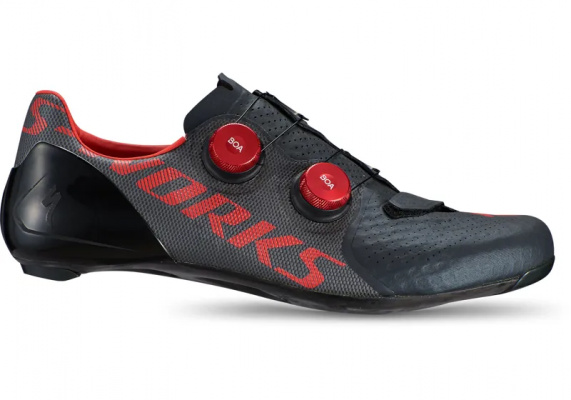
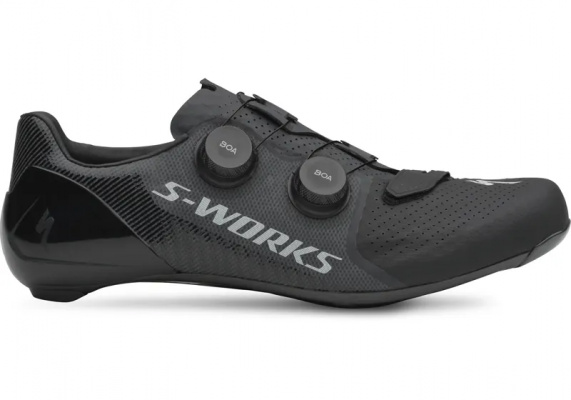
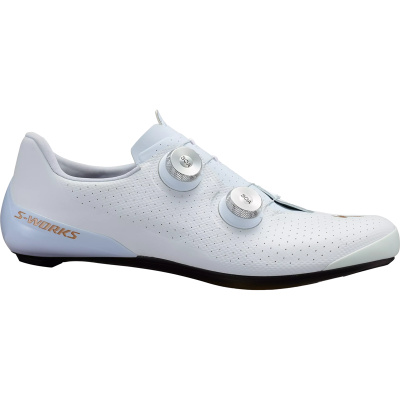
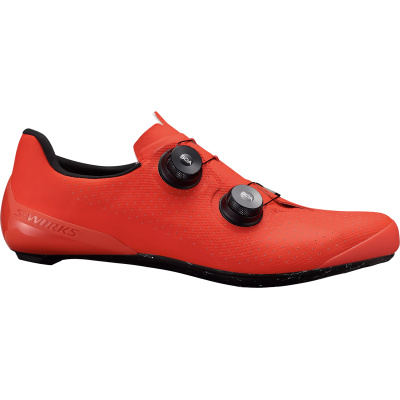
Closure is handled by BOA Li2 or S2 snap dials depending on the model, giving you micro-adjustability mid-ride. Handy when you're rolling out of a café stop in March and your feet have swollen slightly, or when you're reaching for a touch more lockdown on a fast descent.
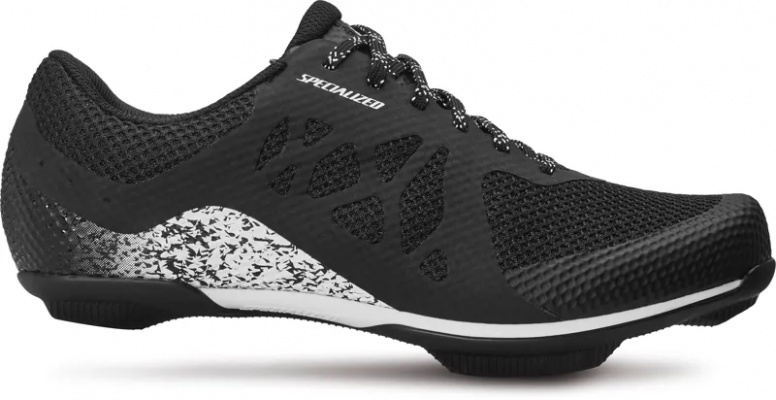
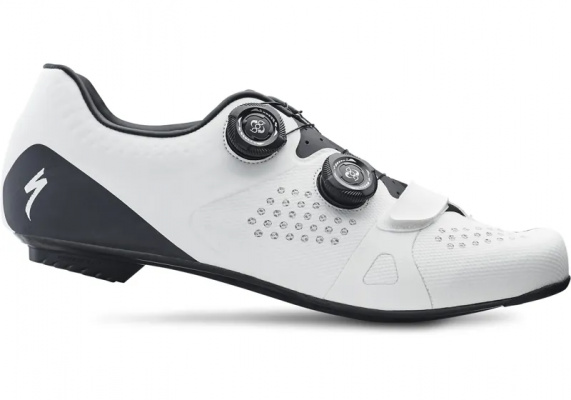
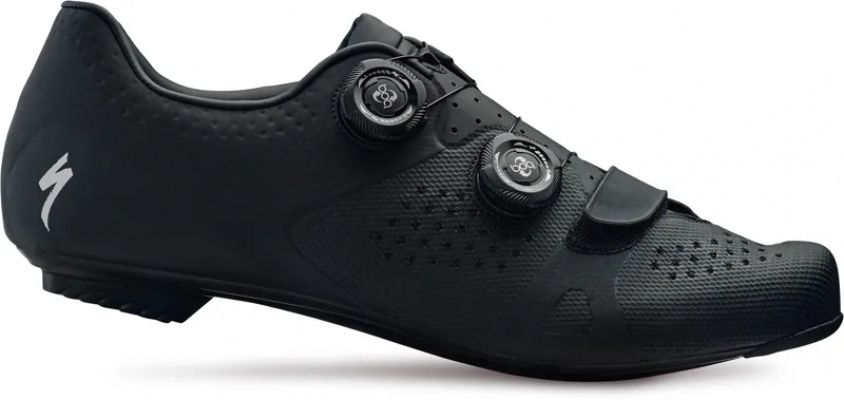
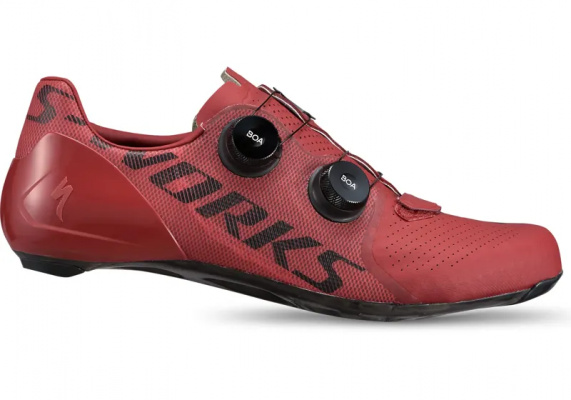
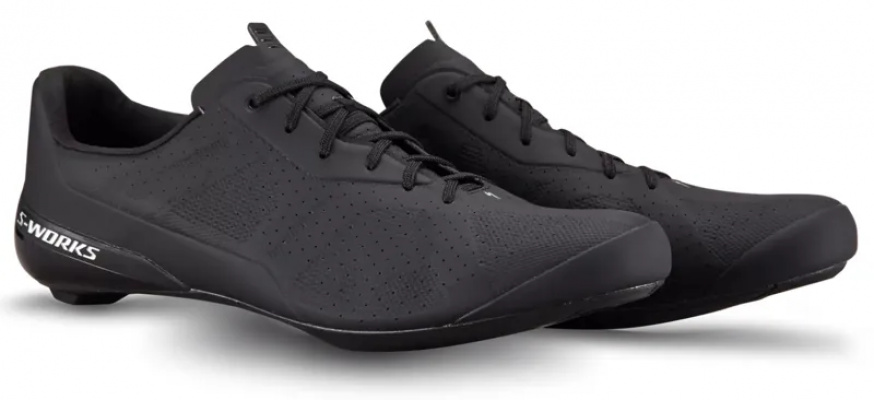
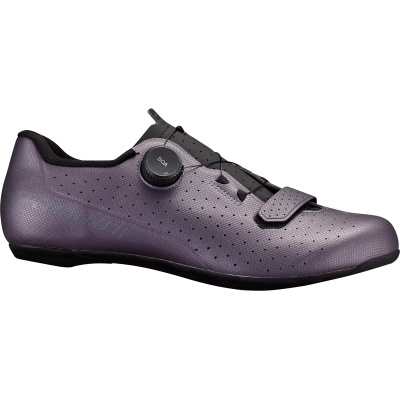
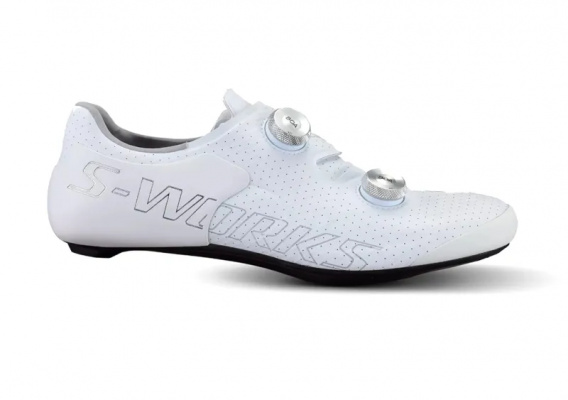
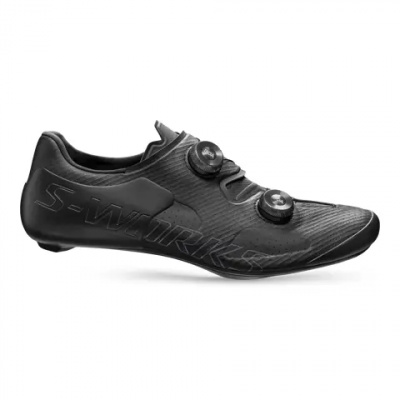
Prices and availability can change quickly. Delivery charges are not always included in listed prices.
Final price, stock status and delivery terms are set by retailer. We may receive a commission on purchases made.
Upper Materials, Sole Tech and How They Handle British Conditions
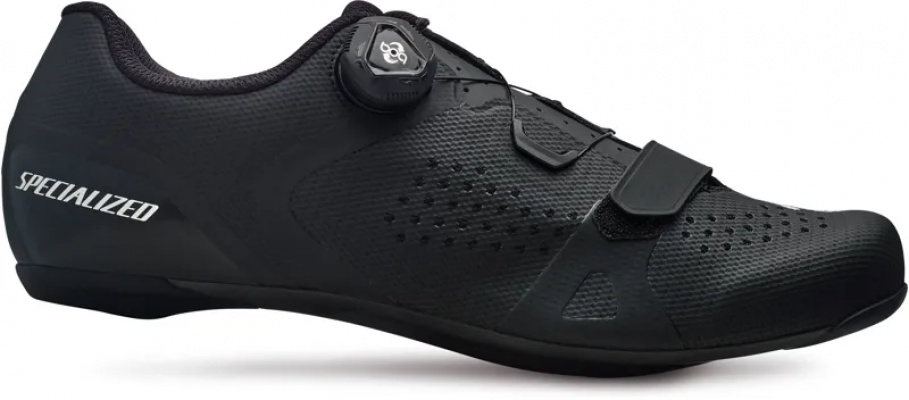
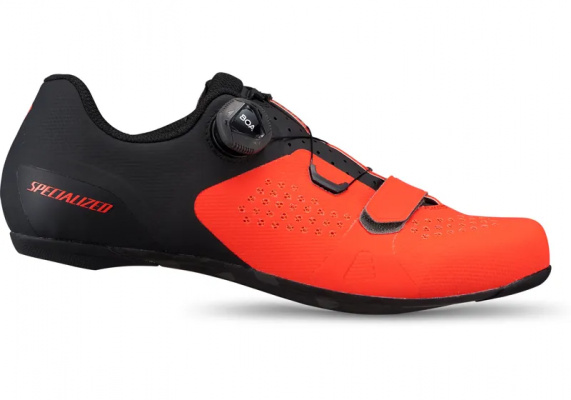
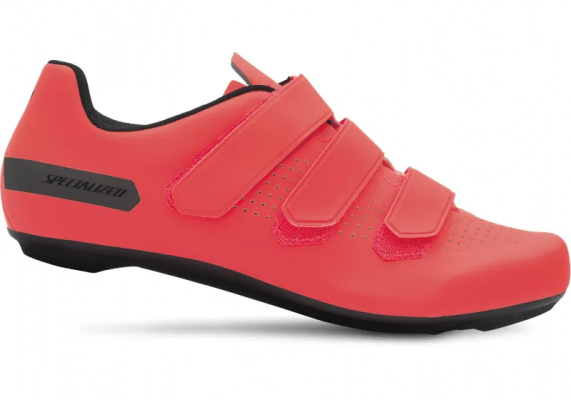
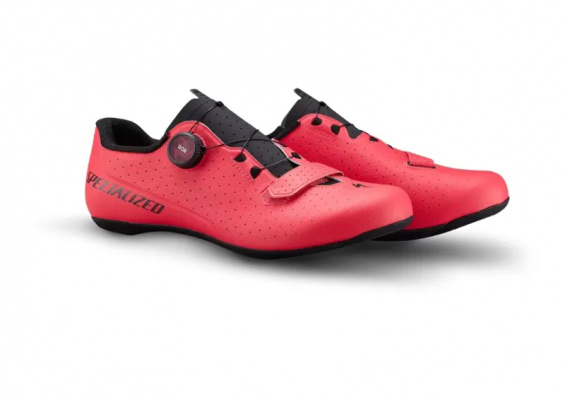
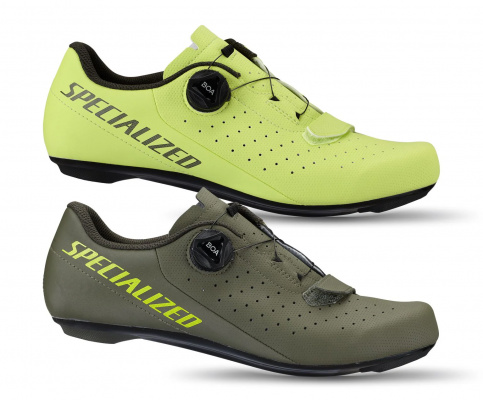
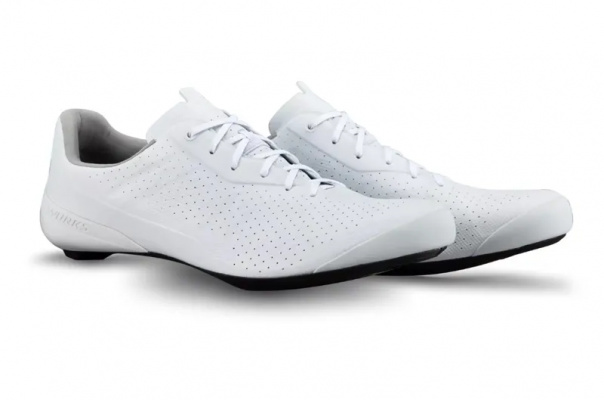
Specialized use two main upper constructions across the road range, and the difference matters depending on when and where you ride. The Torch series runs a seamless synthetic upper that's supple enough to avoid pressure points but doesn't stretch under load - so your foot stays exactly where you placed it when you clicked in. Practically speaking, synthetic wipes down in seconds after a damp ride on gritty Lancashire lanes, which makes it a sensible choice for riders who aren't waiting for dry-weather windows.
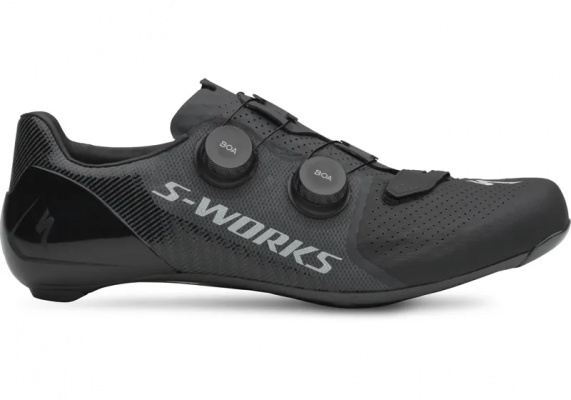
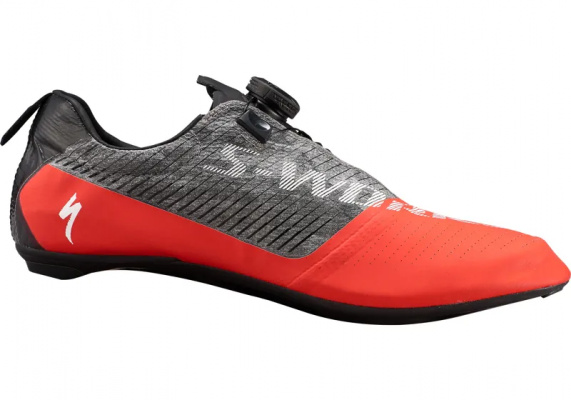
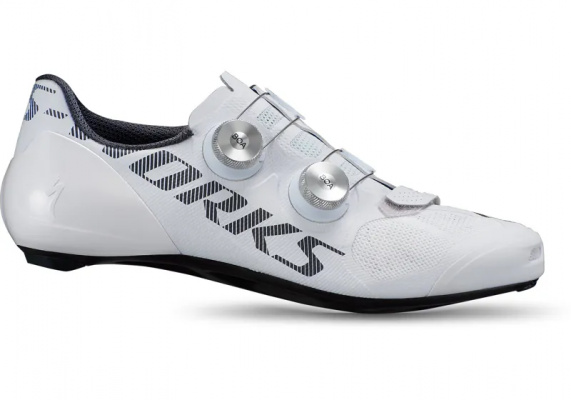
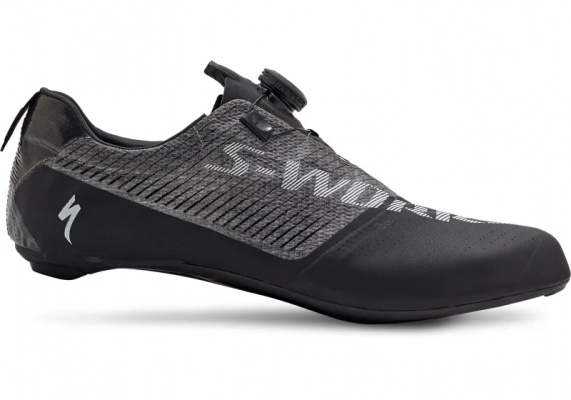
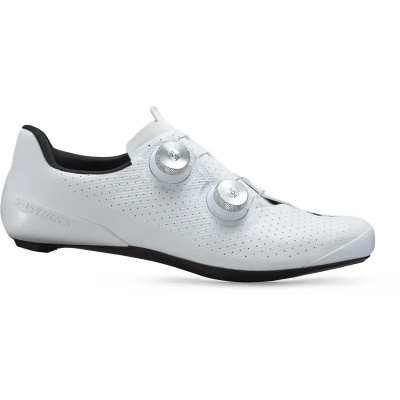
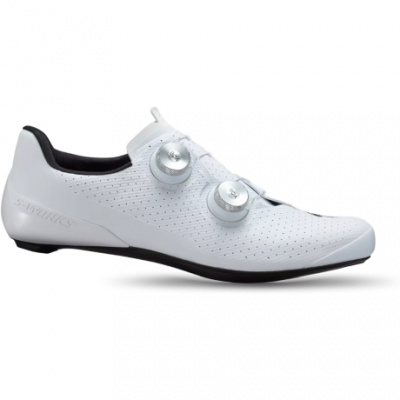
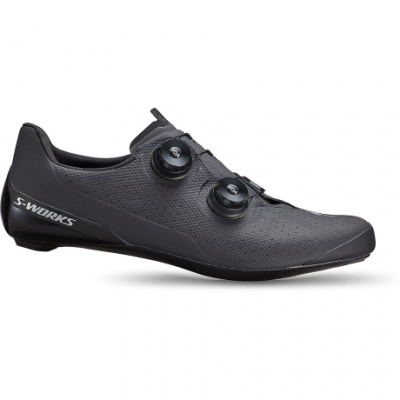
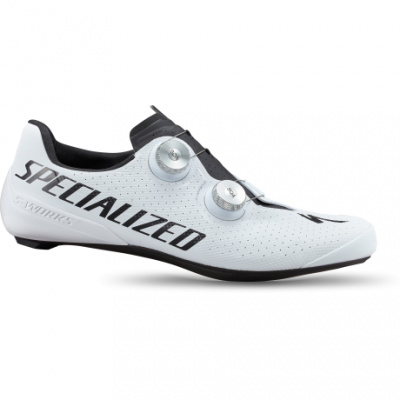
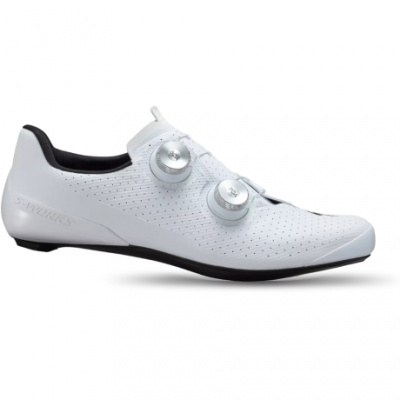
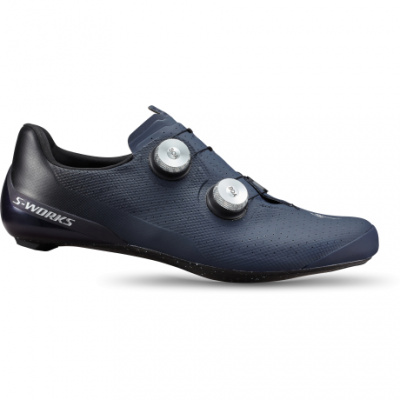
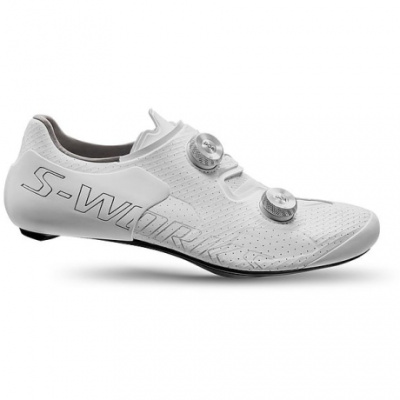
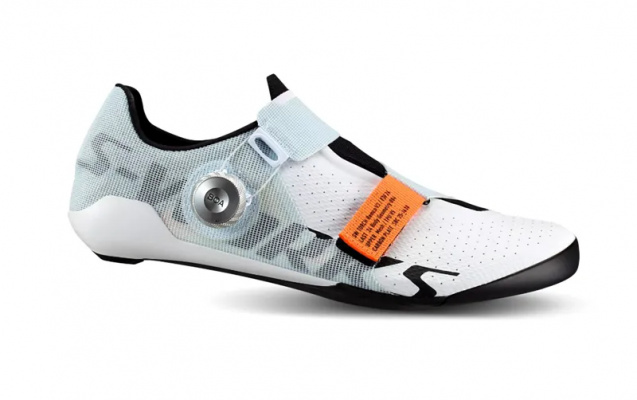
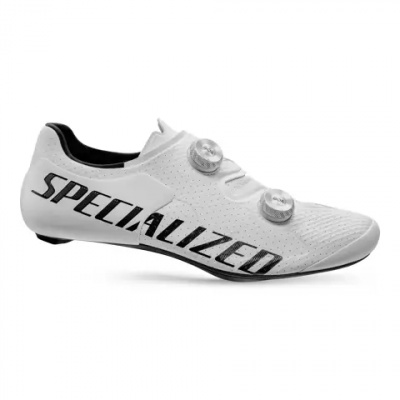
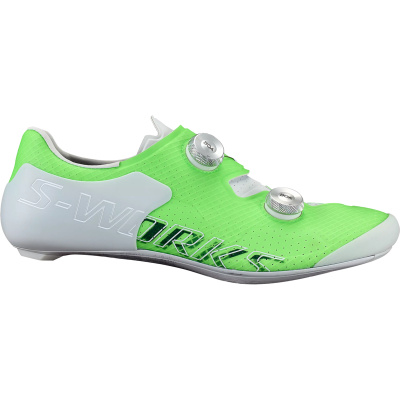
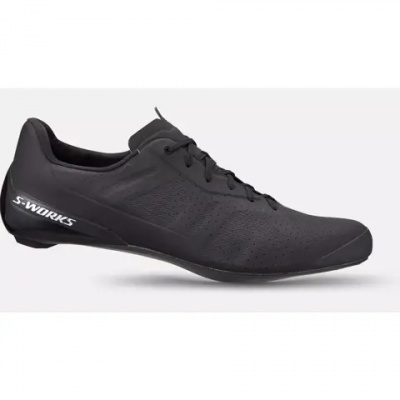
Step up to the S-Works Torch or S-Works Ares and the upper switches to Dyneema mesh - an extraordinarily light, non-stretch fabric that gives the shoe a locked-down feel without adding weight. It breathes well on long summer climbs, though you'll want to pair it with Specialized overshoes once October arrives and the road spray starts flying.
The sole is where the range really separates itself. Entry Torch models carry a nylon-composite base that offers adequate rigidity for sportive riding, while mid-range options step up to a woven carbon construction. At the top, the S-Works models use a full FACT carbon plate, with a stiffness index of 15.0 - meaningfully stiffer than the 6.0 rating on the base Torch 1.0. In plain terms, that stiffness index reflects how much energy the sole absorbs versus transmits; a higher number means less wasted effort on every pedal stroke. For a rider doing threshold intervals on the Downs, that's a real difference. For a Sunday club rider covering 50 miles, the mid-range carbon is more than sufficient.
Getting the Fit Right Across the Range
The Specialized road shoe range runs from the Torch 1.0 at the accessible end through to the S-Works Ares at the sharp end, and the jump between models isn't just about materials - it's about who the shoe is built for.
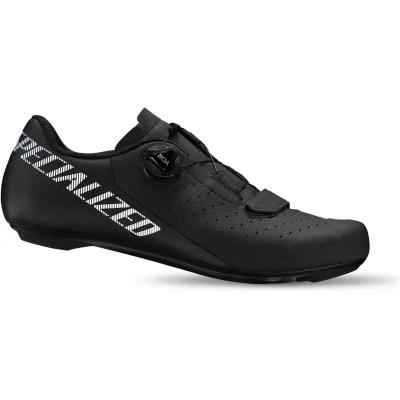
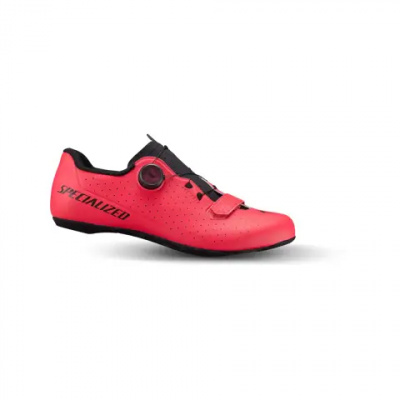
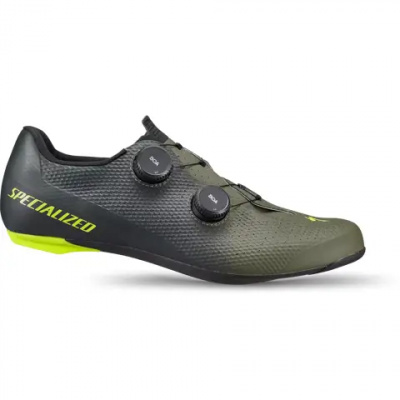
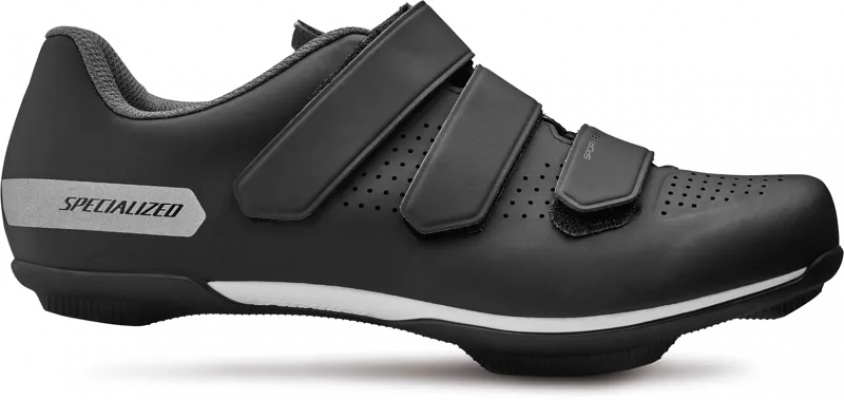
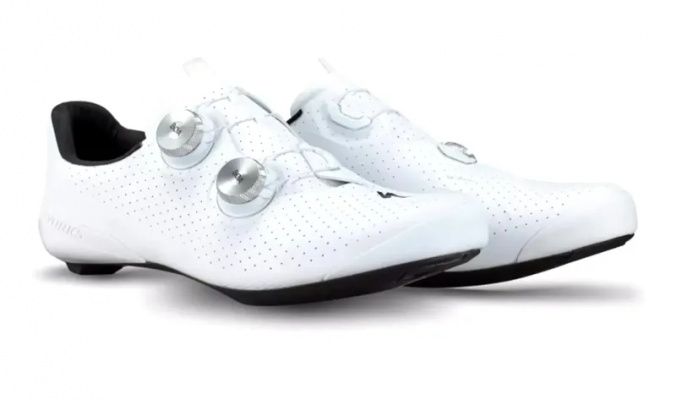
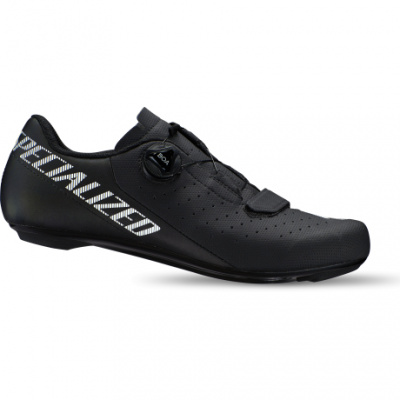
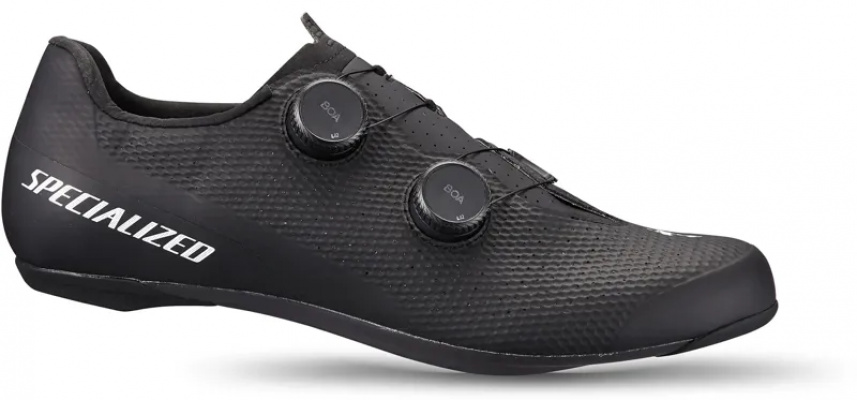
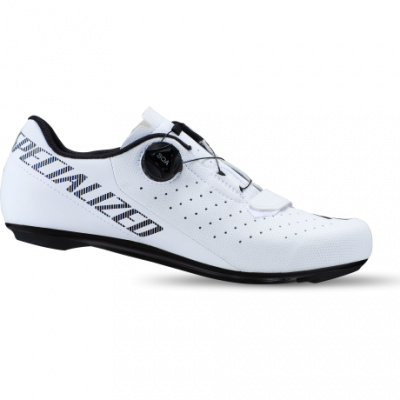
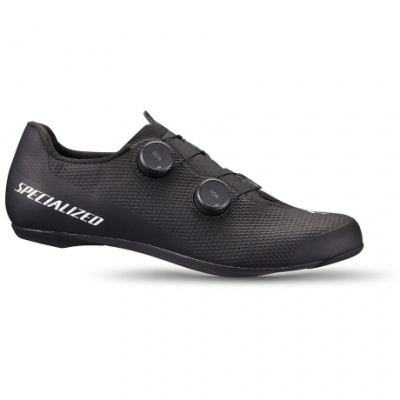
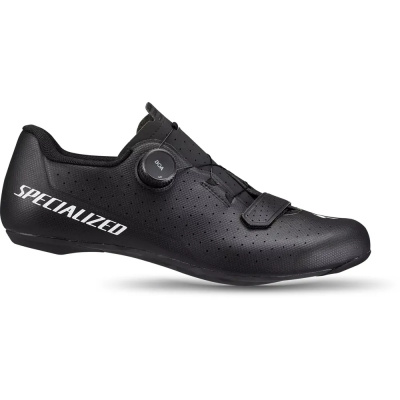
The Torch 1.0 suits riders stepping up from casual riding into more structured training or sportive events. Single BOA dial, nylon sole, solid Body Geometry footbed. It does the job without asking you to spend race-budget money. The Torch 2.0 adds a woven carbon sole for noticeably better stiffness and is a more compelling choice for riders putting in regular road miles. The Torch 3.0 brings dual BOA Li2 dials into play - one across the forefoot, one near the ankle - giving you independent tension zones so you can lock the heel without over-cinching the toes. That matters on longer days when feet move around.
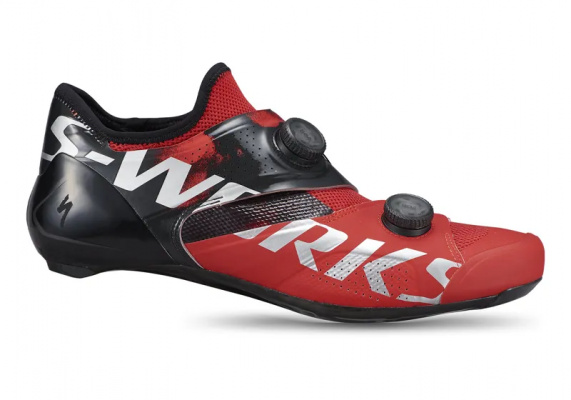
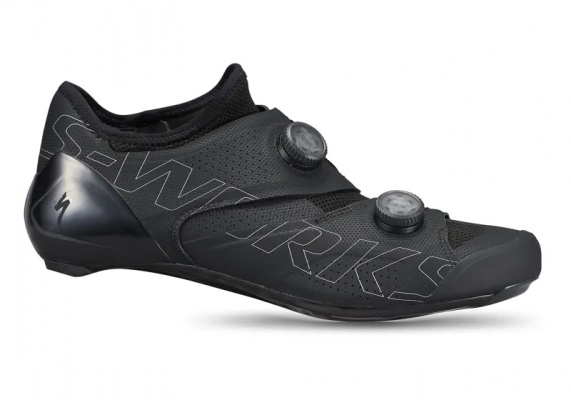
The Specialized S-Works Torch and S-Works Ares are a different conversation altogether. The Ares in particular is shaped for sprinters and racers who want the narrowest, most locked-in fit possible - the PadLock heel cup grips the calcaneus aggressively to prevent any slippage under hard accelerations. If you're the kind of rider who spends time out of the saddle on climbs or in bunch sprints, that heel stability is worth caring about.
Body Geometry fit works across all these models. The Varus Wedge, Metatarsal Button, and Longitudinal Arch are present throughout the range, not just at the top. Worth knowing if you've had persistent knee or foot issues with other brands - it's often the first thing that resolves when riders switch. Specialized also offer specific Wide fit variants across both Torch and S-Works lines for riders who've previously found road shoes uncomfortably narrow. Don't assume your standard size won't work, but do check the width option before ordering.
If you ride gravel or XC as well as road, the road range isn't the right tool - the stiff soles and road-optimised closure don't suit off-road use. Head over to the Specialized MTB and gravel shoes page where the range is built around walkability, mud clearance, and recessed cleats. For alternatives from other brands, Shimano road shoes and Fizik road shoes are worth comparing - both offer competitive stiffness and fit systems at similar price points, and it's worth trying different lasts if you haven't found your fit yet.
Keeping Them Going Through a UK Riding Year
BOA dials are robust but not indestructible. After a particularly gritty ride - think post-rain Essex roads or a sportive through the Peaks in early spring - it's worth spinning the dial back to zero and running a quick flush of clean water around the reel housing. Grit that gets into the mechanism is what causes skipping or binding, not normal wear. Replacements are available through Specialized shoe spares if a dial does give up, and BOA's own warranty programme covers most failures regardless.
The synthetic uppers on the Torch range clean up with a damp cloth. Avoid soaking the shoe - the BOA cable routing doesn't love prolonged submersion - and stuff them with newspaper after a wet ride rather than putting them near a radiator, which dries the sole bonding faster than it should.
Ventilation is genuinely good on the Dyneema mesh S-Works shoes, which is a benefit on humid July climbs but a liability from October onwards. A well-fitted overboot solves that neatly; see our Specialized overshoes selection for options that are cut to work with this shoe last. Spring and autumn riders often run merino socks under the BOA closure - if you find the fit feels tight with thicker socks, open the dials fully before fitting rather than trying to crank them down from a mid position.
Cleat positioning has a significant effect on how Body Geometry actually works in practice. If you're setting up a new pair, start with the cleat centred fore-aft under the first metatarsal head and adjust from there - don't chase a number. Our Specialized cleats page covers compatible options, and if you want to go further with footbed support beyond the stock Body Geometry insert, check the footbeds and insoles range. A Giro road shoe might be worth a look too if you're undecided on brand - they run a similarly wide fit programme and use comparable closure tech.
One practical note on long days: Specialized road shoes pair well with Specialized saddles in the context of a full Body Geometry fit - the same biomechanical principles run through both, so if you're working with a fitter, mentioning your shoe model is worth doing. And if you're running high-pressure road setups, their road tyres are engineered around the same efficiency principles, which makes for a coherent setup.
Specialized Road Shoes FAQs
Are Specialized road shoes true to size?
Generally yes - Specialized road shoes run true to size, though the heel cup is snug by design to prevent slipping under load. If you've got a broader foot, go straight to the Wide variants rather than sizing up; the Wide fit is available across Torch and S-Works models and keeps the length accurate while giving your forefoot more room.
What is the difference between the Specialized Torch 1.0, 2.0, and 3.0?
The Torch 1.0 runs a nylon sole and a single BOA dial - solid for sportive use, nothing wasted. The 2.0 upgrades to a woven carbon sole, which noticeably improves stiffness and power transfer for regular road riders. The 3.0 adds dual BOA Li2 dials for independent forefoot and ankle tension, plus a stiffer FACT carbon sole. If you ride long or race, the 3.0's adjustability is genuinely useful.
What makes Specialized Body Geometry shoes different?
Body Geometry is a medically tested ergonomic system built into every Specialized road shoe, regardless of price point. A 1.5mm Varus Wedge corrects inward knee tracking, a Longitudinal Arch support loads the foot properly, and a Metatarsal Button reduces numbness on long efforts. Together they align your hip, knee, and foot - which means better power transfer and fewer of the overuse niggles that build up over a season.