
Specialized Pannier Bags
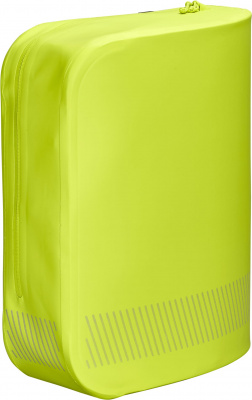
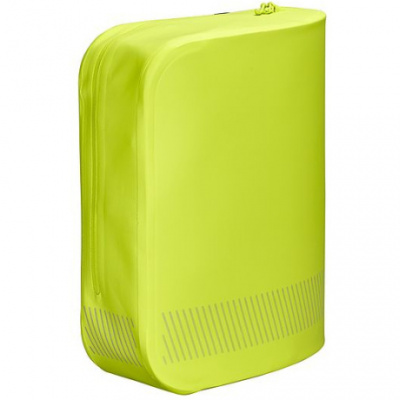
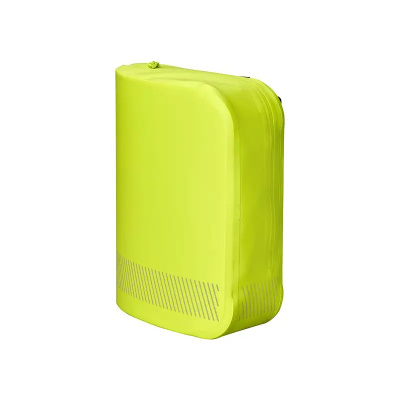
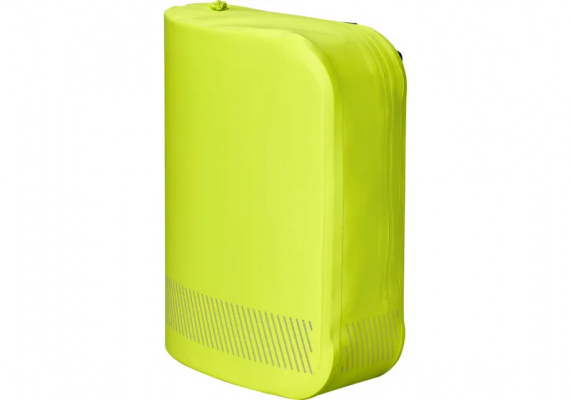
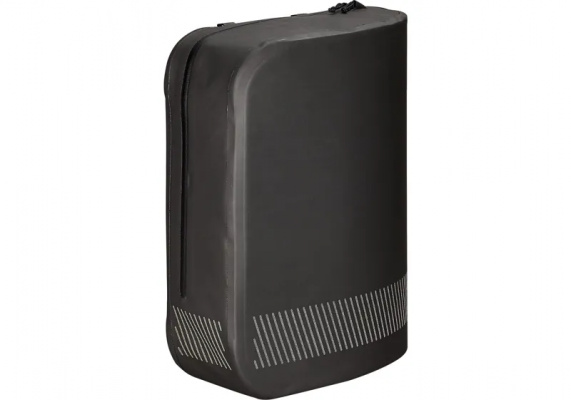
Specialized pannier bags take a sharper approach to carrying kit than most - these aren't just bags bolted to a rack as an afterthought. The range splits into two clear directions: aerodynamic efficiency for e-bike commuters who want to protect battery range, and rugged open-top utility for riders who need to chuck a rucksack or week's shopping in without fuss. Both directions share the same KlickFix mounting hardware, which snaps on and off in seconds and holds rock-solid once locked. No rattling down a potholed cycle path at 7am. For UK riders dealing with horizontal rain, wheel spray, and road salt from October through March, the waterproof welded seams on models like the Tailwind matter more than any spec-sheet number. Reflective graphics are standard across the range too - worth more than you'd think on a grey December commute into the city. Specialized also brought in Fjällräven for the Coolcave collaboration, producing a rigid bucket pannier that sits in a different category entirely from the usual soft-sided commuter bag. Whether you're clocking miles into Bristol or loading up for a multi-day tour along the National Cycle Network, there's a Specialized option worth comparing.
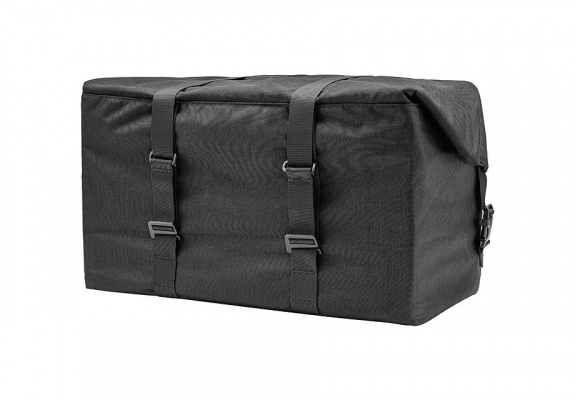
Prices and availability can change quickly. Delivery charges are not always included in listed prices.
Final price, stock status and delivery terms are set by retailer. We may receive a commission on purchases made.
Rack Compatibility and Mounting Hardware Explained
Most Specialized panniers run KlickFix compatible mounting hardware, which is one of the more dependable quick-release systems on the market. The adjustable jaw mechanism accepts rack tube diameters from roughly 8mm up to 16mm, covering the vast majority of standard rear racks you'll find on commuter and touring bikes. That said, compatibility isn't guaranteed across every frame and rack combination - and the one thing worth checking before you buy is heel clearance.
On bikes with shorter chainstays - aggressive gravel builds or sportier road-adjacent frames - a loaded pannier can sit close enough to your heel to cause contact mid-pedal stroke. It's an easy thing to miss until you're three miles into a commute. Pairing these bags with a Specialized pannier rack is the cleanest solution: the geometry is matched to the bags' mounting points, heel clearance is accounted for in the design, and the fit is tighter with less lateral movement under load. Non-Specialized racks will often work fine, but you're doing your own compatibility homework at that point.
Attaching the bag is straightforward once you've done it once. Lift the carry handle to open the upper hooks, drop them over the rack's top rail, then release the handle to lock. After that, clip the lower hook behind a vertical strut on the rack to stop the bag swinging outward when you're cornering. The whole process takes about four seconds. On rougher roads, give the bag a firm tug after mounting - if it moves, the lower hook isn't seated properly.
Looking to expand your setup beyond the rear rack? We also carry Specialized bar bags, Specialized frame bags, and Specialized saddle bags if you want to distribute load across the bike.
Tailwind vs. Coolcave: Which End of the Range Suits You?
The Tailwind Aerodynamic Design is the headline act for e-bike commuters. Developed using Specialized's Win Tunnel wind testing facility, the bag's profile is shaped to reduce aerodynamic drag - not in a marginal-gains-for-racing sense, but in a genuinely practical way for e-bikes where battery range is a real daily concern. Cutting drag means the motor works less hard at commuting speeds, which translates to measurable extra range over a week of riding. If you're on an assisted bike and covering 15-plus miles each way, that's worth thinking about. The Tailwind is a proper best Specialized panniers for commuting option: weatherproof, aerodynamically considered, and built around daily use.
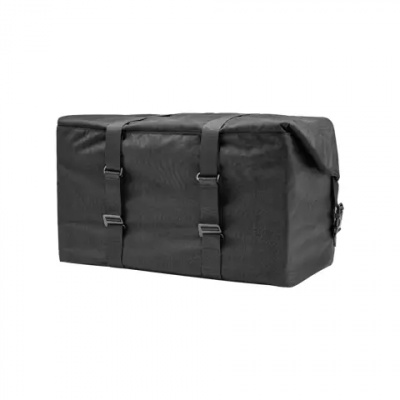
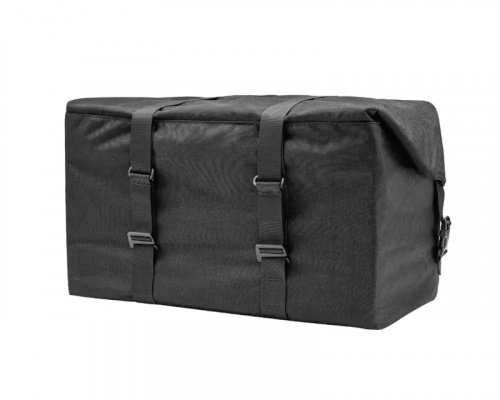
The Coolcave is a completely different animal. Born from the Fjällräven collaboration, it uses a rigid bucket construction - think of it less like a traditional pannier and more like a structured tote that happens to clip onto your rack. The open top makes it genuinely fast to load: drop in a backpack, pile in your shopping, stuff in a jacket. The rigidity means the bag holds its shape whether it's full or half empty, which soft-sided panniers don't. It's the one to pick if your day involves multiple load-and-unload moments rather than a straight A-to-B commute.
Volume-wise, the two ranges sit in different brackets - the Tailwind prioritises a slimmer, lower-drag profile, while the Coolcave's bucket format gives you more usable internal space for awkward shapes. Neither is better in an absolute sense; they solve different problems. If you want waterproof Specialized bike bags with an aerodynamic edge for an assisted commute, Tailwind. If you want something that behaves like a rigid bag you can grab off the rack and carry into a meeting, Coolcave.
For context against the wider market, Ortlieb panniers and Altura panniers both offer strong waterproofing and broad rack compatibility, but neither currently brings an aerodynamic design specifically tuned for e-bike efficiency. Brooks panniers lean toward heritage aesthetics and touring longevity - a different trade-off entirely.
Keeping Specialized Panniers Running Through a UK Winter
Road grit and salt are the two things most likely to shorten the life of your mounting hardware. The KlickFix jaw mechanism has small springs and moving parts that accumulate debris over a wet winter. Flush the mounting hooks with clean water every couple of weeks if you're commuting daily - a squirt from a bottle works fine, nothing high-pressure. Once dry, apply a dry PTFE lubricant to the spring mechanism rather than an oil-based lube, which attracts more grit and creates a paste. That one step extends the service life of the mounting jaws considerably.
The welded seams on Specialized waterproof bike bags are the correct way to achieve waterproofing - stitched seams with a taped overlay always have potential failure points over time. Welded seams don't. To maintain the DWR (durable water repellent) coating on the outer fabric, avoid harsh detergents. Warm water and a soft cloth is enough for routine cleaning. If the outer fabric starts wetting out rather than beading water, a spray-on DWR re-treatment product will restore the coating without damaging the weld lines.
One frequently overlooked hazard: loose straps. Any adjustment straps that aren't tucked away or clipped back can catch in the rear derailleur or wheel. On a loaded bike at commuting pace, that's a sudden stop nobody wants. Before every ride, take two seconds to check that nothing is hanging loose near the drivetrain. It sounds obvious until it isn't.
Pairing the panniers with Specialized mudguards significantly reduces the volume of road spray hitting the bag's lower section, which eases both cleaning and the long-term load on the waterproofing. If you're riding year-round, Specialized commuter tyres with a more controlled spray pattern also help keep the worst of the road off the bag's mounting hardware.
Specialized Pannier Bags FAQs
Do Specialized panniers fit any bike rack?
Most Specialized panniers use adjustable KlickFix mounting hardware that fits rack tube diameters between 8mm and 16mm, covering the majority of standard racks. Compatibility is broad but not universal - always check heel clearance on shorter chainstay frames before committing, and pairing with a Specialized pannier rack gives you the most predictable fit.
Are Specialized pannier bags fully waterproof?
Models like the Tailwind use welded seams and waterproof outer materials designed to handle heavy rain and continuous wheel spray - the conditions you'll face on a UK winter commute. Welded construction outperforms stitched-and-taped seams for longevity. Roll-top closures need to be folded down properly to maintain the seal; a loose roll is the most common source of water ingress.
How do you attach a Specialized pannier bag?
Lift the carry handle to open the upper mounting hooks, hook them over the rack's top rail, then release the handle to lock them down. Clip the lower hook behind a vertical rack strut to stop the bag swinging laterally. Give the bag a firm tug to confirm it's seated - if it shifts, the lower hook isn't properly engaged.