
Specialized Overshoes
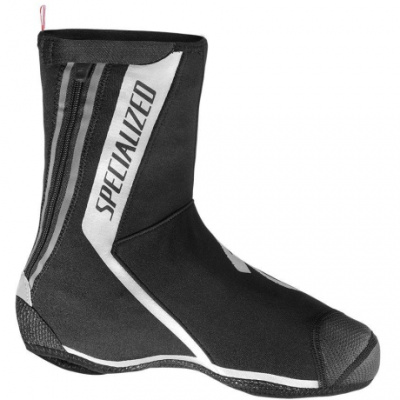
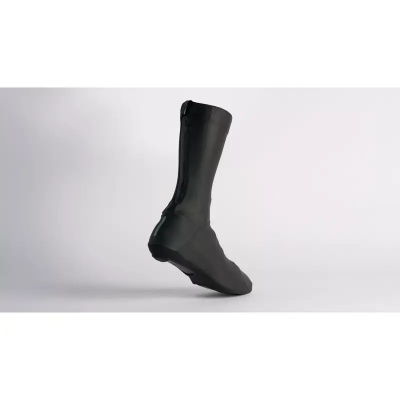
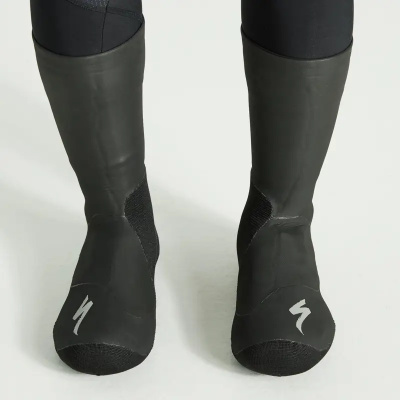
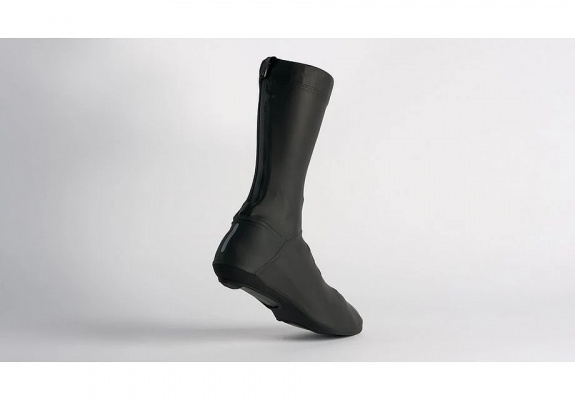
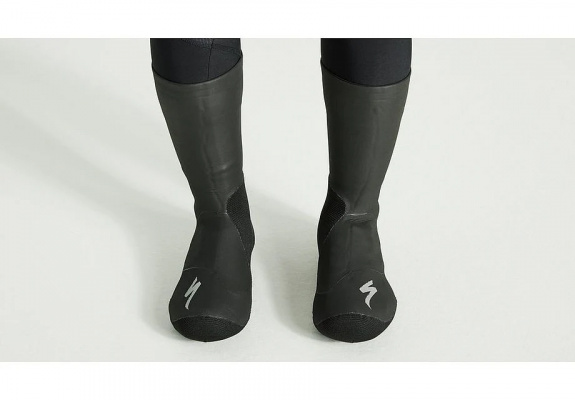
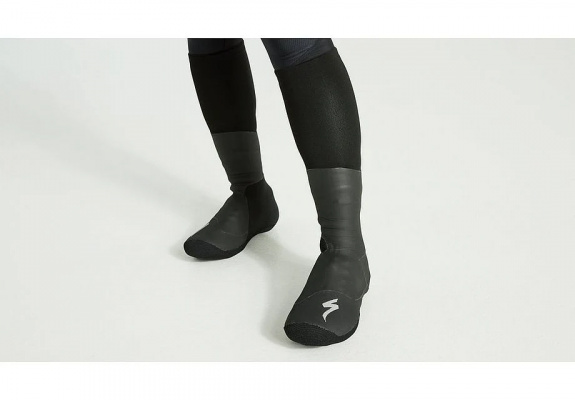
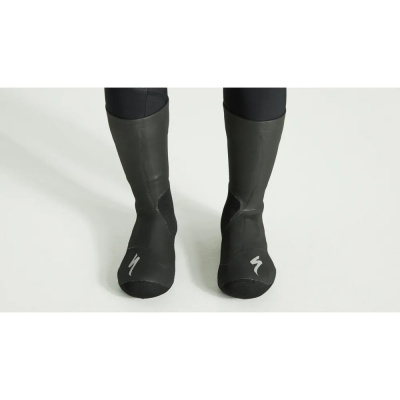
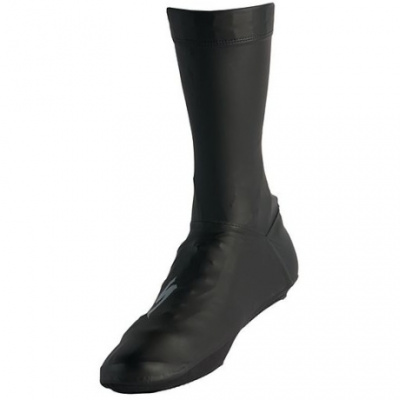
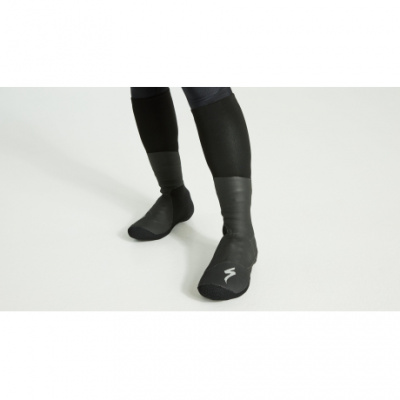
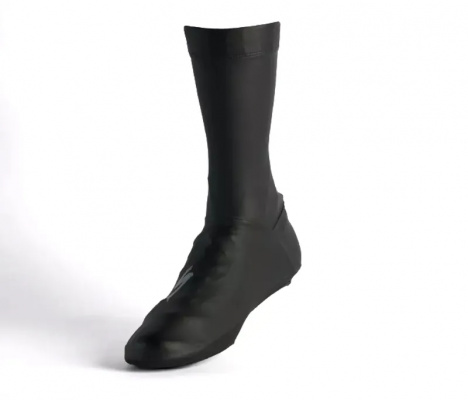
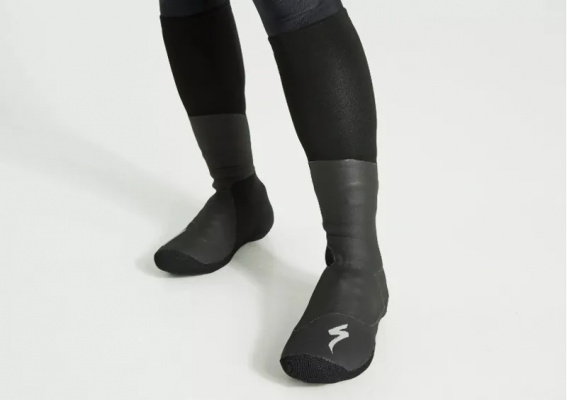
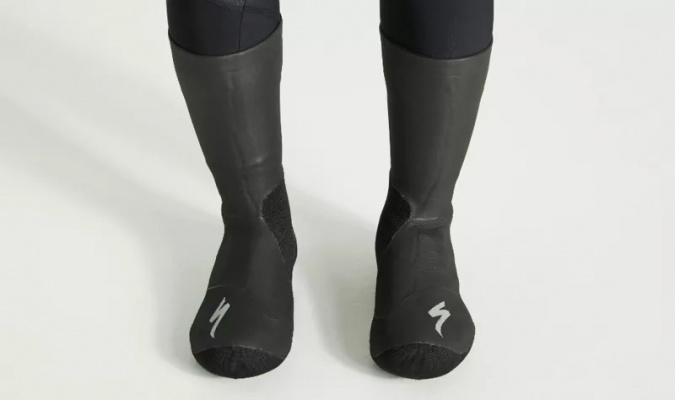
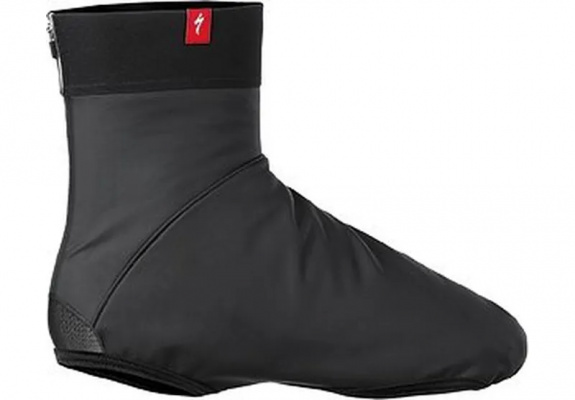
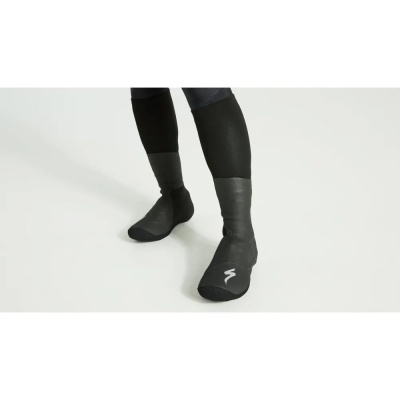
Numb toes are a ride-ender, and Specialized overshoes exist precisely to stop that happening. Whether you're grinding out January base miles on rain-soaked B-roads or chasing a personal best in a damp spring time trial, the right shoe cover keeps your feet warm, dry, and actually pedalling rather than just enduring. Specialized cycling overshoes span a considered range - from deep-winter thermal neoprene that traps heat even when soaked through, to lightweight wind-blocking covers built for aerodynamic efficiency. Across the range you'll find practical details that matter on real UK roads: PU outer coatings that shed road spray, taped seams that stop water tracking in, and Kevlar-reinforced panels at the heel that take the punishment of clipping in and shuffling across a café floor. It's a focused lineup with clear logic behind each product, so choosing the right level of protection isn't a guessing game. Get the spec right and your feet stay comfortable from first pedal stroke to last - which, on a raw February ride through the Peak District, is the difference between a good day out and a miserable one.
Prices and availability can change quickly. Delivery charges are not always included in listed prices.
Final price, stock status and delivery terms are set by retailer. We may receive a commission on purchases made.
Fabric Tech and Weather Performance
The foundation of any decent overshoe is its insulation, and neoprene is still the benchmark for serious cold-weather riding. Specialized winter shoe covers use neoprene construction because it does something most fabrics can't: it keeps insulating even when wet. Water gets in, your body warms that thin layer, and it stays warm. On a Scottish November ride where dry feet are a fantasy, that matters enormously. Thicker neoprene - typically 3 - 5mm - is what you want for sub-zero mornings or long exposed miles across the moors.
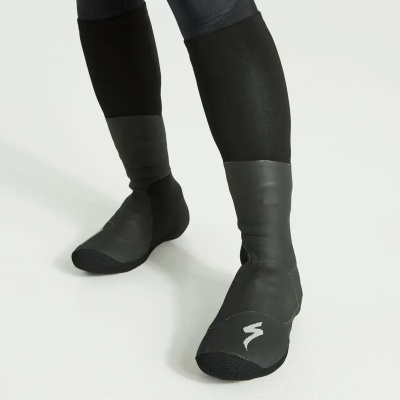
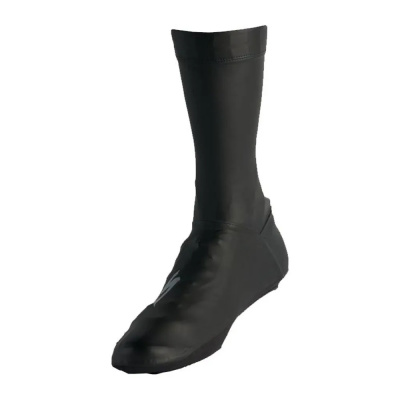
Lighter options in the Specialized range swap bulk for a polyurethane (PU) coating over a thinner base fabric. These aren't trying to insulate deeply; they're blocking wind and deflecting road spray without adding weight or interfering with your pedal stroke. Think of them as a windbreak rather than a duvet. For the kind of sharp, dry-cold spring day you get in the Cotswolds - where it's 6°C but the roads are clear - they're exactly right.
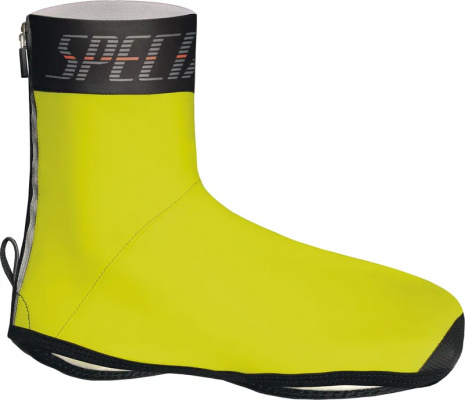
The details separate good overshoes from great ones. Taped seams are the key waterproofing feature: stitched seams let water straight through, so taped construction is what you need if you're riding through proper rain rather than just drizzle. Kevlar-reinforced heels and abrasion-resistant toe panels deal with the real-world wear that comes from walking on grit at a café stop or clipping in repeatedly across a winter's worth of commutes. Without reinforcement, neoprene wears through surprisingly fast at those points. Reflective detailing rounds things out - useful when the afternoons shrink and you're finishing a ride in near-darkness.
Getting the Fit and Range Right
Specialized structures their overshoe range around temperature and conditions, and it's worth understanding the logic before you buy. The Element booties sit at the deep-winter end - maximum thermal neoprene insulation, designed for the kind of days where you wouldn't ride without them. The Deflect models occupy the middle ground, balancing wind and rain protection with enough breathability to stay comfortable when the temperature is hovering around 8 - 12°C and the weather is unreliable. At the performance end, Specialized aero overshoes strip everything back for speed - smoother surfaces, minimal bulk, aimed at time triallists and those who want aerodynamic gains on faster road rides.
Sizing is one of those things that catches people out. Overshoes should fit tight - genuinely snug, with no loose material flapping around. If there's excess fabric it pools water rather than deflecting it, and it creates drag on aero covers. Match the overshoe size directly to your cycling shoe size for road use. If you're running them over gravel shoes with a chunkier sole, or MTB shoes with more volume and tread, size up. The extra bulk means a standard size will fight you at the zip and feel uncomfortable across the toe box. Worth checking cleat cutout position too - Specialized overshoes are typically configured for road cleat patterns, so verify compatibility if you're running a two-bolt MTB cleat system.
Compared to alternatives like Castelli overshoes or Endura overshoes, Specialized sits in a similar performance bracket - all three take construction seriously and don't cut corners on seam sealing. GripGrab overshoes and Spatzwear overshoes are also worth comparing at the aero and lightweight end if your priority is speed over insulation. The Specialized range tends to integrate cleanly with their own shoe lasts, which can be a genuine fit advantage if you're already in Specialized footwear.
Layering Them Correctly and Keeping Them Alive
There's one layering detail that makes a noticeable difference on wet rides and most people only learn it after soaking their feet once. Pull your bib tights or waterproof trousers over the top of your overshoes, not tucked inside. Water runs down your leg, hits the cuff, and if your tights are inside the overshoe, it channels straight in. Tights over the top creates a roof and diverts the water away. Simple, but worth knowing before you're standing in a puddle somewhere outside Macclesfield wondering what went wrong.
Care is straightforward but important if you want your overshoes to last more than a season. Road salt is the main enemy - it attacks zippers and degrades DWR coatings over time. After any wet or winter ride, rinse them off with clean water before the salt dries on. Leave them to dry naturally, away from direct heat; forcing neoprene dry with a radiator speeds up the degradation of the material. Zip them up before storage to avoid stress on the zip pulls. That's genuinely all it takes to keep a quality pair of Specialized neoprene booties in good condition across multiple winters.
If you're riding through proper UK winters, pairing your overshoes with Specialized mudguards dramatically reduces the amount of spray hitting your feet in the first place - less water reaching the overshoe means less water finding the cleat holes or the cuff. Running Specialized road tyres with better wet-weather grip also changes how much confidence you carry into corners when the roads are slick, which is worth thinking about as a complete wet-weather setup rather than just addressing your feet in isolation.
One more practical note: Specialized toe covers are worth keeping in your kit bag even if you own full booties. They pack small, weigh almost nothing, and are exactly what you need for a brisk October morning that warms up by midday. Carrying full overshoes on a day that only needs toe covers is unnecessary bulk - and on a warm-up ride where you're overdressed, that's just another thing to think about.
Specialized Overshoes FAQs
Are Specialized overshoes waterproof?
Models with PU coatings and taped seams are highly water-resistant and will handle road spray and steady rain comfortably. In prolonged heavy downpours, water can eventually work in through the top cuff or the cleat hole at the sole - no overshoe is fully submersible, but the better-spec Specialized options come close to what you'd need on UK roads.
How do I choose the right size overshoes for Specialized shoes?
Match the size directly to your cycling shoe size for road shoes - you want a genuinely tight fit with no loose material. If you're fitting them over gravel or MTB shoes with more volume and a chunkier sole, size up. Getting this wrong is the most common mistake; a loose overshoe pools water and performs noticeably worse.
Do I need toe covers or full overshoes for winter cycling?
Toe covers work well for crisp autumn or spring days where wind chill on the front of your foot is the main issue - typically above 8°C and dry. Drop below 5°C, add rain, or plan a long ride with minimal effort sections, and full thermal overshoes become the sensible call. Ankle and heel exposure in cold, wet conditions adds up fast.