
Specialized MTB Wheels
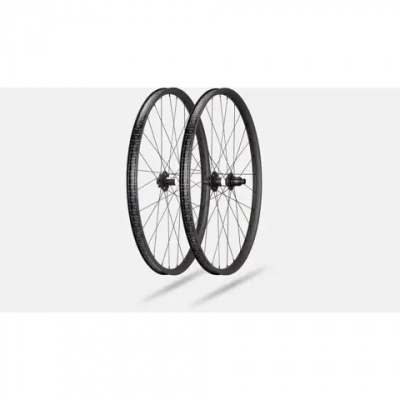
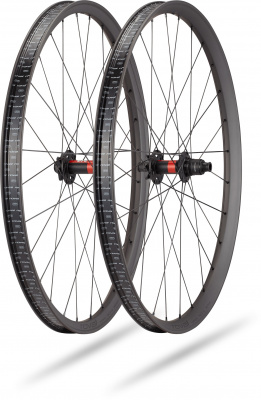
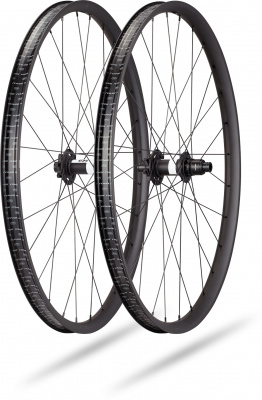
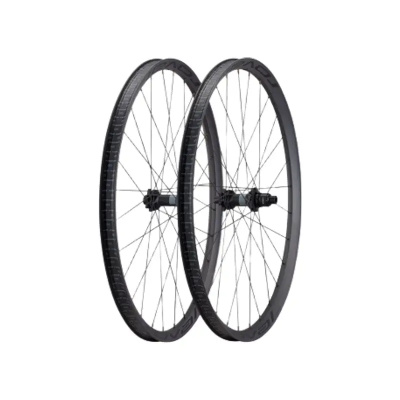
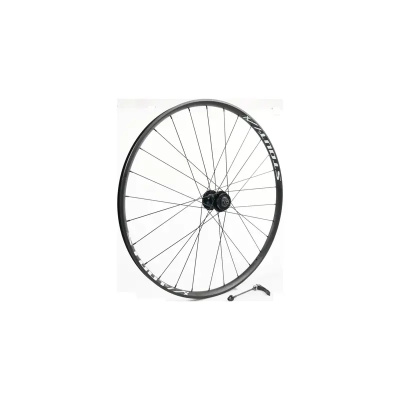
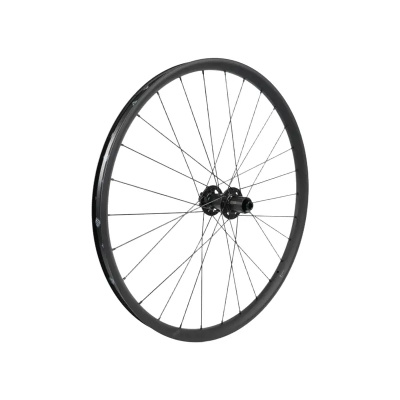
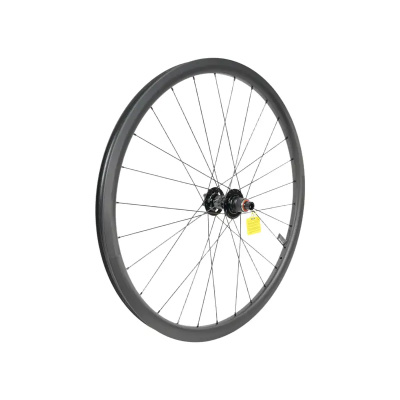
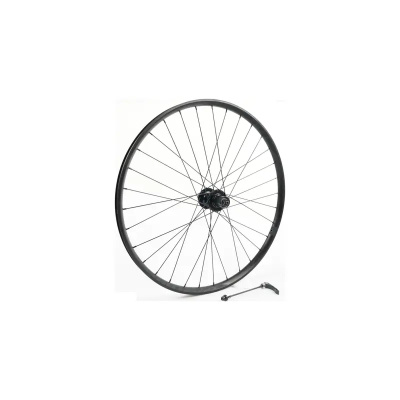
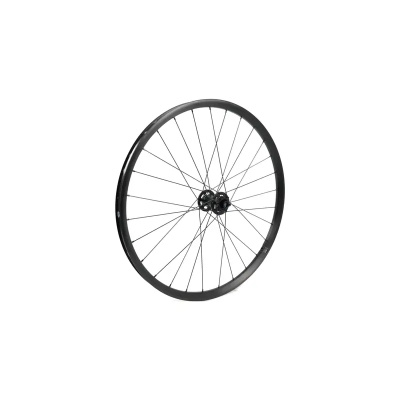
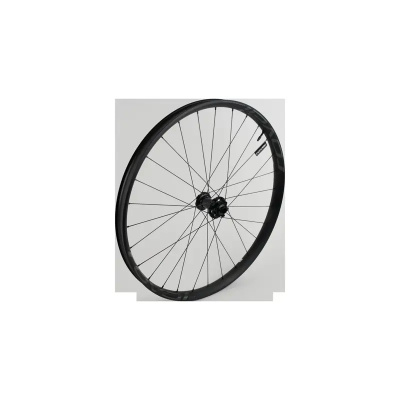
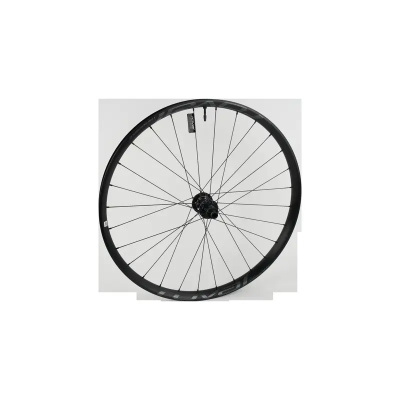
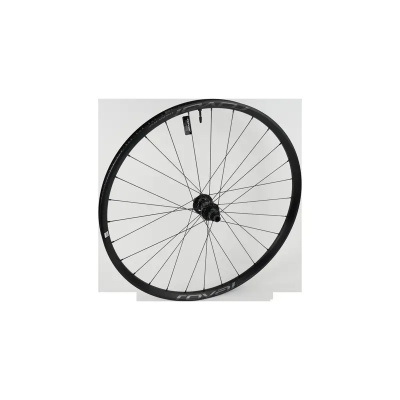
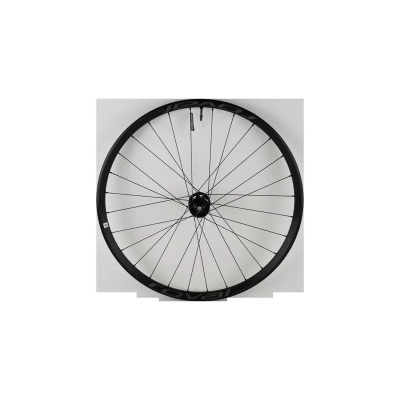
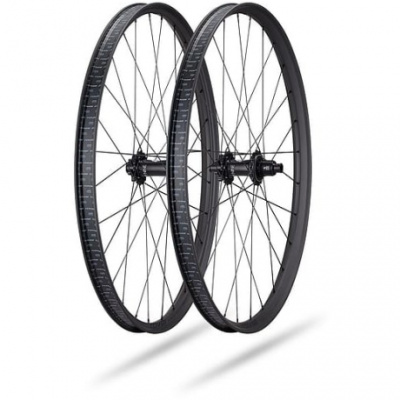
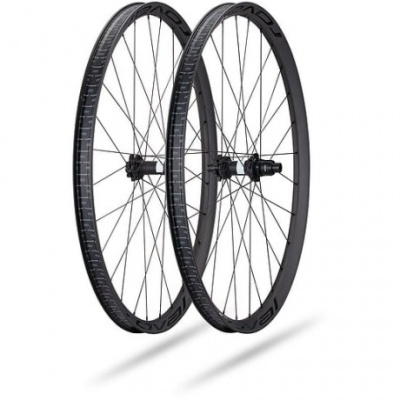
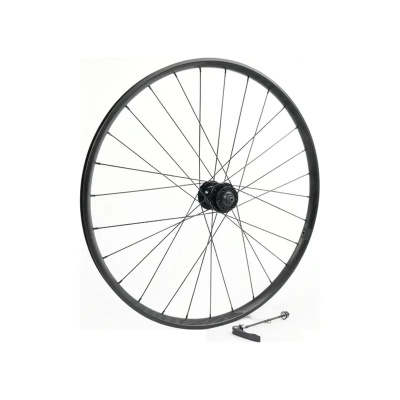
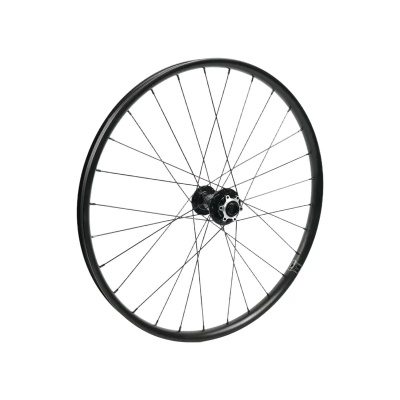
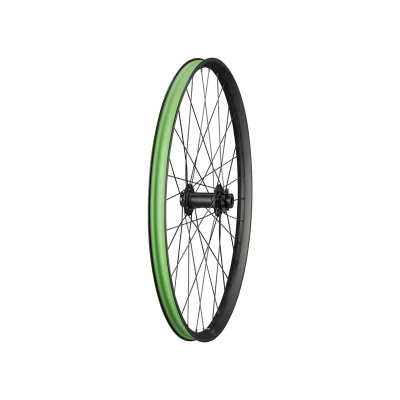
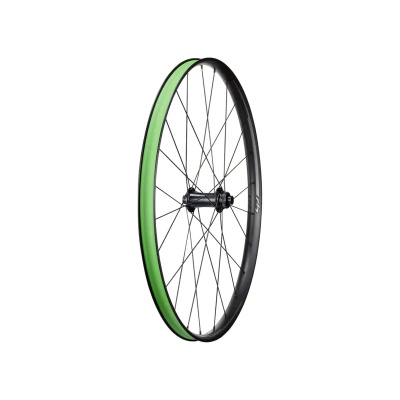
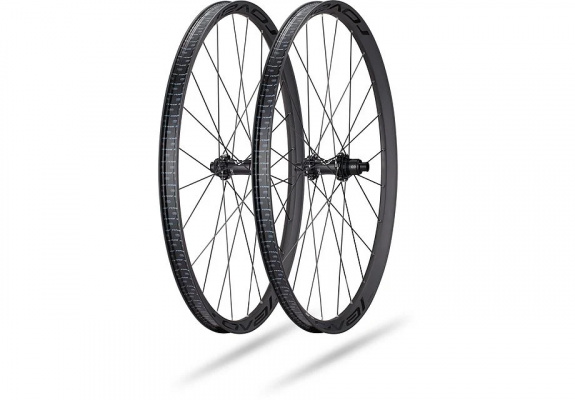
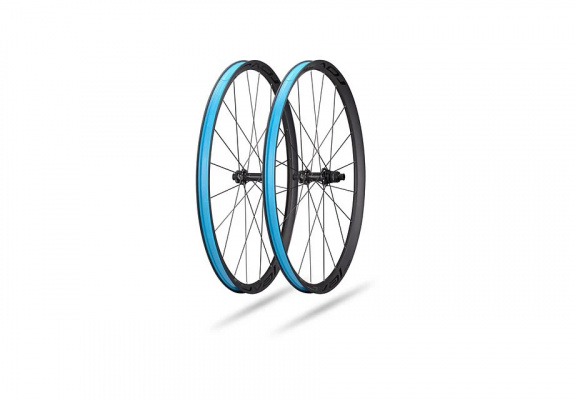
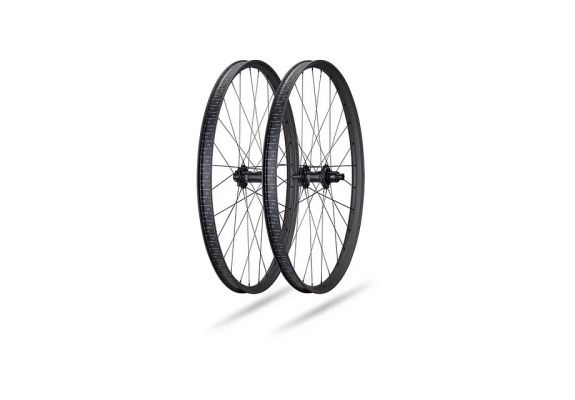
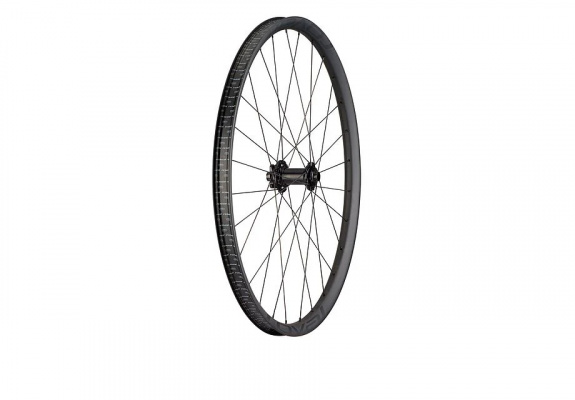
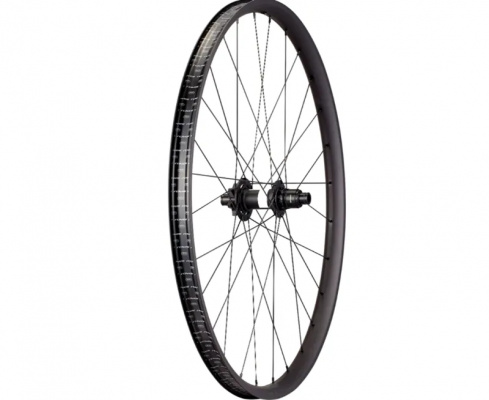
Specialized MTB wheels sit at the sharper end of what modern mountain biking demands - and whether you're rebuilding a trail bike or swapping out stock hoops that have finally given up the ghost, the Roval range gives you a genuinely considered set of choices. Engineered under Specialized's premium Roval sub-brand, these wheelsets are built around two core principles: impact-resistant hookless rim profiles that laugh off sharp-edged rock strikes, and DT Swiss hub internals that earn their reputation every wet, gritty kilometre. The lineup covers XC through to enduro, in alloy and carbon, so there's a meaningful decision to make rather than just grabbing whatever fits. Boost spacing is standard across the modern range, and freehub compatibility covers SRAM XD, Shimano Micro Spline, and older HG standards - worth checking before you order. All current Roval MTB wheels are tubeless ready from the box, which matters when you're running low pressures on rooty, boggy British singletrack and can't afford a pinch flat ten miles from the car park. Compare the full Roval Traverse and Control range below to find what works for your frame, drivetrain, and riding style.
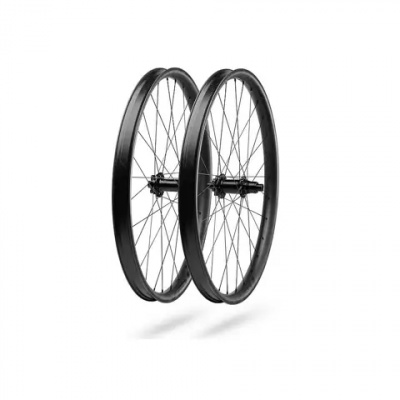
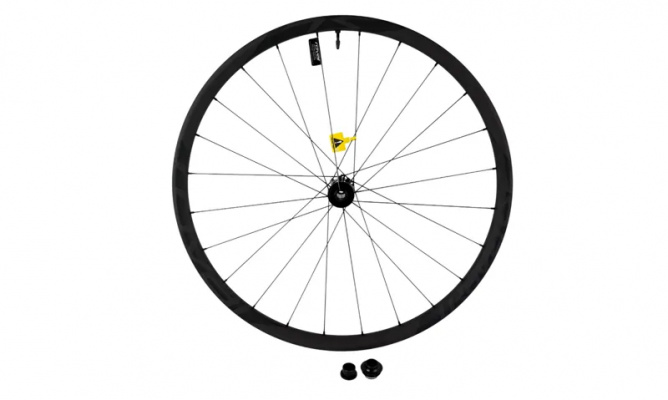
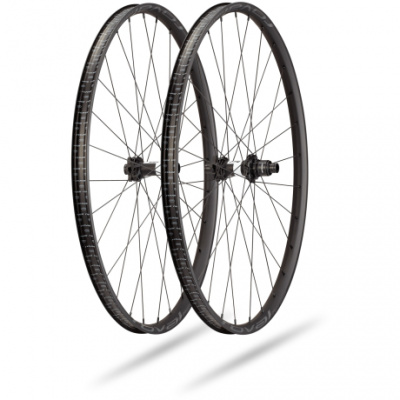
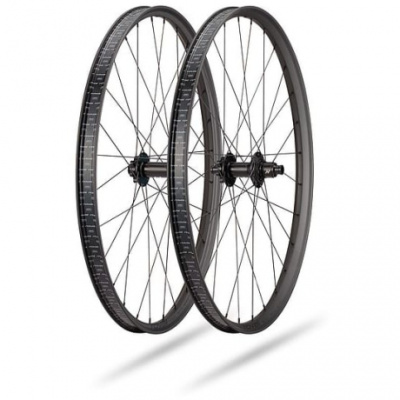
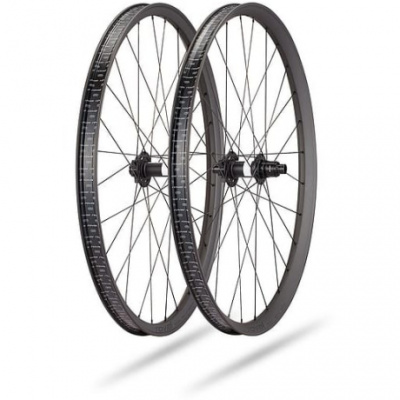
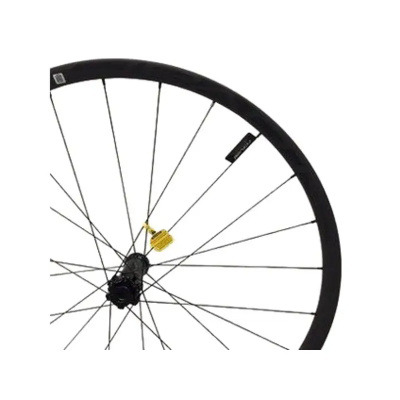
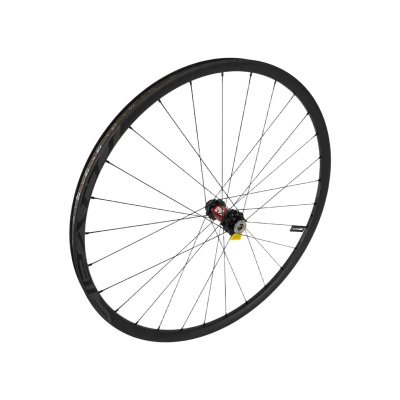
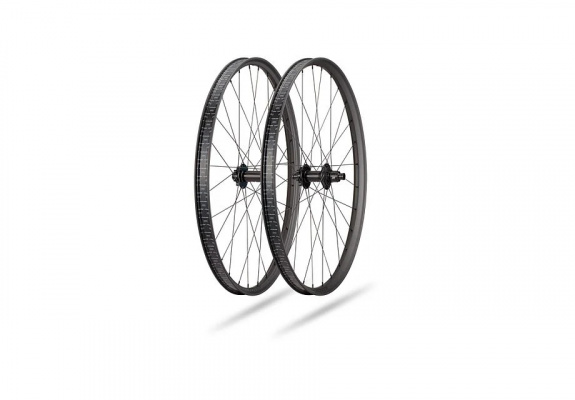
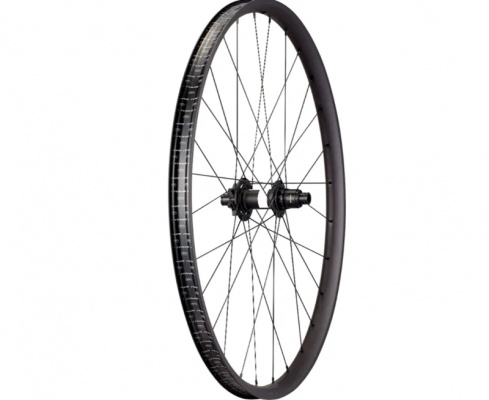
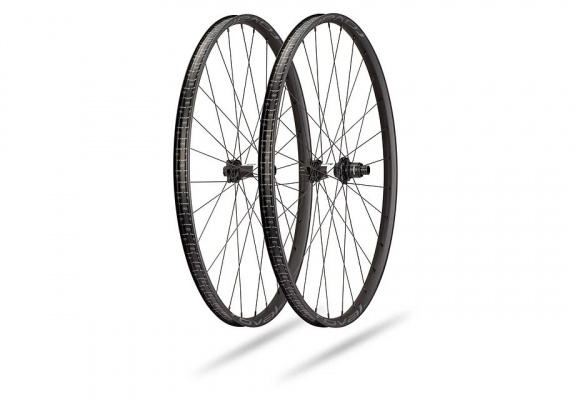
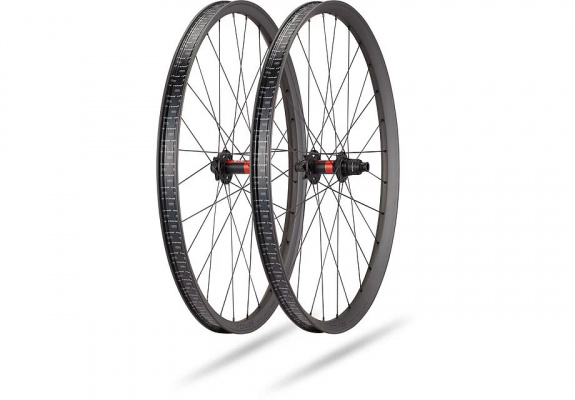
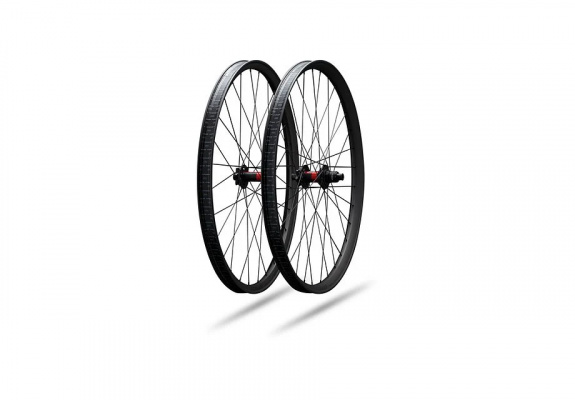
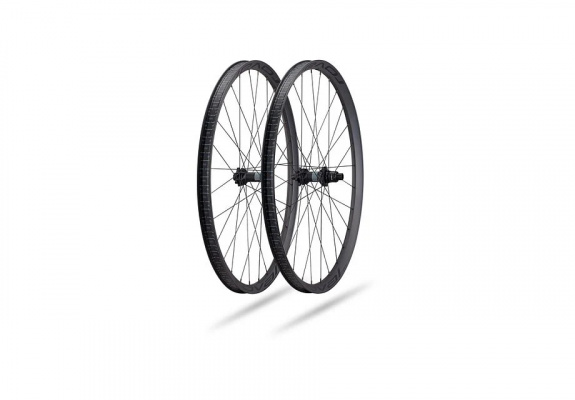
Prices and availability can change quickly. Delivery charges are not always included in listed prices.
Final price, stock status and delivery terms are set by retailer. We may receive a commission on purchases made.
Axles, Freehubs and Rotor Mounts: Getting the Fit Right
Before anything else, check your axle spacing. The vast majority of current Roval wheels are built around Boost - that's 15x110mm at the front and 12x148mm at the rear - which is now the default for most trail and enduro frames built in the last five or six years. Some Specialized S-Works and enduro-oriented frames use Super Boost rear spacing at 157mm, so confirm your dropout width before buying. It's the kind of thing that's easy to miss and annoying to sort out once the wheels have arrived.
Freehub bodies are where things get specific. Running a 12-speed SRAM drivetrain? You need an XD driver. Shimano 12-speed XT or SLX? That's Micro Spline - it looks similar to HG but is not interchangeable, and forcing the wrong cassette on is a bad day for everyone involved. Older 9, 10, or 11-speed Shimano or SRAM setups use the standard HG freehub body, which is still widely available. Most Roval hubs let you swap the driver body, so if you're changing drivetrain down the line, you're not writing off the wheelset.
For rotor mounts, Roval wheels are available in both 6-bolt and Centerlock configurations. Centerlock is faster to swap rotors and generally cleaner, but you'll need a Centerlock-compatible tool and an adapter if you're running 6-bolt rotors. Neither standard is better mechanically - it's just a matter of matching what you already have. If you're building your own wheels or need to replace a specific component rather than buying a complete set, check out our dedicated selections of Specialized MTB tyres and Specialized inner tubes to complete the build.
Breaking Down the Roval Range: Control, Traverse, Alloy and Carbon
Roval organises its MTB wheels around two distinct characters, and picking the wrong one for your riding is a genuine waste of money. The Roval Control line is built for XC and light trail use - the focus is weight and climbing efficiency. Narrower internal widths, stiffer carbon layups optimised for responsiveness, and hub internals tuned to keep rotational weight down. If you're racing or chasing Strava segments on hardpack, this is the line to look at. The Roval Traverse is the trail and enduro option - wider internal widths (typically 30mm or more), reinforced carbon layups that prioritise impact resistance over outright lightness, and a more forgiving ride character when the trail gets chunky. Think of the Control as a scalpel and the Traverse as something that can actually take a hit.
Within each line, there's a tiering structure worth understanding. Alloy versions are the entry point - heavier, but genuinely durable and cost-effective to run long-term. Carbon models use Roval's specific carbon layups for each wheel character, saving meaningful weight and improving stiffness-to-compliance balance. At the top sit the SL (Super Light) versions, which use premium carbon layup and upgraded DT Swiss 240 hub internals rather than the DT Swiss 350 found in the standard carbon tier. The 240 is lighter and offers faster engagement - the difference between 36t and 54t Star Ratchet engagement is something you feel on technical switchbacks where you need to accelerate hard out of a tight corner.
Roval also uses Step Cast spoke hole drilling on its carbon wheels, which angles the spoke beds to improve spoke alignment and reduce stress at the elbow. It's a small detail, but it contributes to long-term wheel durability in a way that matters over thousands of miles of trail riding. For a comparison point on hub quality and build philosophy, Hope MTB wheels offer a UK-made alternative with their own renowned internals, while DT Swiss MTB wheels let you buy the source of Roval's hub tech directly if that's the direction you want to go.
One thing that runs across the whole Roval carbon range is Zero Bead Hook rim technology - Roval's hookless rim profile. Hookless rims are stiffer at the bead seat, handle impacts better, and are generally lighter than hooked equivalents, but they do require tubeless-only tyres rated for hookless use and a maximum tyre pressure of typically 40psi. That's not a constraint for most trail and enduro riders, but it's worth flagging if you're used to running tubes at higher pressures. On wet, rooty Welsh or Scottish trails where you'd be running 18 - 22psi anyway, it's a non-issue.
Keeping Roval Wheels Running Through a British Winter
UK conditions are genuinely hard on wheels. Peak District grit and Scottish mud get into bearing seals and freehub internals faster than you'd expect, and lower-quality hub bearings will start feeling notchy within a season. The DT Swiss Star Ratchet system used in mid-to-high-end Roval wheels is a significant advantage here - it's straightforward to strip down and regrease without specialist tools, and replacement ratchet rings are widely stocked. That serviceability matters when you're pulling 40 miles of winter trail out of a set of wheels every weekend.
One specific note on servicing: DT Swiss Star Ratchet systems need DT Swiss's own pink grease - not standard lithium grease, not whatever's on the workshop bench. Standard greases can cause the ratchet rings to stick under cold or wet conditions, which turns a fast engagement mechanism into something that skips under load. Pink grease is cheap, widely available, and takes ten minutes to apply properly. Worth keeping a tube in your workshop drawer alongside your tubeless sealant.
For tubeless maintenance, check your rim tape condition every season. Tape lifts at the valve hole, especially after repeated pressure changes and sealant drying cycles, and a small lift is enough to cause a slow leak that sealant won't fix. Re-taping takes twenty minutes and is cheaper than diagnosing a mystery flat over three rides. Also rinse your hubs after particularly muddy sessions - mud drying around the freehub seal is how ingress starts, and a quick rinse costs nothing. If you're looking at alternative carbon wheelsets with strong UK support networks, Mavic MTB wheels and Reserve MTB wheels are both worth comparing for build quality and dealer coverage.
Specialized MTB Wheels FAQs
Are Specialized Roval wheels tubeless ready?
Yes. All current Roval MTB wheels come tubeless ready from the factory, with rim tape pre-installed and tubeless valves in the box. You'll need tubeless-compatible tyres and sealant - that's it. Worth noting: the hookless rim profile on carbon Roval wheels requires tyres specifically rated for hookless use.
What freehub body do I need for Specialized MTB wheels?
It depends on your cassette. SRAM 11 or 12-speed cassettes need an XD driver body. Shimano 12-speed (XT, SLX, Deore) needs Micro Spline - not standard HG. Older 9, 10, or 11-speed Shimano or SRAM uses the standard HG freehub. Most Roval hubs support driver body swaps, so you're not locked in permanently.
Do Specialized wheels use DT Swiss hubs?
Mid-to-high-end Roval wheels use DT Swiss hub internals - typically the 350 Star Ratchet system on standard carbon models, stepping up to the lighter DT Swiss 240 on SL variants. Entry-level alloy models use standard pawl-based hubs. The DT Swiss internals are what make the better Roval wheels straightforward to service and long-lived in harsh conditions.