
Specialized Jackets
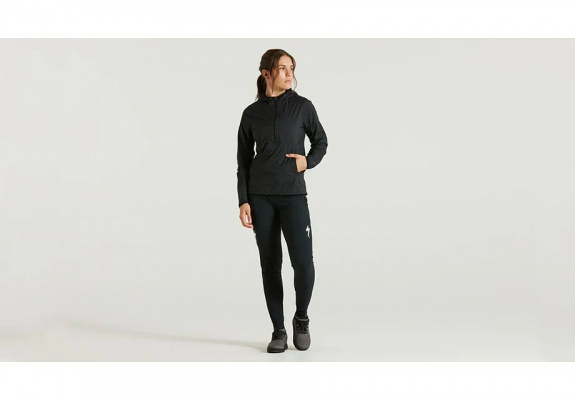
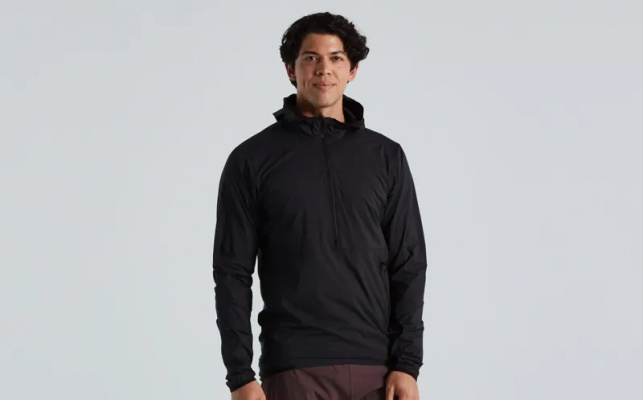
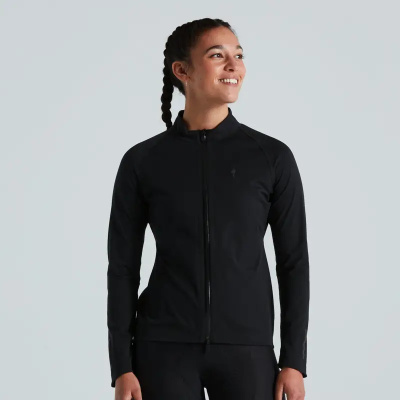
Specialized cycling jackets are built around a straightforward idea: keep you on the bike longer, whatever the sky decides to throw at you. Whether that's a November squall hammering the A-roads or a persistent Welsh drizzle settling in over the trail centre, there's a jacket in the range engineered to deal with it without turning you into a mobile sauna.
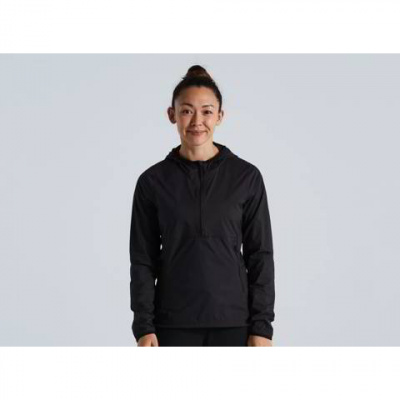
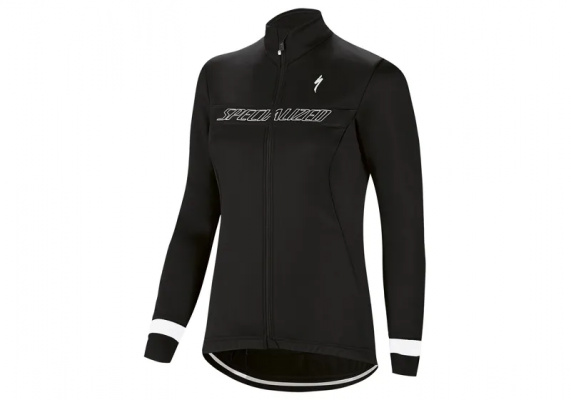
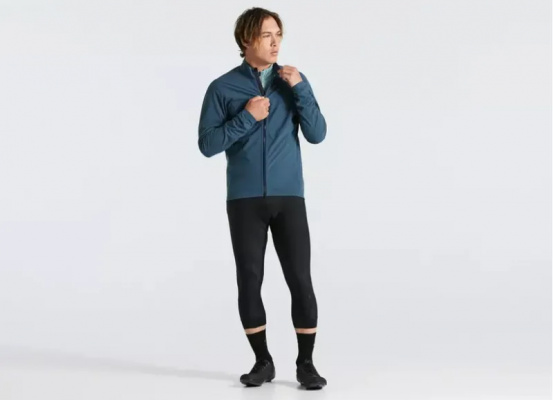
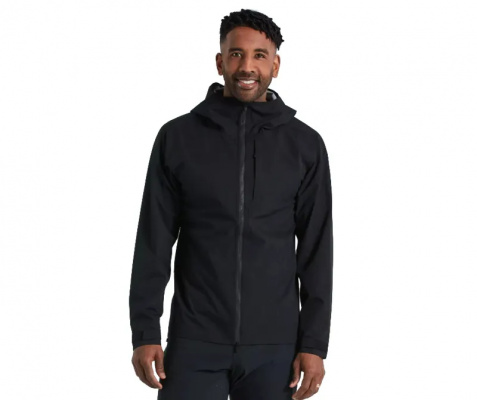
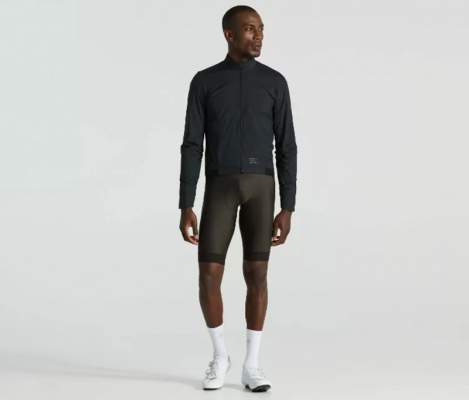
At the performance end, Specialized lean on Polartec® NeoShell® - a waterproof membrane that breathes more actively than most alternatives, making it genuinely useful on steep, sweaty climbs rather than just flat commutes. Road-focused riders will find the SL and Prime lines cut close and trim, sitting flush to reduce drag in the drops. Trail and MTB riders get the Deflect and Trail lines - roomier across the shoulders, built to layer over a base and move with you rather than against you.
HyprViz technology runs through several winter-specific options, using high-visibility colour and reflective detailing to make sure you're seen on dark December afternoons. Pair that with DWR-treated fabrics on the lighter shells and fully taped seams on the hardcore waterproof options, and the range covers everything from a packable rain shell stuffed in a jersey pocket to a proper insulated winter jacket. No single compromise fits every rider - but Specialized's range is wide enough that you shouldn't have to make one.
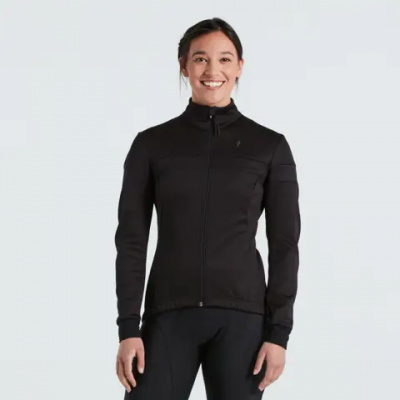
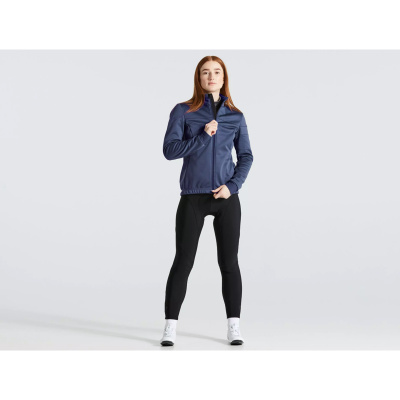
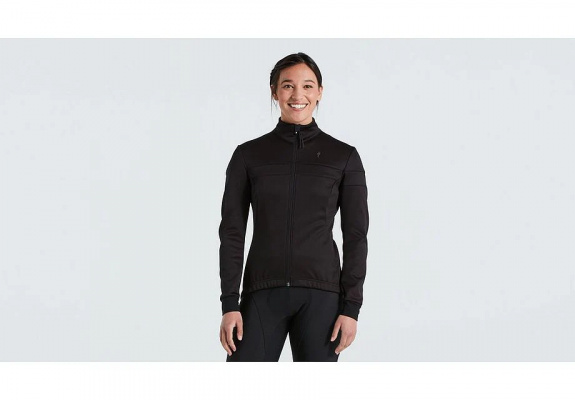
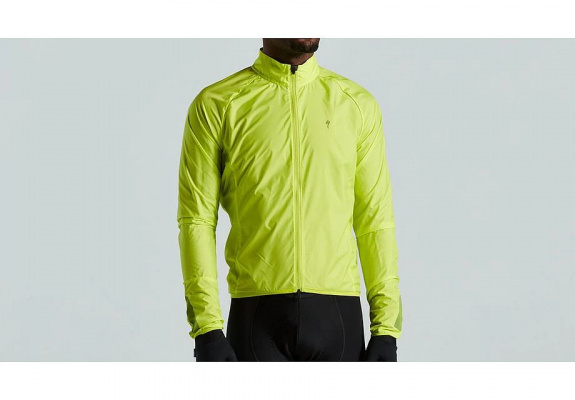
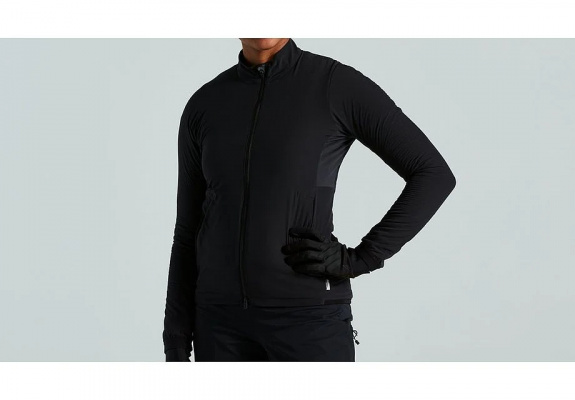
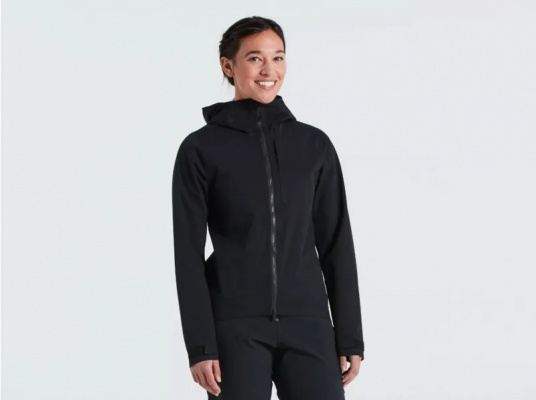
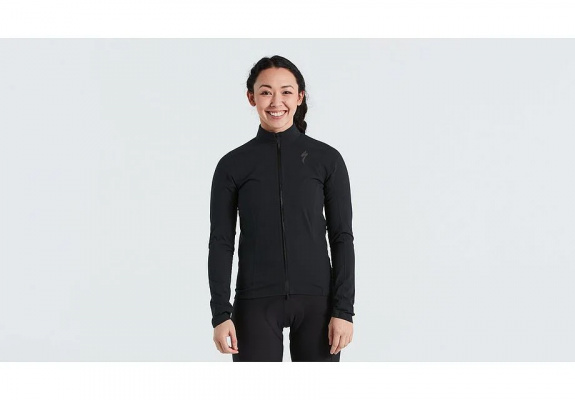
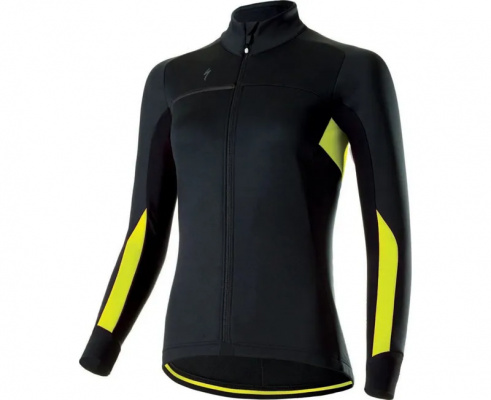
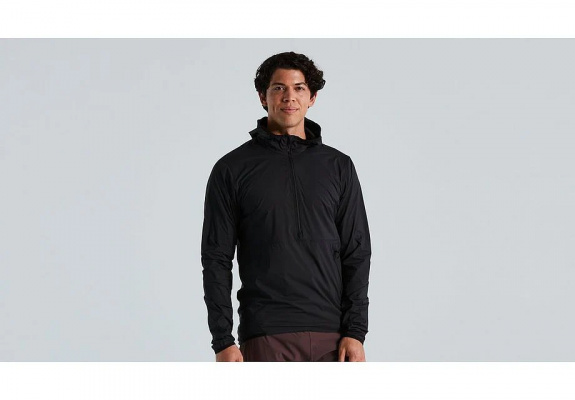
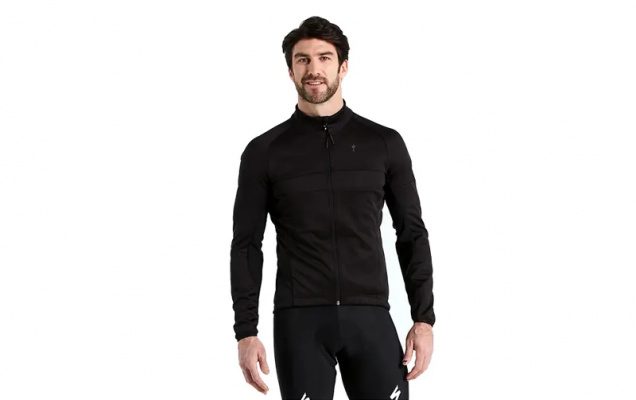
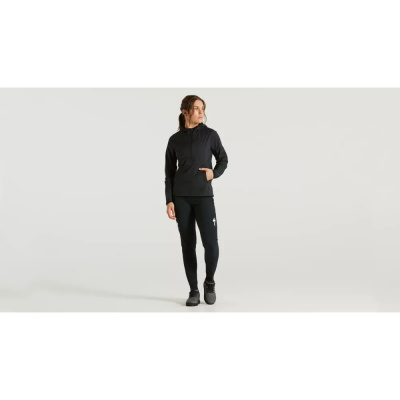
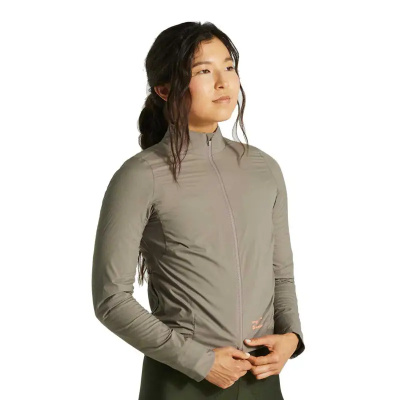
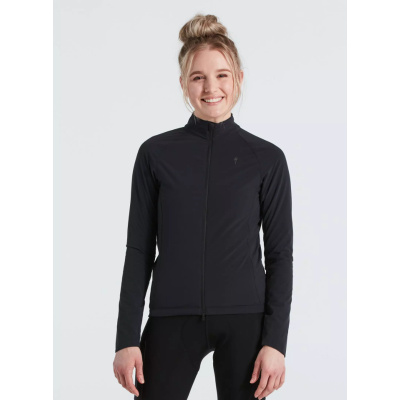
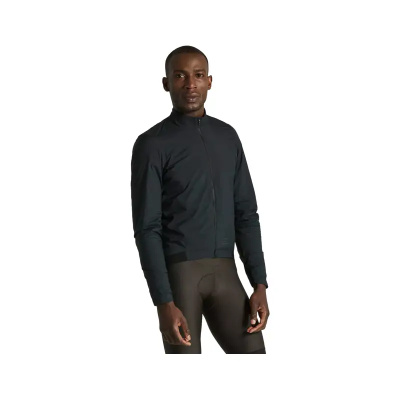
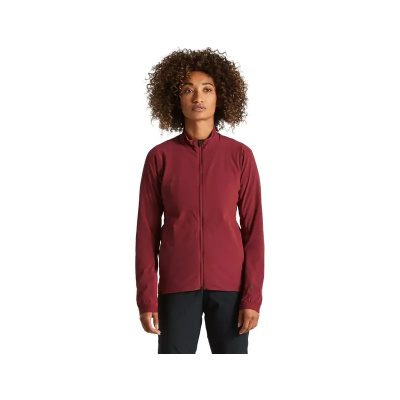
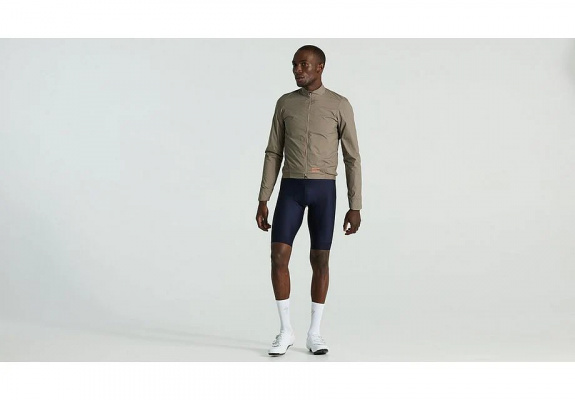
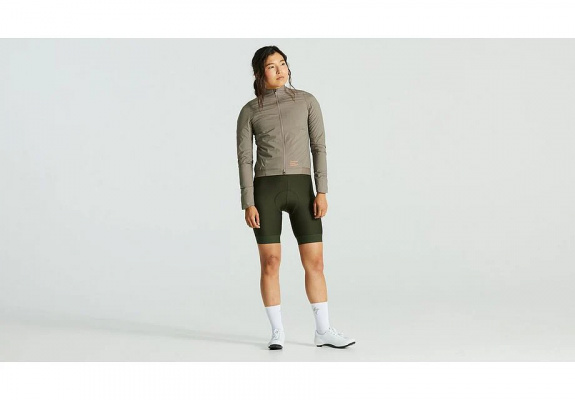
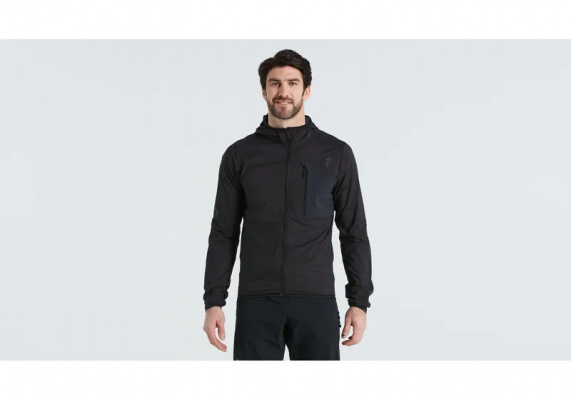
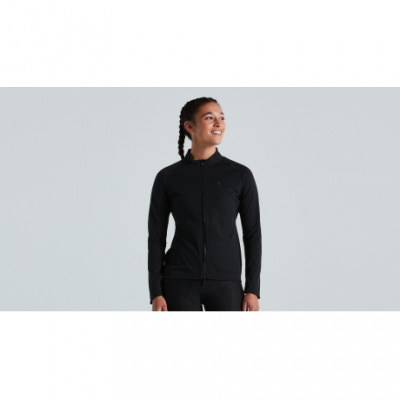
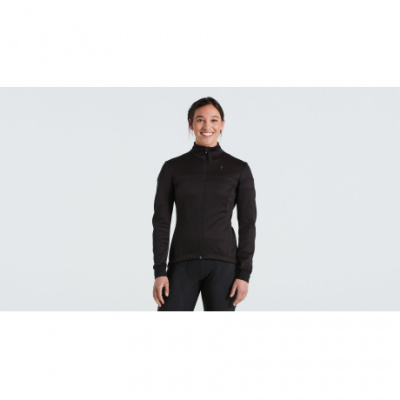
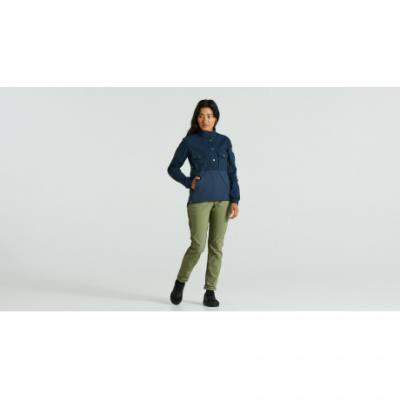
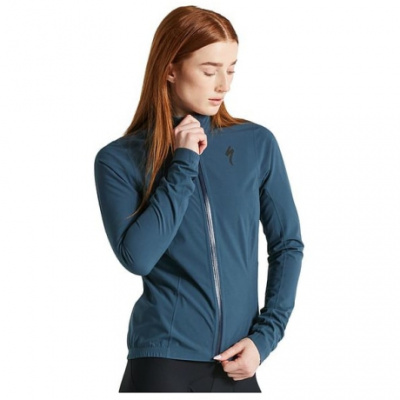
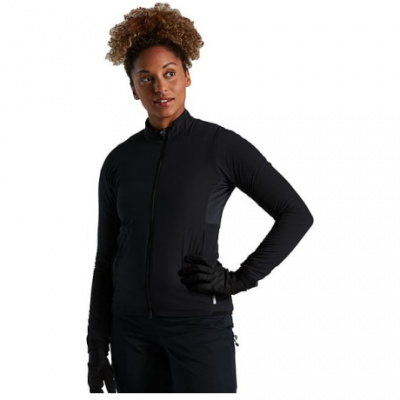
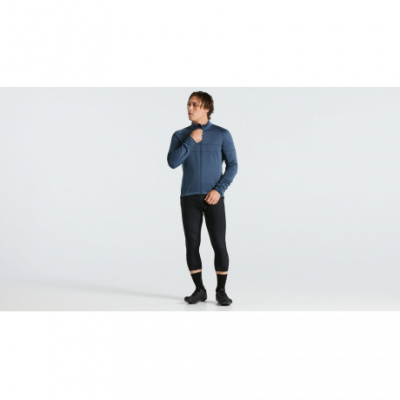
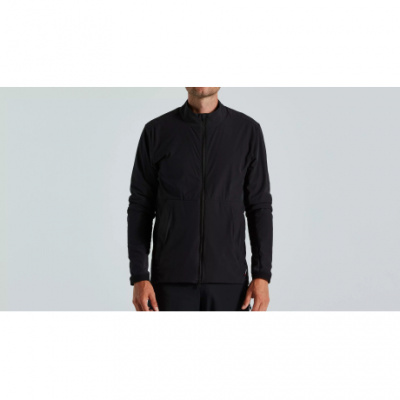

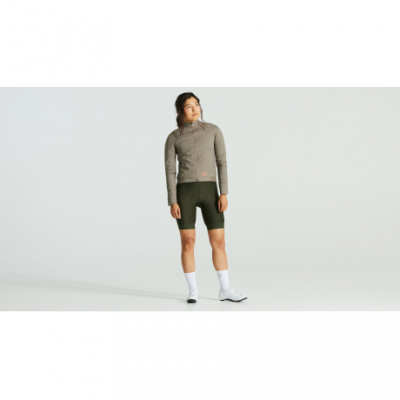
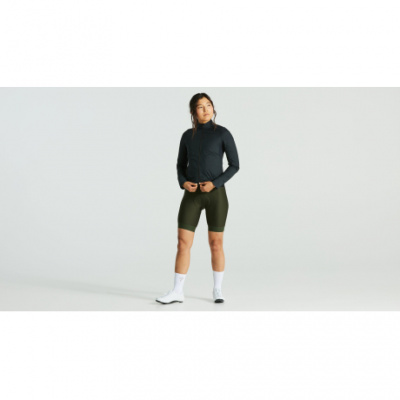
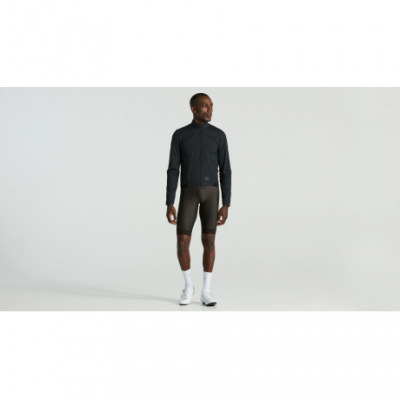
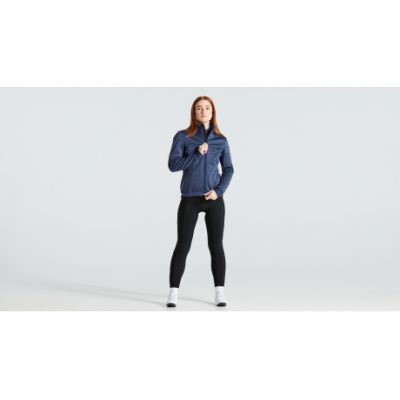
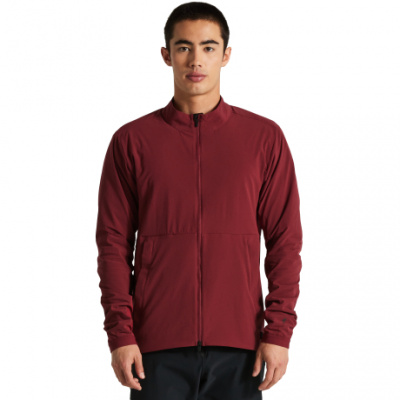
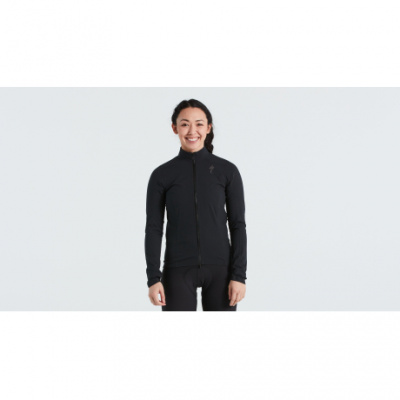
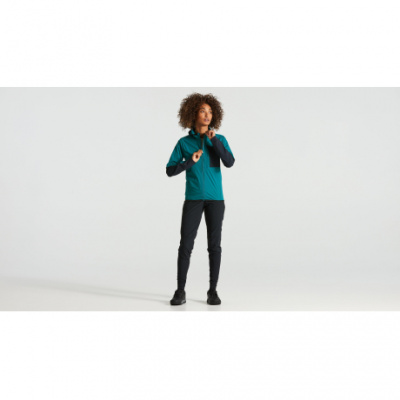
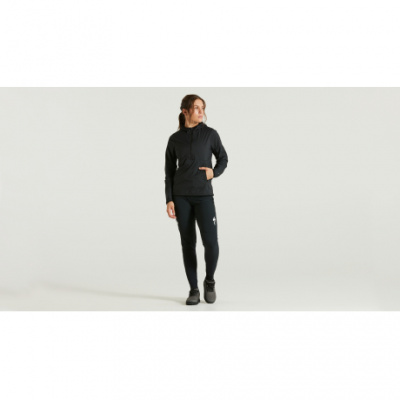
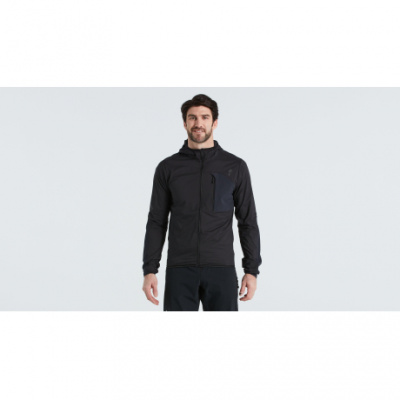
Prices and availability can change quickly. Delivery charges are not always included in listed prices.
Final price, stock status and delivery terms are set by retailer. We may receive a commission on purchases made.
Fabric Tech and What It Means on a Wet Ride
The most important split in the Specialized jacket range is between windproof shells and fully waterproof constructions - and it's worth knowing the difference before you buy. The lighter shells use a DWR (Durable Water Repellent) coating on the outer fabric, which beads water off during a shower but will eventually wet out in sustained rain. They're packable, breathable, and genuinely useful for the kind of mixed days that make up most of a UK riding season. Think a fast road ride that starts dry and finishes damp - not a full day in the Peaks in October.
Step up to the fully waterproof options and you're looking at taped seams and, in Specialized's best performers, Polartec® NeoShell® construction. NeoShell works differently from most waterproof membranes - it allows vapour to escape more freely when you're working hard, which means less heat build-up during long climbs. If you've ever finished a steep ascent in a conventional waterproof feeling like you've done the washing up from the inside, you'll understand why this matters. It's not magic, but it's a meaningful step forward in breathability without sacrificing genuine wet-weather protection.
For winter riding specifically, some Specialized jackets use Polartec® Alpha® insulation. Alpha is an active insulation - it maintains warmth even when damp, and it moves moisture away from your core during higher-intensity efforts rather than trapping it. That makes it a better fit for riding than traditional down or heavy synthetic fills, which tend to work well when you're standing still and struggle when you're generating heat. Pair an Alpha-insulated jacket with a merino base layer and you've got a system that handles the temperature swings of a winter sportive far better than a single thick layer ever could.
Fit, Range, and Which Line Suits Your Riding
Specialized use distinct fit profiles across the range, and getting this right matters as much as the fabric choice. Road jackets - the SL and Prime lines - are cut in what Specialized call a Form Fit. That means a long back hem to cover your lower back in an aggressive position, a close body wrap to stop fabric buffeting at speed, and sleeves angled forward for the drops. If you're spending four hours on the bike at a racing crouch, this is what you want. It's not a jacket you'd wear to the café and back comfortably.
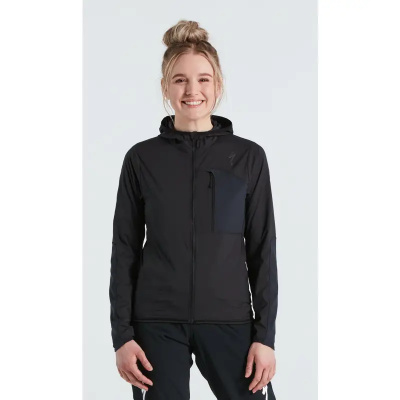
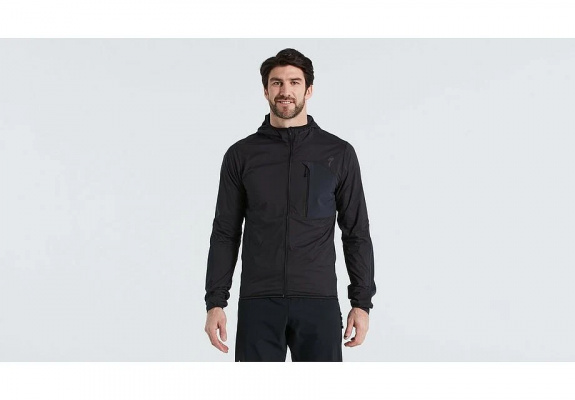
The Trail and Deflect lines run with a Regular or Relaxed Fit - more room across the back and shoulders, a shorter hem suited to a more upright position, and enough space to layer a mid-layer underneath or move freely on technical MTB sections. SWAT™ integration appears on several MTB-focused jackets, adding a low-profile internal pocketing system designed to carry a tube, tool, and phone without adding a bag. Tidy solution for riders who don't want a pack for a short trail session.
Looking for core protection without the bulk of full sleeves? Explore our dedicated range of Specialized Gilets for easily packable, transitional weather layers. And if you're comparing Specialized's fit and tech against the wider market, Castelli jackets sit in a similar performance road bracket, while Endura jackets offer a strong British-weather-specific alternative, particularly for mixed-surface and commuting use.
Layering for UK Conditions and Keeping Your Jacket Working
Most UK riders overcomplicate their layering. The practical approach: a merino or synthetic base layer next to the skin to manage sweat, a mid-layer only if temperatures drop below about five degrees, and a Specialized shell on top. That three-layer system handles most of what the British winter produces - damp cold, variable wind, and the occasional proper downpour - without overheating on the climbs. If you're running a Polartec Alpha jacket as your outer, you can often drop the mid-layer entirely on harder efforts.
HyprViz-equipped jackets earn their place specifically for low-light riding - early morning winter commutes, late-evening road rides in November. The high-visibility colourways and reflective detailing work alongside your lighting setup rather than replacing it. Speaking of which, if you're building out your winter visibility kit, it's worth looking at Specialized lights alongside your jacket choice. For longer days out where a packable jacket lives in a bag alongside food and spares, Specialized hydration packs are sized to work with the brand's own SWAT-integrated pieces sensibly.
Wash care is straightforward but worth doing properly - get it wrong and you'll kill the DWR performance faster than the riding does. Wash at 30°C using a dedicated technical apparel cleaner. Avoid biological detergents entirely - the enzymes break down DWR treatments - and never use fabric softener, which clogs the membrane pores. Once washed, tumble dry on a low heat setting. The heat is what reactivates the DWR coating on the outer fabric. If your jacket is wetting out and beading less effectively, a low-heat tumble dry often sorts it before you need a reproofing spray. Compared to rivals like Assos jackets or Altura jackets, Specialized's care requirements are broadly similar - technical wash, no softener, low heat. None of them reward a standard 40-degree cotton wash.
Specialized Jackets FAQs
Are Specialized cycling jackets fully waterproof?
It depends on the model. Jackets built with <strong>Polartec® NeoShell®</strong> or fully taped seams offer complete waterproof protection. Lighter shells rely on a <strong>DWR coating</strong> to repel light showers - effective for mixed conditions but not designed for sustained heavy rain. Check the product spec for seam construction if full waterproofing is a must.
How should a Specialized winter cycling jacket fit?
Road jackets use a Form Fit - cut close to the body with a longer rear hem for coverage in an aggressive position. MTB and trail jackets run with a Regular Fit, leaving room to layer underneath and move freely off-road. If you're between sizes on a road jacket, size up to accommodate a base layer in colder months.
How do I wash my Specialized waterproof jacket?
Wash at 30°C with a dedicated technical apparel cleaner - no biological detergents, no fabric softener. Both damage the DWR treatment over time. Once washed, tumble dry on low heat to reactivate the DWR coating. If the outer fabric is wetting out rather than beading, try a low-heat tumble dry before reaching for a reproofing spray.