
Specialized Helmets
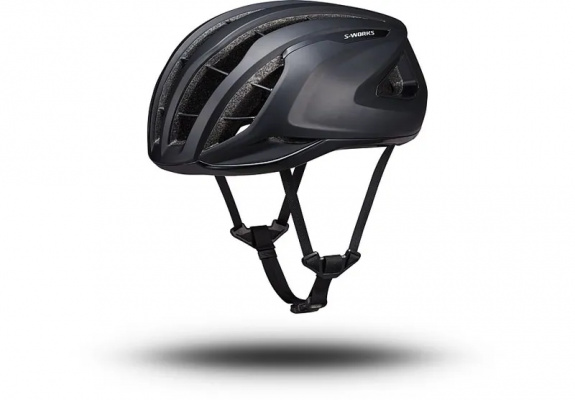
Specialized helmets have become the benchmark against which most other lids are measured - not through marketing weight, but because they consistently pair serious safety engineering with ventilation that genuinely works. From the accessible Align II to the pro-tier S-Works Prevail, every helmet in the range carries MIPS technology as standard on the vast majority of models, offering that crucial rotational impact protection that a conventional EPS foam and polycarbonate shell construction alone cannot provide.
What separates Specialized further is the ANGi crash sensor ecosystem. Riding solo on a quiet lane in the Dales or a remote trail in mid-Wales, that small sensor clipped to the rear of the helmet can alert your emergency contacts automatically if a significant impact is detected. For UK riders who often head out alone, that matters.
Ventilation is taken seriously too. Specialized's 4th Dimension Cooling approach creates deep internal channels through the EPS foam rather than simply cutting large holes in it, so airflow is active rather than passive. Whether you're grinding up a humid summer climb in the Chilterns or commuting into a headwind in November, the range has a lid that won't make you regret your choice at the top.
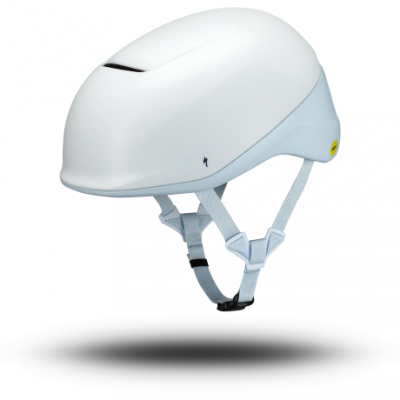
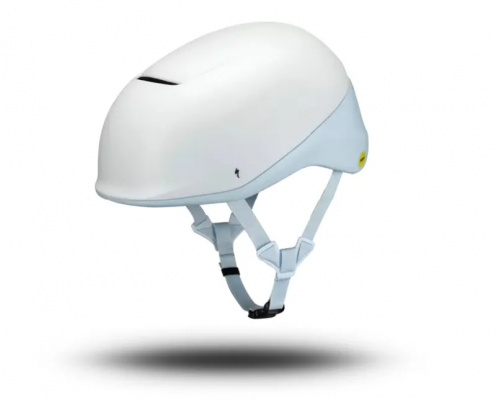
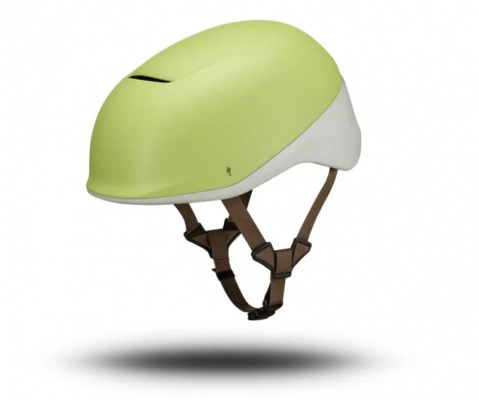
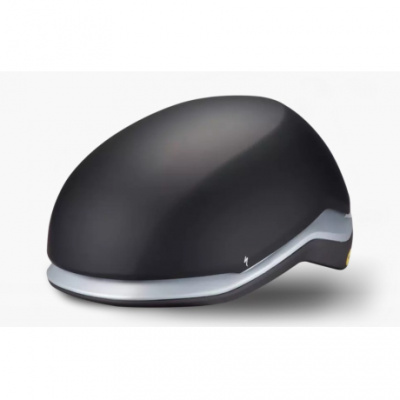
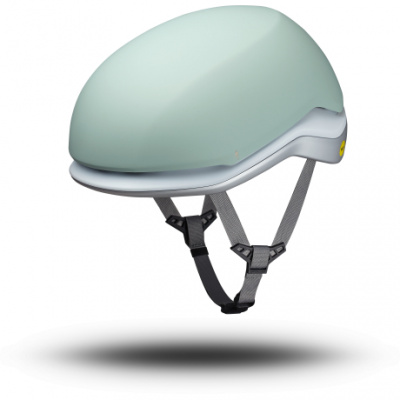
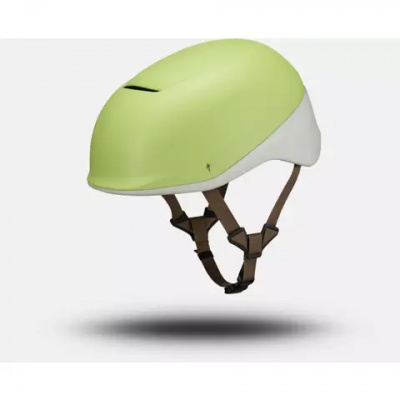
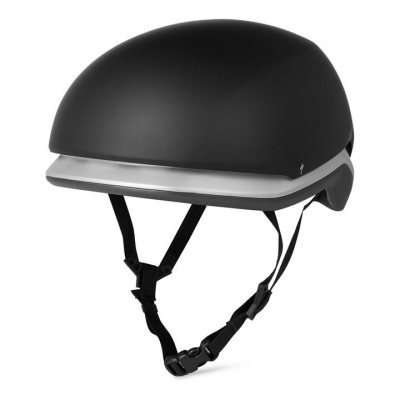
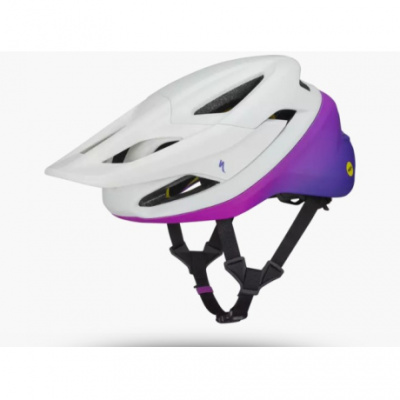
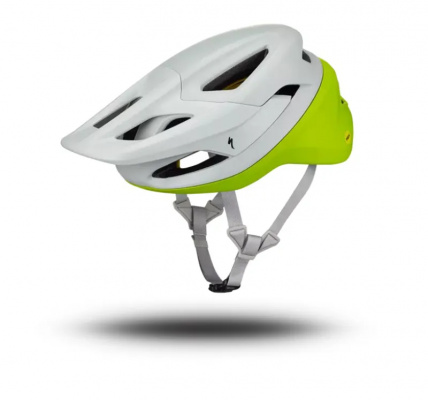
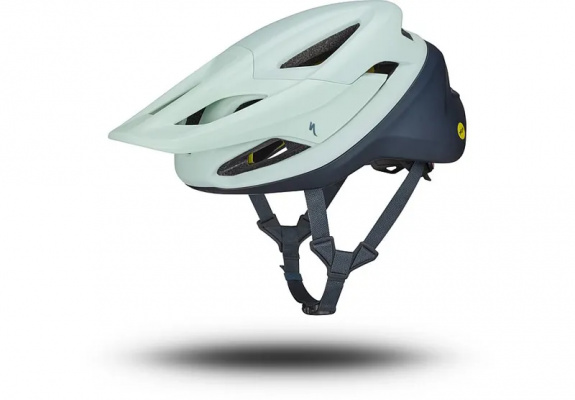
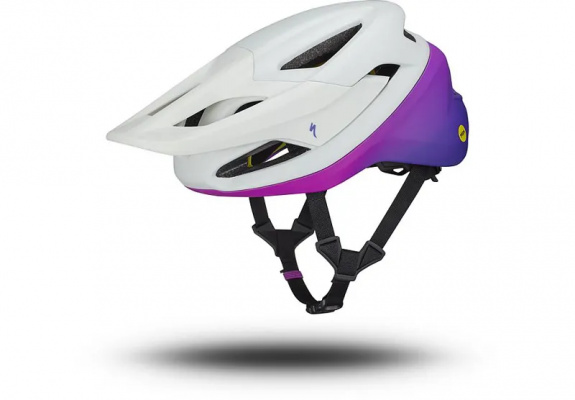
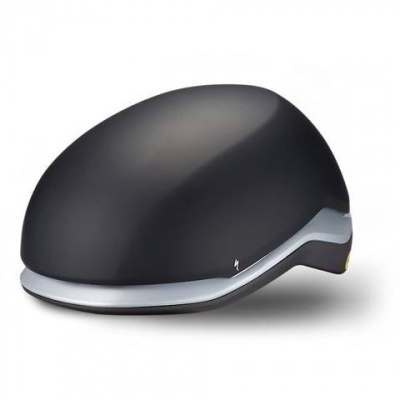
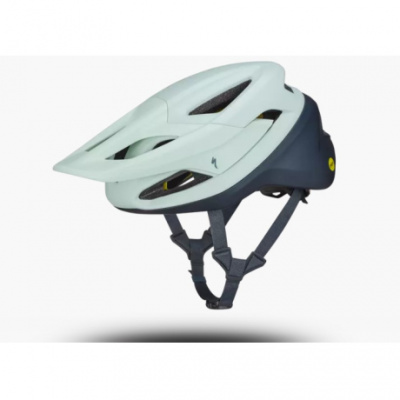
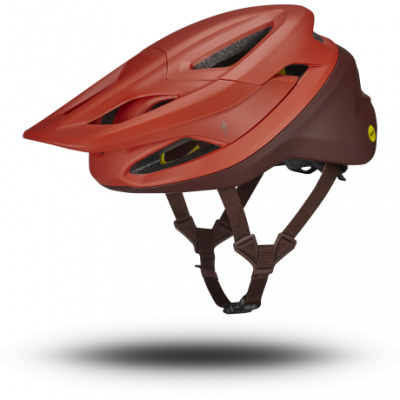
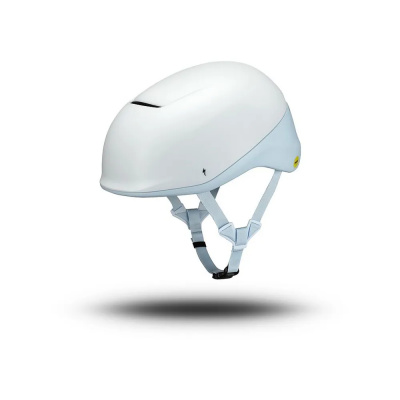
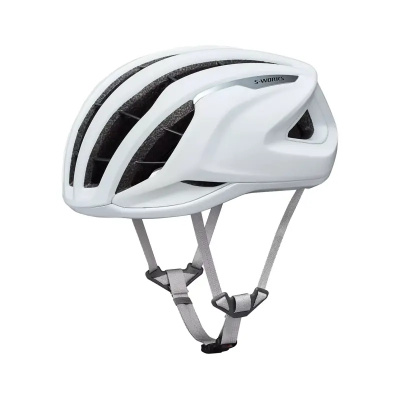
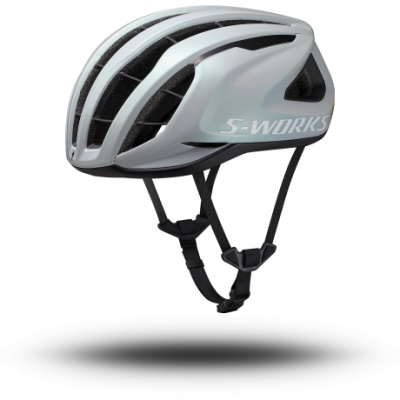
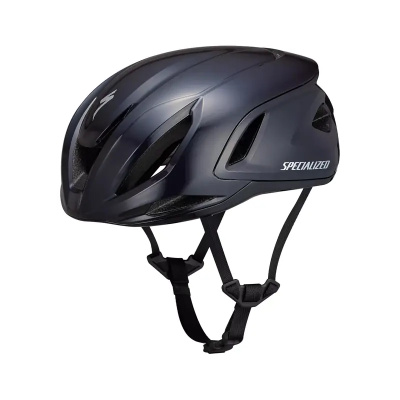
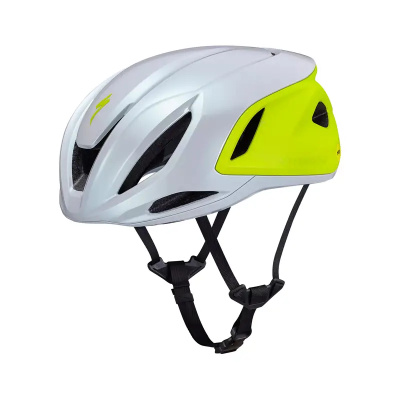
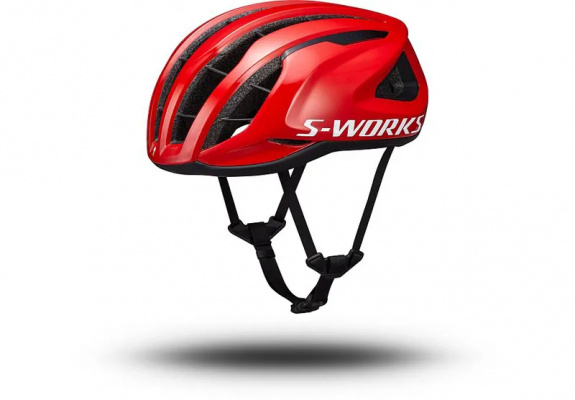
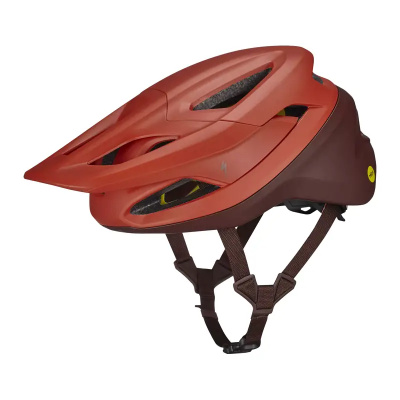
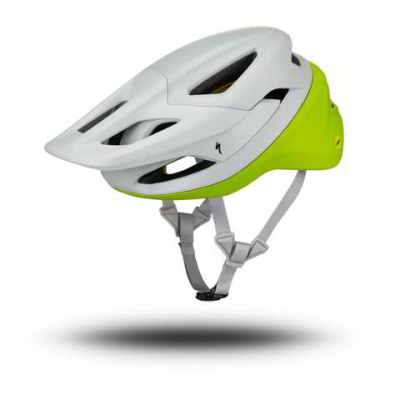
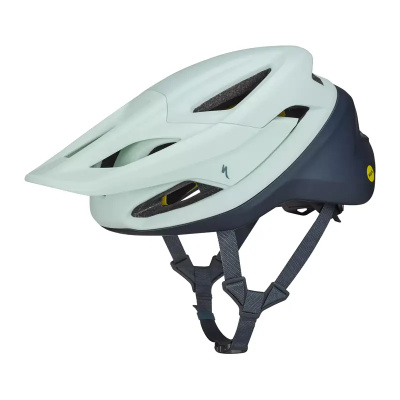
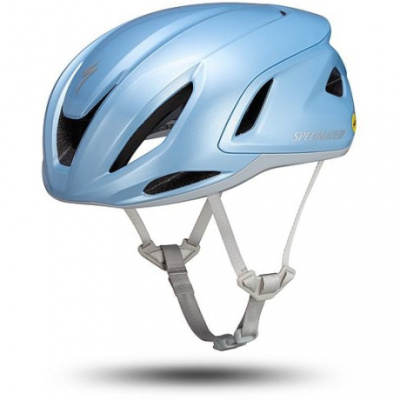
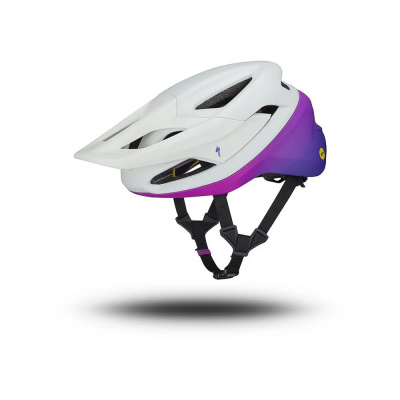
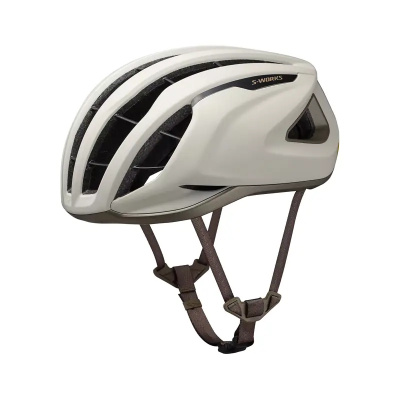
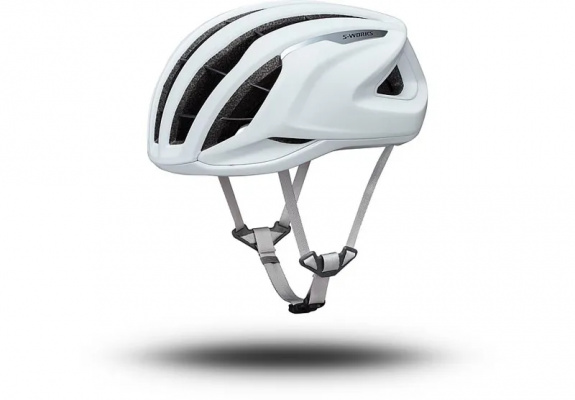
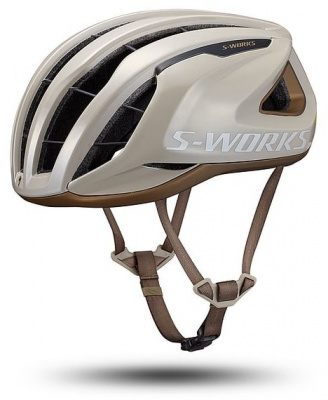
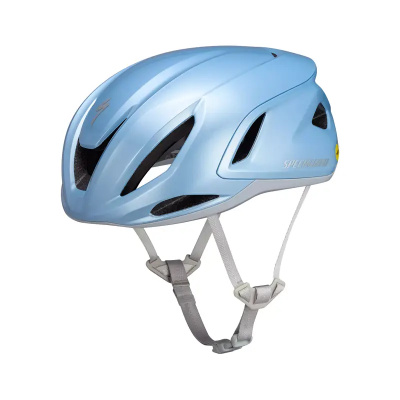
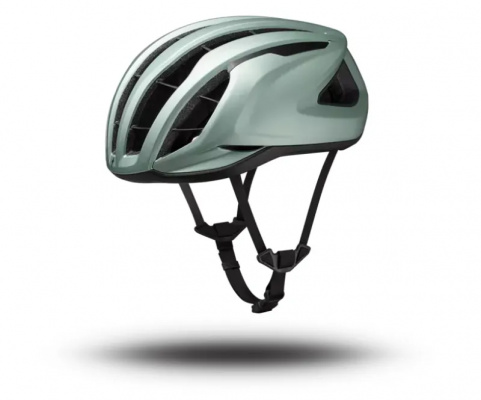
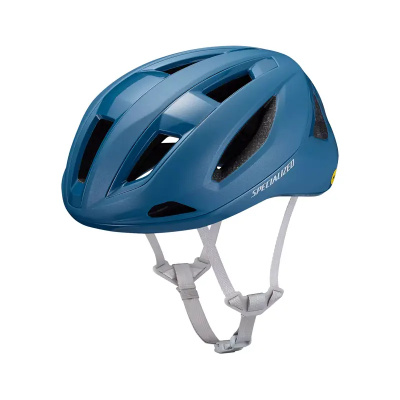
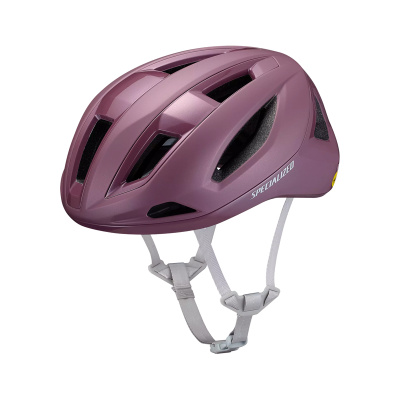
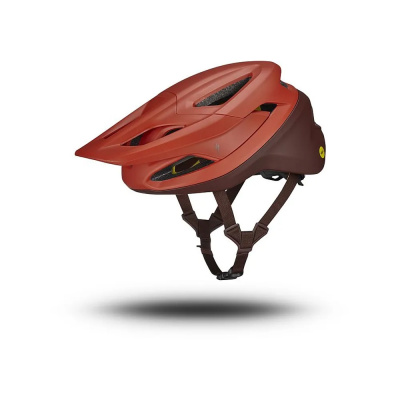
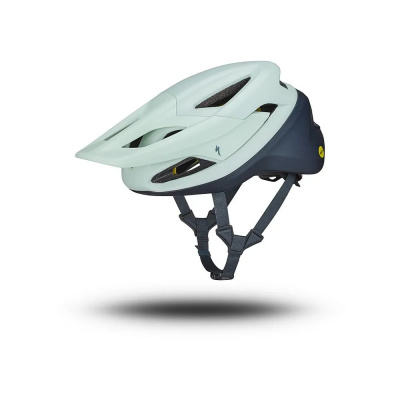
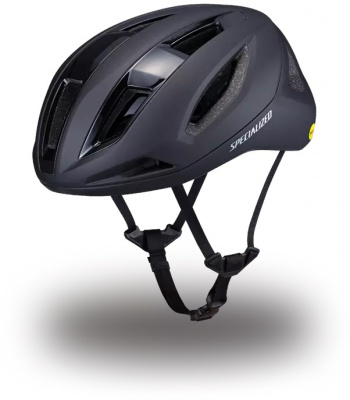
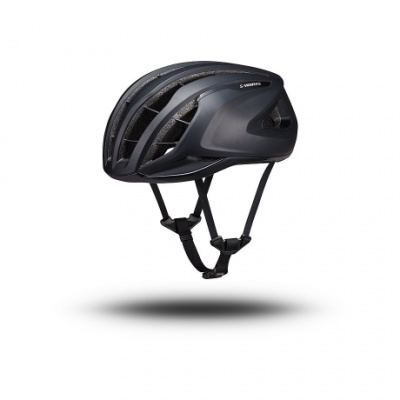
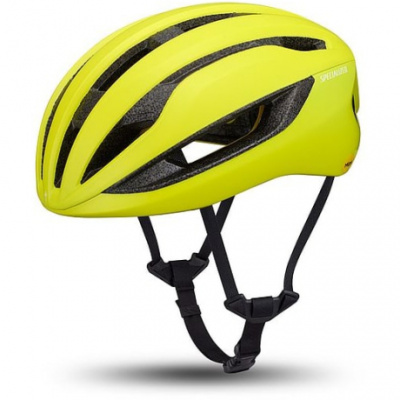
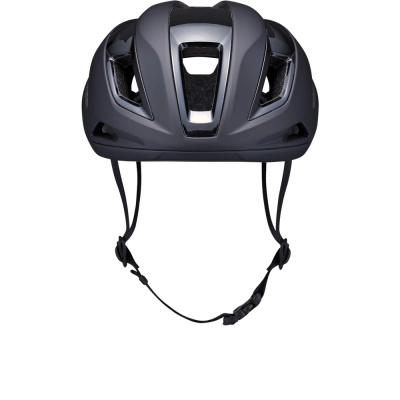
Prices and availability can change quickly. Delivery charges are not always included in listed prices.
Final price, stock status and delivery terms are set by retailer. We may receive a commission on purchases made.
Safety Tech That Goes Beyond the Shell
MIPS is now so embedded in the Specialized range that buying a helmet without it feels like the exception. The system works by allowing the helmet's inner liner to rotate a few millimetres independently from the outer shell during an angled impact - the kind of impact you actually experience in a real crash. Higher-end models use MIPS SL, a lighter, lower-profile version of the slip-plane that sheds grams without compromising the protective principle. It's a meaningful distinction if you're comparing lids at the road performance end of the range.
The ANGi crash sensor deserves more attention than it typically gets. The sensor itself mounts to a dedicated port at the rear of compatible helmets and pairs with the Specialized Ride App on your phone. It reads both angular and linear forces during a ride. If those forces cross the threshold associated with a significant crash, the app triggers an audible alarm and, if you don't cancel it within a set window, automatically sends an SOS message with your GPS coordinates to pre-set emergency contacts. No subscription, no monthly fee. For solo riders - and most of us ride solo more often than not - it's a genuinely useful addition rather than a gimmick.
Ventilation is where Specialized put in the hours. The 4th Dimension Cooling System isn't just large ports cut into the shell; it's an integrated internal channel network machined through the EPS foam itself, designed to pull air over the scalp and push heat away from the head. On a muggy August climb, that active channelling makes a real difference compared to helmets that rely purely on external airflow. It also helps manage moisture, which matters when UK humidity has a habit of making a dry day feel thoroughly damp.
If you're comparing options, Giro helmets offer strong ventilation credentials at similar price points, and Bell helmets share some of the same corporate safety investment - but Specialized's ANGi integration remains a differentiator neither currently matches in the same way.
Getting the Fit Right Across the Range
Specialized helmets are built around an intermediate oval internal shape. That puts them comfortably between the rounder fit of some traditional designs and the narrower, more tapered profile you find in certain European-made lids. Most riders find Specialized helmets work straight out of the box without needing significant adjustment - but the Mindset 360 micro-dial fit system is there to refine things properly. The dial allows precise tension adjustments in both horizontal and vertical planes, so the helmet sits securely without pressure points.
The Tri-Fix web splitter on the strap system keeps the ear straps positioned cleanly either side of the ear without constant fiddling - a small detail, but one that matters on longer rides when an ill-positioned strap starts to irritate.
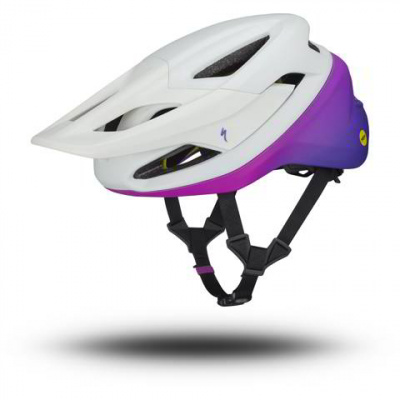
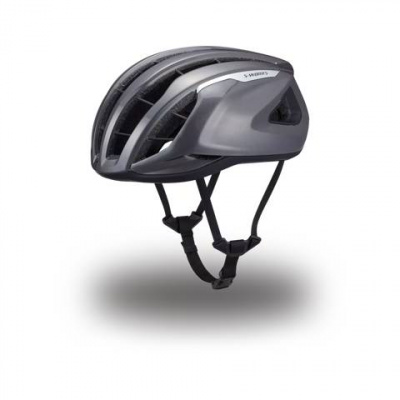
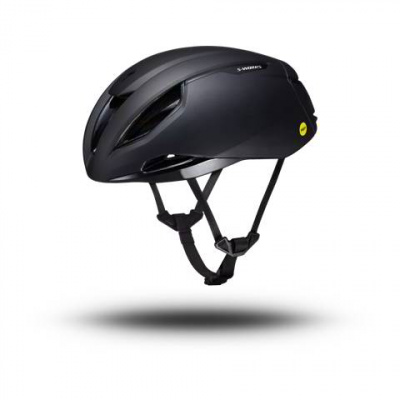
The range breaks down clearly by discipline. The Align II and Chamonix sit at the entry and commute end - solid MIPS protection, good value, no unnecessary complexity. The Tactic and Ambush cover Specialized MTB helmets territory: the Ambush in particular uses a more wraparound fit and a peak designed to channel rain and mud away from your eyeline, which you'll appreciate on a greasy descent in the Tweed Valley. The Prevail and Evade are Specialized road cycling helmets built for performance riding - the Prevail prioritising airflow, the Evade favouring an aerodynamic profile for faster riders and sportive efforts.
At the top of the stack, the S-Works Prevail and S-Works Evade represent the Specialized S-Works helmets tier - lighter construction, more refined MIPS SL integration, and the kind of finishing detail that justifies the step up for riders who genuinely push pace consistently.
A quick note on adjacent categories: if you're specifically looking at full-face helmets for enduro or downhill riding, we have a dedicated full-face helmet range worth exploring separately. Similarly, Specialized kids' helmets and helmet spares each have their own focused pages where you'll find more detail than makes sense to cram in here.
Compared to alternatives like Fox helmets or Endura helmets, Specialized's road range tends to prioritise ventilation depth over raw aerodynamic optimisation - a trade-off worth understanding before you buy.
Riding in the UK: Practical Sizing and Upkeep
One thing UK riders consistently underestimate is how a thermal cycling cap under a helmet in winter changes the effective fit. When sizing a Specialized helmet for year-round use, go to your nearest stockist and try it with a thin skull cap in place - the Mindset dial can compensate to a degree, but if the helmet is already tight at the temples without the cap, you'll be uncomfortable by February. The MIPS slip-plane needs a small amount of clearance to function correctly, so a helmet that's overly compressed by a thick cap isn't just uncomfortable, it's slightly compromised.
Pad maintenance is straightforward but easy to neglect. The removable liner pads on most Specialized helmets can be unclipped and hand-washed in cool water with mild soap. Do it regularly - sweat breaks down the foam backing over time and bacterial build-up is both unpleasant and speeds up degradation. Air dry them away from direct heat.
That last point applies to the helmet itself. After a wet ride - and there will be plenty of those - lean it against a wall or hang it somewhere with airflow rather than sitting it on a radiator. Direct heat distorts EPS foam in ways you can't see from the outside, quietly reducing its protective capacity. The same applies to leaving a helmet on a dark car dashboard in summer. It seems obvious when you say it out loud, but helmets end up in both places regularly.
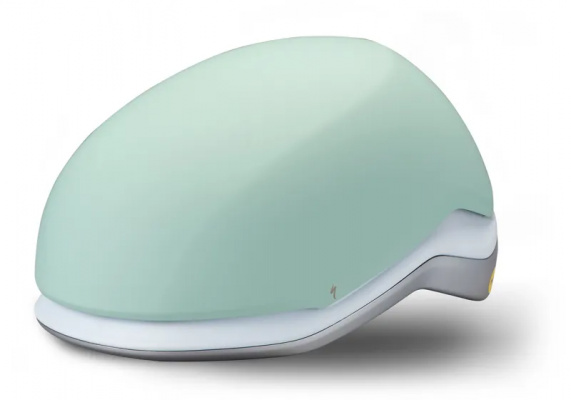
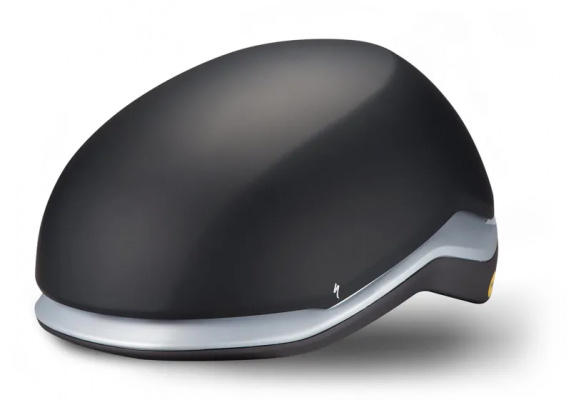
For winter visibility, several models in the range include reflective decals and high-visibility colourway options, which genuinely help on dark November commutes or early-morning rides before the sun gets going. Pair the helmet with Specialized lights and, if you're heading out loaded, a Specialized hydration pack rounds things out practically for longer winter days.
Replacing helmet retention pads or broken buckles is possible through Specialized's spares programme - worth knowing before you retire an otherwise sound helmet over a fixable component. Check the dedicated helmet spares page for compatible parts.
Specialized Helmets FAQs
How do Specialized helmets fit compared to other brands?
Specialized helmets use an intermediate oval internal shape, which suits a wide range of head profiles - narrower than some traditional round-fit designs but not as tapered as certain European competition lids. The Mindset micro-dial system lets you dial in both horizontal and vertical tension precisely, so most riders can achieve a secure, pressure-free fit without swapping sizes.
What is the Specialized ANGi crash sensor and how does it work?
ANGi is a small sensor that clips into a dedicated port on compatible Specialized helmets and connects to the Specialized Ride App. It monitors angular and linear forces during your ride. If an impact triggers it, the app sounds an alarm and - if you don't cancel within a short window - sends an automatic SOS with your GPS coordinates to your chosen emergency contacts. No subscription required.
When should I replace my Specialized cycling helmet?
Replace it immediately after any significant impact, even with no visible shell damage - the EPS foam crushes internally to absorb force and won't recover. Beyond crashes, plan to replace any helmet every three to five years. UV exposure and sweat gradually degrade the EPS foam and straps, reducing protection in ways that aren't obvious from a visual inspection.