
Specialized Gloves
Specialized cycling gloves are built around one clear idea: your hands shouldn't be the reason you cut a ride short. The range spans everything from featherweight MTB slip-ons to seriously insulated winter models, but the common thread running through all of it is the Body Geometry system - a scientifically tested approach to padding placement that targets the ulnar nerve and takes the pressure off the outside of your palm. That matters on a three-hour road ride. It matters even more when you're white-knuckling rocky descents in the Peak District.
Clarino synthetic leather palms give you a direct connection to the bar without wearing thin after a season. Polartec Neoshell and Primaloft insulation keep the cold and wind out without turning your hands into oven mitts. DWR coatings handle the kind of surprise shower that catches you fifteen miles from home. And Wiretap-compatible fingertips mean you can actually use your phone at the café stop without peeling a glove off. Whatever the forecast, Specialized has a glove in the range to match - and the fit and padding tech to back it up.
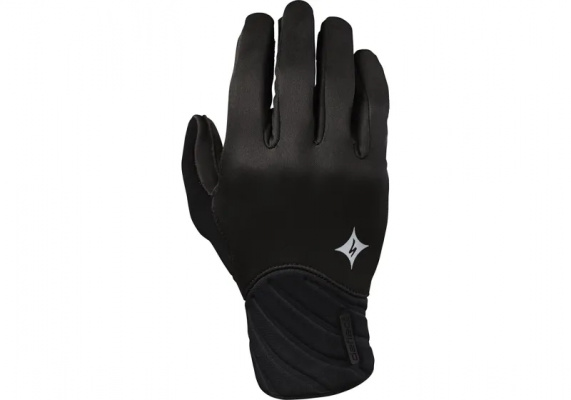
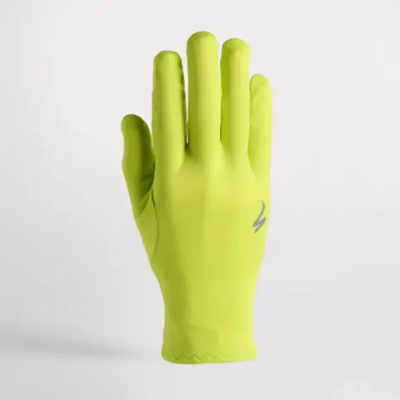
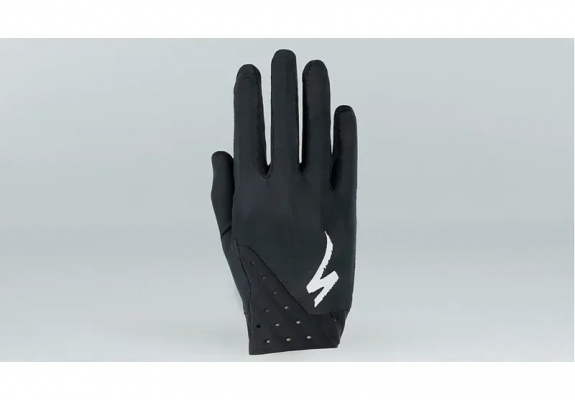
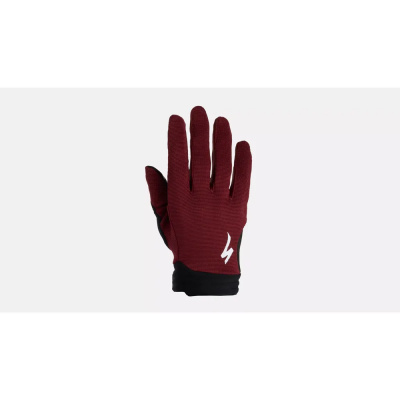
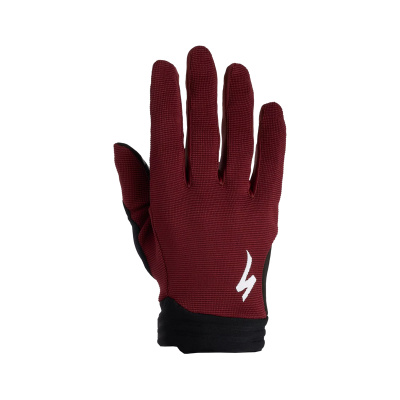
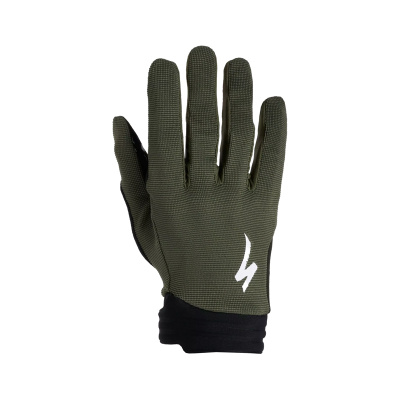
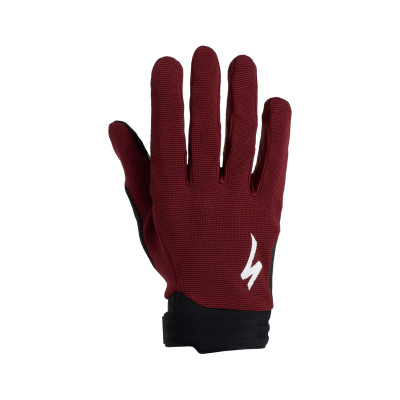
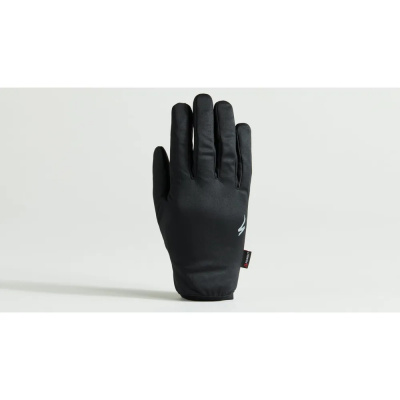
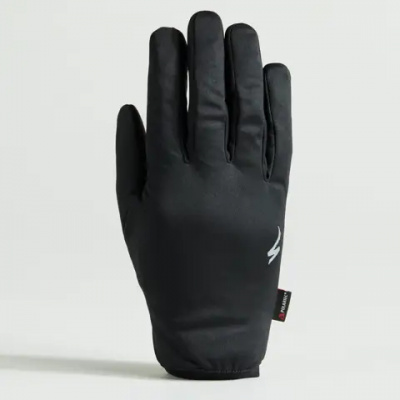
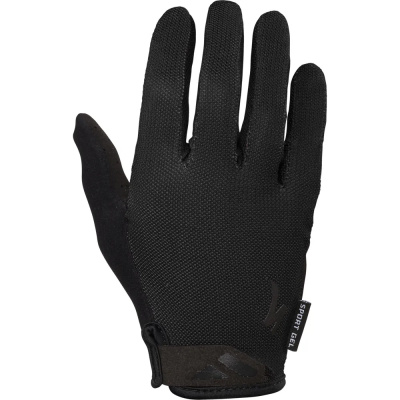
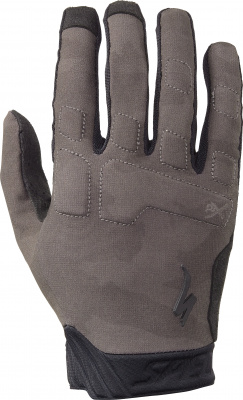
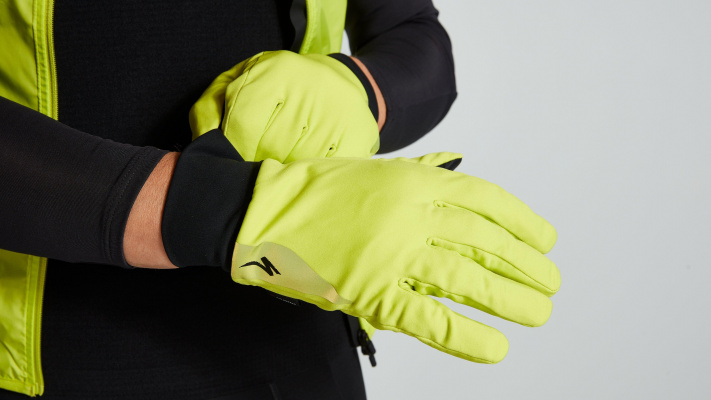
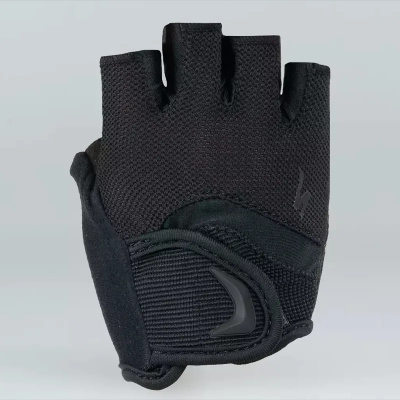
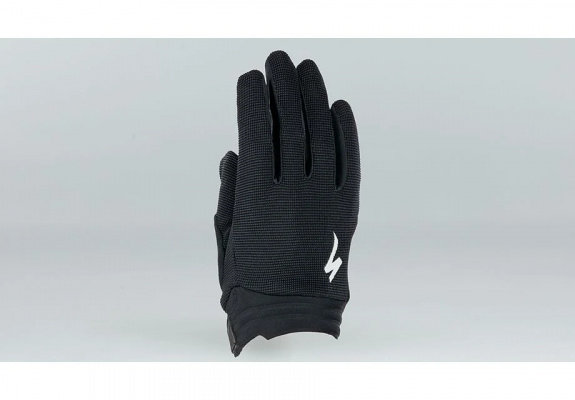
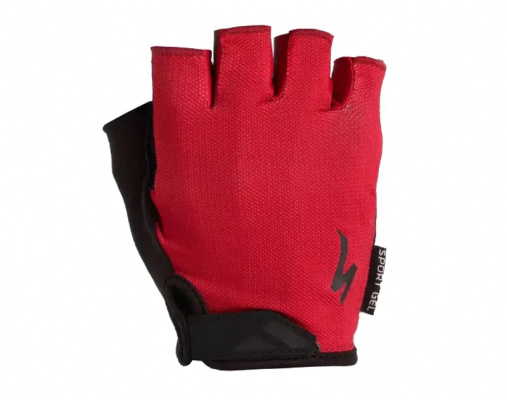
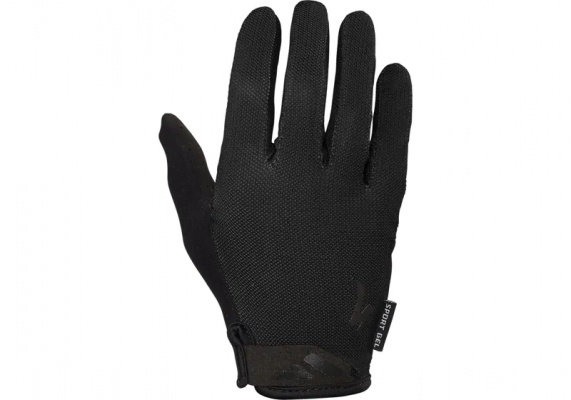
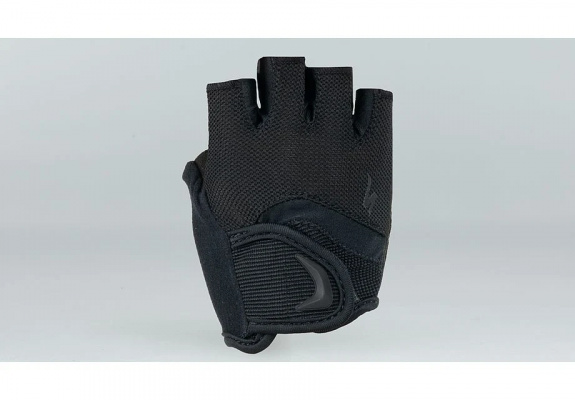
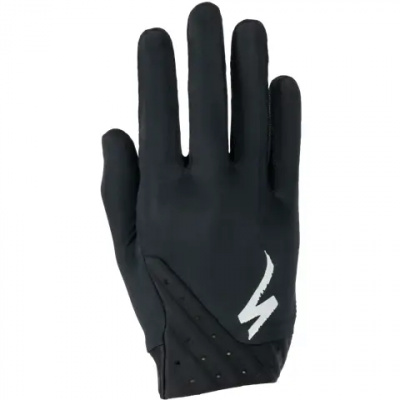
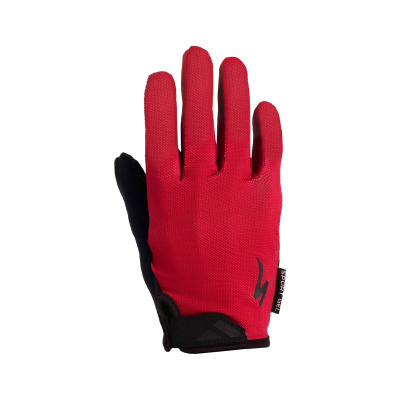
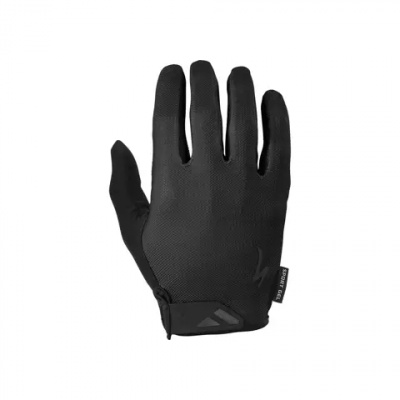
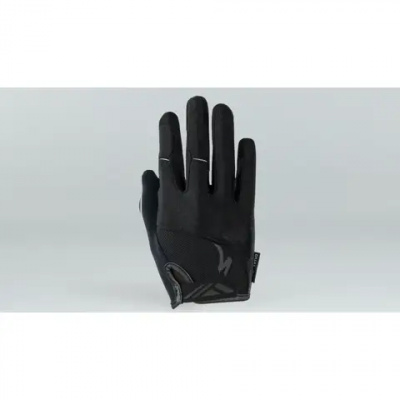
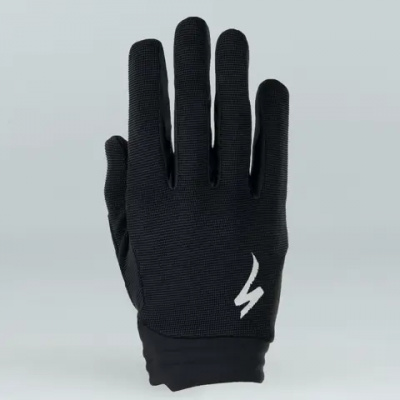
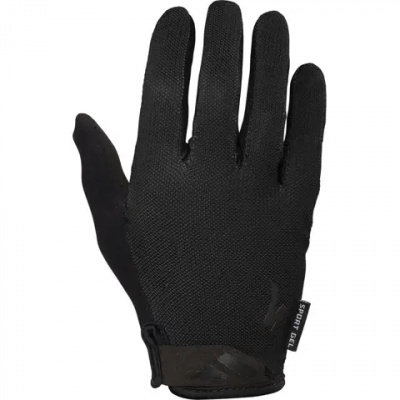
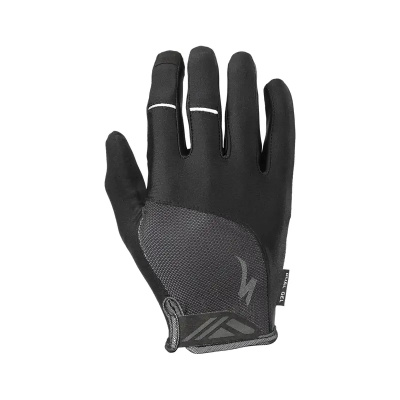
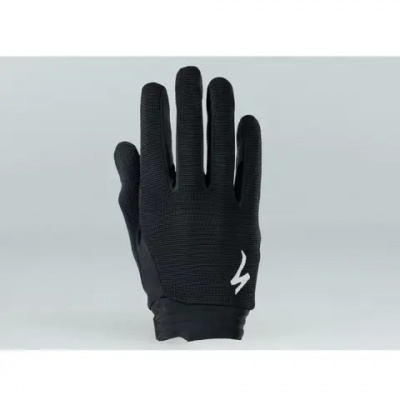
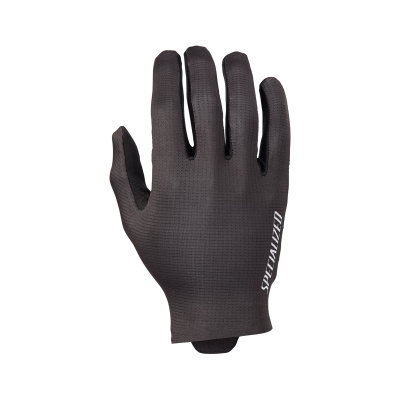
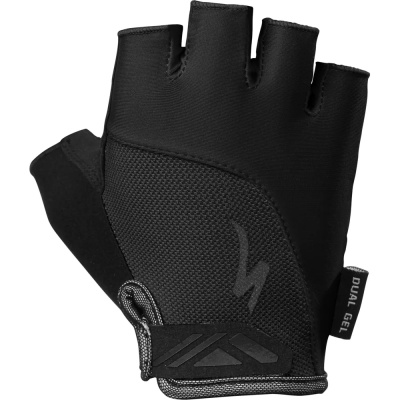
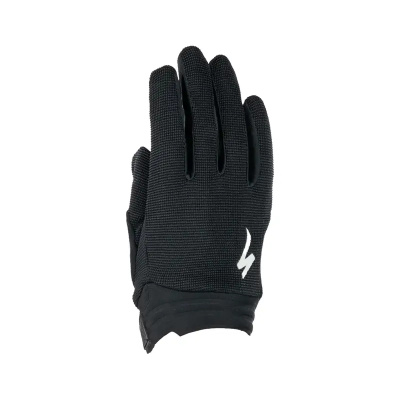
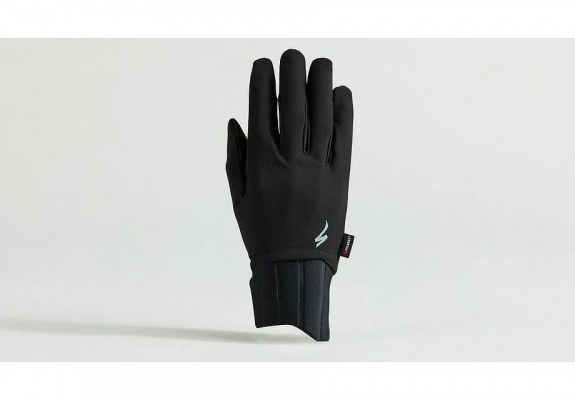
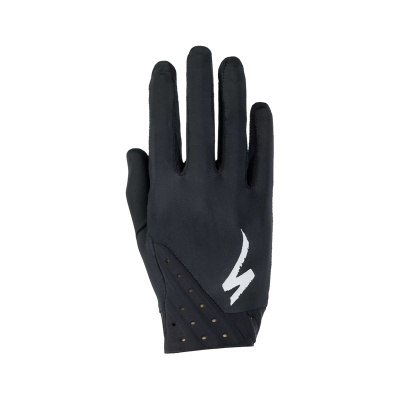
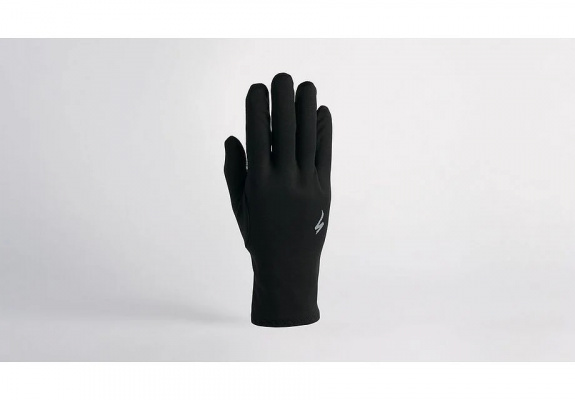
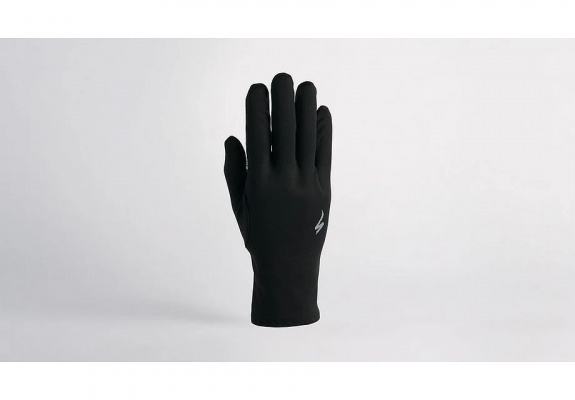
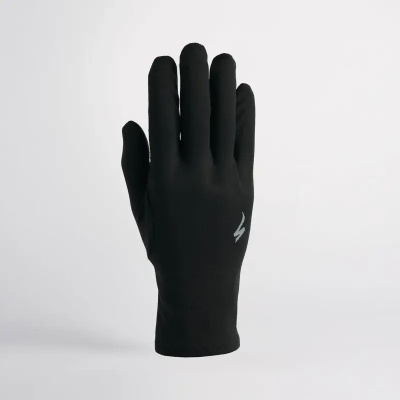
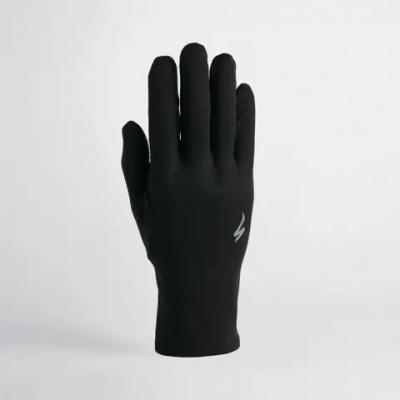
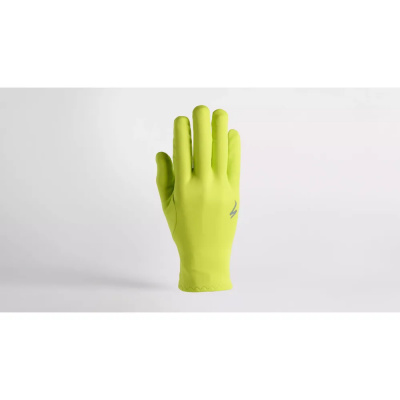
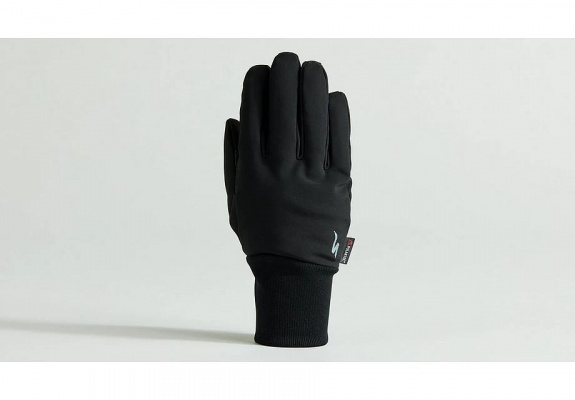
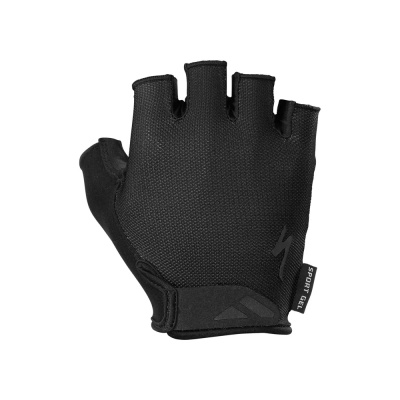
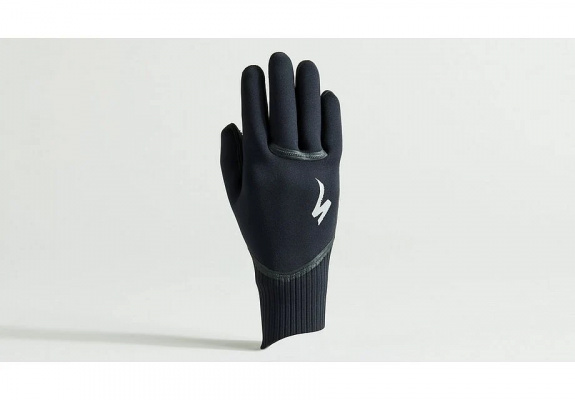
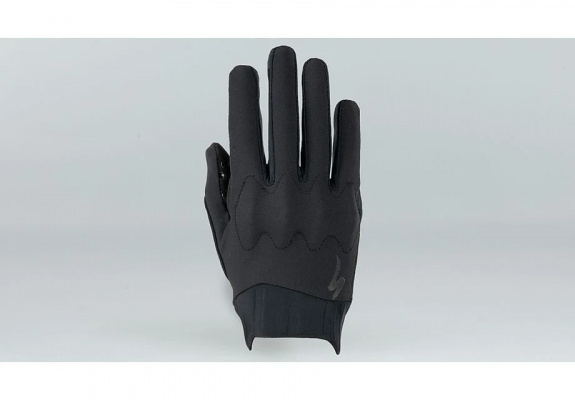
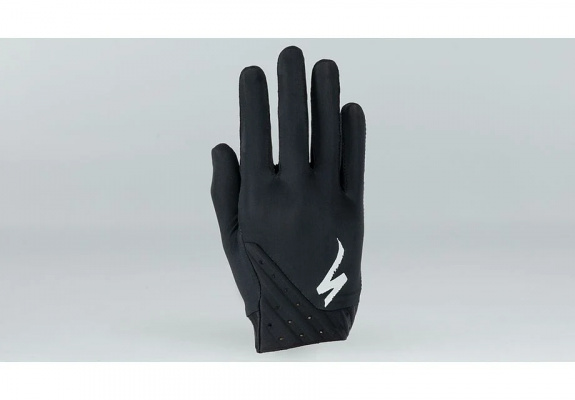
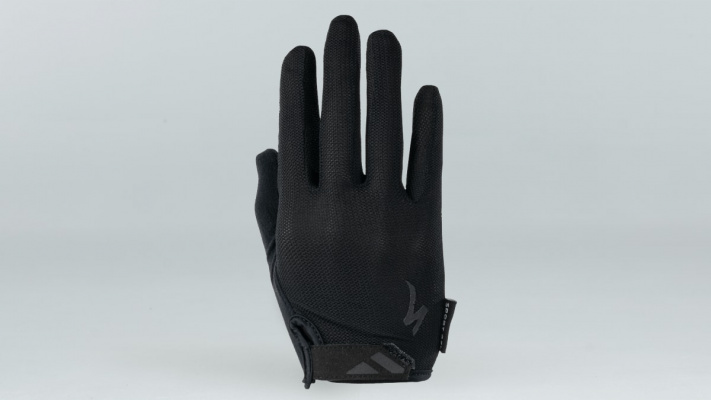
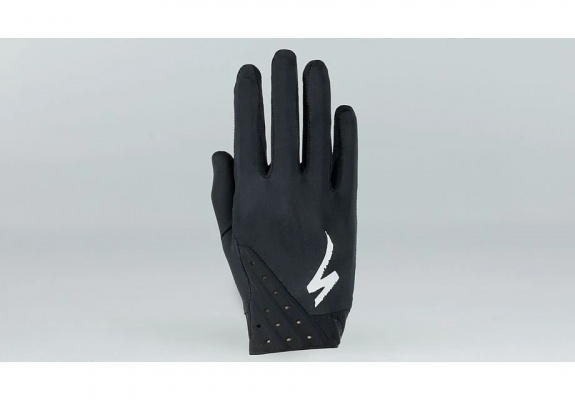
Prices and availability can change quickly. Delivery charges are not always included in listed prices.
Final price, stock status and delivery terms are set by retailer. We may receive a commission on purchases made.
Materials and Weather Performance
The palm is where Specialized put the most thought, and it shows. Clarino synthetic leather is the material of choice across most of the range - it's tougher than genuine leather under sustained bar contact, molds to your grip naturally, and gives you a tactile, direct feel that cheap synthetic alternatives just can't match. No deadening of feedback, no slippage when your palms get warm.
For winter, the Neoshell membrane from Polartec is the headline act. It's a proper windproof and highly water-resistant shell that still breathes actively, so your hands don't end up clammy on a long climb. Paired with Primaloft insulation in the colder-rated models, you get warmth without the thick, inflexible feel that makes fine motor control - gear changes, brake modulation - feel like you're wearing oven gloves. That balance matters on a wet November morning in the Cairngorms or a blustery January loop around the North York Moors.
DWR coatings add a first line of defence across the range, beading off light rain and road spray before it can soak through. They're not a substitute for a membrane in heavy downpours, but for the typical UK drizzle-and-dry cycle, they do real work. Meanwhile, Wiretap touchscreen-compatible fingertips are a genuinely useful detail - no faff, no fumbling, your Garmin or phone responds first time.
For summer riding where breathability is the priority, a mesh-backed construction keeps airflow moving on climbs without turning your hands into a sweaty mess on the descent. If you're comparing options, GripGrab gloves and Castelli gloves offer solid competition in the weather-protection space, but Specialized's integrated Body Geometry padding sets them apart on longer efforts.
Fit, Range, and How Body Geometry Actually Works
Body Geometry isn't just a name Specialized put on a hang-tag. It's a padding system developed with medical input, specifically designed to offload pressure from the ulnar nerve - the nerve that runs along the outside of your palm and is responsible for that familiar numb-pinky feeling after an hour in the drops. The gel and foam padding is placed to redistribute that load rather than just cushioning broadly, which is why it works better than a thicker-padded glove that simply deadens everything.
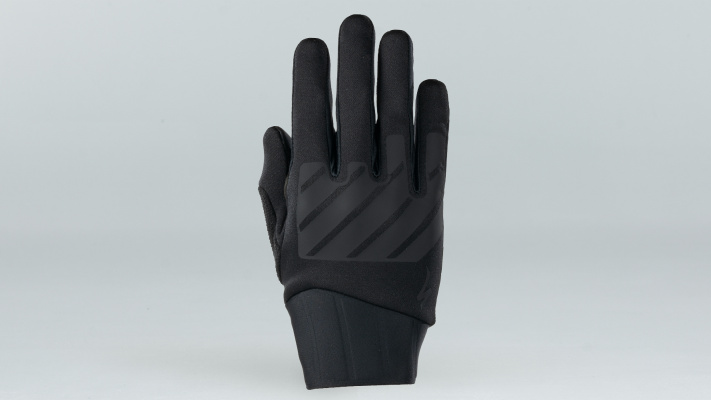
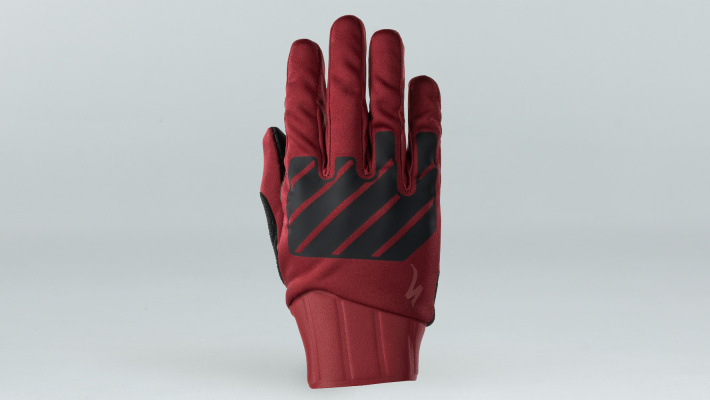
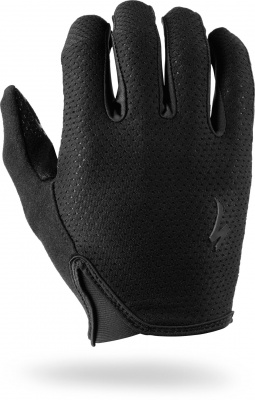
Across the range, fit profiles differ by discipline. Trail MTB gloves prioritise dexterity and knuckle protection - you want to feel the bar and the brake lever, not wrestle with a glove that's too structured. The Grail road glove equalises pressure across the whole palm, which suits riders in a more aggressive road position for extended periods. Dual Gel models go further on vibration damping, useful if your road bike has a stiff carbon layup and you're grinding out miles on rough tarmac. Gravel riders tend to sit between those two worlds and can pull from either end of the range depending on how much trail they're mixing in.
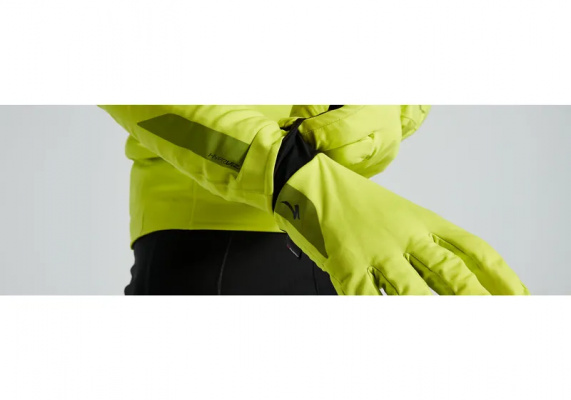
Slip-on cuff designs in the MTB models make getting them on and off mid-ride straightforward - you're not fiddling with velcro in the rain. Longer gauntlet cuffs on winter gloves overlap with your jacket sleeve and block the cold draft that catches you out at speed when the temperature drops. It's worth checking that overlap when you're buying - not all gloves seal that gap the same way.
Looking for summer-weight fingerless options? Head over to our dedicated Specialized Mitts page for our full range of warm-weather road and gravel handwear.
If you're putting together a complete contact-point setup, pairing Specialized gloves with Specialized bar tape or a Specialized saddle using the same Body Geometry principles gives you a coherent ergonomic system rather than a patchwork of components. Worth thinking about if hand fatigue or saddle pressure is already something you're trying to manage.
Against direct rivals, Fox gloves are strong on MTB protection and durability, but the Body Geometry padding system gives Specialized a clear edge for long-distance comfort on both road and trail.
Looking After Your Gloves Through a UK Season
A few practical points that'll save you some grief. First, the cuff gap issue: when you're riding in cold, damp conditions and temperatures are single digits, pull your jacket sleeve down over the glove cuff rather than tucking it under. That gap at the wrist is where the cold gets in, especially at 30mph on a descent. Specialist Neoshell winter gloves are cut with enough length to help here, but it's worth checking when you try them on.
Care matters more than most riders think with technical gloves. Wash at 30°C on a gentle cycle - heat and aggressive spin cycles break down DWR coatings and can cause synthetic leather palms to stiffen and crack over time. Skip the fabric softener entirely; it clogs the membrane and kills the DWR's ability to bead water. Air-dry flat, away from direct heat. Don't put them on a radiator. It's the kind of thing that feels minor until your gloves start leaking in October and you're trying to work out why.
If you notice DWR performance dropping - water soaking in rather than beading - a light reproof spray designed for technical outerwear will restore it without damaging the palm material. It's far cheaper than replacing a pair of winter gloves mid-season.
For Specialized winter cycling gloves specifically, check the membrane before the season starts rather than on the first wet ride. Hold them up to a light and look for any thin spots or delamination around the seams - that's where waterproofing fails first. A small thing that saves a miserable ride.
Specialized Gloves FAQs
How do I choose the right size Specialized cycling gloves?
Measure around your palm at its widest point and match that to Specialized's size guide. Road gloves should fit snugly to avoid bunching under bar pressure, while MTB riders can go slightly roomier if you want extra dexterity - just don't go so loose that the padding shifts off the ulnar nerve contact point.
What is Specialized Body Geometry in gloves?
Body Geometry is Specialized's ergonomic padding system, developed with medical input to place gel and foam exactly where the ulnar nerve takes pressure on the palm. Rather than padding broadly, it offloads the right spot - which is why it reduces hand numbness more effectively than a simply thicker glove would.
Are Specialized winter gloves waterproof?
Models built around the Polartec Neoshell membrane are highly water-resistant and will handle sustained UK rain confidently. Check the spec carefully though - some winter models use DWR alone, which manages drizzle well but isn't the same as a full membrane. If you're riding through heavy downpours regularly, look specifically for Neoshell or Gore-Tex construction.