
Specialized Bib Tights
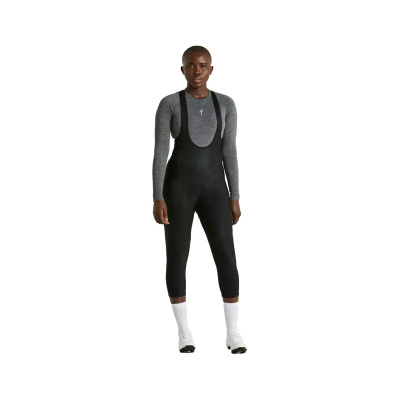
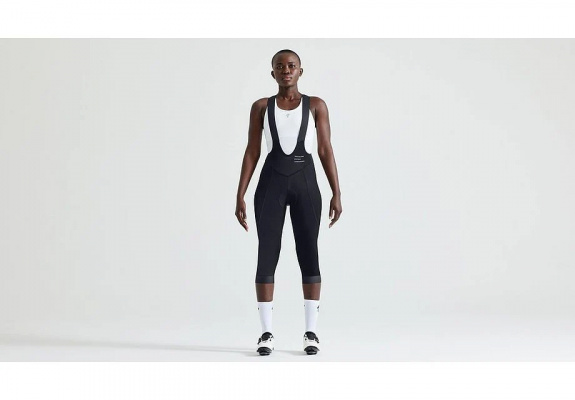
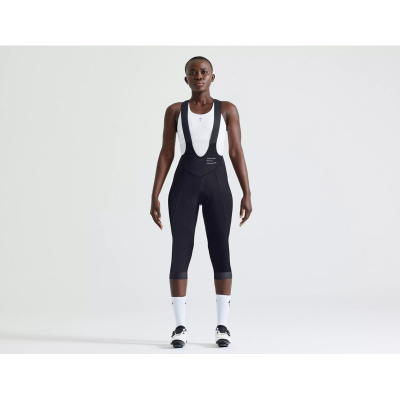
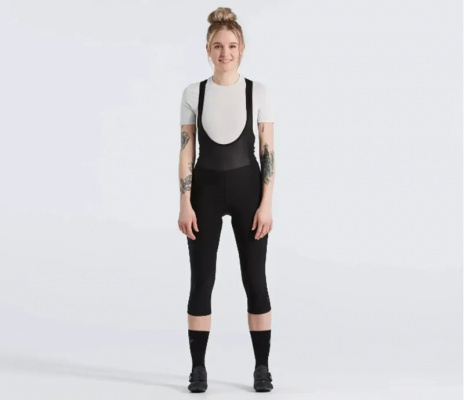
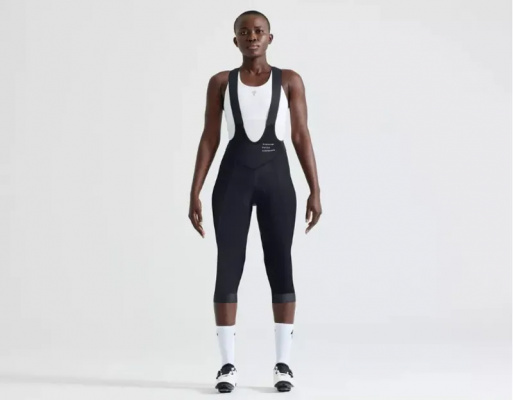
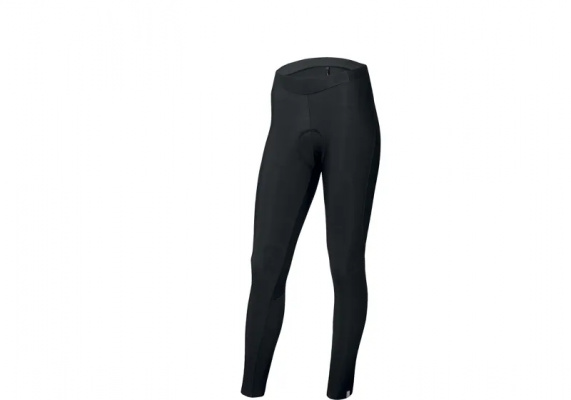
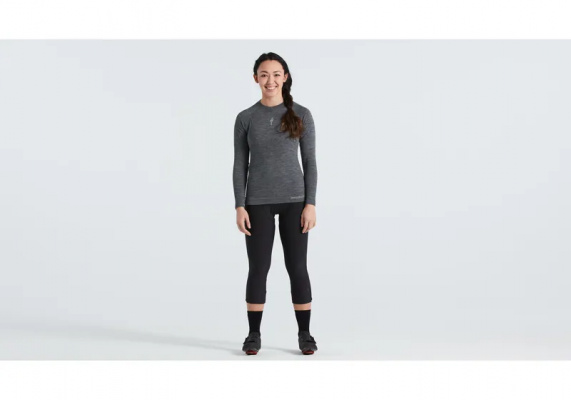
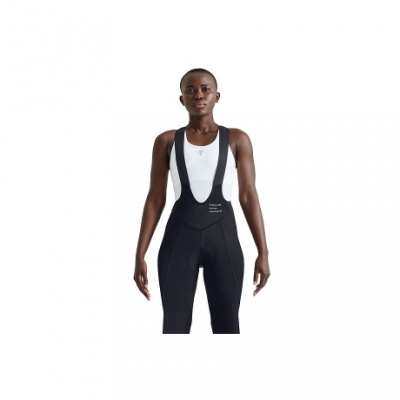
When the temperature drops and the lanes turn grey, Specialized bib tights are designed to keep your mileage intact. Built around Specialized's well-regarded Body Geometry chamois technology and thermal fabrics that have been refined over multiple seasons, these tights sit at a serious point in the winter cycling market - not just warm, but genuinely functional when the roads are cold, damp, and gritty.
UK winters ask a lot of your kit. You need insulation that traps heat without turning you into a sauna on the first climb, water resistance that handles road spray rather than just a light mist, and a chamois that stays comfortable across three-hour base miles on January lanes. Specialized's range addresses all three, with the Therminal™ brushed fleece interior doing the heavy lifting on warmth, Deflect™ DWR treatments shedding the worst of the road spray, and windproof front panels keeping the bite out of headwinds. The Body Geometry 3D Contour Chamois - the same chamois philosophy Specialized applies across their entire apparel range - adds genuine pressure-mapped support that makes long winter efforts feel far less punishing. Whether you're stacking base miles through the Fens or grinding out a wet Saturday in the Chilterns, these tights are built with that exact kind of riding in mind.
Prices and availability can change quickly. Delivery charges are not always included in listed prices.
Final price, stock status and delivery terms are set by retailer. We may receive a commission on purchases made.
Fabric Tech and How It Handles UK Weather
The core of any winter tight is the fabric, and Specialized leans hard on their Therminal™ brushed fleece interior here. It works like a thermal base layer built directly into the tight - the brushed inner surface traps a layer of warm air against your skin, so your legs stay warm from the first pedal stroke rather than waiting for body heat to build up. That matters when you're rolling out at 7am in November and the temperature gauge hasn't moved off three degrees.
On the outside, the Deflect™ DWR coating handles road spray and light rain without adding the clammy weight of a fully waterproof fabric. It's a water-resistant treatment, not a waterproof membrane - worth understanding the distinction. Heavy, sustained rain will eventually work through, but for the typical UK winter mix of drizzle, spray, and occasional downpours, it does the job. The front panels on most models use a denser, windproof construction that keeps the cold from cutting through on descents or exposed stretches. The back of the legs stays more breathable - a deliberate trade-off that prevents heat build-up when you're pushing up a climb and your effort level spikes. Reflective details are woven into the design rather than bolted on as an afterthought, which makes a real difference during low-light winter commutes or early-morning club runs where visibility actually counts. Select models also include a SWAT™ pocket for stashing a gel or a folded emergency cape - small, but genuinely useful when you don't want a jersey pocket bulging mid-ride.
If you're weighing up alternatives, Castelli bib tights and Gore bib tights offer similarly windproof constructions at comparable price points - worth a look if you want to compare fabric approaches before committing.
The Range Explained - SL, RBX, and Who Each Suits
Specialized winter bib tights split broadly into two lines, and picking the wrong one is an easy mistake to make. The Specialized SL bib tights are the performance end: race-cut, highly compressive, and cut close to the leg. They're aimed at riders who want minimal bulk, maximum muscle support, and a fit that doesn't shift around when you're putting out real power. If you're doing structured winter training, racing through the colder months, or just prefer everything locked in tight, this is the line for you. The trade-off is that the compressive fit takes some getting used to if you're not accustomed to it, and the cut won't suit riders who prefer a bit more room.
The Specialized RBX bib tights - the Roubaix line - are built around endurance comfort. Slightly more relaxed through the leg, with thicker thermal insulation and a chamois spec that's optimised for hours in the saddle rather than race-pace efforts. Think long sportives, all-day audax rides, or simply preferring not to feel shrink-wrapped for a four-hour winter ride. The Body Geometry 3D Contour Chamois appears across both lines, though the density and thickness of the padding varies by model to match the intended riding style.
Sizing across both ranges runs true, but the fit profile is meaningfully different - so if you're between sizes, go up in the SL line and trust your usual size in the RBX. Specialized's size guides are detailed and worth checking against your measurements rather than just going by what you wear in other brands.
Looking for warmer weather gear or modular layering options? Our Specialized saddles page pairs well if you're also thinking about long-ride comfort, and it's worth checking how your saddle and chamois combination works together before committing to a full winter setup. If you'd rather build a layered system, Specialized Bib Shorts with separate leg warmers or knee warmers give you more flexibility across a wider temperature range - useful when spring and autumn keep you guessing about what to wear.
For comparison shopping at the premium end, Assos bib tights are worth considering if budget isn't the primary constraint - their chamois and fit systems are genuinely class-leading, though Specialized holds its own on the Body Geometry front.
Building a Winter Kit System and Keeping It Working
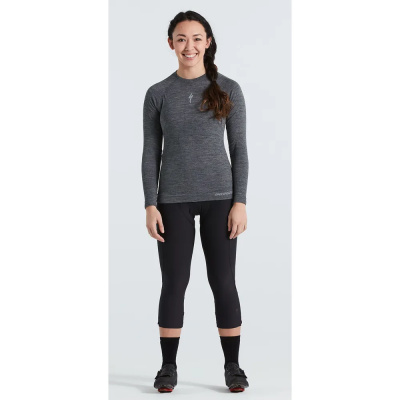
A tight is only part of the equation. Pair Specialized thermal cycling tights with a fitted thermal base layer - Specialized's own Therminal base layers are an obvious match, since the fabrics are designed to work together - and a windproof or softshell jacket on top. The goal is a system where each layer breathes consistently rather than one layer doing all the work while another traps moisture. On colder days, a lightweight gilet over your jacket on descents and off on climbs is faster to manage than adding and removing a full jacket mid-ride.
Lights and mudguards are worth sorting before you head out too. Specialized lights and Specialized mudguards round out the winter setup if you're running Specialized-specific fitments, and decent mudguards will also extend the life of your tights by cutting down on grit ingress into the fabric.
On care: the DWR coating is the one thing most riders accidentally destroy. Wash your tights inside out at 30°C, use a technical apparel detergent or a mild non-bio, and - this is the bit people skip - avoid fabric softener entirely. Softener coats the fibres and gradually kills both the DWR treatment and the breathability of the Therminal fleece. Air dry where possible. If the care label on your specific model allows a tumble dry, use the lowest heat setting - a brief low-heat cycle can actually help reactivate a flagging DWR coating after several washes. Don't iron them, and don't leave them in a spin cycle longer than necessary.
If you want a broader range of winter tight options from other brands, dhb bib tights offer solid value at a lower price point and are worth comparing if the Specialized range sits above your budget.
Specialized Bib Tights FAQs
Are Specialized bib tights true to size?
Generally, yes - but the fit profile varies between lines. The SL range runs compressive and race-tight, so if you're between sizes, sizing up is sensible. The RBX line has a more relaxed endurance cut and tends to run closer to true size. Always check Specialized's size guide against your actual measurements rather than going by feel from another brand.
What is the difference between Specialized RBX and SL bib tights?
The SL (Super Light) tights are built for performance riding - aerodynamic, highly compressive, and close-cut for race-pace efforts. The RBX (Roubaix) line prioritises all-day comfort: a slightly roomier fit, thicker thermal insulation, and a chamois spec that suits long endurance rides over high-output training. Both use the Body Geometry chamois, but the execution differs to match each intended use.
How do I wash thermal bib tights with DWR coating?
Wash inside out at 30°C with a technical or mild detergent. The key thing to avoid is fabric softener - it strips the DWR coating and clogs the Therminal fleece, reducing both water resistance and breathability over time. Air dry as standard. A low-heat tumble dry (if the care label permits) can help reactivate the DWR treatment after multiple washes.