
Sox Socks
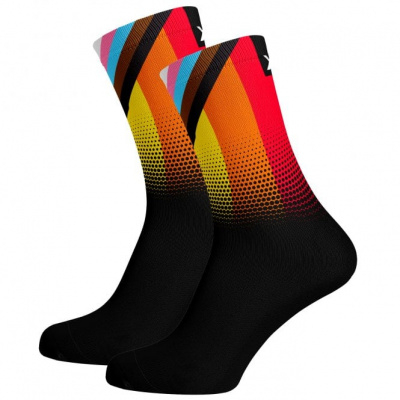
Your contact points dictate your comfort, and Sox cycling socks are engineered to keep your feet locked in, blister-free, and firing on all cylinders from the first pedal stroke to the last. Every detail in the Sox range is deliberate - seamless toe boxes that sit flush inside a stiff carbon shoe, targeted mid-foot arch compression that stops your foot from swimming around on long climbs, and breathable mesh insteps that vent heat before it builds into a hot spot.
The range covers the full calendar. Lightweight summer mesh constructions pull sweat away fast and dump heat on humid Peak District ascents. Mid-weight options handle the in-between days when a British summer refuses to commit. Deep-winter merino blends keep warmth dialled even after road spray has soaked through everything else. And for those chasing every fraction of a second, ribbed aero cuffs reduce drag around the lower leg where it's measurable and repeatable.
Whether you're riding a local sportive, grinding out miles on a wet Tuesday commute, or packing a bag for a multi-day adventure, there's a Sox option that fits the day. Browse the full range below.
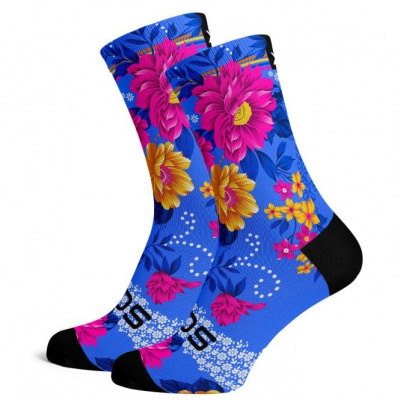
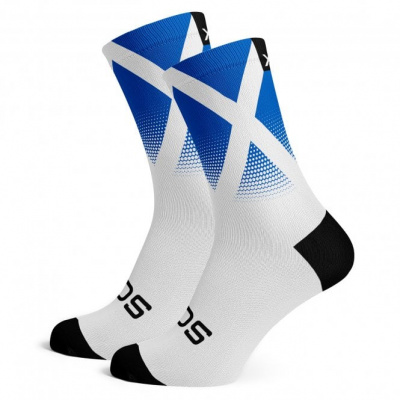
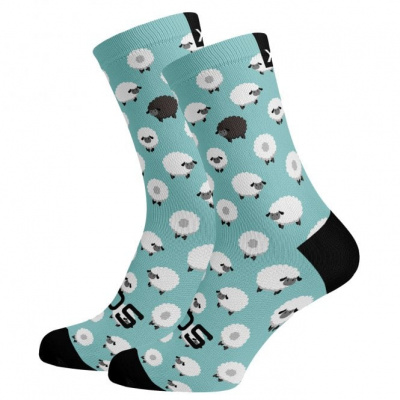
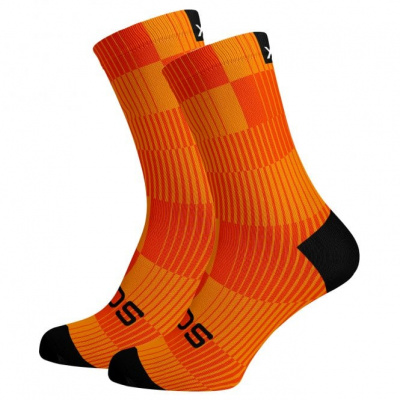
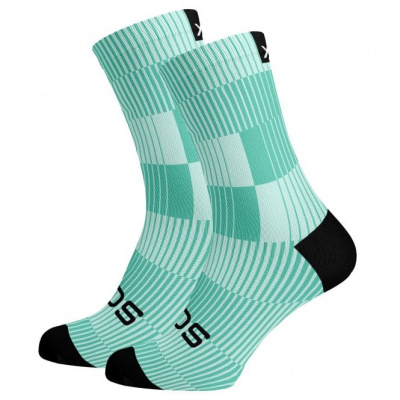
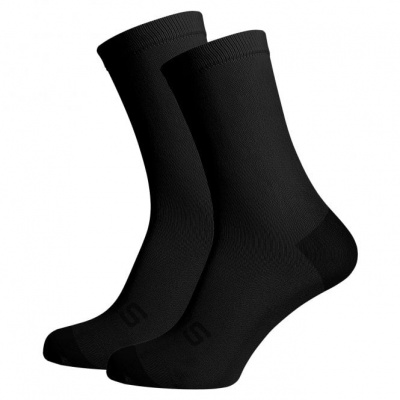
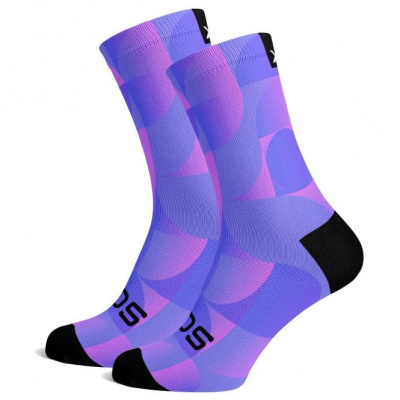
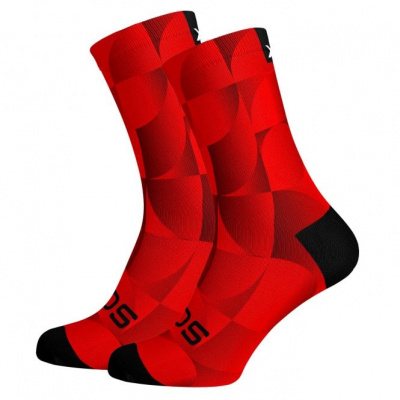
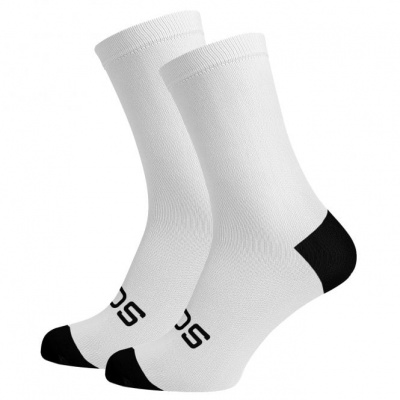
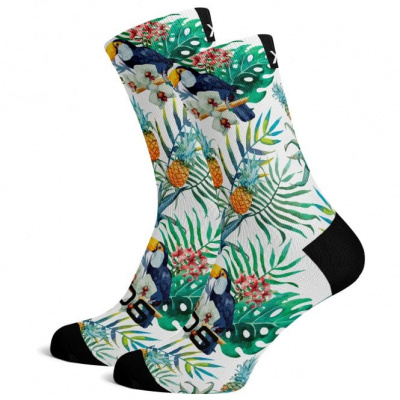
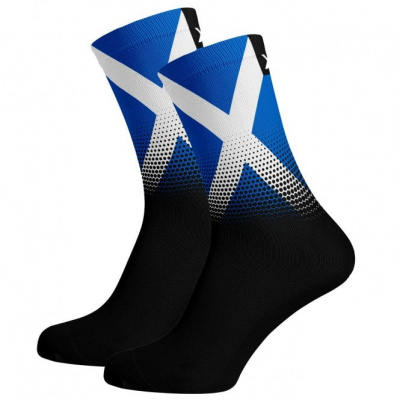
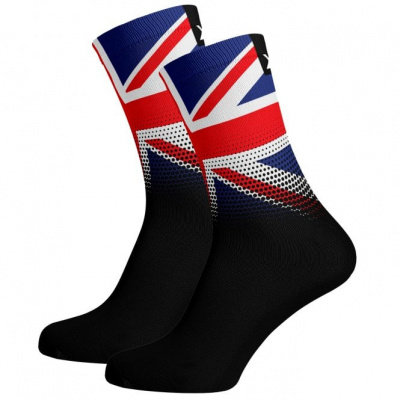
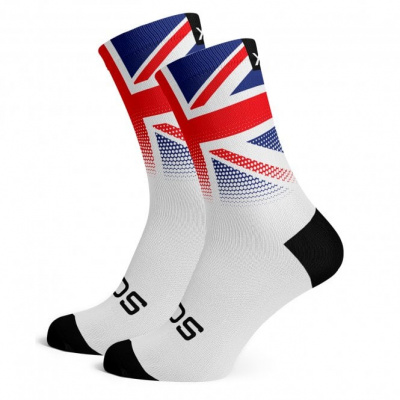
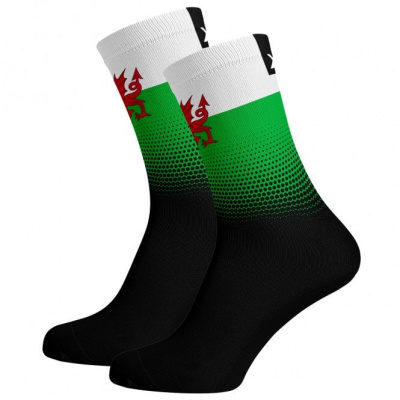
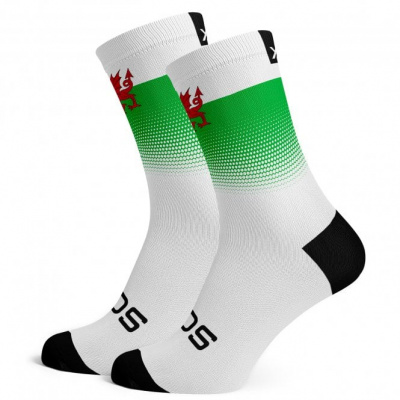
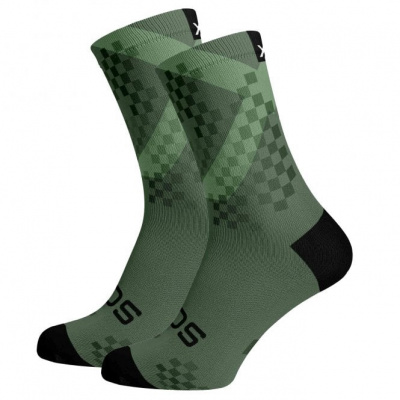
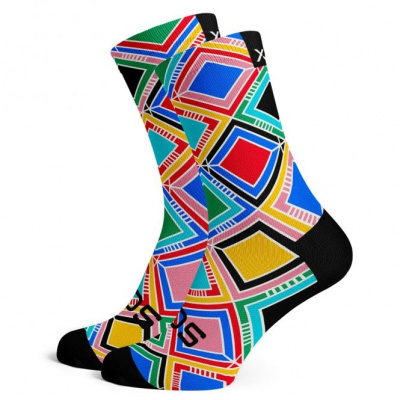
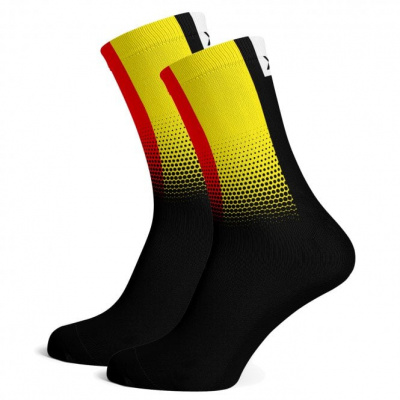
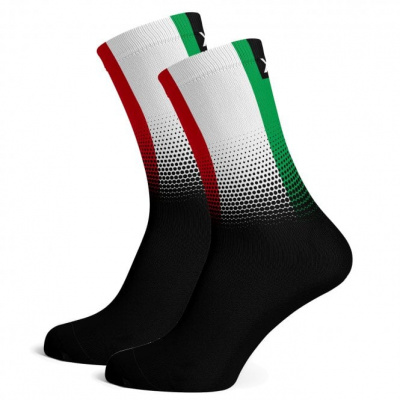
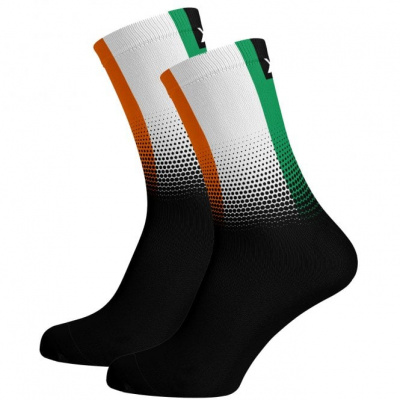
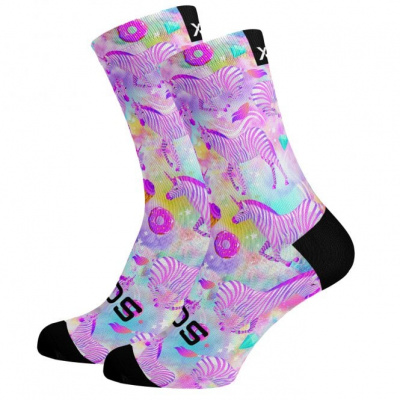
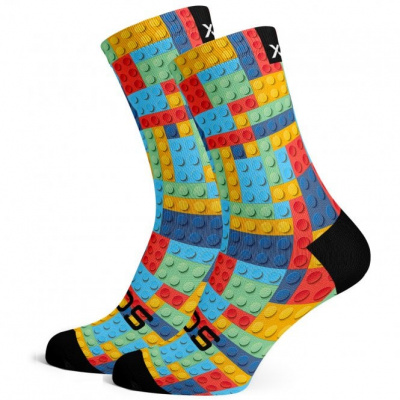
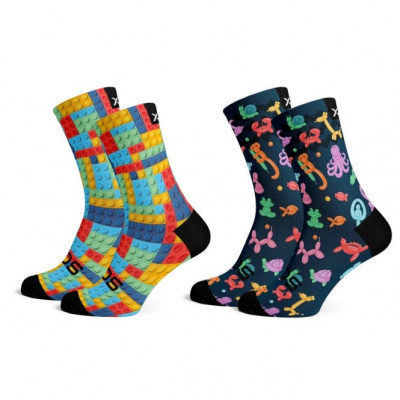
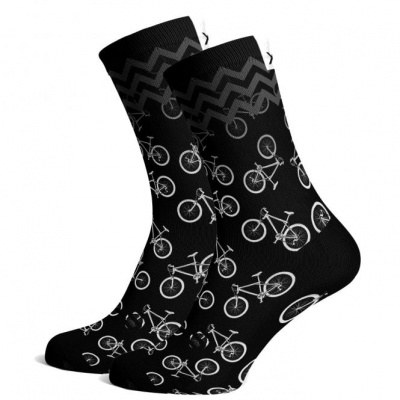

Prices and availability can change quickly. Delivery charges are not always included in listed prices.
Final price, stock status and delivery terms are set by retailer. We may receive a commission on purchases made.
Fabric Tech and Weather Performance
The summer end of the Sox lineup leans hard on open-mesh weave construction across the instep. That breathable mesh isn't decorative - it's doing real work, pulling heat and moisture away from the skin and dumping it before your foot turns into a sauna on a long Welsh climb. The moisture-wicking properties here are fast-acting, which matters when humidity spikes and you're still forty minutes from the café stop.
Contrast that with the winter merino blends, where Sox use high-quality wool fibres that thermoregulate actively. Merino's trick is that it stays functional even when wet - road spray on a January ride in the Fens will saturate a cheap synthetic sock and leave your feet cold and clammy, while a decent merino construction keeps insulating. It's a meaningful difference on a four-hour ride in grim conditions.
For multi-day bikepacking trips, the anti-microbial treatment baked into several Sox models is worth knowing about. Silver-ion technology inhibits the bacteria that cause odour, so a pair pulled out of a frame bag on day three doesn't hit you like a biological weapon. It's not a magic bullet for hygiene, but it extends freshness noticeably between washes. Heel and toe reinforcement adds durability in the zones that take the most punishment, which matters when you're covering serious mileage.
Understanding the Sox Fit and Range
Not all Sox socks are built to the same brief, and picking the right one starts with understanding what you're actually asking the sock to do. The club-fit options prioritise all-day comfort - a slightly more relaxed construction that works well for sportives, commuting, or anything where your feet need room to breathe over several hours. These are the ones to reach for when comfort edges out performance.
The aero race socks sit at the other end. A tighter, more compressive fit - closer to a second skin - means the ribbed cuff sits smooth and consistent rather than bunching at the ankle. That compression also delivers the arch support benefit more precisely; the mid-foot band needs to be snug to actually do its job rather than just riding loose around the instep. If you've ever had a sock bunch up inside a cycling shoe and turned a good ride into a miserable one, you'll understand why fit precision here matters.
Cuff height is the other variable. Ankle-length works for track or triathlon where drag and weight are micro-optimised. Mid-calf is the standard road riding height and works across most situations. Taller cuffs give you more coverage and more compression through the lower leg, which some riders swear by for long days. Sizing is worth taking seriously - go too large and the seamless toe box migrates off your toes and creates a pressure point. Too small and the arch compression band sits in the wrong place entirely. Check the brand's size guide against your shoe size before you order.
If you're comparing options, DeFeet socks offer a similar range of constructions and are worth a look for riders who prefer a more relaxed weave. Castelli socks are strong in the aero end of the market if that's your priority. For waterproof coverage on truly grim days, DexShell socks are a different proposition entirely - membrane-based rather than wicking-based. And GripGrab socks are worth considering if you want strong thermal options at a competitive price point.
Layering and Care for UK Riding
Pairing socks with overshoes is where a lot of riders get it wrong. In the shoulder seasons - March, October, those unpredictable weeks either side of summer - a lightweight Sox mesh sock under a neoprene overshoe is a better call than going straight to a thick thermal. The thin sock still wicks, the overshoe blocks the wind and light rain, and you don't end up sweating through a heavy sock by the second hour. Save the thick merino for deep winter when the temperature has genuinely dropped and road spray is a constant.
Washing is worth doing properly if you want these socks to last. Cold wash, always - hot water degrades elastane and kills the compression you paid for. Skip the fabric softener; it coats the fibres and wrecks the moisture-wicking properties, which is the last thing you want from a performance sock. Air dry rather than tumble dry. It takes longer, but it preserves the shape and the compression band integrity. A sock that's been tumble-dried fifty times isn't doing its job the way a well-cared-for pair is.
One practical note: if you're bikepacking and washing kit in a hostel sink, rinse thoroughly. Soap residue left in the fibres attracts bacteria and accelerates the odour problem the anti-microbial treatment is designed to prevent. A quick, thorough rinse and an overnight air dry is all you need.
Sox Socks FAQs
How high should cycling socks be?
It comes down to personal preference, but there's a hard rule if you race: UCI regulations cap sock height at the midpoint between the ankle and the knee. For everyday riding, mid-calf is the standard choice and works across most situations. Taller cuffs suit riders who want more lower-leg compression; ankle length is mainly a track or triathlon thing.
Are merino wool cycling socks good for summer?
Yes, and it surprises people. Lightweight merino thermoregulates rather than just insulating, so it keeps your feet cooler than a heavy synthetic on a hot day. It wicks moisture naturally and resists odour even on long rides. The key is going lightweight - a summer-weight merino sock is a very different thing from a winter-weight one.
Do aero cycling socks actually make a difference?
They do, though the gains are modest. The ribbed or textured cuff material trips the boundary layer of air around your lower leg, which measurably reduces drag. Wind tunnel data backs it up. It's not a transformation, but for racers optimising every marginal gain, Sox aero socks are one of the cheaper ways to find free speed.