
Smith Bike Helmets Helmets
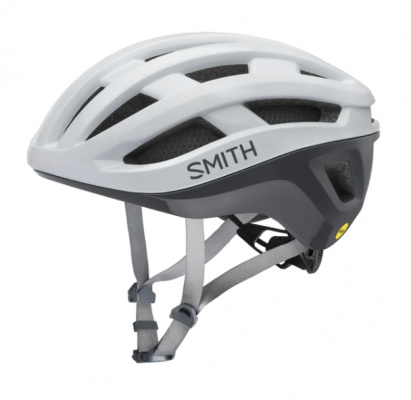
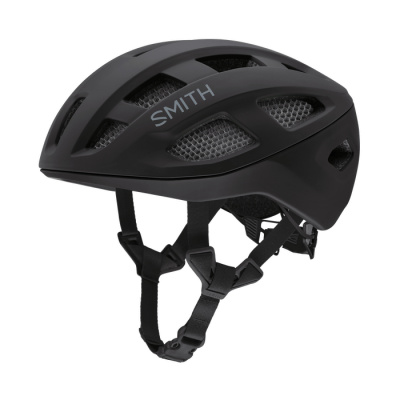
Smith bike helmets have built a reputation on one core idea: protection and breathability don't have to fight each other. Where most helmet brands are still packing EPS foam into a shell and calling it done, Smith pioneered the use of Koroyd - a matrix of welded co-polymer tubes that crushes uniformly on impact, absorbing significantly more kinetic energy than traditional foam while simultaneously letting heat pour out of the helmet. Pair that with MIPS across much of the range, and you've got rotational impact protection baked in from the ground up, not bolted on as an afterthought.
What makes Smith particularly relevant for UK riders is the AirEvac ventilation system. Anyone who's ground up a long climb on a damp Welsh morning knows the moment your glasses fog - you're effectively riding blind. AirEvac pulls warm, moist air away from your eyewear and exhausts it through the rear vents, keeping your vision clear when the weather does its worst. It works with both sunglasses and goggles, which matters if you're swapping between road and trail riding through the seasons.
The range covers road, gravel, and mountain biking, with the VaporFit rotary dial system threading through most models to give you a secure, precise fit regardless of head shape. There's genuine depth here - this isn't a one-helmet brand.
Prices and availability can change quickly. Delivery charges are not always included in listed prices.
Final price, stock status and delivery terms are set by retailer. We may receive a commission on purchases made.
Safety Tech and Ventilation: How Koroyd and MIPS Actually Work
Most helmets use EPS foam as their primary impact absorber - it's light, cheap, and effective up to a point. Koroyd works differently. The Aerocore construction uses thousands of tiny welded co-polymer cylinders standing upright through the helmet. On impact, those tubes crush predictably and uniformly, spreading energy absorption across a much larger surface area than foam can manage. Think of it like crumple zones in a car - engineered to fail in a controlled way so your head doesn't have to. The added benefit is airflow: those same tubes are essentially open channels, so heat escapes through the helmet rather than building up against your scalp.
On a long summer climb in the Peak District, that ventilation difference is immediately obvious. Smith MTB helmets and road models using Koroyd run noticeably cooler than equivalent foam-only lids at the same speed. On slower, muddier trail rides where airflow is limited, the structure still manages heat better than a sealed foam helmet would.
MIPS - the Multi-Directional Impact Protection System - adds a low-friction slip layer inside the helmet. In an angled impact (which most real crashes are), MIPS allows the outer shell to rotate slightly independently of your head, reducing rotational forces transmitted to the brain. Smith integrates MIPS across a wide portion of their range rather than reserving it for premium models only, which is worth noting when you're comparing at similar price points against Giro helmets or Bell helmets.
Together, Koroyd and MIPS cover two distinct types of impact force - direct and rotational. That dual-system approach is what separates Smith's protection story from brands that treat safety as a single-axis problem.
Fit, Head Shape, and Choosing the Right Model
Smith helmets are built around an intermediate oval head shape - not as round as some Asian-fit lids, not as narrow as certain aero road helmets. If you've previously got on well with Giro's fit, you'll likely find Smith comfortable straight out of the box. Bell sits slightly narrower at the temples for most riders, so if you've struggled with pressure points in Bell lids, Smith is worth trying.
The VaporFit dial adjustment system runs through most of the range and offers 270 degrees of rotation, giving you genuine micro-adjustment rather than the three-click-and-hope setup on cheaper helmets. That range of movement is particularly useful if you sit between sizes, or if you're layering a thin thermal cap underneath in January - the fit system has enough travel to accommodate it without the helmet riding up.
For road and gravel riding, the Trace and Network are the models to look at. The Trace leans aero with a sleeker profile and deeper coverage; the Network prioritises ventilation with a more open structure. Both use Koroyd and integrate well with road sunglasses via AirEvac.
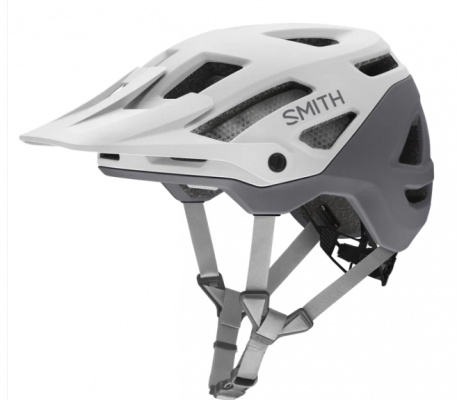
Trail and enduro riders should be looking at the Forefront and Session. The Forefront is a full-coverage trail helmet with a fixed visor and goggle compatibility - solid for Northshore-style riding or anything in the Scottish Borders where you're moving fast through trees. The Session offers a half-shell profile with a removable visor, which works well if you're splitting time between XC and trail. Both handle a Smith MTB helmet brief competently without overcomplicating the choice. If you need a full-face option for lift-assisted riding, Fox helmets carry strong alternatives worth comparing at that end of the market.
One thing worth flagging: if your head is genuinely round, try before you buy where possible. The intermediate oval works for a wide spread of riders, but it's not a universal fit in the way some brands market it.
AirEvac in Practice, and Keeping Your Helmet in Good Shape
The AirEvac ventilation system is the feature that most Smith riders mention first, and it earns that attention. Channels moulded into the underside of the helmet sit directly above where your eyewear sits on your face. As warm air rises off your skin, those channels direct it upward and out through the rear vents rather than letting it pool against the lens. The result is a meaningful reduction in fogging during hard efforts - particularly relevant on cold, damp mornings when the temperature gap between your face and the air is at its worst.
To get the most from it, your sunglasses arms need to sit correctly in the dedicated storage channels on the helmet's sides when you push the glasses up onto the lid. If you're just resting glasses on top of the helmet loosely, you won't get the full benefit. It takes about ten seconds to route them properly, and it's the kind of thing that becomes automatic after a couple of rides.
Goggle users - particularly those running the Forefront or Session - will find the interface works cleanly with most standard goggle straps. Endura helmets are worth a look if goggle integration is secondary and you want more budget-range options, but for dedicated eyewear integration Smith is the stronger choice here.
Maintenance is straightforward. The Koroyd tubes can trap mud and grit after trail riding - a soft brush and warm water clears them out without damaging the structure. Don't use a pressure washer; the force can deform the tubes. The anti-microbial liner pads are removable on most models and machine-washable on a gentle cycle, which matters after a winter of back-to-back gritty rides. Check the Smith Koroyd helmet fit and padding condition every few months - compressed or worn pads reduce both comfort and the effectiveness of the fit system over time. If the helmet takes a significant impact, replace it regardless of visible damage. That applies to all helmets, not just Smith.
Smith Bike Helmets Helmets FAQs
How do Smith bike helmets fit compared to other brands?
Smith helmets suit an intermediate oval head shape - similar to Giro's fit profile, but slightly rounder at the temples than Bell. The VaporFit dial system gives you 270 degrees of adjustment, so if you're between sizes or want to fit a thin cap underneath in winter, you've got real room to dial it in without the helmet sitting loose.
What is Koroyd technology in Smith helmets?
Koroyd is a structural core built from thousands of welded co-polymer tubes that crush uniformly on impact, absorbing more energy than standard EPS foam across a wider surface area. Those same tubes are open channels, so the material doubles as a ventilation system - heat moves through the helmet rather than building up against your head.
How does the Smith AirEvac system work?
AirEvac uses moulded internal channels positioned above your eyewear to pull warm, moist air away from your lens and push it out through the helmet's rear vents. It's most effective when your sunglasses arms are properly routed into the helmet's side channels - do that, and fogging on hard climbs in cold or humid conditions drops noticeably.