
Sigma Sport Gps Computers
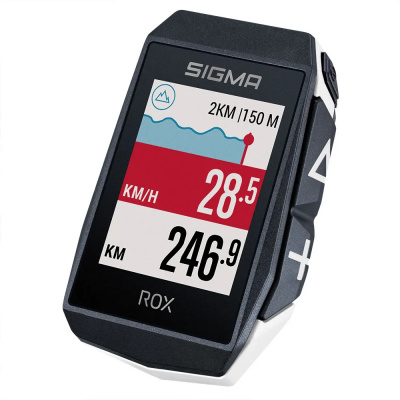
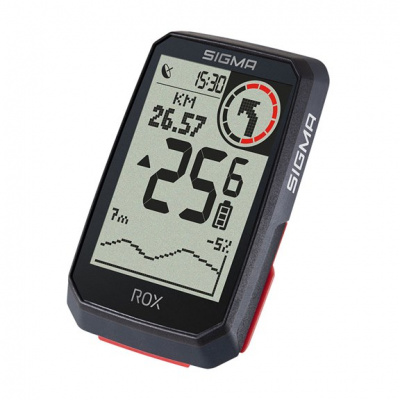
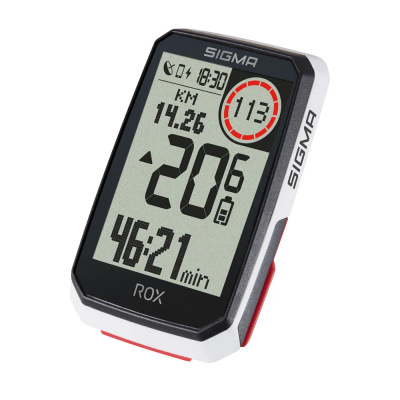
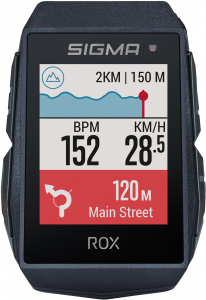
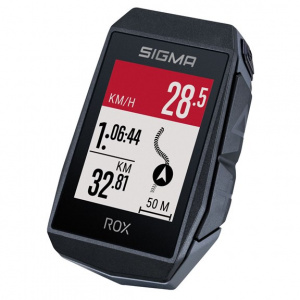
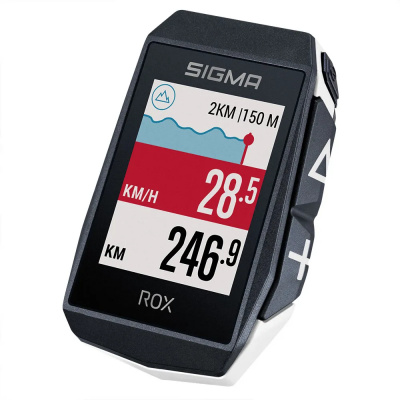
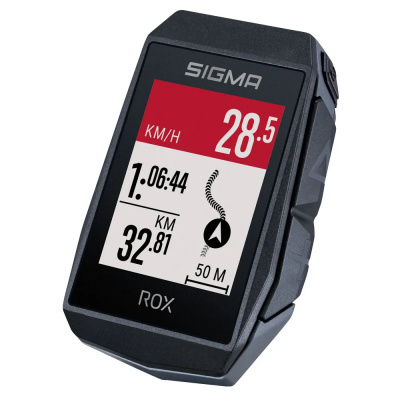
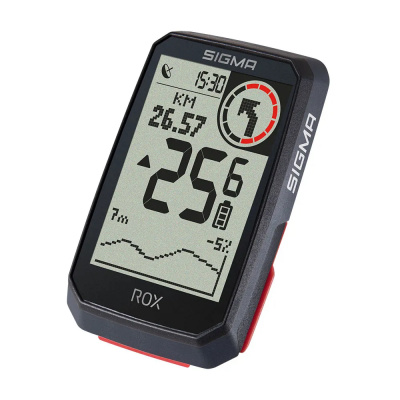
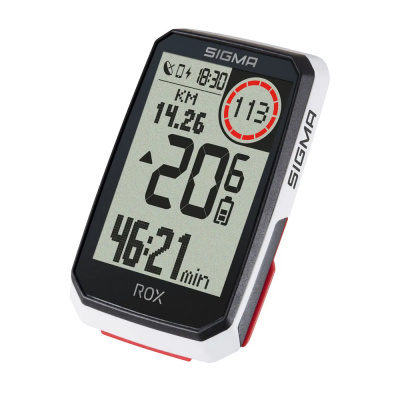
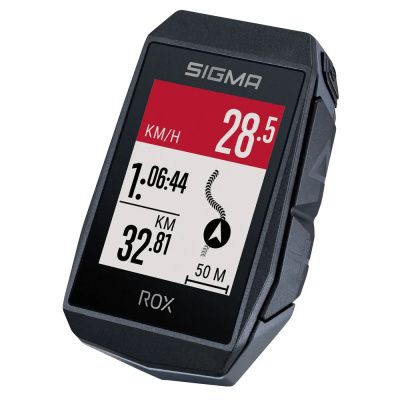
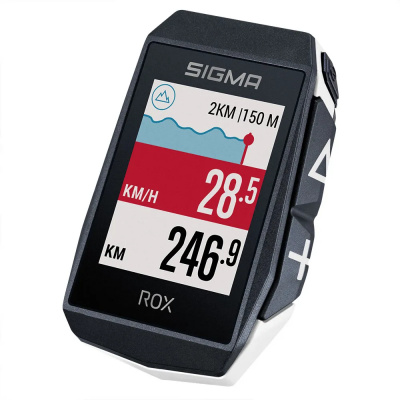
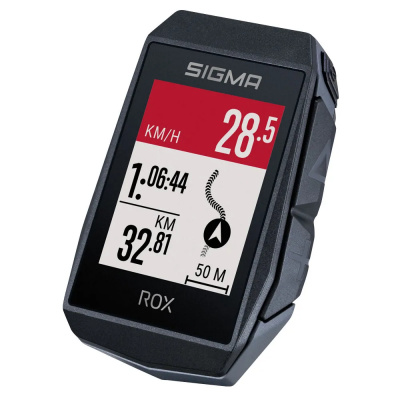
Sigma Sport GPS computers sit in a useful position in the head unit market - capable enough for serious training, straightforward enough that you're not reading a manual in the car park before your first ride. The ROX series is the core of the range, covering everything from compact, no-fuss units to full-colour mapping computers with turn-by-turn navigation via Komoot integration and live data from ANT+ and Bluetooth Smart sensors.
Multi-GNSS support pulls in GPS, GLONASS, and Galileo signals together, so satellite lock is quick even on a murky January morning in the Peaks. Strava Live Segments work natively once you've linked accounts through the Sigma Ride app, and the e-bike integration is genuinely useful - riders on motor-assisted bikes can track battery status and assist mode on-screen without reaching for their phone. The transflective displays read well under the flat, grey skies that make up most of a UK riding year.
If you're after straightforward speed and distance without satellite navigation, our basic computers range covers that ground instead. But if you want data-rich rides, proper routing, and a unit that won't flinch at a Welsh downpour, read on.
Prices and availability can change quickly. Delivery charges are not always included in listed prices.
Final price, stock status and delivery terms are set by retailer. We may receive a commission on purchases made.
Connectivity, Apps, and the Wider Sigma Ecosystem
Dual-band connectivity - ANT+ and Bluetooth Smart running simultaneously - means you can pair a heart rate strap, a power meter, and a speed sensor without any of them fighting for attention. That matters when you're mid-effort on a Surrey Hills climb and the last thing you want is a sensor dropout. Sigma's ANT+ LEV support extends this to e-bike integration: motor assist level and remaining battery percentage show directly on the head unit, which makes Sigma a strong option if your fleet includes a motor-assisted road or gravel bike alongside a traditional one.
Data sync runs through the Sigma Ride app. Pair your unit, toggle Strava auto-sync in the cloud settings, and your ride uploads automatically once you're back in Wi-Fi range - no cables, no manual exports. TrainingPeaks also connects for riders following a structured plan. The app handles firmware updates too, which is worth doing regularly; Sigma have pushed GPS accuracy improvements through software, and running old firmware leaves performance on the table.
If you're not after satellite navigation and just want reliable wired or wireless speed and cadence tracking, the Sigma Sport basic computers are worth a look as a simpler alternative. For GPS head units from other brands, Garmin GPS computers and Wahoo GPS computers are the natural points of comparison at various price points.
Battery Life and Screen Performance on Real UK Rides
Sigma's claimed runtimes for the ROX range span roughly 15 to 25 hours depending on model, and those figures are achievable - under the right conditions. Run full turn-by-turn navigation, backlight on, and three or four ANT+ sensors active simultaneously, and you're looking at a meaningful reduction. In sub-zero temperatures, lithium-ion cells lose efficiency, so expect somewhere around a 15 - 20% cut in real-world runtime on a hard British winter ride. A 20-hour unit becomes closer to 16 or 17 hours when it's genuinely cold out.
The practical upshot: charge the night before a big day out, and if you're heading out for an audax or a long Scottish gravel route, consider whether you need backlight at all during daylight hours. Dropping screen brightness is the single easiest way to claw back runtime without sacrificing any data.
On screen quality, the transflective display technology earns its keep under the overcast skies that define most UK rides. Transflective panels use ambient light to boost contrast rather than fighting it, so the screen stays readable without cranking brightness. Direct summer sun can still wash things out briefly, but it recovers quickly. Flat autumn light - the kind that makes other screens go grey and vague - is where Sigma's displays do well. If you're comparing the Sigma ROX GPS review coverage across cycling press, screen legibility consistently comes up as a positive.
Getting Set Up, Mounting Options, and Wet-Weather Reliability
Out of the box, initial setup is logical. Download the Sigma Ride app, create an account, pair the unit over Bluetooth, and the app walks you through screen layout, sensor pairing, and navigation preferences. Setting up a Sigma GPS computer for the first time takes most riders 15 to 20 minutes - less if you've used any comparable head unit before. The unit itself handles multi-GNSS configuration automatically; you don't need to dig into satellite settings manually.
Mounting is worth thinking about before you buy. Some ROX models use Sigma's own out-front mount standard, which is sturdy and well-positioned for visibility but means you're buying into their mount ecosystem rather than the Garmin quarter-turn standard that most aftermarket options use. Check compatibility with your current bar setup - a unit that vibrates loose on a rough bridleway is no use to anyone. The mounts themselves are solid in practice, just not universally interchangeable.
On waterproofing: the IPX7 rating means the unit can handle submersion in up to a metre of water for 30 minutes. In real terms, that's overkill for anything short of dropping it in a puddle, but it means a torrential downpour on the Pennines or a full hosepipe clean at home won't cause any damage. Screen fogging and water ingress - common failure points on cheaper units - aren't a concern here. For e-bike riders in particular, where charging ports and electronics multiply the potential failure points, IPX7 is a meaningful spec rather than a box-ticking exercise.
Keep firmware current via the Sigma Ride app. GPS accuracy, navigation rendering speed, and sensor stability have all seen improvements through updates on the ROX range. It takes two minutes and makes a difference. If you're building out a full Sigma setup, their Sigma Sport lights pair well and use the same app ecosystem. For riders considering alternatives, Hammerhead GPS computers are worth a look if mapping and route planning are the primary priority.
Sigma Sport Gps Computers FAQs
How do I connect my Sigma GPS to Strava?
Download the Sigma Ride app and pair your head unit via Bluetooth. Inside the app, head to cloud settings and switch on Strava auto-sync. From that point, rides upload to Strava automatically once your phone has a connection - no manual file transfers needed.
How long does the battery last on a Sigma ROX GPS?
Claimed battery life across the ROX range sits between 15 and 25 hours, depending on the model. Running turn-by-turn navigation, backlight, and multiple sensors at once will cut that down, and cold UK winter temperatures can reduce real-world runtime by around 15 - 20% on top of that.
Are Sigma GPS computers waterproof?
Current Sigma GPS computers carry an IPX7 waterproof rating, which means they're protected against heavy rain and can survive being submerged in up to a metre of water for 30 minutes. Heavy downpours, puddle splashes, and hosepipe cleaning are all fine.