
Shimano Road Wheels
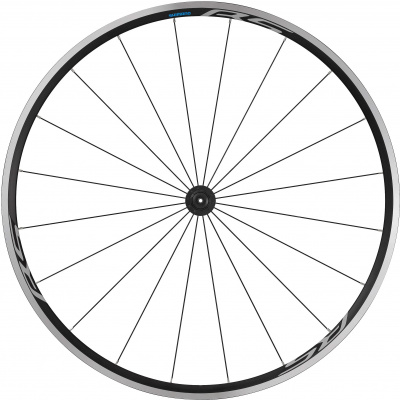
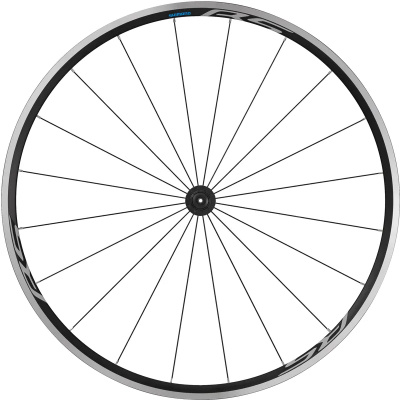
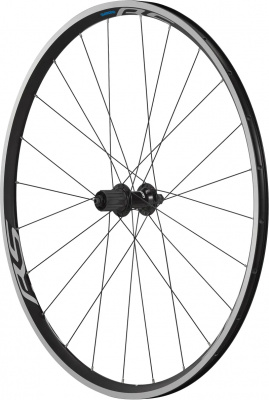
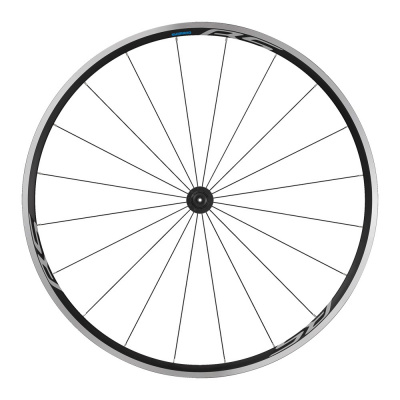
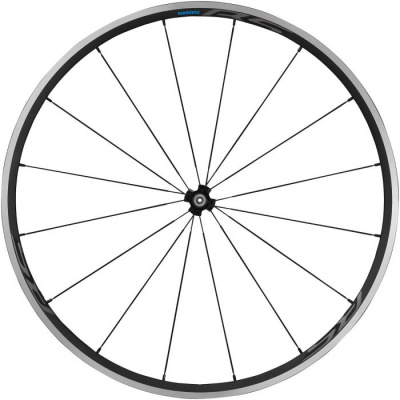
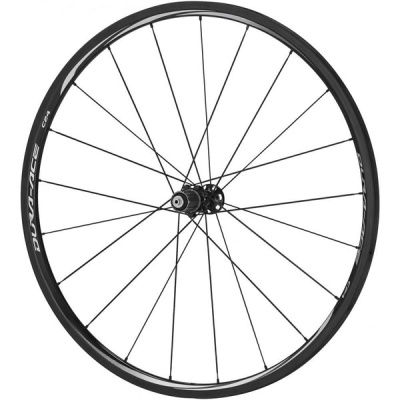
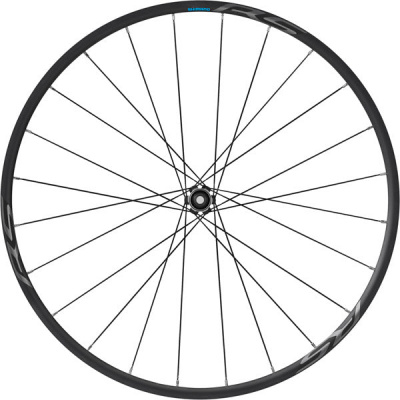
Shimano road wheels cover more ground than almost any other brand in the category - from alloy training hoops to full carbon race-day weapons - and that breadth is exactly what makes picking the right set tricky. The range runs from the accessible 105 series through Ultegra and up to Dura-Ace, with each tier pulling technology down from the level above. What you get at every point in that ladder is Shimano's cup and cone bearing system, which handles the lateral loads of hard cornering better than most sealed cartridge alternatives, and the OptBal 2:1 spoke lacing arrangement that keeps tension balanced across the cassette side of the rear wheel - both relevant on UK roads that don't exactly pamper your kit.
Before you start comparing models, get your axle standard sorted. Disc brake wheelsets run 12x100mm front and 12x142mm rear thru-axles; rim brake options still use quick-release. Freehub compatibility matters too - newer Dura-Ace 12-speed wheels use a different spline to older HG bodies, so double-check before you buy. Tubeless-ready (TL) options are available across the range, and most modern Shimano carbon wheels carry that designation. If you're also running disc brakes, Shimano uses Centerlock rotor mounting rather than six-bolt, so factor that in.
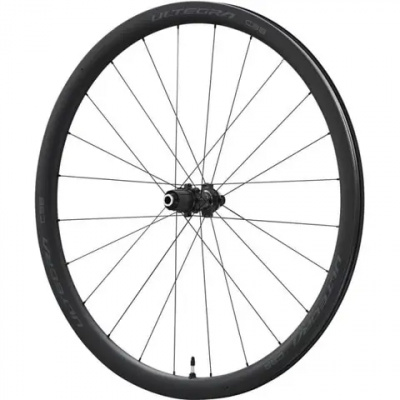
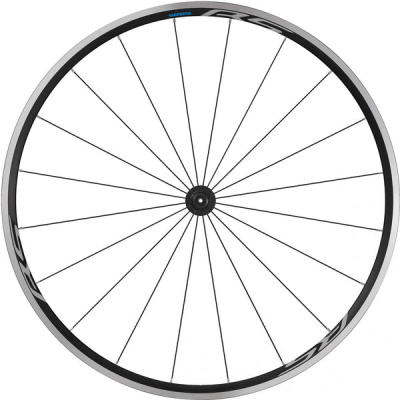
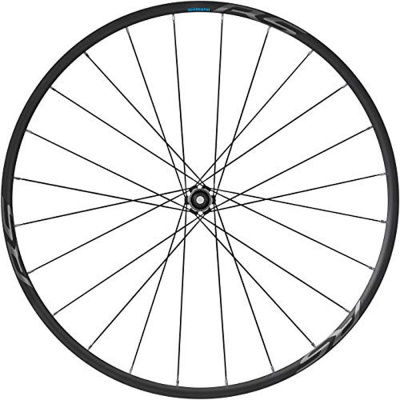
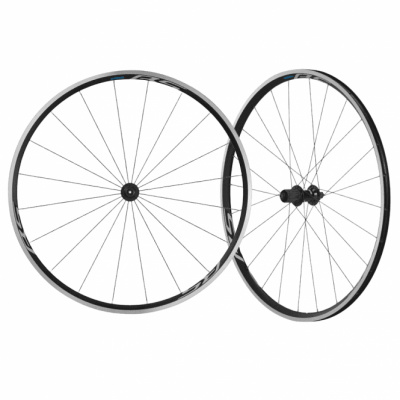
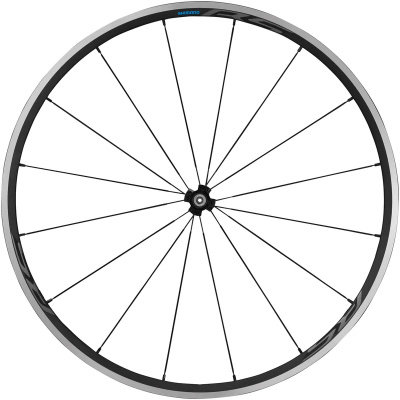
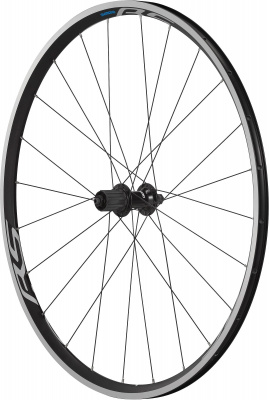
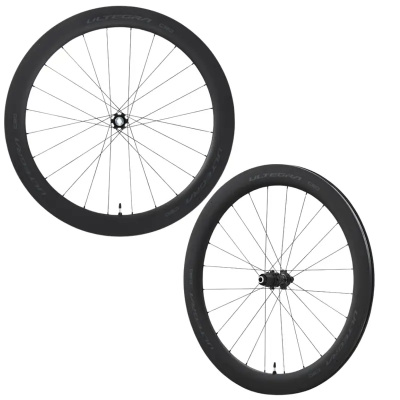
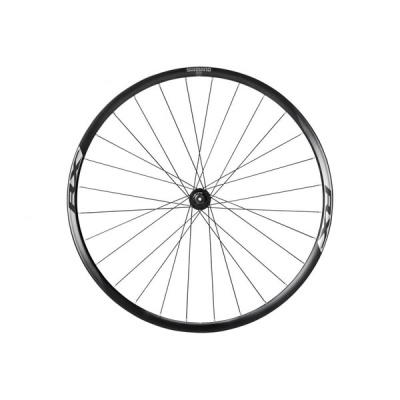
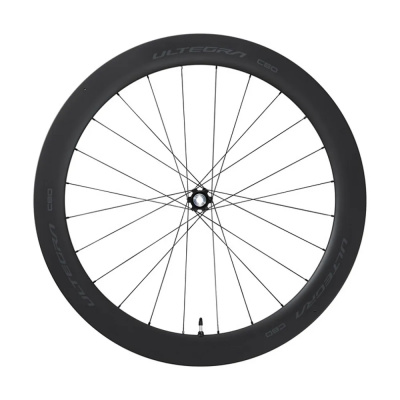
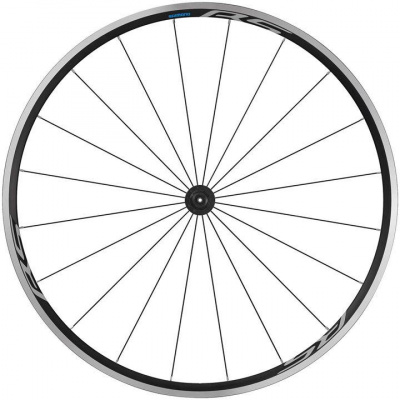
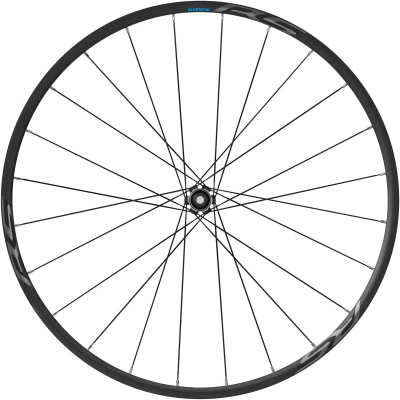
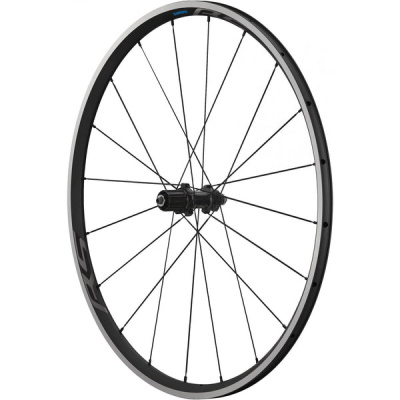
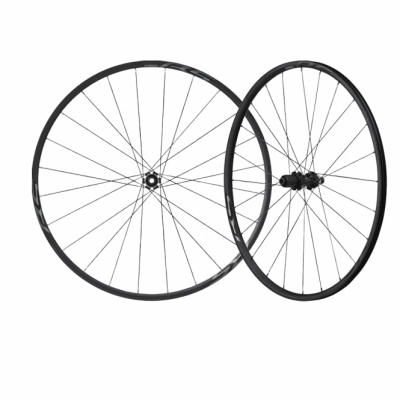
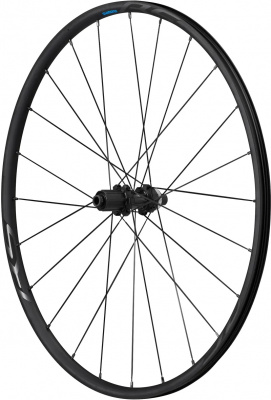
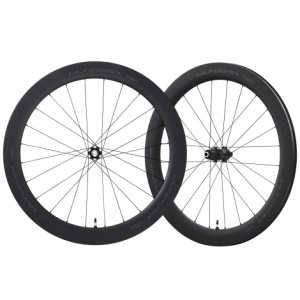
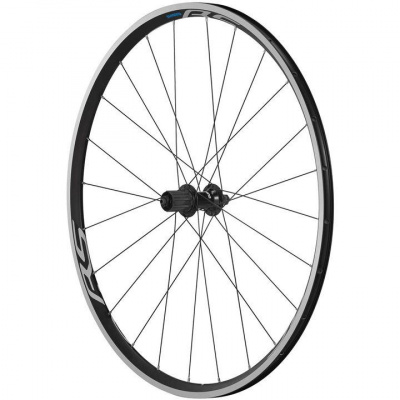
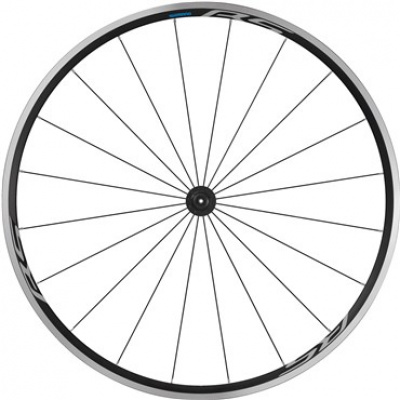
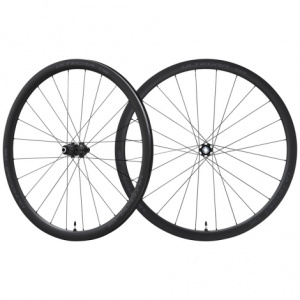
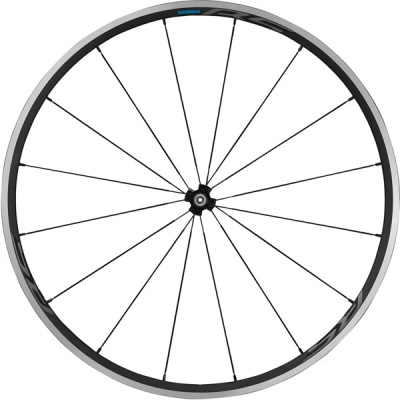
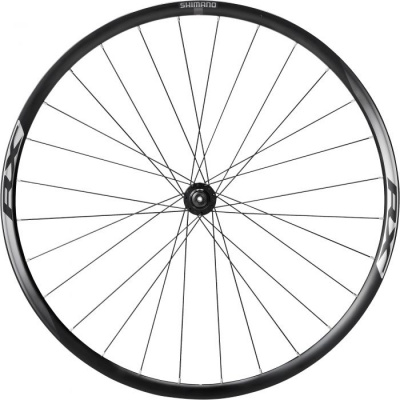
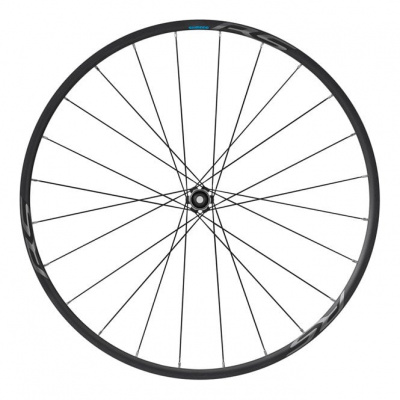
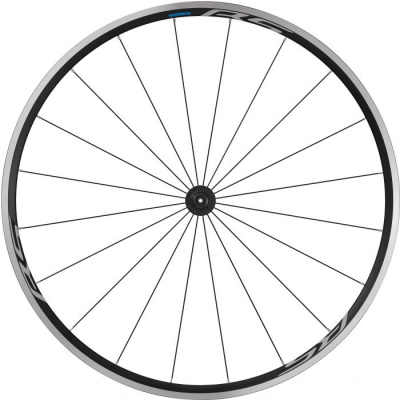
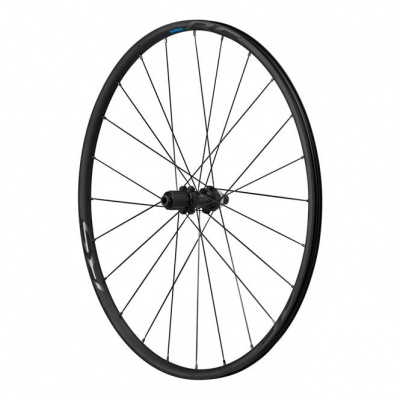
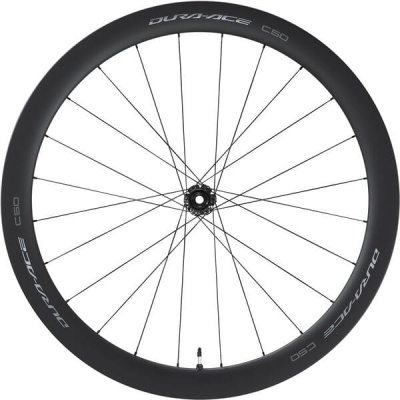
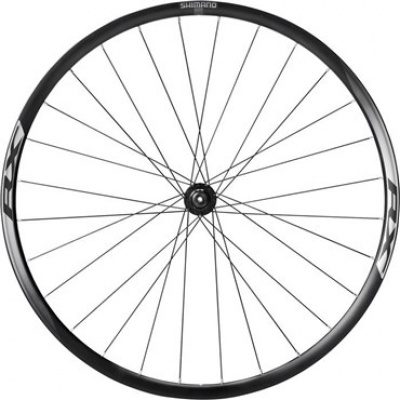
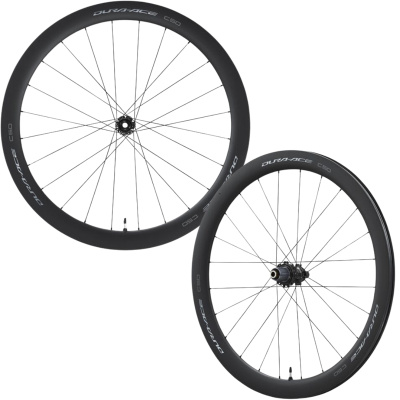
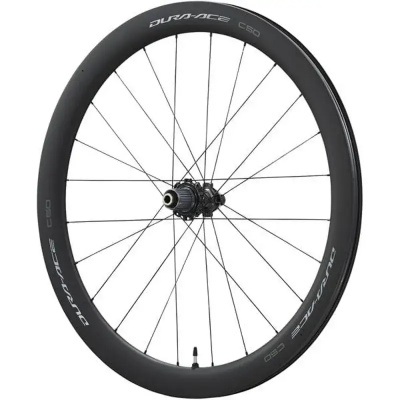
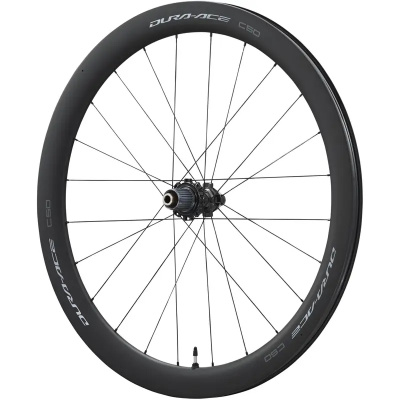
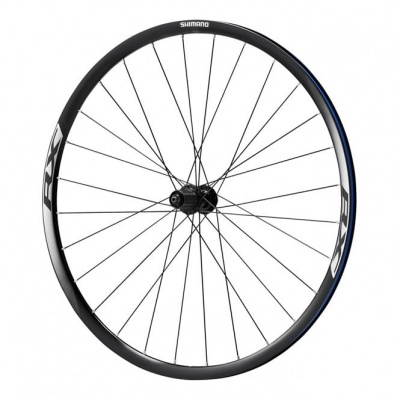
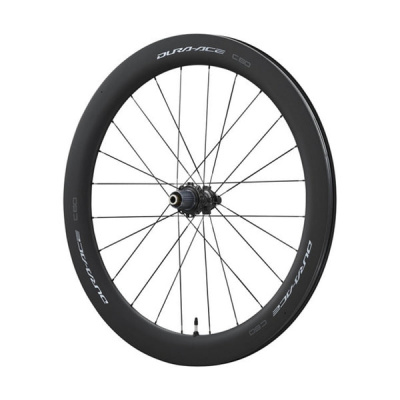
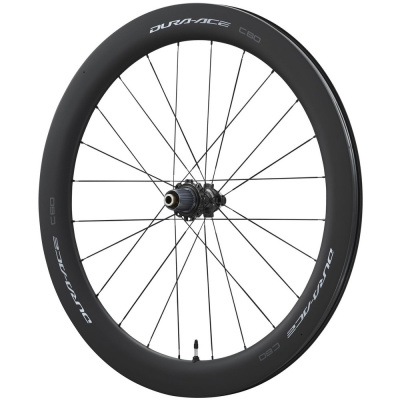
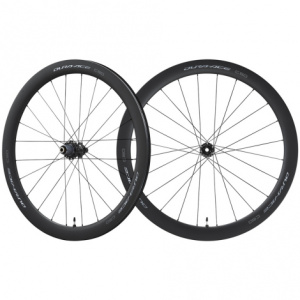
Prices and availability can change quickly. Delivery charges are not always included in listed prices.
Final price, stock status and delivery terms are set by retailer. We may receive a commission on purchases made.
Axle Standards, Freehub Bodies and What Fits What
Getting compatibility wrong is the most expensive mistake you can make with road wheels, so let's be direct about it. Shimano's disc brake road wheels use 12x100mm thru-axles up front and 12x142mm at the rear - that's now the norm across the range and matches what most modern disc road frames run. If your frame is older and uses quick-release, you're looking at the rim brake models, which still exist in the alloy and some carbon options.
Freehub compatibility is where it gets a bit more nuanced. Standard HG freehub bodies - found on 105 and Ultegra wheels - accept both 11-speed and 12-speed Shimano road cassettes without any adaptor. Handy if you're upgrading wheels but keeping an older groupset for now. The newest Dura-Ace 12-speed wheelsets, however, use a proprietary spline pattern designed exclusively for 12-speed cassettes. Fit an 11-speed cassette on one and it simply won't engage correctly. Worth knowing before you commit. All disc-compatible Shimano road wheels use Centerlock rotor mounting - a single lockring interface rather than six individual bolts - which makes rotor swaps cleaner but does mean you'll need a Centerlock-compatible rotor or an adaptor if you're carrying over older six-bolt rotors.
For cassette and rotor options that work with your chosen wheelset, browse Shimano 11-speed cassettes and 10-speed cassettes to match your drivetrain - and check rotor compatibility separately before ordering.
How the Range Breaks Down: Dura-Ace, Ultegra and 105
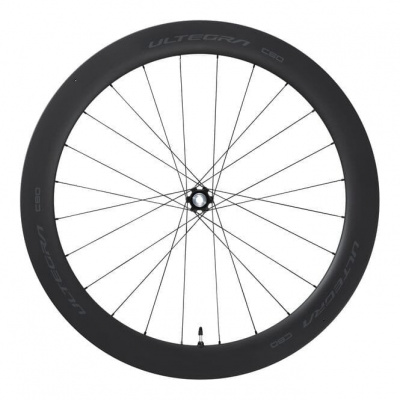
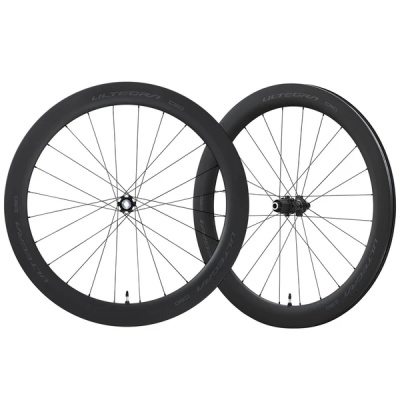
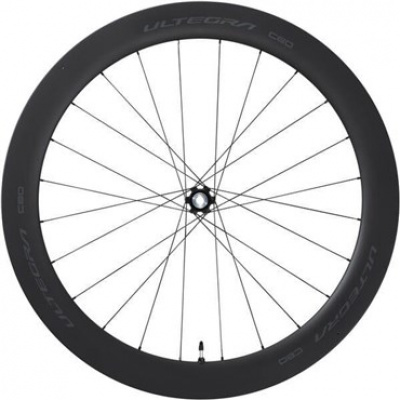
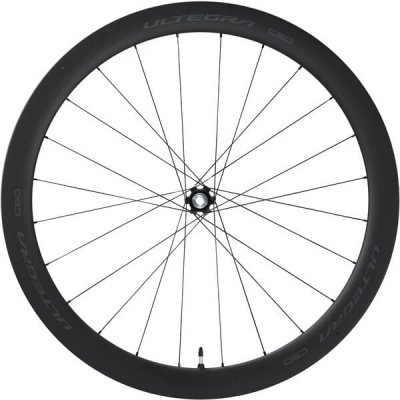
Three tiers, meaningfully different, each with a clear purpose. Start at the top. Dura-Ace wheels - the C36, C50 and C60 - use full carbon construction with rim depths chosen to balance aerodynamic gain against crosswind sensitivity. On the exposed roads of the Yorkshire Wolds or a windy coastal sportive, the C36 is the one most riders reach for; the C60 is for flat, sheltered courses where you can hold a deep-section rim without getting blown about. The D2 rim profile runs across the Dura-Ace carbon range - it's Shimano's aerodynamic shaping designed to reduce drag in crosswinds rather than just cutting through head-on air, which makes a genuine difference when the wind swings sideways.
Dura-Ace also gets the Direct Engagement freehub - a higher-engagement ratchet mechanism that cuts the lag between pedal stroke and drive. It's a small thing on a steady climb, but out of corners or in a sprint it's perceptible. Campagnolo and DT Swiss both offer comparable high-engagement systems at this price bracket, so it's worth cross-shopping if you're spending serious money.
Ultegra wheels share the same D2 rim profiles as Dura-Ace - the aerodynamic architecture is essentially identical - but the carbon layup is slightly heavier and the freehub uses a conventional pawl mechanism rather than Direct Engagement. For most riders, that's a trade-off worth making for the price difference. The performance gap between Ultegra and Dura-Ace carbon wheels is real but narrow; the price gap is wider. If you're doing club rides and the odd sportive rather than racing seriously, Ultegra is the honest answer.
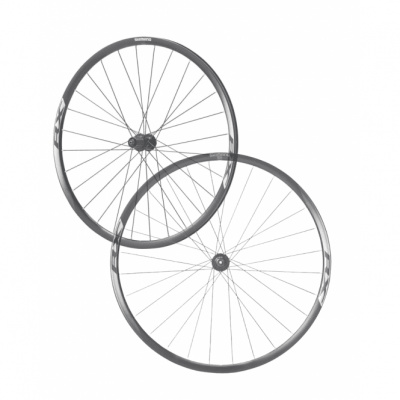
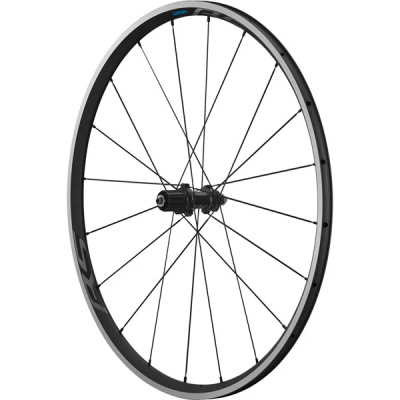
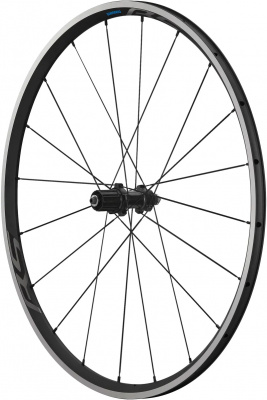
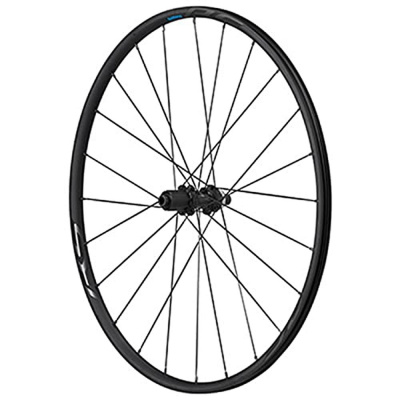
The 105 carbon wheelset brings the D2 rim profile and tubeless-ready construction to a price point that would have seemed impossible a few years ago. There's a weight penalty compared to Ultegra and Dura-Ace, and the carbon layup isn't as refined, but for a first carbon wheelset upgrade from alloy clinchers, it's a strong option. Below 105, Shimano's alloy RS and Tiagra-grade wheels exist for winter training and commuting - heavier, slower, but genuinely tough and easy to true after a run-in with a pothole. Worth keeping a set around if you ride through winter rather than turbo through it. Fulcrum and Mavic offer competitive alloy options at a similar level if you want to compare before buying.
Keeping Shimano Wheels Running in UK Conditions
Here's where Shimano's engineering choices get interesting - and occasionally divisive. While most of the industry has moved to sealed cartridge bearings, Shimano still uses cup and cone bearings across the entire wheel range. Angular contact design, adjusted via cone and locknut, with serviceable surfaces you can clean and regrease rather than replace wholesale. For UK riding - which means grit, standing water, salt in winter, and roads that look smooth until you're on them - that serviceability matters. A cartridge bearing that's worn is a bearing you bin; a cup and cone set that's worn gets stripped, cleaned, and repacked with marine-grade grease for another season.
The trade-off is that cup and cone bearings need that attention to stay precise. Ignore them and you'll feel play developing in the hub, which means worn bearing surfaces that are harder to recover. The OptBal spoke lacing system - Shimano's 2:1 arrangement on the rear wheel - does a good job of balancing spoke tension across the drive side, which reduces the likelihood of spoke fatigue over time. Still, it's worth checking spoke tension periodically if you're running heavier loads or riding rough B-roads regularly.
For tools, grease, and bearing supplies to keep hubs in order, Shimano's own tool range includes cone spanners and freehub removal tools matched to their hub standards - generic alternatives often don't sit cleanly on the flats. For spoke replacements and nipples when you do take a knock, sourcing the correct gauge before you're standing roadside is the obvious move.
Shimano Road Wheels FAQs
Are Shimano road wheels tubeless ready?
Most current Shimano road wheels across the 105, Ultegra, and Dura-Ace lines carry a TL designation, confirming tubeless-ready construction. You'll still need tubeless-compatible tyres, rim tape if it's not pre-installed, sealant, and tubeless valves to complete the setup. Check the specific model's spec sheet - not every wheel in the range carries the TL designation.
Do Shimano wheels use sealed cartridge bearings?
No. Shimano uses angular contact cup and cone bearings across their wheel range - a deliberate choice, not a cost-cutting one. They handle lateral cornering loads well and, crucially, can be stripped, adjusted, and repacked with fresh grease rather than replaced entirely. For UK conditions, that repairability is worth more than it might first appear.
Will a 12-speed Shimano cassette fit an older 11-speed wheel?
Yes, in most cases. Shimano's 12-speed road cassettes are designed to fit standard HG freehub bodies, so they'll mount on 11-speed Ultegra and 105 wheels without any adaptor. The exception is the newest Dura-Ace 12-speed wheelsets, which use a proprietary freehub spline that only accepts 12-speed cassettes - older 11-speed cassettes won't engage correctly on those hubs.