
Shimano Power Meters
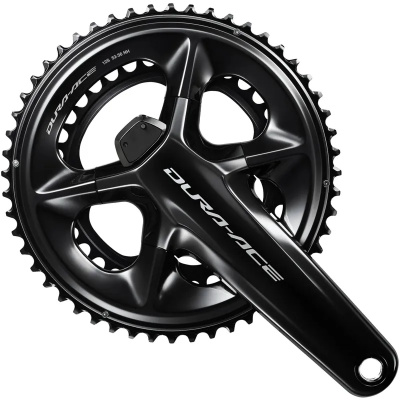
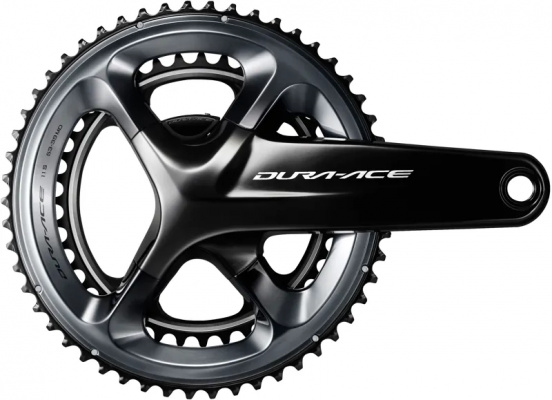
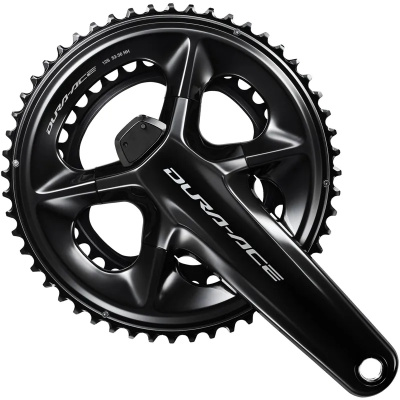
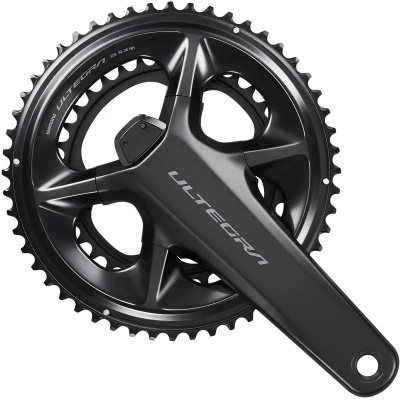
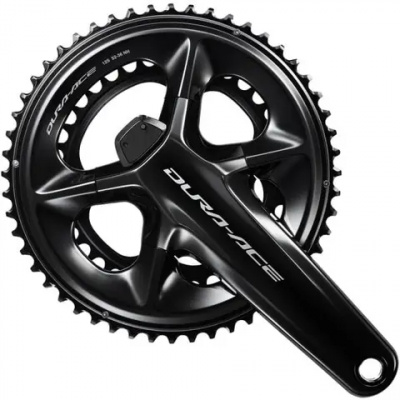
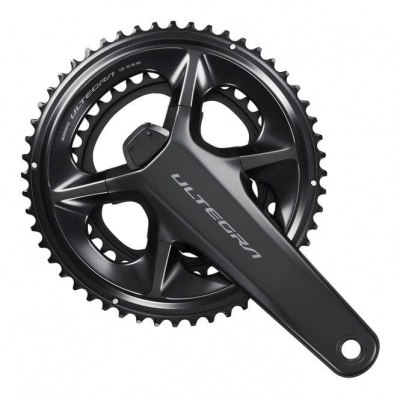
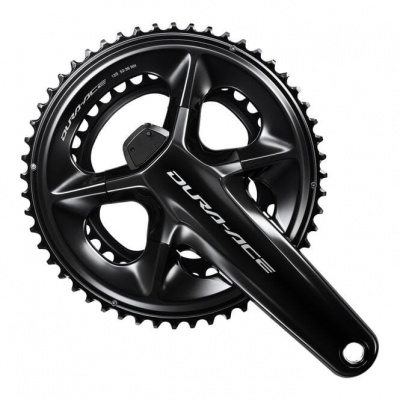
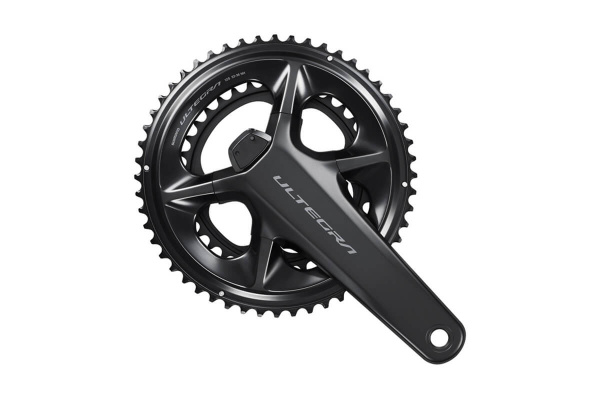
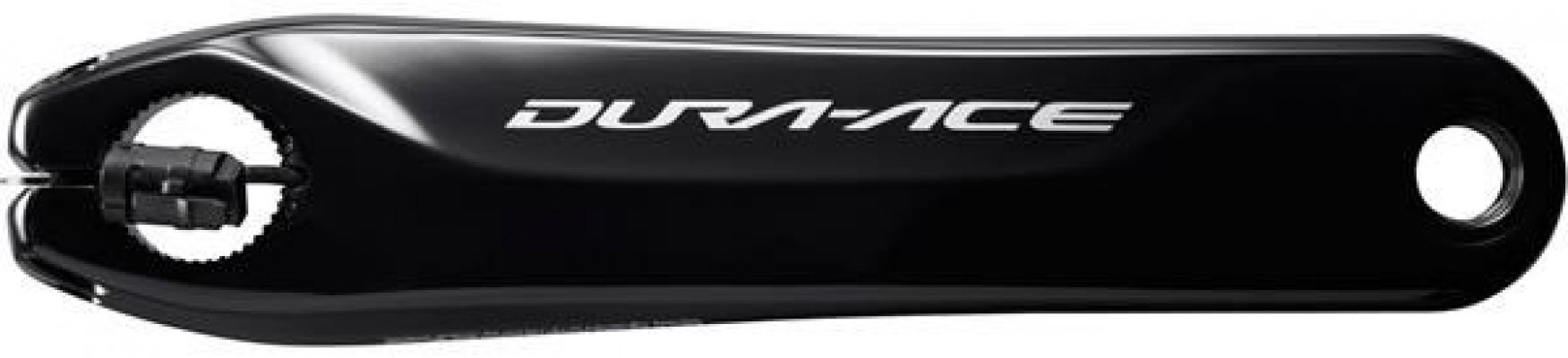
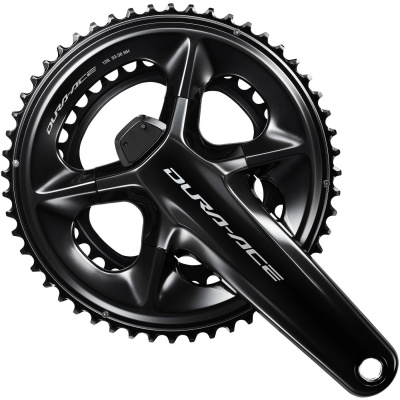
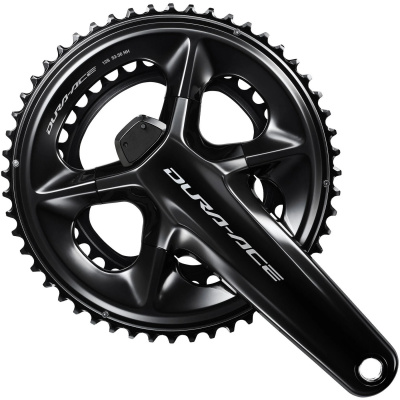
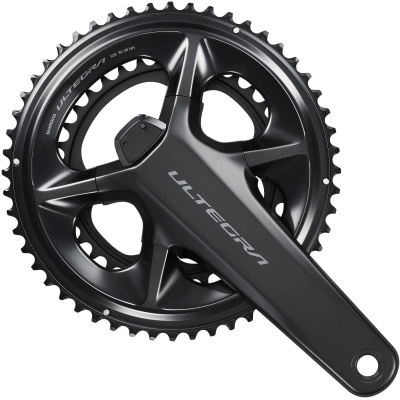
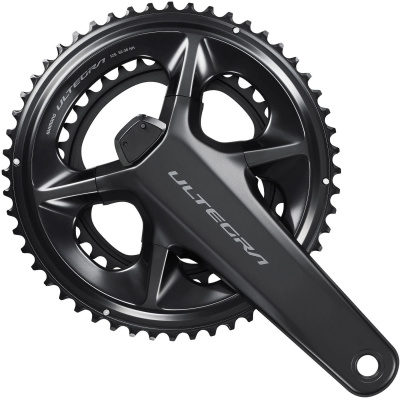
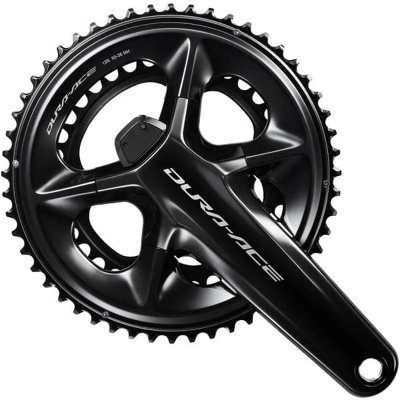
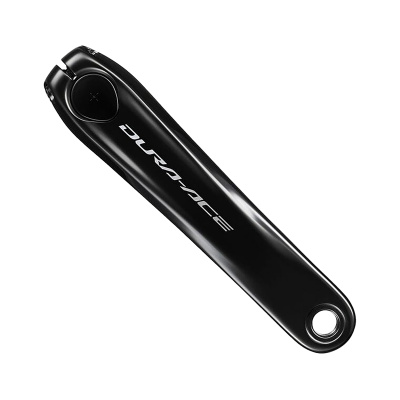
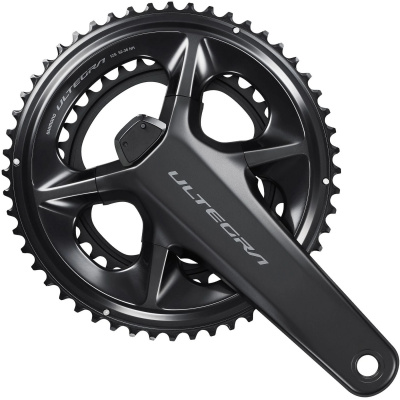
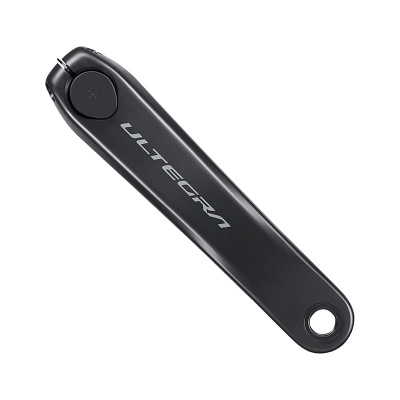
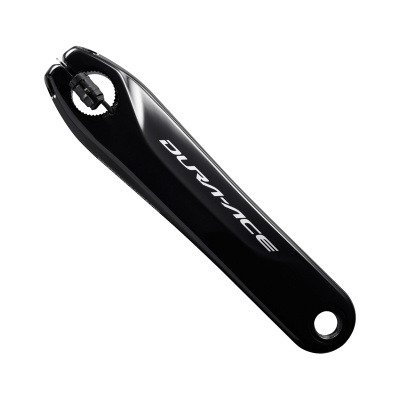
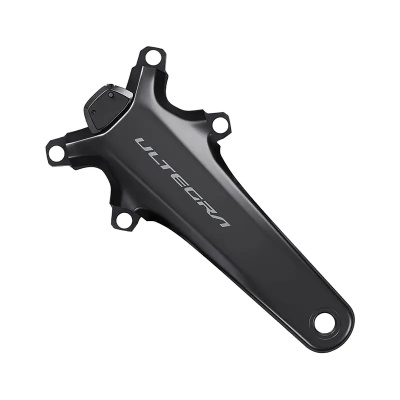
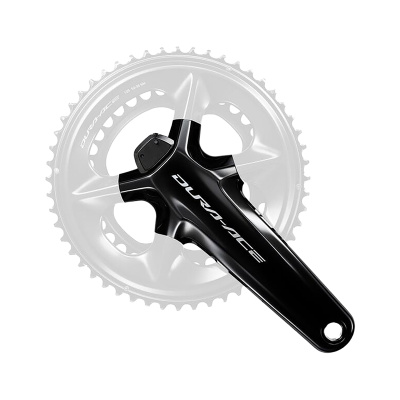
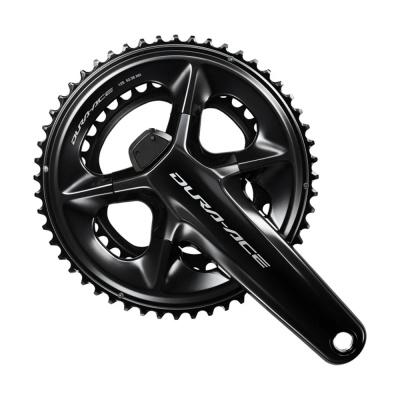
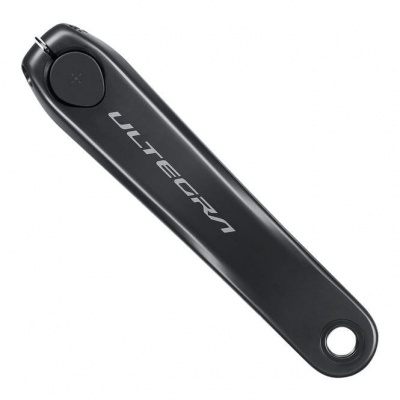
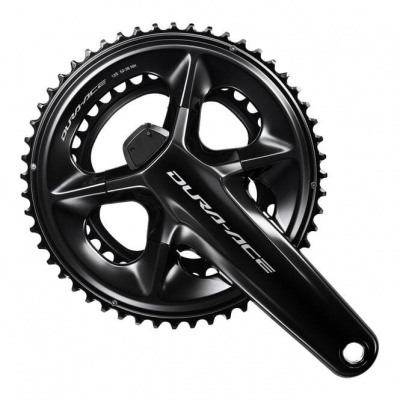
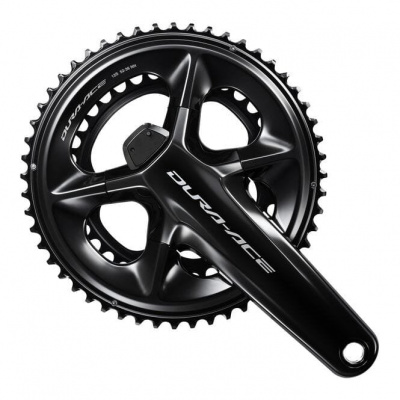
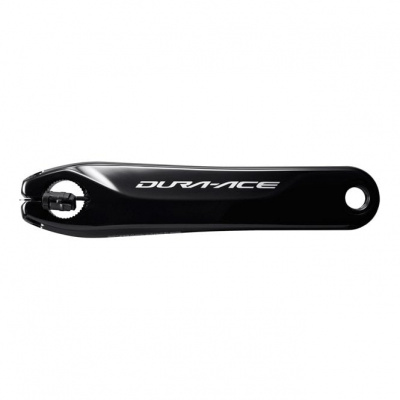
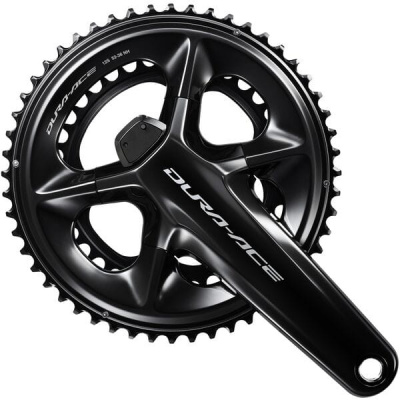
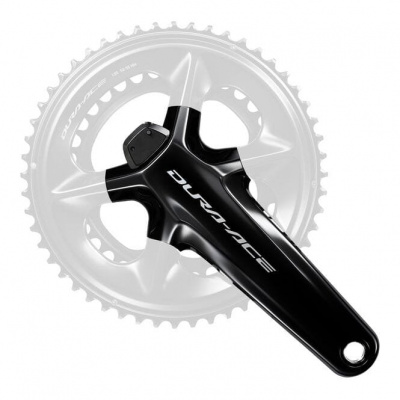
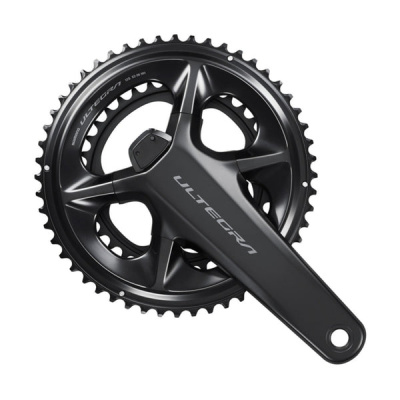
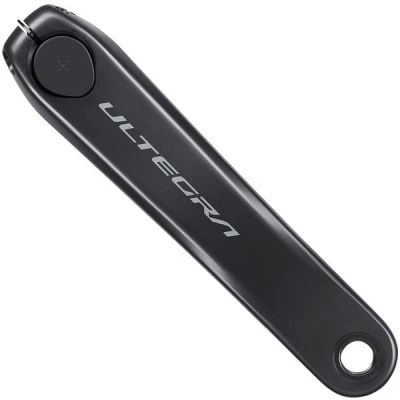
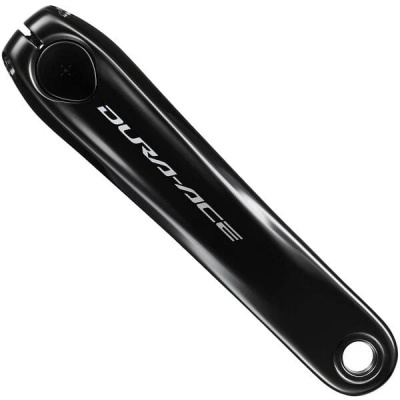
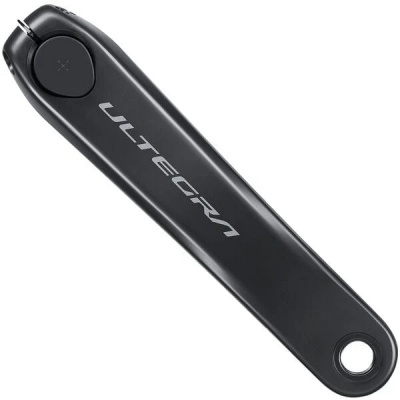
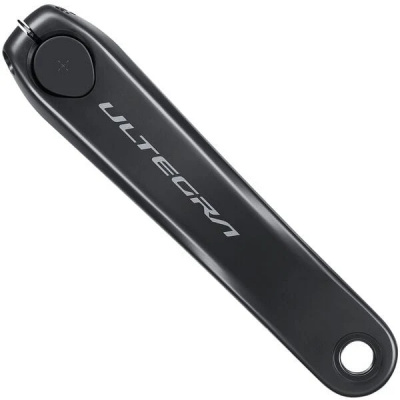
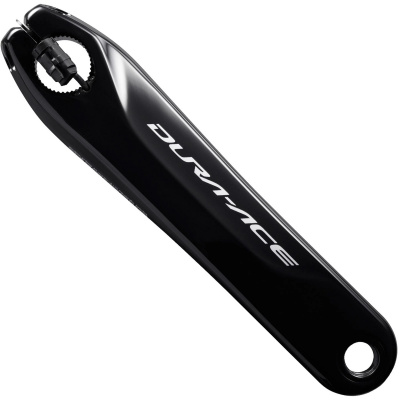
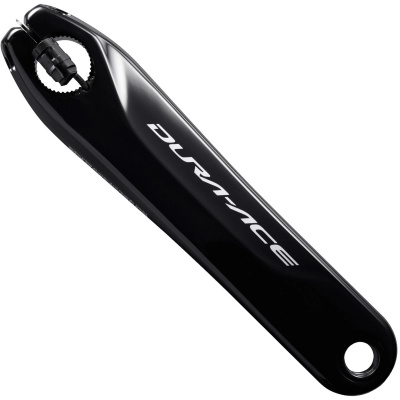
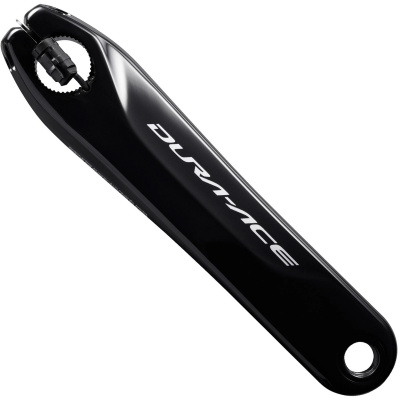
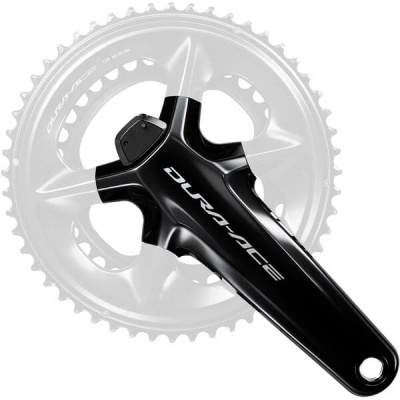
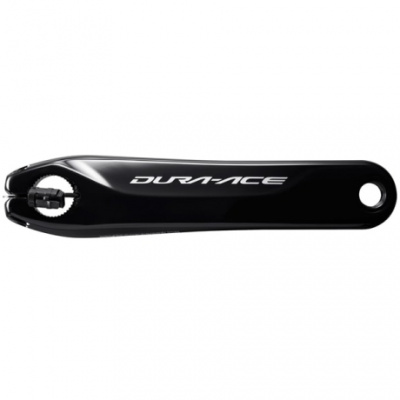
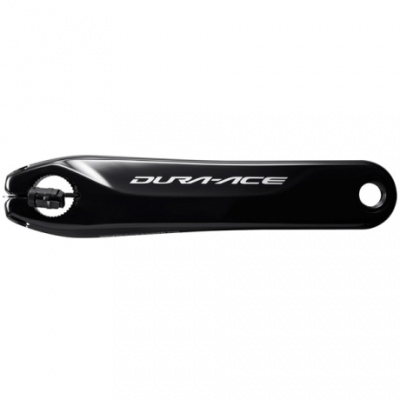
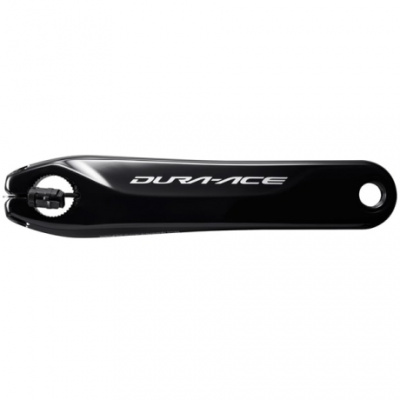
Shimano power meters sit at the sharp end of factory-integrated training tools - built into Dura-Ace and Ultegra cranksets rather than bolted on as an afterthought. The strain gauges live inside the Hollowtech II crank arms themselves, which means you get genuine dual-sided wattage measurement without adding bulk, disrupting stiffness, or sacrificing the drivetrain feel you already know. Left/right balance, torque effectiveness, and pedal smoothness data all feed directly to your head unit, giving you the numbers to pace a club time trial properly or manage your effort over a long sportive climb without blowing up three-quarters of the way up.
Connectivity covers both ANT+ and Bluetooth LE, so you're pairing with a Garmin, Wahoo, or any modern cycling computer without fuss. The integrated rechargeable battery runs well past 300 hours, which matters when you're riding through a British winter and the last thing you want is a flat power meter mid-ride. IPX7 waterproofing seals everything against road spray and standing water - no coin-cell door to leak, no drama. For riders who want accuracy, longevity, and seamless groupset integration in one package, Shimano's approach is hard to argue with.
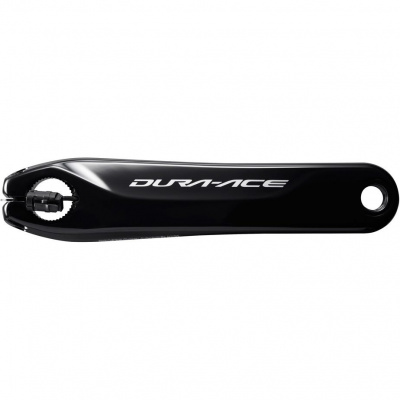
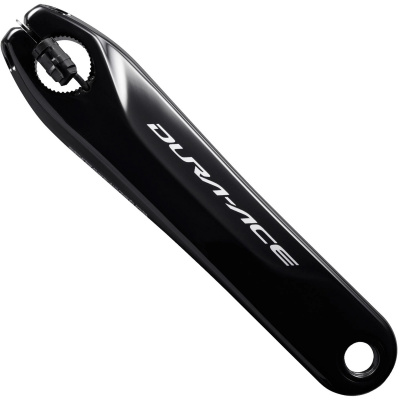
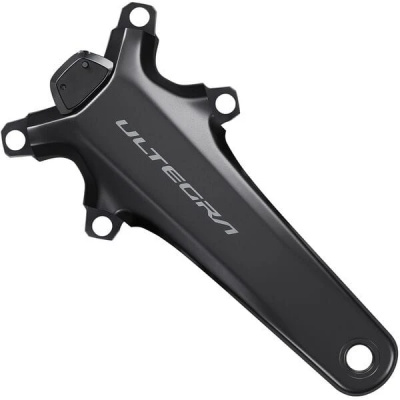
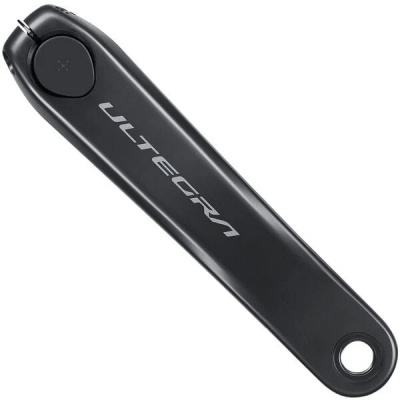

Prices and availability can change quickly. Delivery charges are not always included in listed prices.
Final price, stock status and delivery terms are set by retailer. We may receive a commission on purchases made.
Tech Ecosystem and How It All Connects
Pairing a Shimano power meter is straightforward. Both ANT+ and Bluetooth LE are supported simultaneously, so your Garmin head unit can receive power data while your phone logs via the Shimano E-TUBE Project app at the same time. Wahoo computers connect just as cleanly - search for the device, confirm the ID, and you're done. No proprietary dongles, no bridging hardware.
The E-TUBE Project app is worth having on your phone regardless. It handles firmware updates, lets you check battery level before you head out, and gives you a clear read on the unit's overall health. Shimano pushes updates through it periodically, and keeping firmware current is the simplest way to make sure accuracy and temperature compensation are running at their best. Think of it as the app that stops small problems becoming annoying ones.
Because this is a native Shimano product, the visual integration with a full Dura-Ace or Ultegra groupset is exactly what you'd expect - nothing looks grafted on, nothing clashes. That might sound like a cosmetic point, but it also reflects how the system is engineered: the power measurement is part of the crank's design, not a separate module clipped to it. If you're weighing up alternatives, Stages power meters offer solid left-side measurement at a lower price point, and 4iiii power meters provide dual-sided options that suit riders on a tighter budget - but neither matches the factory-fit cohesion of going full Shimano.
Battery Life and Accuracy on Real Rides
The integrated lithium-ion battery is rated at over 300 hours of use - that's the kind of runtime where you're charging it because you remembered to, not because it died on you. Recharging uses a proprietary magnetic cable that clicks onto the crank without any tools and without removing the crankset from the bike. Handy when you're prepping the night before and don't want to faff about in the garage.
Accuracy holds up well across changing conditions, which is where active temperature compensation earns its place. Step outside on a cold January morning in the Peak District and the temperature drop from your kitchen to the road can be fifteen degrees or more. Without compensation, that shift can skew wattage readings noticeably in the first part of a ride. Shimano's software monitors that change and adjusts continuously, so the numbers you're seeing at the top of the first climb reflect actual effort rather than a calibration hangover from the warm house.
The dual-sided strain gauges measure independently from each side, which means left/right balance is a genuine data point rather than an estimate mirrored from one leg. Over time, that's useful for spotting asymmetries in your pedalling - particularly if you're returning from injury or working with a coach on technique. Torque effectiveness and pedal smoothness metrics are there too, though most riders find they get the most value from the raw wattage and balance data day to day.
If you ever need a replacement magnetic charging cable or other small parts, check our Power Meter Spares category - we stock a range of Shimano components to keep you riding without unnecessary downtime. You'll also find Shimano 11-speed chains and Shimano 11-speed cassettes to keep the rest of your drivetrain in order alongside your power setup.
Fitting, Calibration, and Staying Sealed in British Weather
Installation is genuinely no more involved than fitting a standard Hollowtech II crankset. If you've done it before, you already know the process - you'll need the Shimano-compatible bottom bracket tool and a torque wrench, and the left arm pinch bolts need to hit the specified torque. That's it. No special jigs, no sending it away, no recabling. A competent home mechanic can have it done in under twenty minutes. Grab the right tools from the Shimano tools range if you're setting up a proper workshop kit.
Before every ride, run a zero-offset calibration. Position the drive-side crank pointing straight down at six o'clock, hold the bike upright on a flat surface, then trigger calibration through your head unit or the E-TUBE app. Takes ten seconds. It accounts for any minor shifts in the strain gauge baseline and keeps your numbers honest - skip it regularly and you'll start seeing small but consistent drift in your data.
IPX7 waterproofing means the unit is sealed against immersion up to a metre for thirty minutes - more than enough for British road riding, where the threat is spray from lorries on the A-road home, not diving into a lake. The key advantage over units with replaceable coin-cell batteries is that there's no door, no gasket to degrade, and no gap for gritty water to find its way in over a winter of wet riding. Sealed is simply more reliable when the roads are filthy from November through February. Garmin power meters and Favero power meters are both worth considering if you're on a different drivetrain platform, but for riders running a Shimano groupset, keeping it all in-family makes both practical and logistical sense.
Shimano Power Meters FAQs
How do I calibrate my Shimano power meter?
Trigger a zero-offset calibration through your paired head unit or the E-TUBE Project app before each ride. Make sure the bike is upright on flat ground and the drive-side crank is pointing straight down at the six o'clock position. The process takes a few seconds and keeps your wattage readings consistent.
How long does the battery last on a Shimano power meter?
The integrated lithium-ion battery delivers over 300 hours of runtime on a full charge. You recharge it using the proprietary magnetic cable, which connects directly to the crank without removing anything from the bike - straightforward to do the night before a long ride.
Are Shimano power meters waterproof?
Yes. Shimano power meters carry an IPX7 waterproof rating, meaning they're fully sealed against heavy rain, puddle spray, and brief immersion. There's no coin-cell battery door to leak, which makes them particularly well-suited to year-round UK riding where wet, gritty conditions are the norm rather than the exception.