
Shimano MTB Wheels
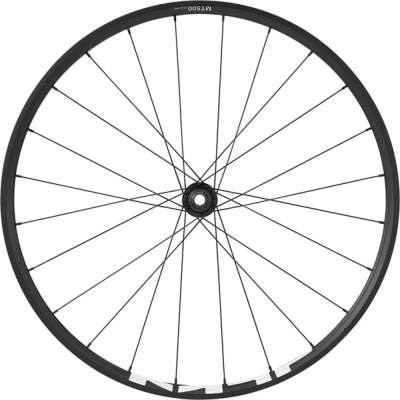
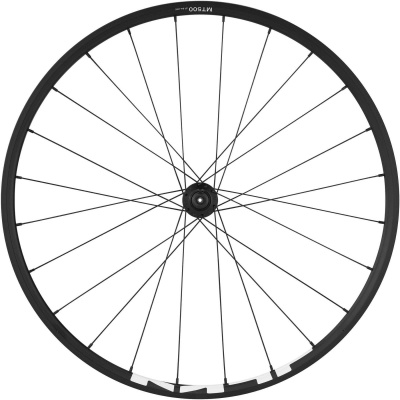
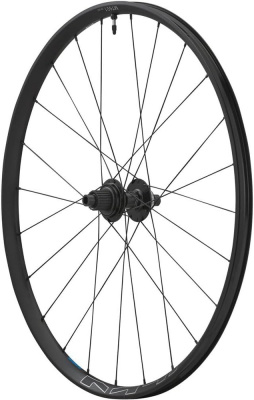
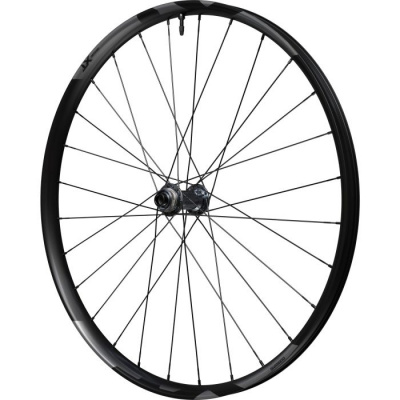
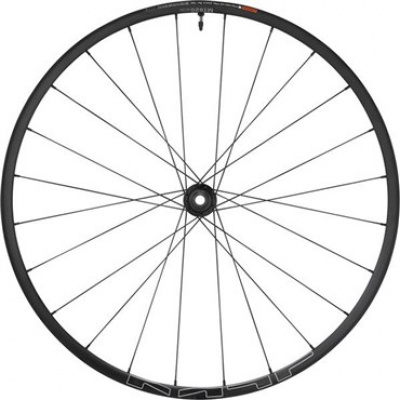
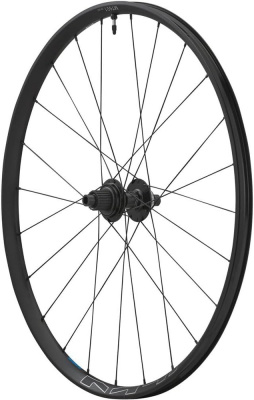
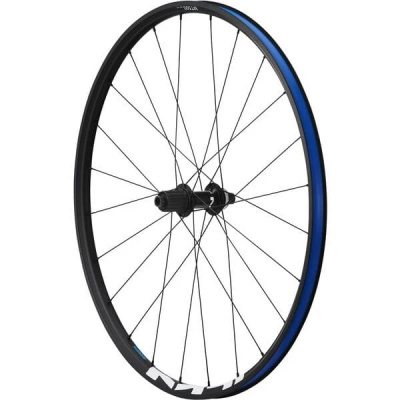
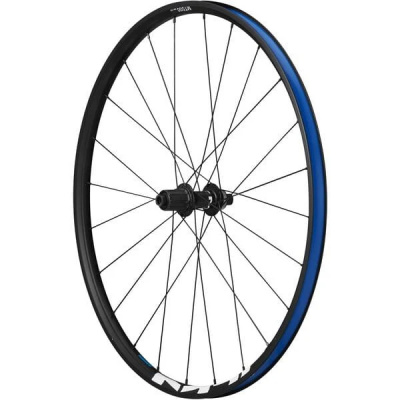
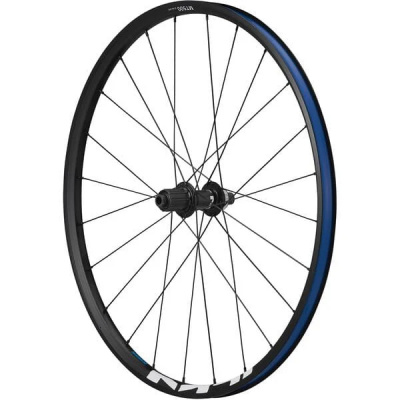
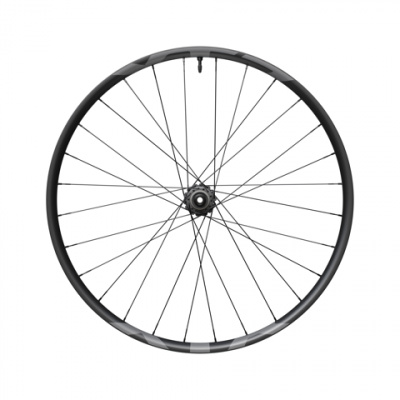
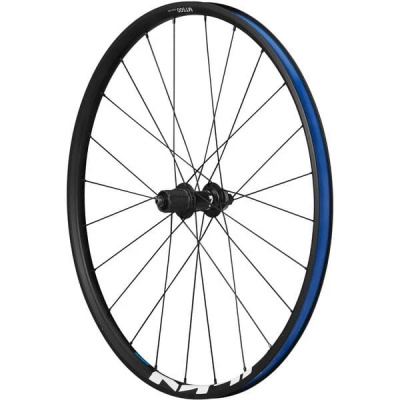
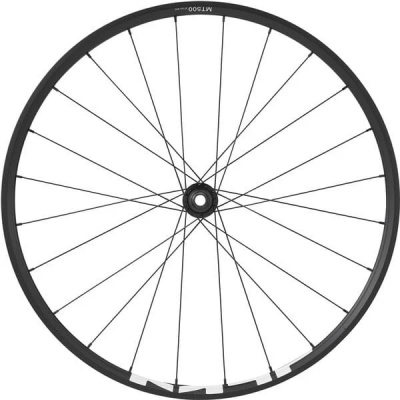
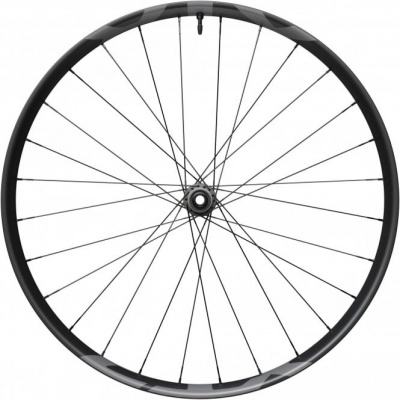
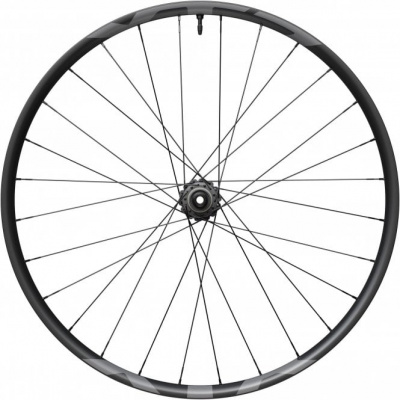
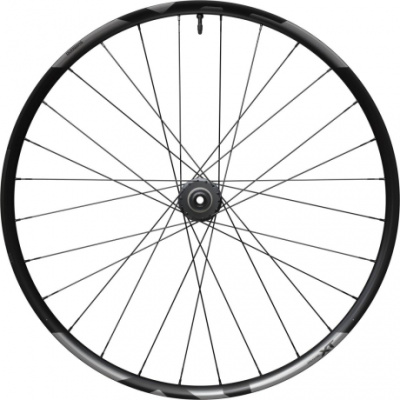
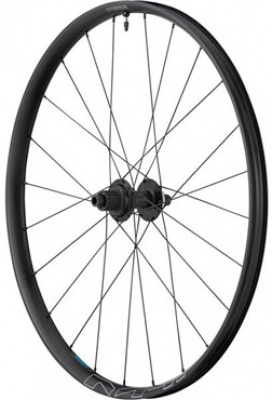
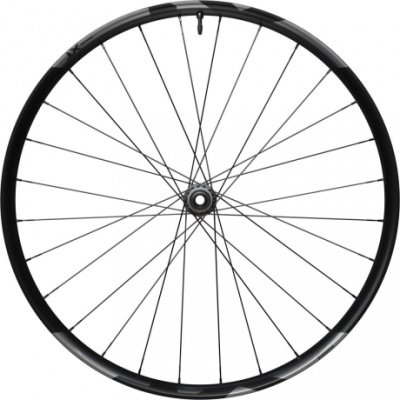
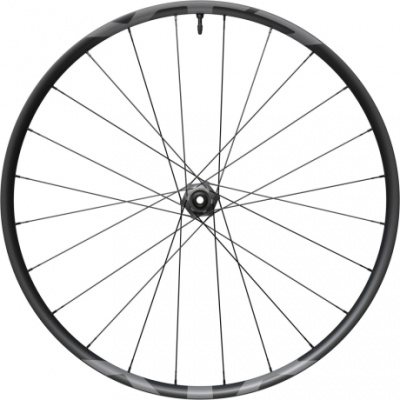
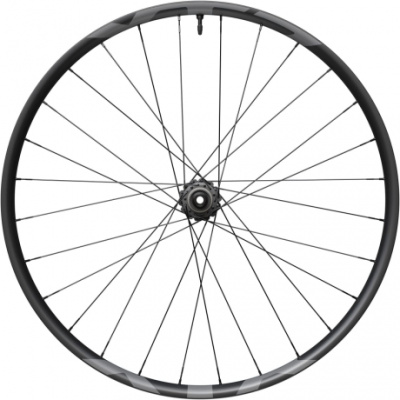
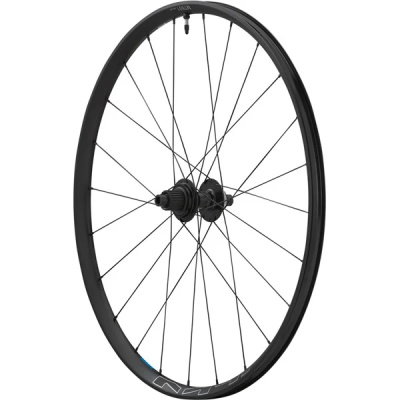
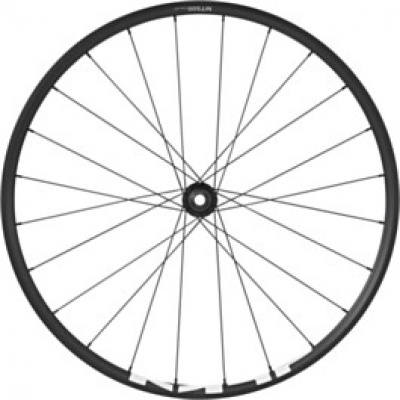
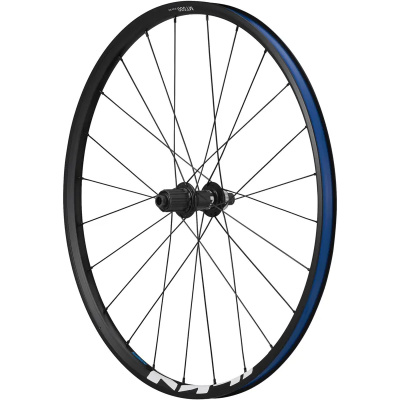
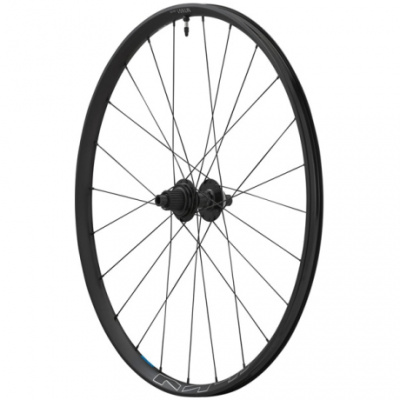
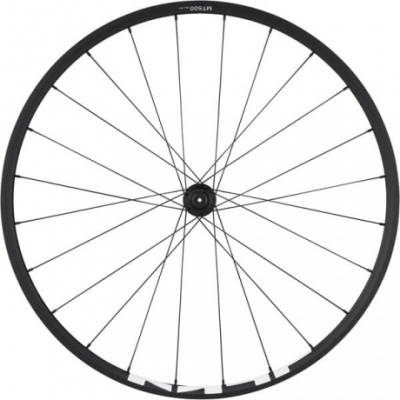
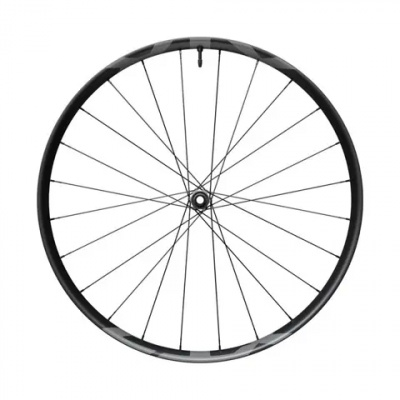
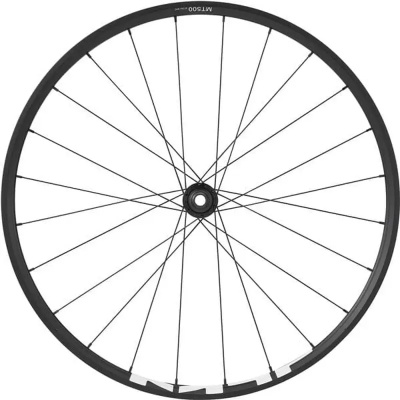
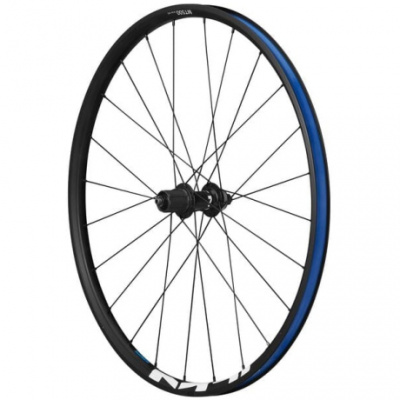
Shimano MTB wheels sit at the intersection of obsessive engineering and real-world durability - and if you're building or upgrading a mountain bike in the UK, they're worth taking seriously. The range runs from the MT500 and Deore hoops that soak up winter after winter without complaint, through the mid-range SLX tier, all the way to the XT and XTR wheels that race teams actually trust. Each level uses Shimano's angular contact cup and cone bearing system, which handles the lateral punishment of cornering in muddy ruts far better than a standard cartridge bearing ever will. Pair that with stiff E-Thru axle compatibility and Centerlock rotor mounts, and you've got a wheel platform that's genuinely thought through from the hub shell outward. Most wheels from Deore upward are tubeless ready, which matters when you're picking a line through wet roots on the Penmachno trails or trying to hold pressure on a cold Pennine morning. The Micro Spline freehub standard is now standard across Shimano's 12-speed MTB range, so compatibility is worth checking before you buy - we'll cover that properly below. Whatever your build, there's a Shimano wheelset sized and specced for it.
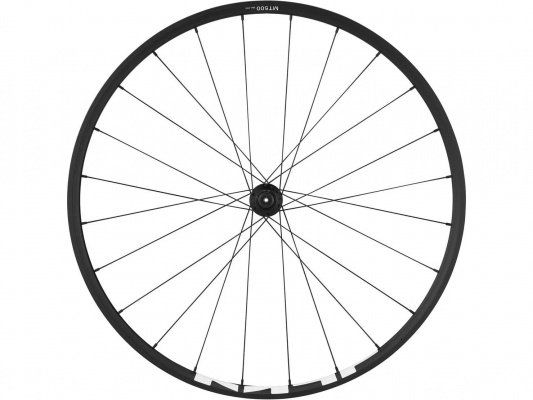
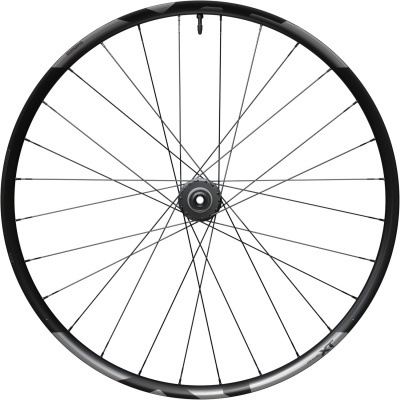
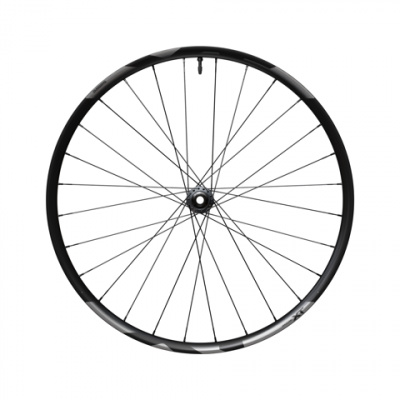
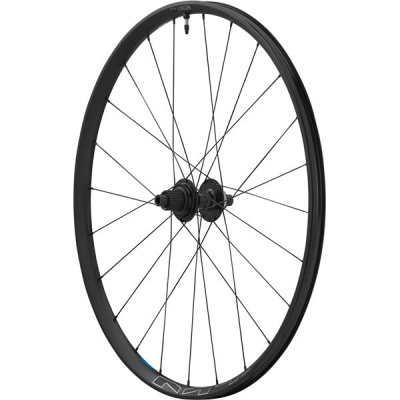
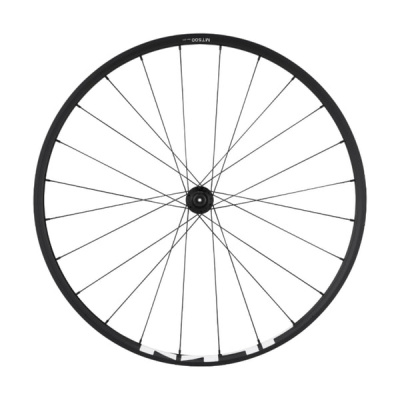
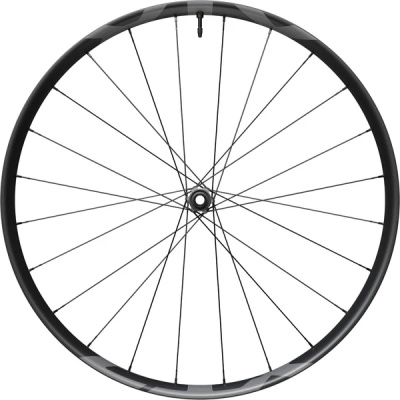
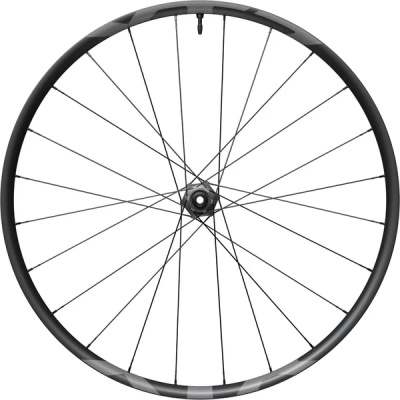
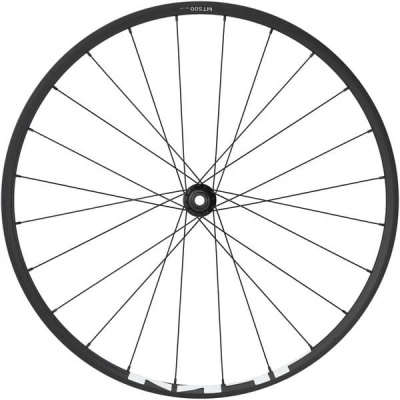
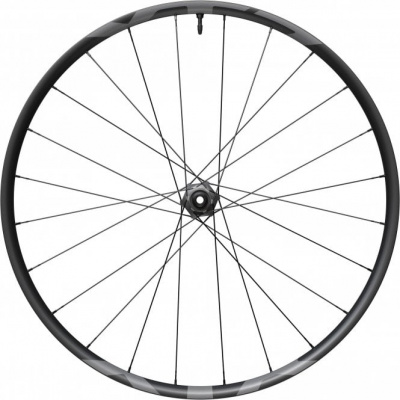
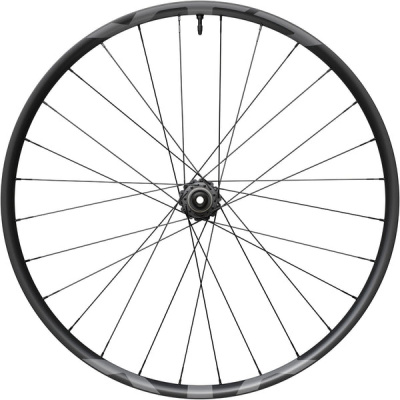
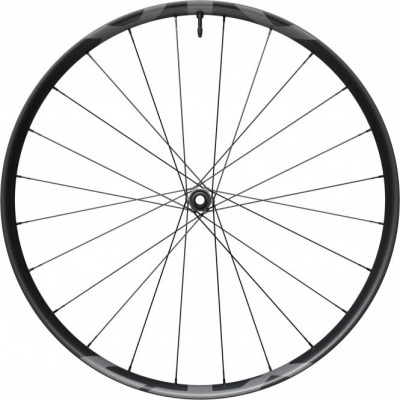
Prices and availability can change quickly. Delivery charges are not always included in listed prices.
Final price, stock status and delivery terms are set by retailer. We may receive a commission on purchases made.
Will It Fit Your Frame? Boost, Axle Standards, and Freehub Bodies Explained
Before anything else, check your spacing. Modern mountain bike frames almost universally run Boost spacing - 148mm at the rear and 110mm at the front - and Shimano's current MTB wheel lineup is built around it. Older non-Boost frames use 142mm rear and 100mm front axle widths, so if you're refreshing an older hardtail, double-check before ordering. The difference matters; you can't fudge it.
The freehub question is equally important. Shimano's legacy Hyperglide freehub body suits 9, 10, and 11-speed cassettes - it's the rectangular-splined standard that's been around for decades. If you're running a current Shimano 12-speed MTB drivetrain, though, you need a wheel with a Micro Spline freehub. The Micro Spline design uses a smaller-diameter, more tightly splined interface specifically to accommodate the larger low-end cog that 12-speed cassettes require. The two standards are not interchangeable. If you're unsure which you've got, count the splines on your existing freehub or check your cassette box - 12-speed Shimano MTB will say Micro Spline explicitly.
For brake rotor fitment, Shimano uses the Centerlock mounting system across its wheel range. It's a threaded lockring interface rather than the six-bolt pattern you'll find on some third-party wheels, so you'll need a Centerlock-compatible rotor or an adapter. It's a cleaner system once you're set up, and Shimano adapters are widely available if your rotors are six-bolt. For anything hub-specific - freehub body replacements, individual spokes, tubeless valves, or skewers - we stock dedicated pages for each of those categories separately, so head there rather than trying to source components piecemeal from a wheel listing.
Deore, SLX, and XT: What You Actually Get for the Money
Shimano's MTB wheel hierarchy is more logical than most brands care to admit. Each tier up genuinely changes what you feel on the bike - not just what's stamped on the hub shell.
The MT500 and Deore-level wheels are the workhorses. Heavier rims, solid builds, and a straightforward spec that doesn't fuss. They're exactly what you want on a winter training bike or a first tubeless build where you're going to ding them on Peak District grit and not lose sleep over it. The bearings are the same cup and cone architecture as the tiers above, which means serviceability is built in from day one. That's not nothing.
SLX wheels step the rim weight down noticeably and the freehub engagement up. You feel the difference in acceleration out of slow corners - not dramatically, but it's there. For most riders doing trail riding in the UK, SLX sits in a genuinely useful position: enough refinement that the wheels don't feel like a limiting factor, without the premium outlay of XT. If you're also running a Shimano 11-speed cassette, the SLX HG freehub pairing is particularly tidy.
The XT and XTR wheels are where rotational weight becomes a real conversation. Lighter alloy rims at XT level, with XTR pushing into territory where rim weight is shaved enough that the wheel spins up and changes direction in a way you notice on technical singletrack. The freehub seals are more refined at this level too - relevant when you're racing in the kind of conditions where Bike Park Wales turns into a pressure washer test. The engagement on XTR freehubs is faster, which translates to snappier pedal response when you're picking up the stroke out of a berm. Compared to something like DT Swiss MTB wheels or Hope MTB wheels at similar price points, Shimano's upper tiers trade some of the instant-engagement theatre for bearing longevity and a more integrated drivetrain feel - a fair swap if you're not chasing raw ratchet noise.
One practical note: if you're running a Shimano 10-speed cassette on an older build, the Deore and SLX HG freehubs will serve you fine. No need to upspec the wheels beyond what your drivetrain demands.
Mud, Grit, and UK Winters: Keeping Shimano Hubs Running
This is where Shimano's bearing choice becomes genuinely relevant rather than just a spec sheet detail. The angular contact cup and cone bearing system - used across the entire MTB wheel range - is designed to handle both axial and radial loads simultaneously. In practice, that means when you're leaning hard into a cambered, muddy rut on the South Downs or slamming a berm at speed, the bearing geometry resists the lateral flex that would progressively destroy a standard sealed cartridge unit over time.
They're also field-serviceable. That matters in the UK, where highly abrasive grit from chalk and shale tracks works into freehub seals through an autumn's worth of riding. A sealed cartridge bearing gives up and gets replaced; a cup and cone setup gets cleaned, re-greased, and put back in. Get into the habit of cracking the hub open for a regrease before the first hard winter month - October is about right for most UK riders. Use a quality waterproof grease and reset the bearing preload carefully. The adjustment is fiddly the first time, but once you've done it, it takes twenty minutes. Shimano makes the correct hub tools for the job, and they're worth having.
Deep winter mud demands easily serviceable gear, and the cup and cone system delivers that. It's one genuine area where Shimano's approach outperforms brands running press-fit cartridges - those are faster to replace but more expensive over the long run. Riders running tubeless setups also benefit here: a reliable, airtight tubeless MTB wheel means fewer pinch flat stops on wet rock sections, and the time you'd spend trailside is better spent pedalling.
For riders considering other strong performers in this space, Mavic MTB wheels and Race Face MTB wheels both run cartridge bearing systems - valid choices, but a different maintenance model entirely.
Shimano MTB Wheels FAQs
Are Shimano MTB wheels tubeless ready?
Most current Shimano MTB wheels from Deore level upward are tubeless ready. You'll still need to add rim tape rated for tubeless use, tubeless valves, and sealant - none of that comes in the box. It's a straightforward setup if you've done it before, and there's good support from most local shops if you haven't.
Do I need a Micro Spline freehub?
If you're running a Shimano 12-speed MTB cassette, yes - Micro Spline is non-negotiable. The older HG (Hyperglide) freehub body handles 9, 10, and 11-speed Shimano cassettes but won't accept a 12-speed MTB cassette due to the different spline interface and larger smallest-cog diameter. Check your cassette before you order wheels.
Why does Shimano use cup and cone bearings instead of sealed cartridge bearings?
Shimano's angular contact cup and cone system handles lateral cornering loads better than most standard sealed cartridges, which reduces flex under hard cornering. The bigger advantage for UK riders is serviceability - you can regrease and re-adjust them indefinitely rather than pressing in replacement cartridges. Maintained properly, they'll outlast the rest of the bike.