
Shimano 9 Speed Rear Derailleurs
A Shimano 9 speed rear derailleur is one of the most dependable bits of kit you can bolt onto a bike - whether that's a Sora-equipped road bike doing daily commuter miles or an Alivio-specced hardtail getting hammered on muddy winter trails. Shimano's 9-speed ecosystem has been refined over decades, and the result is a family of mechs that spans road, MTB, and hybrid use with remarkable cross-compatibility. Swap one out, set your B-tension screw, index the cable, and you're done before the kettle boils.
Modern Shadow RD models tuck the derailleur body low and tight against the bike, reducing the profile that catches rocks and trail debris - a genuine advantage if you're riding anything technical. Even the more affordable Acera and Altus options deliver reliable Hyperglide shifts across a wide spread of gearing. The key is matching the right cage length to your cassette and chainring range, and making sure you're not accidentally crossing into Shimano's newer CUES standard, which uses a different cable pull ratio. We've pulled together the full range below so you can compare live UK prices and find the exact replacement or upgrade your drivetrain needs.
Prices and availability can change quickly. Delivery charges are not always included in listed prices.
Final price, stock status and delivery terms are set by retailer. We may receive a commission on purchases made.
Compatibility and Cage Length: Getting the Right Fit
The good news for anyone hunting a Shimano 9 speed derailleur replacement is that the cable pull ratio is consistent across the traditional 9-speed road and MTB families. That means a Sora R3000 rear mech and an Alivio M3100 respond to the same amount of cable movement per click. You can mix road and MTB shifters with road and MTB derailleurs without any indexing headaches - genuinely useful if you're building up a hybrid or replacing a mech on a budget.
Cage length is where you need to pay attention. The SS (short cage) suits tight road setups with modest cassette ranges. The GS medium cage handles single or double chainring road and hybrid drivetrains where the total chain slack isn't dramatic. The SGS long cage is what you want for triple chainring setups or wide-range MTB cassettes - it has the capacity to take up the extra chain slack without the chain going slack or binding. Work out your total capacity before you buy: subtract your smallest chainring from your largest, then add the difference between your smallest and largest sprocket. If that number pushes past roughly 37 teeth, you want the SGS.
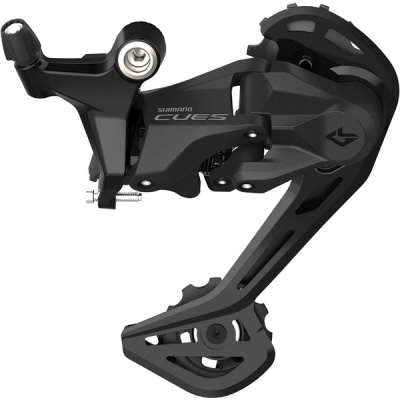
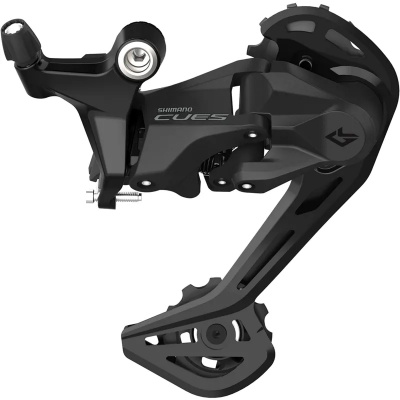
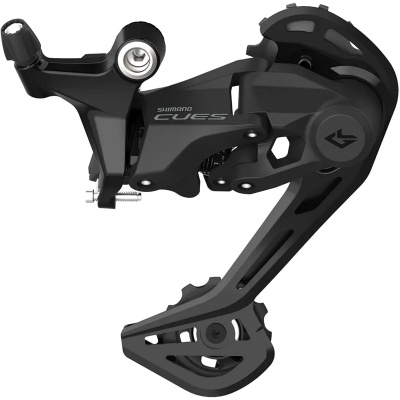
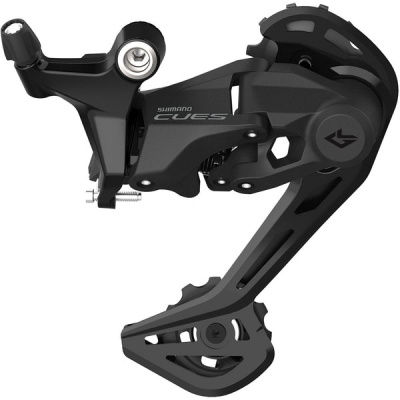
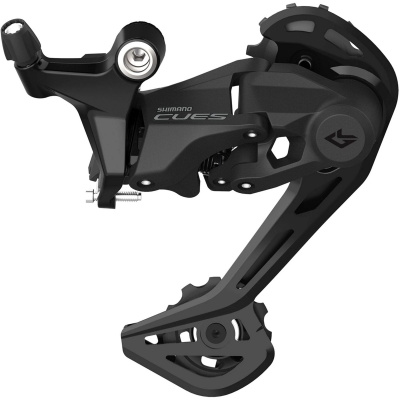
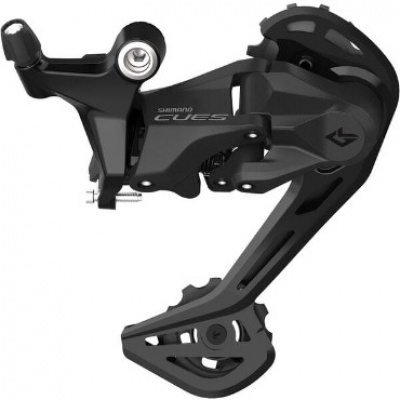
One critical caveat: Shimano's newer CUES platform, including the U4000, uses a different cable pull ratio as part of its Linkglide drivetrain standard. It's designed for longevity on e-bikes and heavy commuters, but it will not index correctly with older Hyperglide 9-speed shifters. Check your shifter generation before ordering, or you'll be back in the car park scratching your head.
The 9-Speed Range, Broken Down by Level
Shimano spreads its best Shimano 9 speed rear mech options across a clear hierarchy, and understanding where each sits tells you exactly what you're paying for.
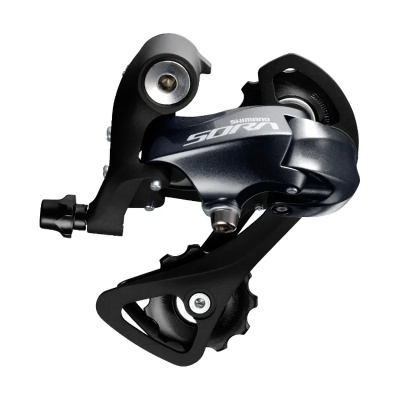
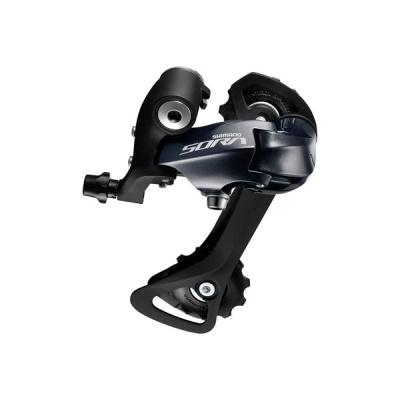
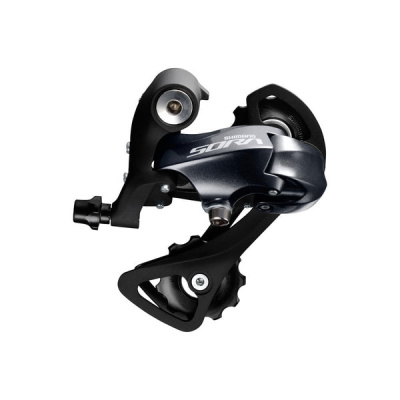
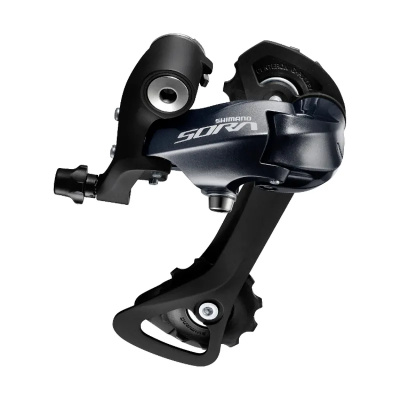
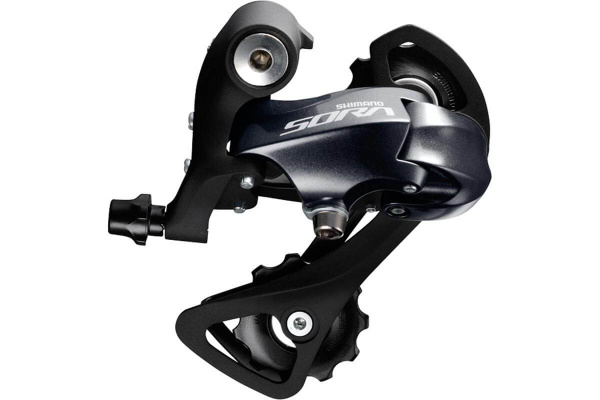
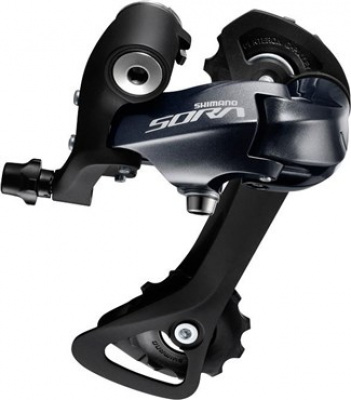
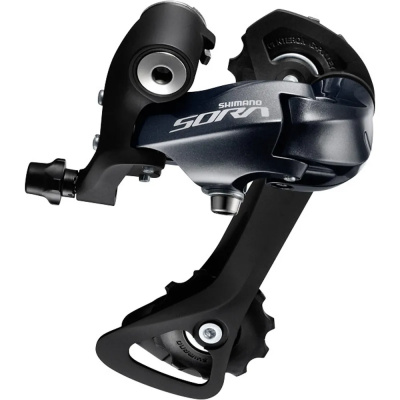
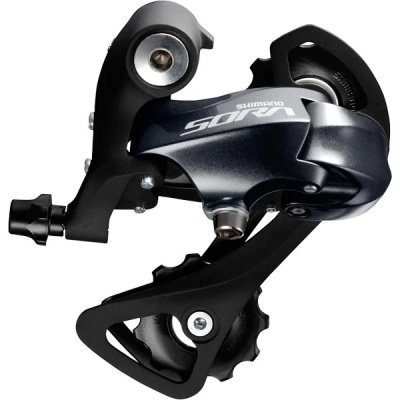
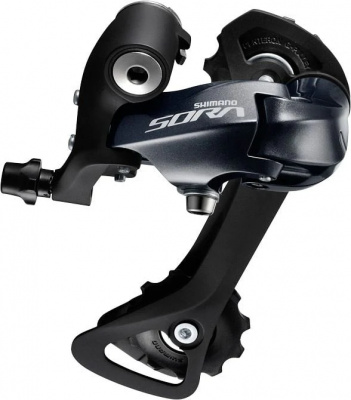
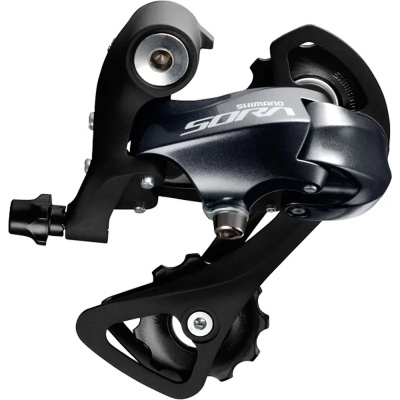
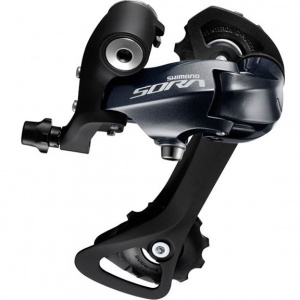
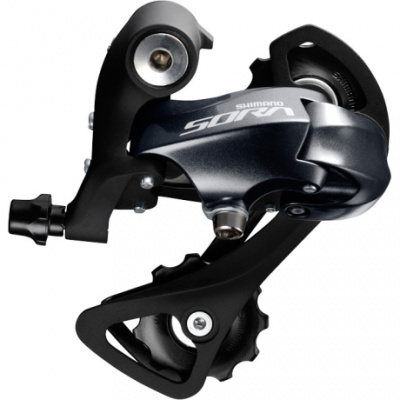
At the road end, the Shimano Sora rear derailleur 9 speed - specifically the R3000 - is a crisp, lighter-duty mech aimed at entry-level road bikes. Its springs are tuned for the precise, consistent cable pulls of a road shifter, and the alloy linkage keeps weight reasonable. It's not built for mud and grit, but for road miles it's hard to fault at the price.
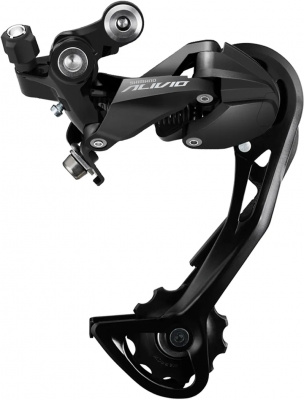
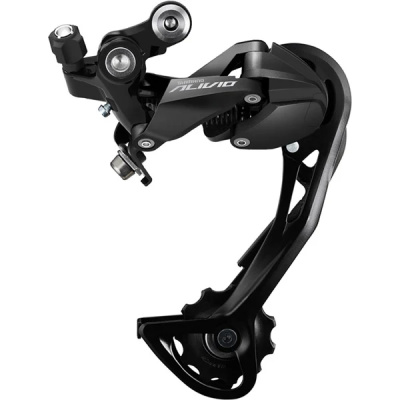
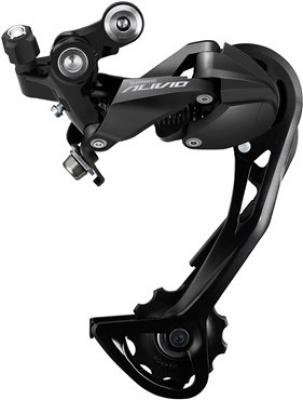
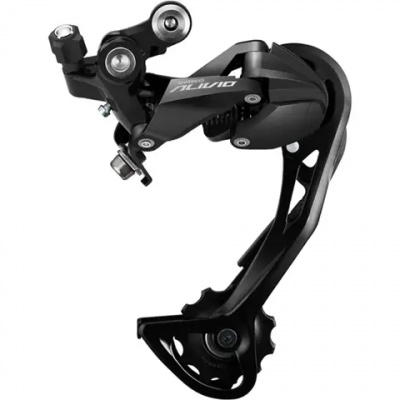
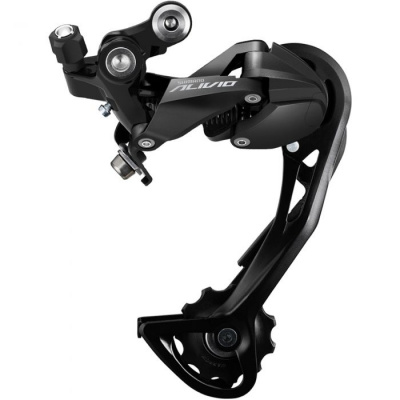
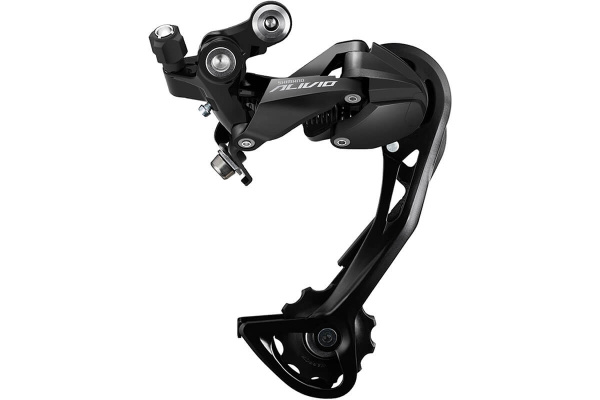
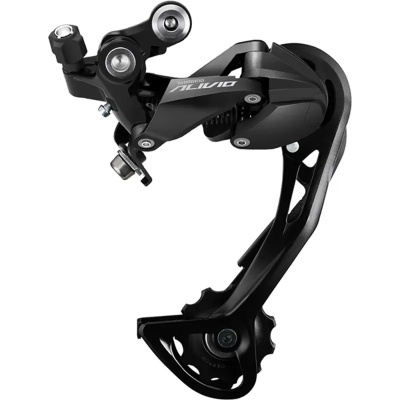
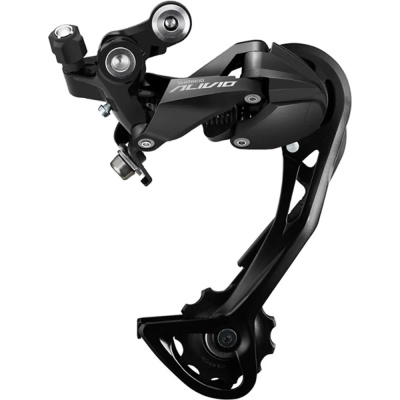
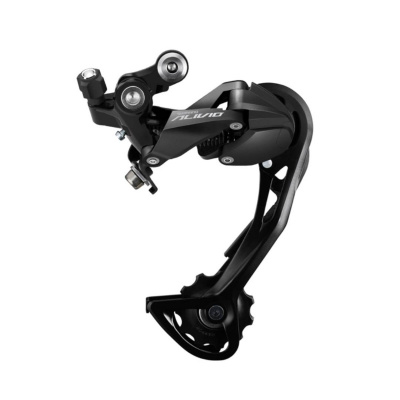
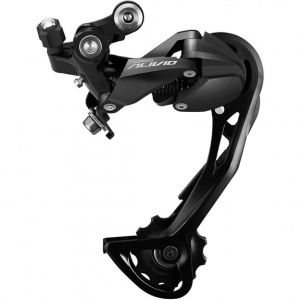
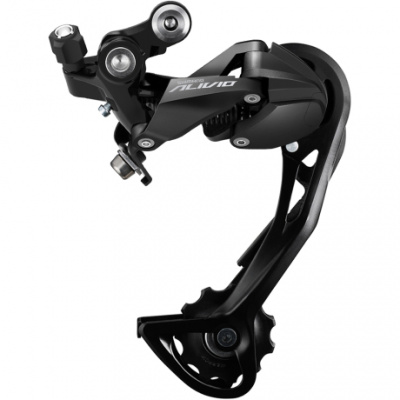
On the MTB and hybrid side, the Shimano Alivio 9 speed rear derailleur M3100 is the standout. It brings Shadow RD technology - a low-profile body design that keeps the mech tucked away from rock strikes and snag points on trail rides. The Double Servo-Panta mechanism holds the guide pulley close to the cassette across the full range of sprockets, which is what gives Alivio its noticeably snappy shift feel even when the chain is running at an angle. If you're doing anything beyond light gravel or canal towpaths, this is where we'd suggest spending the extra few pounds.
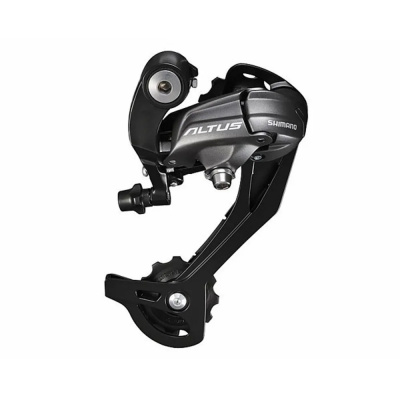
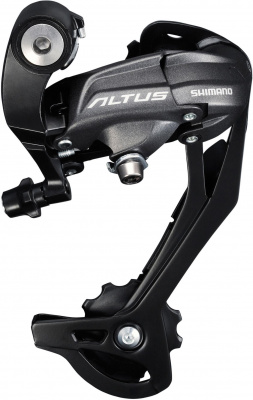
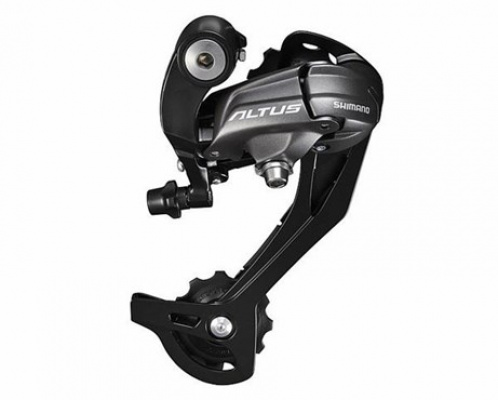
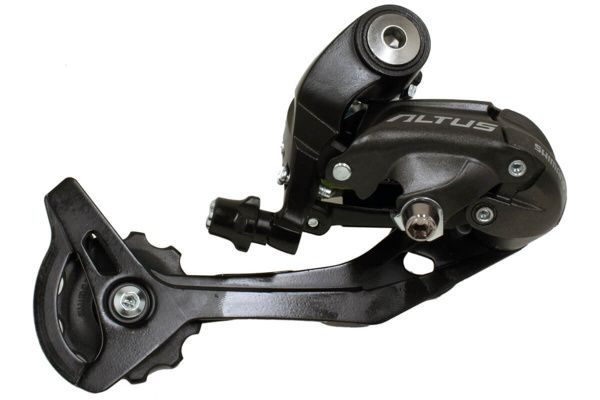
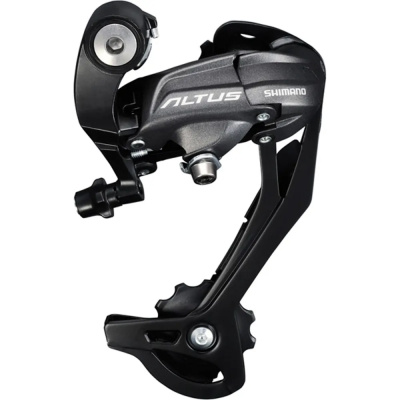
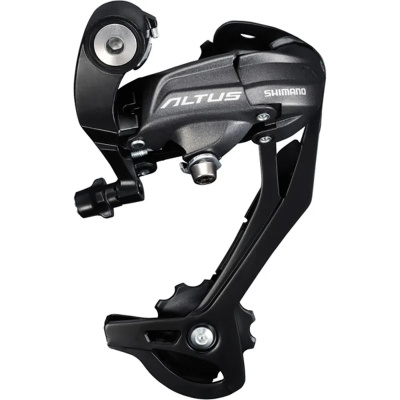
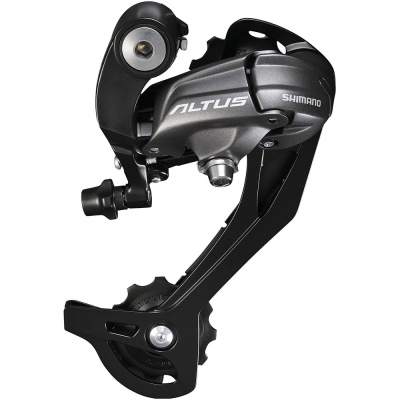
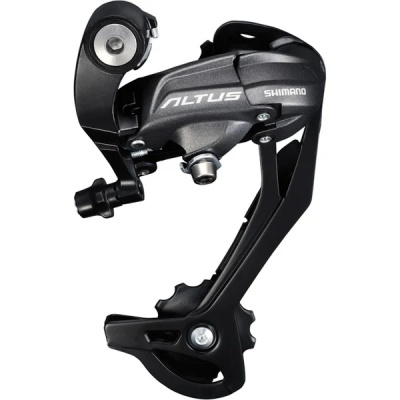
Below Alivio sit the Acera and Altus options - solid budget choices with stamped steel cages rather than forged alloy. They work fine, but the steel cage is more vulnerable to bending in a crash and the jockey wheels are plain-bearing rather than sealed, which matters more than you'd think once the mud starts flying. Compared to SRAM's 9-speed mechs at a similar price, Shimano's Altus holds its own on longevity but doesn't quite match SRAM's clutch-equipped options for trail chatter resistance. Microshift's 9-speed alternatives are worth a look if you're rebuilding a budget commuter and every penny counts, though Shimano's parts availability across UK bike shops gives it a practical edge.
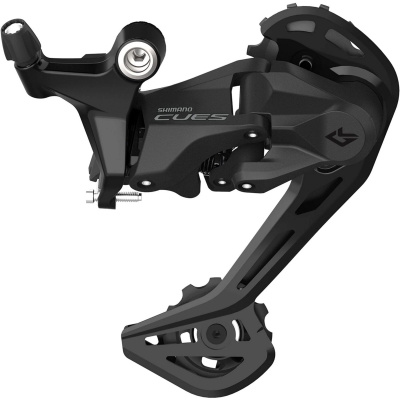
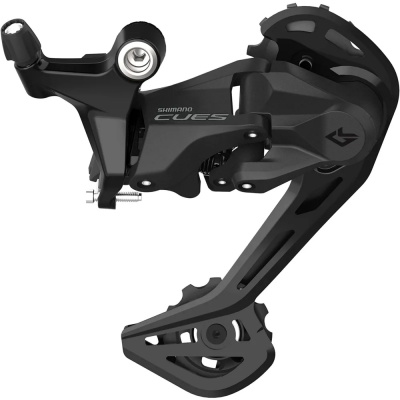
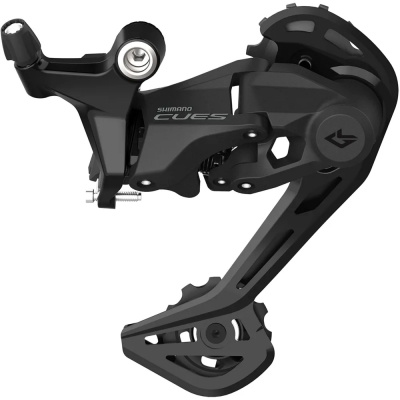
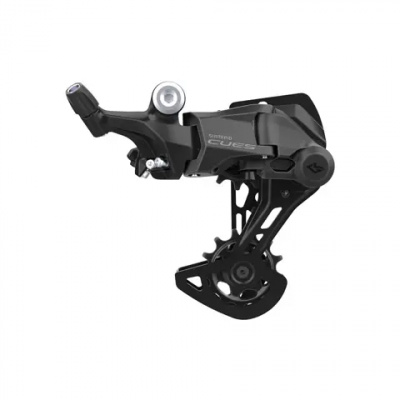
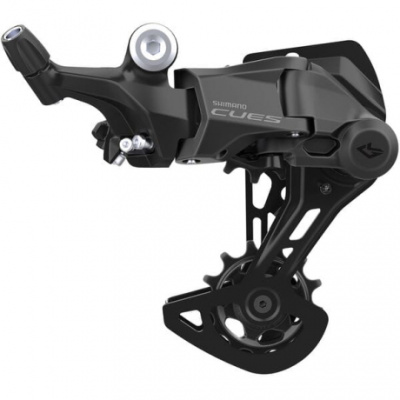
At the top of the traditional 9-speed tree, the CUES U4000 represents Shimano's new direction - Linkglide sprocket profiling for extended wear life, heavier-duty pivots, and a spec sheet aimed squarely at e-bikes and everyday riders who want 5,000 miles before anything needs replacing. Just remember: it's a different ecosystem, not a drop-in replacement for a standard Hyperglide setup. Box's 9-speed components occupy a similar long-wear niche if you're exploring alternatives for a hardworking commuter build.
Keeping Your Mech Running Through a UK Winter
British winters are genuinely brutal on drivetrains. Road salt and grit work into every unsealed pivot, and a derailleur that shifts beautifully in September can feel like it's shifting through treacle by February. The B-knuckle and P-knuckle pivots are the first places to seize - clean and regrease them every few weeks if you're riding through winter, not just when something feels wrong.
On the Shimano 9 speed mountain bike derailleur side, wet mud ingress is the bigger threat. It loads up inside the parallelogram linkage and kills spring tension gradually, so shifts become slow and vague before they fail outright. A rinse after every muddy ride and a light oil on the pivot points takes two minutes and adds months to the mech's life.
Plain-bearing jockey wheels - standard on Acera and Altus - wear noticeably faster in gritty conditions. When they start to hook out (you'll feel it as a slight hesitation or rumble mid-pedal-stroke), swap them for sealed-bearing replacements rather than a whole new mech. You can find compatible Shimano jockey wheels at a fraction of the cost of a new derailleur, and the improvement in shift quality is immediate. If you're doing a full derailleur swap, it's also the right moment to fit a fresh 9 speed chain - a worn chain accelerates cassette wear and makes indexing feel imprecise regardless of how well the mech is set up. While you're at it, check your gear cables for fraying at the pinch bolt and housing for kinks; a new derailleur on tired cables is a false economy. And if you're deep into a drivetrain refresh, Shimano's 9 speed cassettes and derailleur spares are worth checking alongside your mech order.
Shimano 9 Speed Rear Derailleurs FAQs
Are all Shimano 9-speed rear derailleurs compatible with each other?
Traditional Shimano 9-speed road and MTB mechs - Sora, Alivio, Acera, Altus - share the same cable pull ratio and work interchangeably with any Hyperglide 9-speed shifter. The exception is the newer CUES Linkglide 9-speed platform, which uses a different pull ratio and won't index correctly with older 9-speed shifters. Always confirm which standard your shifters are built to before ordering.
What is the difference between medium and long cage 9-speed derailleurs?
A GS medium cage suits double or single chainring setups with moderate cassette ranges - it keeps chain tension firm and the profile tidy. An SGS long cage has greater total capacity, handling the extra chain slack from triple chainrings or wide-range MTB cassettes. Calculate your total capacity (chainring difference plus sprocket difference) before choosing; if it exceeds around 37 teeth, go long cage.
Can I use a 9-speed Shimano derailleur with an 8-speed shifter?
Yes. Shimano's 7, 8, and 9-speed traditional mountain and road families share the same cable pull per shift click, so a 9-speed mech will index cleanly with an 8-speed shifter and cassette. It's a well-established compatibility quirk that's useful when mixing components across older groupsets or building up a hybrid from mixed parts.