
Shimano 9 Speed Chains
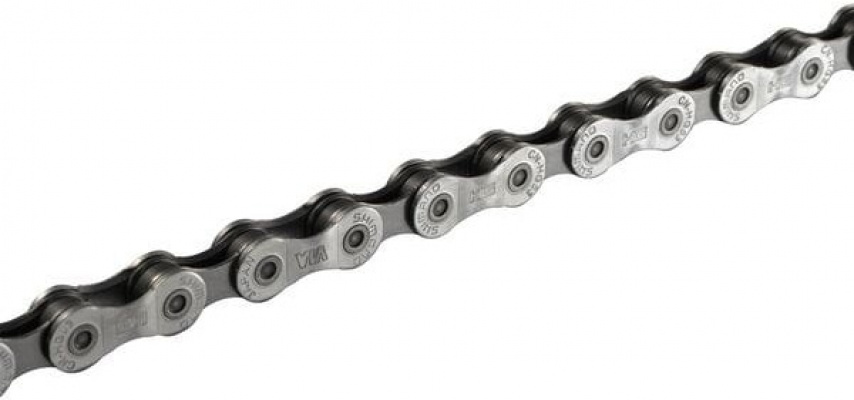
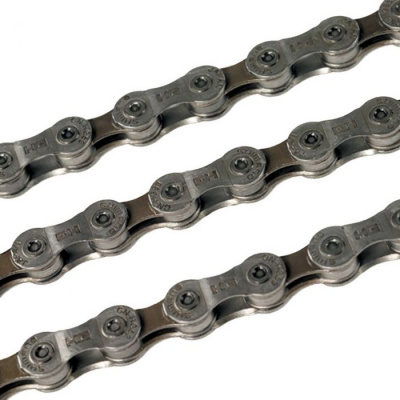
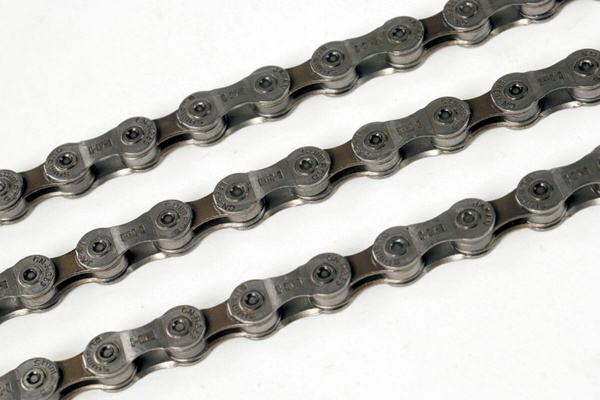
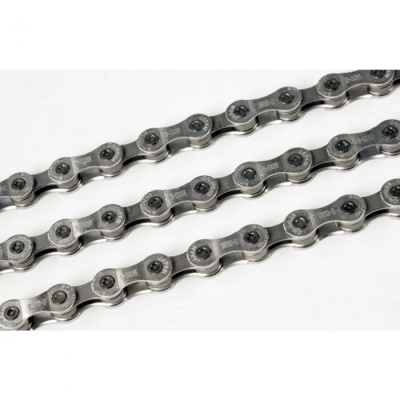
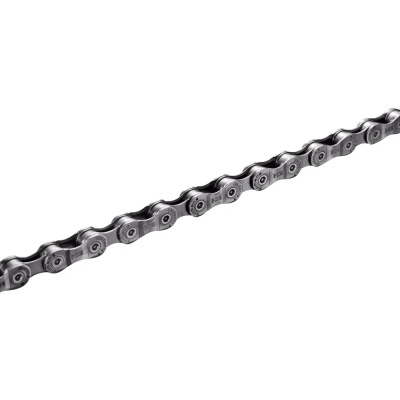
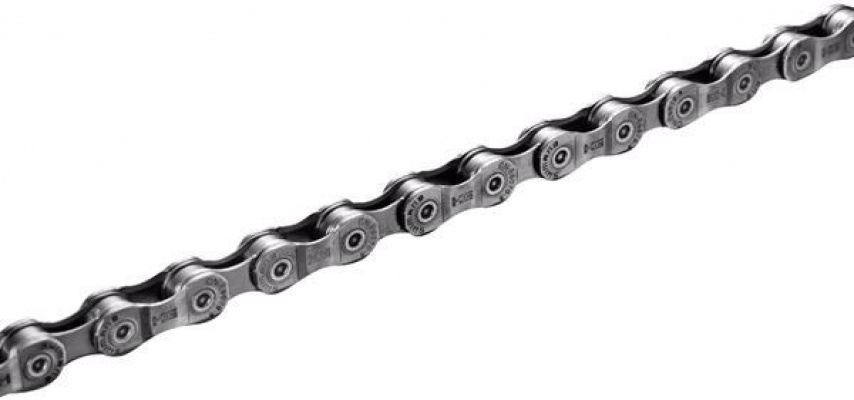
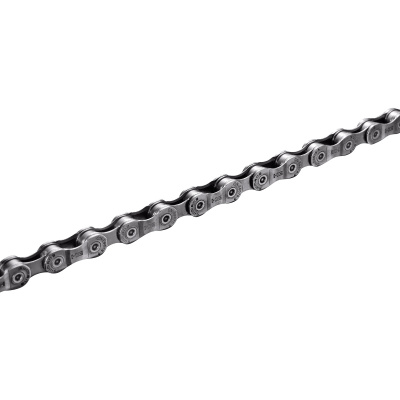
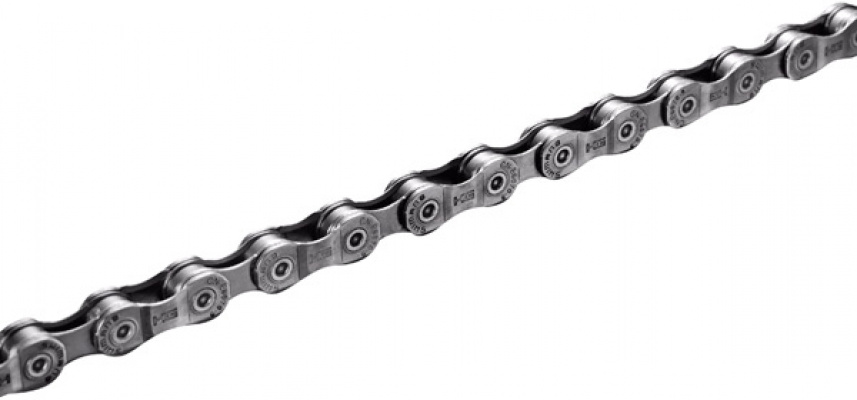
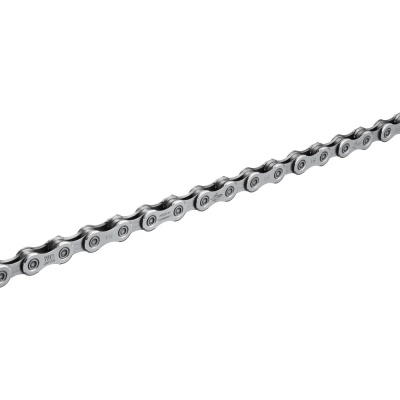
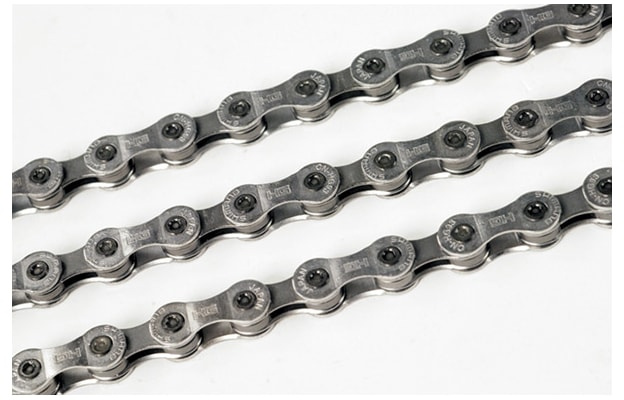
A worn Shimano 9 speed chain doesn't just skip under load - it quietly chews through your cassette and chainrings every single pedal stroke. Shimano's Hyperglide (HG) technology uses precisely chamfered inner plates to guide the chain onto each sprocket tooth cleanly, even when you're grinding up a long climb or sprinting out of a junction. That smooth, positive engagement is what makes a fresh chain feel so noticeably different from a stretched one.
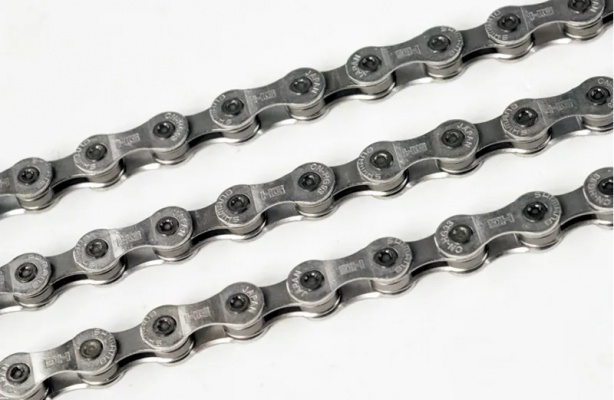
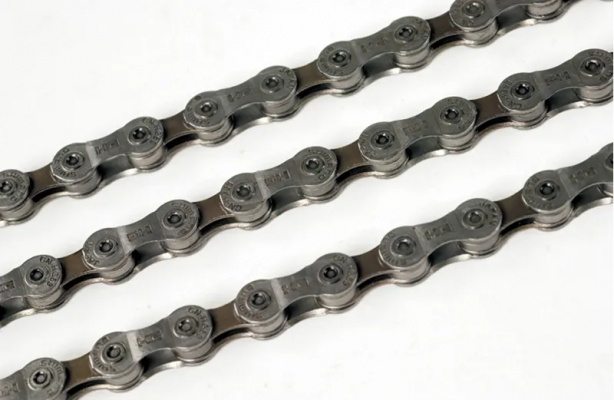
Shimano's 9-speed chain range spans everything from the dependable workhorse CN-HG53, suited to Sora road builds and Alivio mountain bike drivetrains, right up to the zinc-plated CN-HG93 designed for riders who need genuine corrosion resistance through a British winter. If you're running a mid-drive e-bike, there's a dedicated reinforced option for that too.
The smart move is replacing your chain at 0.75% wear - before the stretch starts pulling cassette teeth into a hook shape. A cheap chain swap now saves a far more expensive cassette and chainring replacement later. Browse our price comparison below to find the right Shimano 9 speed chain for your setup, whether that's a daily commuter, a trail bike, or a weekend road machine.
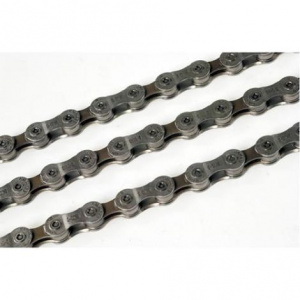
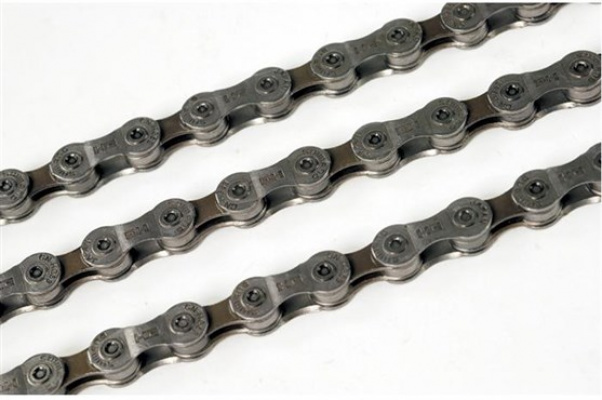
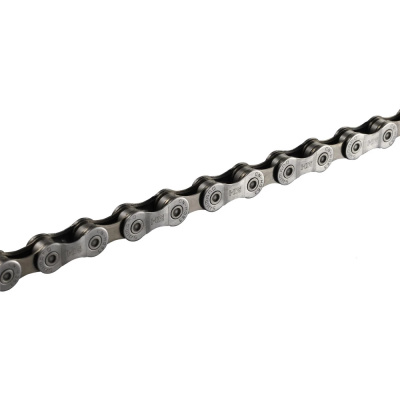
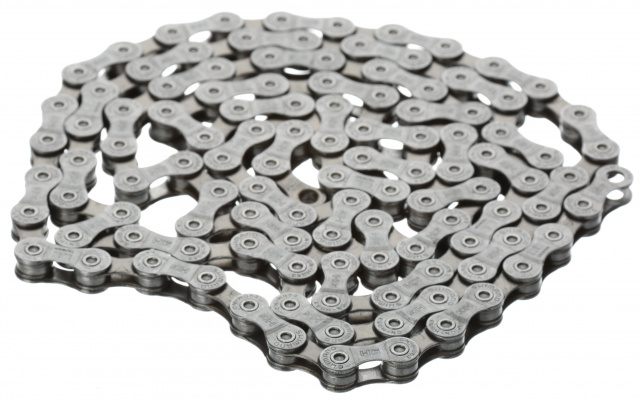
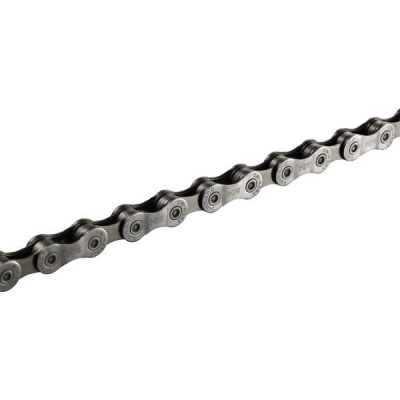
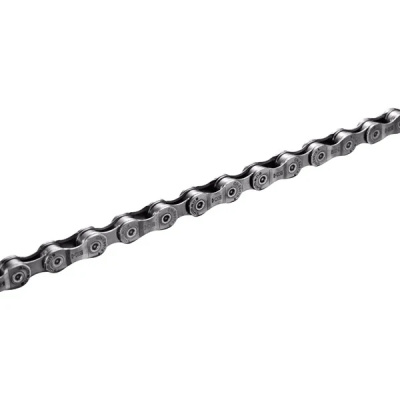
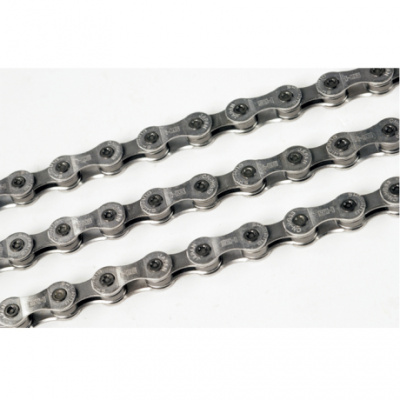
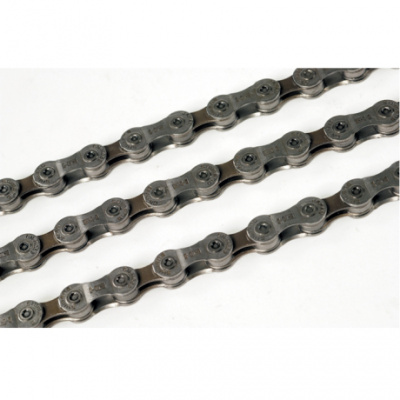
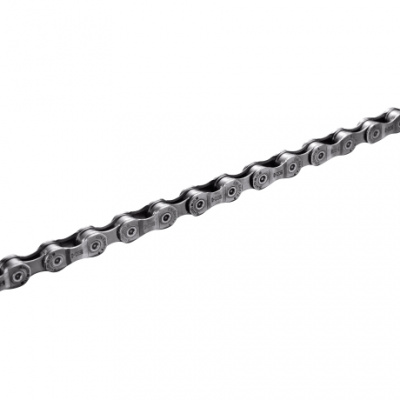
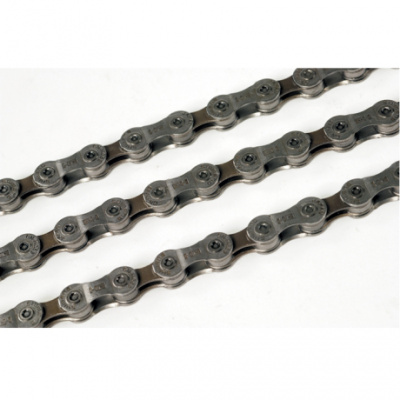
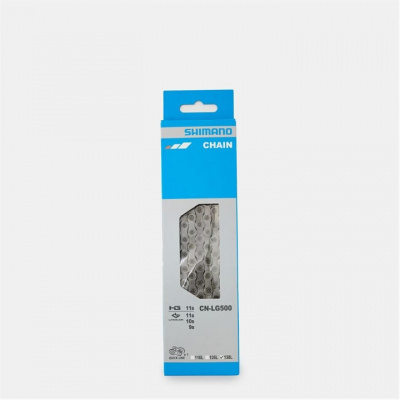
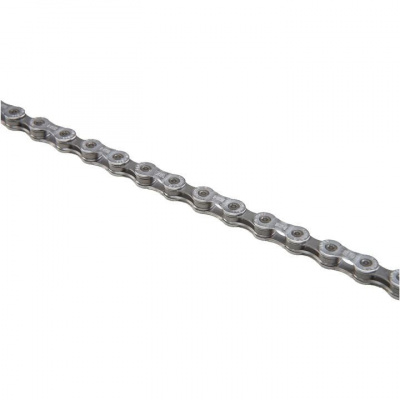
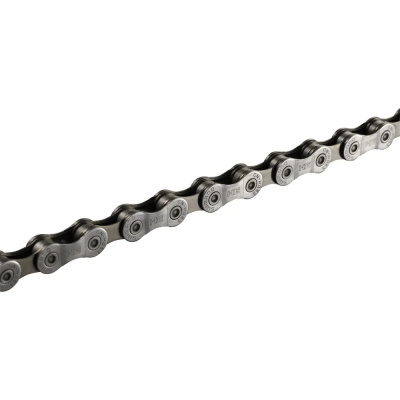
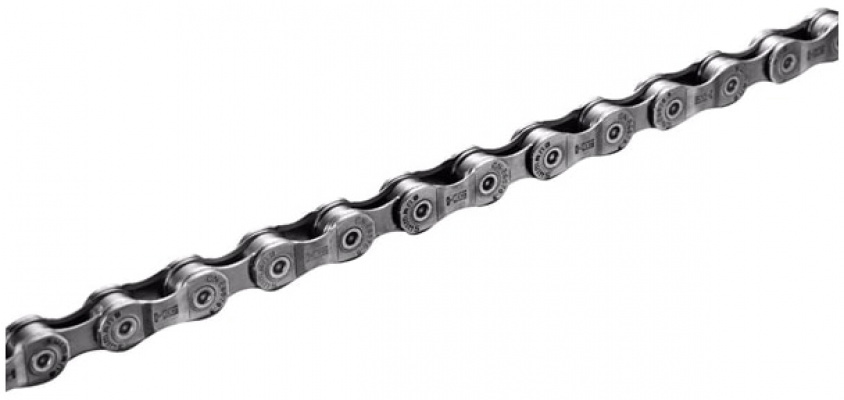
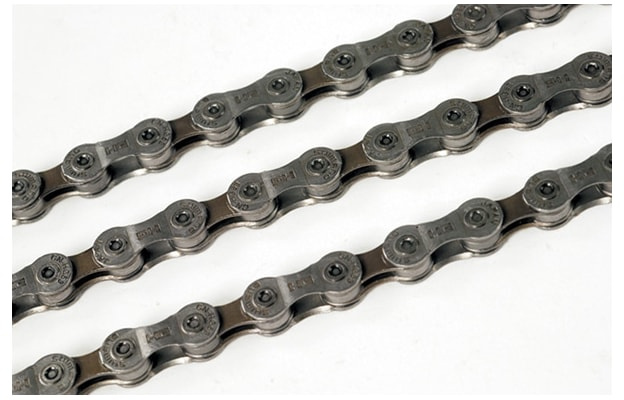
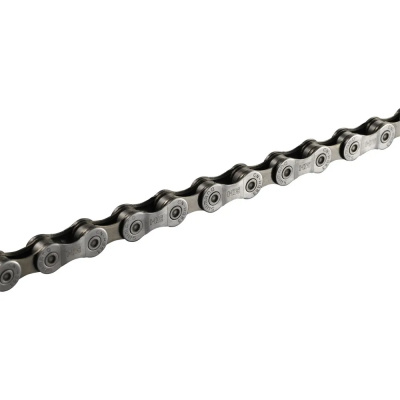
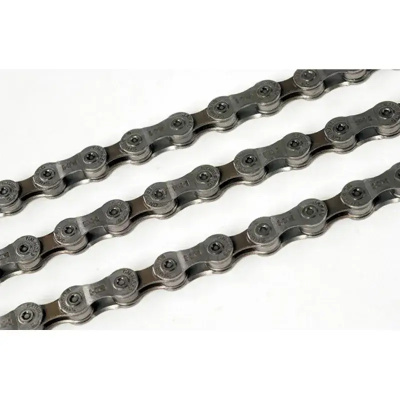
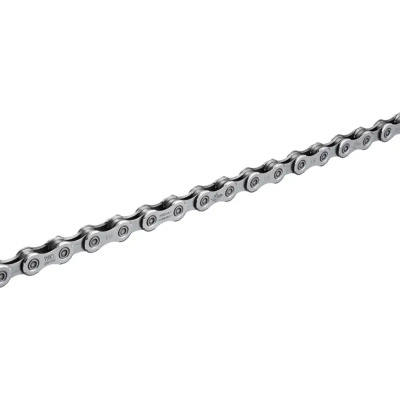
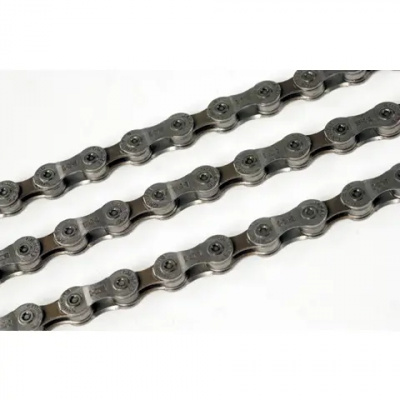
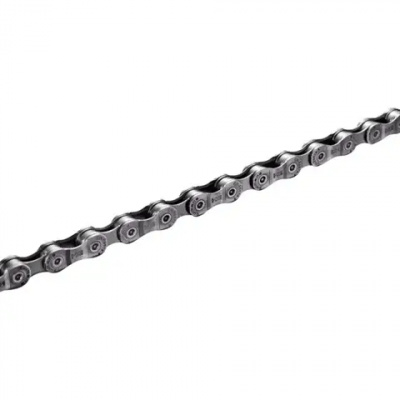
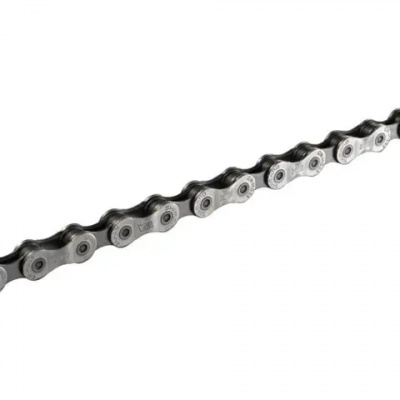
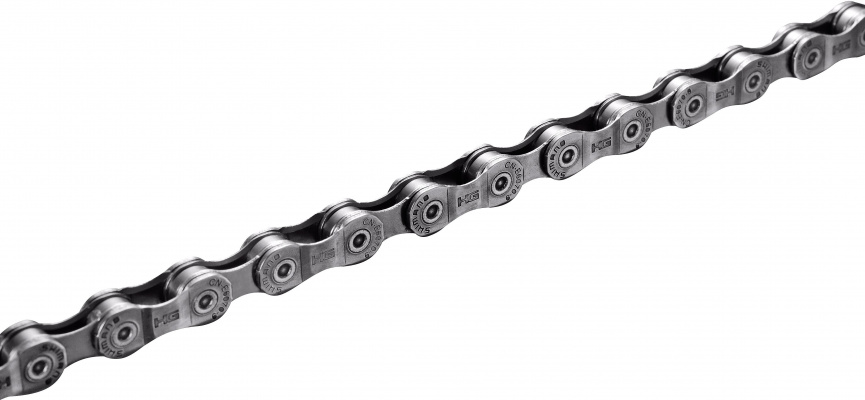
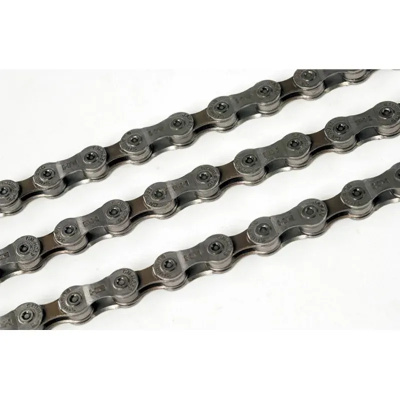
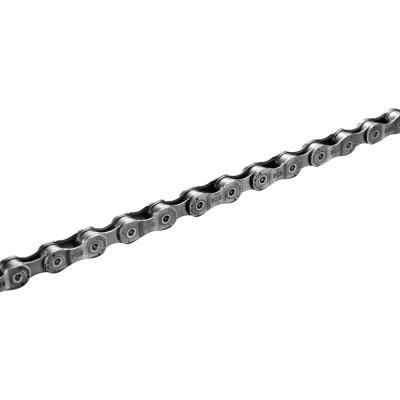
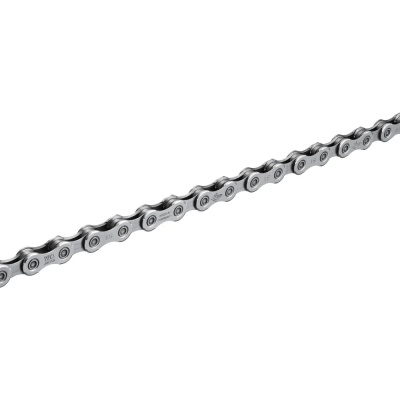
Prices and availability can change quickly. Delivery charges are not always included in listed prices.
Final price, stock status and delivery terms are set by retailer. We may receive a commission on purchases made.
What Fits What: Compatibility and Joining Methods
Shimano 9-speed chains work across the full width of Shimano's 9-speed lineup - Sora road groupsets, Alivio, Acera, and Deore MTB builds all take the same chain. There's no splitting the range by discipline here. One chain, one standard. That makes finding a replacement straightforward, and it also means a Shimano 9 speed chain from a trusted alternative like KMC or SRAM will slot straight in without any compatibility headaches.
Where people do get caught out is the joining method. Shimano's traditional approach uses a connecting pin - a slightly longer, reinforced pin that you drive through the outer plates with a chain tool, then snap off the guide tip. It's reliable and time-tested, but it does mean you need a decent chain tool to hand. Many riders now prefer a quick link, which clips together without tools and makes roadside repairs far less of a faff. Not every Shimano 9-speed chain ships with one included, so it's worth checking the box before you ride. If you need to pick one up separately, our Shimano tools pages cover compatible options. And if you're looking at building or upgrading the wider drivetrain, our 9 speed cassettes category is a useful next stop.
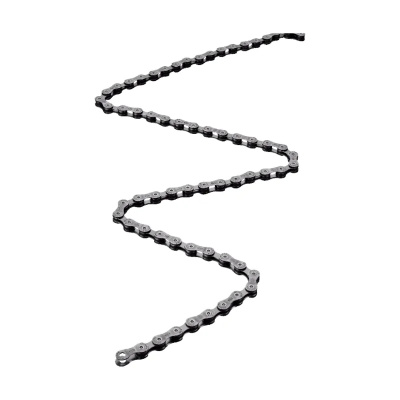
Standard chain length out of the box is 116 links, which suits most builds but will need shortening on shorter chainstay frames or compact drivetrains.
HG53 vs HG93: Picking the Right Chain for Your Budget
Shimano structures its 9-speed chain range into two clear tiers, and the difference between them matters more in the UK than it might elsewhere.
The CN-HG53 is the entry point - a solid, unplated chain that pairs with Deore and Tiagra-level groupsets and does everything you'd ask of it in dry or mild conditions. HG technology is present throughout: the inner plates are chamfered to guide the chain onto sprocket ramps cleanly under load, so shifting stays positive even when you're pushing hard. For a fair-weather road bike or a summer trail build, it's a sensible, cost-effective replacement. Alternatives like Connex and Wippermann compete in this bracket if you want to compare options.
The CN-HG93 is where the spec jumps meaningfully. Zinc-alloy plating covers both the inner and outer plates, giving the chain a noticeably harder surface that resists the rust and stiff links that plague uncoated chains after a few wet rides. The chromized link pins add another layer of wear resistance at the most loaded point in the drivetrain. You're paying more, but on a bike that sees Peak District grit tracks or daily winter commutes in Manchester or Edinburgh, the HG93 simply lasts longer between replacements. The maths tends to work out in its favour over a full season.
For e-bike riders running a 9-speed drivetrain with a mid-drive motor, neither of those chains is the right call. The CN-E6070 uses reinforced outer plates specifically designed to handle the higher, more sustained torque that a motor pushes through the drivetrain. Standard chains can stretch rapidly under those loads. If you're stepping up to a 10-speed e-bike build later, our Shimano 10 speed chains page covers the next tier. And if you're exploring non-Shimano options at any point, Campagnolo's 9-speed chains are worth a look for road-specific builds.
Keeping a Shimano 9 Speed Chain Alive Through a UK Winter
British roads in November are basically an abrasive paste generator. Road salt, grit, and mud combine with chain lube to form a grinding compound that accelerates wear faster than mileage alone. A chain wear indicator tool is genuinely one of the most useful things you can keep in your workshop - checking every 200 - 300 miles takes thirty seconds and tells you exactly where you stand. Replace at 0.75% stretch on a 9-speed system. Go past 1% and you're into cassette damage territory.
Cleaning matters more than lubing frequency. Wiping the chain down after every muddy or wet ride - before the grit dries and embeds - keeps roller wear in check. Once it's clean, a quality wet lube applied sparingly to each roller (not the plates) is all you need. Don't glob it on; excess lube attracts more grit.
For winter commuting or regular wet trail riding in places like the Trossachs or the South Downs in January, the CN-HG93's zinc-alloy plating is a genuine practical upgrade rather than a marketing footnote. Stiff links from surface rust are one of the most common drivetrain complaints after a cold, wet week - the plating largely eliminates that problem. If you're running the unplated CN-HG53 through winter, cleaning frequency becomes even more important, and a dry-lube swap to wet-lube before October is worth doing proactively rather than reactively.
Shimano 9 Speed Chains FAQs
Are all Shimano 9-speed chains compatible?
Yes - Shimano 9-speed chains are cross-compatible across all their 9-speed road, gravel, and MTB groupsets, so a single chain standard covers Sora, Alivio, Deore, and everything in between. The one exception is e-bikes: if you're running a mid-drive motor, use the reinforced CN-E6070 rather than a standard HG53 or HG93, as the motor torque will wear a standard chain far more quickly.
Does a Shimano 9-speed chain have a direction?
No, Shimano 9-speed chains are non-directional - fit them either way round and shifting performance won't be affected. Shimano only introduced directional chains from their 10-speed drivetrains onwards, so with a 9-speed setup you don't need to worry about which end goes where.
Can I use a 9-speed chain on an 8-speed cassette?
Physically, yes. A 9-speed chain shares the same internal width as an 8-speed chain but is marginally narrower on the outside, so it'll run on an 8-speed cassette without fouling. Shifting may feel slightly less precise than with a dedicated 8-speed chain, but for a budget build or a temporary fix it's a workable solution.