
Shimano 8 Speed Cassettes
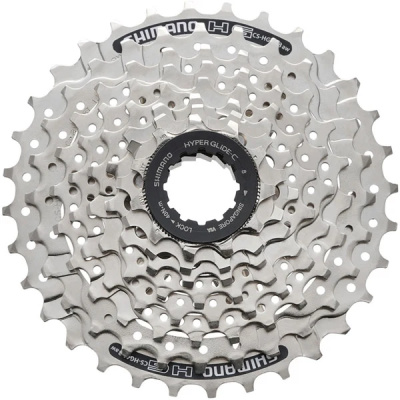
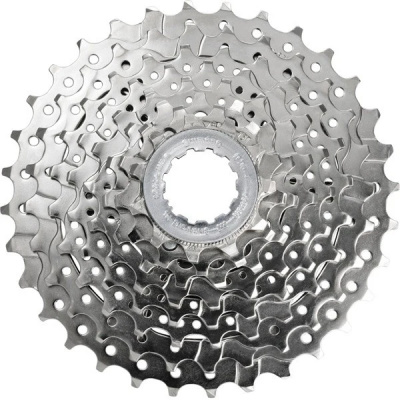
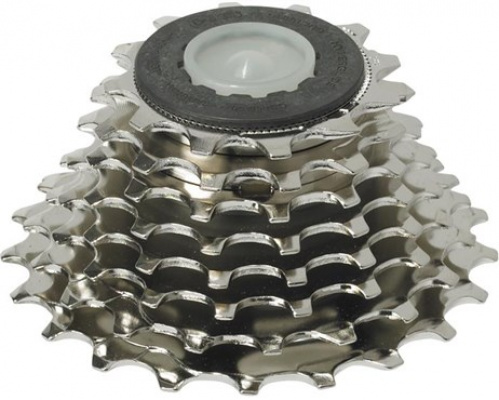
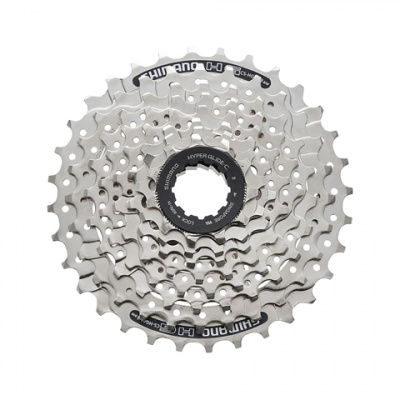
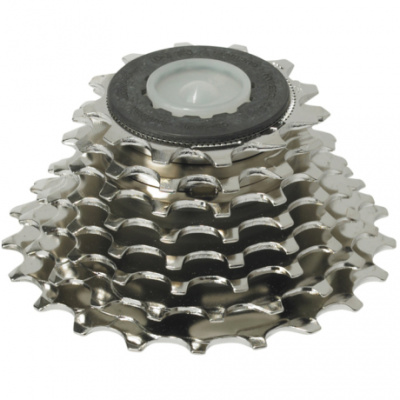
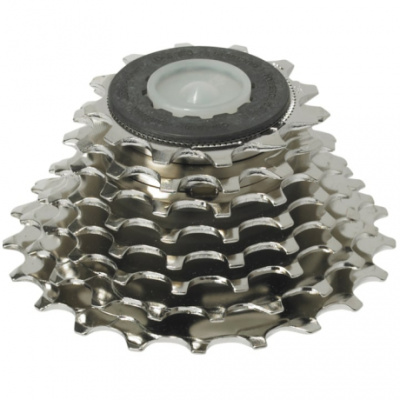
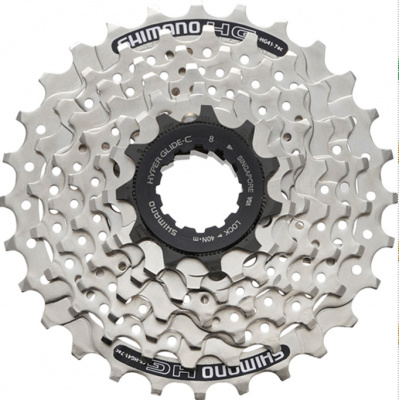
A Shimano 8 speed cassette is one of the most sensible drivetrain investments you can make - whether you're keeping a commuter turning through winter, running a dedicated hack bike through Peak District grit, or speccing up an entry-level MTB that needs to work rather than impress. Shimano's 8-speed blocks have been the backbone of reliable cycling for decades, and the reason is straightforward: robust steel sprockets, a thicker chain interface, and Hyperglide shift ramps that snap the chain into gear cleanly even when you're pushing hard out of a junction or grinding up a long drag.
The HG freehub spline standard means these cassettes slot onto the vast majority of wheels already in UK sheds and bike shops, with no exotic tooling or head-scratching adaptors in most cases. Because 8-speed drivetrains use wider sprocket pitch and heavier-gauge steel throughout, they wear far more slowly than higher-speed equivalents under the same load of road salt and mud - which makes them genuinely cost-effective over a full riding year. Shimano's range runs from road-oriented Claris models with tighter gear ratios to wider-range MTB and hybrid options under Altus and Acera. Before you buy, check your rear derailleur's maximum sprocket capacity so the cassette you choose actually works with what you've already got.
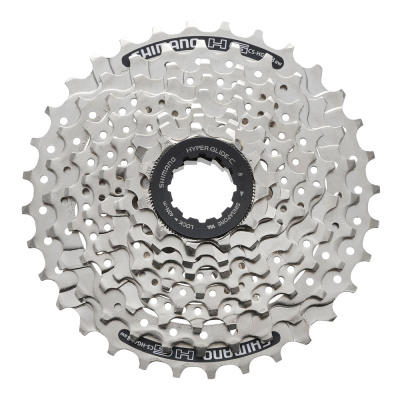
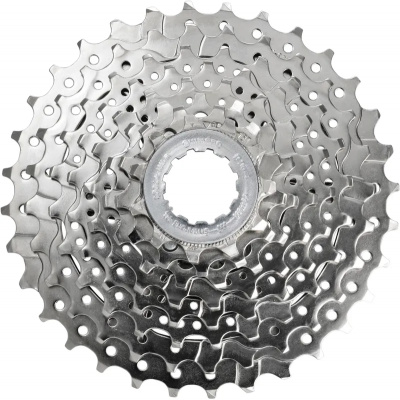
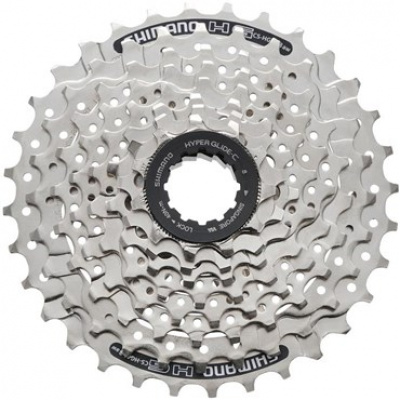
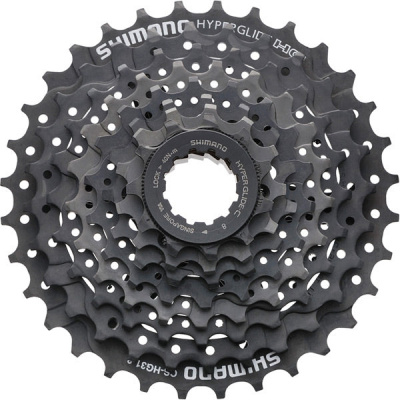
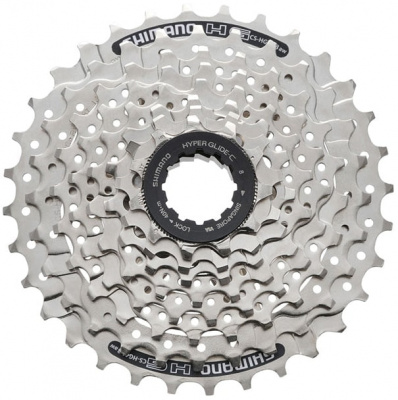
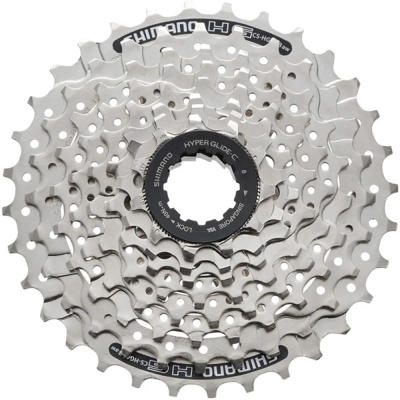
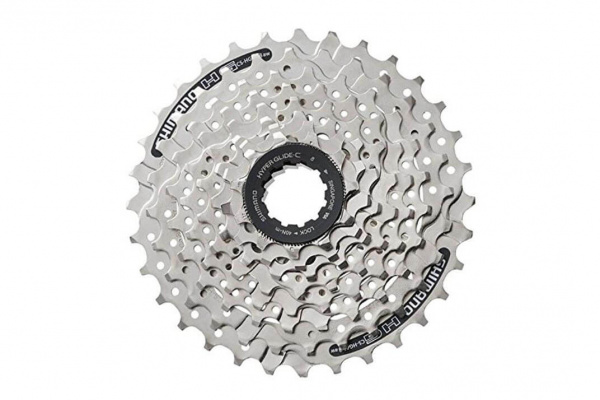
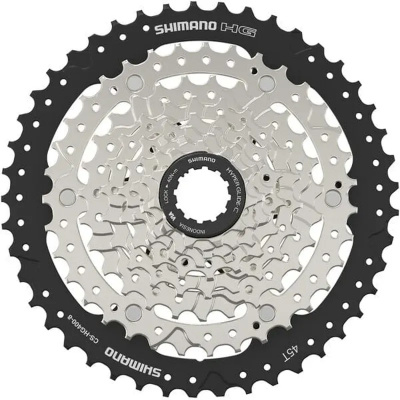
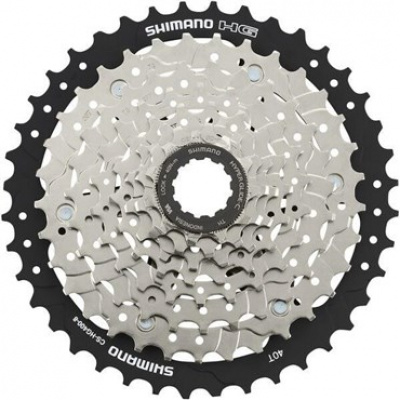
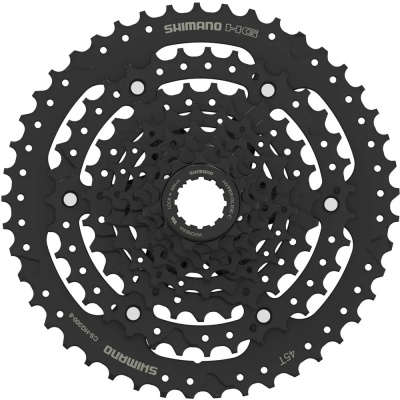
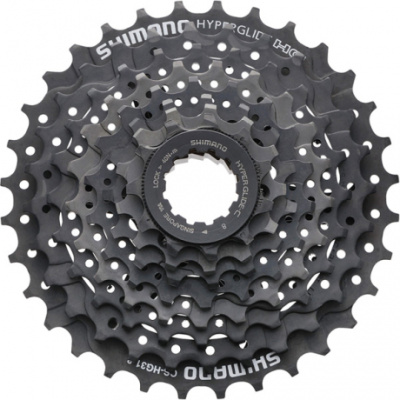
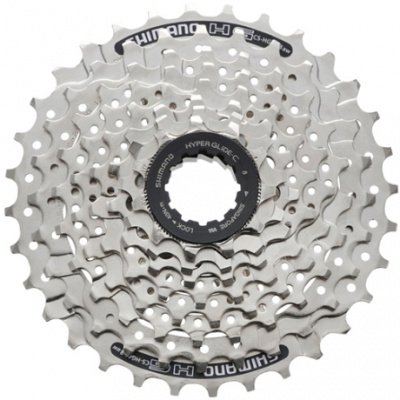
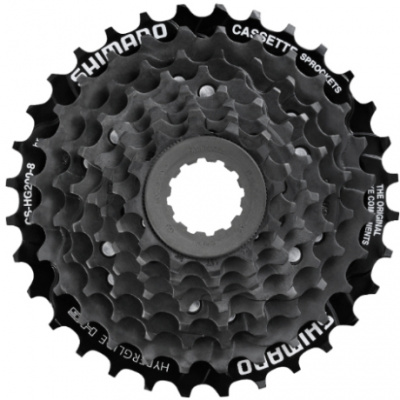
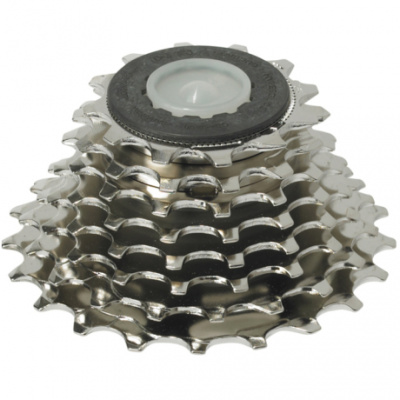
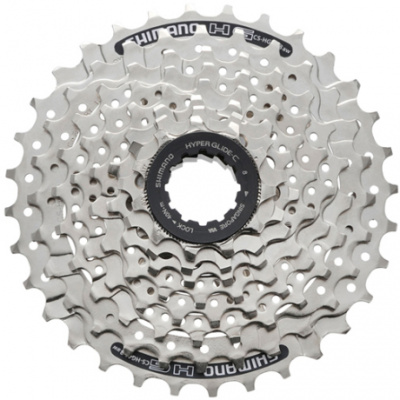
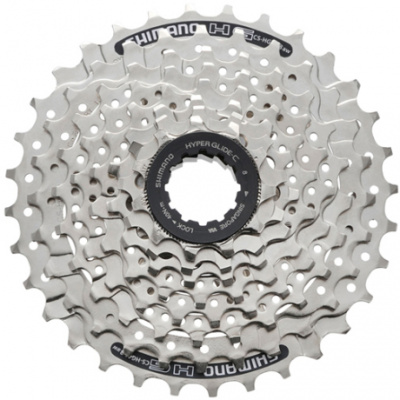
Prices and availability can change quickly. Delivery charges are not always included in listed prices.
Final price, stock status and delivery terms are set by retailer. We may receive a commission on purchases made.
Fitting Your Shimano 8 Speed Cassette: Freehub Standards and Spacers
Shimano's HG (Hyperglide) spline interface is the industry standard that's been quietly holding bikes together for years. Every Shimano 8 speed cassette uses this spline mount, and it fits directly onto any 8, 9, or 10-speed HG freehub body - no spacer, no fuss, just slide it on and torque the lockring down. The complication only arrives with 11-speed road freehub bodies, which are slightly narrower: in that case you'll need a 1.85mm spacer fitted behind the cassette to take up the slack and keep the sprocket pitch in the right place for your chain line.
It's worth knowing that Shimano's 8-speed road and MTB cassettes share identical spline mounting and sprocket spacing, so cross-compatibility between the ranges isn't an issue. What matters is that your rear derailleur can handle the biggest sprocket you're fitting - an 11-32t is fine for most medium-cage derailleurs, but push into 11-34t or 11-40t territory and you'll want a long-cage unit. A new cassette works best alongside a fresh chain; fitting one to a worn chain is the mechanical equivalent of putting new brake pads on a scored rotor. We've linked to 7 and 8 speed chains and 6 7 8 speed rear derailleurs so you can sort the full drivetrain in one go.
Claris, Altus, Acera: Which Shimano 8-Speed Range Suits Your Riding?
Shimano's 8-speed cassette lineup splits cleanly into two camps, and picking the wrong one for your setup is the sort of thing that only becomes obvious when you're stuck in the wrong gear on a climb.
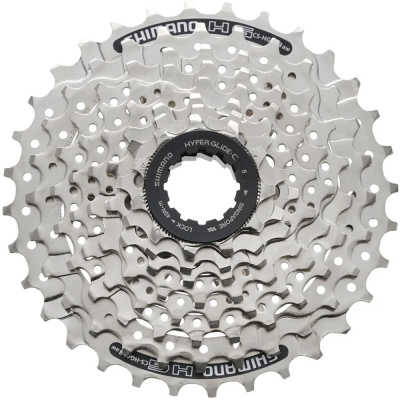
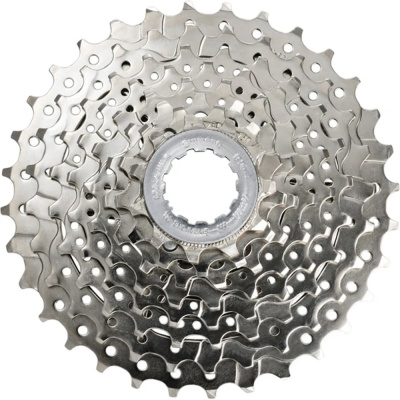
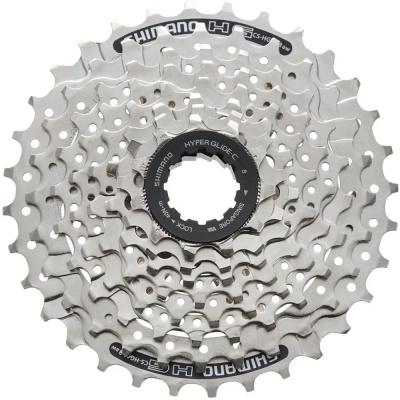
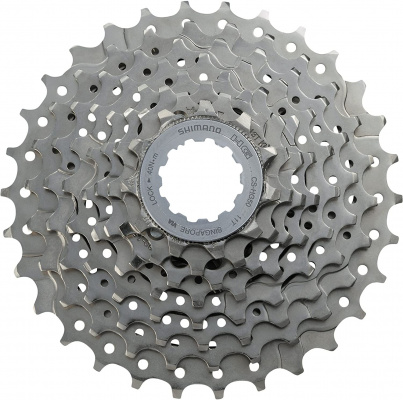
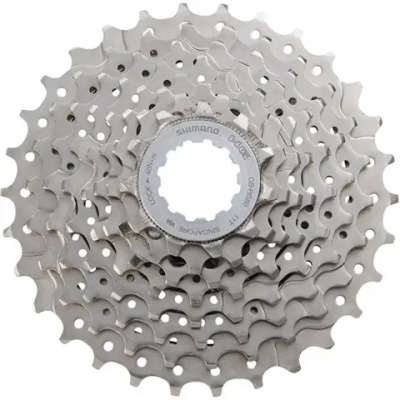
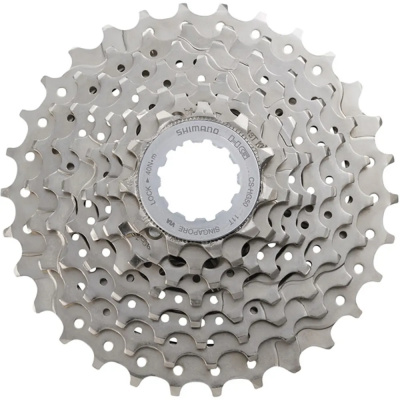
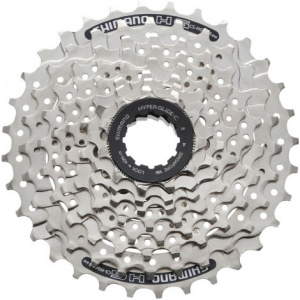
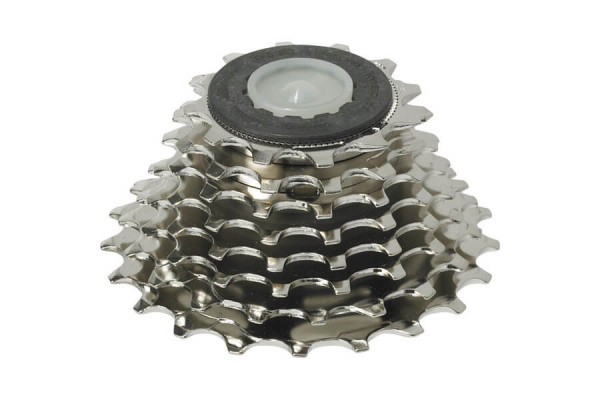
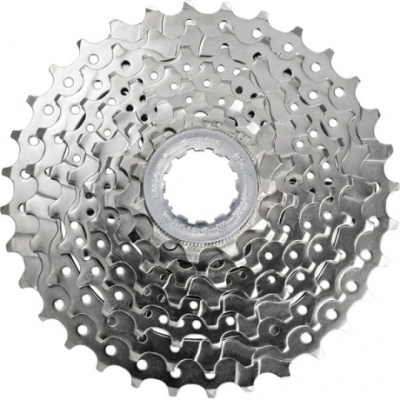
Claris (CS-HG50) is the road-focused option. It runs tighter gear jumps - typical ranges like 11-28t or 11-32t - which suits riders who want smooth cadence control on tarmac rather than a dramatic bail-out gear for steep hills. The CS-HG50 also gets a nickel-plated finish that genuinely does resist rust better than bare steel, which matters when your bike lives near a salted road or a damp garage. The Hyperglide tooth profiling on Claris is the same core technology found across all Shimano cassettes: computer-shaped ramps and cutaways that guide the chain onto each sprocket predictably, even mid-effort. If you're commuting year-round or riding sportives on an older road bike, Claris is the sensible choice.
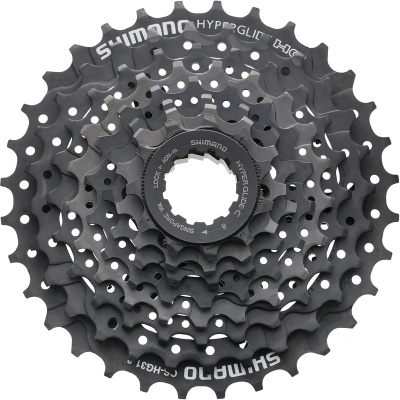
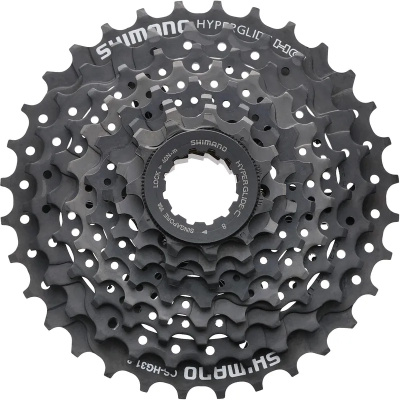
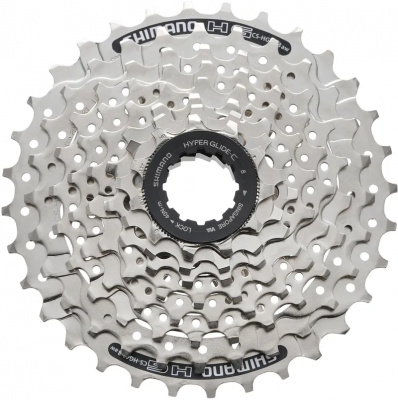
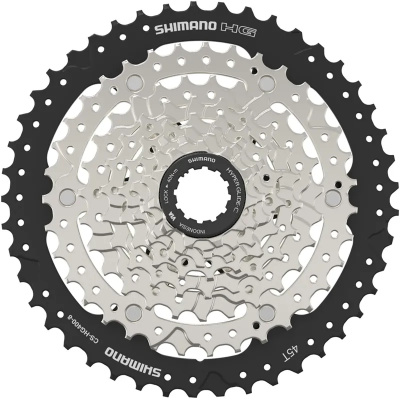
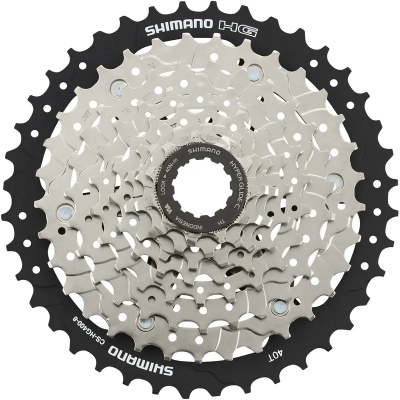
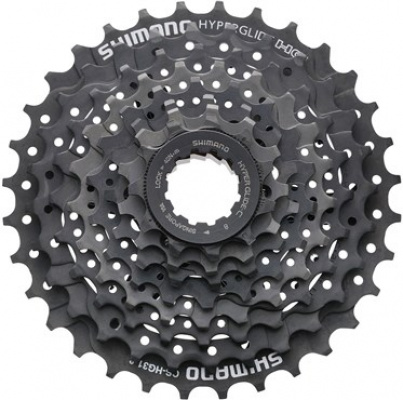
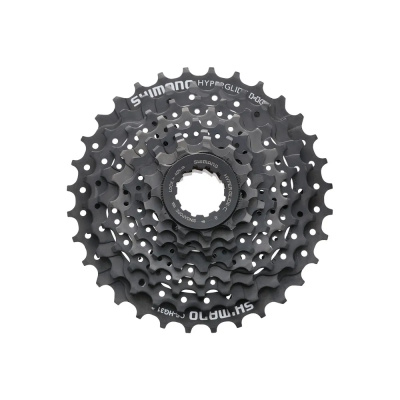
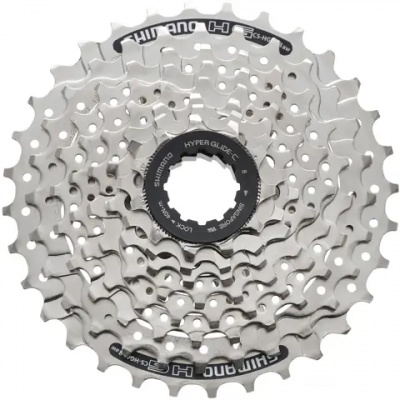
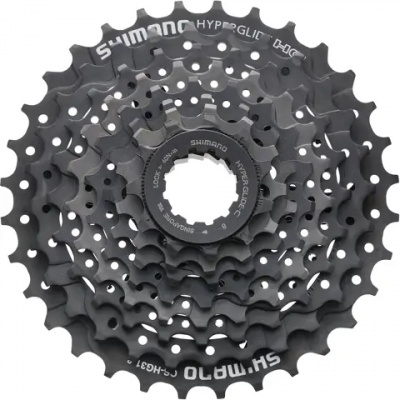
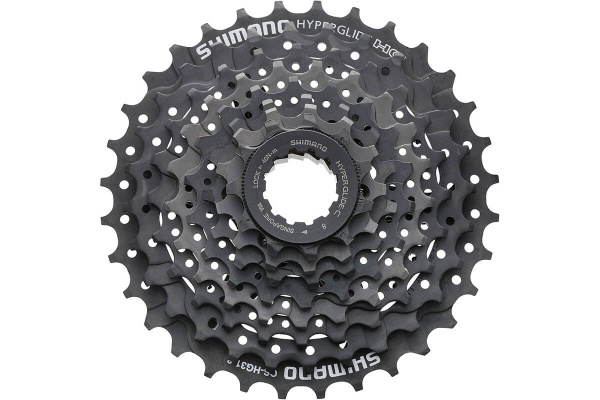
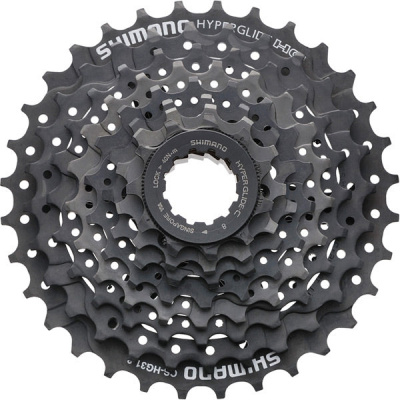
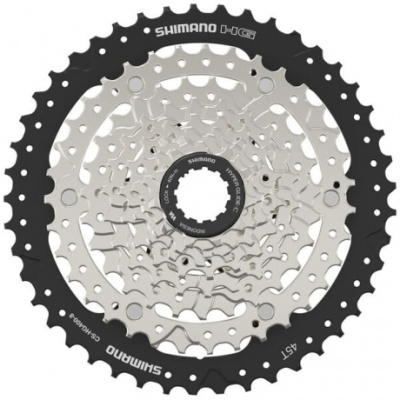
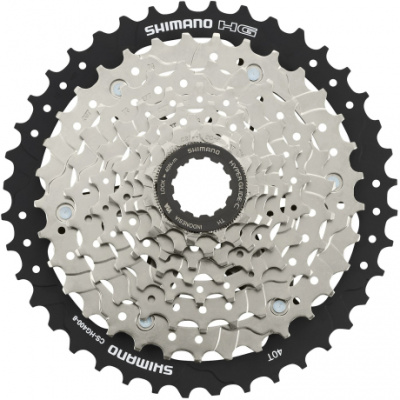
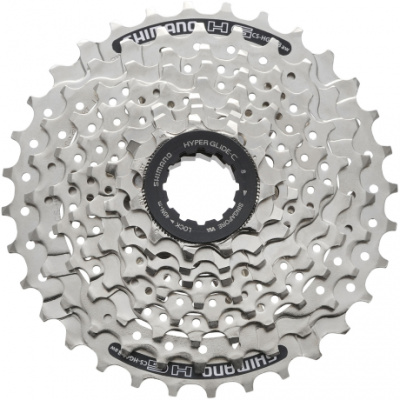
The MTB and hybrid side of the range - Altus (CS-HG400), Acera, and Tourney TX (CS-HG31) - prioritises range over refinement. You're looking at 11-34t, 11-36t, or even 11-40t options that give you a genuine bail-out gear for bridleway climbs in the Yorkshire Dales or loaded touring days with full panniers. The finish is typically phosphate or zinc rather than nickel, which is fine but means you'll want to keep on top of cleaning and lubing if the bike lives outside in a Welsh winter. The open block construction on these wider-range cassettes also sheds mud reasonably well, keeping the drivetrain moving when trail conditions get properly grim. If you're unsure whether SRAM's 8-speed options or alternatives from SunRace might suit your build better, it's worth a comparison - both brands offer competitive ranges at this speed count.
Making It Last: Drivetrain Care in UK Conditions
Steel cassettes are tough. That's the whole point. But even the most durable sprockets won't survive being paired with a stretched chain - the worn chain skips across the ramps rather than engaging cleanly, and the sprocket teeth hook and sharpen until the whole cassette is done. Check chain wear with a dedicated tool at the 0.75% stretch mark and replace the chain before it gets there. A chain costs a fraction of a cassette, and catching it early means your Hyperglide ramps stay sharp for longer.
UK winter riding - road grit, salt, and the kind of mud that sticks like concrete - turns your drivetrain into grinding paste if you let it. Rinsing the cassette down after wet rides and reapplying a wet lube to the chain takes five minutes and adds months of life. The nickel-plated finish on Claris-level cassettes gives you a bit more buffer against surface corrosion, but it's not a reason to skip maintenance. On the MTB side, the wider gaps between sprockets in Altus and Acera blocks do help mud clear rather than pack in, which is a real advantage when you're riding something like the Afan trail network in the rain.
Proper cassette installation needs a lockring tool and a chain whip - one holds the cassette while the other torques the lockring to spec. Skip either and you risk a cassette that shifts badly or comes loose. Shimano's own tooling is well-made and worth having; you can find compatible options in the Shimano tools range. If you're looking at budget alternatives to round out a build, Microshift and Miche both produce HG-compatible 8-speed cassettes that are worth considering for a second bike or winter spare.
Shimano 8 Speed Cassettes FAQs
Are all Shimano 8 speed cassettes compatible with each other?
Yes - Shimano's road-oriented Claris cassettes and MTB-spec Altus and Acera units share the same HG spline mounting and sprocket spacing, so they're interchangeable at the hub. The thing to check is your rear derailleur: its cage needs to handle the largest sprocket on the cassette you're fitting, or you'll run out of capacity on the big ring.
Can I put an 8 speed cassette on a 9, 10, or 11 speed hub?
A Shimano 8 speed cassette fits straight onto any 8, 9, or 10-speed HG freehub body with no modification. If you're fitting it to an 11-speed road freehub, you'll need a 1.85mm spacer fitted behind the cassette to correct the cassette's position on the body. Without it, your indexing will be off and the cassette won't sit flush.
Do I need a spacer for a Shimano 8 speed cassette?
Only if you're mounting onto an 11-speed road freehub body - in that case, a 1.85mm spacer is required. On any standard 8, 9, or 10-speed HG freehub, whether mountain bike or road, the cassette goes straight on without a spacer. It's a quick check worth doing before you start the install.