
Selle San Marco Saddles
Selle San Marco saddles have been shaped in the Veneto since 1935, and if you've spent any time in a bike shop flicking through saddle catalogues, you'll know the name carries serious weight. Getting your contact points right matters more than most upgrades - a saddle that doesn't suit your anatomy will ruin a ride faster than a puncture on the A3. San Marco's answer to the guesswork is their idmatch system, which sorts saddles by sit-bone width and pelvic rotation into Narrow or Wide chassis, and Waved or Flat profiles. Measure those two things and the range suddenly makes sense rather than feeling overwhelming.
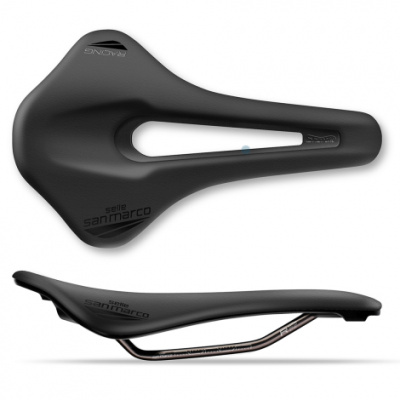
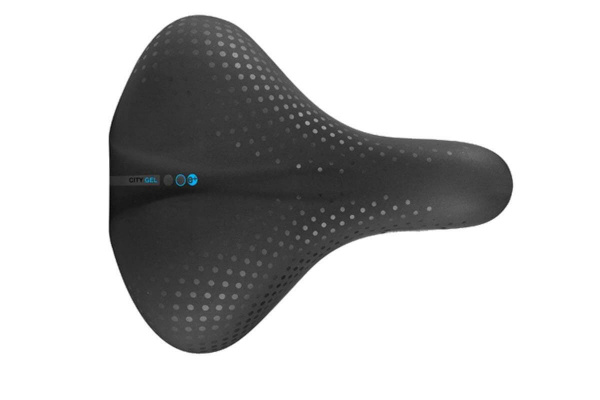
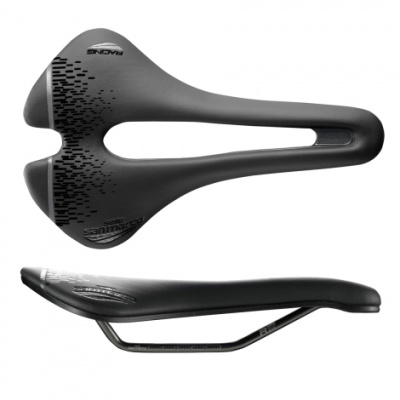
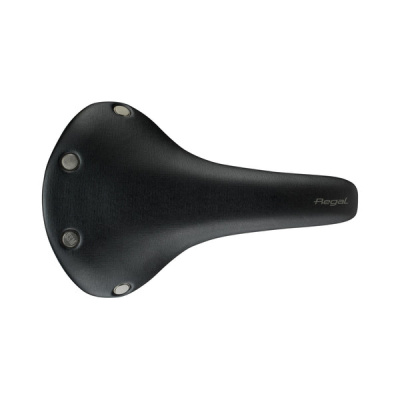
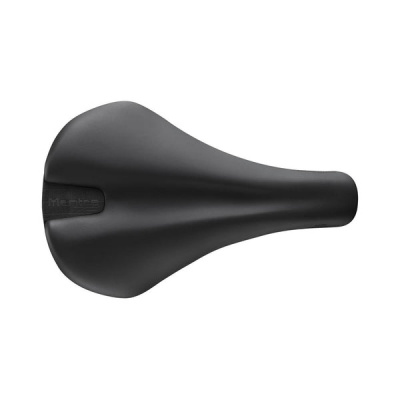
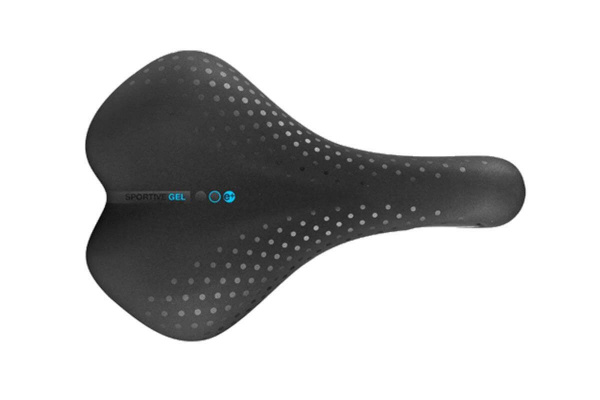
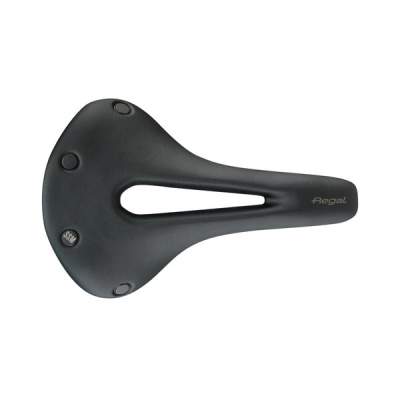
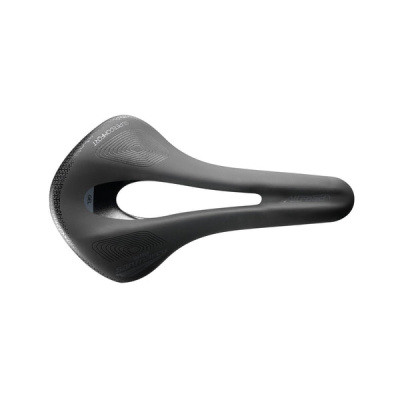
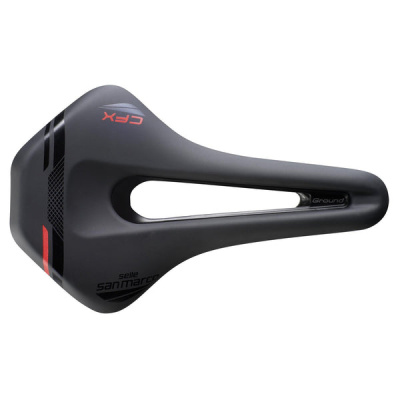
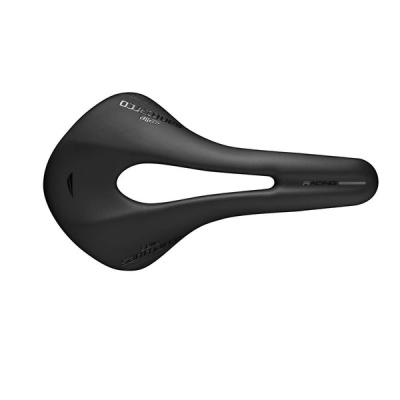
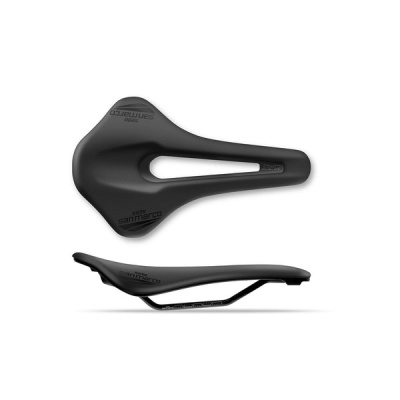
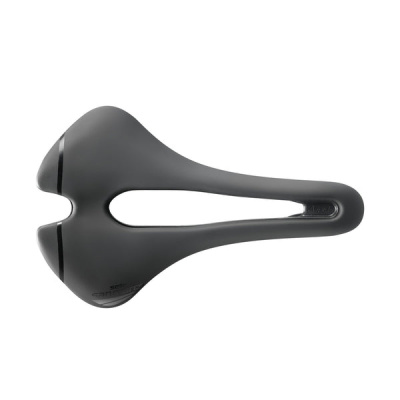
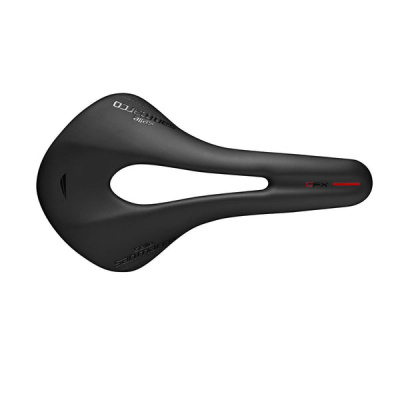
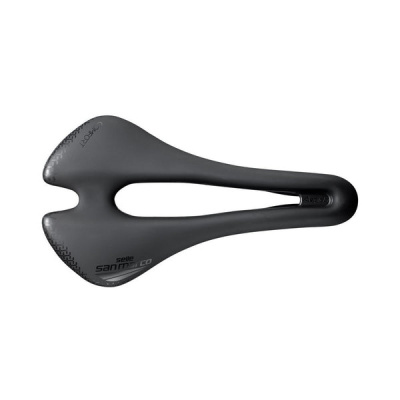
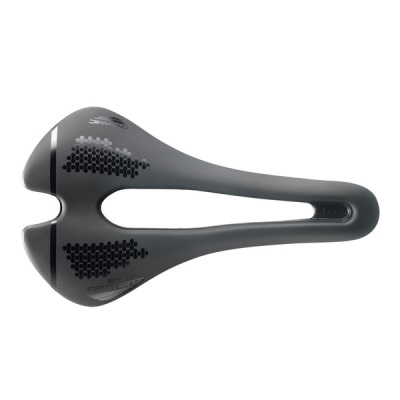
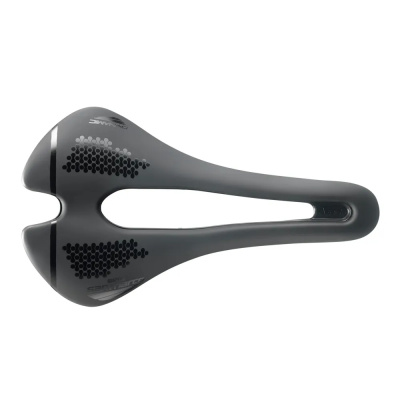
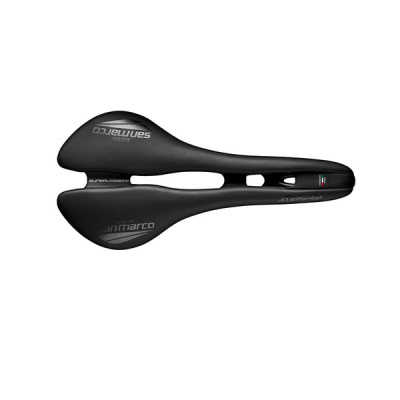
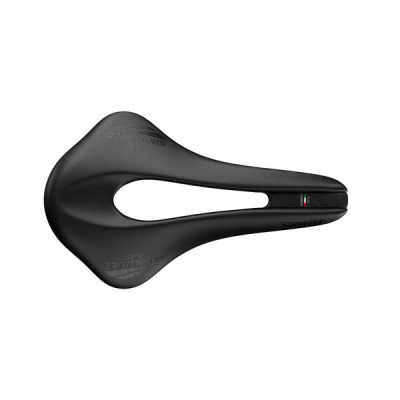
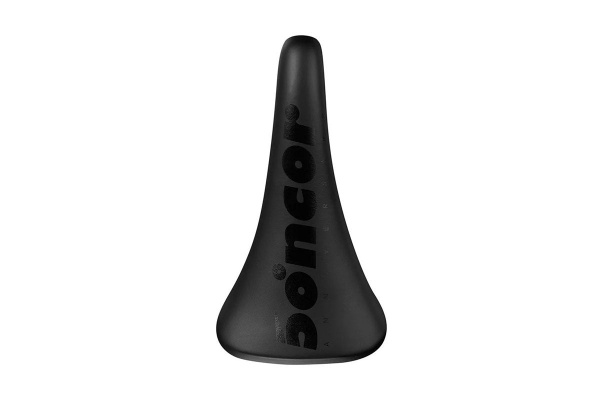
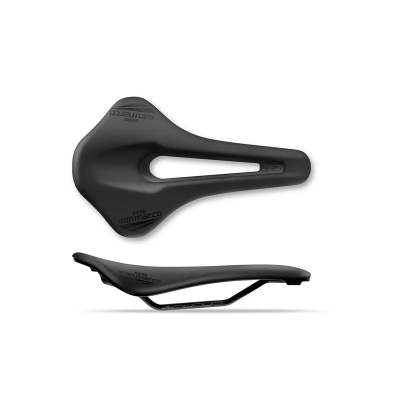
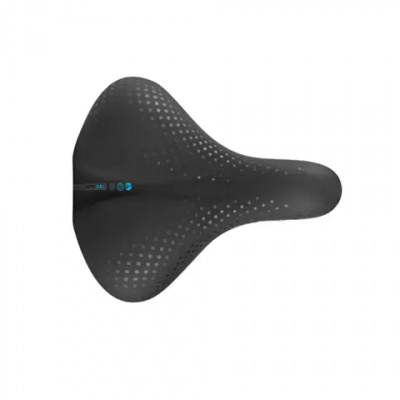
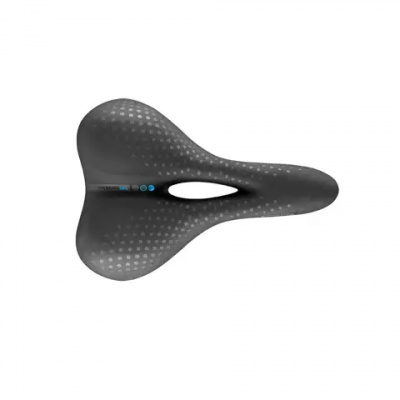
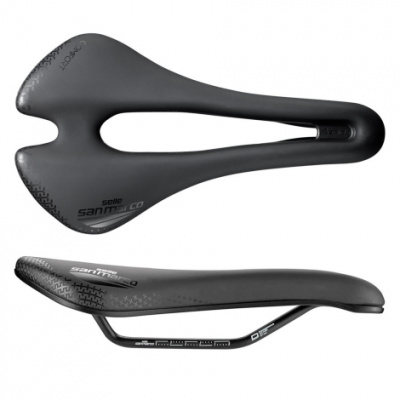
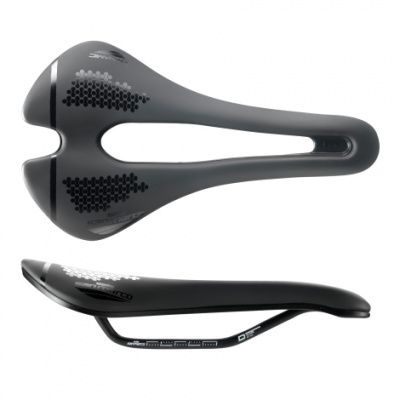
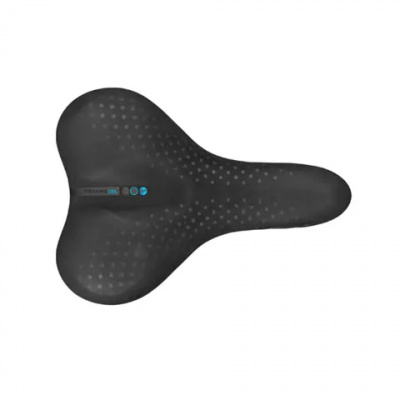
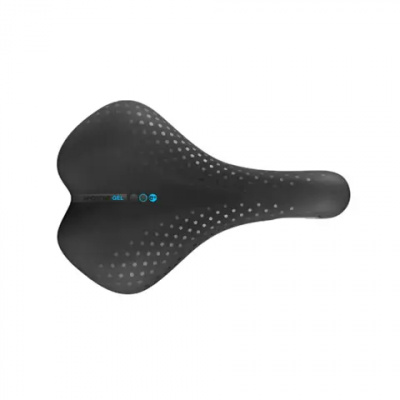
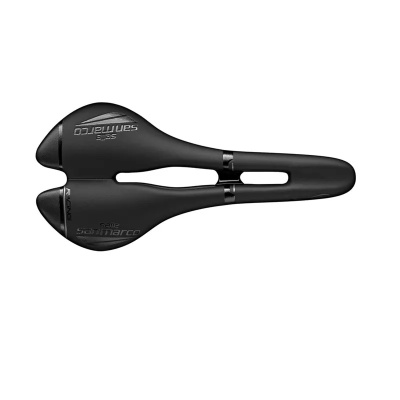
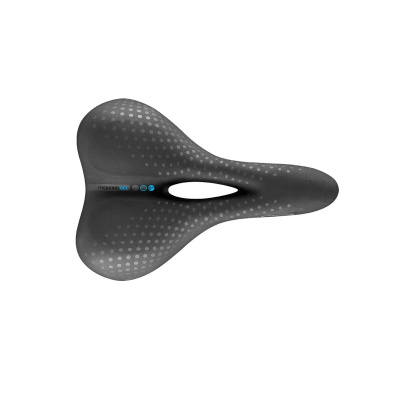
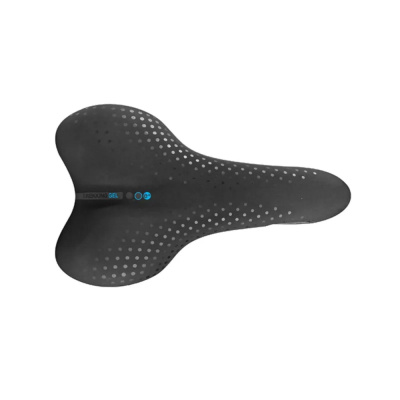
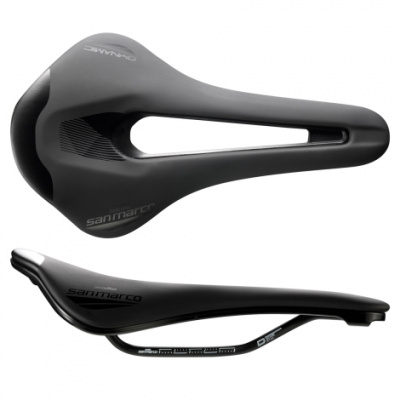
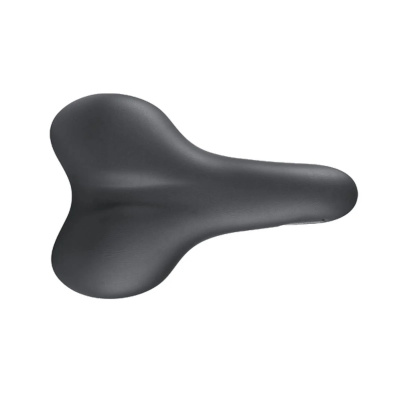
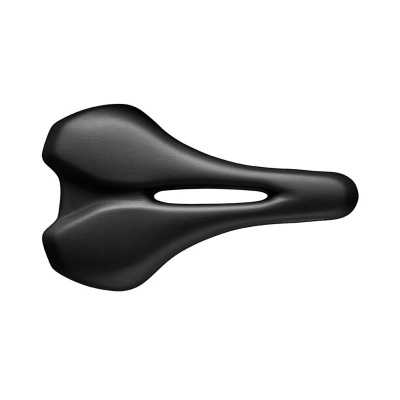
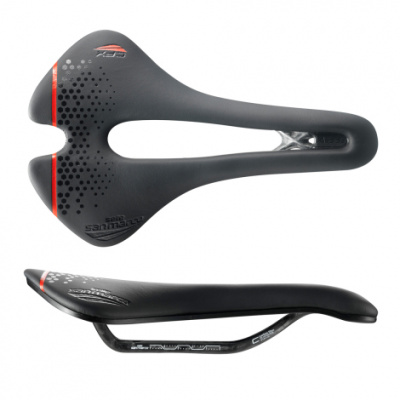
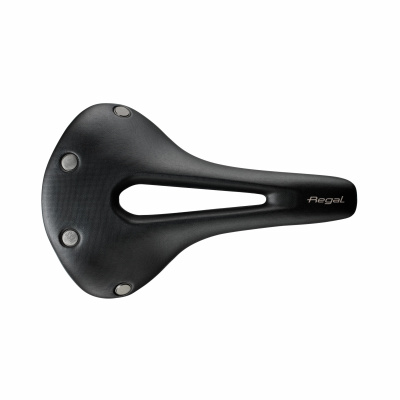
The line-up covers a lot of ground. The Aspide is the climber's choice - lean, aggressive, built for riders locked into a flat-back position. The Shortfit suits a more upright posture or time-trial tuck where a shorter nose keeps pressure off soft tissue. The Concor is the classic road workhorse, and the Allroad is what you reach for when best Selle San Marco saddle for road versatility is the brief - comfortable enough for a six-hour audax, precise enough for your Sunday chain-gang. Each family runs across several build tiers, from entry Sport spec right up to full Superleggera carbon, so the fit logic stays consistent while the weight and stiffness change with your budget.
Prices and availability can change quickly. Delivery charges are not always included in listed prices.
Final price, stock status and delivery terms are set by retailer. We may receive a commission on purchases made.
Will the Rails Actually Fit Your Seatpost?
Before you buy, check your seatpost clamp - this is where Selle San Marco saddle sizing trips people up more than anything else. The brand's premium Carbon DNA rails are not standard round profiles. They're ovalized at 9.8mm x 7mm, with an aluminium structural wrap in the clamping zone to prevent the carbon from crushing under clamp load. That wrap is clever engineering, but it does mean side-loading seatposts - older Trek and Bontrager designs, some Specialized models - need oversized clamp ears to seat the rail correctly. Get it wrong and you risk cracking the rail at the clamp interface, which is an expensive mistake.
If your post uses a conventional top-clamp or two-bolt design, you're almost certainly fine. Still, check the clamp width against San Marco's spec before torquing anything down. Carbon DNA rails should be clamped to a maximum of 7 - 8Nm, and always use carbon assembly paste at the interface - it lets you run lower torque without the saddle slipping, which is kinder to the rail long-term. A thin smear, nothing dramatic.
Xsilite rails - San Marco's proprietary blend of silicon, titanium, and carbon - and Manganese rails both use the standard 7x7mm round profile. These fit the vast majority of seatposts without any adapter fuss, which makes them the sensible default if you're running an older frame or a budget post where clamp tolerances are less precise. Xsilite is noticeably lighter and stiffer than standard titanium, so you're not sacrificing much by stepping down from Carbon DNA, particularly on rougher roads where a touch of rail compliance is actually welcome. If you're also comparing against other brands at this level, Fizik saddles run a similar tiered rail system worth cross-referencing for clamp compatibility on shared platforms.
Making Sense of the Model Families and Build Tiers
San Marco structures the range so that the same fit geometry runs across multiple price points. Take the Aspide: you can spec it in Sport trim with carbon-steel rails and a standard shell, or go all the way to Superleggera with a full carbon shell and Carbon DNA rails. The saddle shape - the thing that actually determines whether it suits your pelvis - stays the same throughout. What changes is weight, stiffness underfoot, and how the saddle responds to road buzz.
Here's how the tiers stack up in practical terms. Sport uses carbon-steel rails and a basic shell - it's the entry point, heavier, but a perfectly functional way to test whether a particular San Marco shape works for you before committing more money. Dynamic steps up to Manganese rails, which shed meaningful grams over steel and handle corrosion better, important for UK winters. Racing spec brings in Xsilite rails - this is where the weight-to-durability ratio genuinely shines, and for most club riders it's the tier that makes most sense. Carbon FX adds Carbon DNA rails and a carbon-reinforced shell, noticeably stiffer under power and around 30 - 40g lighter than Racing depending on the model. Then there's Superleggera at the top - full carbon shell, Carbon DNA rails, and the Microfeel cover, which is 5% lighter than standard covering material and noticeably more abrasion-resistant. The shell stiffness on Superleggera is a different proposition entirely; you feel every watt going into the pedals rather than flexing into the saddle base.
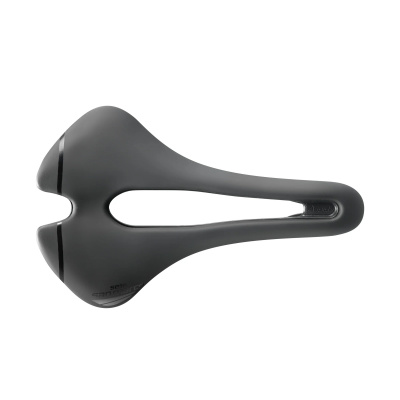
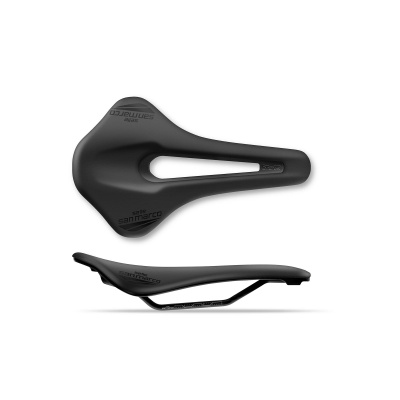
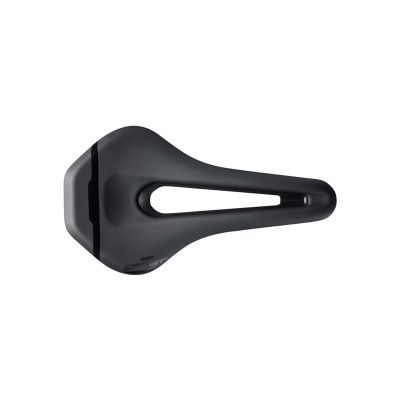
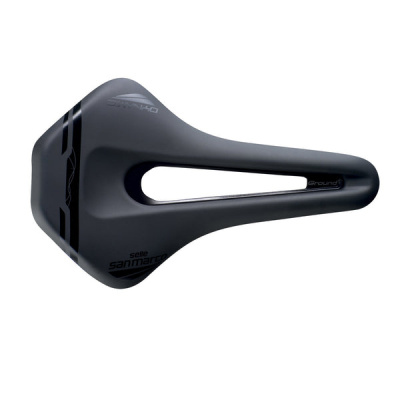
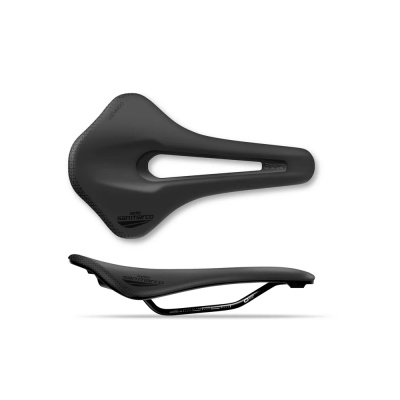
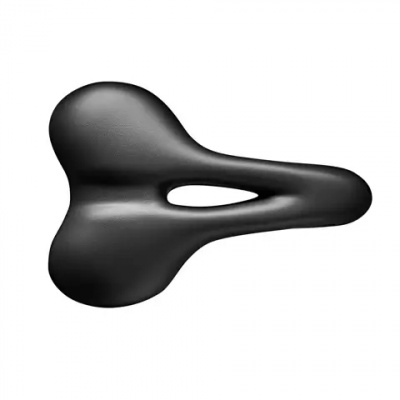
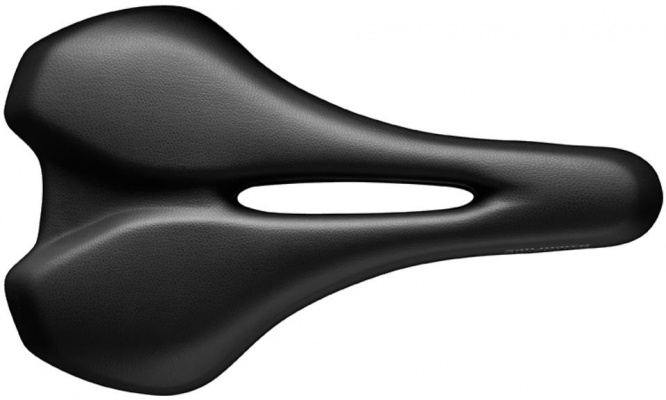
The Open-Fit cutout and Full-Fit designation cuts across all these tiers. Open-Fit saddles carry a central channel that relieves perineal pressure - particularly useful if you ride in an aggressive, forward-rotated position where your pelvis tips well forward and loads the soft tissue. Full-Fit models have a continuous surface and suit riders with lower pelvic rotation who tend to move around more on the saddle, shifting weight between sit bones rather than staying locked in one position. Neither is universally better; it depends entirely on your pelvis and your riding posture. The idmatch system is the most reliable way to work this out - measure your sit-bone width on a gel pad, assess how far forward you can hinge at the hip, and San Marco's chart will point you to the right chassis and profile combination. It sounds clinical but it genuinely removes the guesswork. For a gravel-specific fit take, the Allroad in Selle San Marco gravel saddles guise combines the Open-Fit channel with a wider rear section and slightly more padding depth - a practical nod to longer mixed-surface days where you're not always locked into the same position for hours.
Surviving UK Conditions: Foam, Covers, and Corrosion
British riding is hard on saddles. Winter grit and mud form an abrasive paste that grinds through covers and stitching surprisingly fast, and persistent rain means any open-cell foam will eventually start acting like a wet sponge under you. San Marco's Biofoam uses a closed-cell structure that physically blocks water absorption - it follows pelvis movement through a ride rather than compressing flat, and it doesn't retain the moisture that standard foam saddles do after a soaking. On a wet November ride in the Peaks or a muddy cyclocross circuit, that matters.
The Microfeel cover addresses the abrasion problem. It's more resistant to the grinding action of grit-laden water than most synthetic covers at this price level, and the slight weight saving is a bonus rather than the point. That said, no cover is indestructible - if you're riding technical gravel regularly, inspect the stitching along the rear edges every few months. The area under the shell near the rail clamps is worth checking too, particularly if you've been cleaning the bike with a pressure washer. Avoid directing a jet wash directly under the saddle shell at close range; the pressure can work water into the bond between cover and base and begin to lift the material over time. A bucket and sponge under there is the more sensible approach, whatever the temptation after a filthy ride.
Manganese rails hold up reasonably well against road salt, but if you're running a carbon or Xsilite-railed saddle through winter regularly, pull the saddle off every couple of months and clean the rail-to-clamp interface. Salt creep between rail and clamp causes fretting corrosion that's slow but cumulative. For complete contact-point consistency, it's worth pairing your saddle with Selle San Marco bar tape - the tactile feedback from matched materials across saddle and bars is something you notice on longer rides, and their tape uses similar cover materials to the saddle range. Their Selle San Marco grips are worth a look for the same reason on flat-bar setups.
If you're weighing San Marco against the broader market, Ergon saddles take a similar biomechanical approach to sizing with their sit-bone measurement tools, and Brooks saddles remain the benchmark for all-day comfort if you're less concerned with weight. For short-nose alternatives in a similar price bracket, Fabric saddles offer a competitive Selle San Marco short nose saddles comparison point worth browsing.
Selle San Marco Saddles FAQs
How do I choose the right Selle San Marco saddle?
Start with San Marco's idmatch system. Measure your sit-bone width on a gel pad - this determines Narrow or Wide chassis. Then assess your pelvic rotation: how far forward you can hinge at the hip dictates whether a Waved or Flat profile suits you. Get those two variables right and the rest of the range - model, rail tier, Open-Fit or Full-Fit - follows logically from there.
What is the difference between Selle San Marco Open-Fit and Full-Fit?
Open-Fit saddles have a central cutout that relieves pressure on soft tissue - most effective if you ride in an aggressive, forward-rotated position. Full-Fit models use a continuous surface and work better for riders with lower pelvic rotation who shift their weight around the saddle rather than staying locked in one spot. Neither is universally superior; it comes down to your posture and how your pelvis loads the saddle.
Are Selle San Marco carbon rails compatible with all seatposts?
Not without checking first. Carbon DNA rails measure 9.8mm x 7mm - an oversized oval - so side-loading seatposts (common on older Trek, Bontrager, and some Specialized designs) need compatible oversized clamp ears. Standard two-bolt top-clamp posts are generally fine. Torque to a maximum of 7 - 8Nm and always use carbon assembly paste. Xsilite and Manganese rails use standard 7x7mm round profiles and fit virtually any post.