
Selle Italia Saddles
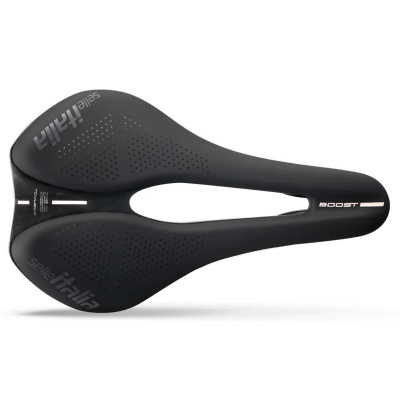
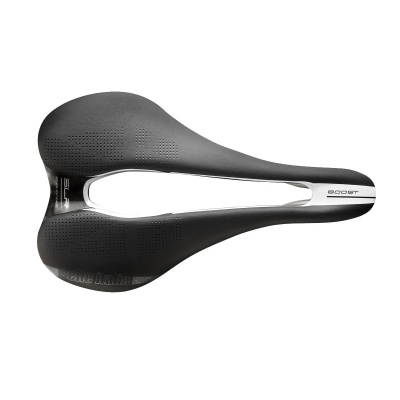
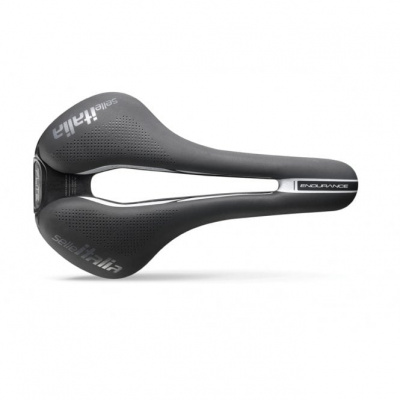
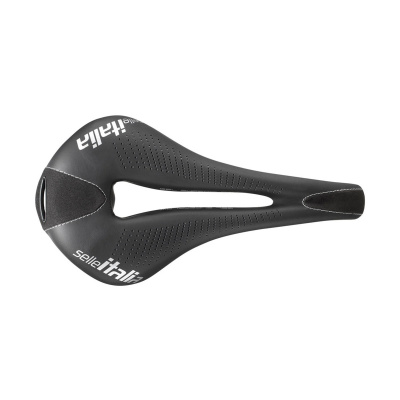
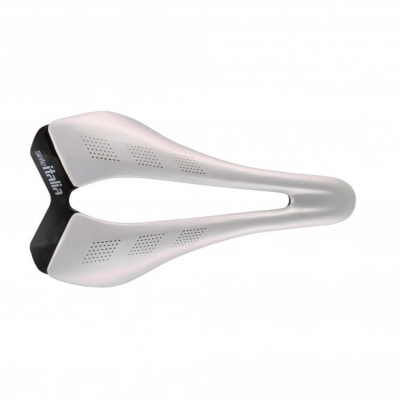
Selle Italia saddles have set the benchmark for road and gravel fit for decades, and the range is bigger and more nuanced than ever. Whether you're chasing a clean position on a race bike or trying to survive a long day in the saddle across the South Downs, getting the saddle right is genuinely the most impactful contact-point decision you'll make. Selle Italia's proprietary idmatch system takes the guesswork out of that process, categorising every saddle by sit bone width and pelvic flexibility so you can narrow things down before you've even touched one. Beyond sizing, the range spans lightweight flat-profile racers, wave-profile saddles for riders with a more upright tilt, and the short-nose Boost shapes that work brilliantly with modern aggressive geometries. Innovations like the pressure-relieving Superflow cutout and Carbon Keramic rails give you genuine performance upgrades at each price tier, while the Fibra-Tek cover material holds up better than most when British roads are doing their worst. Browse the SLR, Flite, and Novus families below and use the guide underneath the grid to work out exactly which spec level and shape suits your anatomy and your riding.
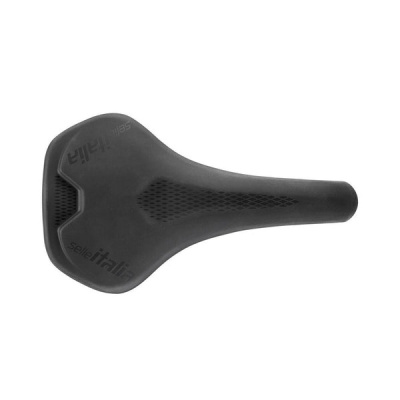
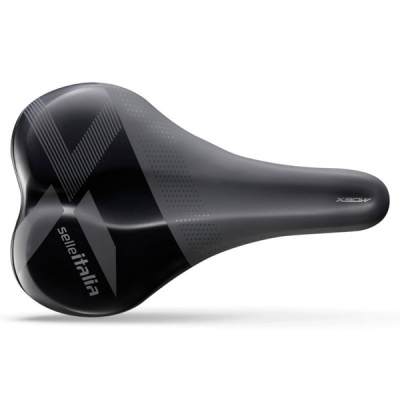
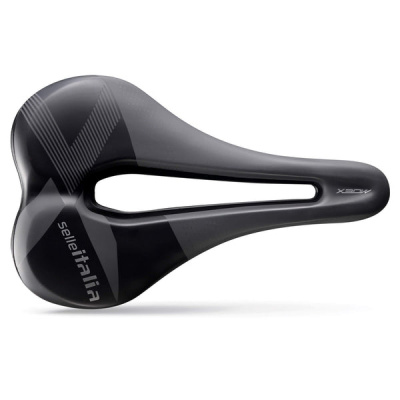
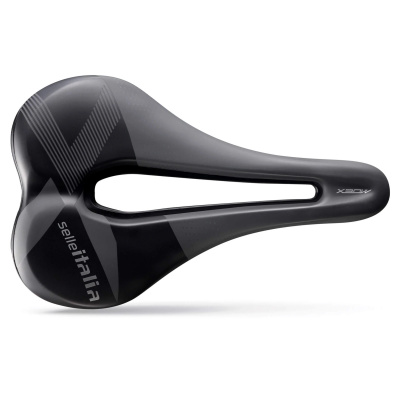
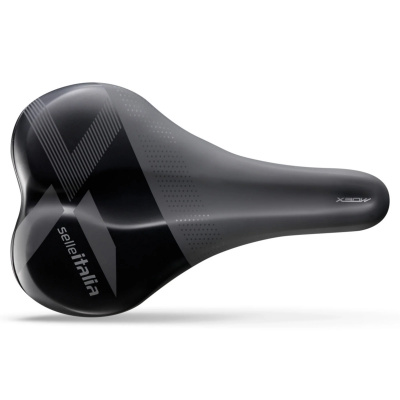
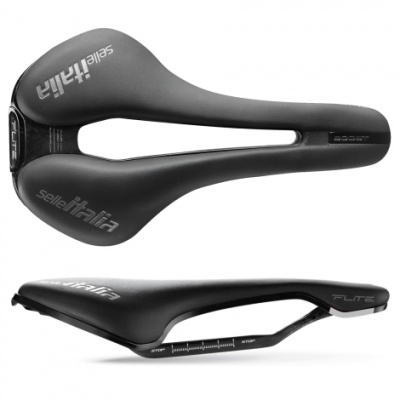
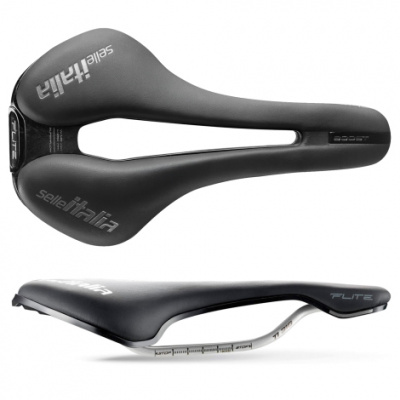
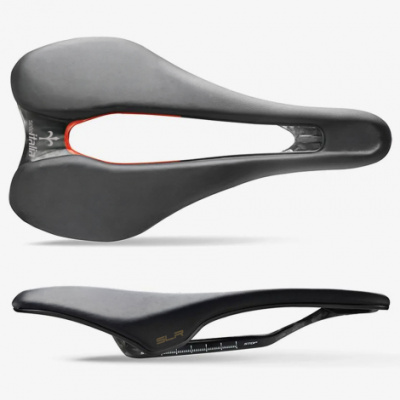
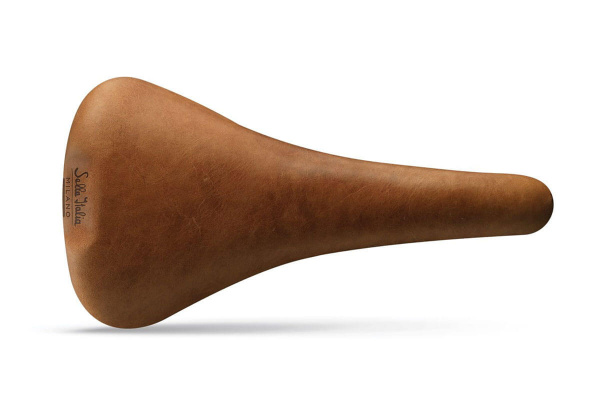
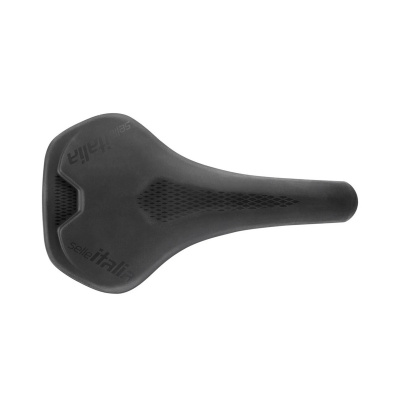
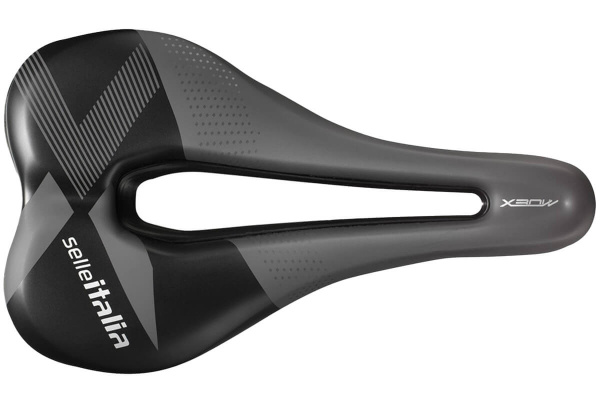
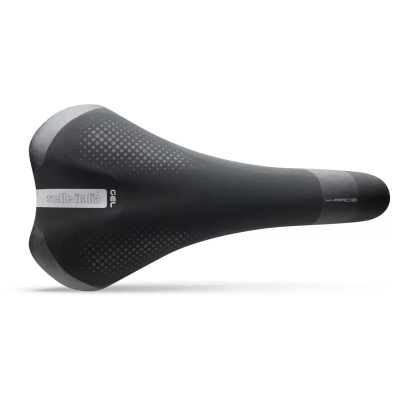
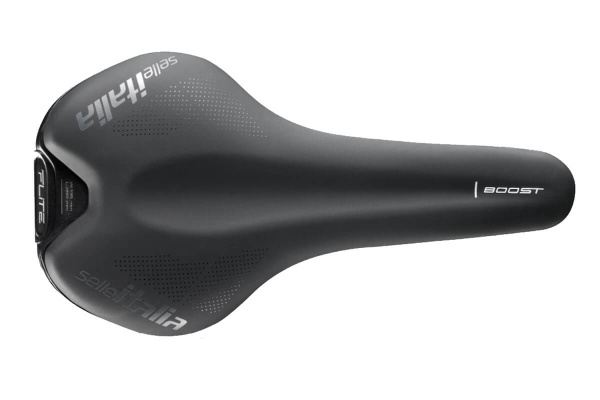
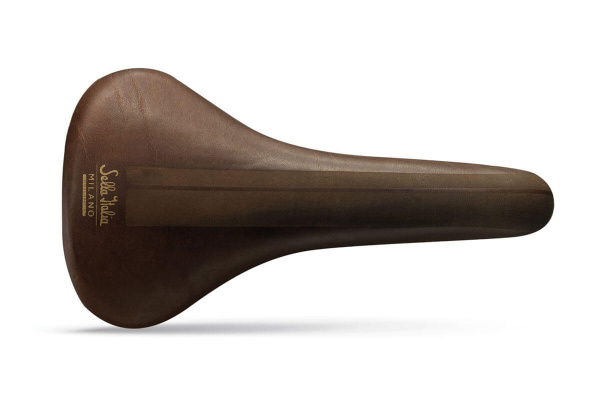
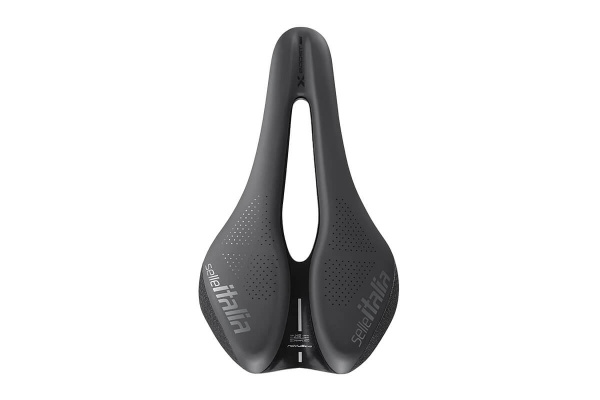
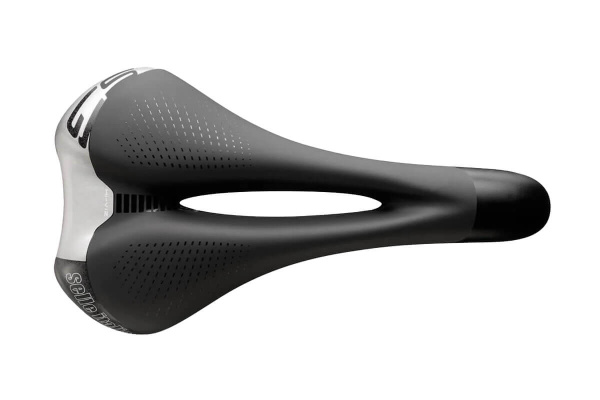
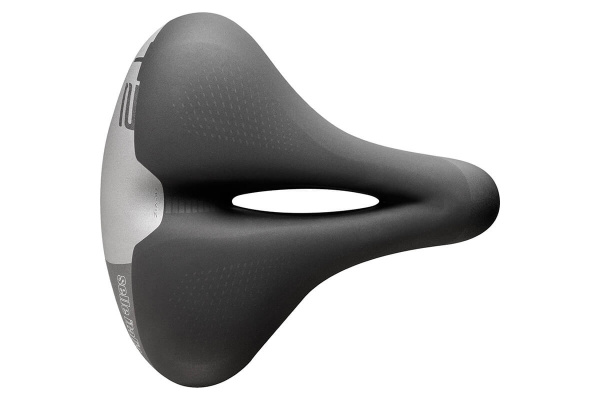
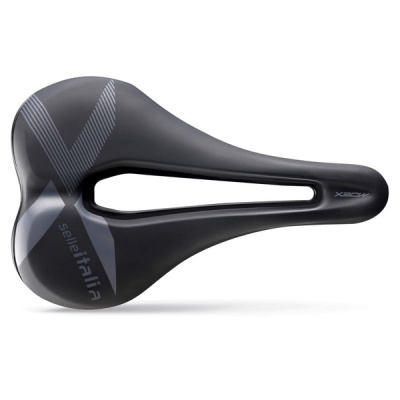
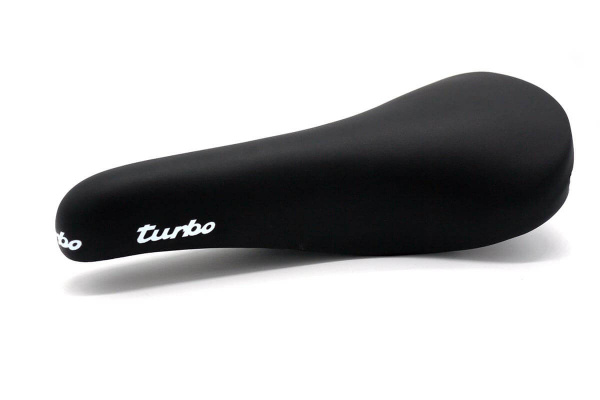
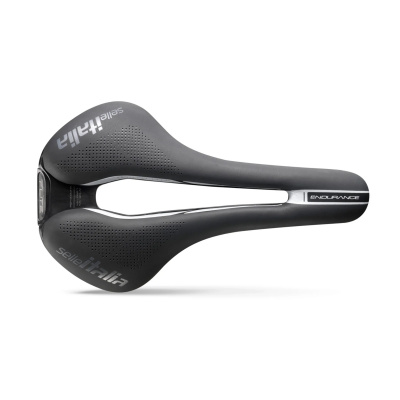
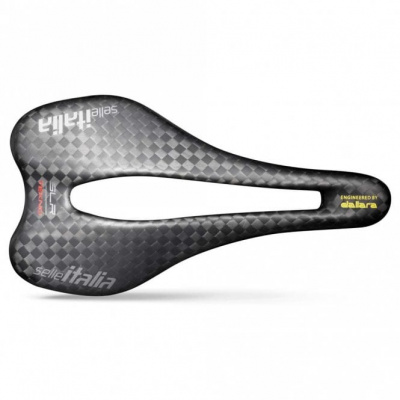
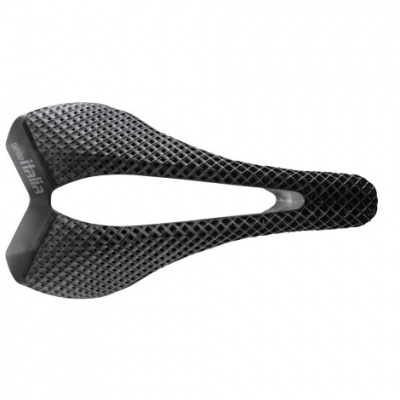
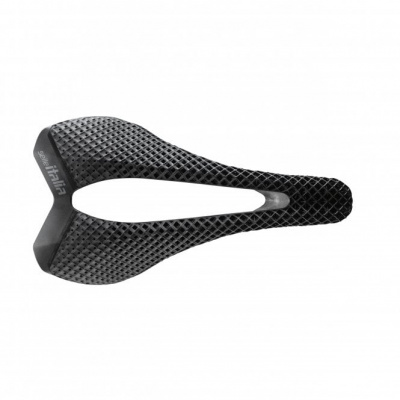
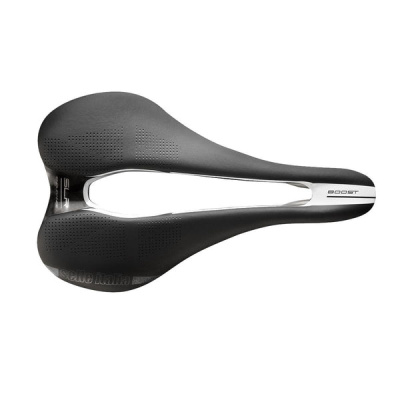
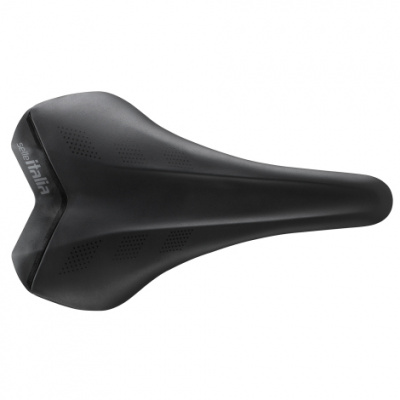
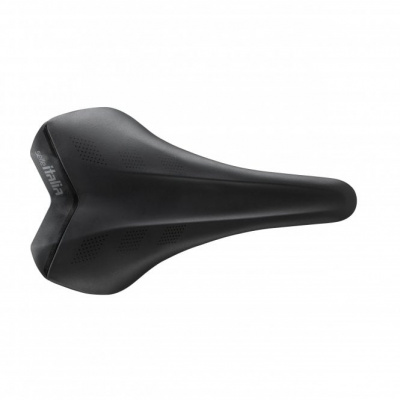
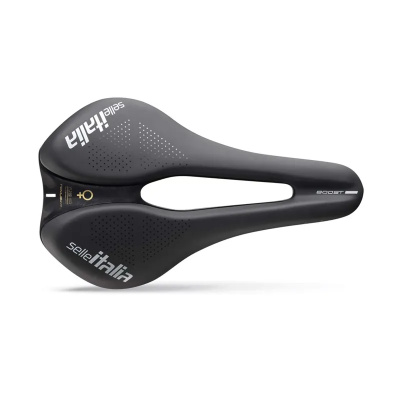
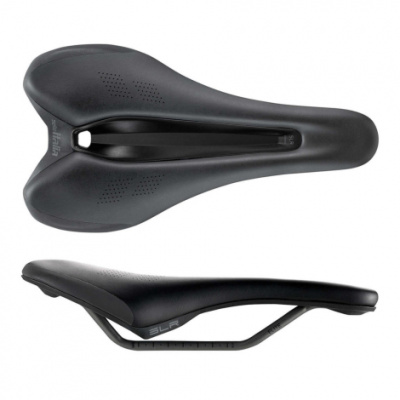
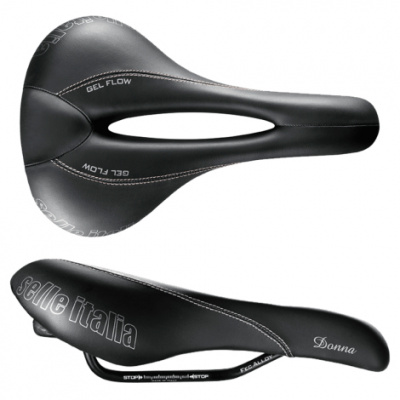
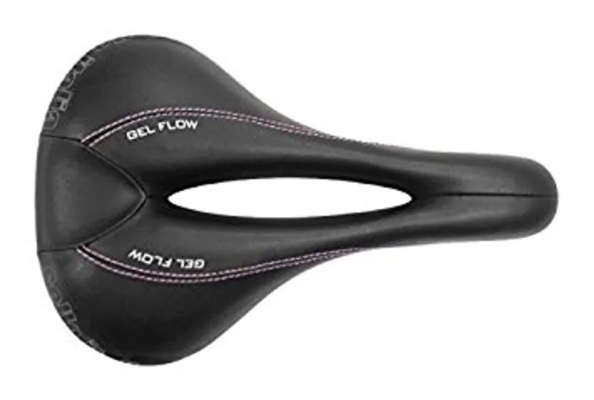
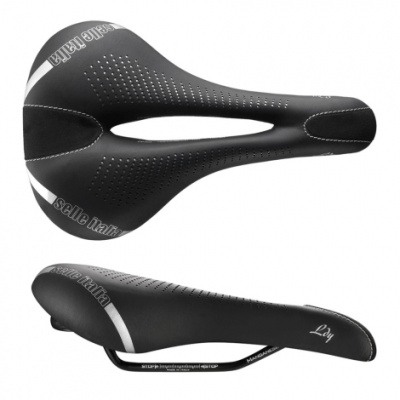
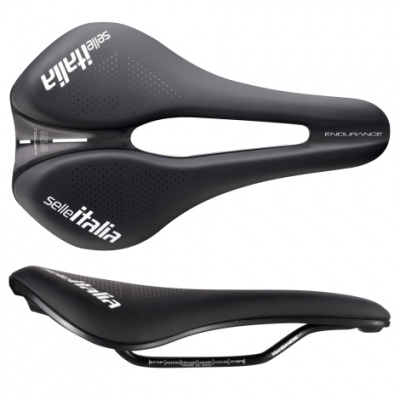
Prices and availability can change quickly. Delivery charges are not always included in listed prices.
Final price, stock status and delivery terms are set by retailer. We may receive a commission on purchases made.
Will the Rails Fit Your Seatpost? Compatibility Explained
This is the one question worth sorting before anything else, because getting it wrong is an expensive mistake. Selle Italia saddles come with three distinct rail types, and they are not interchangeable with every seatpost clamp on the market. The entry and mid-range models use manganese or FEC alloy rails in a 7x7mm round profile - these fit the vast majority of seatposts, including most standard side-clamp designs. Step up to the TI 316 titanium spec and the rails are still 7x7mm round, so compatibility stays straightforward. The sticking point comes with Carbon Keramic rails. These are 7x9mm oval in cross-section, and that extra width in one axis is there to increase stiffness without adding weight. The problem is that a standard side-clamp seatpost designed for 7x7mm round rails will concentrate its clamping load onto the edges of an oval rail rather than spreading it across the flat. You'll crack the carbon, void the warranty, and be back to square one. If you're running Carbon Keramic rails, you need a seatpost with a top-and-bottom clamping mechanism - think two-bolt designs that sandwich the rail - or a dedicated 7x9mm side-clamp adapter. It's worth checking your seatpost manual rather than assuming. Many riders using aero or integrated posts on modern road bikes will already have the right clamp geometry, but it's not a given. Double-check before you torque anything down.
SLR, Flite, and Novus: Which Family, Which Spec?
Selle Italia organises its range into families that correspond to different rider shapes and positions, then layers rail material tiers on top. Understanding the family first makes the spec decision much simpler.
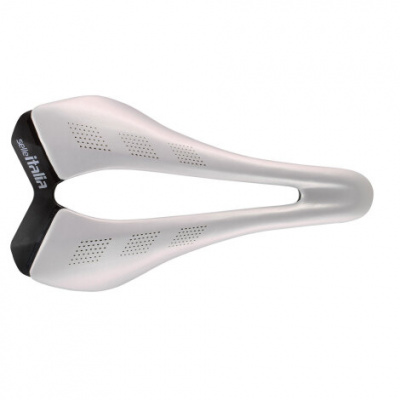
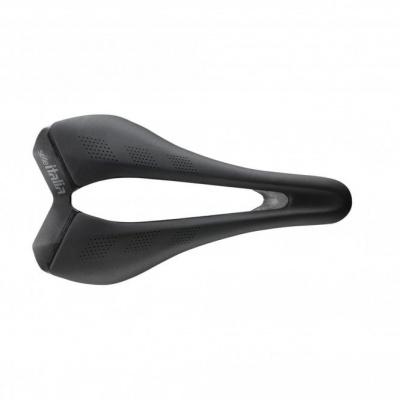
The SLR is the flat-profile racing saddle. It suits riders with good hamstring flexibility who rotate forward onto the saddle rather than sitting back on it - the kind of position you'd hold on a road race bike or a crit setup. There's very little shape to fight against, which is exactly the point. If you're comfortable getting low and staying there, the SLR rewards you with minimal interference and excellent power transfer.
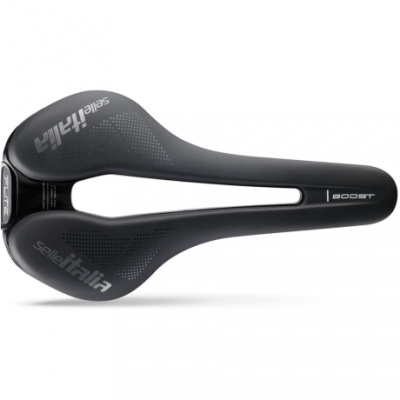
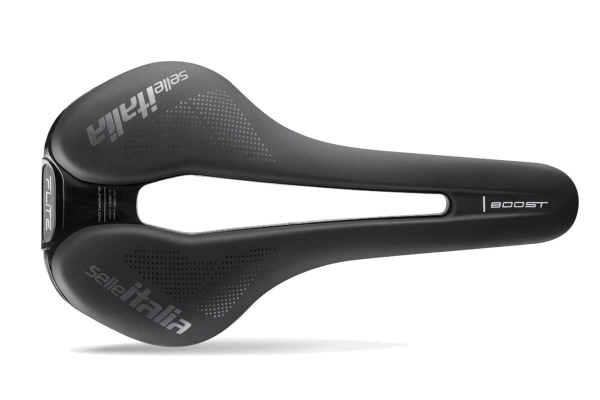
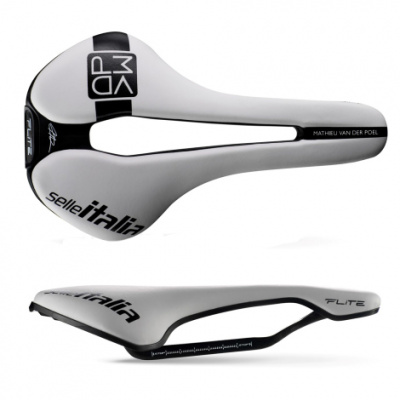
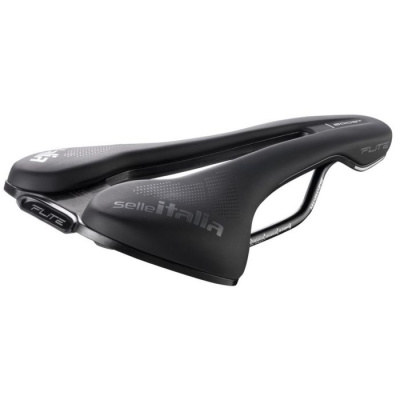
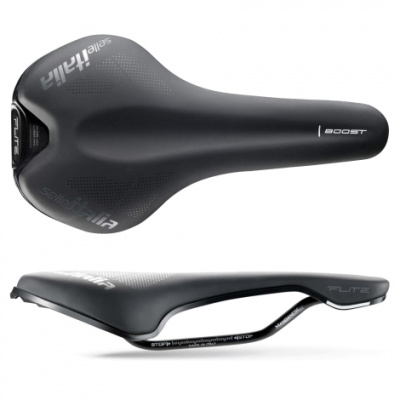
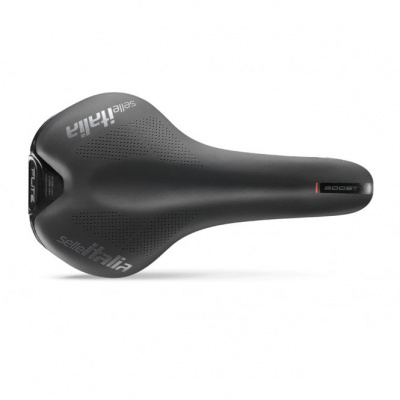
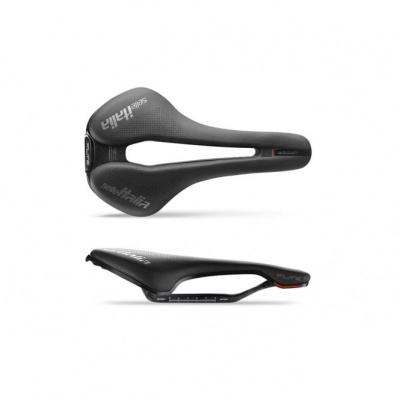
The Flite is a classic that's been in the range long enough to have found its way under some genuinely legendary riders. It shares the flat profile but has a slightly wider tail section, which gives a bit more support for riders who tend to shift weight rearward on climbs or long drags. It's a touch more forgiving than the SLR without moving into structured-support territory. If the SLR feels like it's punishing you on anything beyond two hours, the Flite is worth a look.
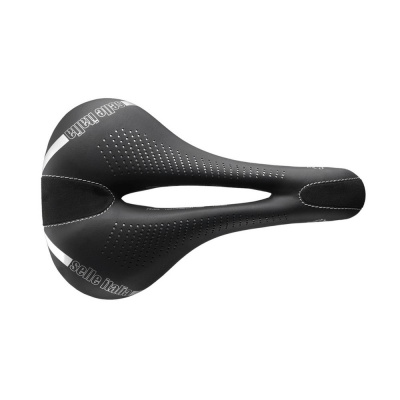
The Novus introduces a waved profile - a subtle dip and rise along the saddle's length - which suits riders with a more posterior pelvic tilt. If you tend to sit on the back of the saddle rather than rotating forward, the Novus provides support where you actually need it rather than where a flat saddle assumes you'll be. It's also worth noting for gravel riders who spend time in a more varied position across longer days. For UK gravel riding, where you're constantly adjusting on mixed ground, the Novus's supportive shape can make a genuine difference over a full day out.
Across all three families, two modifiers appear regularly. Boost means a short-nose design - the nose is truncated compared to a standard saddle, which removes the pressure point that catches riders in an aggressive, forward-rotated position. If you're running a steep seat tube angle or you're slammed forward on an aero road bike, Boost almost always makes sense. The Superflow designation means the central cutout is dramatically enlarged - not a modest channel but a substantial opening that takes perineal pressure off the table for riders who've struggled with numbness on longer efforts. It's a meaningful difference, not a marketing footnote. Riders who've tried a standard cutout and still had issues often find Superflow resolves things where nothing else did.
On rail material, the TM suffix means manganese alloy - reliable, heavy enough to notice if you're weighing everything, but genuinely durable. TI 316 titanium saves meaningful weight, adds a degree of compliance, and holds up well over years of use. The Kit Carbonio tier with Carbon Keramic rails is where you're optimising seriously - lighter still, stiffer, and built for riders who want to run the best without compromise. If you're comparing Selle Italia against Fizik saddles at a similar price point, the rail material tiers map across in broadly the same way, so the same logic applies when you're deciding how much to spend.
Holding Up to UK Winters: Covers, Creaks, and Longevity
British riding throws a specific set of problems at saddles that Italian roads simply don't. Grit, standing water, and the kind of persistent damp that soaks into everything means saddle wear is a real consideration, not an afterthought.
Selle Italia's Fibra-Tek cover material is a technical microfiber rather than leather or basic synthetic, and it handles road spray and grit noticeably better than softer cover materials. The surface doesn't absorb water in the way a fabric cover would, and it resists abrasion from road muck reasonably well. That said, stitching at the nose and tail is still the first place to watch on any saddle doing regular winter miles, so it's worth keeping an eye on it rather than ignoring the saddle until something tears.
The other issue UK riders know well is saddle creak - that rhythmic click that appears in November and refuses to leave until spring. Nine times out of ten it's not the saddle shell or the rails themselves; it's moisture and grit working into the junction where the rails enter the shell. A drop of dry lube or a light application of silicone spray at that exact point - where metal meets plastic - usually clears it within a ride or two. It's a five-second fix that saves hours of frustration. If you're commuting through winter and want more protection, Selle Italia saddle covers are a practical option for keeping the worst of it off when the bike's parked outside. For anything beyond that - replacement elastomers, rail clamps, or shell hardware - the Selle Italia spare parts page has what you need.
If you're weighing Selle Italia against other Italian-influenced options, Fabric saddles offer a similarly technical cover approach, while Ergon saddles come from a different ergonomic philosophy entirely and are worth considering if you're coming at this from a comfort-first angle rather than a performance-first one. Rounding out your contact points is worth thinking about too - Selle Italia bar tape is designed to work with the same material philosophy as the saddle covers, which matters more than it sounds when you're trying to keep overall cockpit weight and feel consistent.
Selle Italia Saddles FAQs
How do I know my Selle Italia idmatch size?
The idmatch system cross-references your sit bone width with your pelvic flexibility to give you a size code between S1 and L3. 'S' covers narrower sit bones, 'L' covers wider ones. The number - 1, 2, or 3 - reflects how much pelvic rotation you have, which in turn determines how large a central cutout you need. Most bike shops with an idmatch tool can measure you in a few minutes.
What is the difference between Selle Italia Boost and standard saddles?
Boost saddles have a shortened nose. That truncated front section removes the pressure point that causes soft tissue discomfort when you're riding in an aggressive, forward-rotated position - common on aero road bikes and steep-seat-tube gravel rigs. Standard-nose saddles suit riders who move around more, using the nose for positional reference on climbs and descents.
Will Selle Italia carbon rails fit my current seatpost?
Not necessarily. Carbon Keramic rails are 7x9mm oval, not the 7x7mm round profile that most standard seatpost clamps are designed for. Forcing oval rails into a round-rail side-clamp concentrates stress on the rail edges and will crack the carbon. You need a top-and-bottom clamping seatpost or a 7x9mm-compatible adapter - check your seatpost spec before buying.
What does Superflow mean on Selle Italia saddles?
Superflow refers to a significantly enlarged central cutout - much wider and longer than a standard pressure-relief channel. It's designed to remove contact pressure from the perineal area entirely during aggressive, forward-leaning riding. Riders who've had persistent numbness on long efforts and found standard cutouts insufficient often find Superflow makes a clear difference.