
Sealskinz Socks
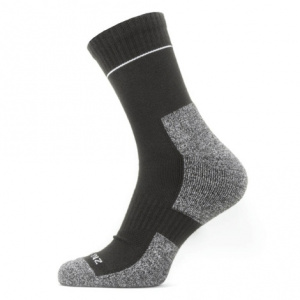
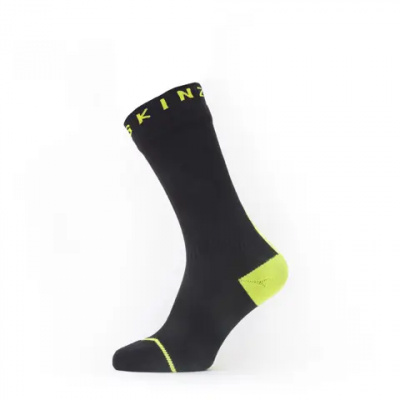
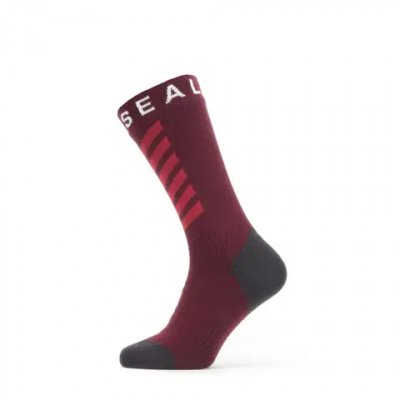
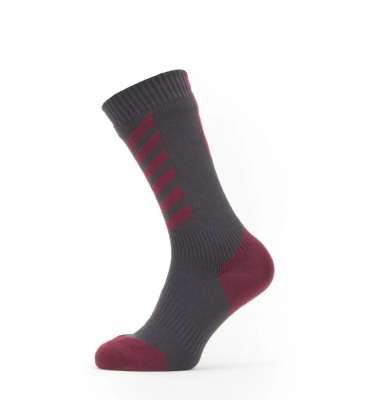
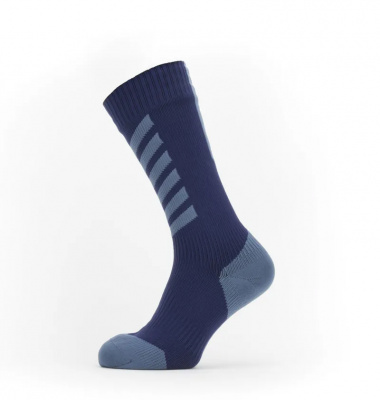
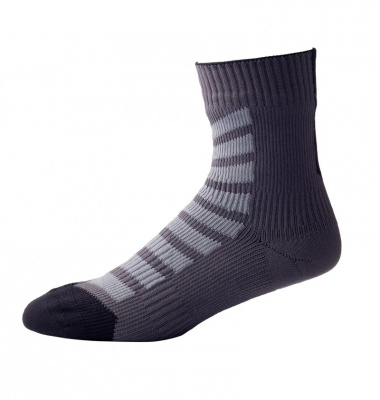
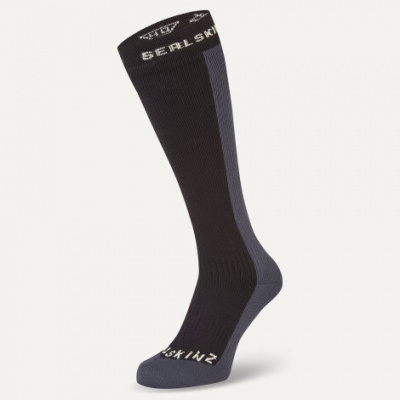
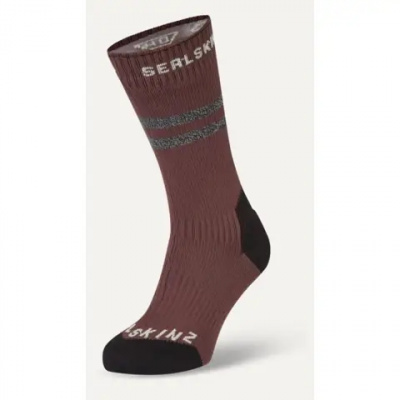
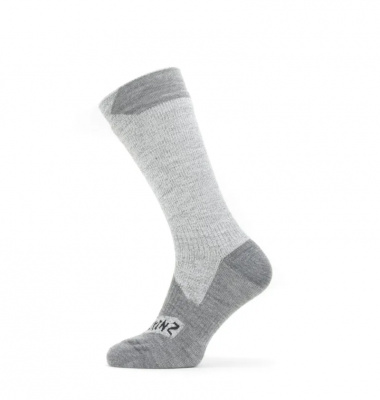
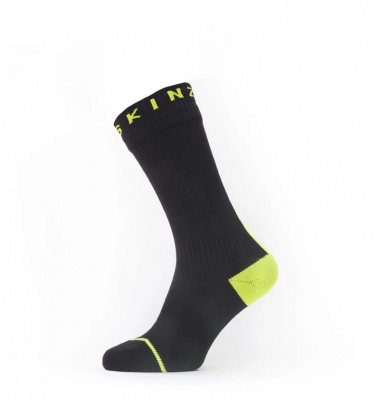
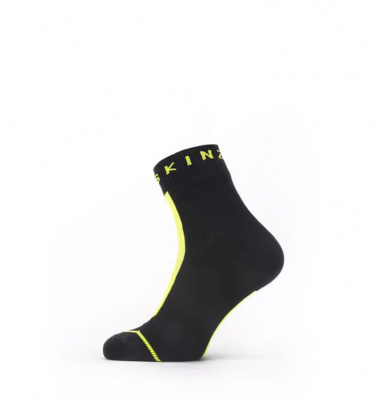
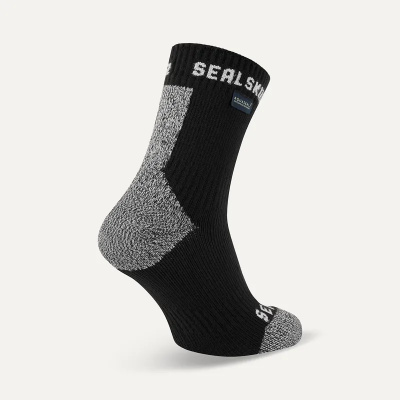
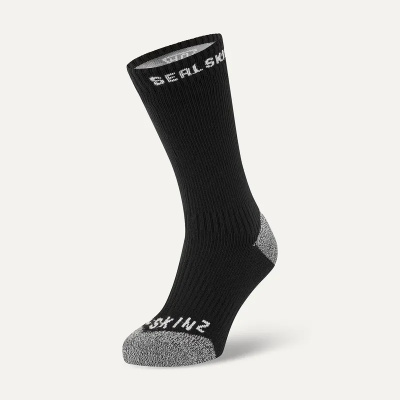
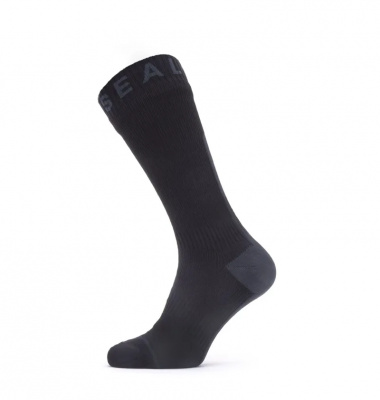
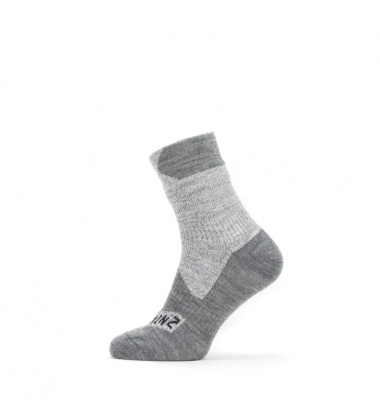
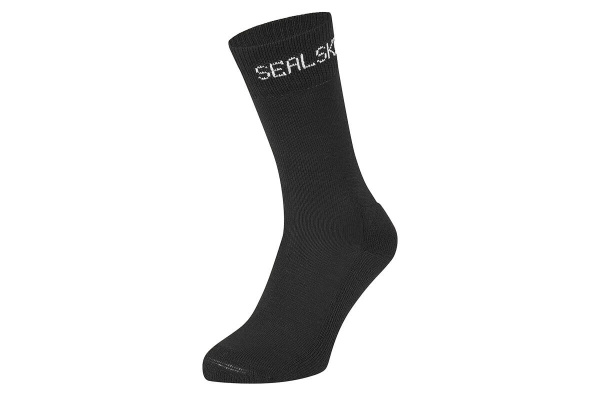
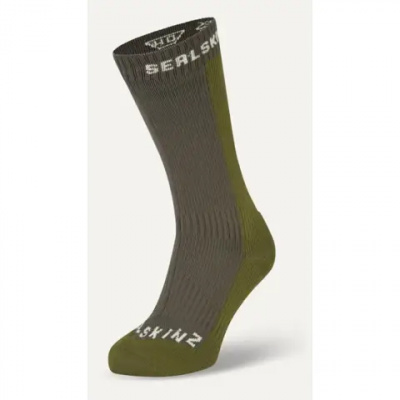
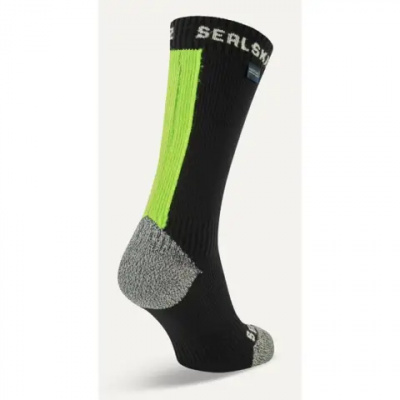
Sealskinz cycling socks exist for one reason: to keep your feet dry when Britain decides it doesn't want you to be comfortable. That means frozen puddle crossings on a January club run, relentless drizzle on a Peak District descent, and the kind of boggy trail that swallows lesser socks whole. What sets Sealskinz apart is their three-layer construction - an Aquasealz™ waterproof and breathable membrane sandwiched between a durable outer and a merino wool blend inner that regulates temperature and wicks moisture away from the skin. The Hydrostop™ silicone elastic taping at the cuff creates a close seal against your leg, stopping water from tracking down inside the sock when you hit standing water or a stream crossing. The range covers ankle, mid, and knee lengths, so whether you're a road rider grinding out winter miles or a trail rider who thinks mud is a feature, there's a weight and cut that works. Browse the full range below and find the pair that matches your riding and the worst your local weather throws at you.

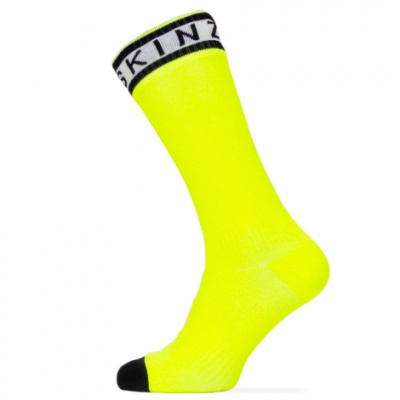

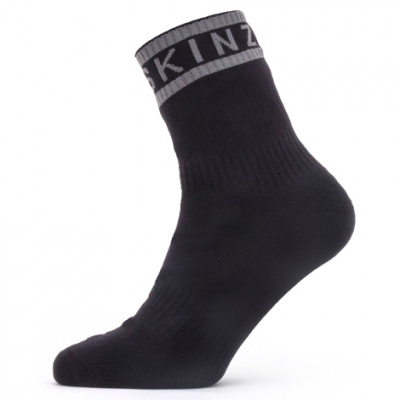
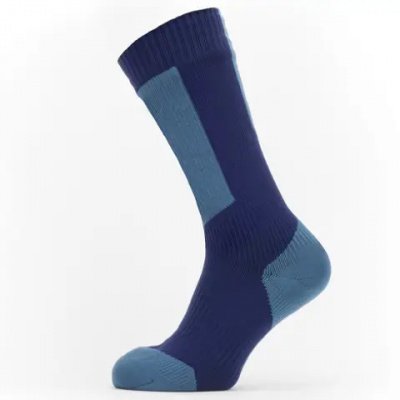
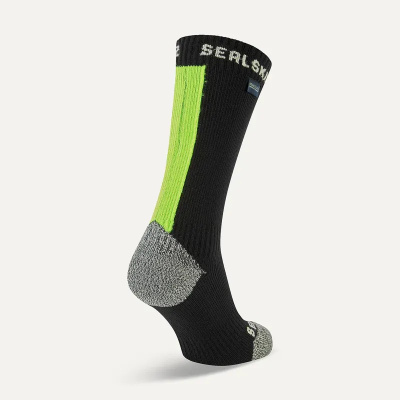
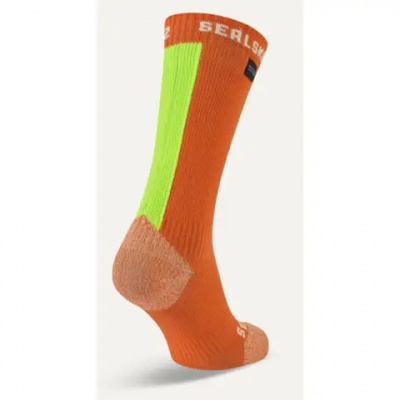
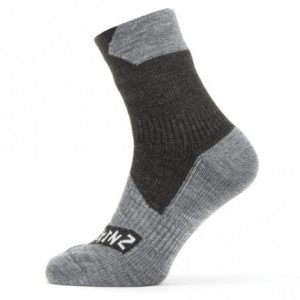
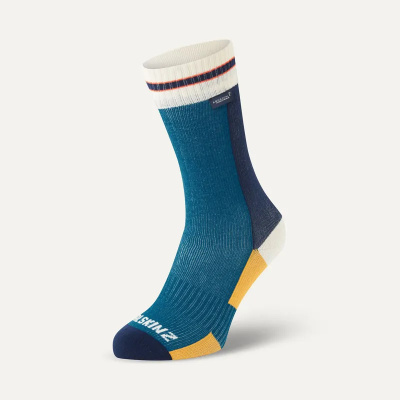
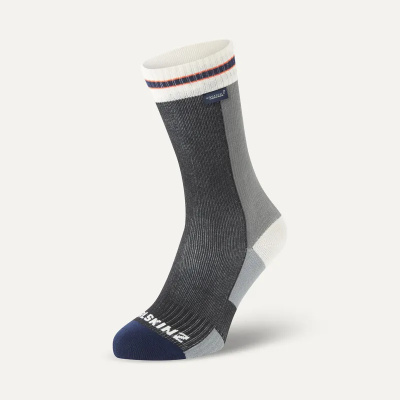
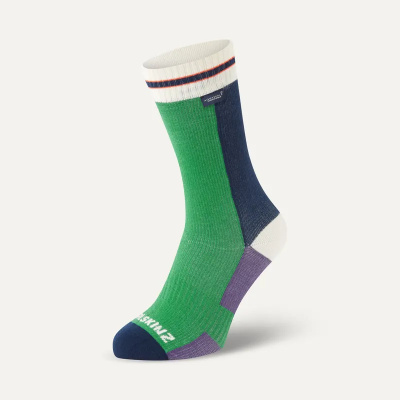
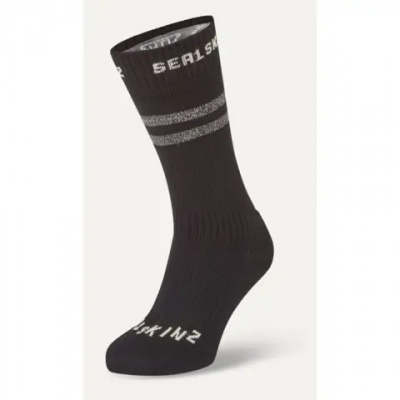
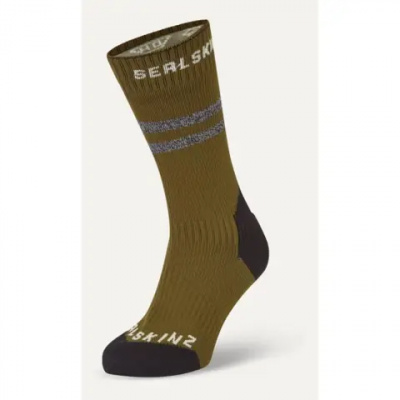
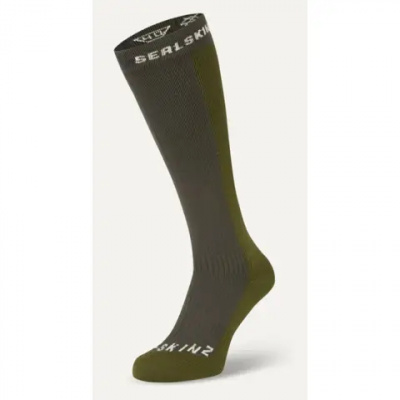
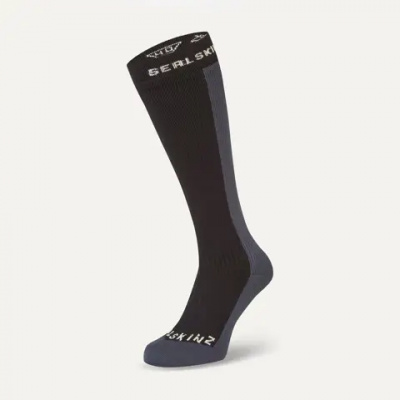
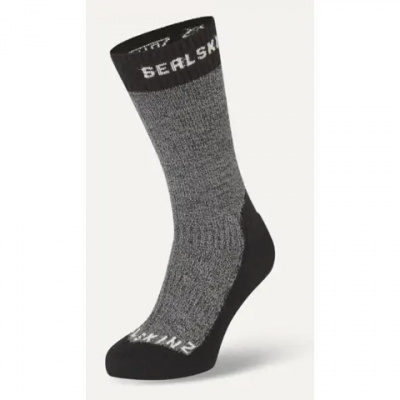
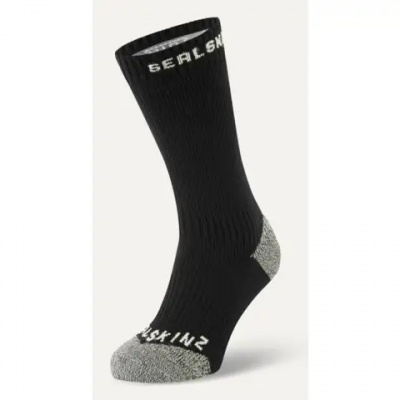
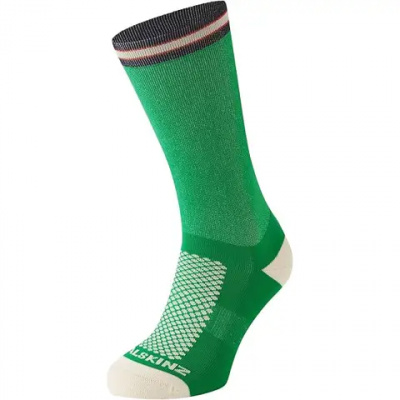
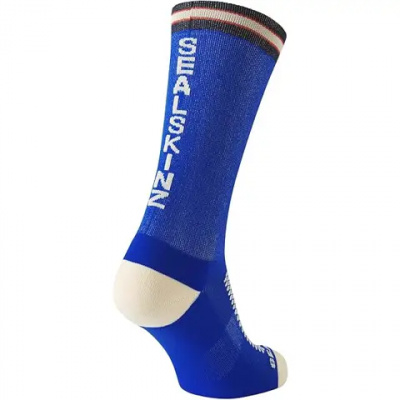
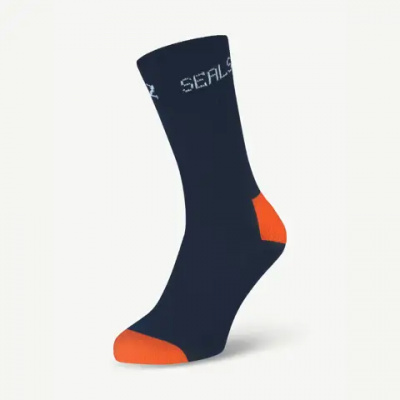
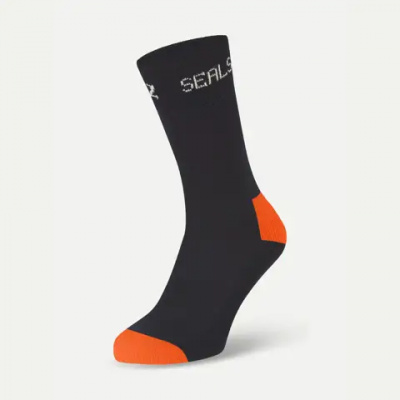
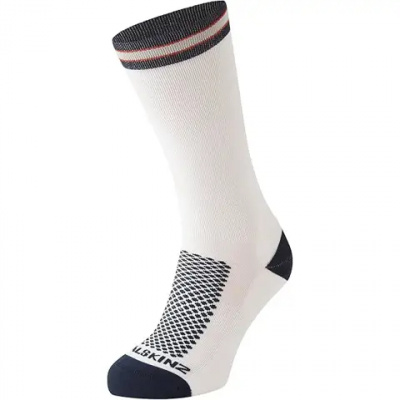
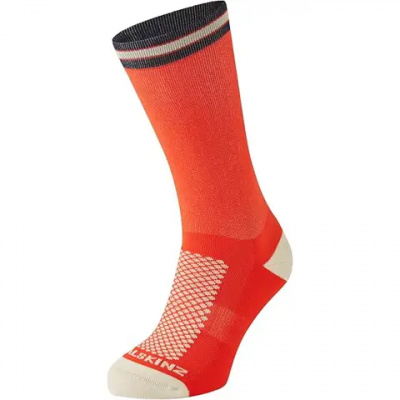
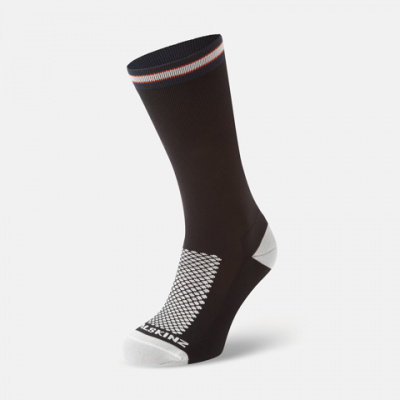
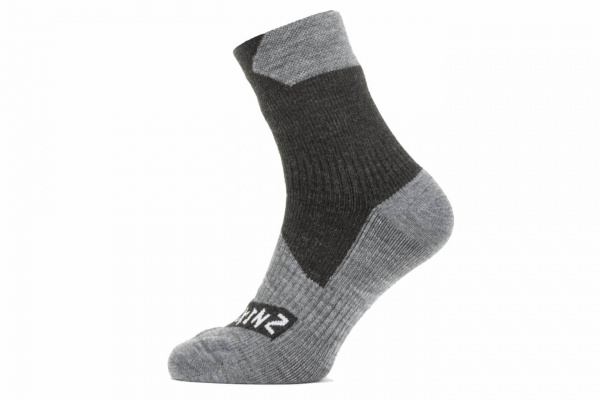
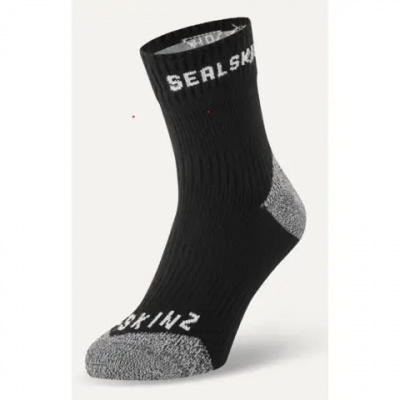
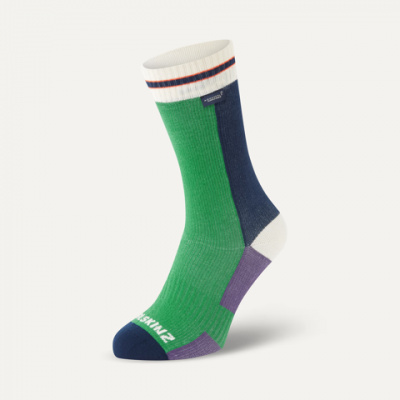
Prices and availability can change quickly. Delivery charges are not always included in listed prices.
Final price, stock status and delivery terms are set by retailer. We may receive a commission on purchases made.
How the Three-Layer Construction Actually Works
Most cycling socks do one thing: absorb water and hope for the best. Sealskinz does the opposite. The outer layer - woven from Polycolon with four-way stretch - takes the first hit from crank rub, trail debris, and driving rain. It's robust enough to handle repeated use without pilling or splitting at the toe seams. Beneath that sits the Aquasealz™ membrane, which is where the waterproofing and breathable performance actually lives. It blocks water ingress completely while still allowing vapour to escape outward, so your feet aren't swimming in their own sweat on a hard climb. Think of it as a one-way valve for moisture. Then the innermost layer - a merino wool blend - handles the thermal side. Merino regulates temperature across a wider range than synthetics, keeping feet warm when you're grinding into a headwind and pulling moisture away from the skin when effort goes up. The result is a sock that handles the full swing of a British winter ride: cold and wet at the bottom of a descent, warm and damp on the drag back up. Blister prevention is a secondary benefit here too - the soft merino inner reduces friction points that thinner, single-layer socks can create during long days in the saddle.
Sizing, Fit, and Picking the Right Length
These are not your summer racing socks. The three-layer construction adds genuine bulk, and that matters when you're fitting them into cycling shoes. If your road shoes are a snug race fit with no volume to spare, tight-lacing them over Sealskinz can restrict blood flow - and cold feet follow fast. A half-size up in shoe, or choosing a shoe with a roomier last, is worth considering if you plan to use heavier-weight Sealskinz socks through winter. MTB shoes tend to have more volume and usually accommodate the extra thickness without issue. It's worth checking your shoe fit with the socks on before committing to a long ride in them.
Length choice comes down to your kit and your conditions. Ankle-length suits road riders pairing with bib tights that cover the lower leg, where the sock just needs to seal at the shoe. Mid-length is probably the most versatile cut - enough cuff to work with knee warmers or three-quarter bibs, and a solid canvas for the Hydrostop™ silicone grip to do its job. Knee-length is the full-defence option for winter MTB or bikepacking in genuinely grim conditions, where water exposure is prolonged and consistent. The Hydrostop™ silicone elastic taping at the cuff isn't just cosmetic - it creates an active seal against the skin, slowing water ingress from above and keeping the sock in position during movement. If you're comparing fit options with other brands, Dexshell socks offer a similar waterproof approach and are worth a look if you want an alternative cuff style, while GripGrab socks lean more towards windproof thermal performance for riders who don't need full waterproofing. Endura socks are another strong option if you're after a merino-heavy build with a more road-focused cut.
Layering Smart and Keeping Them in Good Shape
Here's something that catches a lot of riders out on their first wet ride with waterproof socks: the sock blocks water coming through the fabric, but the cuff is still an opening. If your bib tights or trail trousers are tucked inside the cuff, rain runs straight down your leg and pools inside. Always pull your tights or trousers over the top of the sock cuff - that way water sheds away from the opening rather than funnelling into it. It sounds obvious, but it's an easy habit to miss when you're rushing to get out in a dry window. Pair Sealskinz socks with Sealskinz gloves and you've got matching membrane technology on your hands too, which makes sense if you're building a wet-weather kit that works as a system.
Care matters more with waterproof socks than standard ones. The Aquasealz™ membrane is durable but it doesn't respond well to heat. Wash them inside out at 30°C with a gentle detergent, skip the fabric softener (it clogs membrane pores), and drip dry them naturally away from any heat source. A radiator or tumble dryer will degrade the membrane over time - not immediately, but the waterproofing will fade. Hang them up after washing and let them dry at room temperature. It adds a few hours to the turnaround, but it keeps the sock performing as it should across a full winter season and beyond.
Frequently Asked Questions
Are Sealskinz socks actually waterproof?
Yes. The Aquasealz™ membrane in the three-layer construction blocks water from passing through the sock fabric entirely. That said, no sock can seal the top opening - so the way you layer matters. Pull your tights or trousers over the cuff, not inside it, and the sock does exactly what it promises.
How do you wash Sealskinz waterproof socks?
Turn them inside out and wash at 30°C with a mild detergent - no fabric softener. Then drip dry naturally at room temperature. Heat is the enemy here: tumble dryers and radiators will gradually break down the waterproof membrane, so keep them away from both.
Do I need to size up my cycling shoes for Sealskinz socks?
Quite possibly, yes - especially on road shoes with a close fit. The three-layer build is noticeably thicker than a standard summer sock, and cramped shoes restrict circulation, which makes cold feet worse. If your current shoes leave no room to spare, a half-size up is a sensible move before committing to winter riding in them.
Sealskinz Socks FAQs
Are Sealskinz socks actually waterproof?
Yes. The Aquasealz™ membrane in the three-layer construction stops water passing through the sock fabric completely. The one caveat: the cuff is still an opening. Layer your tights or trousers over the top of the cuff - not tucked inside - and you'll keep water out through the worst of it.
How do you wash Sealskinz waterproof socks?
Turn them inside out, wash at 30°C with a gentle detergent, and skip the fabric softener - it clogs the membrane pores. Drip dry naturally at room temperature. Keep them well away from radiators and tumble dryers; direct heat degrades the waterproof membrane over time and you won't get it back.
Do I need to size up my cycling shoes for Sealskinz socks?
If your road shoes are already a close race fit, yes - a half-size up is worth considering. The three-layer construction is noticeably bulkier than a standard cycling sock, and squeezing them into tight shoes restricts blood flow, which speeds up cold feet considerably. MTB shoes usually have enough volume to accommodate them without adjusting.