
Sealskinz Headwear
SealSkinz cycling headwear exists for one reason: to keep your head dry and warm when British weather does its worst. We're talking sideways drizzle on a January commute, a freezing headwind cutting across the exposed Pennine ridge, or that miserable sleet that arrives halfway through a four-hour sportive. Three layers of bonded Aquasealz™ membrane stand between you and all of that - blocking rain and wind while still letting sweat vapour out, so your head doesn't turn into a sauna on the climbs.
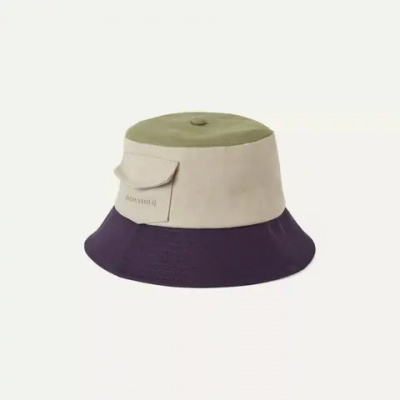
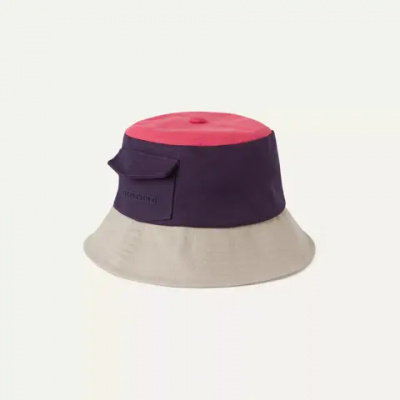
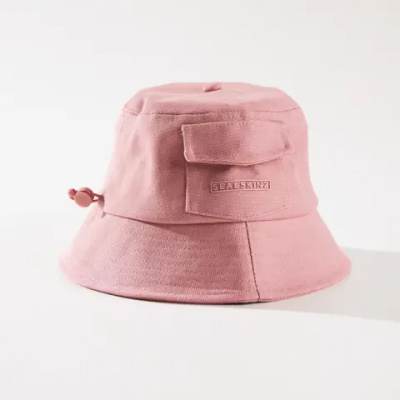
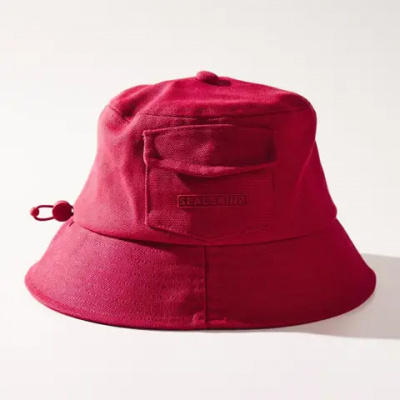
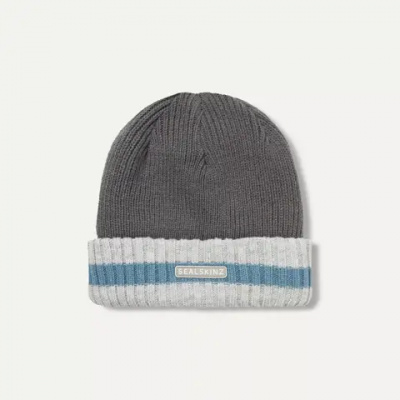
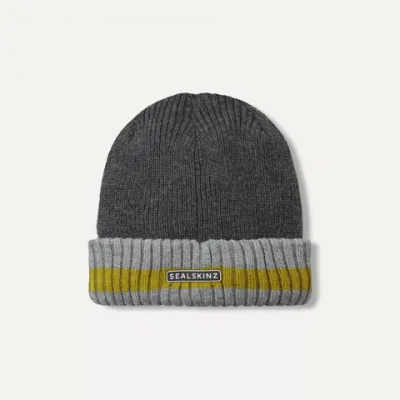
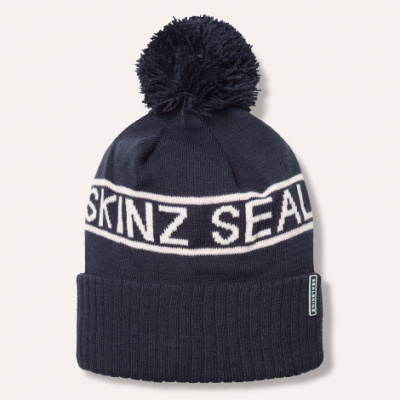
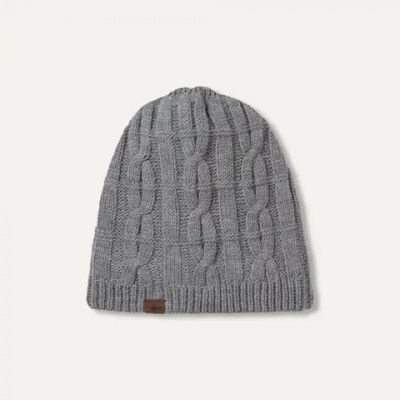
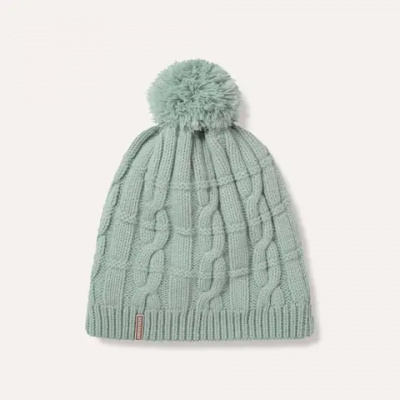
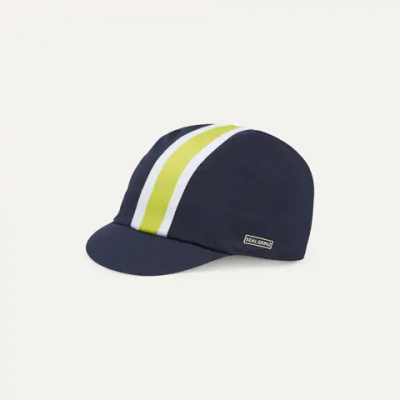
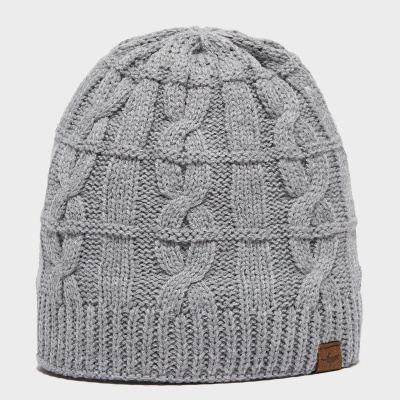
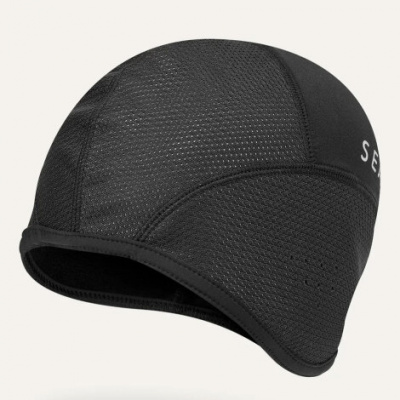
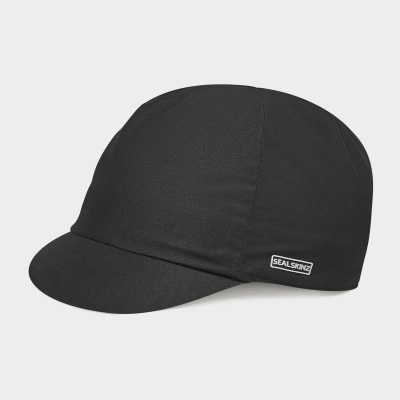
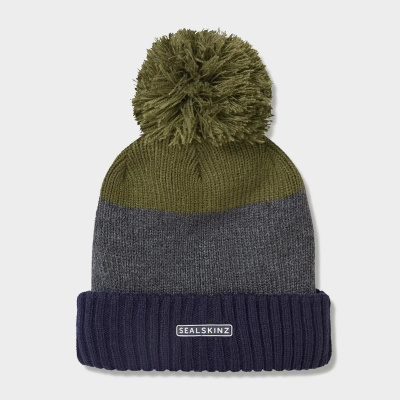
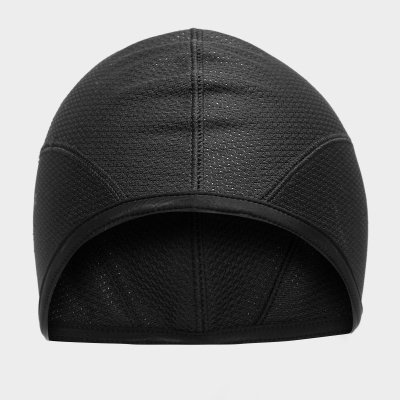
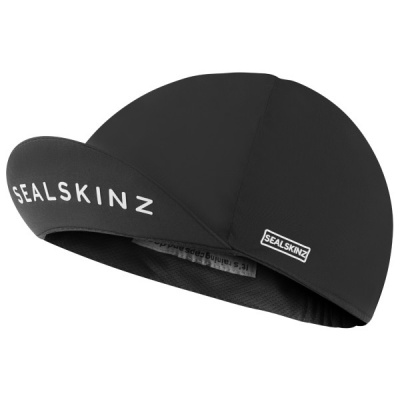
The range spans low-profile skull caps designed to sit cleanly under your helmet, peaked cycling caps for commuters and café-stop regulars, and thicker thermal beanies for the days you're not clipping in at all. Each one uses the same core three-layer construction with a micro-fleece inner lining, keeping warmth in and moisture off your scalp. Four-way stretch materials mean a contoured, low-bulk fit - nothing bunching under your helmet straps.
If you've ever arrived at work soaked through from the ears up, or bonked on a descent because wind-chill got into your skull cap, this range addresses those problems directly. No fluff, no compromise on waterproofing. Just reliable protection through the worst of the UK riding calendar.
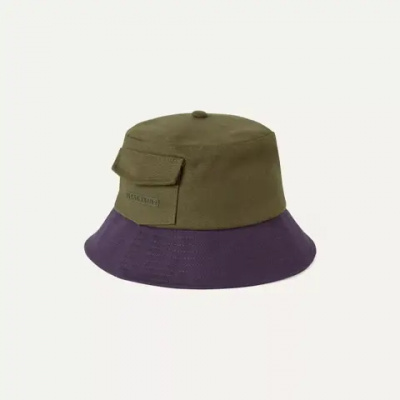
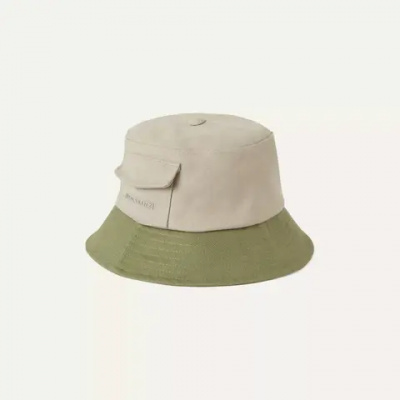
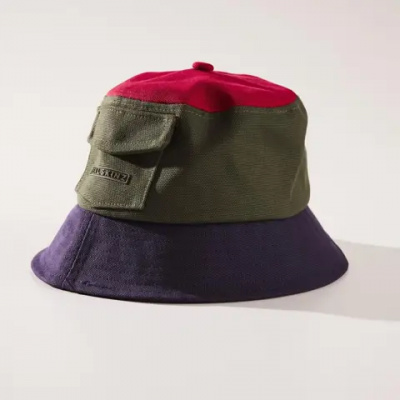
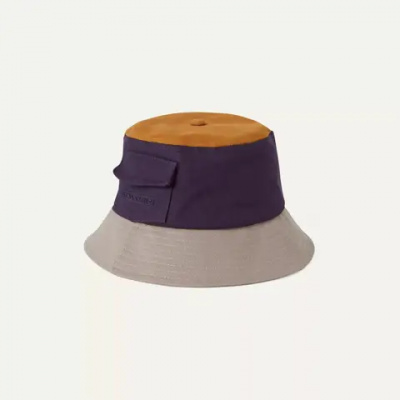
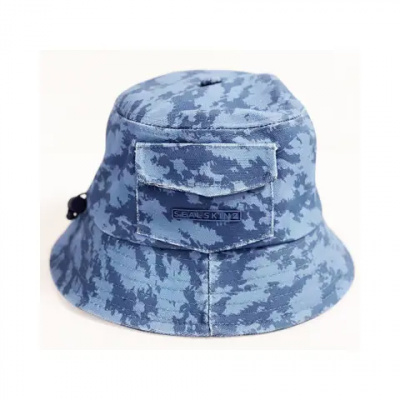
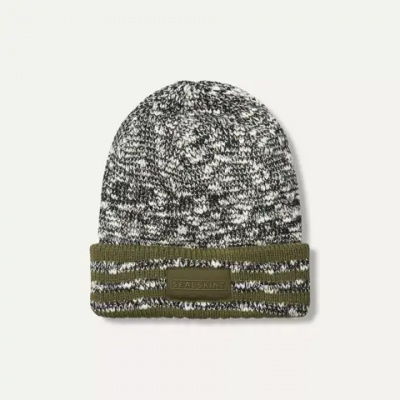
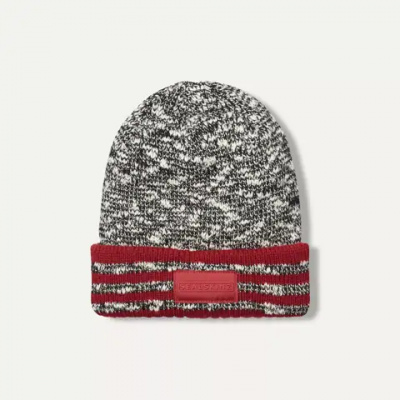
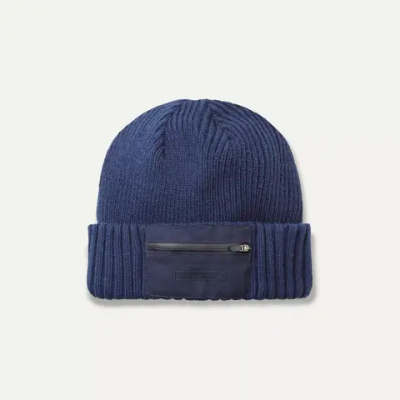
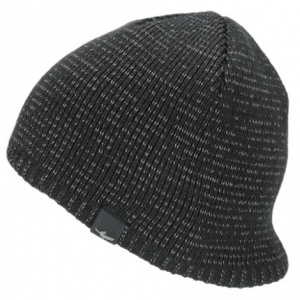
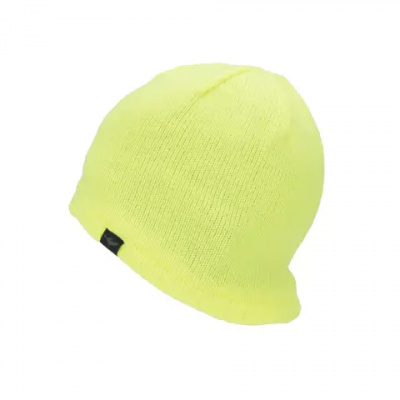
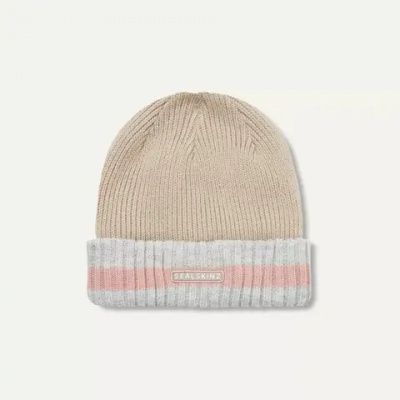
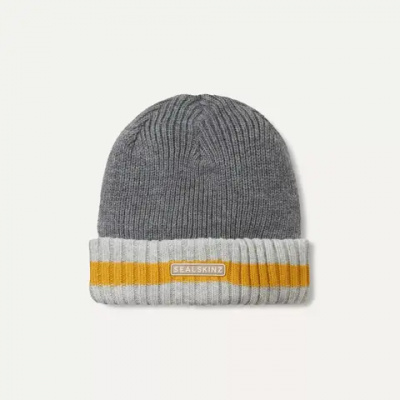
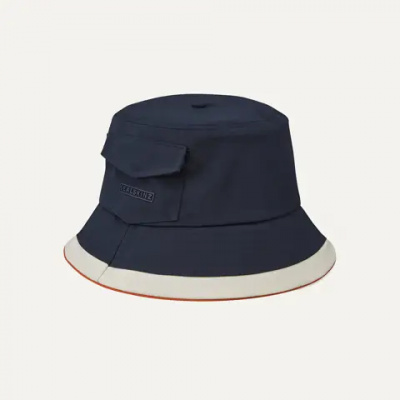
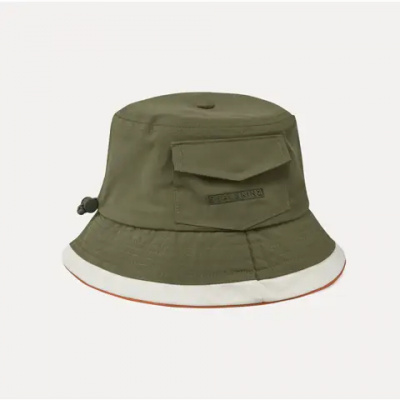
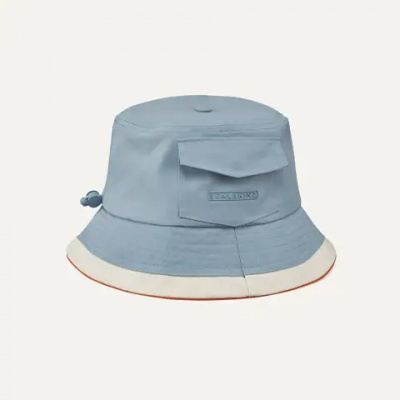
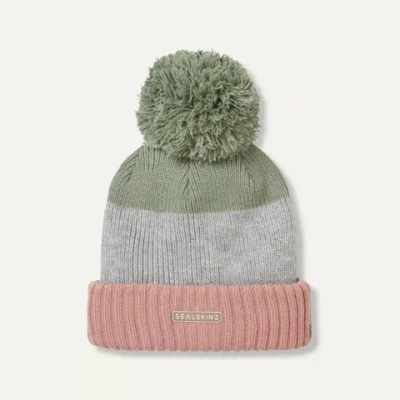
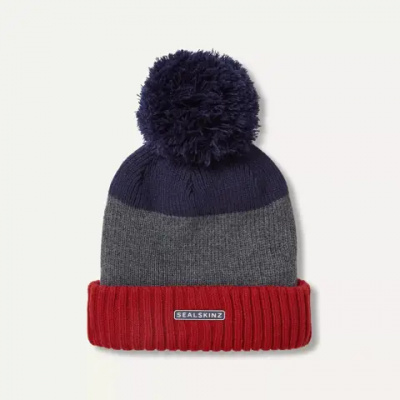
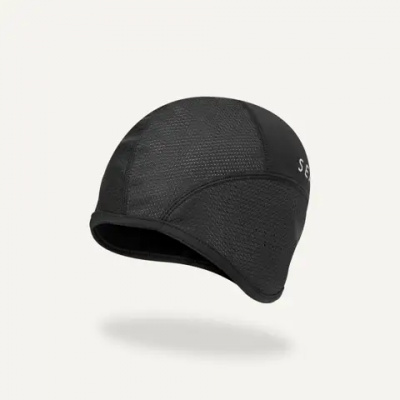
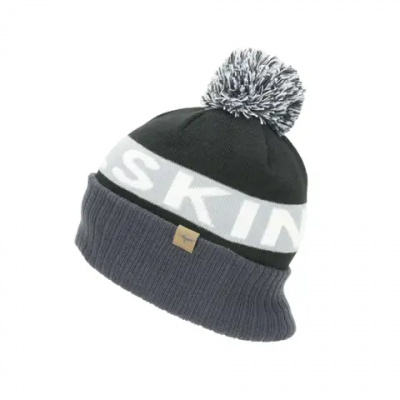
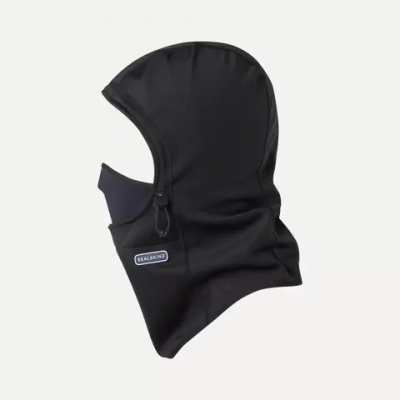
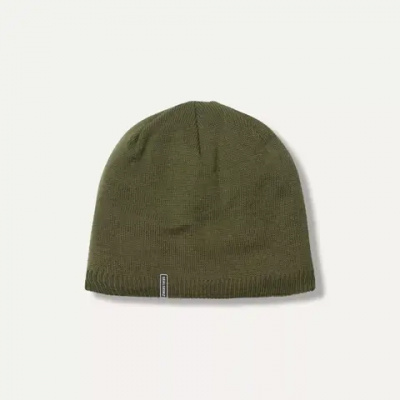
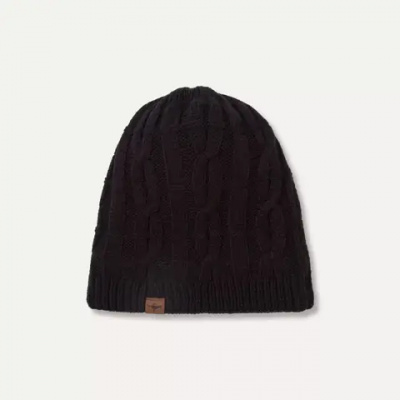
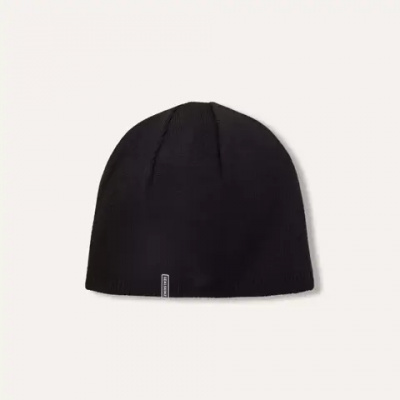
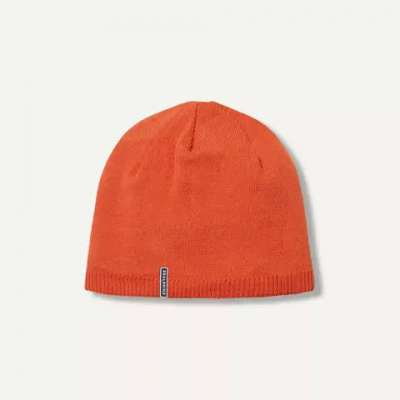
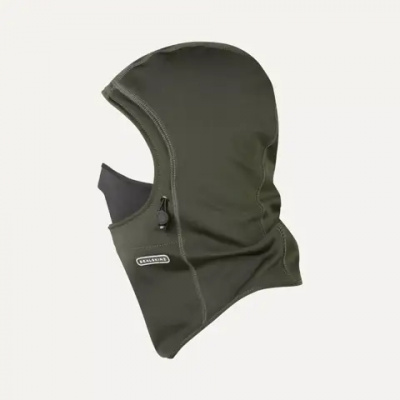
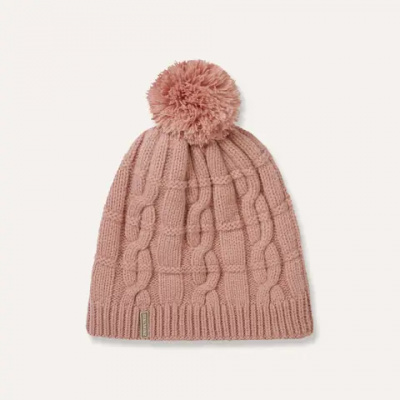
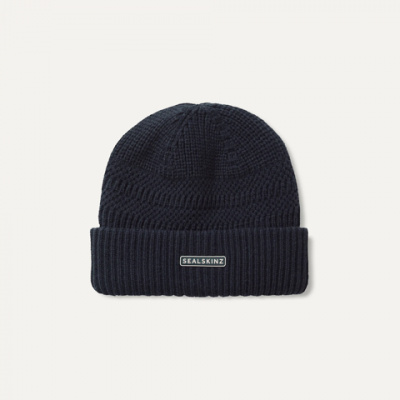
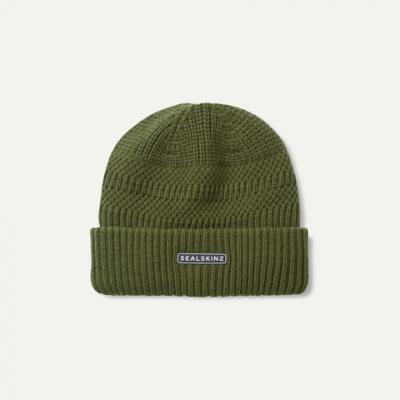
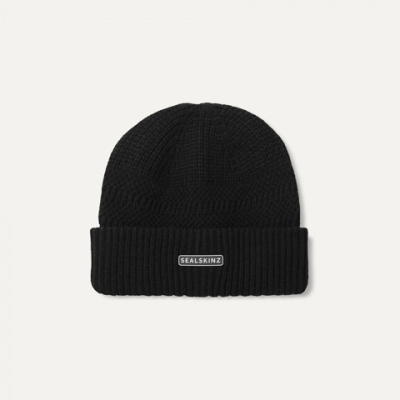
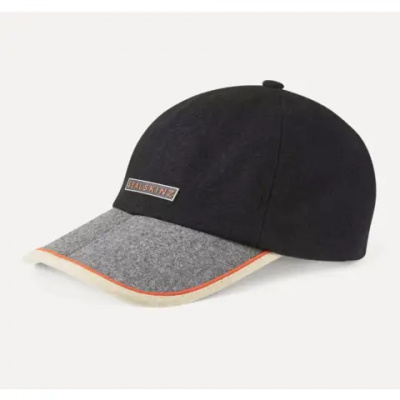
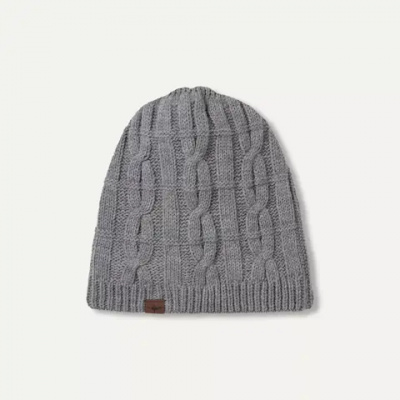
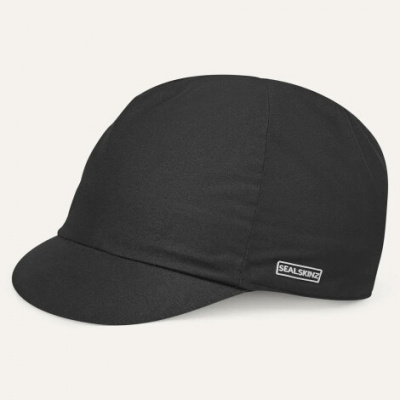
Prices and availability can change quickly. Delivery charges are not always included in listed prices.
Final price, stock status and delivery terms are set by retailer. We may receive a commission on purchases made.
Fabric Tech and Weather Performance: The Aquasealz™ Advantage
The headline claim - 100% waterproof - is one SealSkinz backs with genuine engineering rather than a marketing badge. The Aquasealz™ membrane is a fully waterproof and breathable layer bonded between the outer fabric and the inner micro-fleece lining. That three-layer bonded construction matters: when layers are simply sewn rather than bonded, the membrane can shift, bunch, or lose contact with seams under compression. Here, everything moves as one unit, so the protection stays consistent whether it's crushed under a helmet or soaked for two hours.
Windproofing is part of the same membrane. On an exposed road descent in winter, wind-chill through a standard knit cap is a real problem - it strips heat faster than cold alone. The Aquasealz™ barrier stops that dead. And because the membrane is breathable, sweat vapour from your scalp can still push outward. That's the critical trade-off with waterproof headwear: seal it too tight and you boil on the climbs, then chill when the effort drops. The micro-fleece lining handles moisture at the scalp surface, wicking it away before it can pool and cool against your skin.
A DWR (Durable Water Repellent) coating on the outer face fabric adds another line of defence - rain beads and rolls rather than saturating the shell, keeping the outer layer light. It's worth noting that DWR does deplete with washing and use, but it's refreshable with a low-heat tumble or a specialist DWR spray. The membrane itself remains the primary waterproof layer, so performance doesn't fall off a cliff when the DWR fades.
If you're comparing alternatives, GripGrab headwear and Endura headwear both offer windproof skull caps, but neither range leans as heavily on a fully waterproof bonded membrane as SealSkinz does. That's the distinction worth understanding before you buy.
Understanding the SealSkinz Fit and Range
Not all SealSkinz headwear is the same thickness, and that affects how you use each piece. The cycling-specific skull caps sit at the thin end of the range - low-profile, close-fitting, and built specifically for under-helmet use. The four-way stretch fabric pulls everything flat against your head, so there's no bulk distorting your helmet's retention system or pushing it out of position. These are the pieces you reach for on road rides or longer gravel days where helmet compatibility is non-negotiable.
The thicker beanies and peaked cycling caps are a different proposition. More insulation, more structure, and designed to stand alone rather than sit beneath a shell. They suit commuters, café rides, or anyone not spending hours clipped in. The peaked cap in particular has found a following among commuters who want rain coverage without switching to a full helmet on short urban trips.
Sizing needs a bit of thought. The waterproof membrane makes the fabric slightly less forgiving than standard knit headwear - it won't stretch quite as much to accommodate a larger head. If you're on the border between sizes, go up. A cap that fits snugly in the shop will feel tight after an hour of effort, and a tight cap under a helmet is uncomfortable fast. Check the head circumference guide before ordering; SealSkinz publish measurements rather than just S/M/L, which makes it easier to get it right first time.
Castelli headwear takes a similar approach to thin, helmet-compatible skull caps if you want a comparison point, though Castelli's range leans more heavily on wind resistance than full waterproofing.
Layering and Care for UK Riding
A SealSkinz skull cap is only part of the answer on a proper deep-winter UK ride. Your hands and feet lose heat faster than almost anywhere else, and wet gloves or soaked overshoes on a long exposed ride can end your day early. Pairing the headwear with SealSkinz mitts and SealSkinz overshoes uses the same Aquasealz™ technology across all your extremities - consistent protection rather than a mix of waterproof and merely water-resistant gear. When rain is the defining variable of your ride, that consistency pays off.
Care matters here more than with most cycling kit. Fabric softener is the enemy of any waterproof membrane - it coats the microscopic pores that allow breathability and clogs them permanently. Wash at 30°C with a mild detergent, nothing else. Drip dry naturally. Never put SealSkinz headwear on a radiator or near a direct heat source, and keep it out of the tumble dryer - the heat can delaminate the bonded layers, and once that happens, the waterproofing is gone. Treated properly, a SealSkinz cap will last several seasons without losing its core performance. That's worth the small extra effort of careful washing.
One practical note: if the outer face fabric starts to wet out rather than bead after repeated washing, the DWR is depleting. A low-heat tumble for ten minutes (without the cap fully drying from a wet state) can reactivate it, or use a DWR spray like Nikwax Cap and Glove Proof. The membrane handles the real waterproofing, but restoring the DWR keeps the outer fabric lighter and more comfortable in sustained rain.
Sealskinz Headwear FAQs
Are SealSkinz hats actually waterproof?
Yes. SealSkinz headwear uses a three-layer bonded construction built around their Aquasealz™ membrane, which makes it genuinely 100% waterproof and windproof. It's not a water-resistant treatment that washes out - the membrane is a structural layer of the fabric, so it remains effective in sustained, heavy rain throughout the garment's life.
Do SealSkinz skull caps fit under a cycling helmet?
They do. The cycling-specific skull caps use a low-profile, four-way stretch design that sits flat against your head without adding bulk. They won't push your helmet out of position or interfere with the retention system. If you're between sizes, size up slightly - the waterproof membrane makes the fit a little less forgiving than standard knit headwear.
How do you wash a SealSkinz waterproof hat?
Wash at 30°C with a mild detergent and no fabric softener - softener clogs the breathable membrane and degrades performance permanently. Drip dry naturally away from any direct heat source. Radiators and tumble dryers can delaminate the bonded layers, so avoid both. If the outer fabric stops beading water, a DWR spray or low-heat tumble will restore it.