
SDG Saddles
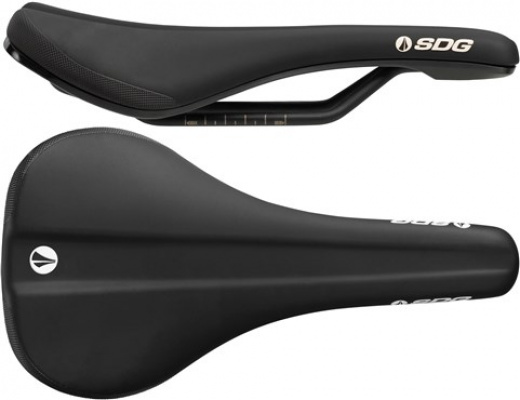
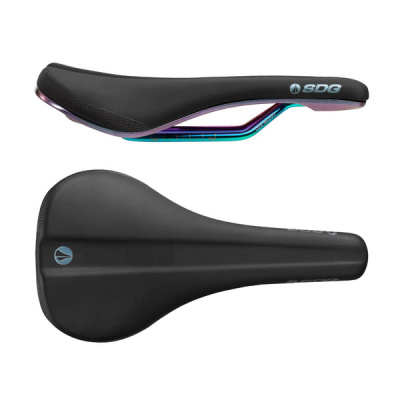
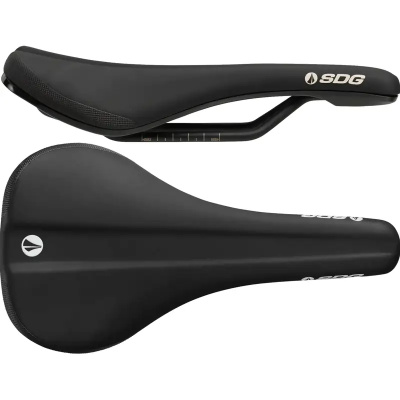
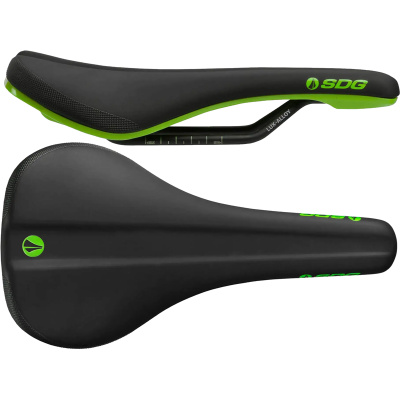
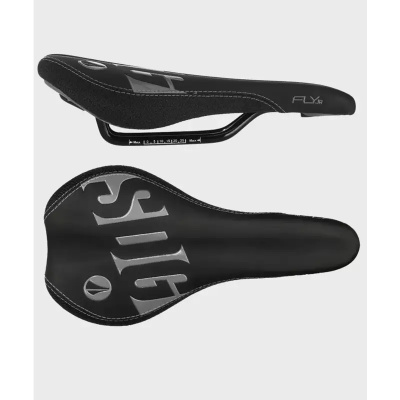
SDG saddles have earned their place on serious mountain bikes by doing the unglamorous work well - keeping you comfortable, planted, and in control across long days on British trail centres and boggy winter loops alike. SDG Components has spent decades refining MTB seating, and the results show in genuinely thoughtful engineering rather than marketing theatre. Models like the Bel-Air, Radar, and Fly are shaped around specific pelvic tilts and riding positions, so there's a meaningful difference between them - not just colourways and price points.
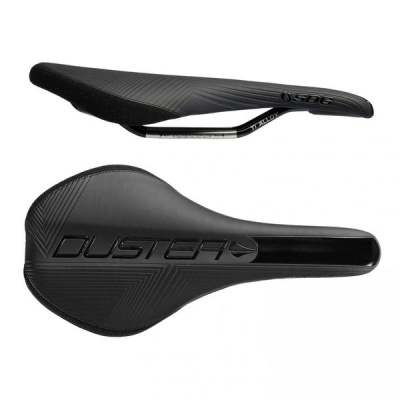
The proprietary I-Beam mounting system, Lux-Alloy rails, and Peri-Canal pressure relief channel are all doing real jobs. So is the Atmos sealed construction, which keeps Scottish winter water out of the foam when everyone else's saddle has turned into a sponge. Kevlar-reinforced edges mean a low-speed topple onto gritty slate doesn't write the thing off either. Whether you're running a dropper post on a long-travel enduro sled or a rigid XC build, SDG has a saddle shaped for the job. The range covers dirt jump durability through to featherweight trail options, so matching the right model to your riding style matters. We've broken it all down below.
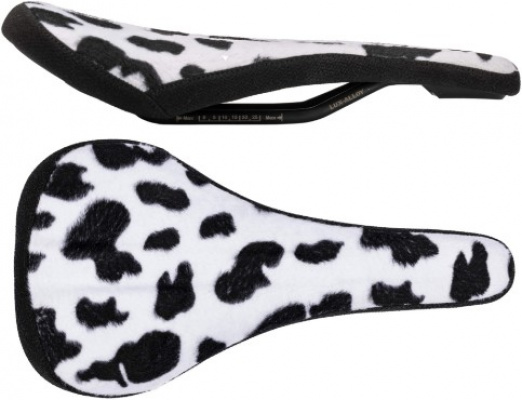
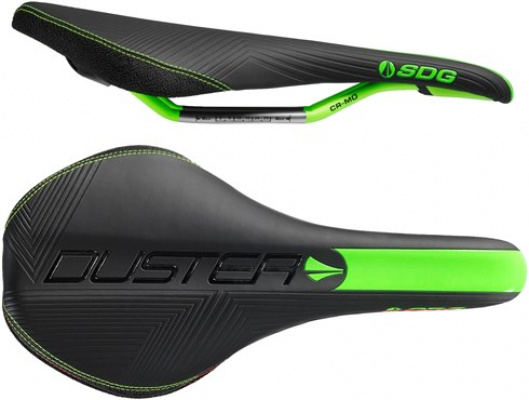
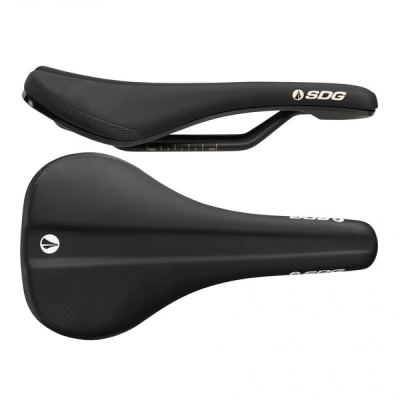
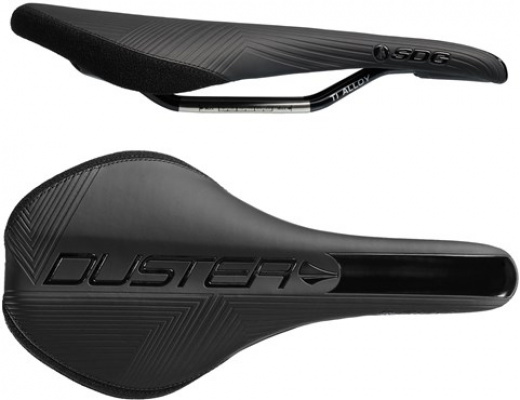
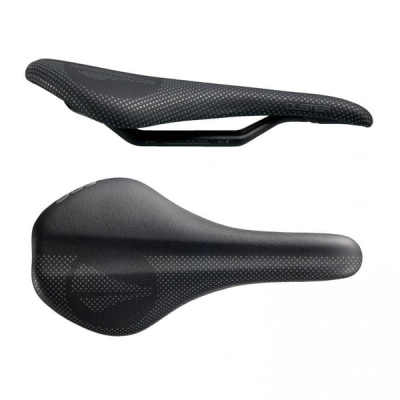
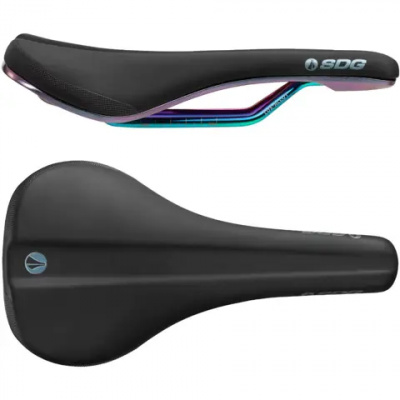
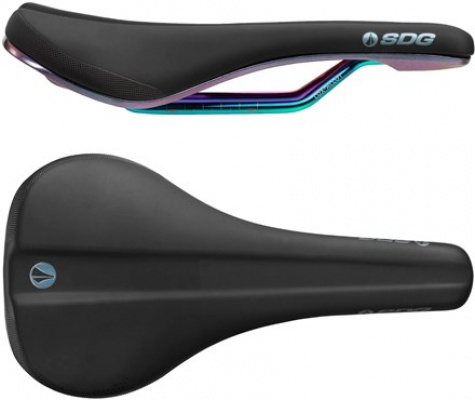
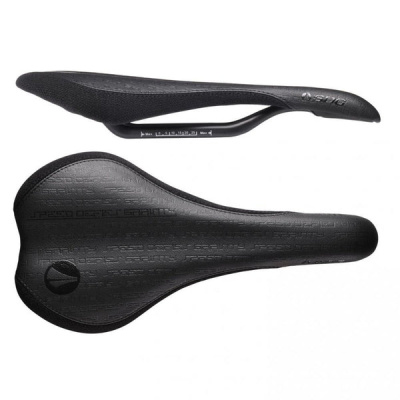
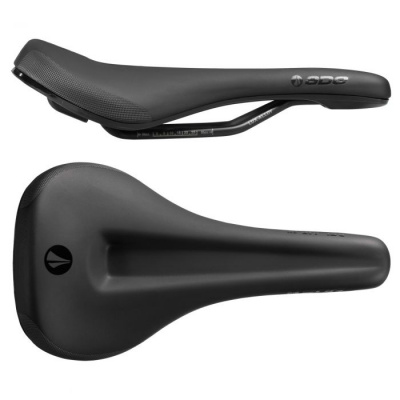
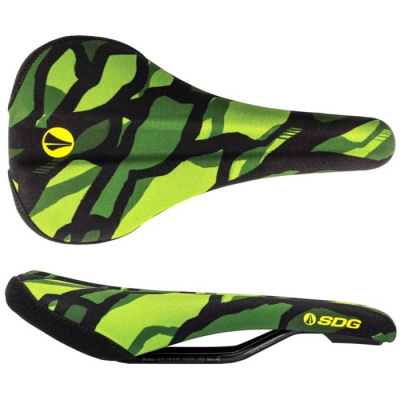
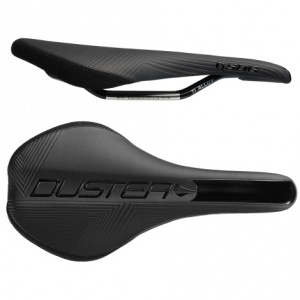
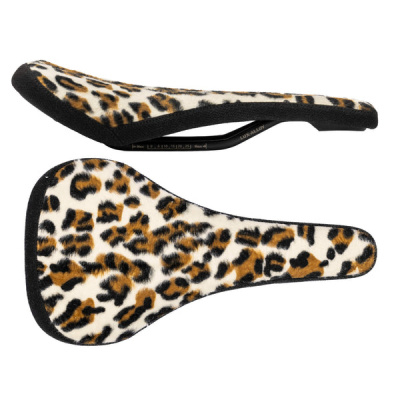
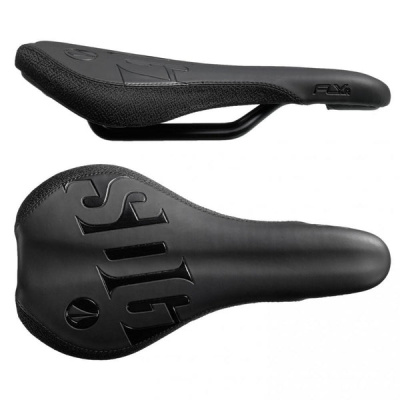
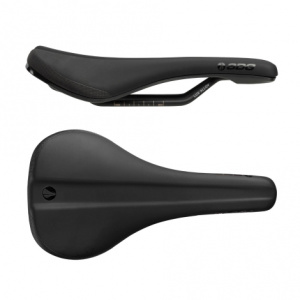
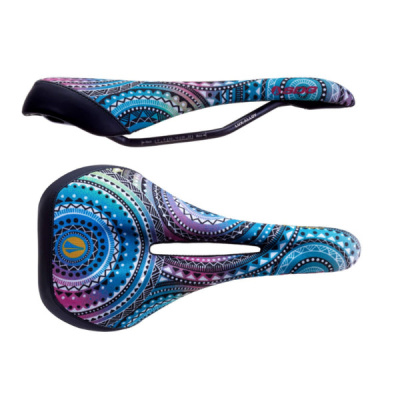
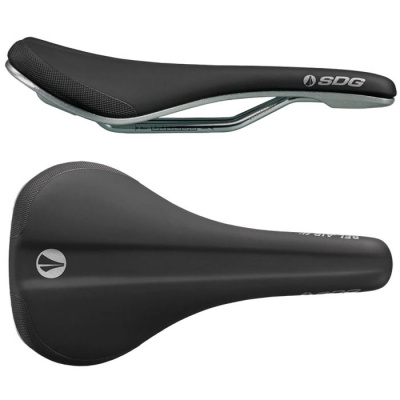
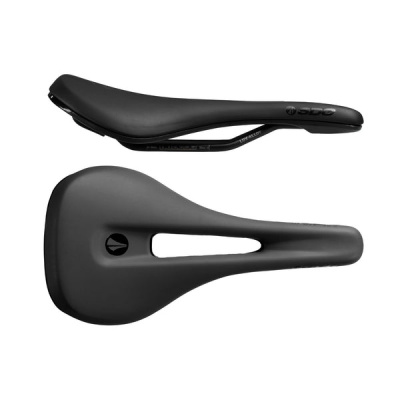
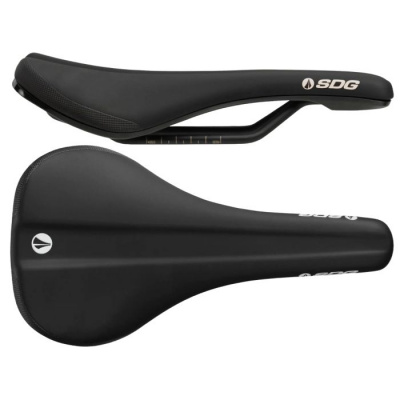
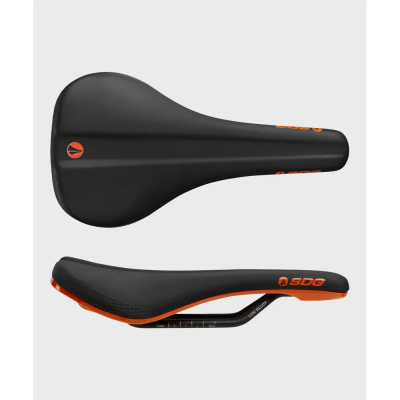
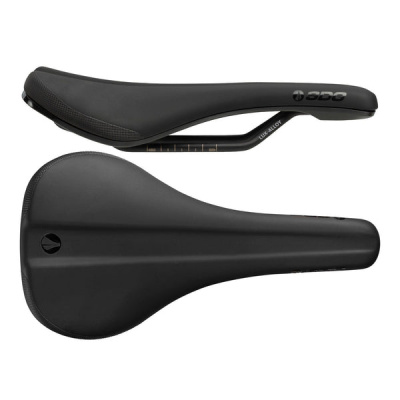
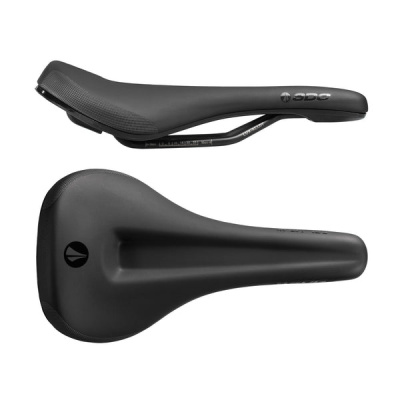
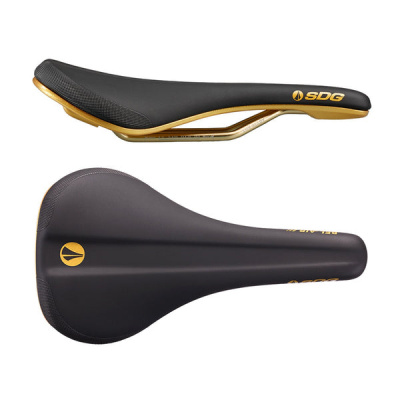
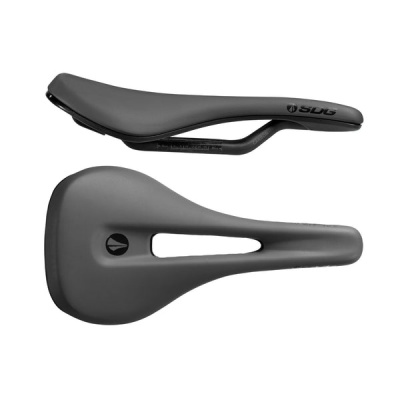
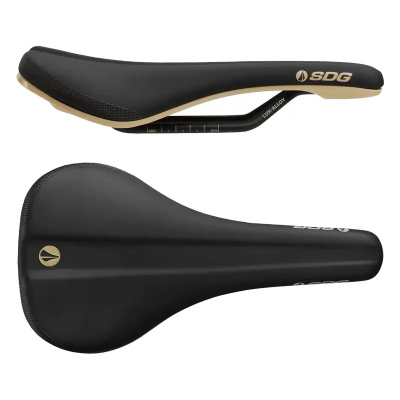
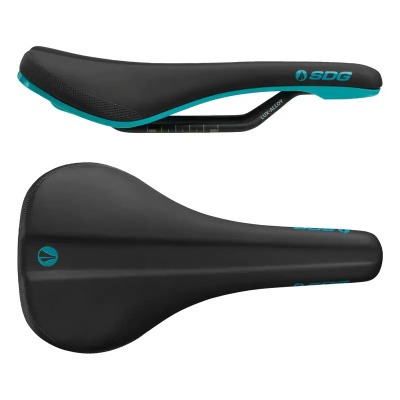
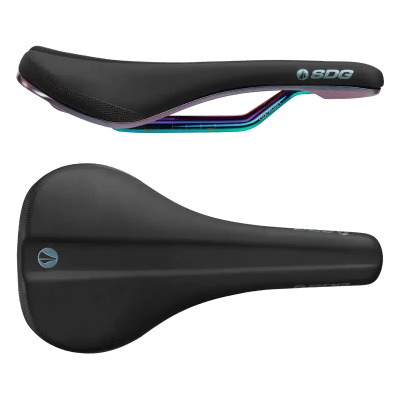
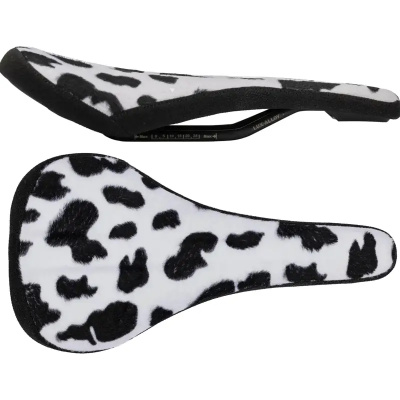
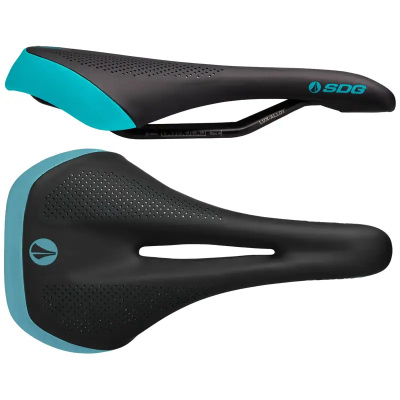
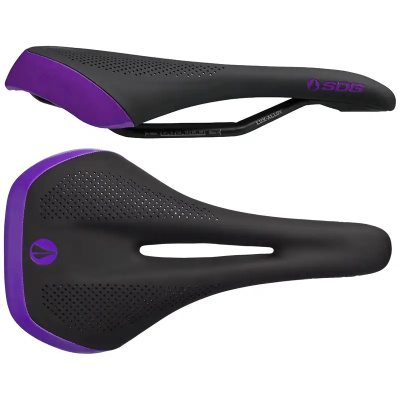
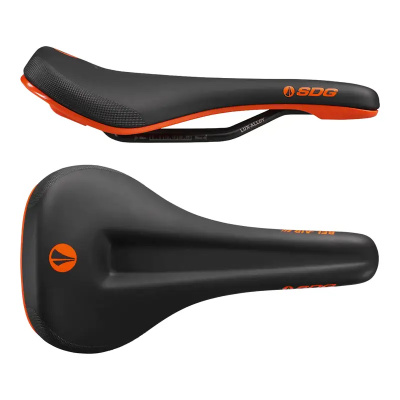
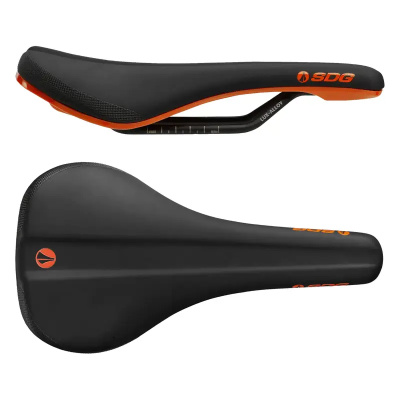
Prices and availability can change quickly. Delivery charges are not always included in listed prices.
Final price, stock status and delivery terms are set by retailer. We may receive a commission on purchases made.
Rails vs I-Beam: Getting the Compatibility Right First
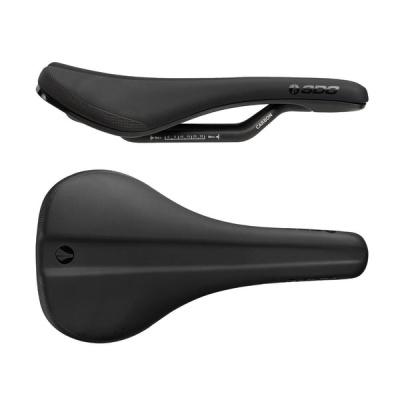
Before you pick a model, you need to know which mounting system your seatpost uses. Most riders are running a standard two-bolt clamp, and the majority of SDG saddles fit that just fine - Lux-Alloy rails are SDG's own lightweight, high-strength alloy option that works with any conventional clamp. Cro-Mo rails are heavier but virtually indestructible, which makes them a reasonable pick if you're riding rough enough to be worried about it. Carbon rails, typically 7x9mm oval in cross-section, need seatpost clamp ears specifically shaped for carbon - standard round-bore clamps will crush composite rails under load, so check your post's spec sheet before ordering.
SDG's I-Beam system is a different beast entirely. It's a monorail that runs the length of the saddle base, and adjustment is made by sliding the saddle fore and aft along that single beam rather than using the usual two-bolt interface. Clean, minimal, and genuinely quick to set up - but it only works with a dedicated I-Beam compatible seatpost head. If your post uses a standard twin-rail clamp, an I-Beam saddle simply won't fit. There's no adapter. SDG does make compatible seatposts and dropper posts with I-Beam heads, so if you're buying into the system from scratch it all fits together neatly. If you're fitting a saddle to an existing post, double-check the head design before anything else.
Bel-Air, Radar, Fly, and Apollo: Picking the Right Profile
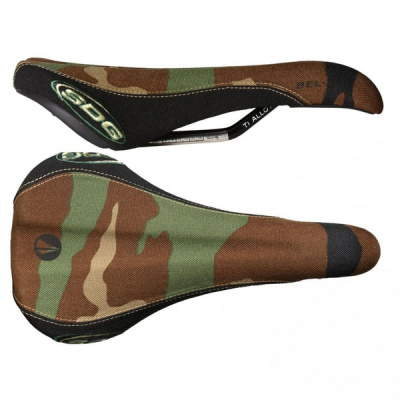
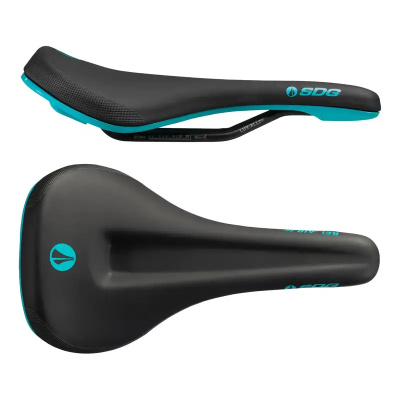
The Bel-Air V3 is SDG's most versatile saddle and the one that ends up on the widest range of bikes. It has a slight rear rise - not dramatic, but enough to give your pelvis something to lock against on steep climbs and during hard, punchy efforts. That tail shape is particularly useful on longer rides where you're moving around on the saddle. The Bel-Air is available in multiple widths, and matching it to your sit bone measurement is worth doing properly rather than guessing. It's the saddle we'd point most trail riders toward first.
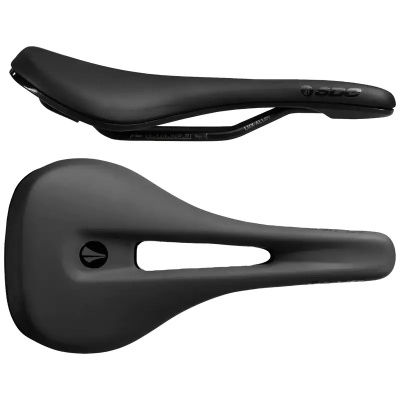
The Radar takes a noticeably flatter, shorter approach. Modern long-reach enduro geometry puts you in a more aggressive, forward-leaning position, and a raised tail on that kind of bike can catch your shorts mid-pedal-stroke. The Radar's profile is designed to stay out of the way. It suits riders who spend most of their time in attack position and aren't looking to the saddle for climbing support. If you've been frustrated by snagging on a conventional shaped saddle, the Radar is worth a look - and it's worth comparing it against Burgtec saddles, which take a similar flat approach for aggressive riding.
The Fly is SDG's lightweight option, trimmed for XC and fast trail riding where you're watching every gram. Less padding than the Bel-Air, slightly firmer underfoot - not a saddle for five-hour epic days, but a clean performer for shorter, faster efforts. At the other end of the spectrum, the Apollo is built for dirt jump and slopestyle use, with durability prioritised over weight. It's a chunky, tough saddle that's designed to survive repeated impacts. If you're spending time at pump tracks or hitting jump lines at your local spot, the Apollo makes more sense than any of the trail options. Riders looking at comparable trail saddles from other brands might also weigh up DMR saddles or Ergon saddles, particularly Ergon if wider sit bone support is a priority.
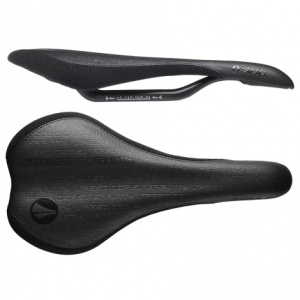
The Peri-Canal relief channel runs continuously from nose to tail across the SDG range, reducing pressure through the perineal area on longer rides. It's not a gimmick - a proper central channel makes a tangible difference on rides where you're seated for sustained periods. The Atmos sealed construction on higher-spec models eliminates the staples and bumpers typically used to join the cover to the base, which closes off a common water ingress point. Worth knowing when you're choosing between spec levels.
Keeping SDG Saddles Alive Through a UK Winter
British riding conditions are genuinely hard on saddles. Water finds its way into foam through any gap it can, and once the EVA foam core is saturated it takes days to dry out and never quite feels the same again. SDG's Atmos sealed construction removes the stapled seam that usually lets water in, keeping the foam drier over the course of a muddy Pennine winter. It's a quiet upgrade that you'll appreciate by February.
Kevlar-reinforced side panels are there for the inevitable moments when the bike goes down - wet roots in the Brecon Beacons, greasy rock in the Peak District, loose gravel on a fire road corner. Dropping a bike onto abrasive ground tears ordinary saddle covers, particularly at the edges where the fabric is under tension. The Kevlar weave resists that kind of damage noticeably better. It won't make the saddle indestructible, but it extends its working life considerably in real trail conditions.
Rail clamp interfaces are a common source of annoying creaking, and grit is almost always the cause. Trail grit works into the contact points between the saddle rail and the clamp jaws, and as you pedal it shifts and squeaks. Clean the rails and clamp faces with a rag and a small brush when you wash the bike, and add a thin smear of copper grease or anti-seize to the rail contact points. Retorque the clamp bolts to the manufacturer's spec - over-tightening is a fast way to crack an alloy rail. Consistent cleaning keeps it quiet and prevents the fretting wear that gradually weakens the rail at the clamp point.
If you're comparing the range against competitors, Fizik saddles and Fabric saddles are worth a look at equivalent price points - both take different approaches to pressure relief and cover durability. But for riders who want MTB-specific shaping and proven wet-weather construction, SDG sits in a clear position.
SDG Saddles FAQs
How do I choose the right SDG saddle?
Start with your riding discipline and sit bone width. The Bel-Air V3 suits most trail riders with its slight rear rise and broad width options. The Radar fits more aggressive, forward-leaning positions on modern long-reach bikes. Measure your sit bones properly - guessing saddle width is one of the most common reasons a saddle never feels right.
What is the difference between SDG Bel-Air V3 and Radar?
The Bel-Air V3 has a classically curved profile with a raised tail that helps lock your pelvis in place on climbs and varied terrain. The Radar is flatter and shorter - it's designed for aggressive riding positions where a raised tail would snag your shorts mid-stroke. Same quality, different geometry for different riders.
Are SDG I-Beam saddles compatible with standard seatposts?
No. I-Beam saddles use a single monorail system that needs a dedicated I-Beam compatible seatpost head. Standard two-bolt clamps won't work with them at all. If your current post uses a conventional clamp, choose an SDG saddle with Lux-Alloy, Cro-Mo, or carbon rails instead.