
Scott Hybrid Bikes
Scott Hybrid Bikes occupy a well-considered space between the brand's mountain bike roots and the demands of everyday UK riding - commutes, canal towpaths, weekend fitness spins, and everything in between. Scott built their reputation on precision Swiss engineering, and that same thinking carries into how these bikes are put together: custom-butted 6061 alloy frames, Syncros components at the contact points, and a model range that's genuinely mapped to different riders rather than shuffled out as filler.
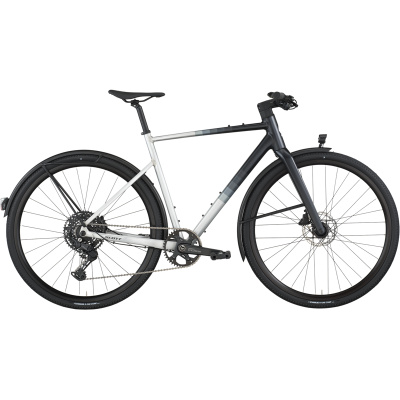
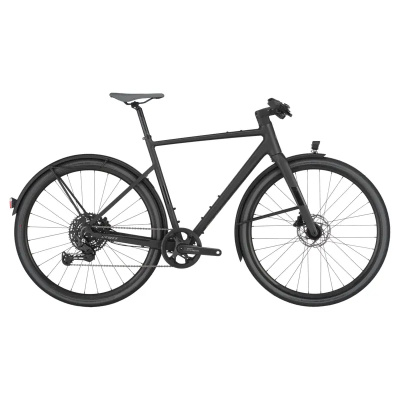
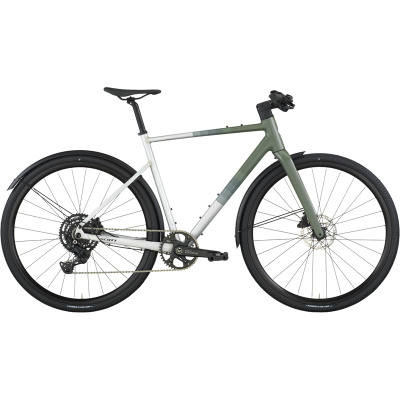
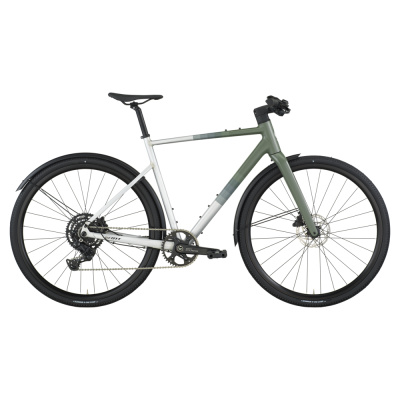
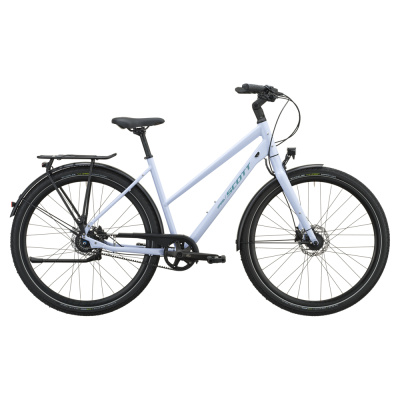
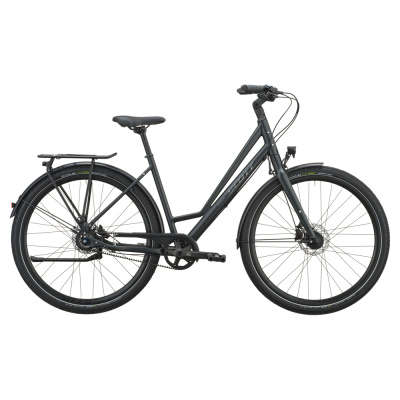
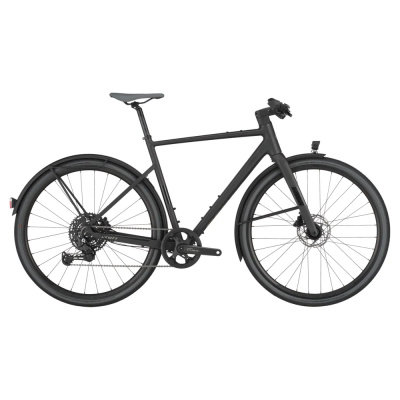
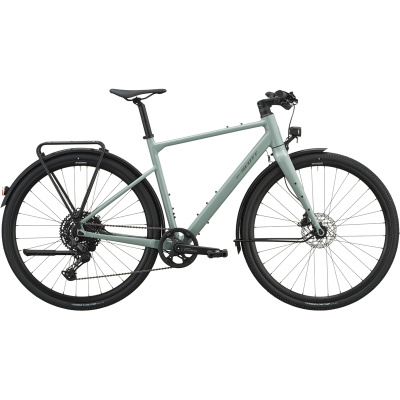
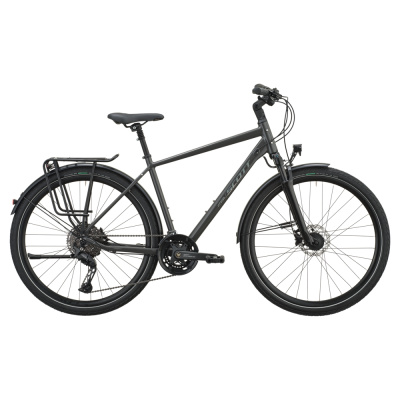
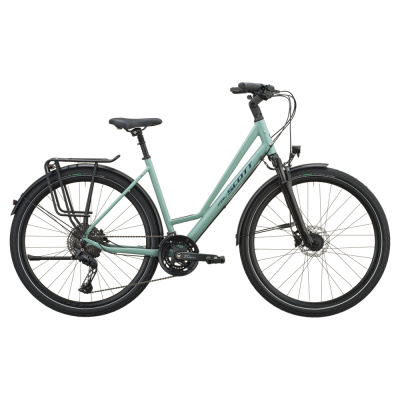
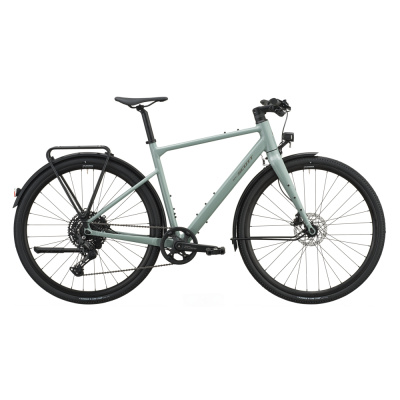
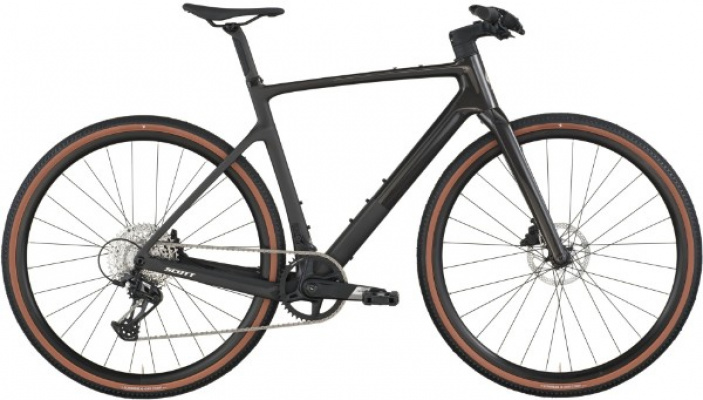
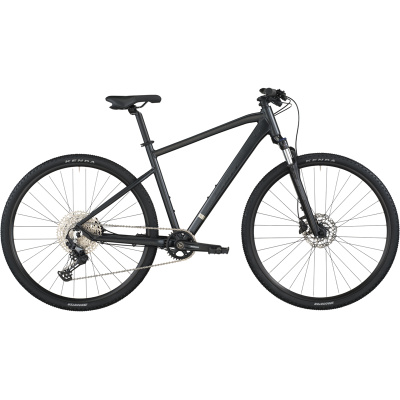
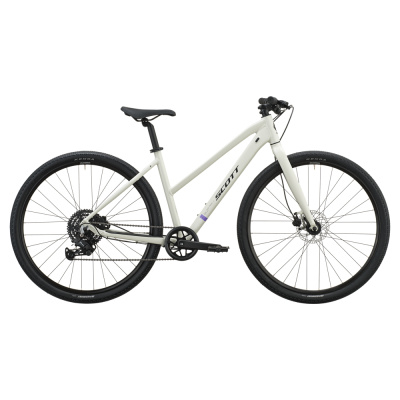
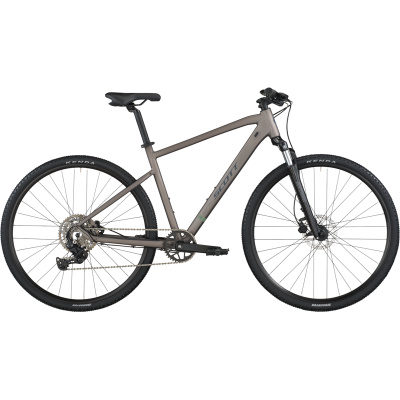
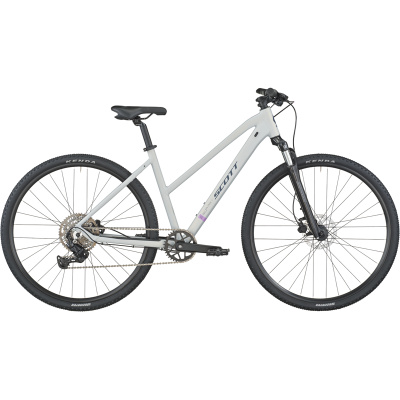
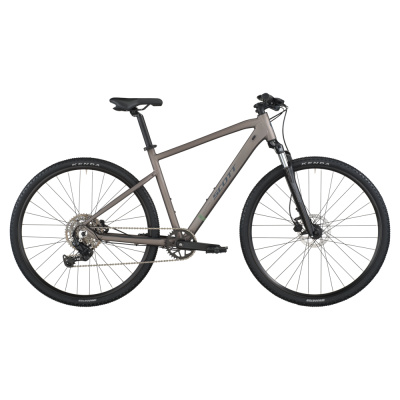
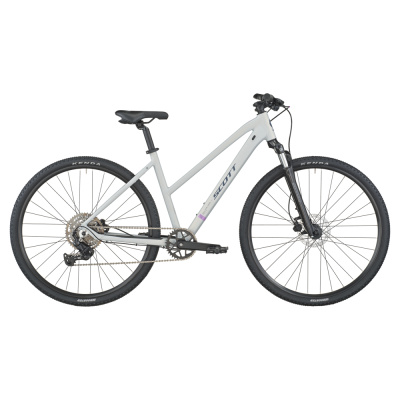
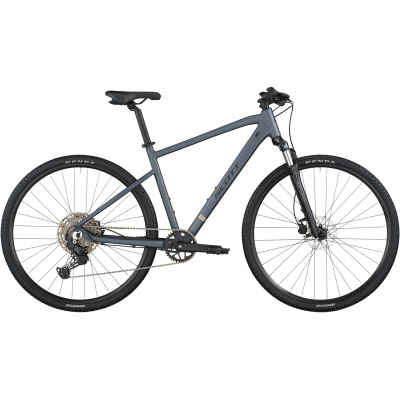
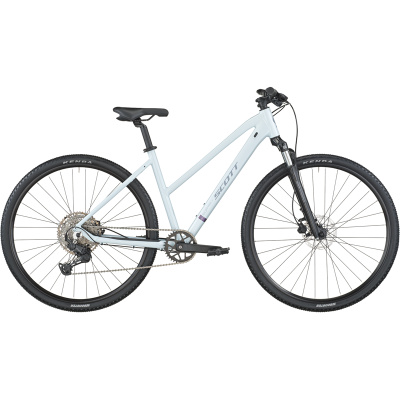
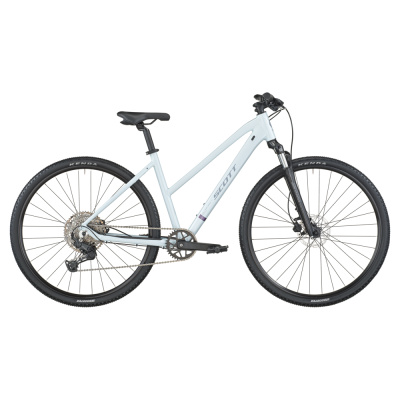
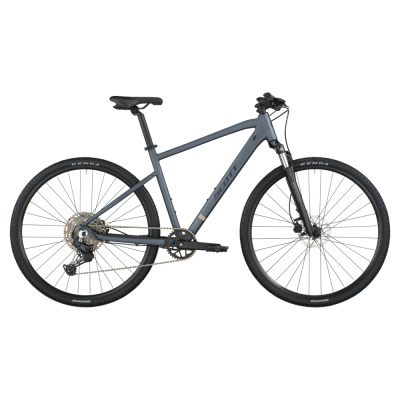
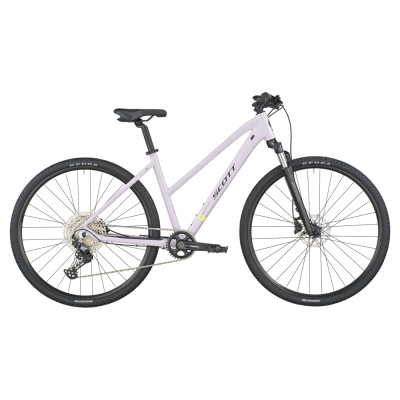
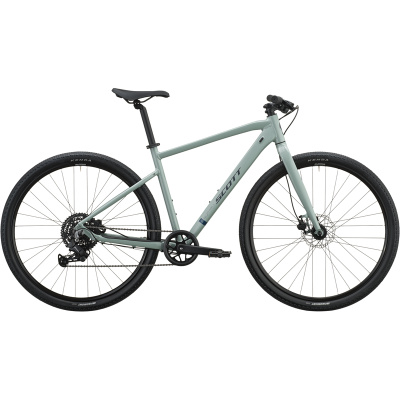
Three core families do the heavy lifting. The Sub Cross is the rugged one - front suspension, wide rubber, ready for a bit of gravel or a potholed commute without complaint. The Sub Comfort prioritises an upright, relaxed position, with step-through options for riders who want ease of access. The Metrix goes the other way entirely: rigid fork, fast geometry, a flat-bar road bike that doesn't mess about. And if you want to skip the accessory shopping, the EQ (Equipped) trim levels come pre-loaded with racks, mudguards, and lights - genuinely out-of-the-box ready for a British winter commute. For riders weighing Scott against the broader market, Cube Hybrid Bikes and Giant Hybrid Bikes sit in similar territory and are worth a look.


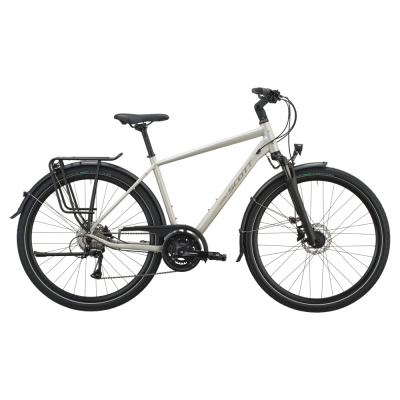
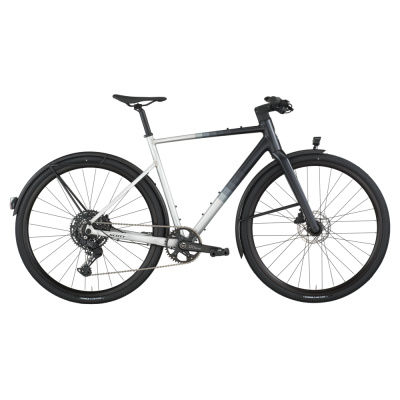
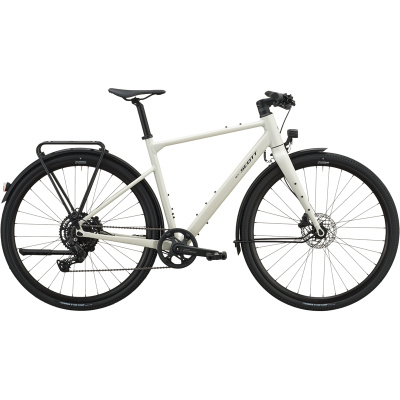
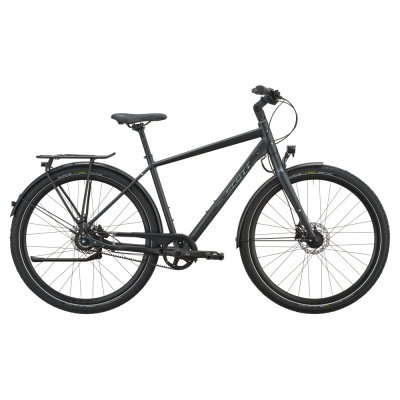





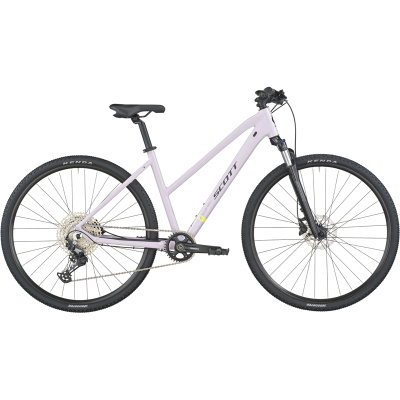
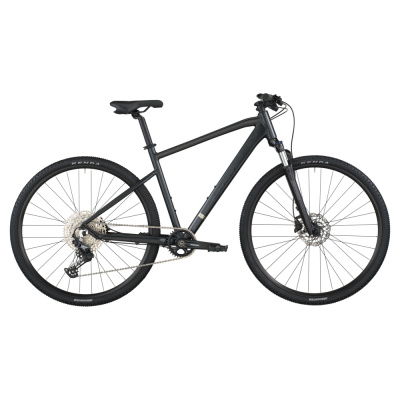
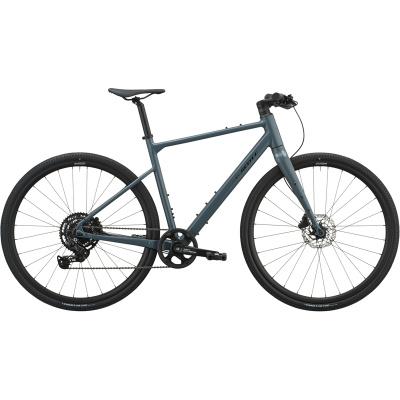
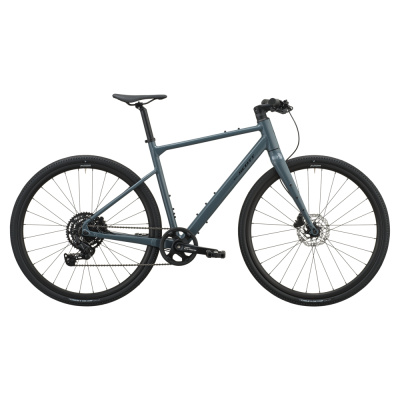
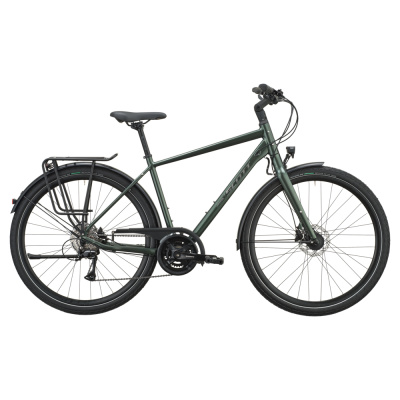


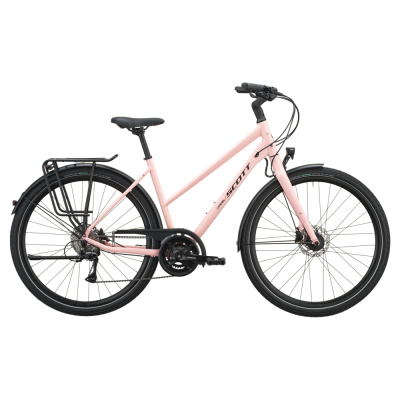
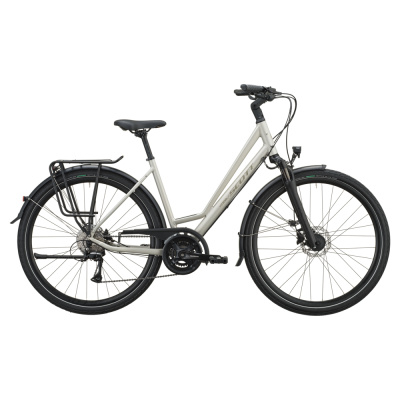
Prices and availability can change quickly. Delivery charges are not always included in listed prices.
Final price, stock status and delivery terms are set by retailer. We may receive a commission on purchases made.
Decoding the Scott Hybrid Lineup
Scott's hybrid range is cleaner than most once you know the logic behind it. The Sub Cross sits at the practical end - think short-travel Suntour suspension fork, 700c wheels shod with 45c tyres, and a geometry that handles a lumpy bridleway without feeling agricultural. It's the one to reach for if your commute involves more than just tarmac, or if weekend rides regularly wander off the beaten path. A Shimano drivetrain across the range keeps shifting dependable and spares accessible.
The Sub Comfort takes a different angle. The riding position is noticeably more upright - head up, back relaxed - and the frame geometry is genuinely forgiving for riders who want distance without strain. Step-through variants make mounting and dismounting straightforward, which matters more than it sounds after a long day. The Metrix, meanwhile, is essentially a drop-bar road bike with flat bars bolted on. Rigid fork, urban cycling geometry that rewards effort, and a setup that'll push the speed on a flat commute or a morning fitness loop without any excess weight holding you back.
The EQ designation cuts across these families and just means the bike arrives ready for real-world use: Racktime carriers already bolted on, Curana fenders fitted, lights sorted. You don't need to spend an afternoon sourcing fittings before you can use it in the rain. Worth knowing: if a motor is what you're after, Scott's electric hybrid range is a separate conversation entirely - head over to the Scott E-Bikes page for those options, as the Sub eRide models sit outside what we're covering here.
The Scott Tech Philosophy
The frame is where Scott quietly does more than the price tag suggests. Custom butted 6061 alloy means the tube walls vary in thickness - thicker where stress concentrates, lighter where it doesn't. The result is a frame that handles daily knocks without turning into dead weight you're hauling uphill every morning. It's not carbon, and it doesn't need to be. For a commuter or fitness bike taking years of abuse, this alloy construction is the sensible call.
Where Scott separates itself from a lot of similarly priced hybrids is the Syncros integrated cockpits and saddles. Most brands at this level fit whatever generic contact points keep the build cost down; Scott fits their own Syncros kit, which is genuinely developed alongside the frame. The saddle, grips, and bar combination are chosen to work together rather than bolted on as an afterthought. You feel it. The bike doesn't have that slightly disconnected quality that cheaper hybrids often carry.
The EQ models deserve a separate mention here because the spec decisions are smart rather than flashy. Racktime carriers are a proper load-bearing standard - not a budget rack that flexes when you clip on a pannier. Curana extruded fenders offer real mud coverage rather than token splash guards. These aren't luxury additions; they're the difference between a commuter bike that works in November and one that makes you regret every puddle. If you're planning to carry gear, pairing with Scott Pannier Bags makes obvious sense given the rack compatibility.
Living with a Scott Hybrid in the UK
British roads have a way of testing any bike quickly. Potholed urban roads, wet canal paths, and the general chaos of city riding in winter - Scott commuter bikes handle this reasonably well, but the model choice matters. The Sub Cross with its Suntour fork and 45c rubber soaks up the kind of sharp-edged impacts you get on neglected city tarmac. It won't float over everything, but it takes the nastiest surprises out of the equation. The Metrix, being rigid, transmits more of that road noise - acceptable on decent tarmac, noticeably harsher on rougher roads. Pick accordingly.
Winter commuting is where the EQ spec really earns its keep. Pre-fitted mudguards mean you're not arriving at work with a stripe up your back, and having lights already integrated removes one more thing to remember. That said, no bike is maintenance-free once British road salt enters the picture. Keep the Shimano drivetrain clean - a wipe-down and fresh lube after wet rides goes a long way, because grit-laden chain wear accelerates fast through winter grit. Check the headset bearings every few months if you're riding through the colder months regularly; water finds its way in and bearing preload can loosen without obvious warning signs.
For riders thinking about carrying a child seat or extra load, most Sub and Metrix frames come with standard eyelets for rear racks - and on EQ models, the Racktime carrier is already there waiting. A Scott rucksack works well for days when you'd rather not put the weight on the bike at all. And for wetter days when the forecast is unambiguous about what's coming, a Scott jacket rounds out the commuter setup properly. If your riding appetite grows beyond tarmac and towpaths, it's worth knowing that Scott's broader range - including Scott Gravel Bikes and Scott Mountain Bikes - builds on the same frame engineering philosophy with more trail-focused intent.
Related searches:
Scott Hybrid Bikes FAQs
Are Scott hybrid bikes good for commuting?
They're well-suited to it, especially the EQ-spec models which arrive with mudguards, racks, and lights already fitted. The alloy frames are built to handle daily use, the geometry keeps you comfortable over longer distances, and the Shimano drivetrains are easy to maintain. For a wet UK commute, an EQ model is the most straightforward choice.
What is the difference between the Scott Sub Cross and Metrix?
The Sub Cross runs a Suntour suspension fork and wider 700x45c tyres - it's built for mixed surfaces and rougher commutes where comfort matters as much as pace. The Metrix is a rigid flat-bar road bike; faster and more efficient on tarmac, but less forgiving on poor road surfaces. Different tools for different rides.
Can I fit a child seat or panniers to a Scott hybrid?
Most Scott Sub and Metrix alloy frames have standard eyelets for fitting a rear rack. Buy an EQ model and a Racktime carrier is already installed, which is compatible with most standard panniers straight away. Check the specific model's maximum load rating before fitting a child seat, as this varies across the range.