
Scott Helmets
Scott helmets sit at a genuinely interesting crossroads: WorldTour aerodynamics and trail-ready durability in a range that stretches from fast road lids to chunky MTB buckets. Whether you're pinning a number at a local crit, grinding up a Cairngorms climb in October drizzle, or filtering through rush-hour traffic, Scott's lineup is built around keeping your head safe without piling on weight or cooking you alive. That's a harder balance to strike than it sounds.
At the core of the range you'll find MIPS technology - the Multi-directional Impact Protection System that lets the helmet's inner liner rotate independently on an oblique hit, reducing the rotational forces transferred to your brain. Paired with In-Mold construction that bonds the polycarbonate shell directly to the EPS liner, Scott keeps weight down without cutting corners on structure. The Halo fit system and MRAS fit system give you precise, tool-free micro-adjustment at the back of your head, which matters more than most people realise on a long day in the saddle. Fit a lid properly and it almost disappears. Get it wrong and you'll be thinking about it on every descent.
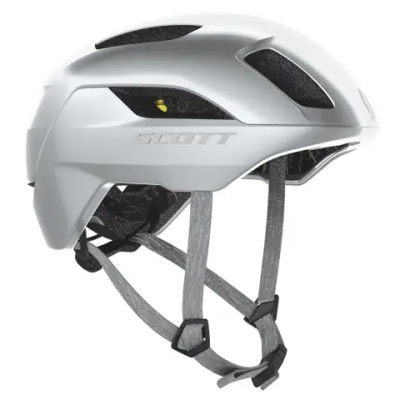
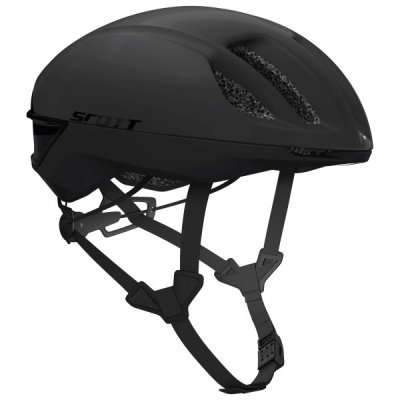
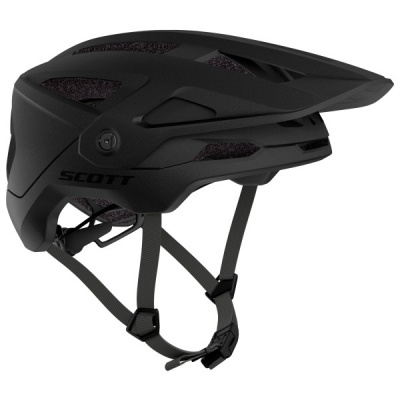
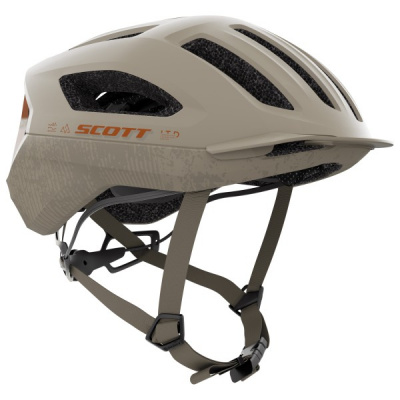
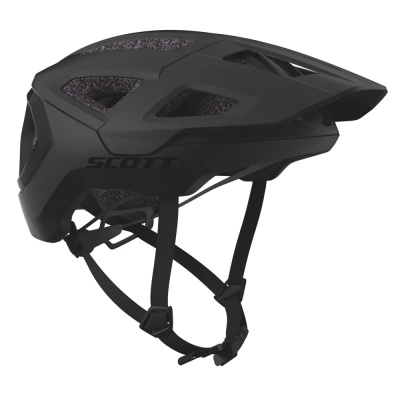
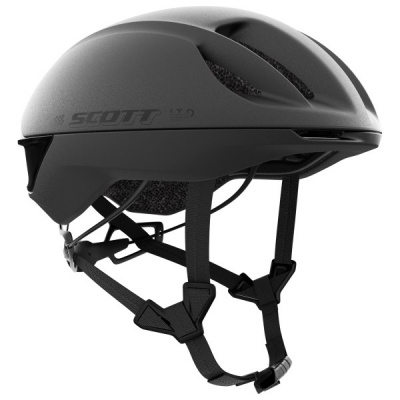
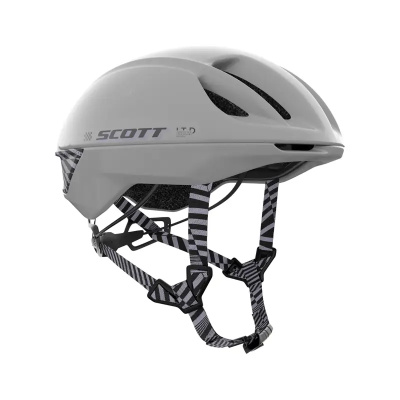
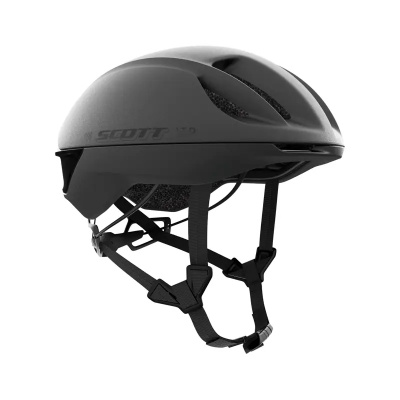
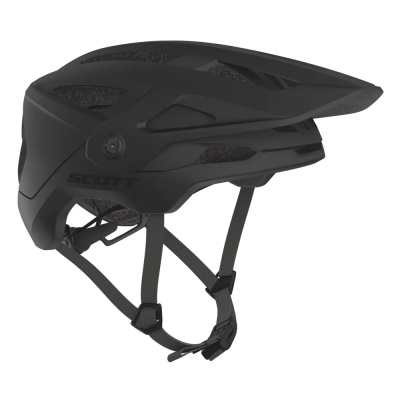
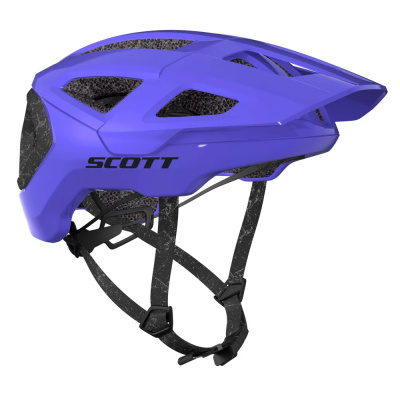
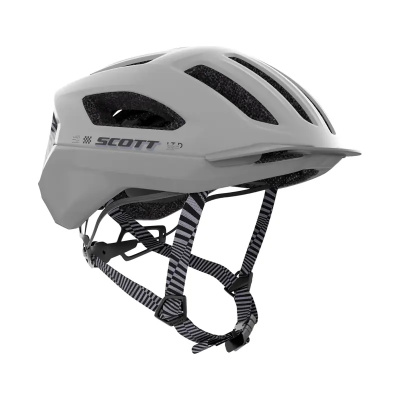
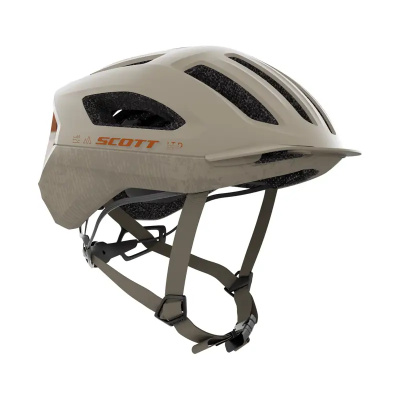
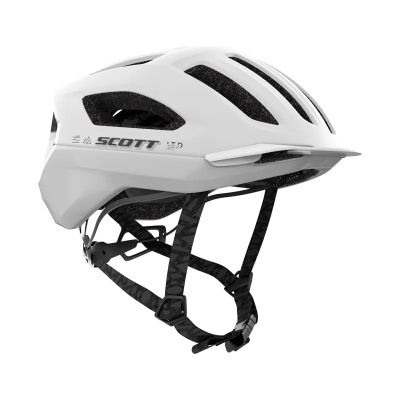
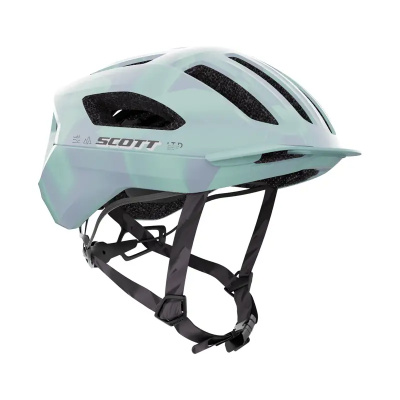
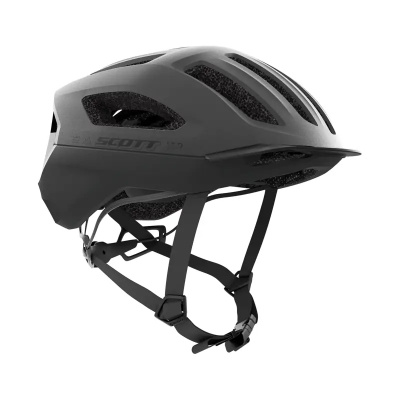
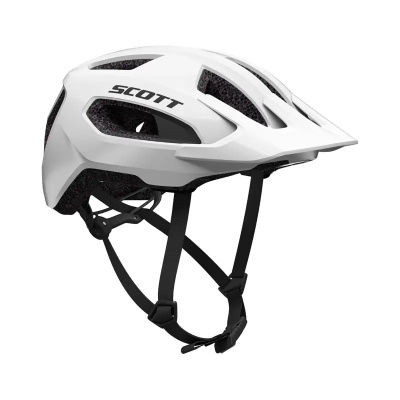
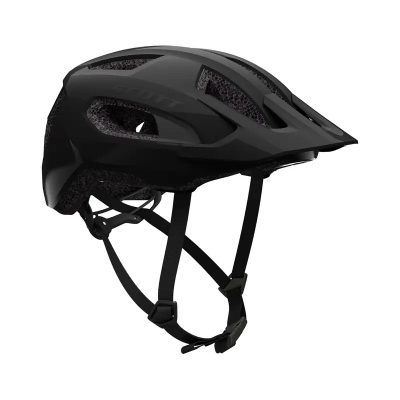
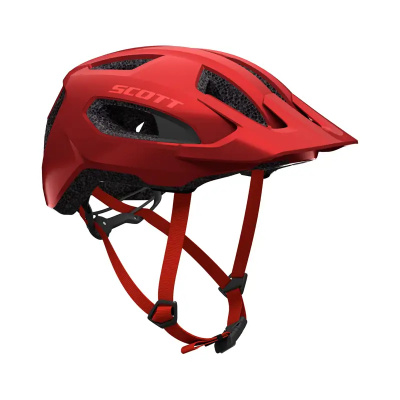
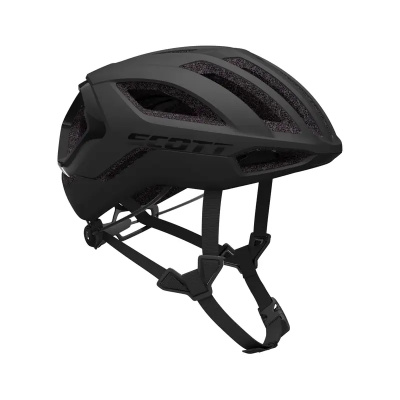
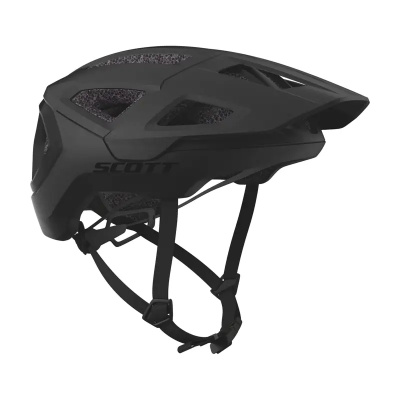
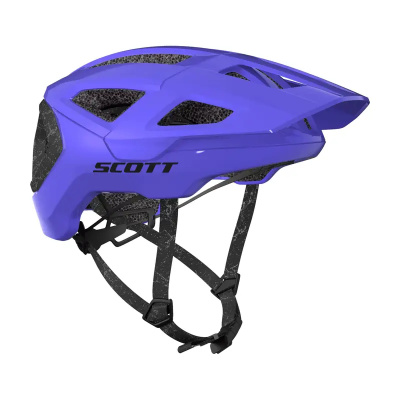
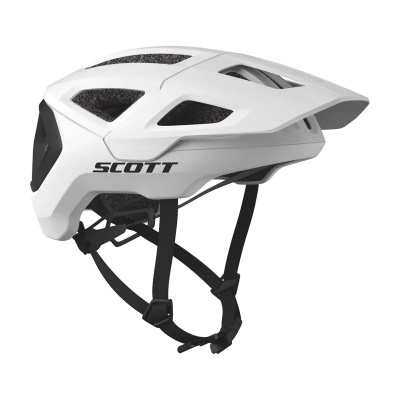
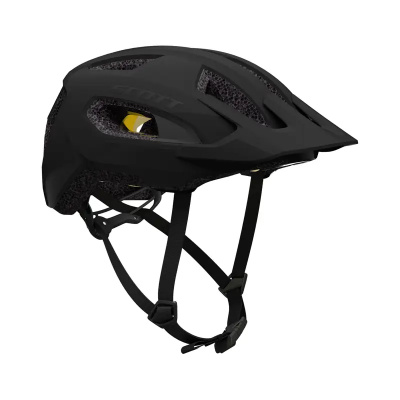
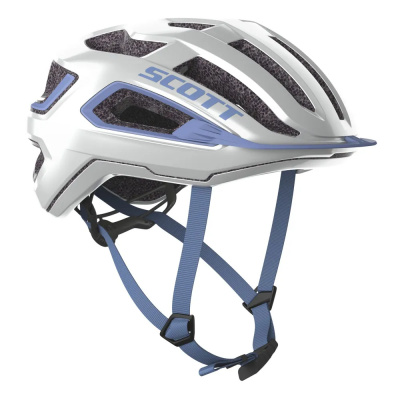
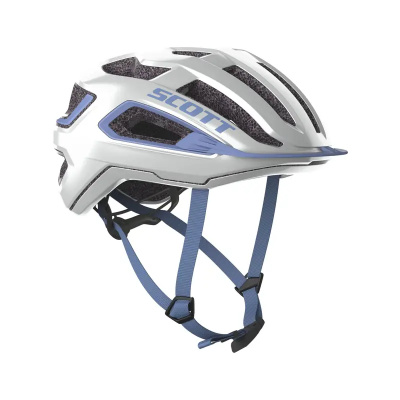
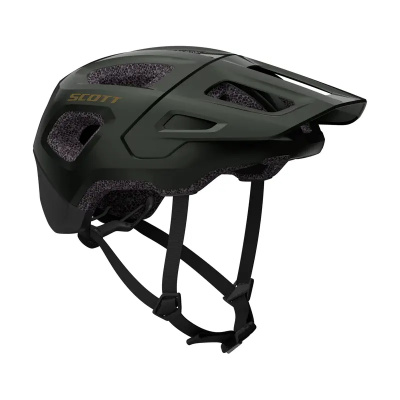
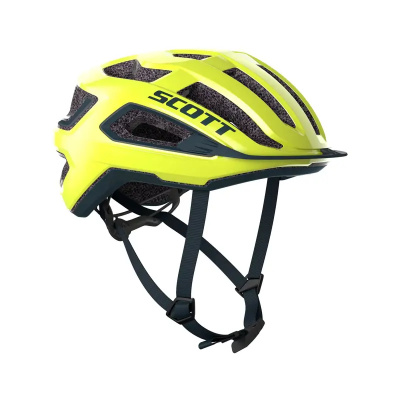
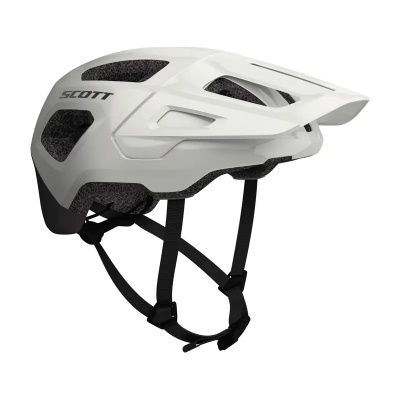
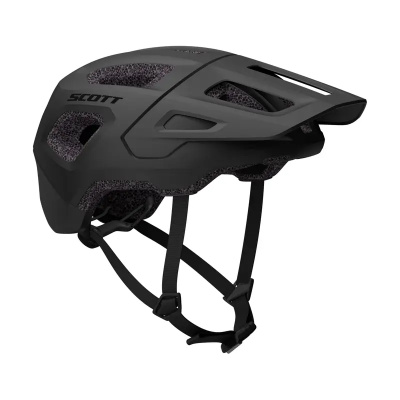
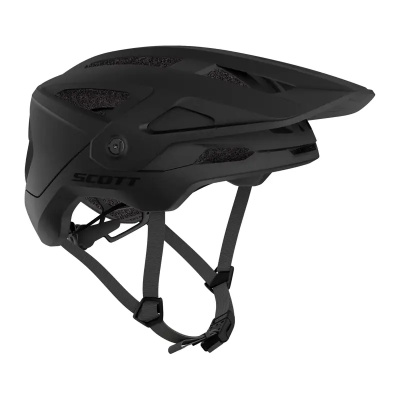
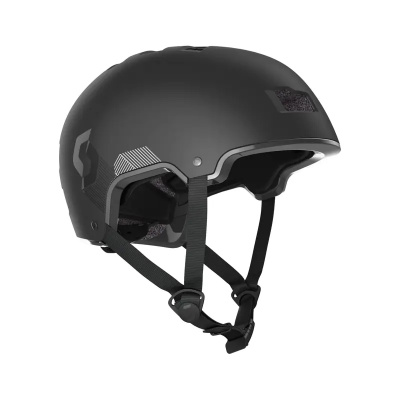
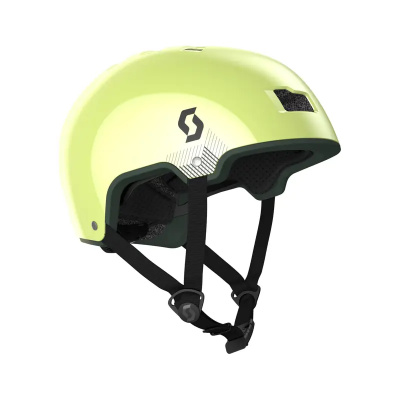
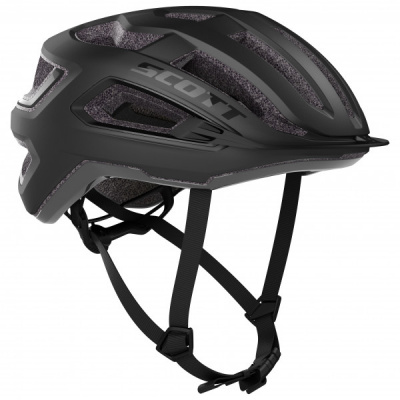
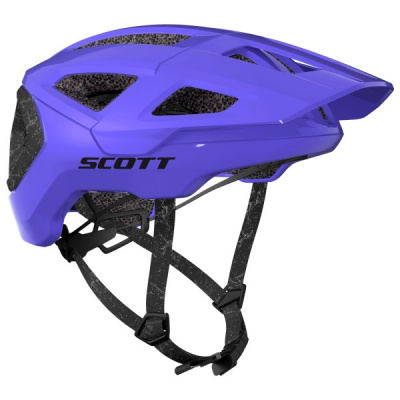
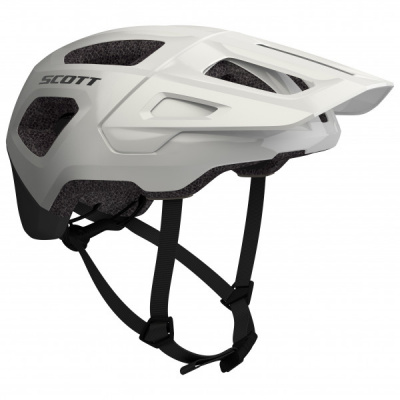
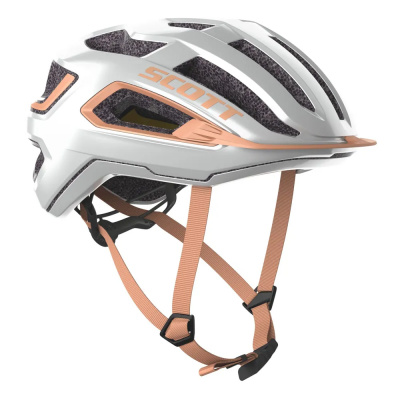
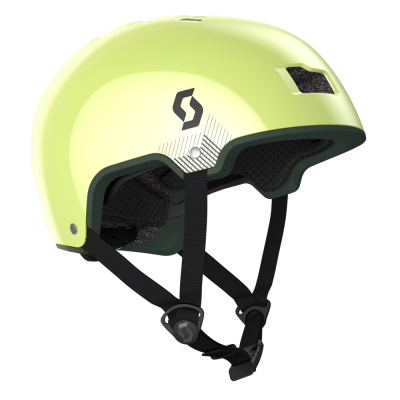
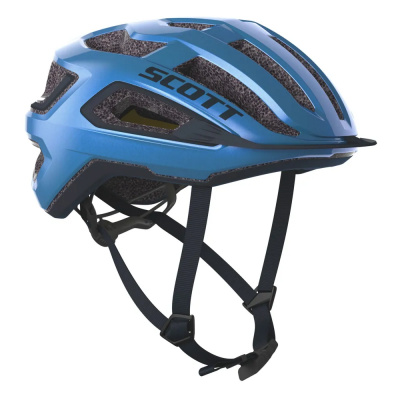
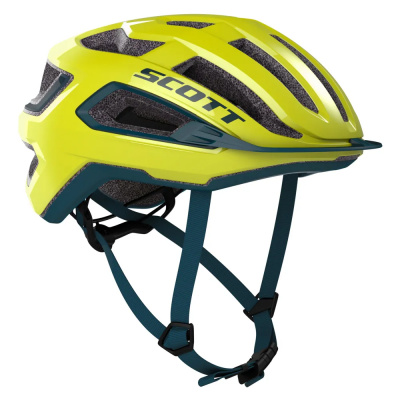
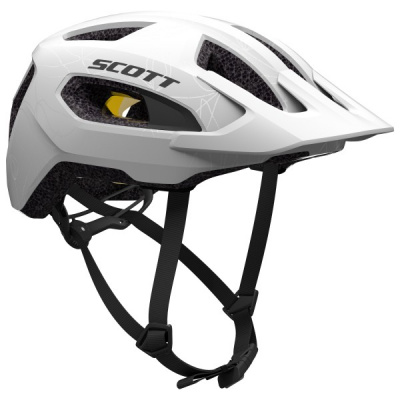
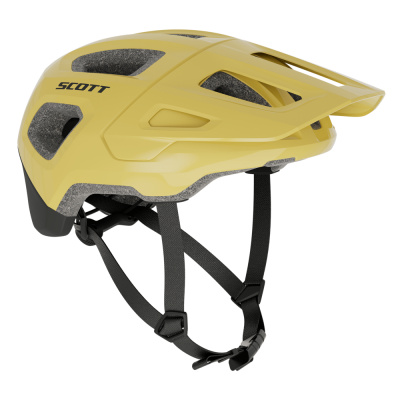
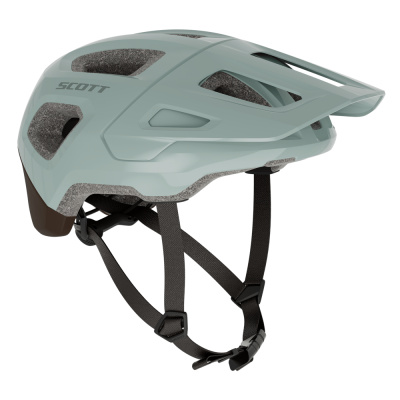
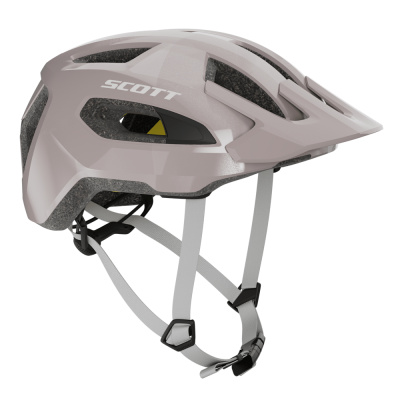
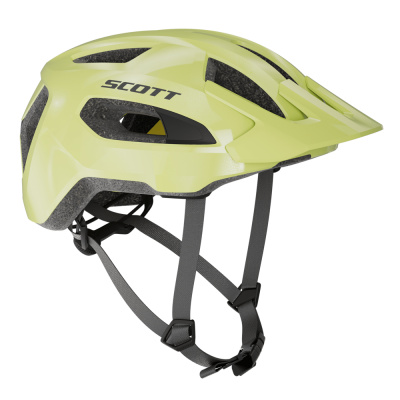
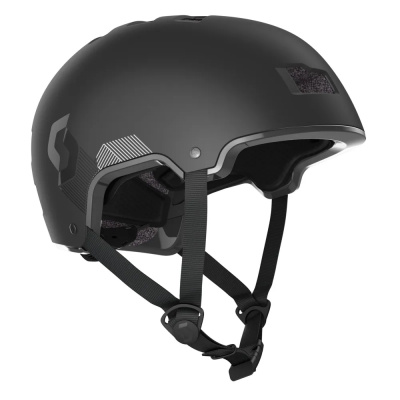
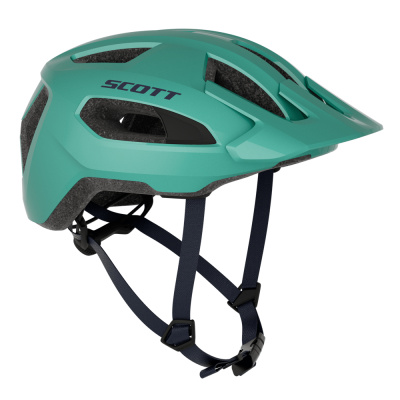
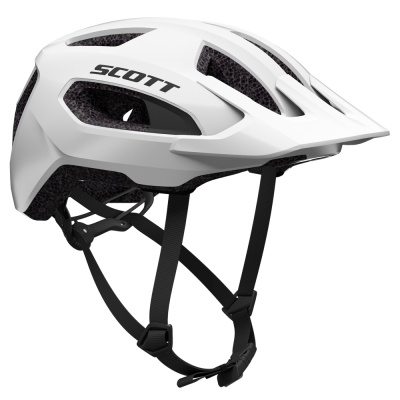
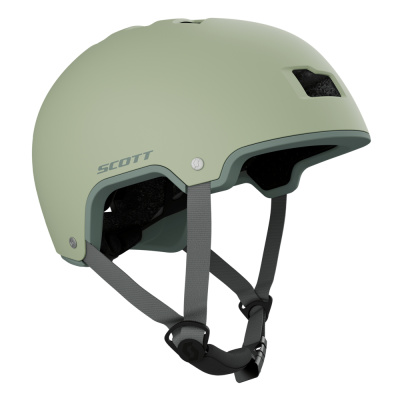
Prices and availability can change quickly. Delivery charges are not always included in listed prices.
Final price, stock status and delivery terms are set by retailer. We may receive a commission on purchases made.
Safety Architecture and How the Ventilation Actually Works
Scott's In-Mold technology is the foundation here. By fusing the hard polycarbonate shell directly to the expanded polystyrene foam during manufacture, Scott removes the need for a separate outer shell - saving meaningful grams without sacrificing the structural integrity you're relying on if things go wrong. It's how a lightweight road lid can still absorb and distribute impact energy effectively.
MIPS adds another layer. On a straight-on impact, a standard helmet does its job. But most real crashes involve an oblique angle - think sliding off on a greasy Welsh bridleway or clipping a kerb at low speed. That's where rotational force becomes the problem, and MIPS addresses it by allowing a thin low-friction layer inside the helmet to slide a few millimetres relative to the shell, reducing the twisting load on your brain. It's not a gimmick; the independent safety data backs it up, and it's why we'd lean toward MIPS-equipped models for most UK riders.
The ventilation channels deserve a mention too. Scott's optimised internal cooling channels are designed to pull air through the helmet and across the EPS liner efficiently. On a sticky August climb in the Malvern Hills that matters a lot. What's equally relevant for UK riding is that those channels don't turn into wind tunnels on a wet, blustery descent - the internal design manages airflow without the helmet becoming a sail. If you're comparing options, Giro helmets and Bell helmets sit in the same conversation for ventilation quality, but Scott's channel geometry takes a notably direct approach to moving heat away from the crown.
Road, MTB, and Where Each Model Fits
The Scott road range centres on models like the Centric and Cadence. The Centric leans toward the weight-conscious road and sportive rider - deep ventilation, clean lines, light construction. The Cadence targets riders who want a broader, more protective coverage with an approachable price point. Neither is trying to be a time trial lid, and that focus shows in how well they perform as all-day riding helmets rather than niche race tools. Speaking of which - looking to shave seconds against the clock? Head over to our dedicated Scott Aero TT Helmets page. Shopping for younger riders? Check out our Scott Kids Helmets collection.
On the MTB side, the Stego and Vivo are the names worth knowing. The Stego is a trail helmet with a deeper rear coverage than a road lid, a more robust shell, and visor integration that's genuinely adjustable rather than decorative. It suits riders who spend time on technical singletrack where a stray branch or an unexpected meeting with a rock face is a realistic possibility. The Vivo sits slightly lighter in construction and works well across XC and trail crossover riding - the kind of long-mileage mixed-surface days that UK riding tends to involve. If you ride mixed terrain and you're weighing up options, Fox helmets are worth a look for comparison, particularly in the trail and enduro space.
On fit, Scott helmets run a neutral to slightly oval internal shape - which is good news for a broad range of head profiles. The Halo fit system works via a dial at the rear that cradles the occipital bone rather than just gripping the sides of your head. That distinction matters: a helmet that wraps around the back of your skull properly stays put in a crash rather than riding up. The MRAS fit system (Micro Rotary Adjustment System) on certain models gives finer incremental adjustment - useful if you sit between two dial positions with other brands. Both systems allow enough opening to fit over a thermal skull cap, which is the practical winter question most UK riders need answered before buying.
Winter Layers, Muddy Straps, and Keeping Your Lid Alive Longer
If you ride year-round in the UK - and most of us do, because the calendar doesn't really offer a clean off-season - your helmet needs to work with layers, not against them. The rear retention dial on Scott's Halo and MRAS systems opens wide enough to accommodate a thin thermal skull cap or a waterproof cycling cap beneath the lid. The process is simple: loosen the dial before you pull the helmet on over the cap, then re-tension it once it's seated. Takes ten seconds. What you're checking for is that the helmet still sits level on your head - not tilted back - because a skull cap can shift the fit point if you just jam the dial tight without readjusting.
For MTB and gravel riders, mud in the vents and straps is a fact of life on UK trails. After a gritty ride in the Peak District or a wet one on the Quantocks, rinse the helmet under cool running water and use a soft brush on the vents - a clean toothbrush works well. The internal pads on most Scott helmets are removable and machine-washable on a gentle cycle. Do this regularly and they'll keep managing sweat and odour far longer. Straps can be wiped down with a damp cloth; avoid harsh soaps that can degrade the webbing over time. Pair your lid with a set of Scott sunglasses and Scott gloves for a kit that works as a system in variable UK conditions, or layer up with a Scott jacket when the forecast looks grim.
One thing worth knowing: replace a helmet after any significant impact, even if there's no visible damage. EPS foam compresses on impact and doesn't recover - so a lid that looks fine may have lost a meaningful portion of its protective capacity. Most manufacturers, Scott included, recommend replacing every three to five years regardless of crashes, as UV exposure and sweat gradually degrade the foam's structure.
Scott Helmets FAQs
How do Scott helmets fit compared to other brands?
Scott helmets run a neutral, slightly oval internal shape that suits most head profiles without feeling pinched at the sides. The Halo and MRAS retention dials let you dial in the fit precisely around the occipital bone, which generally means a more secure feel than brands relying purely on side pressure.
Do all Scott helmets feature MIPS technology?
Not quite - MIPS is standard across most of Scott's mid-to-high-end road and MTB models, but some entry-level lids skip it to keep costs down. If rotational impact protection is a priority for you, check the product spec before buying rather than assuming it's included.
How do I adjust the fit on a Scott helmet?
Place the helmet level on your head first, then turn the rear dial - Halo or MRAS depending on the model - until it's snug but not uncomfortable. Next, adjust the chin strap so the Y-dividers sit just below your ears and you can slide no more than two fingers under the strap at your chin.