
Schoffel Jackets
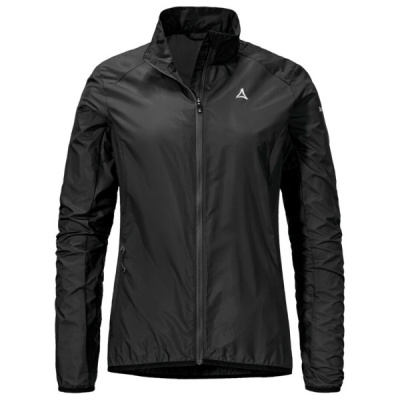
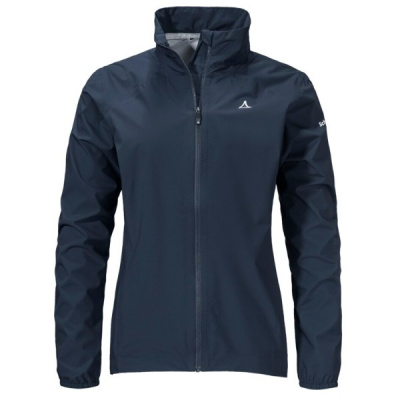
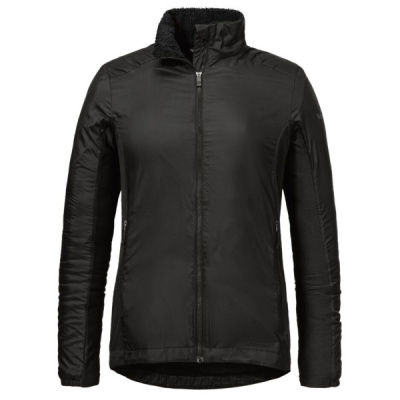
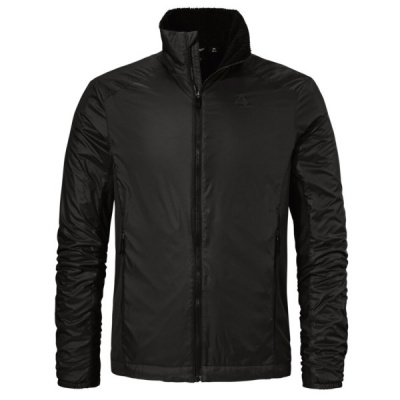
Schoffel jackets have built a serious reputation among riders who won't compromise when the weather turns - and in the UK, it always turns. Founded in Germany with decades of technical outdoor clothing behind them, Schoffel brings genuine engineering rigour to cycling outerwear rather than simply re-badging a generic shell. Their proprietary Venturi® membrane sits at the heart of the range, delivering the kind of waterproofing and breathability that matters when you're grinding up a Welsh valley in horizontal drizzle or hammering into a North Yorkshire headwind. What sets them apart from a crowded jacket market is the attention to on-bike ergonomics: articulated sleeves that move with you instead of fighting you, dropped tails that keep your lower back covered when you're stretched out over the bars, and microfleece-lined collars that actually stop the wind getting in rather than just looking like they might. The range covers everything from packable windproof layers you'd stuff into a jersey pocket before a sportive to proper three-season waterproof jackets built for full-day exposure. If you're matching kit to the conditions rather than buying on looks alone, Schoffel deserves a close look.
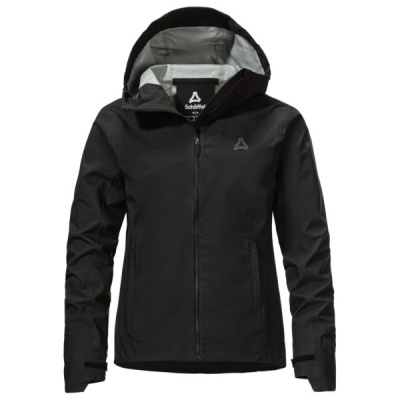
Prices and availability can change quickly. Delivery charges are not always included in listed prices.
Final price, stock status and delivery terms are set by retailer. We may receive a commission on purchases made.
Fabric Tech and Weather Performance
The Venturi® membrane is Schoffel's own proprietary waterproof-breathable construction, available in both 2-layer and 3-layer builds depending on the jacket. The distinction matters. A 3-layer Venturi shell laminates the membrane directly to the outer fabric and a lightweight backer, producing a stiffer, more robust jacket that handles sustained downpours - the kind you get crossing open moorland in the Peaks - without the outer fabric becoming saturated and heavy. A 2-layer version bonds the membrane to the outer fabric only, with a separate lining floating inside; slightly softer hand feel, slightly more packable, and well-suited to changeable days where waterproofing is your backup plan rather than your primary need.
Waterproofing is measured by hydrostatic head rating - essentially how much water pressure the fabric resists before it leaks. Schoffel's cycling shells typically sit at ratings that handle genuine riding rain rather than just light drizzle, and fully taped seams mean stitching holes don't become the weak point. That's the detail that separates a proper waterproof from a water-resistant jacket that fails you after twenty minutes.
Breathability is where many waterproof jackets fall apart, and it's where the Venturi® membrane earns its place. Push hard on a climb - say, the long drag up Hartside in Cumbria - and a jacket that can't shift moisture vapour fast enough becomes a steam room. The membrane's moisture vapour transfer rate allows sweat vapour to escape outward while blocking liquid water coming in. That said, no waterproof jacket breathes like a soft-shell on a dry day, so if a jacket features pit zips, use them on the climbs. It's the simplest ventilation tool and most riders forget about it until they're already soaked from the inside.
DWR coating - Durable Water Repellent - is the outer fabric's first line of defence. It causes rain to bead and roll off rather than soaking into the weave, which keeps the outer fabric light and maintains breathability. DWR does degrade with use and washing, which is why care matters (more on that below). Some Schoffel models also appear on Bikesy alongside Endura jackets and Castelli jackets if you want direct side-by-side comparisons across brands with similar technical ambitions.
How the Fit Works Across the Range
Schoffel's cycling jackets follow a tailored but not race-tight profile. There's enough room to layer a jersey and a light mid-layer underneath without the jacket billowing in a crosswind, but you won't be swimming in excess fabric either. That balance is harder to get right than it sounds - too close a cut and a jacket becomes restrictive when you add a base layer; too generous and you're dragging a parachute up every hill.
The articulated sleeves are worth understanding properly. When you reach forward to the bars, a standard jacket sleeve rides up and leaves your wrists exposed. Articulated construction pre-shapes the sleeve with a slight forward bend so it follows your arm position on the bike rather than pulling against it. Schoffel's cycling cuts include this as standard across most of the waterproof range, and it's the kind of feature you notice immediately the first time you're properly stretched out on the drops in cold air.
The dropped tail does similar work at the other end - extending the rear hem to cover your lower back and the top of your shorts when you're bent forward. Rear-wheel spray on a wet road is relentless, and a jacket that rides up and exposes your base layer defeats the point. Check the hem length on any model you're considering; longer is generally better for road and gravel riding where your position is more stretched.
If you want core warmth without sleeves getting in the way - useful for days when your arms are warm enough but your chest and back aren't - the Schoffel gilets range covers that gap neatly. You might also pair a gilet with a long-sleeve jersey from the Schoffel jerseys range for a versatile layering system that adapts as conditions shift. For full lower-body coverage on grim winter rides, Schoffel trousers are worth pairing with a waterproof jacket for consistent protection front-to-back.
Sizing tends to run true to Schoffel's standard outdoor clothing measurements. If you're between sizes and planning to layer heavily, go up. If you're mostly riding with a single base layer in autumn conditions, your standard size works well. The microfleece collar lining is a small detail that makes a real difference on cold mornings - it stops the inevitable gap between helmet and collar from becoming a wind funnel.
For riders who want a quick comparison, Altura jackets offer an alternative at a range of price points, though the Schoffel range tends to lean toward a more refined construction quality and finish.
Layering for UK Conditions and Keeping the Jacket Performing
A Schoffel waterproof cycling jacket works hardest as the outer layer in a three-piece system. Against the skin, a merino or synthetic moisture-wicking base layer pulls sweat away and keeps you from feeling clammy. Over that, a light thermal mid-layer - a fleece gilet or insulated jersey - adds warmth without much bulk. The Schoffel shell goes on top, handling wind and rain while the layers beneath manage temperature. This approach is more versatile than a single heavy jacket because you can strip layers as conditions change rather than cooking in one fixed thermal weight.
For mid-season rides - the kind of October morning where it starts at eight degrees and might hit fourteen by noon - drop the mid-layer and run base plus shell. The Venturi® membrane breathes well enough to manage output without a full thermal sandwich underneath. Get the layering wrong and you'll be either underdressed at the start or overheating by the first café stop. Neither is a good position to be in.
Care is where riders consistently let themselves down. Washing at 30°C with a dedicated technical apparel cleaner is the rule - biological detergents and fabric softeners clog the membrane and kill breathability faster than anything else you'll do to the jacket. Once washed, tumble dry on a low heat setting. The heat reactivates the DWR coating and restores that water-beading performance. If the DWR has degraded significantly - you'll notice water soaking in rather than beading - a dedicated reproofing spray applied while the jacket is still damp after washing brings it back. It's a fifteen-minute job that extends the jacket's life considerably.
Store the jacket loosely rather than compressed for long periods. Keeping it stuffed in a stuff sack for months at a time stresses the membrane and the DWR finish. Hang it or fold it flat, and it'll reward you next season.
Schoffel Jackets FAQs
Are Schoffel jackets fully waterproof?
Most Schoffel cycling jackets use their proprietary Venturi® membrane or Gore-Tex with fully taped seams, making them genuinely waterproof rather than merely water-resistant. The exact hydrostatic head rating varies by model, so check the spec on any jacket you're considering - higher ratings suit sustained heavy rain, while lighter shells handle showers and wind without the full protection overhead.
How do Schoffel jackets fit for cycling?
Schoffel's cycling jackets use a tailored but practical cut - fitted enough to avoid wind drag, with enough room to layer a jersey or mid-layer underneath comfortably. Look for articulated sleeves that follow your arm position on the bars and a dropped rear hem that keeps your lower back covered when you're stretched forward. If you're layering heavily in winter, sizing up is usually the right call.
How do I wash and reproof my Schoffel waterproof jacket?
Wash at 30°C using a technical apparel cleaner - biological detergents and fabric softeners will degrade the membrane and kill breathability. Tumble dry on a low heat setting afterwards to reactivate the DWR coating. If water stops beading on the outer fabric after washing, apply a dedicated reproofing spray while the jacket is still damp. Do this regularly and the jacket stays performing as it should.