
Saracen Mountain Bikes
Saracen mountain bikes are designed in the UK, proven on the World Cup Downhill circuit, and built around one core idea: handling everything British riding can throw at them. That means slack geometry, tough frames, and suspension tuned for steep, rocky, and relentlessly muddy conditions rather than sun-baked hardpack.
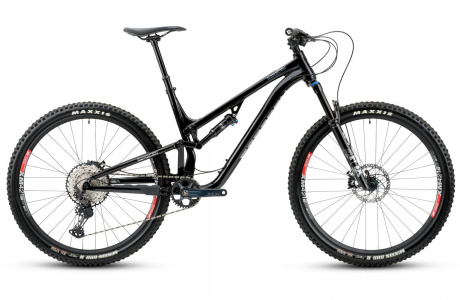
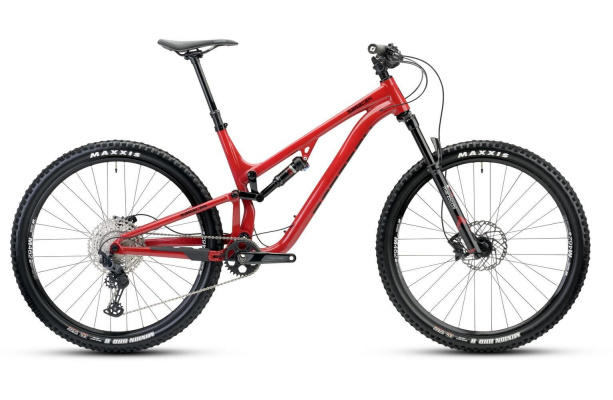
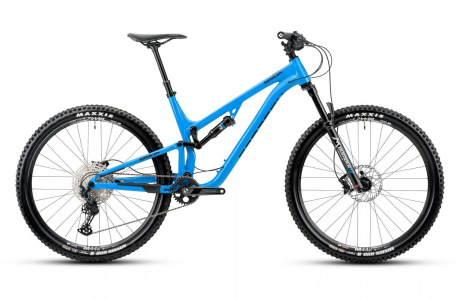
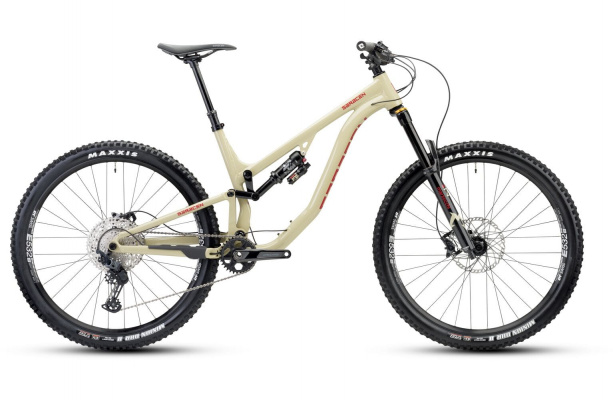
The range splits across three clear families. The Myst is Saracen's dedicated downhill race machine - the bike that's been on World Cup podiums. The Ariel covers trail and enduro duties across multiple travel options, giving you a bike that works on your local loop and holds its own at the bike park. The Mantra is a hardcore trail hardtail for riders who want something direct, light, and low-maintenance without sacrificing modern geometry. Each family runs across trim levels, so whether you're buying your first proper mountain bike or speccing something race-ready, there's a slot in the lineup for you.
If you're after Saracen's electric range, head over to our dedicated Saracen E-Bikes page. Everything here is purely pedal-powered.
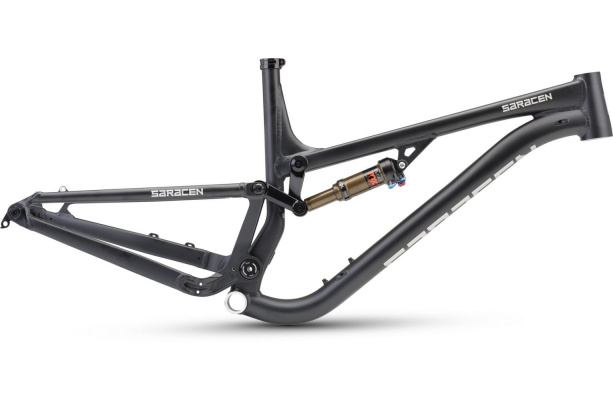
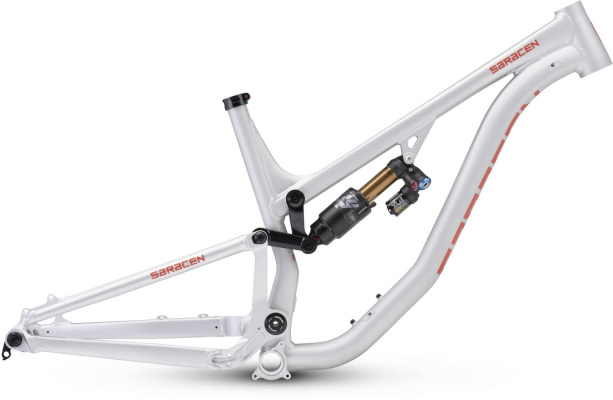
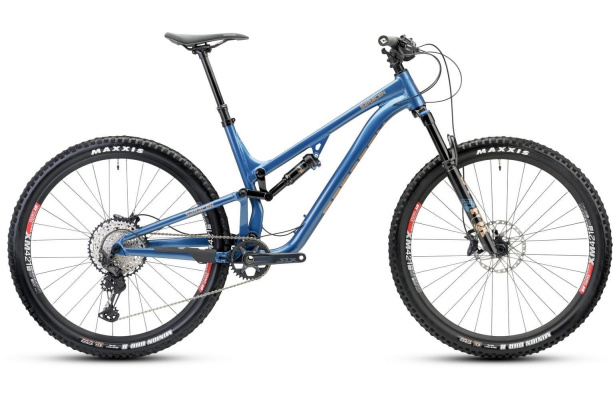
Prices and availability can change quickly. Delivery charges are not always included in listed prices.
Final price, stock status and delivery terms are set by retailer. We may receive a commission on purchases made.
Decoding the Saracen Mountain Bike Lineup
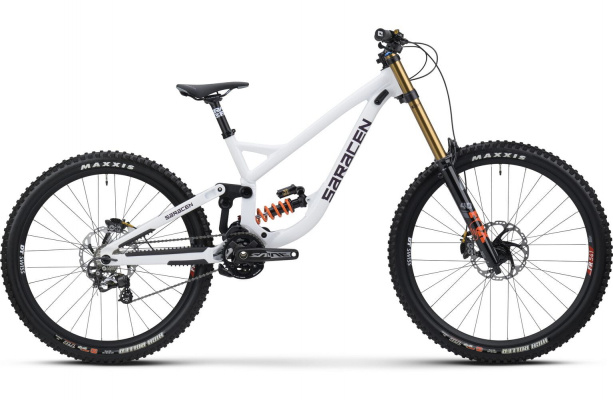
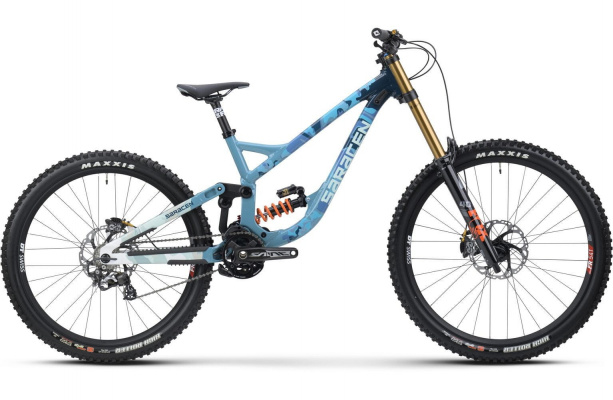
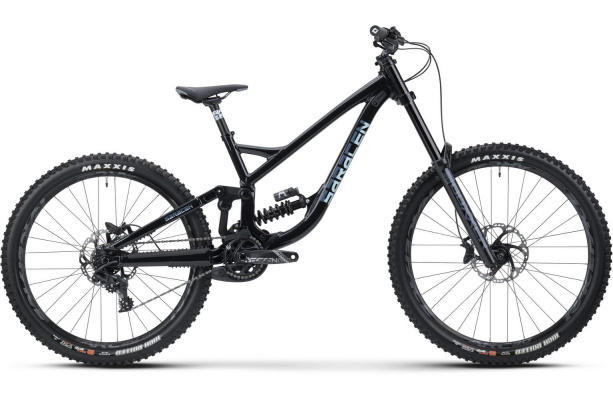
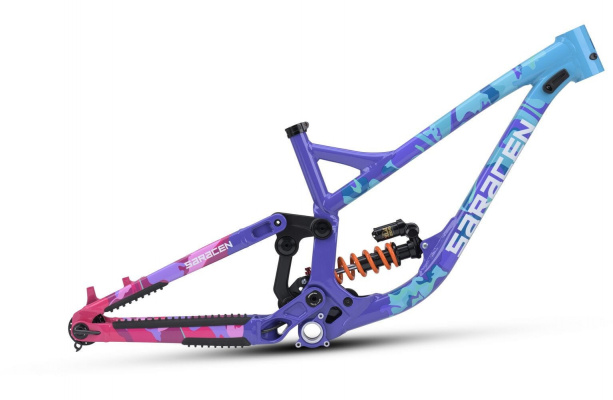
Start with the Myst. It's a dedicated downhill rig - 200mm of rear travel, a geometry that prioritises stability at speed over pedalling efficiency, and a frame built to take repeated shuttle laps at places like Rheola or Fort William without complaint. This isn't a do-it-all bike. It's a race tool, and Saracen Ariel vs Myst comparisons come up often because riders want to know where the line sits. The Myst is for lift-accessed riding and serious DH; the Ariel is what most riders actually need.
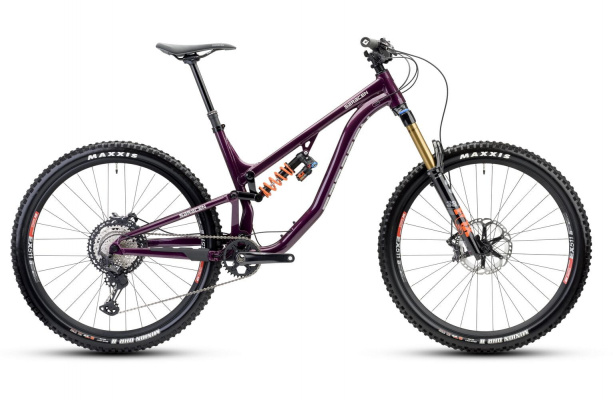
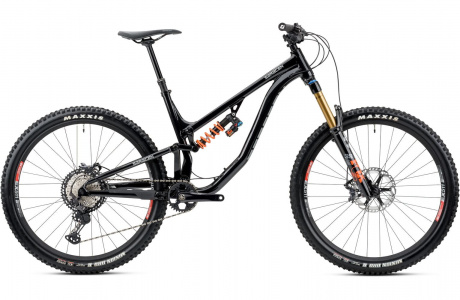
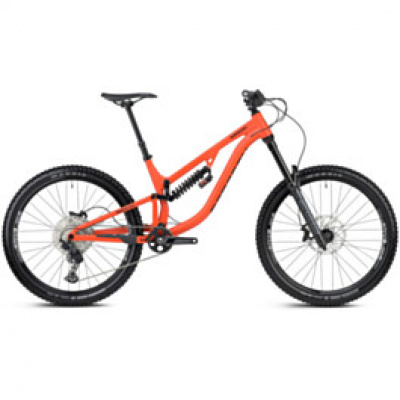
The Ariel family is where the range gets interesting. Travel increases as you move up the model numbers - the Ariel 30 sits in trail territory, suited to a fast lap of the Gisburn Forest blue network or the South Downs Way, while the Ariel 60 pushes into enduro and bike park use with more suspension travel and progressively slacker geometry. Both benefit from Saracen's modern long-reach, low-stack philosophy, so you're sitting in the bike rather than perched on top of it. Trim levels run from Base through Pro to Elite, with the meaningful spec jumps coming in drivetrain and suspension components - air shock versus coil, budget groupset versus a full 12-speed Eagle build.
The Saracen Mantra hardtail deserves its own moment. It's built around a 29er wheel platform with geometry that doesn't feel like a compromise - proper trail angles, not a watered-down XC stance. Lighter than any full-sus in the range, cheaper to service, and genuinely quick on hard-packed or rooty trails. If you're comparing it against something like a Calibre mountain bike at a similar price, the Mantra's frame quality and geometry hold up well.
The Tech Behind the Bikes
Saracen's TRL (Tuned Ride Link) suspension design sits at the heart of the Ariel and Myst platforms. The linkage is calibrated to feel active and supple through the initial stroke - useful when you're picking a line through a rock garden - while ramping up progressively enough to resist bottoming out when you land a drop or hit a compression hard. It's not magic; it's a carefully considered leverage ratio curve. But it means the bike doesn't feel dead or harsh, which matters on a three-hour ride in the Peak District where the ground keeps changing under you.
Frame material choice tells you a lot about where each model sits. Saracen's Series 3 6061 custom-butted alloy frames are the workhorse option - the tubing is shaped and thinned where it doesn't need beef, thickened where it does, giving you a frame that's both light enough to pedal and robust enough to take hits. Step up to the carbon models and you're looking at 24T/30T Mitsubishi UD carbon layups, which Saracen uses to hit specific stiffness targets in the front triangle while keeping weight low. The result is a front end that communicates clearly through your hands rather than flexing and filtering out feedback. Worth noting: the alloy options aren't a consolation prize. On rough, rooty UK trails, a well-built alloy frame often feels more confidence-inspiring than a twitchy lightweight carbon.
Saracen's adoption of mullet setups - 29-inch front, 27.5-inch rear - via custom linkages is worth understanding. Mixing wheel sizes changes the bike's effective geometry, and Saracen designs the linkage specifically to compensate, maintaining the intended head angle and bottom bracket height rather than just bolting on a smaller rear wheel and hoping for the best. For steep, rutted descents in the Tweed Valley, the mullet configuration gives you the rollover ability of a big front wheel with the agility of a smaller rear. It's a genuine performance choice, not a trend.
Sealed pivot bearings across the range are a practical detail that matters more than it sounds. UK riding means mud, grit, and water - and unsealed or cheap bearings in a suspension linkage will creak, wear, and eventually seize. Oversized, fully sealed pivots last longer between services and stay quieter through a wet Welsh winter. Something worth checking when comparing against Cube mountain bikes or Giant mountain bikes at similar price points.
Owning a Saracen in the UK
Mud clearance is the practical reality of riding here from October through April. Saracen's frame designs build in generous tyre clearance - particularly around the chainstays and seat tube - so you're not spending half your ride watching your wheel grind against packed mud. Running a 2.4-inch tyre in winter Wales is perfectly achievable on most Ariel models without packing the frame solid on a wet day.
Sizing needs a mention because Saracen's modern geometry runs long. If you've been riding an older bike and you go by your usual size, you may find the reach feels stretched. That's not a fault - it's intentional. Longer front centres give you more stability at speed and stop the front wheel from tucking when you're pushing hard into a corner. But if you're between sizes, try the smaller option first, especially on the Ariel range. A Boardman mountain bike from the same era will likely feel shorter for the same nominal size.
Saracen full suspension mountain bikes also benefit from regular pivot bearing checks every couple of seasons - more frequently if you ride year-round in grim conditions. The bearings themselves are quality units, but no bearing survives sustained neglect in mud. A quick clean and inspection after a particularly filthy week costs nothing and adds years to the frame's life. While you're at it, check the linkage bolts for torque; they can work loose on rough ground. If you're picking up a Saracen MTB UK sale model mid-season, that's the first thing to look at before the first ride.
For riders who want to explore tamer routes or mixed-surface riding, Saracen's gravel bikes are worth a look as a separate category - a different tool for a different job. And if Hope mountain bikes are on your shortlist for a UK-engineered option, they sit in a different price bracket but share a similar commitment to conditions-specific design.
Related searches:
Saracen Mountain Bikes FAQs
Are Saracen mountain bikes any good?
Yes - Saracen is a well-regarded UK brand with World Cup Downhill wins to its name. Their mountain bikes are respected for solid build quality, modern aggressive geometry, and suspension systems that perform in the kind of harsh, wet conditions British riders deal with regularly. They're not budget corner-cutters; the spec choices are deliberate.
Where are Saracen bikes made?
Saracen bikes are designed and engineered in the UK by their in-house team. Frames are manufactured in Taiwan, which is standard practice across the industry - including brands at significantly higher price points. UK design, Taiwanese production, built to Saracen's own specifications and quality standards.
What is the difference between the Saracen Ariel and Mantra?
The Ariel is a full-suspension mountain bike - front and rear shock - suited to trail, enduro, and bike park riding where the extra travel earns its weight. The Mantra is a hardtail: front suspension only, no rear linkage. That makes it lighter, simpler to maintain, and more direct-feeling on trail rides where you don't need 130mm of rear travel.