
Santini Regular Tights
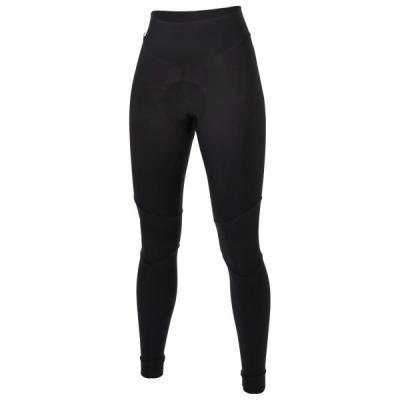
Santini Cycling Waist Tights deliver the kind of precision you'd expect from a brand that's been outfitting world champions since 1965, wrapped in the convenience of a pull-on design. If you're after the stay-put security of a high waistband without the faff of straps, these Santini non-bib tights nail the brief. Silicone waistband grippers and a multi-panel ergonomic cut keep everything anchored on long winter rides, whether you're grinding through the Chilterns or commuting across town when the temperature drops. Blizzard thermofleece fabric holds warmth close without turning you into a mobile sauna, and the Acquazero water-repellent treatment shrugs off road spray when the weather turns. Santini women's waist tights offer the same Italian-made construction with anatomically tailored cuts, so fit and function aren't compromised. For riders who value quick mid-ride stops or simply prefer the freedom of a waistband, these Santini winter thermal tights make a strong case without the bulk or sag you sometimes get from cheaper alternatives. Pair them with a Santini jacket and you've got a cohesive winter kit that works.
Prices and availability can change quickly. Delivery charges are not always included in listed prices.
Final price, stock status and delivery terms are set by retailer. We may receive a commission on purchases made.
Fabric Construction and Chamois Systems
Santini padded cycling trousers lean heavily on two core technologies: the GITevo chamois and Blizzard thermofleece fabric. The GITevo insert uses a Twist Gel core that flexes with your pedal stroke, absorbing road chatter without the nappy-bulk feel of older foam pads. It's thinner than the brand's top-tier C3 pad but still offers plenty of cushioning for three-hour rides and beyond. The C3, by contrast, wraps that gel core in a protective shell with a 3D ergonomic surface, making it the go-to for all-day epics or rough surfaces. Most Santini waist tights spec the GITevo as the sweet middle ground between comfort and breathability.
Blizzard thermofleece is the workhorse fabric here. It's a high-loft brushed polyamide blend that traps body heat in tiny air pockets while wicking moisture outward, so you stay warm without that clammy feeling when you ease off the pace. The Acquazero treatment adds a hydrophobic layer to the outer face, causing light rain and road spray to bead and roll off rather than soaking through. It's not a full waterproof shell, but it buys you time before you need to reach for overshoes or a shell layer. For truly grim conditions, Santini's Vega Dry line steps up with reinforced panels and heavier insulation, though those sit at the extreme end of the range.
How Santini Fits and Sizes
Are Santini tights true to size? Not if you're used to UK high-street sizing. Italian cycling apparel runs slim and race-cut, designed to hug muscle groups without excess fabric flapping in the wind. That means most riders find they need to size up one notch from their usual casual trouser size to get a comfortable fit. A UK medium often translates to a Santini large, especially around the thighs and calves where the multi-panel ergonomic cut pulls snug.
Santini offers two broad fit profiles across its range: Sleek and Classic. Sleek is the tighter, more aerodynamic option favoured by racers and fast club riders who prioritise minimal drag. Classic adds a touch more room through the seat and thigh without going baggy, making it the better bet for endurance riders or anyone who layers a base layer underneath. Women's waist tights use anatomically tailored panels with a wider waistband and repositioned seams to avoid pressure points, so fit is genuinely specific rather than a shrink-and-pink afterthought.
The waistband itself is critical in non-bib designs. Santini uses a tall elasticated band with internal silicone grippers that sit flat against your skin, distributing pressure evenly rather than digging in at a single seam line. Done right, you forget it's there. Done poorly, you're hitching up every ten minutes. Santini's construction leans toward the former, though if you're between sizes, go up to avoid abdominal compression on longer rides. Reflective ankle zips make entry and exit easier and add a visibility boost when you're filtering through traffic at dusk.
Temperature Ranges and Layering
When should you reach for Santini winter thermal tights? Most models in the range are built for temperatures between 5°C and 12°C, the classic British autumn-through-spring window when shorts feel optimistic but full winter kit is overkill. Blizzard thermofleece handles that bracket well, keeping your legs warm on the first few cold miles without overheating once you're spinning at tempo. For sub-zero outings, look for models with thicker fleece or windproof front panels, which Santini often labels with a Vega or Blizzard+ suffix.
Layering isn't usually necessary with thermal tights, but if you're caught between seasons or heading out for an all-day ride with a cold start and mild finish, knee or leg warmers over shorts can be easier to peel off than full tights. Some riders also throw lightweight waterproof over-shorts on top when the forecast looks dodgy, though the Acquazero treatment usually handles light drizzle on its own. If you're commuting and want maximum versatility, Italian cycling tights no bib let you strip down quickly indoors without the rigmarole of peeling off a jersey and bib straps in a cramped office bathroom.
Made in Italy: Pro Feedback and Design Legacy
Santini's been stitching kit in Bergamo since 1965, supplying everything from UCI World Championship squads to Giro d'Italia teams. That pro-level pedigree filters down into consumer waist tights through iterative feedback loops: riders report pressure points or fabric pilling, and the next season's cut adjusts seam placement or switches to a more durable yarn. It's not marketing fluff. The same factories that produce WorldTour race kit also handle the consumer line, so quality control and material sourcing stay consistent.
The brand's involvement in elite racing means new tech often debuts at the sharp end before trickling into the regular range. C3 pad technology, for example, was refined with input from stage-race riders who needed all-day comfort without adding weight. GITevo followed as a lighter, more breathable alternative for shorter efforts and warmer conditions. That iterative approach keeps Santini relevant without chasing every trend or reinventing the wheel each season. If you're comparing Italian cycling tights no bib across brands, Castelli and Sportful offer similar race-cut aesthetics, while Assos leans more toward endurance comfort with a higher price tag. Alé sits closer to Santini's price-performance balance, though fit can vary more widely between models.
Santini's heritage also means the brand understands the nuances of non-bib construction. Waist tights have to manage tension differently than bibs, which rely on shoulder straps to hold the chamois in place. A well-designed waistband distributes load across the hips and lower back, preventing sag without constricting your diaphragm. Santini achieves this through a combination of high-stretch elastane blends and strategically placed silicone grippers, so the tights move with you rather than against you. It's a detail that matters more the longer you're in the saddle.
Care and Maintenance
How do you wash Santini thermal tights? Stick to 30°C with a non-bio detergent and skip the fabric softener entirely. Softeners coat elastane fibres and degrade the stretch over time, and they can also clog the pores in technical fabrics like Blizzard thermofleece, reducing breathability. Turn the tights inside out to protect the outer Acquazero treatment and the chamois stitching, then air dry flat or on a hanger. Never tumble dry. High heat breaks down the gel core in the GITevo pad and can warp the multi-panel cut, leaving you with saggy knees and a chamois that no longer sits where it should.
If you're riding frequently through winter, rotating two or three pairs extends the life of each. Elastane needs time to recover its shape between wears, and giving the chamois a full day to air out prevents bacterial build-up that causes saddle sores. Store tights flat or loosely folded rather than balled up in a drawer, which can crease the fabric and stress seams. Reflective ankle zips should be closed before washing to prevent snagging, and check the zips occasionally for grit or salt residue that can jam the sliders. A quick rinse under the tap after a wet ride keeps corrosion at bay.
If you're building out a winter wardrobe, consider pairing your waist tights with a Santini jersey in a similar thermal weight, or explore Santini bib tights if you want to compare the fit and feel of straps versus a waistband. For riders who prefer shorts year-round with leg warmers, Santini regular shorts offer the same chamois options in a modular format.